Category Archives: Medicines & Sciences

Women’s Reproductive Health

Part 2 : PERIOD PAIN (DYSMENORRHOEA)

by Dr. Mecherl Lim

MD (MA) Naturopath (ND), Holistic Kinesiology


This is lower abdominal pain that commences just before or during menstrual flow, the first 24 hours being the most painful. 

About 70 percent of women experience some degree of menstrual pain.

WHAT ARE THE SIGNS AND SYMPTOMS?

The pain may be gripping, cramping or a constant ache, and it ranges from mild to severe.  Sometimes it spreads to the back and down the legs.  Period pain may sometimes be accompanied by scanty or heavy flow with clots, headaches, nausea, vomiting, constipation, diarrhoea, sore breasts or dizziness and fainting.

HOW IS IT DIAGNOSED?

A medical diagnosis is required to find out if the pain is menstrual or something else.  Primary dysmenorrhoea is normal menstruation that is accompanied by pain.  Secondary dysmenorrhoea is linked to a cause such as endometriosis, fibroids or polyps.

WHAT CAUSES IT?

Primary dysmenorrhoea is caused when the uterus contracts to eliminate its lining.  Women with period pain probably have high levels of prostaglandins and these compounds over stimulate the uterus.

Secondary dysmenorrhoea has a medical cause such as fibroids (obstructive internal uterine growths) that cause the uterus to contract more powerfully than normal.  Intrauterine contraceptives are also linked to period pain.

HOW ALLOPATHY DOCTORS TREAT IT?

Primary dysmenorrhoea

  • Painkilling drugs, such as paracetamol
  • Prostaglandin inhibitors, such as ibuprofen
  • Oral contraceptives often eliminate period pain

Secondary dysmenorrhoea

The medical treatment depends on the cause and may involve hormones, anti-inflammatory pharmaceuticals or surgery.

PHARMACEUTICAL USE

All drugs have a long list of cautions and adverse effects, as you will see from package inserts or by looking at the MIMs Annual in your library.  Not everyone experiences side effects and you may need to take a strong, quick acting medication for severe symptoms and particularly for pain. If a few over the counter painkillers, such as paracetamol, prevent period or other pain, then that’s the simplest most effective and economical treatment-and it’s unlikely that you will experience side effects from taking, say, two to six tablets a month.

THE HOLISTIC APPROACH

Bed rest with abdominal heat (such as a hot water bottle) is a standard recommendation. This works better if you gently massage about six drops of lavender oil onto your abdomen before applying the heat and lie on your back with a large pillow under your knees.  A combination of eucalyptus and peppermint oil also helps some women and this combination may prevent a headache if you put a few drops on the back of your neck and one drop on the end of your nose.

Herbs : Specific herbs such as cramp bark and wild yam, Chaste tree, Dong Quai, Red Raspberry leaf, False Unicorn, Feverfew, Cinnamon helps to relieve pain and inflammation and reduce the need for pharmaceutical painkillers.

You can also use Dr. Mecherl SHE 18 which is already a combination of the above herbs and you can also see the tea recipe under “Endometriosis” Supplements.

A combination of evening primrose and fish oil works well (and even more so if vitamin E is in the formula), such as Dr Mecherl Femi Vita M or Femi HH.  Neuromous (Magnesium) is sometimes helpful,  I recommend these daily for three months, and if effective relief is relieved, reduce the dose to two weeks, then re-evaluate every few months to find the lowest helpful dose.

This type of schedule works for a number of natural remedies and the aim is to find the lowest helpful dose that works in your case. Subsequently, some women stop taking all remedies, although their pain may recur following illness or major stress.

Other remedies are exercise such as easy yoga may help ease abdominal tension and improve blood flow and therefore reduce pain.  Some women say a glass of wine or a nip of brandy helps!

HOW CAN YOU PREVENT?

Regular exercise throughout each month generally relieves congestion and stress.  Also, you will see under “Premenstrual syndrome (PMS) that a scientific trial showed that a vegetarian diet helps reduce period pain.

GOOD ADVICE

Always do something about pain, because it increases inflammation, prevents sleep, may cause depression and blocks enjoyment.


Next No 52 Issue : CANDIDIASIS
Visit : http://www.drmecherlherbs.com
Email : drmecherherbs@gmail.com
FACEBOOK : drmecherlherbs for further enquiries.
Why are we so afraid of Infertility? Dispersing the taboo of infertility 为何我们对不孕症如此恐惧? 解开不孕症之谜

Dr Ng Peng Wah

Fertility Specialist, Obstetrician and Gynaecologist Royal College of Obstetricians & Gynaecologists in United Kingdom


We sat down with Dr Ng Peng Wah from Genesis IVF and Women’s Specialists to discuss infertility and the taboo surrounding it. Genesis IVF is Penang’s premiere IVF centre aimed at providing effective infertility treatments with world-class facilities to help patients deliver their dreams of having a baby.

我们与起源妇产助育专科中心(GenesisIVF)创立者兼妇科专家伍柄华医生(Dr Ng Peng Wah)讨论不孕症之谜。Genesis IVF 是槟城首屈一指的资深人工试管婴儿(体外受精联合胚胎移植技术)专科医疗中心,旨在提供先进的助孕治疗技术和世界级的硬体设施,协助患者实现生育梦想。

Q: What is infertility and what are the steps someone who has problems conceiving should take?

NPW: Infertility as defined by World Health Organisation (WHO) as the inability to achieve pregnancy after trying for 12months without using contraceptives. If female patients are above the age of 35, they are considered suffering from infertility if they have been trying for 6 months.

The best action to take is also the most direct one – patients should come to see a fertility specialist so that the cause of infertility be identified so that a proper treatment can be attempted.

Q: What are some common causes behind infertility and the treatments to overcome it??

NPW: Infertility causes are varied but it can equally be male or female factors.

A common problem for male infertility is the inability to produce an adequate amount of viable sperm due to endocrinal, physical, chromosomal or other issues.

One of the most common female infertility problems is caused by ovulation. Ovulation problems are often caused by polycystic ovarian syndrome, which is a hormone imbalance problem that causes infertility. Another common ovulation problem is primary ovarian insufficiency (POI), which occurs when a woman’s ovaries stop working properly.

A woman’s age plays an important role in infertility as it has been statistically proven that women over the age of 35 face increased infertility problems. One of the most effective methods is In-Vitro Fertilisation (IVF) in conjunction with other technologies to augment a patient’s pregnancy rates. The beauty of IVF is that it helps overcome many infertility problems including: Blocked tubes, polycystic ovary syndrome, endometriosis, premature ovarian failure as well as low sperm quality.

Q: What are the technologies that can augment a patient’s pregnancy rates?

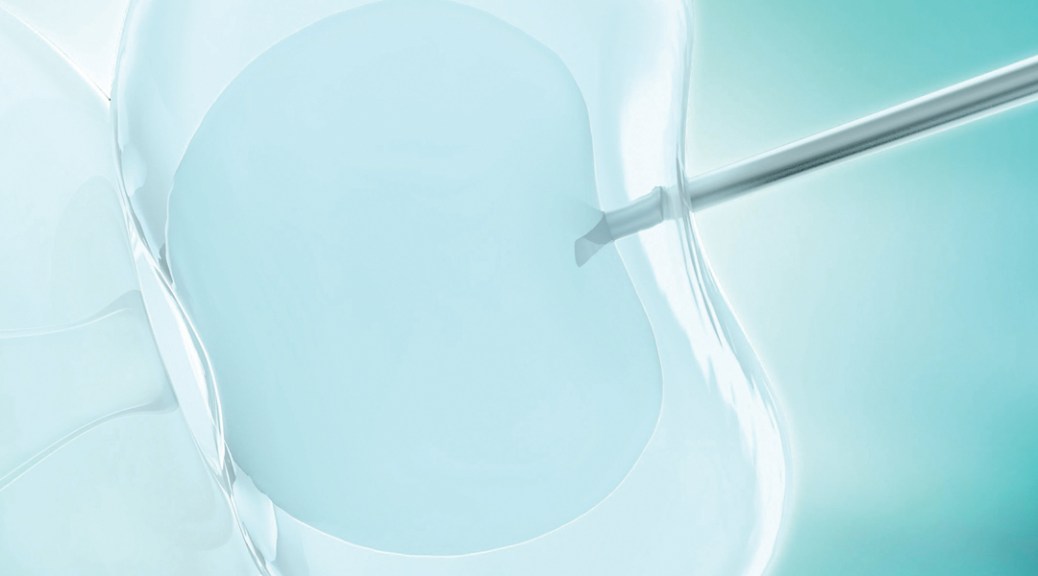
NPW: We employ techniques such as Intra Cytoplasmic Sperm Injection (ICSI) for patients suffering from low sperm quality to overcome male infertility by manually injecting a sperm into the egg to eliminate the problems of low motility sperm.

Additionally, we have Preimplantation Genetic Screening (PGS) offered to patients to ensure only chromosomally normal embryos are transferred into the mother’s womb. Embryos with abnormal chromosomes usually do not survive pregnancy; even if the pregnancy is successful, the child born with chromosomal abnormalities will be born syndromic such as Down Syndrome, Edwards Syndrome, Patau & Klinefelter. Chromosome defects are one of the most common causes for miscarriage, especially for women over the age of 35.

Q: Before we end do you have any advice for couples facing infertility?

NPW: As a fertility specialist, it is our duty to advocate and educate the public that Infertility is a disease and like any other diseases, couples with infertility should seek out treatment to overcome this disease.

问:何为不孕症?面对不孕我们应该采取什么措施?

NPW : 世界卫生组织 (WHO) 所定义的不孕不育是指在没使用任何避孕药具,备孕12个月后依旧无法怀孕。如果女性患者年龄在 35 岁以上,已经尝试了6个月仍无法怀孕,就会被认为是不孕症。最佳也是最直接的措施——患者应该咨询生育专家,这样除了可确定导致不孕的原因,还可进行适当的治疗。

问:不孕症常见的原因和疗法?

NPW : 不孕的因素多种多样,皆可发生在男性或女性身上。男性不孕常见原因是由于内分泌、生理、染色体等问题而不能生产足够数量的精子。而导致女性不孕的常见原因之一是排卵问题,通常由多囊性卵巢综合征,激素失衡而导致不孕。其它的排卵问题原发性卵巢功能不全 (POI),这种病例是卵巢停止正常运转。而女性的年龄在不孕因素中有着关键联系,统计数据证明,35岁以上女性面对不孕问题的机率较高。试管婴儿或体外受精 (IVF)是最有效疗法之一,结合其他的技术将可提高患者怀孕率。试管受精的好处在于可协助克服许多不孕问题,包括:输卵管堵塞、多囊卵巢综合征、子宫内膜异位症,卵巢早衰以及精子质量不理想。

问:有什么技术可以提高病人的怀孕率?

NPW : 我们对精子质量不理想的患者采用单精子注射 (ICSI) 等技术,朝卵子中注入精子,解决精子活跃度低下的问题,克服男性不孕。此外,我们还为患者提供移植前基因检测 (PGS),确保只有染色体正常的囊胚被移植到母亲的子宫中。染色体异常的胚胎通常不能存活;因为即使成功怀孕,染色体异常的孩子也会出现如唐氏综合症,Edwards Syndrome, Patau & Klinefelter 等综合征。染色体缺陷是导致流产的常见原因之一,尤其是35岁以上的女性。

问:在我们结束讨论之前,对面临不孕的夫妇有何建议?

NPW : 作为一名生殖课专家,我们有义务向公众宣导和传达其实不孕症是一种病症,就像其他疾病一样,不育夫妇应该寻求医生进行治疗。

WOMEN’S REPRODUCTIVE HEALTH

by Dr. Mecherl Lim

MD (MA) Naturopath (ND), Holistic Kinesiology


I would like to overview 5 common women’s reproductive health problems and aim to assist you in making informed decisions about treatment options and to suggest ways you can incorporate practical preventive strategies into your lifestyle.

Fortunately, we live in a time when women’s  health issues are more openly discussed and it’s our hope you’ll perpetuate the wisdom gleaned from the following pages by sharing this with the women-men-in your life.

PREMENSTRUAL SYNDROME (PMS) – A disorder associated with a cluster of symptoms is classed as a syndrome. About 90 percent of menstruating women experience mood changes, fluid buildup and various other problems two to 14 days before menstruating. These symptoms may disrupt everyday life in about 10 to 20 percent of women.

WHAT ARE THE SIGNS AND SYMPTOMS?

More than 100 different symptoms of PMS have been reported.

The most common:

  • Irritability or aggression,
  • Depression and low self-esteem,
  • Insomnia,
  • Sore breasts,
  • Abdominal bloating/constipation,
  • Headaches.
  • Food cravings and binge eating,
  • Back and muscle pain,
  • Pelvic discomfort &
  • Reduced concentration, “fuzzy” brain.

HOW IS IT DIAGNOSED?

A diagnosis is based on the pattern of symptoms experienced by women.  Sometimes medical hormone test is used.

WHAT CAUSES IT?

Australian medical experts say the cause of PMS is unknown but there is some link to emotional, physical and hormonal factors.

POSSIBLE CAUSES INCLUDE :

  • Reproductive hormone imbalances may relate to relative levels of estrogen, progesterone, prolactin, and testosterone – or their breakdown products (metabolites). It is possible to have a normal level of a particular hormone but it may be blocked because it interacts with something else.
  • Cortisol, the stress hormone, increase blood sugar levels, which gives you a boost. However, when the levels decrease, you may feel tired and crave sugary foods.
  • Aldosterone, another adrenal hormone, affects the minerals  (electrolytes) and fluid balance.
  • Stress affects reproductive hormones, and your hormones may fluctuate more than “normal”. All changes are somewhat stressful and one theory is that when the levels of any hormone drop, you may experience “withdrawal”.
  • Other causes may be nutrient deficiencies or excesses, prostaglandin deficiencies or excesses, lowered natural opiates or neurotransmitters and live /intestinal malfunctions.

HOW THE DOCTORS TREAT IT :

Current medical options include hormone therapy, oral contraceptives, antiprostaglandins (for pain), antidepressants, diuretics, and bromocriptine. Natural progesterone is probably the safest medical option, but scientific trials show it’s no better than placebo (Wyatt K, Dimmock P, Jones, et al, “Efficacy of progesterone and progestogens in management of premenstrual syndrome: a systematic review” British Medical Journal 323 (2001) : 776-80.

In a scientific study of isoflavones (which are commonly isolated from red clover or soy) for periodic breast pain (cyclical mastalgia), after three months of treatment nine out of 12 women had less pain compared with two of six on placebo. The researchers stated the isoflavones act as weak anti-estrogen and have no side effects. I suggest a more economical way of getting a good dose of isoflavones is to have a quarter of a cup of (phyto Nutri) alfalfa, mung beans or other sprouts daily

THE HOLISTIC APPROACH HERBS :

  • Chast tree produces a significant decrease in PMS symptoms compared with placebo and this has been verified in the least 15 scientific trials. Most trials lasted about three months and used low dose, guaranteed potency or standard products. example Dr Mecherl SHE 18.
  • St John wort, if the main symptoms are depression.
  • Ginkgo, for reduced concentration and breast tenderness.
  • Feverfew, to help prevent headaches.

SUPPLEMENT :

  • Vitamin B6 (pyridoxine) and magnesium have helped women more than placebo, although vitamin B6 alone is not as successful as a chaste tree (She18). (Common doses are 50mg of pyridoxine and 20mg of magnesium.) *Evening primrose oil is helpful when women are deficient in essential fatty acids or have problems with oil metabolism.
  • Calcium maybe helpful but depends on diet and absorption. Some women consume six serves of dairy foods daily (equivalent to about 3000mg of calcium), which is excessive and likely to interfere with other nutrients as well as being too alkaline.
  • Taking a multivitamin/mineral supplement improves symptoms in 17 out of 23 women. This is not surprising because when women with PMS are tested, they invariably have low levels of a number of vitamins and minerals compared with women who have minimal or no PMS.

DIET

In a dietary trial for premenstrual symptoms (PMS) and period pain, 33 women followed a low-fat vegetarian diet for two menstrual cycles. The diet consisted of grains, vegetables, legumes and fruit with no restrictions on quantity. (Animal products, added oils, fried foods, avocados, olives, nuts, nut butter and seeds were eliminated.) The symptoms and pain fell significantly.

This diet would provide a high level of phytoestrogens and fiber and consequently, the body’s own estrogen uptake would be lowered and constipation/ bloating would be reduced. However, in the long term, it would cause vitamin B12 deficiency unless a supplement was taken. Eggs, lean meat, yogurt, olives, avocados, nuts, and seeds are health-enhancing foods that should be eaten regularly in moderate quantities (besides, they re enjoyable to eat and also allow you to socialize normally!).

Dietary surveys indicate women with PMS tend to eat significantly more junk food, notably sugary, fatty and salty foods. Perhaps this indicates a need for energy or consolation? On the other hand, dieting makes you hungry, lowers your blood sugar, your brain doesn’t work properly, you feel tired and you grab foods to give you quick relief. You need energy before you can achieve anything. Have a large mixed vegetable salad or soup with lunch and plenty of cooked vegetables at night to help fill you up and to avoid weight gain.

HOW CAN YOU PREVENT IT?

  • Have varied, non-restrictive diet using foods in a natural a state as possible.
  • Avoid refined carbohydrates (sugars, white flour and so on) and fad diets.
  • Lack of essential fatty acids is linked to PMS, weight gain, excessive mood changes, lowered concentration, joint and muscle pain, food cravings, fatigue and breast tenderness. The best way to get essential fatty acids is from foods such as fish (especially herring, sardine, and salmon), nuts and seeds, virgin olive oil and avocado.
  • Don’t use foods for reward or consolation.  Find other strategies such as outings, music, aromatherapy, massage or books.
  • A study showed that jogging or walking about 2.5 kilometers daily for six months give significant reductions in fluid retention, breast tenderness, and the overall symptoms picture. If you are jogging or doing aerobic exercises, make sure you wear a firm support bra or you may aggravate breast soreness.

GOOD ADVICE :

A whole food diet (with occasional treats), regular exercise and enjoying your life are basic PMS treatments.

ALPHA FERTILITY CENTRE

Dr Leong Wai Yew, Dr Haris Hamzah, Dr Tan Chong Seong, Dato’ Dr Colin Lee Soon Soo


Alpha Fertility Centre (AFC) is set up and run by leading medical specialists and embryologists responsible for numerous fertility achievements both in the regional and global arena. This purpose-built advanced fertility centre located in Selangor, Malaysia is fully equipped with modern comprehensive range of fertility treatment options; including but not limited to PGD/PGS with Ion Torrent NGS, Embryoscope+, Embryo Freezing using Cryotec® that gives 100% post thaw survival rate, Egg donation program, and many more (refer to website : http://www.alphafertilitycente.com)

As the name ALPHA suggests, the Medical Specialists and Staff at ALPHA have successfully innovated numerous fertility treatment procedures that led us to achieve many FIRSTS!

In addition to achieving numerous fertility achievements in Malaysia and Singapore, we have also achieved and innovated many world’s FIRSTS.

In the tradition of FIRSTS, we are committed to put You and Your Fertility needs as our FIRST PRIORITY. We do this by treating every couple individually; crafting truly personalised, tailor-made patient care IVF treatment programme to cater for Your specific needs.

Let us be Your dedicated partner in making Your fertility journey a successful one, leading to a bundle of joy for You and Your Family!

Alpha Fertility_Lab.jpg

阿儿法国际辅助生殖中心 (Alpha Fertility Centre) 由一组权威生殖专科医生和资深胚胎学家/基因学家组成,造就了区域、乃至全球辅助生殖领域硕果累累。

这家位于马来西亚雪兰莪州的辅助生殖中心拥有现代化的综合治疗方案与技术。包括以 Ion Torrent NGS 次代基因测序进行胚胎移植前基因诊断和检测 (PGD/PGS) 、升级版胚胎培育器、使用100%冷冻-解冻存活率的 Cryotec® 冷冻技术、卵子捐赠计划和更多高端技术。具体详情请浏览www.alpahfertilitycentre.com 网站。

【阿儿法 – 希腊字母象征第一】顾名思义,阿儿法医疗团队已成功开创和引进多项科技与技术,让中心满载多项首创荣誉。

除了在马来西亚和新加坡缔造多项助孕成就以外,还实现无数全球首创。

秉持“第一”的原则,阿儿法承诺把您的生育需求为己任。为每一位疗程中的夫妇的特殊状况与需求制定个人化的治疗方案。

让阿儿法成为您的伙伴,助您安心踏上试管之旅,实现更完美家庭的理想。

Chemical Sensitivity

There are numerous factors that may participate in the development of hypersensitivity, to even minute levels of toxic and generally non-toxic chemical substances. Normal responses to subtoxic doses of chemical substances may be affected under the following conditions.

Genetic and individual abnormalities in enzyme and protein synthesis. Approximately 50% of the population are slow acetylators, example : they detoxify some chemicals slowly and thus are at risk to chemical sensitivity.

  • Poor diet and deficient nutritional states
  • Obesity and or increased fat / muscle ratio.
  • Age extremities-elderly and new born
  • Disorders of kidney and liver function
  • Gender of the individual.
  • Unstable hormone status.
  • Environmental stress conditions-heat, cold, dehydration, deficiency of oxygen (asthma), noise.
  • Achlorhydria is common in many chemical sensitive individuals and hence Vitamin B12 absorption may be impaired.

Chemical sensitivity or the allergic tendency of an individual can be inherited. However, allergic tendency, with no previous family history of allergy, can also be acquired in a number of ways. Hypersensitivity may follow viral infections such as mononucleosis or viral pneumonia, or severe emotional reactions such as grief. The most common incitement appears to be low grade, long term chemical exposure, although a short term high level exposure, such as seen in industrial accidents, may produce similar effects.

There is apparently no consistent pathway by which the immune system mediates chemical hypersensitivity or loses its control mechanism and begins to sensitize inappropriately to chemicals. The pathways used by the immune system to develop this phenomenon not only vary from chemical to chemical but from exposure to exposure, and certainly differ from individual to individual.

There are also the secondary effects or pathways of allergic inflammation to be considered, for instance, gastrointestinal symptoms range from vague indigestion to full blown colitis (inflammation of the colon). These may result in nutritional deficiencies.

The deficiencies begin with increasing the sensitivity of the immune system to food. Generalised inflammation of the gastrointestinal tract secondary to food sensitivity often causes poor nutrient absorption that leads to vitamin and mineral deficiency. Eventually the individual may become deficient in digestive enzymes, which in itself will initiate food intolerance or sensitivity.

With increasing vitamin and mineral deficiency and enzyme deficiencies, the end result is an inability to detoxify chemicals giving rise to more food and chemical sensitivities. Thus a vicious cycle is set that will only be overcome by judicious supplementation of vitamins, minerals and digestive enzymes.

Common Chemical Exposures that Cause Chemical Sensitivity

  • TERPENES – These are natural, volatile chemicals released from plants. They normally give the characteristic odour or scent of the plant, e.g., odour of fresh pine needles, orange, eucalyptus, cloves, jasmine. The level of terpene exposure depends on the time of year, highest concentration occurs during the warmest part of the year.
  • HYDROCARBON FUELS – natural gas, petrol fumes, coal gas, kerosene. Gas stoves or ranges can be a source of gas leakage in homes. Parking station attendants and petrol station attendance are in the high-risk group for this type of sensitivity.
    SYNTHETIC Synthetic ripening of fruits – such as bananas may liberate potentially harmful residue of the ripening gas ethylene. Commercial coffee that is gas roasted is another example.
  • FORMALDEHYDE PRODUCTS – are notorious for their adverse reactions in sensitised individuals. Hidden sources of formaldehyde exposure are plastics, chipboard, home insulating material (foam type), nylon carpets, mouth washes, wood veneer, latex paints, detergents soaps, hair setting solutions and shampoos.
  • PERFUMES – heavily scented cosmetic, deodorants, sprays, tobacco, scented soaps, nail polish, strong cleaning solvents and synthetic clothing or garments have all been implicated in chemical sensitivity. Beauticians and hairdressers should be aware that some of their symptoms such as headaches, irritability and fatique may be due to scented products.
  • PESTICIDES – weedicides and agriculture chemicals must also be considered as potential problems in some individuals.
  • ARTIFICIAL – colourings and flavourings.
  • CHLORINATED WATER – is also a common culprit.Symptoms of chemical sensitivity vary quite widely and include headache, irritability, fatigue, hyper or overactivity, restlessness, anxiety, sluggish thinking, malaise, muscle pain, arthritis etc.

Nutrients That Decrease Chemical Sensitivity

  • Molybdenum are enzymes involved in the detoxification of various aldehydes, sulphites & nitrates.
  • Glycine, Taurine, BCAA, Methionine, are amino acids associated with the removal of toxic chemicals and metabolites from the body.
  • Thiamine (Vit B1) helps those excess intake exposure to formaldehyde, alcohols, glycols and it is also important in energy production. A relative deficiency will cause tiredness, weakness and anxiety.
  • Pyridoxine (B6), 60 percent chemically sensitive patients are deficient in B6, which is pyridoxal – 5 phosphate, which can be overwhelmed by exposure to aldehydes. Drugs such as contraceptive pills, amphetamine, chlorpromazine can all lead to a relative B6 deficiency.
  • Choline – ingestion of a diet deficient choline has major consequences that include hepatic, renal, memory impairment and growth disorders. All are seen in some chemically sensitive patients.
  • Folate B12 – chemically sensitive individuals are low in folate and 15% are deficient in Vit B12. Many medications such as aspirin, oral contraceptive and anti-convulsant interfere with absorption and metabolism.
  • Magnesium – Approximately 40% of chemically sensitive individuals are magnesium depleted. As magnesium involved over 500 enzyme systems.
  • Substances that deplete magnesium are pollutants, alcohols, diuretics, steroids, glucose, phosphate depletion and pesticides.

Nutritional Advice

  • Filter or boil all drinking water
  • Use toxic cleaning products sparingly
  • Reduce use of plastics, toxic paints and varnishes. When painting use odourless alkali based paints
  • Do not to wear synthetic under garments or clothes. Cottons & woollens are usually safe.
  • Do not use kerosene heaters, heating should be solar based or electrical.
  • An electric stove is preferable to a gas stove, and if not possible, ensure adequate ventilation within the cooking area.
  • Insulation material and floor coverings should be inert. Preferably hard, inert materials such as stone, terrazzo, hardwood, cement, brick and terracotta tiles should be used for flooring. Be careful of wool carpeting with latex or rubber backing.
  • Soft plastics, such as plastic bags, wrapping, plastic containers, and other plastics should be removed from the home. Use glass containers.
  • Remove any synthetic or rubber furnishing in the bedroom. Use cotton pillows, mattresses. Electric blanket should not be used. Cane hardwood, leather, wool or other fibre should be used in furnishings.
  • Other sources of chemical exposure are from chemicals released from glued parts and grouting, particularly when heated, chemicals used in hobbies such as photo copying machines, pesticides used indoors or in the garden, timber impregnated with chemicals, tobacco smoke.
  • Avoid all formulated foods or drugs that contain artificial flavourings, colouring or chemicals.

Fertility & Gynaecology

Screen Shot 2018-01-15 at 2.30.31 PM.png

Dr Ng Peng Wah
Fertility Specialist, Obstetrician and Gynaecologist Royal College of Obstetricians & Gynaecologists in United Kingdom


About Dr Ng Peng Wah
1995 – First Gamete Intrafallopian Transfer (GIFT) baby boy was born.
1996 – First In-Vitro Fertilisation (IVF) twins baby boys were born.
1999 – First Intracytoplasmic Sperm Injection (ICSI) twins baby boy and girl were born.
2001 – First frozen embryo transfer (FET) baby girl was born.
2004 – First Testicular Sperm Extraction (TESE) baby boy was born.
2007 – First blastocyst culture twins baby boy and girl were born.
From 2011 to 2012, he also served as the President of the Malaysian Society for Assisted Reproductive Technology (MSART) and remains a Committee Member till today.

关于伍柄华医生:
1995年–首例配子输卵管内植入 (GIFT) 男婴诞生。
1996年–首例试管婴儿 (IVF) 双胞胎男婴诞生。
1999年-首例胞质内精子注射 (ICSI) 双胞龙凤胎男女婴诞生。
2001年-首例冷冻胚胎移植 (FET) 女婴诞生。
2004年-首例睾丸精子提取 (TESE) 男婴诞生。
2007年-首例囊胚培养双胞龙凤胎男女婴诞生。
从2011年到2012年,伍医生也担任马来西亚辅助生育技术学会 (MSART) 的会长,直至现在依旧是该学会的委员会成员。


Genesis IVF reception.jpg

Penang, which has been designated as UNESCO World Cultural Heritage Site, is repeatedly considered one of the most desirable tourist destinations in Asia. With medical tourists increasingly seeking for medical treatment in Malaysia, it is clearly seen that the healthcare services offered and delivered in Penang is of international standards.

丰盛多姿的历史背景、独特深远的文化融合,还有绝美宜居的地理环境,槟城曾多次被誉为亚洲最理想的旅游目的地之一。随着日与俱增的旅客在马来西亚寻求医疗服务,这也奠定了槟城的医疗体系的优质且符合国际标准。

Dr Ng Peng Wah, a renowned and familiar name in this region’s IVF industry has over 28 years of experience in the field of obstetrics, gynaecology and fertility. With his talents and experiences, he has numerous successes to his name and has helped thousands of patients in delivering their dreams.

Genesis IVF which is co-founded and led by Dr Ng, has quickly become the undisputed leading IVF centre in the medical tourism industry dedicated to assist patients overcome infertility. We sat down with him for a short interview.

伍柄华医生 (Dr Ng Peng Wah) 这个耳熟能详的名字,在俗称“试管婴儿” (IVF-体外受精联合胚胎移植技术) 和妇产科辅助生殖科领域拥有超过28年的经验。他的杰出才能和娴熟丰富历练,创造了许多成功的案例,并协助上千名病患实现他们的生育梦想。

由伍医生共同创立并领导的 Genesis IVF,迅速成为医疗旅游行业中一路领先的辅助生殖专科中心,致力于协助病人克服不育症。我们这次也捉紧机会和他简短会谈。

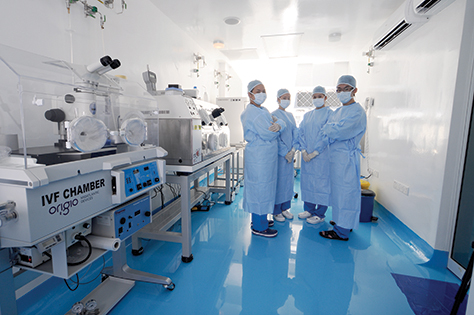
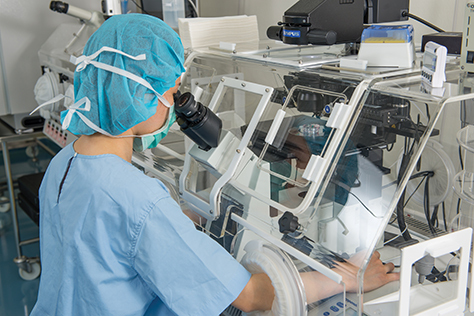
Genesis IVF Lab.jpg

EZ : We’ve seen an influx of international patients coming to Malaysia for better medical treatment. Has it been the same for fertility medicine?

NPW : Indeed, it has. In 2016, Malaysia is recorded to have earned RM1 billion from healthcare tourism and expected to achieve RM1.3 billion in 2017. In our centre, over 60% of our patients come from overseas. It is very assuring to know that there are so many international patients who have confidence in our IVF centre.

EZ : In your many years of practice, what are your thoughts on the Malaysia’s assisted reproductive technology, in comparison with the region?

NPW : Malaysia’s medical capabilities has seen huge improvements over the last few years. For example, Malaysian IVF in the 80s had only around 15% success rates. Today, we have reached 80% in embryo transfers. Malaysia is also now deemed having one of the most comprehensive and complete all-in-one fertility services in Asia and Australia.

EZ : What drove you to establish Genesis IVF?

NPW : Throughout the years, I’ve seen patients from all walks of life and the joy of finally helping patients overcome infertility is the greatest pleasure I can experience. I believe with Genesis IVF, we are providing a centre that has an all-inclusive service for all their infertility needs. Our patients are able to receive first class comfort and professional care.

EZ : We understand Genesis IVF has its very own laboratory. Can you tell us more?

NPW : Of course! Genesis IVF has its own team of talented embryologists and geneticists. We are not only focused on increasing the chances of couples to have a baby, but we believe in creating healthy future generations. Our lab is fully capable of providing Pre-implantation Genetic Screening (PGS) as well as Pre-implantation Genetic Diagnosis (PGD) to select the best healthy embryo for each couple.

With PGS, we are able to analyse the 23 pairs of chromosomes in the embryo’s DNA and increase the chance of pregnancy while reducing the risk of miscarriage or risk of having a chromosomally abnormal child.

PGD is recommended for couples who have a known genetic abnormality, such as Thalassaemia. With PGD, we are able to help reduce the chances of their children inheriting any genetic abnormalities.

EZ : Many couples are getting married and planning to start a family later these days. What is your advice?

NPW : While there is a saying that “30 is the new 20”, our body’s biological age hasn’t changed much yet. Studies have shown women above the age 35 have a significantly increased risk of infertility.

Fortunately, we are here to help. Our modern lifestyle is also a contributing factor to infertility. Remember to take everything in moderation and seek a balanced diet.

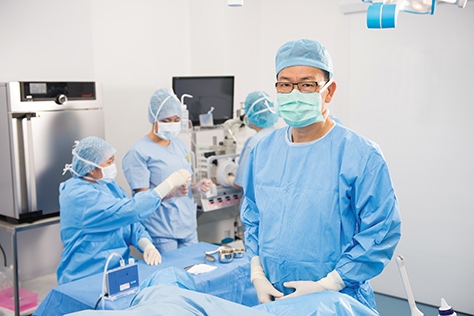
Dr Ng Peng Wah_1.jpg

EZ : 我们看到大量的国际病患者前来马来西亚寻求更好的医疗服务,对于生育医学领域来说也是这种情况吗?

NPW : 确实。在2016年,马来西亚的医疗旅游收入超过10亿令吉。而在我们的医疗中心,60%以上的病人皆来自海外。我们也非常肯定,许多国际患者对于 Genesis IVF 专科中心充满信心。

EZ : 依据多年的实践经验,你对马来西亚辅助生育技术有何看法?与该区域之间相比?

NPW : 马来西亚医疗技术质量在过去几年里取得了巨大的进展。例如,我们80年代试管婴儿成功率只有15%左右。今天,胚胎移植率已达到80%,同时也被认为是在亚洲与澳大利亚区域间具备最全面生育服务的国家之一。

EZ : 驱使你创立 Genesis IVF 的动力是什么?

NPW : 多年来我接触到形形色色的患者,帮助他们克服不育症的喜悦,让我能感受到的美好快乐。我相信 Genesis IVF 中心提供全面的辅助生殖疗程。我们的病人在最佳的舒适环境和得到专业照顾。

EZ : 我们知道 Genesis IVF 有本身独立的实验室。对此我们可以了解更多吗?

NPW : 当然!Genesis IVF 拥有一组具备天赋的胚胎学家和遗传学家的团队。我们不仅关注增加夫妻孕育孩子的机会,而且我们确定创造健康的后代。我们的实验室拥有提供胚胎植入前遗传基因筛查 (PGS) 和胚胎植入前遗传基因诊断 (PGD) 的实践能力,为每对夫妇遴选出最佳状态的健康胚胎。

透过PGS筛选,我们能够检查胚胎基因中的23对染色体,促进怀孕的机率,同时极力降低流产的风险或者孕育染色体异常的孩子。

至于PGD诊断适合携带已知基因异常的夫妻,比如地中海贫血。通过PGD的排除,我们能够帮助减少他们的孩子遗传任何基因异常或缺陷的状况。

EZ : 对于那些近期结婚并计划组织小家庭的夫妻,你的建议是什么?

NPW : 纵然目前有个说法是“30代是新20代”,但我们的身体机能年龄还是无太多变化。研究证明,35岁以上的女性面临不孕的风险大幅度增加。幸运的是,我们可提供帮助。现代人的生活方式也是导致不育症的因素之一,记住必须坚守节制的生活习惯和均衡饮食。

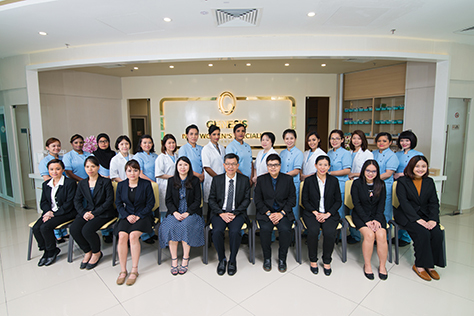
Genesis IVF group photo.jpg

What Is The Difference Between Food Allergy & Intolerence

Dr Mecherl Lim

An Intuitive Medical Practitioner in Alternative Medicine (MD) (MA), Naturopath (ND), Holistic Kinesiology (HK), and Functional Medicine (FM)


Food Allergy occurs when the body has chemical reaction to eating a particular food & drink. The symptoms for mild to moderate food allergy or intolerance may sometimes be similar, but food intolerance does not involve the immune system and does not cause severe allergic reactions (Anaphylaxis)

A Food Allergy occurs when the immune system reacts to harmless food. Learn to read food labels so you can avoid foods that cause allergic reactions.

Food Allergy & Food Intolerance

Symptoms of food intolerance occasionally resemble those of food allergy so food intolerance is commonly confused with food allergy. Food intolerance does not involve the immune system and does not cause severe allergic reactions (know as anaphylaxis). Food intolerance also does not show on allergy testing. Food intolerance can be a difficult concept to understand and is poorly understood by doctors as well. Sometimes, substances within foods can increase the frequency and severity of migraine, headaches, rashes (such as hives) or stomach upset such as irritable bowel.

Professional diagnosis and confirmation of allergies is important. In Australia, about one in 10 infants, one in 20 children up to 5 years of age, and two in 100 adults have food allergies.

Food Allergies has been Increasing

Allergies in general are on the increase worldwide and food allergies have also become more common, particularly PEANUT ALLERGY in preschool children. About 60 per cent of allergies appear during the first year of life. Cow’s milk allergy is one of the most common in early childhood. Most children grow out of it before they start school.

Inherited Allergy

Children who have one family member with allergy disease (including asthma or eczema) have a 20-40 percent higher risk of developing allergy. If there are two or more family members with allergy disease, the risk increase to 50 to 80 percent.

Most of the time, children with food allergy do not have parents with food allergy. However, if a family has one child with food allergy, their brothers or sisters are at a slightly higher risk of having food allergy themselves, although that risk is still relatively low.

Allergy is an Immune Response

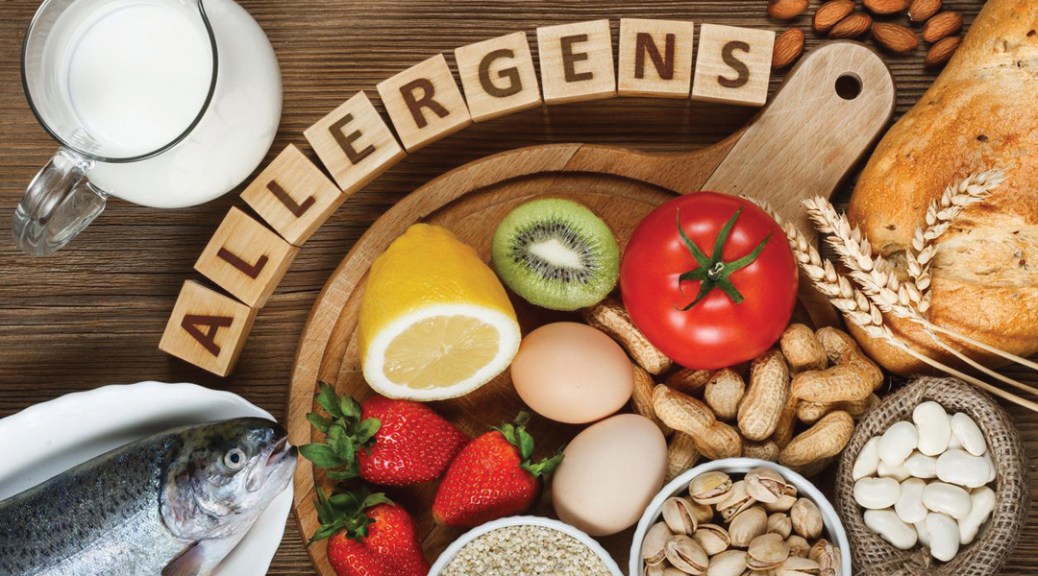
Allergies are an overreaction of the body’s immune system to a protein. These proteins may be from foods, pollens, house dust, animal hair or mould. They are call ALLERGENS. The word allergy means that the immune system has responded to a harmless substance as if it was toxic.

Food Intolerance is a Chemical Reaction

  • Food Intolerance is a chemical reaction that some people have after eating or drinking some foods: It is not an immune response. 
  • Food Intolerance also does not show on allergy testing.
  • Food Intolerance can be a difficult concept for doctors as well. Sometimes substances within foods can increase the frequent severity of migraine headaches, rashes (such as Hives) or stomach upset.
  • Food Intolerance has been associated with Asthma, Chronic Fatigue and Irritable Bowel Syndrome (IBS).
  • Professional diagnosis and confirmation of allergies is important in Australia, about one in 10 infants, or in 20 children up to 5 years of age and two in 100 adults have food allergies.

Therapy

The preferable approach to the nutritional management of immunological food reactions or food hypersensitivities consists of dietary avoidance and the treatment of symptoms resulting  from inadvertent exposure. Nutritional supplements are needed when major food groups are being avoided.  This will ensure the optimum nutritional intakes are maintained. Digestive enzymes example: Dr MH zyame should be taken by individuals who seems to be sensitive to many foods. Bicarbonate of soda , Dr MH Proflora A, taken one hour after meals can improve symptoms. By improving digestion the allergenic load may be destroyed or digested more thoroughly.


Visit : www.drmecherlherbs.com
Email : drmecherherbs@gmail.com
FACEBOOK : drmecherlherbs for further enquiries.
Intraoperative Radiotherapy (IORT) A New Breast Cancer Treatment Innovation

Dr. Teoh Mei Shi

Consultant Breast, Endocrine & General Surgeon

MBBS (India), MS (USM), Fellowship Breast Oncoplastic Surgery


Screen Shot 2017-11-10 at 1.37.42 PM.pngBreast Cancer is the most common cancer amongst women in the world. Incidence of breast cancer is increasing and the lifetime risk of developing breast cancer in Malaysia is one in 15 women. In developed countries, the lifetime risk of developing breast cancer in women is as high as 1 in 8 women. With more awareness and screening for breast cancer, women are detecting breast cancers earlier, which are smaller and have better survival outcome.

Treatment for breast cancer has evolved significantly over the last few decades due to better understanding of the tumor biology and its behavior. This has led to better adjuvant therapy like systemic chemotherapy, radiation therapy, hormonal therapy and targeted therapy. For most of the earlier twentieth century, Halsted radical mastectomy was the standaradised operation for all stages of breast cancer resulting in poor cosmetic outcome. However, over the recent decades, breast conserving surgery (BCS) eg. Lumpectomy has become the popular alternative to mastectomy in the treatment of early breast cancer.

When detected early, the breast conserving surgery involves a lumpectomy followed by 4-6 weeks of external beam radiotherapy to the whole breast and boost to the tumor bed. This combined method has been proven to reduce local recurrence of breast cancer by 60-70%. However, the side effects of whole breast radiotherapy treatment can be detrimental eg. pain and oedema to the breast, skin fibrosis, fatigue and tiredness and in some cases, there can be associated radiation- induced lung injury and cardiac morbidity.

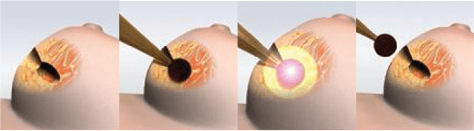
Over the last few years, a new innovative breast cancer therapy known as Intraoperative Radiation therapy (IORT) has become available using the Intrabeam technology. IORT delivers a single dose of radiation directly to the area where the tumor has been removed during surgery.The principle of this approach is to destroy the remaining cancer cells within the lumpectomy cavity where more than 90% of local recurrences usually occur close to the tumor bed.

The Intrabeam IORT is delivered using a miniaturized radiation applicator that is inserted and positioned into the lumpectomy cavity after removal of the tumor. A calculated low energy radiation dose is administered for 20-30mins after which the wound is closed surgically. The operation carries standard risks of bleeding and infection and slightly higher seroma collection comparable to normal breast surgery.

This technology is an excellent option for women having a lumpectomy or breast conserving surgery and is for individuals diagnosed with early-stage breast cancer. The IORT therapy may function as two options ie. as a boost therapy or as a single treatment. Patients are carefully selected and multidisciplinary discussion with breast surgeon and radiation oncologist is carried out to decide the best outcome for the patient.

breast6.jpg

IORT offers the following advantages:

  • Reduced radiation treatment time (single session vs 20-25 sessions) in candidates selected for surgery
  • Minimized radiation exposure to surrounding healthy breast tissue, underlying bones, lungs and heart.
  • Reduced daily trips to the radiotherapy centre and convenient for those staying very far away.
  • Same day radiotherapy treatment and no treatment delay for those going for chemotherapy after surgery
  • Provides additional radiotherapy “boost” for high-risk patients who need additional external beam radiation therapy.

The international TARGIT research group has been investigating this new method of delivery radiotherapy for breast cancer after lumpectomy since 1998. The trial compared Intrabeam IORT to standard external beam radiation therapy and found that both treatments were comparable and equally effective with an overall low breast cancer recurrence as well as better breast cancer survival rates. Women who had intraoperative radiotherapy had the advantage of fewer skin side-effects and better cosmetic outcome compared to women who had whole breast external beam radiotherapy.

Conclusion

Intrabeam IORT will be a technology of the future for breast cancer treatment. In properly selected cases, the patients can be offered an alternative option whereby they can receive a shorter dose treatment with lesser side-effects to the breast. It can also be time saving, cost-effective and offers the patient an overall better quality of life.

This treatment will be available at Loh Guan Lye Specialists Centre where a dedicated and trained team of Breast Surgeons and Radiation Oncologists can be consulted to see if you are eligible for the treatment.

Loh Guan Lye_EZMY48-.jpg

What Is The Difference Between Food Allergy And Food Intolerence

by Dr Mecherl Lim

MD (MA) Naturopath (ND), Holistic Kinesiology


ALLERGY AND FOOD INTOLERANCE :

It is well known that deficient intake of protein, calories, vitamins, or minerals leads to a variety of nutritional disorders.  It is known that food contaminated with toxic materials or bacteria may cause illness if consumed.  It is also known that certain foods contain non-nutrient poisonous substances that may cause illness and in some cases death. Nevertheless, it is not generally realised that the nutrient components of foods, in themselves may be toxic for certain people, causing illness or aggravating pre-existing illness.

THEORETICAL CONSIDERATIONS :

Food Intolerance may be defined as any illness or biochemical or metabolic abnormality that is causally connected to the ingestion of any food or dietary component. An illness that is causally connected to non-nutritive dietary component may be referred to as food poisoning or food toxicity. The term food intolerance is usually applied to illness resulting from the ingestion of substances that have nutritive value such as carbohydrate, fat, proteins and amino acids, and accessory factors such as purines (purines are responsible for gout in some sensitive individuals).

There may be an obvious connection between food ingestion and the production of acute illness or a less obvious connection so that a patient may fail to recognise

the relationship between his disease and the offending dietary component.

Under special circumstances certain combinations or amounts of food substances may cause illness in otherwise healthy individuals. For example, fasting followed by refeeding may result in stomach and intestinal distress or fluid retention. Another example is in illnesses that cause anorexia where feeding may be associated with nausea and vomiting. This type of Food Intolerance may be considered to be secondary type since the food is non toxic but illness or fasting has so altered the normal physiology that the patient becomes intolerant to many types of food.

REVIEWING SOME COMMON NUTRIENT FOOD INTOLERANCES :

Carbohydrate Induced Food Intolerances

  • Lactose Intolerance is the most common. Most people around the world are deficient in the intestinal enzyme lactase and thus have an inability to digest lactose-containing foods (eg.milk). Symptoms associated with lactase deficiency are bloatedness, wind and diarrhea. Lactose Intolerance may occur of various ages, it may occur at birth or at a latter age to different people. Treatment requires the avoidance of lactose by restricting dietary milk and milk-containing products. Lactose Intolerance should not be confused with milk allergy which is related to milk proteins.
  • High refined carbohydrate diet, in general, may be related to a number of medical problems. For example-low blood sugar (hypoglycaemia) which associated with variety of symptoms including fatigue, weakness, irritability, headaches and sugar craving may classified as diabetic.
  • For the sake of complete example of carbohydrate induced food intolerance are as listed : Glucose-galactose intolerance, sucrose-starch intolerance, sucrose-fruit intolerance, fructose-glycerol intolerance, lactose intolerance, pyruvate dehydrogenase deficiency.
  • All intolerances are due to lack of specific enzymes required for the metabolism of the particular sugar.

Protein Induced Food Intolerance

  • Coeliac disease results from a sensitivity to the protein, gluten, contained in wheat, rye, oats and barley. The disease manifests in most individuals as gastro-intestinal discomfort, wind and diarrhoea. However gastrointestinal symptoms need not be present and the disease may manifest as eczema, or arthritis. Strict avoidance of gluten is necessary in the treatment of this disease.
  • Cow’s milk (casein) allergy or more particular allergy or intolerance to a protein component of milk. It is associated with vomiting, chronic diarrhoea, eczema and failure to thrive. 
  • Other common food sensitivities are to egg protein, soy protein and shell fish. Symptoms may vary from hives to gastrointestinal symptoms, asthma to neurological disturbances (poor concentration, irritability, behaviour disturbances). Avoidance of these food results in remission of symptoms.
  • Individuals suffering from liver failure, cirrhosis of liver, kidney failure or pancreatic insufficiency all show intolerance to most proteins. The intolerance is due to the ailing body’s inability to either digest, metabolise or excrete proteins, amino acids or their waste products. So limiting the intake of protein until the body recovers its health or reduce symptoms.

Lipid Or Fat Induced Food Intolerance

  • Symptoms of diarrhoea (Steatorrhoea) wind, fatty motions occurs whenever fat is malabsorbed.  Steatorrhoe represents an intolerance to dietary fat or lipid. Fat malabsorption occurs in pancreatic insufficiency, various disease of the small bowel (cystic fibrosis, coeliac disease, liver disease, gall bladder disease and diabetes. Obviously a restriction of dietary fats or supplementation with digestive enzymes must be incorporated in the treatment of the above diseases.
  • Very high blood fat concentration due to a deficiency in lipoprotein lipase is associated with severe fasting, pronounced elevation in plasma triglyceride, eruptive xanthomas (fatty nodules in the skin) and recurrent episodes of abdominal pain due to pancreatitis. A low fat diet can control the disease process.
  • High blood cholesterol and altered lipoprotein profile can be viewed as a fat intolerant disease. Treatment in most cases requires the introduction of a low fat diet or supplementation with chromium and essential fatty acids.

Common Questions From Couples Desiring IVF Programme

Mr. Sim Seng Keat

Obstetrician & Gynaecologist / Fertility Specialist


1. Do you really need IVF programme to get pregnant?

Though it is also equally important that IVF should not be attempted without good justification, it should not be delayed very long either. Unfortunately the public’s idea that IVF to be tried as the last resort has delayed the decision making of many couples and hence most of them have reached their late thirties and even late forties before trying for IVF- assisted pregnancy.

Attempting to try for IVF must be a timely decision by the couples. Incorporating fertility status into annual checkup early in your married life will give a perspective idea about your fertility status. Then it will be more realistic to decide on when to enlist for fertility assistance and /or when to have a timely attempt for IVF amidst your busy daily routine. 

The following time proven approaches still stand true:

  • It is better to have the first child early
  • Couple should decide to go for a checkup with Fertility specialist when there is failure of pregnancy after actively attempting for one year in women less than 35 years old and half a year of active attempt in women more than 35 years old.
  • It is strongly recommended to have early fertility consultation in couple with preexisting gynecological or male fertility related disorders.

2. How long is the duration of IVF injections and is it easy to self-administer injections?

Though earlier IVF injection schedules were longer & lasted for 4-5 weeks, with the advent of recent methodologies, newer injection schedules are shorter lasting which is less than two weeks. It has been proven that the chance of having successful IVF pregnancy has been equally good even in couple adopting shorter injection schedule!

This has not only reduced the stress and time spent in keeping to the schedule but also the number of injections. Moreover, the shorter injection schedules tend to be equally flexible to plan for egg-retrieval procedures and better in reducing the risk of ovarian hyper stimulation.

With the development of newer user friendly injection pens, self-administration of injections deliver dosages precisely and are also easier to use reducing the likelihood of errors and mistakes. 

3. Is it possible to plan / prefix earlier for all appointment dates for couples adopting to go for attempt of IVF pregnancy?

Yes, all the appointment dates from the first day of the injection to the end of IVF procedure including the dates of blood tests could be planned and fixed much in advance and can be made known to the couple even during their first day of consultation. This usually helps the couple to plan their leave or allocate time and be available for all appointments in the midst of their busy work commitments, holiday plans and family obligations.

Treatment plan includes 6 appointments, first three are for collection of medications after pelvic ultrasound examinations. Fourth appointment is for semen collection from husband and day case admission for wife for egg retrieval. Fifth appointment is for admission as day case for wife to have the embryo transfer and sixth appointment is for wife to have the blood test to detect pregnancy status. 

Hence husband must be present for the fourth appointment unless he has already preserved frozen sperms to be used for IVF procedures. It is needless to say wife must be present for all appointments. It is highly recommended to have the presence of an accompanying adult with the wife for day-care admissions for fourth and fifth appointments since these admissions are for the wife to undergo minor procedures.

Schedule of appointments depend on the day of onset of menstruation and hence for women with regular menstrual cycles, appointment dates are very much predictable and easier to fix. 

Women with irregular menstrual cycles require oral contraceptives or progesterone-only pills to induce menstruation to get the date of onset of menstruation to plan for all future appointments.

4. How is the egg retrieval procedure performed? How true are hear-says about pain during and after undergoing egg retrieval procedures?

From the feedback from many patients, egg retrieval procedures are relatively painless though very few of them might experience minor lower abdominal discomfort for a shorter duration after the procedure.

Most egg retrieval procedures are performed easily with minor sedation though some of them might need light general anaesthesia or spinal anaesthesia.

Newer well designed needle tips are very small in diameter with finer needles causing lesser trauma and as such these procedures are relatively painless. Hence most of them do not even require paracetamol for pain relief though very few patients require paracetamol for a day or two.

5.  Are these dreadful stories of Ovarian Hyper Stimulation (OHSS) true?

5 to 20% of women undergoing IVF procedures with longer injection schedules develop OHSS while chances of developing OHSS is much lesser in women with shorter injection schedules. OHSS developing after egg retrieval in women produces a bloated abdomen, poor oral intake, shortness of breath, abdominal pain, reduced urine output, nausea and vomiting.

Occurrence of  OHSS can be reduced to less than 1% by the introduction of deliberate efforts such as use of agonist medications  as triggers and with the approach of new technique of freeze-all embryos.

With the advent of well researched methodologies the incidence of OHSS has reduced significantly while the success rate of IVF pregnancy has increased satisfactorily.

6. What are the factors to be considered before deciding the chances for getting successful pregnancy after IVF procedures?

Everyone would like to know the chances of getting pregnant through IVF procedures though there are many factors that decide the success after such procedures.

Basically in sub fertile women of less than 35 years, transfer of two good quality embryos in fresh IVF attempt confers more than half the chance of getting pregnant. In established IVF centre with good “Freezing and Thawing Program”, transfer of 2 good quality thawed embryos also provides good outcome.

80% of fertile couple conceive naturally through active attempts within a period of 12 months.

Direct comparison of chances of getting pregnant of sub fertile and fertile couple might not be appropriate. It is very encouraging and overwhelming to note the uptrend in the increasing pregnancy rates after fertility techniques, with the advent of research proven technologies and procedures.

Logo.jpg