

By Adline Abdul Ghani
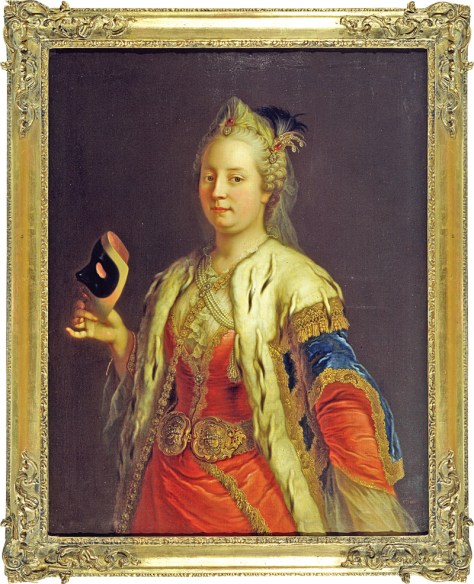
When we think of Austria, instantly visions of classical music, the alps and good coffee come to mind. But in order to introduce the Malaysian public to a lesser-known part of Austrian cultural history, the Islamic Arts Museum Malaysia (IAMM) and the Austrian Embassy in Malaysia, alongside the IRPA (Hochschulstudiengang für das Lehramt für Islamische Religion an Pflichtschulen) and Al Hamra Publication presented a unique exhibition entitled ‘OstarrichIslam: Islam in Austria.’

The exhibition is a historical documentary inspired by the distinctive yet controversial history of Islam in Austria. Its storyline is based on the book Ostarrichislam: Fragmente Achthundertjähriger Gemeinsamer Geschichte (Ostarrichislam: Fragments of 800 Years of Shared History), published by Al Hamra and edited by Amena Shakir, Gernot Galib Stanfel and Martin M. Weinberger of IRPA.
First tracing the arrival of the Pechenegs (a semi-nomadic Turkic people from Central Asia) in Austria in 996 AD, who resided in the Hungarian plain, the exhibition then follows the Ottoman-Habsburg Wars. Finally, it addresses the ruling of Bosnia and Herzegovina, and the immigration of Muslims from other countries, especially from the Balkans.
The Habsburg Empire, which was nominally Catholic, dealt with several religions during its rule. Since 1867, respective religious groups had the right to join public religious practice, as well as the independent administration of relevant internal affairs. However, they were all subject to state law. In order for the different religious groups to maintain equilibrium, without discriminating Islam, the Habsburg Emperor Franz Joseph introduced the Islamgesetz (Islamic Law), which guaranteed the equal treatment of Muslims and Islam within an “Austrian System”. It succeeded in dividing the Islamic Dschemat (Islamic Society) into different administrative units (Dschamija), which presided over a total of eight muftiates and the chief scholar (Reis-ul-Ulema). The law also enabled the foundation of the Islamic Religious Community in 1979. Thus, the legal model of a modern European society was created, which gives Islam its place, recognises its value and is aware of its contributions.
Stanfel expressed his delight for this exhibition, saying, “Austria is primarily seen as a country that has no connection with Islam other than the history of the siege of Vienna by the Ottomans. Moreover, the connection between Islam and Austria is less known to the general public including those in Austria. Hence, we hope this will educate people on the story of Islam in Austria. We also would like to show how much Islam has influenced the Austrian culture, the fact that this history is not really known in Austria too.”
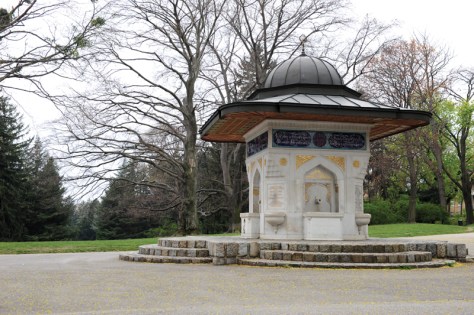
The harmonious after-effect of clashes between Islam and Austria has significantly infused Islamic tradition into Austrian culture. Therefore, influences of Islamic art and aesthetics can be seen through the architecture, with the use of domes and geometric designs.
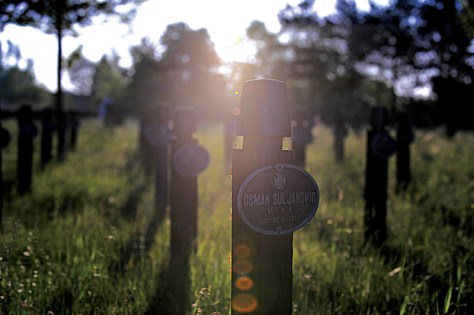
There are 805 out of 1233 graves at Lebring in Styria, belongs to the Bosnian Muslims soldier who fought for Austria during the First World War.
Stanfel explains, “Something that starts as unfamiliar has become something close to home and become part of our own. The Islamic element in Austrian culture does not happen in one way, but various ways such as immigration, trade, cultural contacts and also violent ways like war.”
Through the exhibition, Stanfel wishes to show how a religion influences a culture even though both are not connected – a fact that is very important in this globalised world, where cultures and religions constantly come together in many ways and are not fixed to geographic locations.
The exhibition, OsterrichIslam: Islam in Austria, was displayed at the IAMM from 13 October to 31 December 2016.
For more information on upcoming exhibitions, do log on to http://www.iamm.org.my.


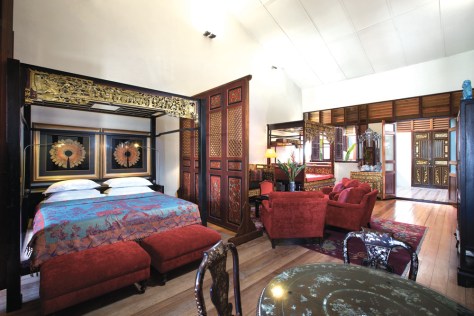
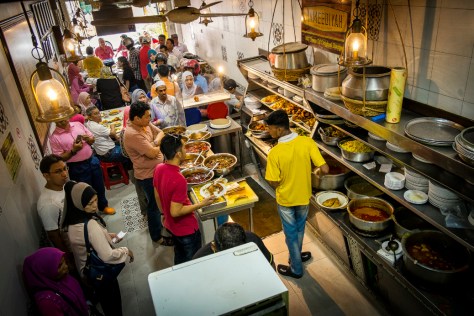 槟城不仅仅是拥有令人味蕾起舞的异国情调美食,构成槟城独特性主要元素来自多元种族社区和精彩鲜明的口味,使它被誉为全球美食城市之一。可是,恰如其分地,由于多元文化的融汇,也促成了绚丽缤纷,激动人心的节目庆典全年在槟城上演。
















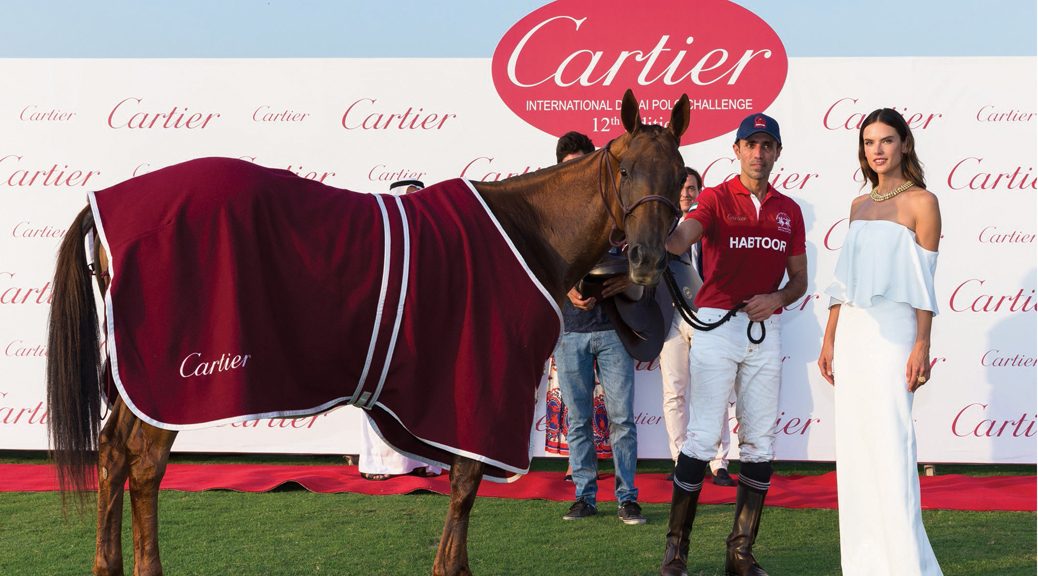
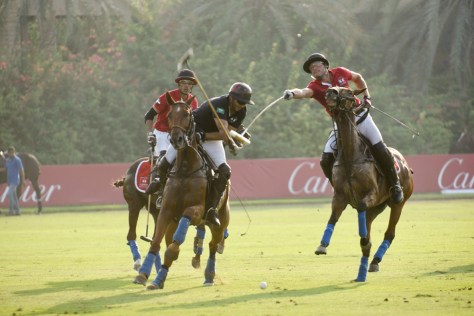
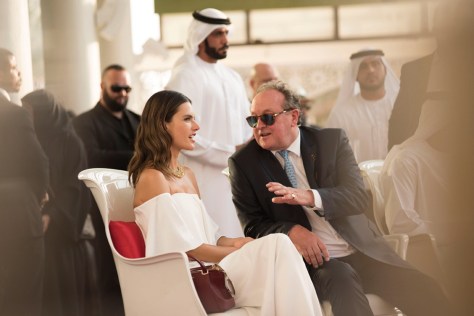
 Some 600 Cartier guests attended the 12th edition of the prestigious Cartier International Dubai Polo Challenge under the patronage of HRH Princess Haya Bint Al Hussein, wife of HH Sheikh Mohammed Bin Rashid Al Maktoum, Vice-President and Prime Minister of the UAE and Ruler of Dubai. The game concluded with a 9-6 win for Zedan Polo watched by HRH Princess Haya from









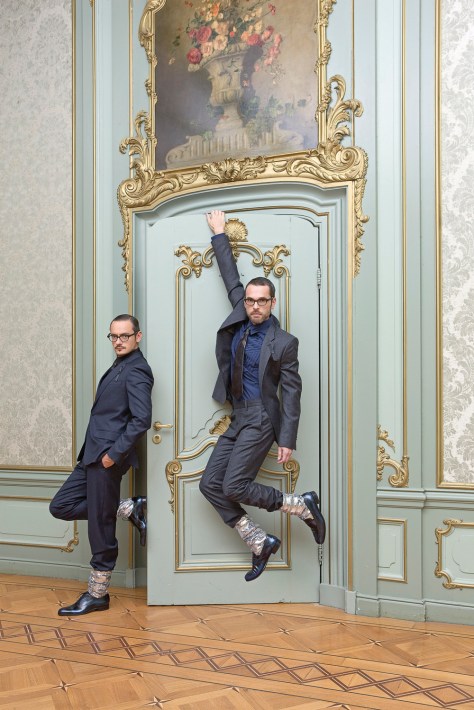
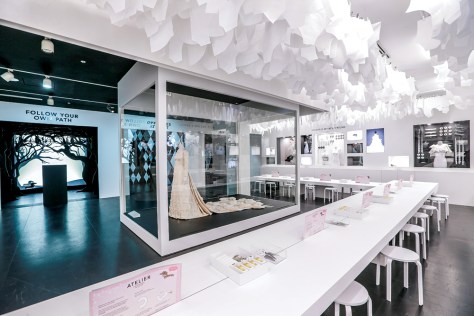 If what drives a product towards extravagance and opulence is pure talent and multitude of hard work, then these two fashion artists seem to have what it takes to do just that. Viktor Horsting and Rolf Snoeren recently unveiled the world-premiere exhibition of their latest fashion artwork title Viktor & Rolf : Fashion Artists at NGV International Melbourne.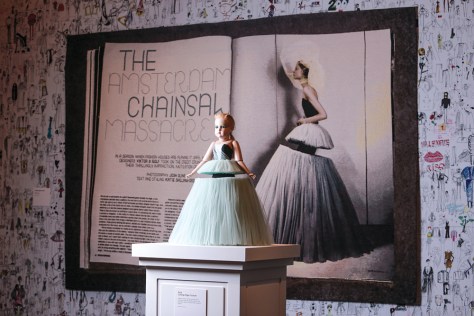
 Viktor & Rolf: Fashion Artists will be on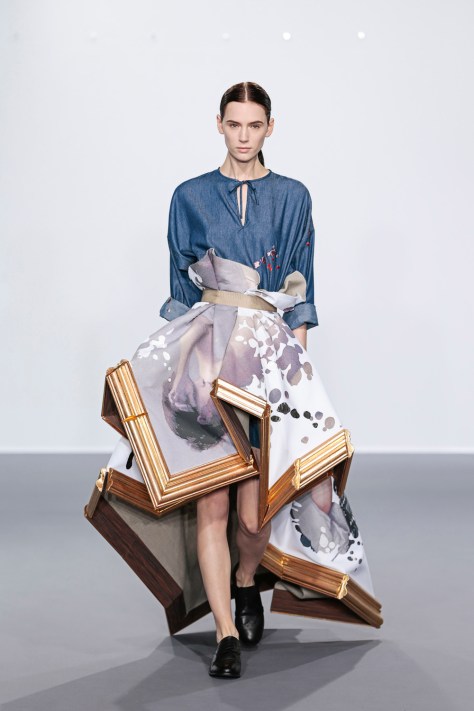
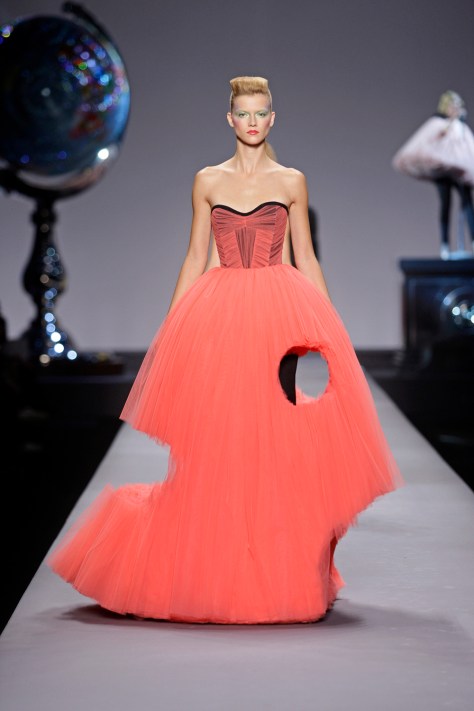
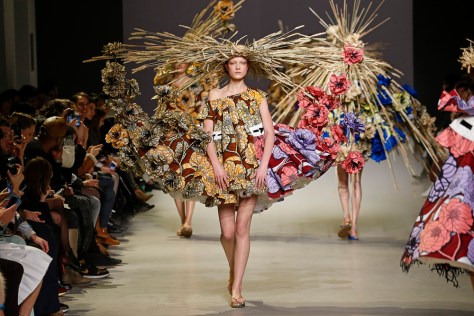
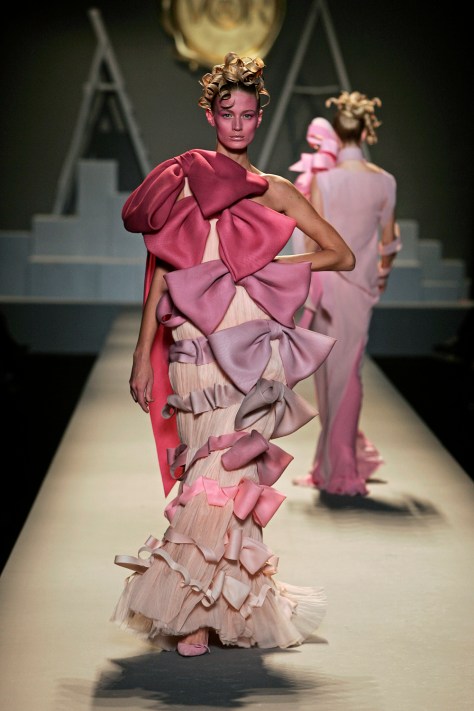 The exhibit will highlight intricate floral dresses with skirts spanning nearly two meters inspired by the much admired Dutch painter Vincent van Gogh. You will definitely not miss the one of its kind dress fixed with nearly 250 bows Princess Mabel of the Netherland’s royal wedding dress. Focusing the theme on the Old Master paintings, the event will also include masterly designs made from gold-framed of Classic paintings. What may be a quirky idea, instead of real life-sized models, there will also be Dutch porcelain dolls dressed in miniature couture on display.
 Nail bracelet, Cartier New York, 1971. Cartier Collection. Designed by Aldo Cipullo for Cartier.
 Love bracelet, Cartier New York, 1977. Cartier Collection. Designed by Aldo Cipullo for Cartier.
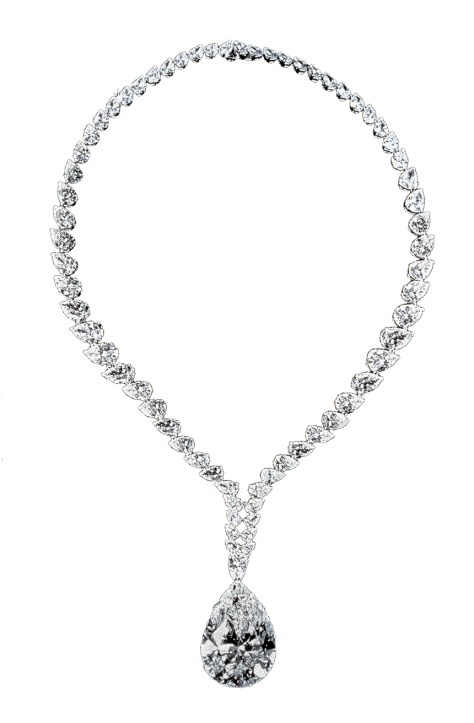 The 68 carat Cartier-Burton-Taylor diamond necklace is created for Elizabeth Taylor by Cartier New York in 1969. It was seen worn by Taylor at Princess Grace of Monaco’s fortieth birthday and at the 42nd Academy Awards.
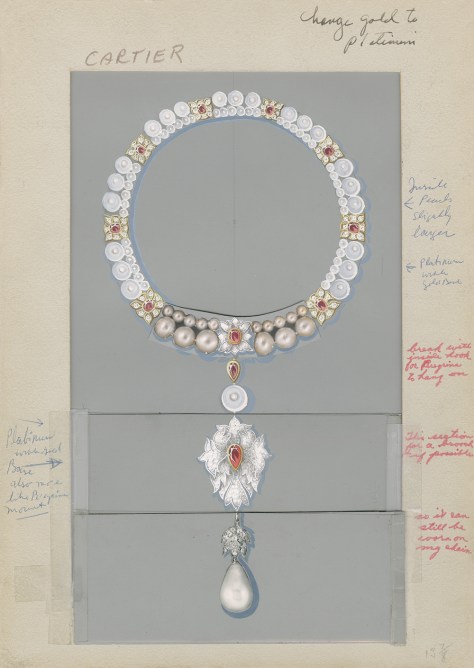 Design drawing for the necklace comprising the La Peregrina pearl, created by Cartier for Elizabeth Taylor, 1972. The actress indicates her preferences in red ink on the drawing, a reminder of her consultations with Cartier.
 EZ MALAYSIA.NEWS