Category Archives: EZ 61 (2)

Modern Ethnicity

The Jakarta Fashion & Food Festival (JFFF) 2014 proved to be a feast for the senses. The Fashion Extravaganza showcased visually stunning collections of ready-to-wear designs by local and upcoming designers. Paying homage to the country’s cultural elements, many of the pieces displayed ethnic-inspired prints, textures and techniques.

Being in its 11th year, the fashion show was supported by partners and agencies in the fashion industry including the Association of Indonesian Fashion Designers Entrepreneurs (APPMI), Cita Indonesian Weaving (CTI) and Indonesian Fashion Designers Council (IPMI), all presenting a unified appreciation for the country’s fashion heritage.

PAM Awards at Pullman

Drawing architects to accolades

The Pullman Hotel, Bangsar was the site for the groundbreaking PAM Awards 2014 on 24 May. Hosted by the Malaysian Institute of Architects (PAM), the country’s highest recognition for architectural excellence was attended by many in the industry, including the Malaysian Minister of Works, Datuk Haji Fadillah bin Yusof.

Five projects received the Gold Award for promoting responsible co-existence with nature through their works. These showstoppers were entries from:

Ar Mastor bin Surat (Commercial – High Rise)
WHBC Architects (Single Residential and Special Category)
Ken Wong Architect (Multiple Residential – Low Rise and Interior Design)

Tony Awards Razzles & Dazzles

8 June 2014 witnessed the glitz and glamour of Broadway as its biggest stars converge to celebrate drama, flair, pizzazz and flamboyance of American theatre. Four-time Tony Awards host, Hugh Jackman ditched his Wolverine-claws and rugged leather jacket for a crisp and elegant suit and sartorial beard that oozed masculine charm. What’s more, he wowed the star-studded audience with his singing and energetic dancing, much to the delight of his legions of fans.

Fresh off his 10-year stint as the suave Barney Stinson on the wildly popular television sitcom, How I Met Your Mother, Neil Patrick Harris scandalised and seduced with his electrifying performance in Hedwig and the Angry Inch. Even his performance at the Awards ceremony drew much chatter for the fabulous Hedwig @ Harris-in-drag licked Samuel L. Jackson’s glasses, gave Sting a lap dance and made out with his (Harris’s) husband who was seated in the front row.

Needless to say, it was all hot,  just like the Tony Awards 2014!

2014 Tony Awards - Backstage & Audience

68th-Annual Tony Awards Fun Facts

908 : Number of total costumes made this year by the eight Tony nominated costume designers from Bullets Over Broadway, A Gentleman’s Guide to Love & Murder, Hedwig and the Angry Inch, Act One, Casa Valentina, After Midnight, Machinal and Twelfth Night

478.5 : Number of performances Alan Cumming has portrayed the Emcee in Cabaret on Broadway

337 : Number of costumes in each performance of Aladdin

300 : Number of raw eggs Tony Nominee Andy Karl has consumed on stage in Rocky

67 : Number of votes Lyndon B. Johnson, played by Tony Nominee Bryan Cranston, gets to pass his proposed bill in All the Way

26 : Number of Carole King’s hit songs featured in Beautiful The Carole King Musical

16 : Carole King’s age when she wrote her first song, as told in Beautiful – The Carole King Musical

5 :  Number of Tony Awards Nominee Audra McDonald has won in her career

4 :  The height (in inches) of Tony Nominee Neil Patrick Harris’ highest pair of heels worn in Hedwig and the Angry Inch

1 :  Number of inches Hedwig is angry about

Crime Busting Lamborghini

S. Winkelmann and A. PansaPatrolling the streets of Rome in style

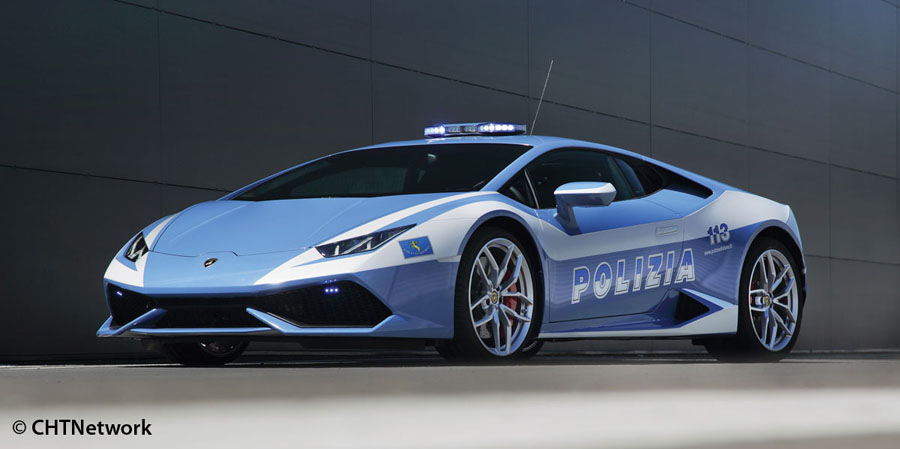
On the streets of Rome, it is not uncommon to find supercars racing down narrow cobblestoned lanes and back alleys. What’s more, the Italian police force is famous for its fleet of patrol cars that include super sports cars. This May, Lamborghini donated to the polizia (that’s Italian for police) its latest edition of the Huracán LP610-4.

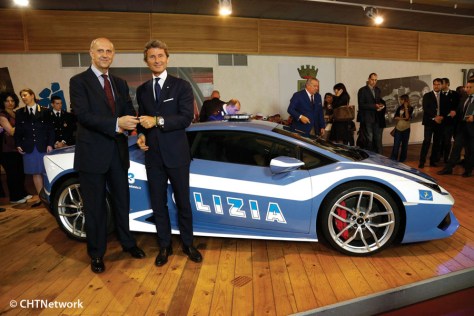
Stephan Winkelman, Automobili Lamborghini CEO, presented the car to Prefect Alessandro Pansa, the head of the Polizia di Stato (Italian State Police) in Rome. ‘We have a strong and fitting relationship with the Italian State Police. The new Lamborghini Huracán stands for Italian super sports car excellence and we are proud to provide it to the Italian State Police to carry out the specialist tasks these police cars undertake,’ said Winkelmann.

‘Today is an important day, since two Italian excellences meet and strengthen their relationship which started in 2004 with the handing over of the Lamborghini Gallardo to the Italian State Police. In the last ten years, the Italian State Police used the car for prevention purposes and in order to enhance street security,’ Pansa said, during the hand-over ceremony on 22 May.

Specially equipped to suit the needs of the crime-busting heroes, Huracán LP 610-4 Polizia has life-saving features that makes these patrol cars all the more awesome. The  luggage compartment at the front comes complete with a specialised refrigeration system that enables safe transportation of donor organs!

The next time you are in Rome, try to spot the blue and white Huracán LP 610-4 Polizia.

Rendezvous with Maserati

The Sicilian town of Taormina was the centre of much glam and glitz from 14 – 21 June as some of the world’s hottest stars graced its streets for the Taormina Film Festival.

Being the 60th edition of the film festival, Maserati – a sponsor of the event – chauffeured the international stars to the red carpet in style. The Italian luxury carmaker provided its Quattroporte and Ghibli models as official cars for the courtesy car service that was laid out for the celebrities stars attending the screenings.

Stunning American actress Eva Longoria, the elegant Paz Vega and the fabulous Bo Berek arrived at the film festival red carpet in the comfort of the sophisticated Maserati Quattroportes. Adding a touch of masculine charm to the Taormina Film Festival were American film star, funny man and director Ben Stiller and the dashing Matt Dillon.

Royal Treatment

25._Cartier_polo_in_action

A Game of the Queen, Cartier and Polo

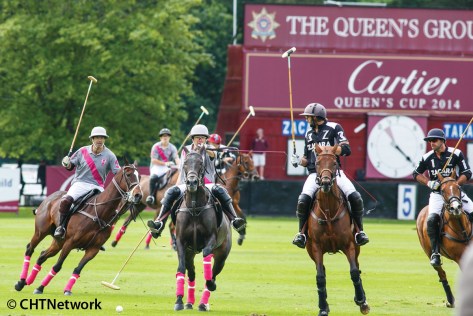
The Queen’s Ground at Guards Polo Club, Windsor Great Park saw the biggest names in the world of polo battle to win the Cartier Queen’s Cup 2014.

Considered as one of the most prestigious British sporting events, the Cartier Queen’s Cup Final on 15 June 2014 was graced by Her Majesty Queen Elizabeth II, and joined by Arnaud M Bamberger, Executive Chairman Cartier Ltd, and Laurent Feniou, Managing Director Cartier Ltd.

To kick off the match, the Band of the Grenadier Guards paraded on the field, forming the figure 30 in celebration of Cartier’s three decades of sponsorship of polo at Guards Polo Club.  In line with their reputation as ‘The King of Jewellers’, Cartier has a long-standing tradition of supporting polo, a sport favoured by royalties and aristocrats the world over.

Exquisite floral creations by Britain’s top florist, John Carter, elegantly encapsulated Cartier’s 30 years of polo sponsorship. The tables were adorned with Cartier’s signature red; red dahlias, red antirrhinums, deep pink peonies, artichokes, red rose plants and red gladioli. A display of Cartier polo photographs from the past 30 years was prominently positioned inside the marquee.

Adding glamour to the final match were big-name guests from the worlds of stage, screen, sport, society, and literature. Seen mingling with the impressive crowd in the Cartier enclosure were the likes of HM Queen Noor of Jordan, Boris Becker, Michelle Dockery, Kristen Davis, and Bianca Jagger, where they were served Cartier champagne and a gorgeous lunch created by Mosimann’s.

Medical Imaging in Detection of Breast Cancer

By Dr. Dennis Tan Gan Pin

Radiologist
MBBS (Malaya), M. Med. Radiology (Malaya)

Breast cancer is the third most common cancer worldwide, and the most common cancer among women. It comprises about 30% of total cancer in female, and mainly affects women between 40 to 65 years of age. Malaysian women have a 1 in 19 chance of developing breast cancer in their lifetime. Several medical imaging modalities are available for detection of breast cancer:

MAMMOGRAPHY

As the present mainstay of diagnosis at present, mammography may be performed through screening tests, such as imaging of asymptomatic women to detect early cancer, or diagnostic tests to assess women with clinical findings such as palpable lumps, bloody nipple discharge or pain.

According to American College of Radiology Practice Guideline 2013, annual screening mammography is recommended for asymptomatic women aged 40 and older. For women under the age of 40 but with an increased risk of breast cancer (e.g. known BRCA gene mutation, first degree relative with breast cancer), screening mammography is also recommended yearly beginning from the age of 30. Studies have shown that screening mammography may reduce the mortality rate of breast cancer by 17-30%.

Mammography is basically the X-ray examination of the breasts, involving a very small dose of radiation. A female radiographer performing the examination will position and compress the breasts between 2 plates of the mammography machine. This is necessary to reduce the radiation dose and to produce a clearer image. Mammography images will then be interpreted by the radiologist.

ULTRASOUND

Ultrasound is another commonly-used modality to assess breast lump/cancer. It uses sound waves and does not involve ionizing radiation. During the examination, a small handheld unit known as transducer lubricated with gel is gently pressed back and forth over the breast.

Ultrasound is not routinely used for screening.  It is often being used as supplementary modality to confirm or characterize mass detected on mammography, as well as examining high risk women with dense breasts on mammography. Ultrasound may be used as initial investigation tool in younger women presented with one or more breast lumps, as mammography is often suboptimal in this group of women due to their dense breast tissue.

Ultrasound is a very helpful modality to guide the biopsy of a breast lump. During this procedure, local anaesthesia will be given to numb the area. A small specimen of breast tissue is then taken from the lump using a small biopsy needle under ultrasound guidance. The specimen is sent to the laboratory where it is examined under the microscope by a pathologist. Whether the breast lump biopsied is benign (harmless) or cancerous is then determined by the pathologist.

MAGNETIC RESONANCE IMAGING (MRI)

Technological and technical advances in the field of MRI in recent years have made MRI an attractive option in diagnosis of breast cancer. MRI uses magnet and radio waves and thus, does not involve ionizing radiation. Contrast liquid (a gadolinium compound) needs to be injected into a vein during the examination to delineate the structures of the breasts.

MRI is a useful adjunct to mammography for screening women at increased risk for breast cancer.  The American Cancer Society (ACS) recommends annual supplementary screening with MRI in addition to mammography in high-risk patients. MRI is currently the most sensitive modality for invasive breast cancer as MRI may detect other abnormal growths not seen in mammography.  MRI is also useful in assessing the extent of cancer, detection of cancer recurrence and response to cancer therapy.

Screening mammography is a useful tool in the early detection of breast cancer and has been proven to reduce breast cancer mortality rates. For women at average risk, annual screening mammography is recommended from the age of 40. On the other hand, for high-risk women, both screening mammography and MRI are recommended to commence at the age of 30.  Ultrasound is useful as a supplementary examination to mammography and for younger women with palpable breast lumps.

A Partnership of Beauty

_M080202

Rado welcomes Tang Wei as new brand ambassador

There is a lot more in common between the award-winning Chinese actress, Tang Wei and the prestigious Swiss watchmaker, Rado. Both possess dignified grace, reputation for strength and a penchant for pushing boundaries, and the forging of this partnership was done in spectacular fashion in Shanghai, complete with a photo shoot of the beautiful actress wearing the latest high-tech ceramic models from the Rado Esenza Ceramic Touch, Rado HyperChrome and Rado DiaMaster families.

At the event announcing her appointment, Rado CEO Matthias Breschan said, ‘We are very proud to be able to announce Tang Wei as an ambassador for Rado today. She is not only a very talented actress, but also someone who has shown great determination and hard work to achieve success. We admire this greatly and believe that she reflects the values that are important to Rado as a brand. We are delighted to have her as part of the Rado family.’

One of China’s most celebrated and recognisable actresses, Tang Wei has received over 30 international awards. ‘I am very impressed with the new Rado collection. The watches are beautiful and versatile, and also very comfortable to wear. It is also important to me that Rado as a brand is focused on the future, and is known for breaking boundaries and overcoming challenges. I am very happy to become a part of the Rado family,’ she commented on being chosen as a Rado ambassador.

Doc, I am Breathless!

by Dr Lee Li Ching

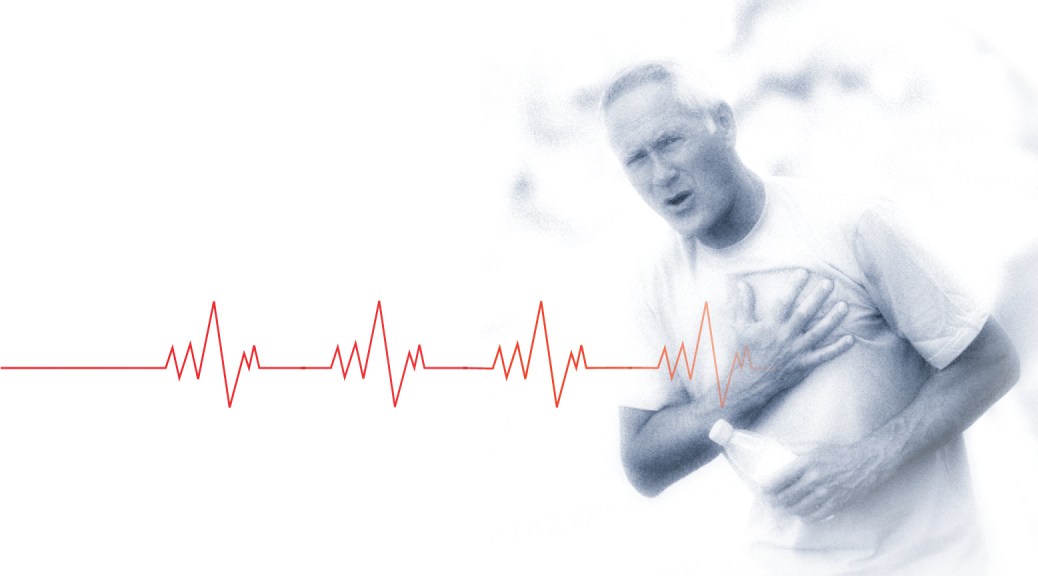
Mr M, a 55 year old man walked into my clinic one morning complaining of being unable to breathe. ‘Doc, I have been sleeping in my lazy chair for the last 3 days! I cannot lie flat at all, I feel like I’m drowning … and my legs have been swollen since last week.’ He suffered from a massive heart attack one month prior to the clinic visit. Mr M underwent an emergency stenting to one of the severely blocked heart arteries and had a stormy recovery. Clinically, he was in overt heart failure when I examined him.

There is an estimated 23 million people with heart failure worldwide. It is most commonly due to ischaemic heart disease (coronary artery disease), which is the number one killer worldwide. Aging and prolongation of the lives of cardiac patients by modern therapeutic innovations have led to increasing incidents of heart failure.

What is heart failure?

Heart failure is caused by primary heart muscle injury and also occurs at the end stage of most diseases of the heart. It could be either due to imbalance in pump function in which the heart fails to adequately maintain the circulation of blood to meet the body’s needs or the heart is too stiff and cannot relax enough to fill with enough blood before pumping. The pumping function is usually well preserved in the second type of heart failure. This is subsequently followed by the activation of a series of response mechanisms in the neurohormonal systems, and vasculature causing the signs and symptoms of heart failure.

How do I know that I have heart failure?

Patients with heart failure present a variety of symptoms, most of which are non specific. The lack of blood supply to the body and build up of fluid causes the symptoms, including tiredness, general weakness, shortness of breath on exertion, swollen ankles, swollen abdomen, loss of appetite, nausea and reduced ability to exercise.

Not infrequently, patients complain of worsening cough and breathlessness at night, and they have to use more than one pillow or end up sleeping in a chair. The accuracy of diagnosis by presenting clinical features alone, however, is often inadequate, particularly in elderly or obese patients. Moreover, the above mentioned signs and symptoms can also present in patients with kidney or liver failure.

Why does it happen?

Heart failure is not a complete diagnosis by itself. It is therefore important to identify the underlying disease and the precipitating cause(s). As mentioned earlier, heart failure is the end stage of most heart disease, beside coronary artery disease being the most common cause. Other important causes include hypertension, structural abnormality (congenital or acquired), toxin such as chemotherapy and alcohol, hormonal disorder, infection or inflammation. There are times when the cause is never found or so-called idiopathic cardiomyopathy. Other less common aetiologies are stress-induced cardiomyopathy and pregnancy-related heart failure.

How is heart failure diagnosed?

Heart failure is diagnosed based upon the patient’s medical history, a thorough physical examination, and a series of tests. These tests determine the cause and severity of the heart failure. These includes a series of blood tests, electrocardiogram (ECG), chest x –ray, coronary angiogram and most importantly, an echocardiogram. An echocardiogram is a non-invasive test using ultrasound to assess the size and function of the heart’s chambers as well as the function and structure of the heart valves. Other tests, like biopsy or magnetic resonance imaging, are sometimes used to look for specific diseases.

What are the medications for heart failure? 

There are many treatments for heart failure, but medicines are fundamental in improving the quality of life, reducing hospital admission and more importantly, improving the survival of this group of patients. Among others, diuretics, also called the ‘water pills’, help the body to get rid of excess fluid in the limbs and lung. The ACE inhibitors and the ARBs groups of medications help to strengthen the heart. The betablockers, on the other hand, help the heart to fill more completely and they have been proven to prolong the life of these patients. Digoxin, one of the oldest heart failure drugs, can increase the strength of the heart muscle contractions and hence reduces heart failure symptoms.

Will surgery ‘cure’ my heart failure?

Yes, if the cause of the impaired heart function is due to coronary artery disease or faulty heart valves such as leaky valve or valve that does not open fully. The most common surgery for heart failure is bypass surgery where blood is rerouted around a blocked heart arteries. Damaged valve can either be repaired or replaced.

Device therapy for heart failure

As heart failure progresses, occasionally the Left Ventricular Assisted Device (LVAD) is implanted while waiting for heart transplant. LVAD is basically a battery-operated heart pump that takes over the job of the failing heart by circulating blood throughout the body. LVADs are now sometimes used as an alternative to transplantation.

On the other hand, life-threatening abnormal heart rhythm can sometimes develop in patients with poor heart function. This is one of the most common causes of death in this group of patients. The doctor might recommend a device – Automated Implantable Cardioverter-Defibrillator (AICD) – that shocks the heart and returns it to a normal rhythm. It is usually implanted under the skin in the upper chest with wires leading through the veins to the heart. Nowadays, a biventricular pacemaker (also called cardiac resynchronization therapy) combined with an AICD function is often implanted in people with heart failure. The rationale is that the electrical system in the weak heart makes the heart contracts in an uncoordinated fashion. The pacemaker helps the heart to pump in a more efficient and synchronized manner, improving one’s symptoms.

Living with heart failure

Heart failure has ‘no cure’, unless the underlying cause can be treated. Therefore, it is paramount that one compliant to the medications and the treatment plan prescribed. Cigarette smoking is strongly discouraged. Smoking has adverse haemodynamic effects on patients with heart failure. In addition, it increases the risk of having a heart attack which will definitely damage more heart muscle in an already weak heart. In general, alcohol consumption should be restricted to moderate levels (i.e. one serving of alcohol per day for women, two servings per day for men), given the heart muscle depressant properties of alcohol. A high alcohol intake will also predispose to irregular rhythm that potentially worsens the body fluid balance.

As a general rule, patients with heart failure should limit their fluid and salt intake. Try not to add salt at the table or when cooking. They should also take restricted amounts of canned, frozen and processed food which contains a lot of salt.

How about the outlook?

This is not a myth. The prognosis for heart failure is poor, far worse than some of the common cancers. In general, the mortality following hospitalization for patients with heart failure is about 42.3% at five years, despite marked improvement in medical and device therapy. The two main causes of death in patients with HF are life threatening heart rhythm death and progressive pump failure.

Passion of the Rose

The rosey love affair of Piaget

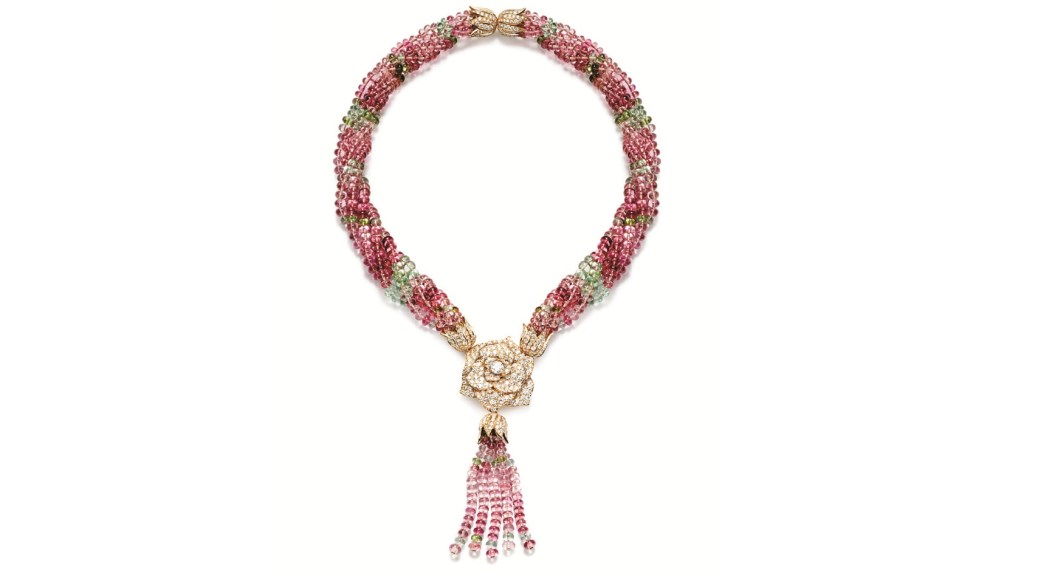
In a love story that stretches back to the 1960s, Piaget’s fascination with the rose has taken a prominent place in the brand’s jewellery and this is no more prominent than its latest collection. The Piaget Rose Passion, which comes as a tribute to the queen of flowers, is a glamorous and bold haute jewellery line that is vibrant as it is colourful.

In 1979, the current chairman of Piaget, Yves Piaget, created the trophy for the Geneva International New Rose Competition, and in 1982, his passion for the rose was recognised when the winner of that year’s competition named his prize-winning rose breed the Yves Piaget Rose. This love affair with the gorgeous flower is captured in Piaget Rose Passion collection of 75 jewellery pieces and 25 watches.

Each piece of jewellery bearing Piaget’s name is made entirely in the brand’s own jewellery workshops using a myriad of precious stones. With choice jewels ranging from white and yellow diamonds to luscious emeralds and pink sapphires, the pieces in Piaget Rose Passion are fresh and feminine.