All posts by EZ Malaysia

Royal Treatment

25._Cartier_polo_in_action

A Game of the Queen, Cartier and Polo

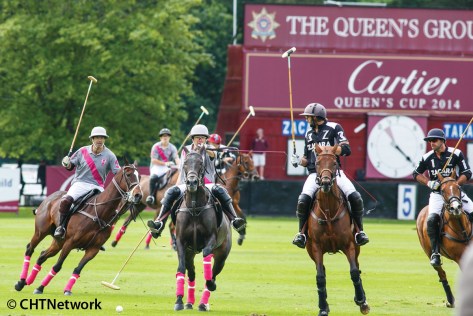
The Queen’s Ground at Guards Polo Club, Windsor Great Park saw the biggest names in the world of polo battle to win the Cartier Queen’s Cup 2014.

Considered as one of the most prestigious British sporting events, the Cartier Queen’s Cup Final on 15 June 2014 was graced by Her Majesty Queen Elizabeth II, and joined by Arnaud M Bamberger, Executive Chairman Cartier Ltd, and Laurent Feniou, Managing Director Cartier Ltd.

To kick off the match, the Band of the Grenadier Guards paraded on the field, forming the figure 30 in celebration of Cartier’s three decades of sponsorship of polo at Guards Polo Club.  In line with their reputation as ‘The King of Jewellers’, Cartier has a long-standing tradition of supporting polo, a sport favoured by royalties and aristocrats the world over.

Exquisite floral creations by Britain’s top florist, John Carter, elegantly encapsulated Cartier’s 30 years of polo sponsorship. The tables were adorned with Cartier’s signature red; red dahlias, red antirrhinums, deep pink peonies, artichokes, red rose plants and red gladioli. A display of Cartier polo photographs from the past 30 years was prominently positioned inside the marquee.

Adding glamour to the final match were big-name guests from the worlds of stage, screen, sport, society, and literature. Seen mingling with the impressive crowd in the Cartier enclosure were the likes of HM Queen Noor of Jordan, Boris Becker, Michelle Dockery, Kristen Davis, and Bianca Jagger, where they were served Cartier champagne and a gorgeous lunch created by Mosimann’s.

Medical Imaging in Detection of Breast Cancer

By Dr. Dennis Tan Gan Pin

Radiologist
MBBS (Malaya), M. Med. Radiology (Malaya)

Breast cancer is the third most common cancer worldwide, and the most common cancer among women. It comprises about 30% of total cancer in female, and mainly affects women between 40 to 65 years of age. Malaysian women have a 1 in 19 chance of developing breast cancer in their lifetime. Several medical imaging modalities are available for detection of breast cancer:

MAMMOGRAPHY

As the present mainstay of diagnosis at present, mammography may be performed through screening tests, such as imaging of asymptomatic women to detect early cancer, or diagnostic tests to assess women with clinical findings such as palpable lumps, bloody nipple discharge or pain.

According to American College of Radiology Practice Guideline 2013, annual screening mammography is recommended for asymptomatic women aged 40 and older. For women under the age of 40 but with an increased risk of breast cancer (e.g. known BRCA gene mutation, first degree relative with breast cancer), screening mammography is also recommended yearly beginning from the age of 30. Studies have shown that screening mammography may reduce the mortality rate of breast cancer by 17-30%.

Mammography is basically the X-ray examination of the breasts, involving a very small dose of radiation. A female radiographer performing the examination will position and compress the breasts between 2 plates of the mammography machine. This is necessary to reduce the radiation dose and to produce a clearer image. Mammography images will then be interpreted by the radiologist.

ULTRASOUND

Ultrasound is another commonly-used modality to assess breast lump/cancer. It uses sound waves and does not involve ionizing radiation. During the examination, a small handheld unit known as transducer lubricated with gel is gently pressed back and forth over the breast.

Ultrasound is not routinely used for screening.  It is often being used as supplementary modality to confirm or characterize mass detected on mammography, as well as examining high risk women with dense breasts on mammography. Ultrasound may be used as initial investigation tool in younger women presented with one or more breast lumps, as mammography is often suboptimal in this group of women due to their dense breast tissue.

Ultrasound is a very helpful modality to guide the biopsy of a breast lump. During this procedure, local anaesthesia will be given to numb the area. A small specimen of breast tissue is then taken from the lump using a small biopsy needle under ultrasound guidance. The specimen is sent to the laboratory where it is examined under the microscope by a pathologist. Whether the breast lump biopsied is benign (harmless) or cancerous is then determined by the pathologist.

MAGNETIC RESONANCE IMAGING (MRI)

Technological and technical advances in the field of MRI in recent years have made MRI an attractive option in diagnosis of breast cancer. MRI uses magnet and radio waves and thus, does not involve ionizing radiation. Contrast liquid (a gadolinium compound) needs to be injected into a vein during the examination to delineate the structures of the breasts.

MRI is a useful adjunct to mammography for screening women at increased risk for breast cancer.  The American Cancer Society (ACS) recommends annual supplementary screening with MRI in addition to mammography in high-risk patients. MRI is currently the most sensitive modality for invasive breast cancer as MRI may detect other abnormal growths not seen in mammography.  MRI is also useful in assessing the extent of cancer, detection of cancer recurrence and response to cancer therapy.

Screening mammography is a useful tool in the early detection of breast cancer and has been proven to reduce breast cancer mortality rates. For women at average risk, annual screening mammography is recommended from the age of 40. On the other hand, for high-risk women, both screening mammography and MRI are recommended to commence at the age of 30.  Ultrasound is useful as a supplementary examination to mammography and for younger women with palpable breast lumps.

A Partnership of Beauty

_M080202

Rado welcomes Tang Wei as new brand ambassador

There is a lot more in common between the award-winning Chinese actress, Tang Wei and the prestigious Swiss watchmaker, Rado. Both possess dignified grace, reputation for strength and a penchant for pushing boundaries, and the forging of this partnership was done in spectacular fashion in Shanghai, complete with a photo shoot of the beautiful actress wearing the latest high-tech ceramic models from the Rado Esenza Ceramic Touch, Rado HyperChrome and Rado DiaMaster families.

At the event announcing her appointment, Rado CEO Matthias Breschan said, ‘We are very proud to be able to announce Tang Wei as an ambassador for Rado today. She is not only a very talented actress, but also someone who has shown great determination and hard work to achieve success. We admire this greatly and believe that she reflects the values that are important to Rado as a brand. We are delighted to have her as part of the Rado family.’

One of China’s most celebrated and recognisable actresses, Tang Wei has received over 30 international awards. ‘I am very impressed with the new Rado collection. The watches are beautiful and versatile, and also very comfortable to wear. It is also important to me that Rado as a brand is focused on the future, and is known for breaking boundaries and overcoming challenges. I am very happy to become a part of the Rado family,’ she commented on being chosen as a Rado ambassador.

Doc, I am Breathless!

by Dr Lee Li Ching

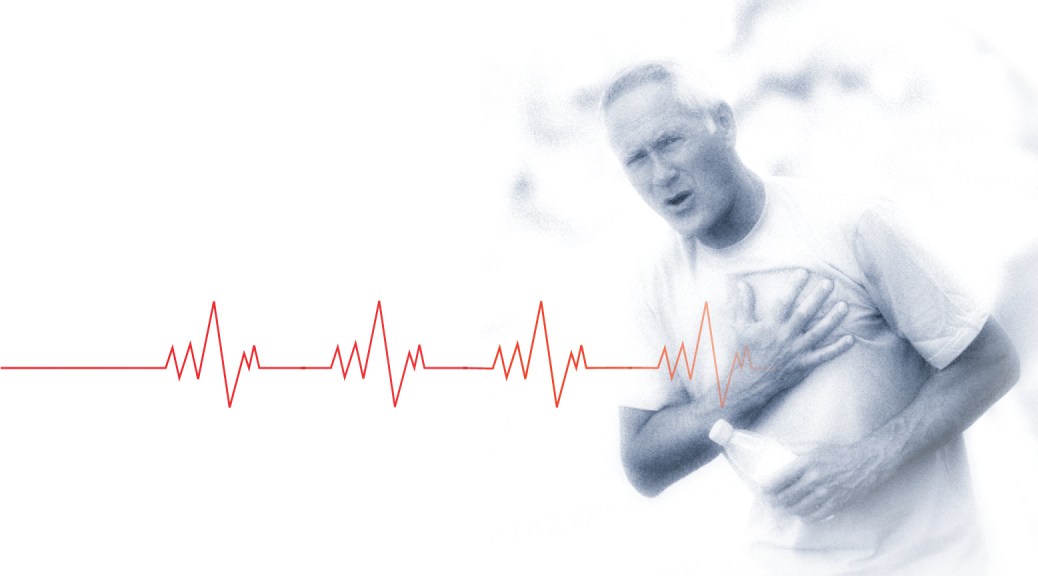
Mr M, a 55 year old man walked into my clinic one morning complaining of being unable to breathe. ‘Doc, I have been sleeping in my lazy chair for the last 3 days! I cannot lie flat at all, I feel like I’m drowning … and my legs have been swollen since last week.’ He suffered from a massive heart attack one month prior to the clinic visit. Mr M underwent an emergency stenting to one of the severely blocked heart arteries and had a stormy recovery. Clinically, he was in overt heart failure when I examined him.

There is an estimated 23 million people with heart failure worldwide. It is most commonly due to ischaemic heart disease (coronary artery disease), which is the number one killer worldwide. Aging and prolongation of the lives of cardiac patients by modern therapeutic innovations have led to increasing incidents of heart failure.

What is heart failure?

Heart failure is caused by primary heart muscle injury and also occurs at the end stage of most diseases of the heart. It could be either due to imbalance in pump function in which the heart fails to adequately maintain the circulation of blood to meet the body’s needs or the heart is too stiff and cannot relax enough to fill with enough blood before pumping. The pumping function is usually well preserved in the second type of heart failure. This is subsequently followed by the activation of a series of response mechanisms in the neurohormonal systems, and vasculature causing the signs and symptoms of heart failure.

How do I know that I have heart failure?

Patients with heart failure present a variety of symptoms, most of which are non specific. The lack of blood supply to the body and build up of fluid causes the symptoms, including tiredness, general weakness, shortness of breath on exertion, swollen ankles, swollen abdomen, loss of appetite, nausea and reduced ability to exercise.

Not infrequently, patients complain of worsening cough and breathlessness at night, and they have to use more than one pillow or end up sleeping in a chair. The accuracy of diagnosis by presenting clinical features alone, however, is often inadequate, particularly in elderly or obese patients. Moreover, the above mentioned signs and symptoms can also present in patients with kidney or liver failure.

Why does it happen?

Heart failure is not a complete diagnosis by itself. It is therefore important to identify the underlying disease and the precipitating cause(s). As mentioned earlier, heart failure is the end stage of most heart disease, beside coronary artery disease being the most common cause. Other important causes include hypertension, structural abnormality (congenital or acquired), toxin such as chemotherapy and alcohol, hormonal disorder, infection or inflammation. There are times when the cause is never found or so-called idiopathic cardiomyopathy. Other less common aetiologies are stress-induced cardiomyopathy and pregnancy-related heart failure.

How is heart failure diagnosed?

Heart failure is diagnosed based upon the patient’s medical history, a thorough physical examination, and a series of tests. These tests determine the cause and severity of the heart failure. These includes a series of blood tests, electrocardiogram (ECG), chest x –ray, coronary angiogram and most importantly, an echocardiogram. An echocardiogram is a non-invasive test using ultrasound to assess the size and function of the heart’s chambers as well as the function and structure of the heart valves. Other tests, like biopsy or magnetic resonance imaging, are sometimes used to look for specific diseases.

What are the medications for heart failure? 

There are many treatments for heart failure, but medicines are fundamental in improving the quality of life, reducing hospital admission and more importantly, improving the survival of this group of patients. Among others, diuretics, also called the ‘water pills’, help the body to get rid of excess fluid in the limbs and lung. The ACE inhibitors and the ARBs groups of medications help to strengthen the heart. The betablockers, on the other hand, help the heart to fill more completely and they have been proven to prolong the life of these patients. Digoxin, one of the oldest heart failure drugs, can increase the strength of the heart muscle contractions and hence reduces heart failure symptoms.

Will surgery ‘cure’ my heart failure?

Yes, if the cause of the impaired heart function is due to coronary artery disease or faulty heart valves such as leaky valve or valve that does not open fully. The most common surgery for heart failure is bypass surgery where blood is rerouted around a blocked heart arteries. Damaged valve can either be repaired or replaced.

Device therapy for heart failure

As heart failure progresses, occasionally the Left Ventricular Assisted Device (LVAD) is implanted while waiting for heart transplant. LVAD is basically a battery-operated heart pump that takes over the job of the failing heart by circulating blood throughout the body. LVADs are now sometimes used as an alternative to transplantation.

On the other hand, life-threatening abnormal heart rhythm can sometimes develop in patients with poor heart function. This is one of the most common causes of death in this group of patients. The doctor might recommend a device – Automated Implantable Cardioverter-Defibrillator (AICD) – that shocks the heart and returns it to a normal rhythm. It is usually implanted under the skin in the upper chest with wires leading through the veins to the heart. Nowadays, a biventricular pacemaker (also called cardiac resynchronization therapy) combined with an AICD function is often implanted in people with heart failure. The rationale is that the electrical system in the weak heart makes the heart contracts in an uncoordinated fashion. The pacemaker helps the heart to pump in a more efficient and synchronized manner, improving one’s symptoms.

Living with heart failure

Heart failure has ‘no cure’, unless the underlying cause can be treated. Therefore, it is paramount that one compliant to the medications and the treatment plan prescribed. Cigarette smoking is strongly discouraged. Smoking has adverse haemodynamic effects on patients with heart failure. In addition, it increases the risk of having a heart attack which will definitely damage more heart muscle in an already weak heart. In general, alcohol consumption should be restricted to moderate levels (i.e. one serving of alcohol per day for women, two servings per day for men), given the heart muscle depressant properties of alcohol. A high alcohol intake will also predispose to irregular rhythm that potentially worsens the body fluid balance.

As a general rule, patients with heart failure should limit their fluid and salt intake. Try not to add salt at the table or when cooking. They should also take restricted amounts of canned, frozen and processed food which contains a lot of salt.

How about the outlook?

This is not a myth. The prognosis for heart failure is poor, far worse than some of the common cancers. In general, the mortality following hospitalization for patients with heart failure is about 42.3% at five years, despite marked improvement in medical and device therapy. The two main causes of death in patients with HF are life threatening heart rhythm death and progressive pump failure.


Passion of the Rose

The rosey love affair of Piaget

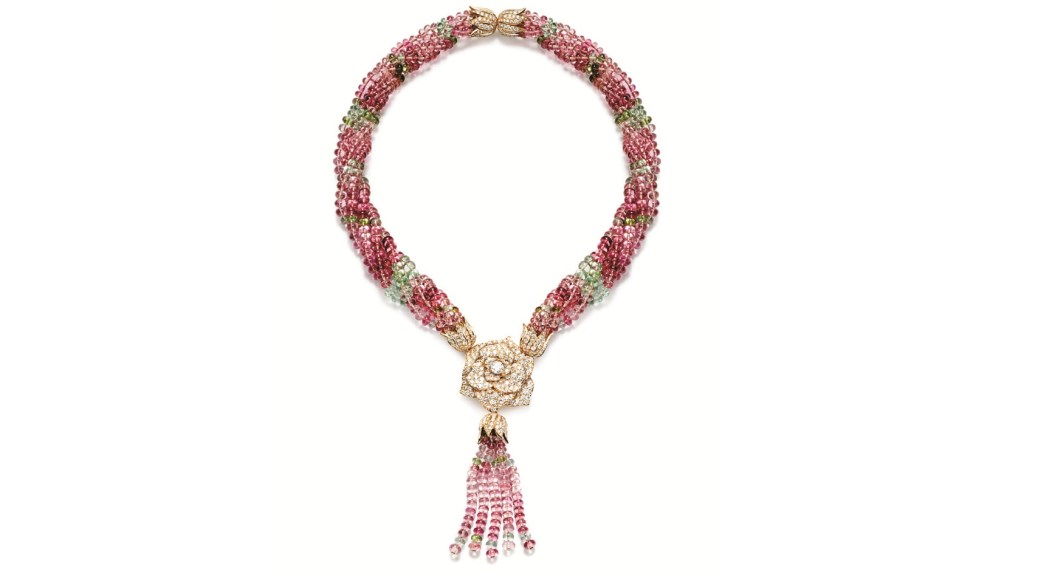
In a love story that stretches back to the 1960s, Piaget’s fascination with the rose has taken a prominent place in the brand’s jewellery and this is no more prominent than its latest collection. The Piaget Rose Passion, which comes as a tribute to the queen of flowers, is a glamorous and bold haute jewellery line that is vibrant as it is colourful.

In 1979, the current chairman of Piaget, Yves Piaget, created the trophy for the Geneva International New Rose Competition, and in 1982, his passion for the rose was recognised when the winner of that year’s competition named his prize-winning rose breed the Yves Piaget Rose. This love affair with the gorgeous flower is captured in Piaget Rose Passion collection of 75 jewellery pieces and 25 watches.

Each piece of jewellery bearing Piaget’s name is made entirely in the brand’s own jewellery workshops using a myriad of precious stones. With choice jewels ranging from white and yellow diamonds to luscious emeralds and pink sapphires, the pieces in Piaget Rose Passion are fresh and feminine.

Rocking EUPE

Asian Superstars Wow Northern Malaysia

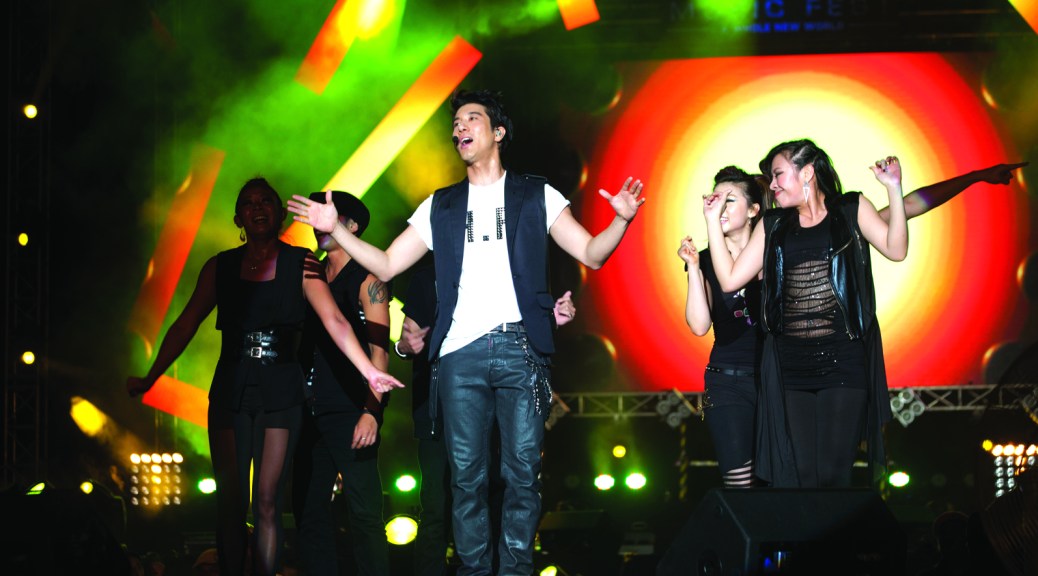
It was indeed a great day for the revellers at Planet EUPE when Asian superstar, Wang Leehom leaped on stage to perform his hits. For six hours on 1 March 2014, Asia’s biggest acts descended upon Kedah, entertaining the 15,000-strong music lovers with their world-class performances.Rocking the stage @ Planet EUPE

The heart-pumping music festival was organised by award-winning township developer, EUPE Corporation Berhad. Held at The Carnivall within EUPE’s Cinta Sayang township, the event put Sungai Petani under the international spotlight for its impressive list of performers that included Malaysian singing sensation, Yuna, Taiwanese electro-pop darling Jeannie Hsieh and Korean boy band U-KISS.

A New Health Epidemic

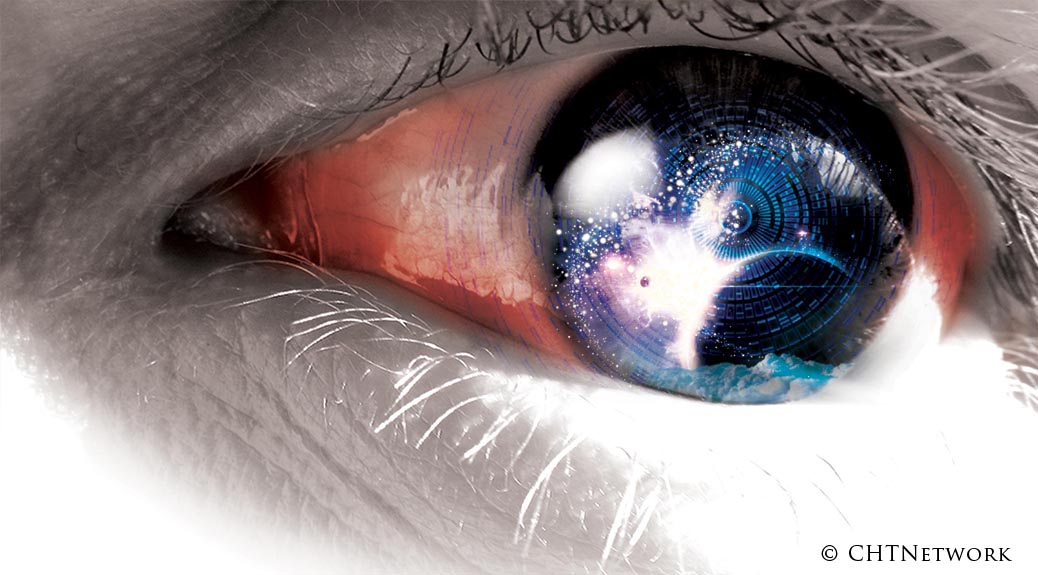
Computers, Mobile Phones & Other Digital Devices Are Impacting Your Eyes

By Dr Susana Liou

In the old days, human beings devoted the majority of their time to working outdoors, farming vegetables and animals, working the fields. A huge portion of their daily life was spent underneath the sun, with their vision mainly focused on looking into the distance. This is how our eyes have evolved over millennia. In contrast, modern society spends much of its working life indoors, underneath artificial lighting, and looking at a computer, which in terms of vision is very close-up.

Our eyes were not designed to be looking at objects close-up for long periods of time. The muscle used for focusing on different distances, whether 10m away for driving, 4m for TV, 60cm for computers, or 40cm for reading, needs to adjust accordingly depending on the distance.

When we see far away in the distance (E.G. more than 6m away) the eye muscle is in a relaxed state. The closer you are looking at an object, the more focusing needs to occur, thus causing the eye muscle to contract. So, the longer you look at your computer screen for a prolonged period without looking away and changing the eyes’ position, the more strain you put on the eyes.

What does this tell us? The natural design of our eyes has not evolved to have us working close-up for the majority of the time. Some people these days spend up to 8 hours or more each day with their eyes locked in a fixed position towards their computer screen. The epidemic of sore and tired eyes caused by the use of digital devices has begun!

We at Visual Q Eyecare have begun to see an increased frequency of young people suffering from eyestrain due to prolonged near use. They tend to be between 25 and 38 years old, and upon visiting our optometry clinic comment that while they can still sit at the computer, it’s not as comfortable as it once was. They complain of sore or tired eyes, yet their vision might not be blurry. However, if the symptoms continue untreated, we often hear about a sudden onset of blurred vision.

People who use computers or other digital devices at a near or intermediate distance for extended period of times should have their eyes checked if they suffer from any of the symptoms mentioned above. Discomfort when reading is also a common issue. When booking for your eye test, choose an optometrist who takes an interest in binocular vision problems, as they are often quite knowledgeable about issues with eye muscles. Once diagnosed the problem can be solved by wearing special vocational multi-focal lenses while you work. These look like normal glasses on the outside, but have added strength to help sustained near work.

We often hear people say, ‘Everything is fine with my vision, except when I use a computer my eyes feel tired.’ Our general advice is to take regular breaks from looking at the computer screen. For every 30 minutes of close-up work, take 1 minute to look at something at least 6m away from you. This will relax the eyes’ muscles. You may find it hard to comprehend, but we believe a 1-minute break after every half hour of near work is more beneficial for your eyes than a 30-minute break after 3 constant hours of working close-up. Think about it. 6 minutes of break time over a 3-hour period (1 minute per half hour equals 2 minutes per hour) is better for your eyes than a 30-minute break at the end of 3 hours straight work. It takes conscious determination and discipline, but it could save your eyes from becoming another victim of the modern digital device epidemic!

Show Stopping Showhouses

In a time when properties are hitting the million-ringgit mark and beyond, and with each development one-upping the other with new technologies and security features, aesthetics can play an important and deciding role. How one presents a showhouse could be the key to the potential home-buyer’s heart.

When potential home-buyers walk into the space, they immediately start visualizing how the space could fit their requirements and lifestyle, more so when the property is on the higher end of the market. This is the reason showhouses exist – to show how a particular house can serve as a home and how the standard space can be transformed into something new and with the right design by the interior decorator, spectacular.

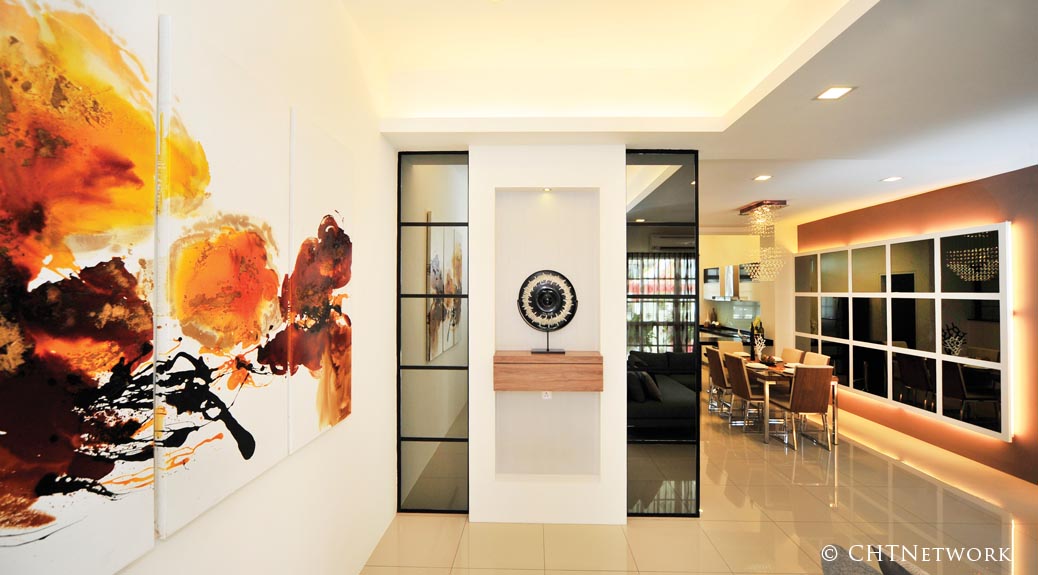
Penang-based interior décor firm, Splendid Interior Décor, is one such expert in transforming empty shells into statement houses. Employing clever lighting techniques, smart space management and arresting art works, Splendid Interior Décor has designed some outstanding contemporary showhouses.

One such project is the Botanica.CT residential development in Penang’s idyllic town of Balik Pulau.   Styling the two-storey and three-storey houses, Splendid Interior Décor has created showhouses that are not only liveable and practical, but also elegant and stunning.

One of the design elements that was used to enhance the ambiance of the spacious living and dining areas was lighting, which in this project consisted of a combination of gorgeous chandeliers and warm accent lights. By combining the right lighting fixtures with the correct hues and intensity, Splendid Interior Décor has highlighted features of specific room that deserved the attention, and making the generous spaces cosy and charming.

Playing off the lighting, artworks in earth tones adorn the wide walls, blending in perfectly with the perfect ambience, colour and illumination scheme of the showhouses. Another design element that elevates the overall concept of the Botanica.CT showhouses is the contemporary sculptures that add a certain glamour to the spaces. The result is a set of showhouses that are inviting, stylish and reflective of a contemporary lifestyle.

For further information, email splendidinteriordecor@gmail.com

Holistic Grooming

One of Malaysia’s premier aesthetics academies, Stella-In International Advanced Aesthetics Academy has groomed generations of aestheticians and beauty professionals. It was established by Madam Stella Hong in 1980 and is accredited by international examination boards of Confederation of International Beauty Therapy & Cosmetology, UK (CIBTAC), Comite International d’Esthetic et Cosmetologie, Zurich (CIDESCO) and International Federation of Aromatherapy, UK (IFA). Recognising the academy’s contribution to Malaysia, the Ministry of Tourism appointed Stella-In as Malaysia’s Official Centre of Excellence to train Spa Therapists in 2011.

Not content is being just providing vocational training, Stella-In has paved a continuous education pathway for its students, enabling them to acquire higher qualifications. The Academy is in collaboration with Chisholm Institute of TAFE that allows its students to transfer credits of their qualifications at Stella-In to Chisholm TAFE for further studies in Diploma in Beauty Therapy and Bachelor in Health Science (Dermal Therapies) at Victoria University (Melbourne). In this regard, Stella-In is a pioneer, being the first aesthetics academy in Malaysia to forge such a path for its students.

Stella-In is headed by Madam Stella’s son, Leslie Hong. Injecting vigour and helping bring the Academy to new heights, Leslie is an expert in the field of aesthetics. He is a Colour Analyst and Image Consultant who has the distinction of being one of the first in Southeast Asia to be certified by Canada’s International Image Institute. This Property Estate Studies and Management double-degree graduate from New Zealand followed his mother’s footsteps and joined the family business because of his passion for the industry. ‘Aesthetics is not just making people look beautiful, but helping people as well. I saw my mother helping clients with acne recover; then when the clients’ skin got well, she would put make-up for them and groom them. You could see the joy in the customers. That really inspired me,’ said Leslie.

With over 18 years of experience as an artistic director, make-up artist and master trainer for Stella-In International,  Leslie is credited with leading the Academy to its international recognition and positioning as one of, if not the, leading aesthetics academy in the region. ‘Nowadays, people look towards brands and recognition, awards and achievements. The evolution of Stella-In from the 1980’s to now is one in which we have positioned ourselves very well in terms of accreditation,’ he explained on the success of Stella-In in bridging vocational training and tertiary education with leading institutions in Australia.

Besides having a passion for the aesthetics field, Leslie is passionate about community service. He is an active Lions Club member, having served the organisation as its president in the past and spearheading his club’s Prosthetic Limbs Project which has been instrumental in providing prosthetic limbs to those in need since 2006.

With his interest in Lions Club and his mother’s life-long quest to help people, it is no surprise that Stella-In has a culture of doing social work. ‘In business, we feel that most important thing is that we have to care for the society through community service works,’ said Leslie. ‘We are involved in social outreach programmes such as fund raising for local hospitals, and providing massage training for the blind at St Nicholas’ Home, among others.’

If a lasting career in aesthetics is what you’re looking for, make Stella-In your top consideration as a quality education centre. To find out more information, call +604 228 3833/ 227 3833 or visit http://www.stella-in.com.my.

Rome: 10 Things Not To Miss (Part 1)

Touring Rome is unlike visiting any other major city in Europe. This place, with a history of more than 2500 years, presents to visitors the  opportunity to experience an open air museum where angels and demons once ruled. One has to really like and appreciate heritage as this is a place where treasures and masterpieces of Roman art and architecture are preserved and presented proudly by the Italians. EZ has selected 10 things you should pen down when planning your tour in this ancient city.

 Part 1

01 Hop On Hop Off

Rome is unlike many modern European cities where the trains or subways are designed to directly reach important tourist attractions. This city has so many ancient architectural sites above and below ground level that the rail transportation system was built around these important sites, making sure that no heritage was damaged. As such, it is highly recommended that one should pack along a pair of good sport shoes. Furthermore if you are not travelling with a tour group, it is advisable to buy tickets and take a round trip with the Hop On Hop Off bus so that you will have a good idea and perspective of the city of Rome.

02 Colosseo (Colosseum)

The Colosseo (Colosseum in Italian) is one of the world’s most recognised buildings. One would be hard pressed to find a larger and more glorious setting that could seat over 50,000 people to view the mass slaughters which were a form of entertainment millennia ago. This was a brutal stage on which gladiators, slaves, criminals and animals had to fight to death for the sole purpose of surviving another day. It is highly recommended to purchase a combo ticket that covers the entrance for Forum and the Palatine Hill. Moreover, it allows you to bypass the super long queue. The ticket also comes with an English speaking guide that will take you to places that are restricted if one only buys the normal ticket. Before leaving, remember to take some memory shots with the Arch of Constantine, the triumphal arch in Rome.

03 Piazza Navona

Built on the site of the 1st century AD Stadium of Domitian, this city square is the venue that was once used by ancient Romans for festivals and sporting events. Today Piazza Navona is a pedestrian’s paradise where restaurants line the perimeter and the magnificent Fountain of the Four Rivers structure grace this elongated oval. One cannot miss the church of Sant’Agnese in Agone, a 17th century baroque church that commands such fine craftsmanship, such splendour and such dedication to faith that is almost impossible to find in today’s modern world. For those who would like to bring home paintings as souvenirs, there are plenty of artists’ works on sale here.

04 The Monumento Nazionale a Vittorio Emanuele II

The Monumento Nazionale a Vittorio Emanuele IIis located just within walking distance from the Colosseum. This magnificent yet controversial white marble monument that dominates Piazza Venezia was built to pay tribute to Victor Emmanuel II, the first king of a united Italy. Within the monument, the Museo Centrale del Risorgimento is housed. This is a museum dedicated to the history of how Italy was unified. The top of the monument provides a fantastic 360º panoramic view of Rome.

05 Trevi Fountain

If you like to meet The God of the Sea and do not mind squeezing with other admirers, then the Trevi Fountain would be the place to be. As tradition has it, you will supposedly return to Rome if you throw a coin over your opposite shoulder with your back facing the fountain. While this makes for a fun little activity, there is an annoying side to it – there are just too many people snapping, videoing and repeating the same ritual of tossing over and over again! However, the atmosphere of the jostling crowd and the magnificent presentation of the majestic Neptune riding a shell-shaped chariot with two seahorses are simply breath-taking. If things get a little overwhelming, an Italian Gelato might just do the trick.

Stay tune for the next issue of EZ to find out more exciting things to do in Rome.