Category Archives: Medicines & Sciences

Oncoplastic Breast Surgery

by Dr. Teoh Mei Shi
Consultant Breast, Endocrine & General Surgeon
MBBS (India), MS (USM), Fellowship Breast Oncoplastic Surgery

The news of breast cancer diagnosis is often traumatic and to hear that one needs to remove the whole breast is even more damaging to her physically, mentally, as well as psychologically.

Since historically, treatment for breast cancer has always been radical mastectomy whereby the whole breast and a large portion of the muscle underlying the breast tissue is removed extensively leaving a cosmetically disfiguring appearance and terrible side effects. This has been the mainstay of treatment over the last 100 years and although less aggressive surgery are employed to minimize the side-effects known as modified radical mastectomy or lumpectomy, it is still an unacceptable surgical appearance for many women.

As newer targeted therapies and novel chemotherapy drugs are available to improve survival outcome, surgical techniques and reconstructive methods for breast cancer are also advancing. This has led to a new sub-specialty called “oncoplastic breast surgery”.

Oncoplastic breast surgery is a combination of oncological treatment for breast cancer as well as reconstructive surgery to restore and rebuild the appearance of the breast leaving the patient with a more acceptable appearance. This “cosmetic” outcome can significantly help a woman recover psychologically as well as mentally. This new approach brings a new revolution to treating the woman as a whole rather than just the cancer. It also allows treatment for breast cancer patients to be more appealing and acceptable when one need not fear losing her breasts or her womanhood.

Breast conserving surgery or lumpectomy is the surgical removal of the cancer with a surrounding cuff of normal breast tissue. It is just as effective for smaller tumors and early stage disease but may not be suitable for larger tumor or smaller breast size. Following breast conserving surgery, one still needs to go for radiation therapy to the rest of the breast tissue and also frequent mammography to prevent recurrence. Some women who refuses radiation therapy or long term mammography follow-up instead prefer to opt for mastectomy with immediate reconstruction to reduce their fear and worry.

There are more options now for reconstructive surgery but the choice will depend on many factors like the stage of the cancer, tumor to breast size ratio, tumour histology and biology, fitness of the patient and also the surgeons’ experience. Every patient has different needs too ie. her own self-image and her goals. A multidisciplinary team comprising of breast surgeon, oncologist, radiotherapist, radiologist and pathologist will usually convene to discuss with the patient to ensure the best possible surgical and oncological outcome.

Breast reconstruction can be offered immediately as a single stage during cancer surgery but it could also be in several stages or as a delayed procedure after the cancer treatment is completed. After all, proper oncological treatment for breast cancer still prevails before cosmetic appearance.

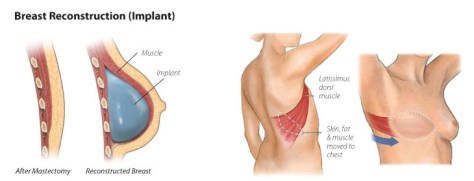
Various options for reconstruction are available such as the use of implants, or the use of tissue from the back or belly and even fat grafting. Nipple reconstruction and tattooing of the areola are also possible. Some reconstructive surgeries can be short and in a single setting while most will take longer hours and require several stages to get the ideal shape and appearance. Risks for surgery such as infections, bleeding, implant-related and flap-related complications are relatively low but nevertheless, they do occur on a case-to-case basis.

If appropriate decision is taken, oncoplastic surgery has comparatively similar survival rate and cancer recurrence rate as conventional treatment with mastectomy and lumpectomy. It also does not make diagnosing recurrences and follow up more difficult during after-care surveillance.

In developed countries where incidences of breast cancer are higher and with the availability of screening programmes, there is higher percentage of early detection of breast cancer, therefore more than 70% of the patients will choose to undergo reconstruction. In Malaysia, we are still seeing a significantly higher percentage of late stage breast cancer detection, hence we encounter more mastectomy cases.

More advanced technologies are happening to minimize breast cancer surgery in the future. We are looking at cryoablation, radiofrequency ablation as well as intraoperative radiotherapy where radiotherapy session has been reduced to one session only versus the conventional 25 sessions.

Celebrity actress Angelina Jolie certainly made headlines when she chose to have both her breasts removed as a preventive measure due to an inherited BRCA gene that puts her at high risk of developing breast cancer. She reconstructed her breasts with implants and was also able to preserve her nipple areola complex.

Breast cancer incidences are on the rise in Malaysia, roughly about 1 in 15 women will develop breast cancer in their lifetime. Be breast aware and do not fear as early detection has good survival outcome. Oncoplastic breast surgery will change the revolution for breast cancer treatment. The future tag line for breast cancer surgery would be “No women shall leave the operation theatre without a breast”.

111

Stop, Reverse, Prevent…

by Dr Mecherl Lim MD (MA) Naturopath (ND) , Holistic Kinesiology

Two things have become increasingly apparent:

  1. We are exposed to a more complex array of toxic compounds in our air, water, and food than ever before.
  2. It has been recognized that an individual’s ability to detoxify or bio-transform and excrete toxic substances is of critical importance to overall health.

Detoxification (Detox) in the context of alternative medicine consists of the approach to rid the body of accumulated harmful substances that allegedly exert undesirable effects on health in the short and long term.

Medicine & science-Stop reverse prevent

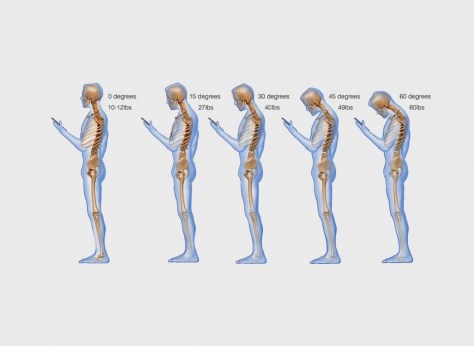
The Massive Effects Texting Has On Our Necks

Smartphone users spend an average of two to four hours per day hunched over, reading e-mails, sending texts or checking social media sites. That’s 700 to 1,400 hours per year people are putting stress on their spines, according to the research. High-schoolers might be at the worst risk. They could conceivably spend an additional 5,000 hours in this position.

Recent research, done by Dr. Kenneth Hansraj, chief of spine surgery at New York Spine Surgery and Rehabilitation Medicine, suggests that when you have continuous and aggressive strain on the neck, you get wear and tear on the spine, straightening the natural curve of the neck and placing the discs under abnormal pressure.  This increased pressure can create tears within the disc, resulting in a herniation of the disc itself and subsequent pain and neurological symptoms, like neck, upper back and arm pain, pins and needles and numbness. Some people may call this a “slipped disc” or a “pinched nerve”.

If you suspect that you have a pinched nerve in your neck, it is important to consult with your chiropractor. Some pinched nerves can lead to other, more serious conditions so it is a good idea to have a chiropractor evaluate you and monitor your recovery.

Some of the worse culprits of “text neck” are young people. With this excessive stress in the neck, we are starting to see young people needing spine care from a really early age. It is very important that parents start showing guidance and leading by example.

While it is nearly impossible to avoid the technologies that cause these issues, individuals should make an effort to look at their phones with a neutral spine and to avoid spending hours each day hunched over.  Here are a few tips on how to better manage your neck and your smart phone use:

• Hold your phone at a proper reading angle, rather than looking down. Your phone should be held directly in front of your mouth, a few inches across from your chin. Your eyes should look down rather than having to bend your neck down. Your shoulders should feel relaxed while you’re typing. Download a Text Neck application for your smart device allowing you to monitor your head tilt whilst using your device.

• Use a text-dictation program if you have one. Hold the phone in front of your mouth.

• Set a timer and take breaks.

• If using your device in bed, avoid flexing your neck too far forward with pillows that are stacked too high, thereby decreasing the stress on your neck.

• Build strength and range of motion. In your workout routine, include exercises and stretches that strengthen your neck and upper back.

• Drink water and maintain hydration.

• Use other forms of communication. Try the “old school” method of calling your family and friends or seeing them in person to chat.

Medicine & Science-Tags

Cochlear implant – A gift of hearing…

By Poh Boon Fong
Audiologist, B. Audiology (Hons) UKM, MASH (M’sia), AAA (USA)

Prevalence of Hearing Loss

As many as 3 of every 1,000 babies are born with hearing loss and another 3 will acquire hearing impairment in early childhood due to illness, infection or accident. Babies can’t tell you if they can’t hear. Babies who do not hear our voices, a lullaby or a nursery rhyme may have problems learning to talk. As for the elderly population, about 1 in 3 individuals over the age of 65 years old have some degree of hearing loss.

What is Cochlear Implant Programme?

Cochlear implant is an alternative which provides greater access of hearing to those suffering from severe to profound hearing loss. A cochlear implant is an electronic device that restores partial hearing to the deaf. It is surgically implanted in the inner ear and activated by a device worn outside the ear. Unlike a hearing aid, it does not make sound louder or clearer. Instead, the device bypasses damaged parts of the auditory system and directly stimulates the hearing nerve, allowing individuals who are severely hearing impaired to receive sound. Cochlear Implant Programme involves the expertise of an Ear, Nose & Throat Surgeon, audiologist and speech-language therapist/auditory verbal therapist and other allied health professionals such as occupational therapist and psychologist.

Who can benefit from a cochlear implant?

Individuals who are

  • severely or profoundly deaf
  • who receive little or no benefit from hearing aids
  • who communicate through hearing and/or speech-reading
  • who want to be part of the hearing world
  • are the best candidates for cochlear implantation.
LSC Cochlear Implant programme

The Cochlear Implant programme was initiated by LohGuanLye SPECIALISTS CENTRE (LSC) in 2005. It was then, the only centre in the northern region providing cochlear implant surgery including the full rehabilitation programme.

Cochlear implant provides a sound beginning to the deaf children and new light of hope for the deaf adults. This programme entails a lot of planning, counselling, long rehabilitation process following the operation, hard work, dedication and commitment from the team.

Since then, the LSC cochlear implant programme has successfully helped 62 children and 4 adults to hear again. We have conducted 84 surgeries and rehabilitation programmes with 48 unilateral and 18 bilateral cochlear implant recipients.

Helen Keller once said,

“Deafness is worse than blindness.”

She felt she could compensate for her lack of eyesight by learning Braille, but there was no getting around her inability to hear. She found deafness to be a much greater handicap than blindness.

Our breakthroughs…
  • We have the first bilateral cochlear implant recipient in Malaysia.
  • We have the oldest cochlear implant recipient in Malaysia who was implanted when he was 78 years old.
  • Our youngest patient was implanted at the age of 13 months
LSC Cochlear Implant Parents’ Support Group

The LSC Cochlear Implant Parents’ Support Group was established in 2006, to serve as a platform for sharing information and experiences among parents and professionals. LSC is offering a comprehensive cochlear implant programme which focus on the success of the children by working closely with their family members. With this support group, we hope to bring involved parents together to share their experiences, success stories, and discuss concerns or problems with the team.

We have also conducted educational sessions and workshops for parents to learn about devices trouble-shooting, home practice, behavioural training, welfare card application and various parent-child development.

Current situation in the country
  1. There is a lack of awareness among the public that hearing impairment can be now surgically treated.
  2. Early diagnosis and intervention is crucial for the success of cochlear implant patients. Therefore, patients should not wait for too long without getting any help. For example, the golden age to learn language is from 0-3 years old. Children implanted after 3 years old might have developed behavioural problems, cognitive and speech language delayed.
  3. Adults who acquire hearing impairment due to accident, aging or medication were not aware that cochlear implant will be able to restore their hearing so that they can be functional in society again.

LohGuanLye SPECIALISTS CENTRE (LSC) will continue to provide more speech and hearing services to the needy community in the hope that those with hearing and speech problems will be detected early and receive appropriate intervention. Without appropriate opportunities to learn language, children who are hard of hearing or with speech disorders will fall behind their hearing and speaking peers in language, cognition, and social-emotional development. Such delays may result in academic under-achievement, lower educational level, unemployment or lower lifetime earning and thus they will be unable to contribute optimally to the socio-economy of the country. We hope the government and NGOs will consider funding the Cochlear Implant Programme and subsidise the cost  of hearing devices because the money needed to support a hearing impaired child in the long run, is much more expensive. We urge the government to revise our educational programme to help these children to learn better in the mainstream class. We also hope the society will help these children to grow and be successful in life. Together, we provide the gift of hearing to the community.

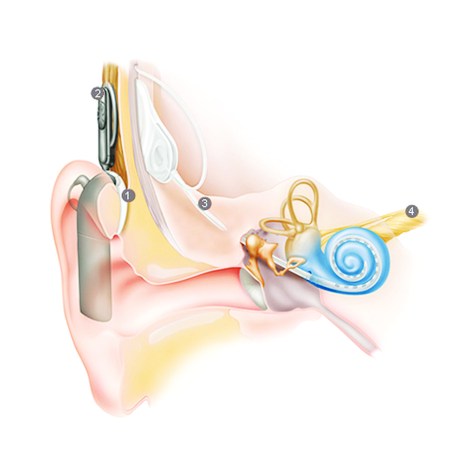
Cochlear Implant 1. The Sound Processor captures sounds and converts them into digital signals. 2. The Processor sends digital signals to Internal Implant. 3. The implant turns the signals to electrical impulses and sends them to an array inside the Cochlea. 4. The Electrodes stimulate hearing nerve, and the signal is sent to the brain.
Cochlear Implant
1. The Sound Processor captures sounds and converts them into digital signals.
2. The Processor sends digital signals to Internal Implant.
3. The implant turns the signals to electrical impulses and sends them to an array inside the Cochlea.
4. The Electrodes stimulate hearing nerve, and the signal is sent to the brain.

Regenerative medicines offer new lifeline for many

By Shane Fonseca
M-Tech Chiropractic (RSA)

With the average life expectancy climbing ever higher due to advancements in medical technology, it has become increasingly important to move into a preventative health paradigm, especially with regards to the musculoskeletal system of the human body. 

Advancements in the field of cosmetic surgery have proverbially opened a Pandora’s Box for all those capable of enjoying the benefits. However, these external enhancements cannot replace the long term damage of tired spinal joints, osteoarthritic knees, untreated idiopathic scoliosis, and the “silent killer” – pinched nerves resulting from Spinal Disc Degeneration.

Slipped Disc and Inter-Vertebral Disc degeneration is one of the most common causes of back pain today, affecting more than 30 percent of adults over the age of 20 years. Unfortunately, its prevalence is further increased exponentially with advancing age. It is currently the single largest reason (65 percent of sick cases) besides the common cold resulting in absenteeism and loss of productivity at the work place.

This epidemic is dramatically affecting the quality of lives by ruthlessly condemning its sufferers to either severe pain or surgery. However surgery is still a poorly developed treatment protocol, with more than 40 percent of patients having an unsatisfactory outcome for primary disc surgery, with more than 75 percent of those patients suffering from recurrent back pain within a year of the surgery itself.

At present, the primary non-surgical treatment protocol for disc bulges and spinal nerve pathology is Spinal Decompression Therapy. With a success rate of over 83 percent, it is fast proving to be the treatment of choice for both patients and doctors alike. Spinal Decompression Therapy is a computerized, machine based protocol designed to unload the tired, bulging dehydrated lower back and neck discs by cycling through distraction and relaxation phases. This allows for the accurate repositioning of the discs, while creating a negative pressure within the disc material. This facilitates the resorption and hydration of any bulging disc material, restoring disc health and reducing the associated nerve compression causing relentless back, leg or arm pain.

Children, like adults, also have degenerative health concerns. Over 67 percent of our children are affected with Idiopathic Scoliosis a manageable but devastating condition. It is the most common spinal deformity confronting orthopedic surgeons today with Asia currently having the highest incidence of idiopathic scoliosis in the world. Described as ‘progressively relentless, deadly at its end result’, early detection and treatment is critical. A Dynamic Scoliosis Bracing System offers the first and only Dynamic Corrective Brace for the treatment of idiopathic scoliosis in the world. Together with physiotherapy it provides an 89 percent efficacy rate.

Other medical advancements in joint-muscle healthcare include Cold Laser for accelerated regenerative repair, Extra Corporeal Shockwave Therapy to break down scar tissue and remodel living bone, and Whole Body Vibration Therapy for advanced acceleration, balance and strength training.

If you think aches and pains are part of growing old and is something you just have to “ live with it”, THINK AGAIN! You deserve a life that is free of pain, a life that is full of vigour. At TAGS, our team is here to help you get well and most importantly, stay well.

What is Functional Medicine?

Dr Michelle Lim, MD (MA) Naturopath ND,
Dip. Holistic Kinesiology

Functional Medicine (FM) enables physicians and other health professional to practise proactive, predictive, personalised medicine, empower patients to take an active role in their own health and practitioners to achieve the highest expression of health by working in collaboration to address the underlying cause of disease. FM addresses the whole person not an isolated set of symptoms.

Practitioners spend time with their patients by using a technique called ‘Listen to your Body Talk’ – gathering information about patient, looking at the interaction genetic science system biology, understanding of environment and lifestyle factors (sleep, exercise, nutrition, stress levels, relationships) that can influence long term health and the emergence and progression of chronic disease.

FM support patients-centred rather than a disease centred approach to treatment. This is what we call the therapeutic partnership, the relationship that forms between patient and clinician that empowers the patient to take the ownership of their own healing.

Scientific support for the FM approach to treatment can be found in a large and rapidly expanding evidence base concerning the therapeutic effects of nutrition (both dietary and clinical choices), exercise, stress management, detoxification program, Holistic Kinesiology Alignment, Manipulation, Mind/Body techniques using Vibrational Frequency formulas and many more.

Screen Shot 2014-11-05 at 10.27.37 AM

How is Functional Medicine Different?
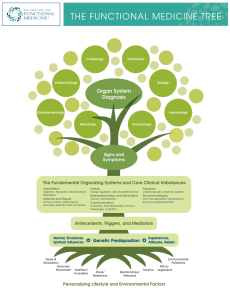
To keep a tree healthy and allow it to flourish, you need to support the most basic & essential elements first – THE FOUNDATION, THE ROOTS, THE SOIL. Similarly, if a tree is not healthy, the first place you should look at for answers at those same foundational elements.

FM is highly cost effective for patients as it focuses on prevention and health promoting lifestyle changes and sustainable treatments that address the underlying cause of dysfunction, restoring patients to health.

It is a holistic approach in that one clinician looks at all aspects of the patients instead of saying “Oh that sounds like a Hormonal problem, that’s not my department.” Practitioners examine each patient’s lifestyle physically and psychologically using the ‘Art of Listen to your Body Talk’ (Holistic Kinesiology) to identify the underlying causes of their disease and find the right treatment to support and help return patients to optimal health.

Screen Shot 2014-11-05 at 10.30.19 AM

For more information visit http://www.michelleherbstherapy.com

BLOOD IN URINE: A WARNING Sign That You SHOULD NOT IGNORE!

By Mr Lau Ban Eng
Urologist
MBBS (Aust.), FRCS (Edin.), FRCS Urology (Edin.),
D. Urol (Lond.), FCS (Hong Kong), FHKAM

“Peter, a 57 years old executive chef went to the toilet one night and noticed that his urine was red in colour. The urine cleared up the next morning but Peter was very worried. He visited his family doctor who sent his urine for tests and found the presence of red blood cells. His family doctor referred him a Urologist. After some investigations, Peter was found to have early stage kidney cancer. Peter underwent appropriate treatment and is now cured.”

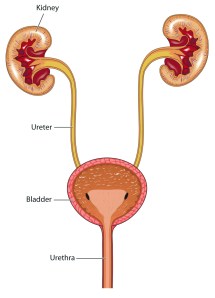
Seeing blood in your urine is a frightening experience for most people. When this occurs, it must be fully investigated by a doctor. Although in many patients no specific cause can be found, blood in urine – medically referred to as haematuira – can be an indication of a serious problem of the urinary system (Diagram 1) and is a warning sign that you should never ignore.

It is estimated that up to 20% of the population is at risk of haematuria. There are two types of haematuria. The first is called “gross” or “macroscopic” haematuria where the blood in the urine is visible to the naked eye. Macroscopic haematuria can vary widely in colour, from light pink to bright red with clots. It can result from as little as 1ml of blood in 1litre of urine, and therefore the colour does not reflect the degree of blood loss.

If the blood can only be detected with laboratory testing of urine, it is called “microscopic haematuria”. People with microscopic haematuria are often unaware of the problem and it will most commonly be detected from urine tests during a routine medical check-up.

Although the amount of blood in the urine may vary, the causes of gross and microscopic haematuria are the same. So, any degree of blood in the urine should be fully evaluated by a doctor, even if it resolves spontaneously.

Is there definitely blood in the urine?
Before you read on, it is worth considering whether you have recently eaten beetroot, red dragon fruits or food with colourings as these can make the urine to turn pink and cause unnecessary alarm. Certain medications and antibiotics such as nitrofurantoin and rifampicin can also turn urine brown or red. Check that the blood in the urine is not from the rectum/anus and in females, blood from the vagina should be ruled out.

What are the causes of blood in urine?
The cause of haematuria, whether microscopic or macroscopic are similar and may result from bleeding anywhere along the urinary tract (Diagram 1). 50% of patients with visible blood in the urine will have an underlying cause identified but with non-visible blood in the urine, only 10% will have a cause identified.

Risk factors for significant underlying diseases include: age over 40, smoking, exposure to certain chemicals, history of radiation, overuse of painkillers, history of diabetes and hypertension.

white-fig14_0072

Common causes of blood in the urine include:

  1. Infection of the bladder (cystitis) or kidneys (pyelonephritis). This usually causes pain when you pass urine and pain over lower part of abdomen and loin area. Fever can occur in severe infection.
  2. Kidney, ureteric or bladder stones which may be painless and may present as only haematuria.
  3. An enlarged prostate. This commonly occurs in older male and associated with symptoms of difficulty passing urine, slow urinary stream and frequency of urine.
  4. Kidney cancer. This is an uncommon cancer and may present as microscopic or gross haematuria. The gross haematuria may be intermittent. If it is detected early, the chance of cure is very high.
  5. Bladder cancer. Again this usually occurs in people aged over 50. Usually the patient is a heavy smoker. As in kidney cancer, if found early and treated, the cure rate is very high.
  6. Kidney disease can also cause haematuria. It is a common cause of microscopic haematuria in younger people. Most of the time, protein will also be detected in the urine.
  7. Medications that thin the blood like warfarn and clopidogrel (Plavix) can also cause bleeding in the urinary tract.

How is blood in urine diagnosed?
After taking a detailed history and carrying out physical examination, the Urologist will order a urine test which consists of testing the urine with a chemical test strip and examining it under a microscope. This is to confirm the presence of red blood cells. If three or more red blood cells are seen per high power field in the urine specimens on microscope, referral to a specialist, either an Urologist or Nephrologist for further evaluation is recommended.

Usually the specialist will repeat the urine test and also obtain a culture of the urine to identify the presence of bacteria. Blood tests will be carried out to assess kidney function and identify any blood clotting abnormalities. Further investigations will be ordered depend on the findings of the urine and blood tests. If necessary, two additional tests, imaging and cystoscopy will be performed.

Nowadays, CT scan is preferred to intravenous urogram (IVU) as it gives a better, more detailed image of the kidneys and ureters. It is also the best method to detect urinary stones. However, CT scan cannot visualise the lining of the bladder clearly and therefore, a second examination called a cystoscopy is necessary.

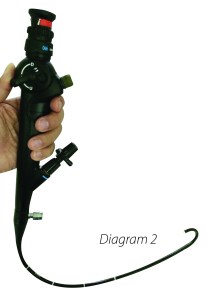
Diagram 2 showing a flexible cystoscope2

This procedure uses a small (3mm in diameter), flexible scope (Diagram 2) which is inserted through the urinary passage (urethra) into the bladder to directly visualise any abnormality or source of bleeding in the bladder. It also allows the doctor to take a sample for examination under the microscope. This procedure takes about 10 minutes and is usually carried out with intravenous sedation and local anaesthetic gel.

Treatment
Treatment depends on the exact cause for the haematuria following a specialist’s evaluation and investigations. In patients where investigations fail to find the source of the bleeding, observation with repeat urine tests is necessary. Investigations like CT scan and cystoscopy may be repeated if haematuria recurs.

Conclusion
Any degree of blood whether macroscopic or microscopic in the urine, especially for those aged 40 or above should be fully investigated by a Specialist as it might be a sign of serious disease of the urinary system.

Screening For Bowel Cancer Today

by Mr Buvanesvaran Tachina Moorthi
MBBS (Mal), MS (UKM), MRCS (Ire)
Fellowship in Colorectal Surgery (Hull, Eng)

Better understanding of anatomy and bowel physiology coupled with technological advancement has propelled new concepts, techniques and ever evolving trends in the management of colorectal disorders in the present era.

Historically, the Ebers Medical Papyrus 1700BC described 33 prescriptions for anorectal disease. Hippocrates (460-377 BC) had documented dissertations on Fistulae and Haemorrhoidal diseases. Such is the influence of history in the development of Colorectal Surgery into a subspeciality as it stands today.

Screening for bowel cancers are routine practice in many Western countries. The United Kingdom has a well-established bowel cancer screening program where anyone turning 60 years old are offered a ‘Fecal Occult Blood’ test kit which tests to identify microscopic bleeding in the stools of asymptomatic persons.

Those with positive results are invited to undergo a screening colonoscopy to exclude presence of polyps or cancers and are followed up with regular colonoscopy (as per protocol) depending on the findings of the first screening colonoscopy. However, these are meant for asymptomatic persons with no obvious family history of bowel cancer. Individuals with strong family history of bowel cancer or symptoms of it should be investigated much earlier.

Though Colorectal Disorders encompass a wide range of conditions ranging from benign perianal diseases to functional disorders, none gets more importance that Colorectal Cancers as it rightly deserves. The morbidity and mortality associated with bowel cancers has pushed researchers to innovate new investigative tools, surgical techniques and treatment options that promises better outcomes for patients.

Successfully treating a clinical condition vastly depends on the understanding of the pathophysiology of the disease. However, the multifactorial origin of cancers on the whole is the stumbling block towards its treatment.

The “Adenoma-Carcinoma Sequence” best describes the formation of bowel cancers through a series of gene mutations whereby the normal bowel mucosa undergoes changes leading to the formation of small polyps that grow and eventually risk becoming cancerous lesions. Hence, early detection of these precancerous polyps through screening techniques offers hope in preventing overt cancers and its grave sequelae.

This brings us to the most important question on what exactly are the symptoms of bowel cancer? Unfortunately, bowel cancers may have vague symptoms and unless one is aware it may be missed. Blood in the stool or during defecation are the most obvious signs. Early bleeding from small tumours or polyps may go unnoticed to the naked eye and as such requires stool testing. In addition passage of mucus with the stools are often noticed.

Another important feature is the change of bowel pattern. Every individual develops their own routine normal bowel pattern. Common pattern among Asians is moving the bowel once or twice a day or even once in two days.

However, what matters most is a deviation from the normal pattern of bowel movement in a person. Thus, if one notices change in their habits of visiting the toilet, either in frequency of visits or in the nature of their stool then it should be investigated. The risks of cancer in persons with such changes are multiplied in the background history of bowel cancers among family members.

Screening colonoscopy is conducted using a fiber-optic video-endoscope inserted through the anus to directly visualize the entire colon and rectum. The procedure performed under sedation on a cleansed bowel can be done as a daycare procedure.

In addition to direct visualization, the video-endoscope allows biopsy and removal of polyps (Polypectomy). Advanced endoscopic techniques through the use of ‘narrow band imaging’ also allows earlier detection and removal of suspicious lesions through the ‘Endoscopic Mucosal Resection’ (EMR) techniques.

Bowel Cancer Screening in Malaysia is still in its infancy and lack of awareness is yet a stumbling block. Successful detection of early cancers and pre-cancerous polyps would enable early multi-modality treatment that promises good outcome for patients.

Hence visiting a Colorectal Surgeon, who would risk stratify and advise the most appropriate investigation for each individual is the first step to a successful bowel cancer screening programme.

Unicompartment Mobile Bearing Knee Replacement: Oxford® (Partial) Knee Replacement

Should We Sacrifice The Whole Joint When Only Partial Knee Placement Is Needed?

By Dr Goh Eng Tat
Orthopaedic, Joint Reconstruction & Trauma Surgeon
MBBS (M’lore), M.S. Ortho. (UM), FRCS (Ire), CMIA (M’sia), F’ship in Joint Reconstruction (St. George, Sydney)

If knee pain is affecting your lifestyle, then you need to know this: the new concept in joint replacement surgery is to replace only the worn out portion of the arthritic joint and save as much of the natural knee as possible.

A large number of people with osteoarthritis of the knee have worn out only the cartilage of one of the three compartments in the knee. If this is the case, the individual may only require a partial replacement, preserving the unaffected compartments of the knee and all the ligaments of the joint.

Oxford® Knee Replacement is an implant that can accomplish this task with a proven track record of 95% success at 15 years and beyond. For this reason, the Oxford® makes a total knee joint replacement unnecessary in many cases. In some centres in the US, the number of Oxford® Partial Knee Replacement has reached almost 50% of all joint replacement surgeries.

The photograph below represents one (sided) compartment of bone-on-bone osteoarthritis. This occurs due to wear and tear of the articular cartilage. The other compartment cartilage is still normal. Once this situation develops, the individual usually has severe pain. An Oxford® is ideal for this situation.

The x-ray photographs above demonstrate a pre-operation x-ray and post operation x-ray (after an Oxford® has been placed). One can see that the bone on bone rubbing condition has been replaced by the Oxford® with its mobile bearing (the white horizontal line between the metal).

The Oxford® ® Unicompartmental Knee Replacement System offers these advantages:

At 15 years following surgery, 95% of implants are still functioning well

• Preserving other compartments of knee while only the affected inner portion of knee is resurfaced

• Preserving all the ligaments of the knee thus allow more normal, natural and physiological motion of the human knee

• Only a portion of the knee is replaced, making this procedure available to a younger population

• Minimally invasive – a small incision is utilized

• Less pain due to a smaller operation scar and dissection

• Blood transfusion is rarely needed

• Two to three nights in hospital

• Quicker recovery – discontinue walking aid as fast as one week

The Oxford® Unicompartmental Partial Knee Replacement prosthesis allows for better range of motion of the knee by replicating the function of the menisci and more normal motion of the human knee. With the Oxford® partial knee replacement, only a portion of the knee is replaced. In performing an Oxford®, the anterior cruciate and posterior cruciate ligaments are always preserved. In performing a total knee replacement, the cruciate ligaments are always removed.

In some cases, this prosthesis may be applicable to individuals who were previously considered too young to undergo a total knee replacement. The Oxford® implant utilizes a minimally invasive procedure in which patients may experience less pain and a quicker recovery time, contrasted with a total knee replacement.

To be qualified to implant an Oxford®, the United States Food and Drug Administration requires an orthopaedic surgeon to attend a special training course. This training is required because the implantation technique for this procedure is very delicate. I personally attended one of the training courses in Chicago in 2011 and have since been using Oxford® with favourable outcome.

If you have substantial pain in your knee, you should go for a complete evaluation of your knee pain problem. You may only require an arthroscopic surgery, you may need an Oxford® knee replacement, or you may need a total replacement. Most substantial knee pain problems can be helped or cured by modern orthopaedic surgery.

Detox & Live; The New Way of Healing

EZ welcomes Dr Michelle Lim, MD (MA) Naturopath ND, Dip. Holistic Kinesiology, a pioneer of Alternative Medicine in Malaysia, to our panel of contributors. Starting in our next issue, she will be writing on topics related to health, natural remedies and general wellbeing.

Vivacious, vibrant and oozing vitality, it’s hard to imagine that this lively lady is well into her 60s. Dressed impeccably in the calming hues of turquoise, she recounts her experience travelling around Australia in a camper with her partner, Ian. ‘If you’re on the road and you see something interesting, you can stop, get out and explore!’ And it is this openness to life and living that has propelled her throughout her own existence.

Despite a difficult childhood wrought with rejection and hardships, Lim was resolved from a very young age to build a successful life for herself. Having completed her secondary school examinations, she braved the working world and worked her way up to become supervisor of the whole factory. But with a keen interest in aesthetics, she took up night courses in the subject and trained to become a beautician. Following her graduation she opened up her own business in the 1970s.

This would prove to be the turning point in her life, as marriage and the birth of her three sons followed soon after. Though her marriage would not last, her career as a beautician proved to be a success – albeit having to manage a household on her own. ‘I always felt torn between caring for my children, managing my business and all the chores related to running a household,’ she remembers. But fuelled by her determination, she carried on.

Balancing the demands on her time and attention, Lim went on to open a second branch of her business. It was at this point that she experienced an epiphany that would direct her to the fundamentals of internal health and how this can affect the external appearance.

She studied alternative medicine via correspondence with a training centre abroad and travelled to Australia, Sri Lanka and the States to explore this branch of holistic wellness further. Michelle Herbs Therapy & Complementary Medicine Clinic, the fruit of her extensive training and research, was founded in 1990 in Penang.

Having been in this field for 24 years, Lim is dedicated to identifying and addressing the root causes of chronic illnesses through a ground breaking holistic system called Functional Medicine which employs the art of Listen to Your Body Talk. Lim has since developed a unique programme called Detox & Live, an integrated detoxification plan that targets liver and kidney cleansing, digestive problems, candidas and parasite killing combined with a range of protocal herbs, natural supplements and appropriate nutrition.

Adding to her portfolio of holistic therapies is kinesiology, which combines modern medical knowledge with ancient oriental philosophy. Having recently returned from an intensive study course in Melbourne, Lim uses this skill to tap into one’s subconscious and energy centres to counter the negative influences. ‘I firmly believe that knowledge empowers us to take charge of our lives and our health. Without awareness, we cannot change anything,’ said Lim.