Category Archives: Medicines & Sciences

Knee Osteoarthritis

Dr. Tan Boon Cheong

MBBS (MU), MS Ortho (MU)

Medical2.jpg

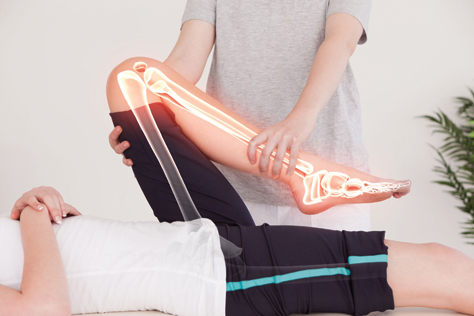
One of the most common causes of knee pain, especially when oneself is approaching middle age, is usually links to degenerative joint disease (age as risk factor), but it is more complex as some young people have it too and for some it may be hereditary.

By definition knee osteoarthritis is defined as chronic joint disorder in which there is progressive softening and disintegration of joint cartilage, accompanied by new growth of cartilage and bone at the joint margins and capsular fibrosis. The prevalence of knee osteoarthritis increase with age (>45 years) and females have a higher incidence compare to male.

Knee pain is one of the most common chief complaints for knee osteoarthritis. The knee pain usually takes place with prolonged walking or standing. Resting the joint will relieve the pain. Stiffness is another common complaint. The stiffness happens after prolonged immobilization especially when getting up from a sitting position or early morning when oneself tries to get out from the bed to walk. The patient will need to stand for a brief second before he/she can start to walk. After a few steps, the patient will feel easier to walk.  Frequently, the patient may have episodic attack of knee swelling due to inflammatory process that takes place. When the knee osteoarthritis become more advance, the patient will have deformity, which most of the time the leg appear to curve inward, and if the patient’s both knees are involved, then the deformity would appear like an ‘O’ shape (in most of the patients). Knee osteoarthritis has no immediate threat to one’s life, but it reduces the quality of life due to persistent pain and immobility.

The management of knee osteoarthritis starts with the establishment of its diagnosis. Beside a good history given above, an examination by a doctor will help to come to this diagnosis and exclude other causes of knee pain. A plain X-ray of the knee with the patient standing will be good enough to tell the grading of the knee osteoarthritis. Kellgren and Lawrence classification system (Grade 0 to 4) are usually in use.

The treatment of knee osteoarthritis will depends on the severity of it and how much the symptoms affect the patient’s on daily basis. Joint supplements such as glucosamine sulphate and chondroitin have been used widely for knee osteoarthritis. Analgesia (pain killer) can be used but will give grieve side effects if abused. Intra-articular injection of hyaluronic acid (gel), PRP (blood) and stem cells have been widely introduced but their effectiveness and cost should always  be taken into consideration. Surgical intervention such as total knee replacement surgery will be the last resort when everything fails and the pain is tremendously affecting the quality of life. Beside all the above medical treatment, the lifestyle of the patient should also be modified such as exercising and weight management.

Leaky Gut Syndrome

by Dr Mecherl Lim

MD (MA) Naturopath (ND),  Holistic Kinesiology


Lets us understand WHAT CAUSES LEAKY GUT SYNDROME?

INTESTINAL PERMEABILITY

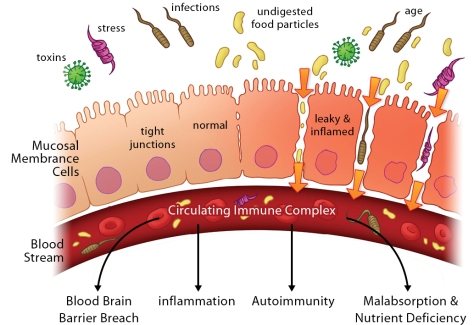
A possible cause of LEAKY GUT is increased Intestinal Permeability or Intestinal Hyperpemeability.

That could happen when tight junction in the gut, which control what passes through the lining of the small intestine, don’t work properly. That could let substance leak in the bloodstream.

People with Celiac Disease & Crohns disease experience this. Example,  Toxins in form of Medications, like Steriods, Antibiotics, Advil, Acid reducing drugs and environment toxins like Mecury, Pesticides & BPA from plastic. Stress and Age might also contributes to a Leaky Gut.

Digestive issues include Bloating, Gas, Diarrhea, Irritable Bowel Syndrome (IBS), Cramp, Food Sensitivities, Aches & Pains.

Leaky Gut Sydrome aren’t unique. They are shared by other problem too. Leaky Gut often overlooked as a condition when under disgestive stress, and almost completely ignored if you have been diagnosed with another disease.

However, it is often a root cause of many health concerns,when the gut cannot properly digest nutrients.

WHAT ARE THE SYMPTOMS OF A LEAKY GUT SYNDROME?

A number of symptoms can arise from Neurological, Endocrine and Metabolic eg: Mood Changes, Memory Lapses, Irritable Bowel, Cancer, Loss of Energy, reduced

in Immune Response, Arthritis, Malnutrition, Bloatedness,

Chronic Fatigue, general Seasonal Allergies, Food Allergies, Intolerences, Skin Rashes (related to inflammation), Nutritional deficiencies, (improper absorption),

weakend immune system (from overexertion), Candida Over Growth, Constipation, ongoing Diarrhea, Atopy, Chronic Uticaria, Ulcerative Colitis, Acute Gastroenterities, Cystic Fibrosis, Exocrine Pancreatic Defects, Poor Digestion, Iron Deficiency, Bowel Cancer, Rheumatoid Arthritis, Ankylosing Spondylitis and Maldigestion.

When your immune system attacks particles that escape into the blood stream, regardless of whether they are harmful or not, the killer cells inadvertenly attack healthy cells in the process creating more inflammation thoughtout the body.

Symptoms may spread body wide, but still be attributed to other lifestyle factors. Gaps from intestinal lining widen from inflammation.

Leaky Gut SyndromeUntitled-2.jpg

MANY WAYS OF MANAGING LEAKY GUT AND REDUCING SYMPTOMS

  • We could support Liver Function to improve Detoxification such as 1st Phase MHT 5 Days Detoxification programme and followed by 2nd Phase MHT Detoxification as we need to check yeast infections and parasites as the person may be suffering from Achlorhydria, Lactose Intolerance and Pancreatic Insufficiency (refer http://www.drmecherlherbs.com)
  • Reinoculating the bowel with beneficial colonic bacteria, by supplementing with good bacteria count such as Proflora A.
  • Restabilising the gut epithelium to normal function.
  • Eliminate or reduce the insult to the gut barrier from xenobiotic or food allergies.
  • Follow an elimination diet or eliminate substances that produce toxic insult to the gut. 80% of individuals who have food allergens or intolerences have LEAKY GUT SYDROME.
  • Limit the uses of Alcohol, Antibiotics, Aspirin, and NSAIDS as they damage the gut barrier.
  • Reduce exposure to exogenous xenobiotics eg: pesticide, insecticides, and irritant chemicals, by eating more organically grown vegetables.
  • Increase the intake of high fibre foods, slippery elm, bananas and cabbage.
  • Increase intake of fish, cod, tuna, salmon or their oil.
  • Support the liver with supplements on phase II as above mentioned.
  • Glucosamine and Glutamine improve the bowel wall integrity and reduce bowel leakiness.
  • Improve digestion by supplementing with digestive enzymes

Plastic And Aesthetic Surgery In Today’s World

Dr. Lee Kim Siea

Consultant Plastic and Aesthetic Surgeon


Plastic Surgery is a sub-speciality of general surgery, it deals mainly with forms and functions of the whole body. The word plastic is derived from the Greek word ‘plastikos’ which means ‘fit for molding’, it has nothing to do with the plastic wares that we know about, plastic materials are certainly not used in the surgery.

make-up-vs-cosmetic-surgery.jpg

There are two main division of plastic surgery, reconstructive surgery and aesthetic or cosmetic surgery.  Reconstructive surgery deals mainly with repair and restoration of the loss or damaged tissues. Tissues such as bone, flesh and skin can lost or damaged in trauma, burns or surgeries to remove cancers, the resultant defects can be repaired and restored using various type of tissues from nearby or other parts of the body with various surgical techniques. The restoration of the defects give back the form and functions to the patients, allowing them to live more normally. Imagine the loss of lower jaw from surgical removal of a cancer without reconstruction…. Hand and microsurgery is an integral part of plastic surgery.

Aesthetic / cosmetic surgery concerns with improving the physical forms of the person. Patients are usually well physically, however, they are driven by dissatisfaction of the physical appearance of certain part(s) of their body.  In severe cases, they can be totally unhappy with their whole body. This dissatisfaction can result in minor or severe psychological disturbance affecting self-esteem to the extent of affecting their life. Improving the appearance thus restores their self- confidence resulting in improvement of their life. As society becomes more affluent, people are looking to more than just basic needs, money is spent to make themselves more beautiful; clothing, hairdo, accessories are made more and more expensive and attractive. Some will venture into changing or improving their appearance with aesthetic/cosmetic procedures.

Plastic surgery is not new, the history can be dated back to 15th century when there was an epidemic of syphilis resulting in many disfigured people. Plastic surgery was performed to restore the appearance of these people. The most notable procedure was the nose reconstruction which was recorded in many parts of the world including Europe and India. Procedures than were painful with many complications, even death, results were unsatisfactory by today’s standards, it has evolved through many advances in techniques, better understanding of the processes and importantly availability of more advanced materials and tools.

Aesthetic procedures can be surgical or nonsurgical. Surgeries are what plastic surgery is well known for, this involves operations to improve the appearance of the patients who are otherwise healthy; facelifts, nose operations, eyelids operations, body contouring operations, breast augmentations and fat grafting are some of the well- known examples.

Nonsurgical procedures are done without or with minimum incisions. Among the well- known ones are laser/light and energy based devices, injectables like BOTOX and fillers, thread lifts, medical skin cares and recently stem cell treatment. The aim is to beautify and rejuvenate without using the scapel.  This is the field that is growing rapidly; the affordability, the fear of surgery and minimum down time have made these procedures extremely popular. However, they are not without problems and complications, it is important to look for a qualified doctor like plastic surgeon to perform these procedures.

Beauty is a concept, it has no universal criteria. Beauty is in the eyes of the beholder. It is influenced by many factors including media. There are, however, a number of parameters that make a person’s appearance pleasing to the eyes- symmetry, proportions and harmony are important. Everyone has his/her own unique appearance and attractiveness, it is up to a plastic surgeon to enhance the attractive features and minimize the short comings in order to bring out the best in the person. The plastic surgeon must have an eye for beauty, ability to appreciate beauty and be able to visualize the results before even doing the procedure. It is both art and medicine. My philosophy is to enhance the natural beauty and not to change the person’s appearance. Although the concept of extreme makeover is being  promoted, I see it being too dramatic and too risky as the complication rate is too high; besides, it is too costly.

Plastic surgery/aesthetic procedures are not just for women. There is an increasing number of men looking for plastic/aesthetic procedures, a man with big eyebags, frown furrows, saggy face and a pot belly would not make as good an impression to clinch that crucial deal against a younger looking, more energetic appearing competitor.

Plastic surgery is simply not just for the rich and famous or the vain selected few. We seek improvement in all areas of our life, for example our physical health and mental well- being; many of us spend hours in the gym, even a manicure/pedicure takes hours; we spend lots of money on our dressing and accessories. Plastic surgery or aesthetic procedures are just an extension of this to improve our appearance, it gives a tremendous boost to our self- confidence. A lady beautifully dressed with expensive clothing and accessories would not have the same impact if her face looks old and haggard. Plastic surgery/aesthetic procedures in today’s modern world enhance our life style, it is more and more accepted as a way to enable us to look our best at whatever age.

Statin, to use or not to use, That’s the question!

Dr. Goh Eng Leong

Consultant Cardiologist & Physician

B.Sc. (Med.), M.D. (UKM), M. Med. (S’pore), MRCP (UK), FNHAM, AM


Since 1950s, high cholesterol (LDL – C : Low – Density Lipoprotein Cholesterol) has been identified as a major risk factor for the development of atherosclerotic diseases (ischemic heart disease, stroke and peripheral vessel disease).

Many epidemiological and interventional studies have provided robust evidence to the association between high cholesterol and atherosclerotic disease, which is the number one killer worldwide.

To combat this deadly disease, the quest for drugs that could reduce cholesterol has begun since 1960s. Of all the investigational drugs developed, Statin emerged to be the first established lipid lowering medication that is able to reduce cholesterol effectively.

In 1976, the Japanese biochemist Akira Endo isolated a factor from the fungus Penicillium citrinum which he developed into the first Statin. He named it Compactin or Mevastatin.

In 1978, Alfred Alberts at Merck Research Laboratories discovered a potent inhibitor of HMG – CoA reductase in a fermentation broth of Aspergillus terreus, which was named Lovastatin, Mevinolin or Monacolin K.

Since Lovastatin had been commercialized, six other statins – two semi – synthetic statins (simvastatin and pravastatin) and four synthetic statins (Fluvastatin, Rosuvastatin and Pitavastatin and Atorvastatin) – have been introduced to the market over the years.

As a practicing cardiologist, I think Statin is the most controversial medication in the history of medicine. While many mega – clinical trials have proven the benefits of Statins in term of reduction of cardiovascular mortality and morbidity, a lot of negative publicity on Statins have demonised these medications. Social medias are the major channel where the fallacies of Statins spread virally. The minor side effects of Statins are exaggerated and the therapeutic effect of Statins are covered. These type of negative and bias reports on Statins have caused confusion not only to general public but also to physicians.

I hope I can put the facts of Statins in its correct perspective by presenting the scientific evidence to dispel the confusion and misunderstanding. As Socrates’s famous saying : there is only one good – KNOWLEDGE ; and one evil – IGNORANCE.

LDL and Statin : The irrefutable truth – proven in many mega clinical trials

  • High LDL cholesterol causes cardiovascular disease. There is a strong and graded positive association between LDL cholesterol and the risk of cardiovascular disease. This association applies to men and women, and to those with or without established cardiovascular disease. A 1% increase in LDL cholesterol is associated with a > 2% increase in coronary artery disease over 6 years.
  • Reduction of LDL will reduce mortality and morbidity, the lower LDL better the clinical outcome. Meta – analysis of many Statin trials has showed a dose dependent relative reduction in cardiovascular disease with LDL reduction. Every 1 mol / L reduction in LDL cholesterol is translated into a 20 – 25% reduction in cardiovascular disease mortality.
  • Statin is the mainstay of treatment to reduce LDL and cardiovascular mortality and morbidity.
  • Statin causes atherosclerotic plaque regression.
  • Bad publicity on Statin has caused a reduction in the usage of Statin by patients and prescription of Statin by physicians. The decline in the use of Statin translated into increase in CV morbidity and even death. The benefit of cardiovascular protection of Statins really outweighs the small risk of side effects. Let us have a closer look on the side effects of Statins.

Side effects of Statin

  • Muscle pain :
    • Myalgia : 5%, reversible. The problem of muscle pain can be reduced by monitoring of certain risk factors (old age, kidney impairment and concomitant administration of some medications which may cause drug – drug interaction)
    • Rhabdomyolysis – severe form of muscle breakdown with acute kidney injury is very rare : 1 in 100,000
  • Hepatotoxicity : Side effects on liver
    • Asymptomatic raise in liver enzyme ALT occurs in 3% of patients.
    • Severe acute liver failure is also very rare – 1 in 100,000
  • Cancer : no increase in risk. In fact Statin may confer protection from cancer mortality
  • Dementia and cognition function loss : no increase in risk. In fact Statin may reduce dementia risk.
  • Hemorrhagic stroke : small risk. But Statin reduces overall stroke risk.
  • Diabetes :
    • 5 – 10% risk
    • But the cardiovascular protection is much more than this small diabetic risk.
    • Even if patients develop diabetes they still live longer and healthier compared with those who have high LDL not taking Statin and no Stain induced diabetes.
    • High risk factors of Statin induced diabetes are high baseline blood sugar and metabolic syndrome.
    • Patients who are talking Statins are encouraged to live a healthy lifestyle to reduce the risk of diabetes

Understand these facts of Statins will help us to dispel Statin – phobia. Statins should definitely not be prescribed for all. But the high risk patients should take Statin to reduce the cardiovascular risk. The benefit of Statins should not be denied in these group of high risk patients just because of fear of side effects.

I encourage readers to discuss any issues on Statin use with respective physicians if there is any further doubt.

Next Generation DNA Sequencing Technology in Malaysia

Ion-S5XL-Front-10in.jpgAn Interview with Dr. Mohamed Saleem (M.Sc Haematology, PhD Genetics), Genetics Laboratory Manager, GenomixLAB™
Can you tell us more about GenomixLAB™ and NIPT?

GenomixLAB™ focuses on chromosome evaluations and gene sequencing. Our laboratory is equipped with a complete bench of the latest state-of-the-art Next Generation Sequencing (NGS) machines including ION S5 XL Semiconductor Sequencer, Personal Genome Machine (PGMTM) and Ion-Chef from Thermo Fischer Scientific. In fact, we are the first company in this region to deploy ION S5 XL machine.

Non-invasive prenatal testing (NIPT) marketed as Non-invasive Chromosome Evaluation (NiCE™) is a chromosomal test offered by GenomixLAB™ to study

the presence of an abnormal number of chromosomes (aneuploidy) in the foetus of a pregnant mother. We offer NiCE™ testing in three formats. That is you can choose to test only the three most common chromosomal abnormalities including trisomy chromosome 21 (Down’s syndrome), trisomy 13 (Patau’s syndrome), trisomy 18 (Edward’s syndrome) and sex chromosome aberrations; or one can choose to test for aneuploidy in all the 23 pair of chromosomes. These two modes of testing can also be complemented with a third option of screening for 8 or 20 microdeletion syndromes in the foetus, including DiGeorge, Prader_Willi and Angelman to name few.   

What type of sample is needed for NiCE™ testing and how long does it take for reports to be available?

We require about 10mL of blood from the expecting mother at 10 weeks gestation collected into special blood collecting tube provided by the GenomixLAB™. Since samples are analysed locally here in Malaysian without the need to sent to overseas for testing, results will be available in not more than 10 calendar days. NiCE™ test is more than 99% accurate.

Apart from NIPT, what else do you all do?

In addition to the NIPT test, we also perform other genetic tests, such as BRCA 1 and 2 genes testing for early onset breast cancers risk assessment, Preimplantation Genetic Screening (PGS) and Preimplantation Genetic Diagnosis (PGD) for chromosome and genetic disorder screening on IVF embryos, and many more.

If this is only a screening test and claimed to be more than 99% accurate, why then do one need to do a diagnostic test such as Amniocentesis or CVS in the unlikely situation where the NIPT result turns out to be positive?

Although the NiCE™ test is 99% accurate, all NIPT tests in the market remain screening test for clinical purposes. Therefore, before any intervention is decided on a positive NIPT results, a repeat chromosomal aneuploidy testing on an amniocentesis or CVS (Chorionic Villous Sample) is required to confirm the foetal diagnosis.

Does GenomixLAB™ offer the confirmatory testing on amniocentesis or CVS?

Yes GenomixLAB™ offers this service for our NiCE™ screen positive patients and for other referred patients as well.

You mentioned something about sex chromosomes earlier. Does this mean that you can assist the parents to determine the gender of the baby? Yes we can! NiCE™ test will determine the presence of the Y chromosome. If Y-chromosome was detected, the foetal gender will be regarded as male, whereas its absence denotes the baby is a female. Females carry two X chromosomes and lacks Y chromosome, whereas males carry both X and Y chromosomes.

How do you see this trend in Malaysia?

In Singapore, we were told that 80% of pregnant mothers are opting for NIPT today to avoid any future problems. In certain other countries, it had been included in the antenatal screening panel to carry out such tests as compared to the more conventional triple tests.

In Malaysia, the awareness of NIPT has not reach to a level where people can openly accept it. This is largely due to affordability of the test as well. Just like cord blood stem cell banking when it first started, the awareness is very low and not many people could appreciate the importance of keeping their precious baby’s cord blood stem cells. Today, almost all private hospitals carry out this procedure as it only takes 5 minutes to do this.

Similarly, NIPT is non-invasive and 100% safe for both the mother and her precious baby.  It gives the mother the peace of mind knowing the status of her baby as early as 10 weeks into her pregnancy. It is our yearn to see that this service that we are offering can come down to a level of affordability to all pregnant mothers one day as more and more pregnant mothers decide to choose this screening test. Like most services, as the volume of test goes up, the cost of screening will go down. Right now, many players are sending the samples to laboratories in overseas but we hope that they can trust our service as we do not compromise on the level of quality and standards since we benchmarked our service to those laboratories in Taiwan where they have a reputation of high standards in genetic testing.

CONTACT US FOR MORE INFORMATION
TEL : (+6) 03 6157 2299 • FAX : (+6) 03 6157 2223 • EMAIL : enquiry@genomixlab.com
ADDRESS : No. 47-3A, Level 3, Jalan PJU 5/12, Dataran Sunway, Kota Damansara,
47810 Petaling Jaya, Selangor DE, Malaysia
http://www.genomixlab.com

Sodium Fluoride PET-CT Advanced High Definition Bone Imaging

Dr. Sunil Chopra

Radiologist & Nuclear Medical Physician
MBBS (Delhi), M. Rad (UM), F’ship in Nuc Med Imaging (IAEA)


Clinical Indications

  • Detection of skeletal metastases for Initial Staging, Disease extent and assess Response to treatment
  • Stress injuries and fractures
  • Bone viability after surgery or trauma
  • Complications of joint prostheses, bone graft viability, fracture nonunion
  • Osteonecrosis of femoral head and mandible
  • Metabolic bone diseases like Osteoporosis, Renal osteodystrophy, Paget`s disease
  • Osteomyelitis

Bones not only support the body structure, but are also important in producing blood cells and storing minerals. Diseases or conditions which involve the bones such as tumours, degenerative diseases, infections and injuries can therefore affect these functions.

Various imaging techniques can be used for imaging bones, including X-rays, CT scans and MRI. Besides these, nuclear medicine imaging using radioactive isotopes such as Technetium have been used for many years. With the invention of the PET-CT scanner, combining both PET and CT technology in a single scanner, new and more advanced imaging techniques are now available toassess bony involvement in diseases.

Sodium Fluoride PET-CT (NaF PET-CT) is a new imaging service offered at Loh Guan Lye Specialists Centre from July 2016, providing significantly improved quality and definition compared to other nuclear medicine bone imaging techniques.

The most common indication for the NaF PET-CT scan is in various cancers that may involve the bones, not only to detect spread of cancer to the bones, but also to assess the degree of bony involvement as well as to monitor the response to treatment.

Other indications include the detection of stress injuries and fractures as well as assessment of bone viability after surgery and also to detect complications related to bone implants.

Various clinical indications for NaF PET-CT Scan

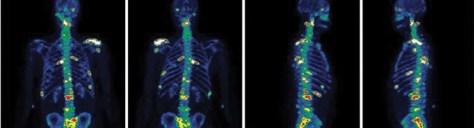
This scan uses radioactive Fluoride bonded to sodium, which is then injected into the body and is taken up by areas of increased bone activity. Images of the whole body are then obtained on a PETCT scanner after 45-60 minutes, providing a detailed map of normal and abnormal bone activity in various conditions.

Dr Sunil Chopra Article - For Essenze Submission (1).jpg
NaF PET-CT images showing tumour involving multiple bones
dr-sunil-chopra-article-for-essenze-submission-5
NaF PET-CT in a patient with rheumatoid arthritis showing active disease at multiple joints.
dr-sunil-chopra-article-for-essenze-submission-3
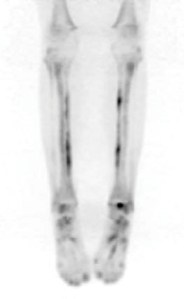
Marathon runner with bilateral leg and foot pain. NaF PET-CT image shows bilateral stress injuries at the tibiae and feet.

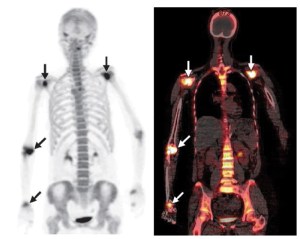
Compared to other bone scanning techniques using radioactive Technetium, NaF PET-CT is more sensitive and specific in detecting bony lesions (tumour involvement of the bones). Not only does NaF PET-CT detect up to 45 % more lesions, it has other advantages over older bone scanning methods as well. The preparation for this scan is less inconvenient for patients, with no specific restrictions related to diet, medications and lifestyle.

The waiting time and scanning time is significantly less, while image quality is significantly better than older bone scanning techniques. Fusion of PET images with CT images allows precise localisation of lesions and better assessment without the extra expense and inconvenience of having to perform another examination to assess bone lesions found on the Technetium scans.

Interpretation of PET-CT images is done by trained specialists working on dedicated workstations to assess the images. Other clinical and investigative findings are taken into account when reporting the scans to obtain as much information as possible in order to provide the best treatment to the patient.

Loh Guan Lye Specialists Centre is proud to be the first centre in the country to provide NaF PET-CT imaging services, consistent with our commitment to providing the best treatment using the latest technology.

Comparison between conventional bone scan using Technetium (left) and NaF PET-CT (right) in two patients with tumour involving the bones showing significantly better image quality of the NaF PETCT scan with more areas of bone involvement seen compared to the Technetium scan.

Loh Guan Lye.jpg

Professor Stephen Doughty Announced as New President & CEO for Penang Medical College (PMC)

Professor Stephen Doughty, President & CEO of PMC (middle), flanked by Vice President (Academic Affairs) and Registrar, Professor Kevin B. Nolan (right) and Professor Dr Rashid Khan bin Md Jagar Din, Head of Department of Public Health, Deputy Dean of Postgraduate Affairs & International Relations, Director of RCSI Health Research and UCD Public Health (International) Programmes at PMC


Professor Stephen Doughty joins Penang Medical College (PMC) as its fourth president and CEO. He comes to us from the position of Vice-Provost (Teaching and Learning) at the University of Nottingham Malaysia Campus in Kuala Lumpur, Malaysia, a post he has held since 2010.

“It is a privilege and an honour to be able to take over the leadership of PMC at this exciting time in its history with 20 years of strong and steady growth which have built PMC a solid reputation within Malaysia and beyond. I am excited at the opportunity to drive PMC forwards in the next chapter of its development and I look forward to working with PMC’s talented staff and students in that challenge.”

After a recent welcome lunch, Prof Stephen expressed his delight to be taking on the role of President and CEO at this exciting time, building on the excellent foundation laid by Prof Amir together with colleagues.

Professor Doughty takes over from Professor Amir Khir who has been with PMC since its early days.

Prof Stephen joined the School of Pharmacy at the University of Nottingham in 2001 having previously worked at the University of Bradford, UK. He obtained a first-class degree in Chemistry from the University of Essex and a DPhil in Chemistry from Oxford University, UK. His research interests are focussed on molecular modelling and computer-aided drug design with a particular interest in modelling membrane-bound proteins for rational drug design.

In 2005, Prof Stephen moved to the University of Nottingham’s Malaysia Campus (UNMC) to establish their School of Pharmacy. He became the Dean of the Faculty of Health & Biological Sciences at UNMC, later renamed to the Faculty of Science, UNMC. He introduced the first ever UK accredited pharmacy programme delivered in part overseas and as founding Dean grew the Faculty of Science to a strong six schools. Since 2005 he has sat on the Management Board at UNMC and has chaired the Campus Teaching Committee since 2007. In 2008 Stephen was awarded a Lord Dearing Award for Teaching and Learning. Stephen has had extensive experience helping to guide the strategic direction of UNMC and specifically to drive new teaching and learning initiatives in order to keep pace with developments in learning technologies and student expectations. He has had extensive experience of institutional quality assurance both in the UK and Malaysia, being an institutional auditor for both the UK’s Quality Assurance Agency (QAA) and the Malaysian Qualifications Agency (MQA).

Professor Hannah McGee, Chair of the Board of Penang Medical College and Dean of the Faculty of Medicine and Health Sciences, RCSI commented:

“On behalf of UCD and RCSI, we are delighted to welcome Professor Stephen Doughty as our new president & CEO to PMC. His expertise in the international higher education arena, in Malaysia and beyond, is very impressive and particularly opportune as we celebrate 20 years of success for PMC – and plan the stepping stones for success over the next 20 years. Professor Doughty will have the enthusiastic support of staff in PMC, alongside staff and senior administration in UCD and RCSI to support him in this new role”.

Penang Medical College is owned by the Royal College of Surgeons in Ireland (RCSI) and University College Dublin (UCD). Students spend the first half of their medical training in Dublin and return to Penang to complete their medical training and receive a National University of Ireland medical degree. Together with postgraduate courses in Health Research and Public Health (International), PMC has almost 1,500 PMC medical graduates now working throughout Malaysia.

As PMC celebrates its 20th year anniversary this year, a series of events have been planned leading up to a final gala event to be held with UCD & RCSI here inPenang on the 4th of December 2016, Sunday. In commemorating achievements of the PMC community across the world, all alumni are requested to update their details for invitations via Facebook at /pmcpenang or the official PMC website.

Realising Dreams & Building Confidence

Choi Hang Seok, MD

Board Certified Plastic Surgeon


Founded in 1998 & helmed by its founder Dr. Joo Kwon, JK Plastic Surgery Center has grown to be one of the renowned & leading plastic surgery centres in Gangnam, South Korea.

Centring their values in improving their patients’ lives, JK Plastic Surgery Center seeks not only to improve their patients’ aesthetic features, but also the quality of life, personal confidence & overall well-being of every patient that walks through their door. Boasting their “Zero Accident” track record, the plastic surgery centre’s “Safety is non-Negotiable” policy has proven to be the commitment of every surgeon & staff in the centre.

Choosing a career in this field is no easy task but for Dr Choi Hang Seok, one of the surgeons in JK Plastic, he has breezed through it while creating a name for himself as one of the top plastic surgeons in the centre.

This Korean plastic surgeon has always wanted to be a plastic surgeon due to his fascination with the transformations performed by surgeons in this field. “It is very interesting to see how part of the skin from one body part can be used to heal another damaged body part. I find it almost miraculous and beyond any of my imagination,” he said.

He may not have liked to study much but the fascination with the miracle of plastic surgery spurred him on and today, he is one of the longest serving plastic surgeons in JK Plastic. “It is after joining JK that I develop a strong and firm vision to help people with my skills,” he said. Dr Choi became a certified surgeon in 1995 and has been with JK for 14 years.

Though the surgeon is 48 years old, his appearance was one that was unlined and smooth, in which he admitted was due to some of the treatments that he tried on himself. “I try most of the treatments on myself so that I will know the complications and side effects and be able to advise my clients appropriately,” he said.

This plastic surgery centre, which was the first medical institution to receive certification to accept foreign patients back in 2009, is the best in the medical tourism field in Korea. Dr Choi said they have been awarded the best medical institution for four years in a row. The centre sees more than 5,000 patients from all over the world each year and it currently has eight plastic surgeons including Dr Choi.

JK Plastic is also the first and only medical centre approved to use stem cell treatment and it is also the only hospital to use stem cell treatment for cosmetic use. “We are the only one to have developed a skill to use stem cell for cosmetic surgery and the first try was on a burn scar,” he said.

Under the banner of “New Face New Dream”, JK Plastic’s charity program was launched with the mission to better the lives of the deserving, underprivileged patients from around the world.

With most of the programme recipients being victims of domestic violence & poverty, the programme seeks not just to restore the victim’s appearance, but also to ensure the overall mental health & well-being of the victims.

One of the more well known patients under JK Plastic’s “New Face New Dream” programme is Penangite Tan Hui Linn whose face and upper torso was badly burnt during an acid attack in 2009. Tan underwent numerous treatments under Dr Choi and has now regained her confidence and a new face. The spunky girl is not only grateful to JK Plastic and Dr Choi but is also strongly touched by their personal and warm approach towards her. “They don’t treat me like a patient. They were so warm, nice and friendly that I felt like they are family and Dr Choi treats me like a sister,” she spoke of her experience with them. Her treatment is far from over as Dr Choi said she still needs to go back for more treatments.

As for now, Dr Choi is happy to continue building confidence in his customers with his skills so that he can establish schools for underprivileged children in poverty-stricken countries.

“It is very interesting to see how part of a skin from one part can be used to heal another part that was damaged. I find it almost miraculous and almost beyond my imagination.”

Under the banner of “New Face New Dream”, JK Plastic’s charity program was launched with the mission to better the lives of the deserving, underprivileged patients from around the world.

With most of the programme recipients being victims of domestic violence & poverty, the programme seeks not just to restore the victim’s appearance, but also to ensure the overall mental health & well-being of the victims.

One of the more well known patients under JK Plastic’s “New Face New Dream” programme is Penangite Tan Hui Linn whose face and upper torso was badly burnt during an acid attack in 2009. Tan underwent numerous treatments under Dr Choi and has now regained her confidence and a new face. The spunky girl is not only grateful to JK Plastic and Dr Choi but is also strongly touched by their personal and warm approach towards her. “They don’t treat me like a patient. They were so warm, nice and friendly that I felt like they are family and Dr Choi treats me like a sister,” she spoke of her experience with them. Her treatment is far from over as Dr Choi said she still needs to go back for more treatments.

“We are the only one to have developed a skill to use stem cell for cosmetic surgery and the first try was on a burn scar.”

As for now, Dr Choi is happy to continue building confidence in his customers with his skills so that he can establish schools for underprivileged children in poverty-stricken countries. “It is a dream that I hope to be achieved soon. I may even hire Hui Linn, my ‘sister’, as a teacher in one of the schools,” he said with a laugh.


Contact us for consultation appointment & more information

+6 04-210 1188     jkplastic.com/en/    http://www.facebook.com/jk.malaysia/

87E, Leandros Lane, 10250, Georgetown, Penang, Malaysia.

Be In The Breast of Health

Dr Teoh Mei Shi

Consultant Breast, Endocrine & General Surgeon
MBBS (India), MS (USM), Fellowship Breast Oncoplastic & Endocrine Surgery (M’sia & Germany)


Screening Recommendation for Breast Cancer
(According to MOH Guidelines, 2nd edition, 2010)

  • Mammography may be performed biennially from 50-75 years of age
  • Women aged 40 – 49 years old should not be denied mammography screening if they desire to do so.
  • Screening for women at high risk for breast cancer should start from age 30 with both
    MRI and mammography
  • Breast ultrasound can be used as an adjunct to mammogram for breast cancer detection in women of all ages but is not recommended asa stand-alone breast cancer screening modality.

Breast Cancer is the leading cause of cancer in women worldwide. It affects women mainly in the middle-aged group (age 50-60) but the disease is also seen on the rise amongst the younger generation (age 30-40). In Malaysia, one in 15 Malaysian women have a lifetime risk of developing breast cancer. Breast cancer has also been detected in a 6-year-old girl in Malaysia, possibly one of the youngest in the world.

No one can avoid breast cancer but having an understanding on breast health can significantly make a difference to early detection of cancer. Being breast aware is one of the important aspects of preventing breast cancer. It involves knowing your breast cancer risk factors, understanding the genetic risk for breast cancer, going for screening mammography and being proactive when new changes are detected. For women, performing monthly breast self-examination (BSE) encourages you to know your breasts and how they change during your menstrual cycle and throughout the different stages of your life. Being knowledgeable and going for screening mammogram as recommended can help prevent or result in early detection of cancer.

Medical-5.jpg

Breast Cancer Myths Debunked

Myth:  Wearing underwire bra increases the risk of breast cancer

Fact: Wearing underwire or tight bras does not impact the lymphatic system nor does it cause accumulation of toxins resulting in breast cancer. However, it’s best to wear a properly fitted bra to avoid discomfort.

Myth: Men cannot get breast cancer

Fact: Although women are at a much higher risk, men still do have a lower risk for breast cancer. Therefore they usually present in the later stage. As such, all chest wall lumps around the nipple should be investigated.

Myth: Breast cancer tumor markers are effective as a screening test to detect cancer activity

Fact: The breast cancer tumour markers are not sensitive enough to detect early stage breast cancer. The tumor markers are usually used by the doctors to monitor the progress of the disease during treatment.

Myth : Breast biopsy can cause the cancer cells to spread

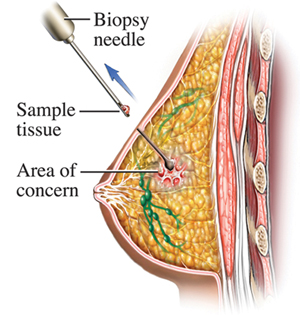
Fact: Breast biopsies are important part of the triple assessment in breast lump investigation. They do not cause the cancer to spread.

Myth: Most breast lumps are cancerous.

Fact: Fear not, about 80% of breast lumps are NOT cancerous. The physiological development of breast changes over the course of a woman’s lifetime. Many of these breast changes are normal and are caused by hormones. Nevertheless, it is recommended that all lumps should be properly investigated by a health care professional.

Myth: Breast cancer is preventable.

Reality: Unfortunately, No. Although we can identify possible risk factors (family history or inherited gene mutations), a significant percentage of women diagnosed with breast cancer have no identifiable risk factors and the disease can occur unexpectedly. It is strongly advisable to make positive lifestyle changes to further lower your risk of getting breast cancer.

Risk Factors For Breast Cancer

  • Female: being a woman is one of the strongest risk factors
  • Age: risk of developing breast cancer significantly increases as women age but it also can happen at any age.
  • Increase estrogen exposure: seen in early menache, late menopause, women on oral contraceptive pills and hormonal replacement therapy.
  • Personal history: those with previous history of breast cancer requires surveillance follow up to detect recurrence.
  • Genetic & Hereditary breast cancer: family members diagnosed with breast cancer, especially before age 35, family members diagnosed with ovarian cancer at any age, male breast cancer in the family, family members with bilateral breast and ovarian cancer and presence of BRCA1 & BRCA2 genes.
  • Dense Breast: Having dense breast makes it more difficult to detect cancer by mammogram alone therefore it requires additional screening methods like ultrasound or MRI.
  • Breastfeeding & Pregnancy: Being pregnant and breastfeeding long term reduces the estrogen exposure to the breast tissue therefore could lower the risk of breast cancer.
  • Lifestyle: leading a positive and healthy lifestyle will benefit your breast health and improve your overall well-being.

Leading A Healthy Lifestyle

  • Diet:  Good nutrition and healthy eating habits are important part of a healthy lifestyle. Eat more fruits and vegetables, reduce sugar intake, avoid processed and preserved food. Drink plenty of clean water (at least 2L/day), avoid caffeine and canned drinks.
  • Sleep: Consistent sleep is critical for a healthy life. Have at least 6- 8 hours of restful sleep at night. Sleep early, as your body will start to detoxify and repair between 10pm and 2am.
  • Eliminate stress: Stress has a significant negative impact on our body’s immune system, which lowers our resistance to getting sick. Learning how to manage stress by mind-body relaxation is an important component to a better living.
  • Exercise: Physical activity provides immediate stress relief. Just a simple 10-20mins of brisk walking can help you break a sweat, improve your sleep and give you more energy. At least, try to exercise 3 times a week for 30 minutes.
  • Spirituality: Change your mind-set and live your life with positive affirmations that will attract healing energy thus leading you to an overall happier and healthier lifestyle.

Health & Pillow

Medical-3.jpg

Dr Chew Heng Hai

A General Practitioner to say the least. He has just gone beyond treating patients in an everyday life to becoming a medical device inventor and researcher to increase the well-being of patients. To date, he has five patented medical devices and is the winner of multiple local and international invention awards including the Malaysian Champion and world top five in Clean Tech Open 2010. Dr Chew is also a regular speaker at international conferences, universities and medical colleges around the world.


“Sleep is one of the most important factors determining our general health. Lack of quality sleep over a prolong duration will contribute to various health problems.”

There are multiple factors influencing quality of sleep. These include work stress, coffee intake, medication, pillow, mattress and bed.

Among all these, pillow probably is the most important factor among all. It is associated with a wide range of medical problems including headache, neck pain, snoring and asthma.

Conventional pillow is made from cotton or cotton-like synthetic material. These pillows have maximum height at the center, so while in use it supports the head most and cause forward flexion of the neck and airway narrowing that contribute to snoring. Compare to a scenario in medical practices: a patient’s neck is maintained in an extended position that supports the back of the neck to achieve maximum airway opening common for patient in coma or under general anesthesia.

Depending on severity of airway narrowing during sleep, a person may suffer from snoring or even obstructive sleep apnea. Snoring is sound produced when breathing air forced through narrow airway. Sleep apnea refers to situation when breathing temporarily pauses during sleep.

Both of these situation restrict airflow and result in decrease oxygen supply to the affected person. As oxygen is an essential component to staying healthy, compromised oxygen supply would contribute to various medical problems ranging from hormone disturbance, depression, high blood pressure, stroke and sudden death in sleep. The problem happens more among obese people and incidences increase as age progress.

In side-sleeping positions when pillow support is too low or too high, there will be nonalignment of the spine which can cause pain for the shoulder, head and neck.

With improper selection of a pillow, a person can have negative health impact as early as the following day. If a person do not have a quality sleep, his or her blood pressure would be relatively higher than the days of a quality sleep. And if the problem is uncorrected, high blood pressure is a common problem that can gradually lead to more serious health risk in the future.

So an ideal pillow should be contoured and firm to provide the support needed. In back-sleeping position, the neck should be supported more than the head for optimum airway opening. In side position the support should be firm and high enough to maintain healthy alignment of the spine. At the same time it should be made from material soft enough for a comfortable sleep.

Latex foam meet the criteria as it can be molded to a desirable shape. Rubber latex possesses a natural anti-fungus and antibacterial properties. With the latest technology, the protein content a potential allergen-is removed makes the pillow hypoallergenic.

In short, a proper pillow selection plays an important role in our health. It deserves due attention in prevention and management of chronic health issues.

Medical-2.jpg

睡眠对我们的健康来说至关重要,长期缺乏优质的睡眠将对自身的健康带来各种影响。

其中可能来自于工作压力、饮用过量的咖啡因、服食相关的药物、枕头、床单或床褥等因素。

而人一天有近三分之一的时间躺在枕头上,拥有一个质量好的枕头不但可以让你睡得舒适,缓解颈椎疼痛也可以改善睡眠。相反的,像是在市面上所看到的棉质枕头,因为过高的的容易导致打鼾,而不洁的枕头更容易引起哮喘等疾病。

市面上较为普通的棉质枕头大多数会重点支撑头部,躺下去頭很容易向後仰, 脖子和頭部自然的曲度發生,使喉部肌肉過度緊張,從而加重打鼾的程度。临床实验证实,昏迷中的病人颈部会被支撑而保持延伸的姿势,好让病人能呼吸顺畅。

当空气通过气道不畅或者气道内软组织或肌肉发生振动时,便会出现打鼾。当人呼吸时,下垂组织会使气道变得狭窄,并发生振动或颤动,便会发出打鼾声。不合理的枕頭,會造成大腦缺血,引發腦損傷,同時血壓升高、心率加快,使得心臟缺血、 缺氧,並加重疾病甚至誘發死亡。总而言之,過高和過低的枕頭都會對頸椎產生不良影響。

一个优质的枕头将拥有紧贴人体轮廓以及提供最佳的支撑力的功能,确保人体脊椎和颈部在任何睡眠姿势中维持正确位置以便防止呼吸道肿胀。除此之外,选择拥有一定弹性的枕头更可以加强舒适感同时也提供恰到好处的支撑力。

而乳胶棉具备了这些特质。除此之外,它的结构更能够抑制细菌及尘螨生长,适合敏感肌肤者使用。除此之外,它的结构更能够抑制细菌及尘螨生长,适合敏感肌肤者使用。

总而言之,选择一个适合自己的优质枕头是不容小看的,为了自身的健康着想自然应该精挑细选,寻找适合自己的好枕头!