All posts by EZ Malaysia

Endometriosis

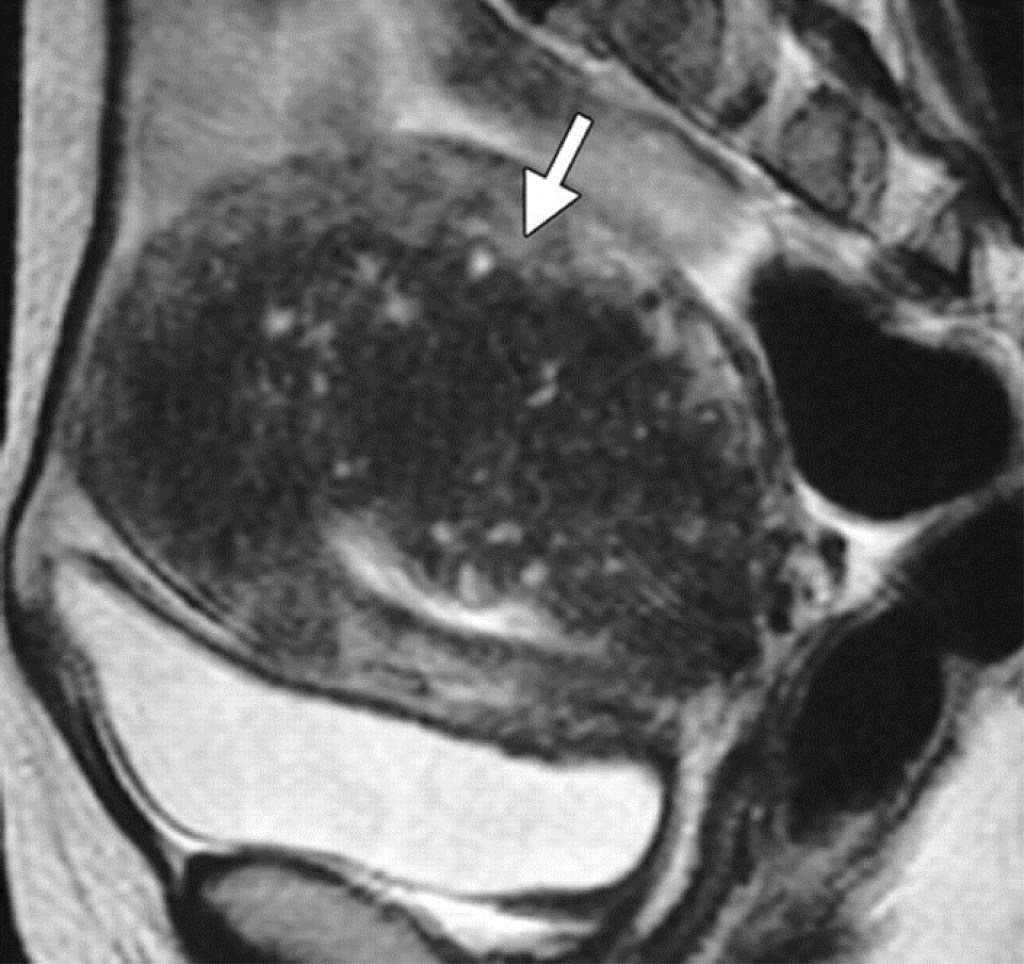
One of the most common complaints that doctors receive in their daily practice is severe menstrual pain. Most of the time, we may mistake the pain as normal menstrual pain and often endometriosis might be overlooked. Many studies have shown that the diagnosis of endometriosis can be delayed up to 10 to 12 years. The delay in diagnosis of endometriosis could severely affect the fertility of many women while some women develop complications such heavy menstrual bleeding, low blood levels (anaemia), having painful enlarged uterus (adenomyosis) or ovarian endometriotic cysts. At present, there is no objective test to diagnose this disease. Doctors depend on patient’s signs and symptoms to make a clinical diagnosis.

What is endometriosis?
Endometriosis is derived from the word “endometrium,” which is the tissue that lines the womb (uterus). Patients with endometriosis have endometrial type of tissue which grows outside of the uterus particularly in the surrounding organs such as bladder, bowels and sometimes, even in the distant parts of the body such as the umbilicus, lungs and the brain. 

The endometriotic lesion is influenced by the female hormones. It undergoes proliferation, break downs and bleeds during each menstrual cycle. Its characteristics resemble a normal endometrial tissue which is found inside the womb. With each menses, endometriosis will cause chronic inflammation and the formation of scar tissues inside the pelvis, which can distort the anatomy of the surrounding organs and interfere with their functions.
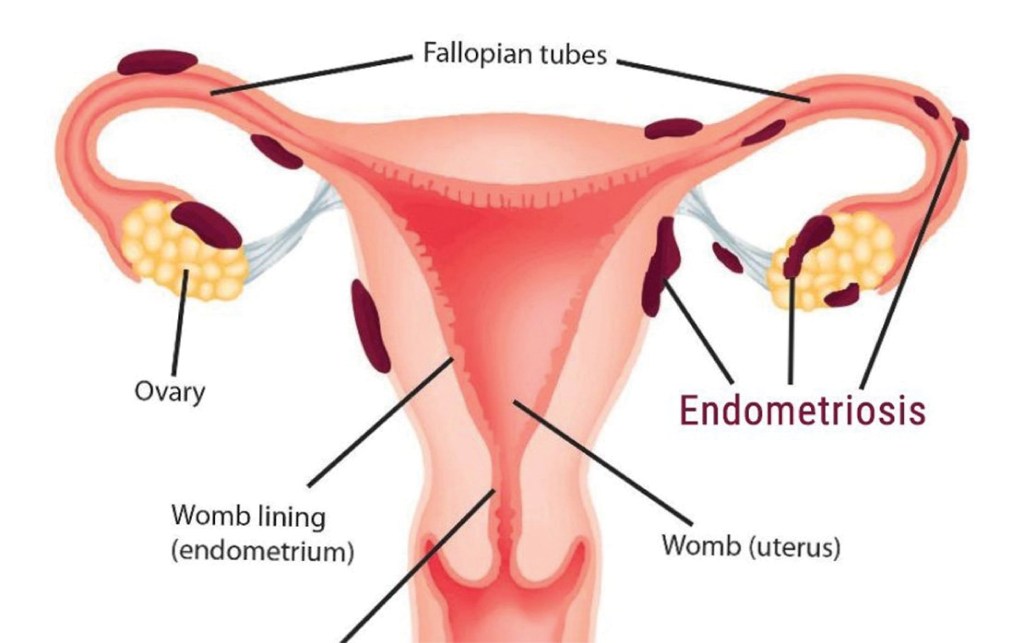

Endometriosis tissues implant outside the uterus

What causes endometriosis?
Doctors and researchers have not identified the cause of endometriosis. One of the most popular and widely believed theory is Sampson’s Theory of Retrograde Menstruation, postulated by Dr. John Sampson in the 1920’s. According to the theory, during each menstrual cycle, a certain amount of menstrual fluid in the uterus is forced into the pelvic cavity via the fallopian tubes. The body usually responds to this kind of spilling by reabsorbing the menstrual fluid back into the circulatory system. However, in some women, due to immune system dysfunction, the fluid is not reabsorbed but instead implants itself and grows on the pelvic and abdominal organs. 

We also realise that endometriosis tends to run in families. If your mother or sister has endometriosis, you’re more likely to get it. Research shows that it tends to get worse from one generation to the next.

What are the symptoms and signs of endometriosis?

1. Pelvic pain 
Most women with endometriosis experience severe pelvic pain, lower back pain and cramps before and during menstruation. The medical term for such severe pain is called dysmenorrhea. Other common complaints include dyspareunia (pain during intercourse), dyschezia (painful defecation) and dysuria (painful urination). 

2. Heavy or irregular vaginal bleeding 
Women with endometriosis may experience excessive menstrual bleeding or bleeding between periods.

3. Infertility 
Some women with endometriosis may experience little or no pain at all but are unable to conceive and are usually first diagnosed with endometriosis while seeking treatment for infertility. These are usually cases where the formation of scar tissue (adhesions) due to endometriosis, has somehow distorted the reproductive organs and therefore results in inability to conceive.

4. Painful bowel movements 
Some women may experience bowel pain followed by abdominal bloating, constipation, or diarrhoea. The pain may intensify during menstruation.

Diagnosis 
There are no specific tests to assess whether a woman has endometriosis. Exploring a patient’s medical history may give the doctor some clue to the presence of this disease, and it is usually accompanied by a pelvic examination. 

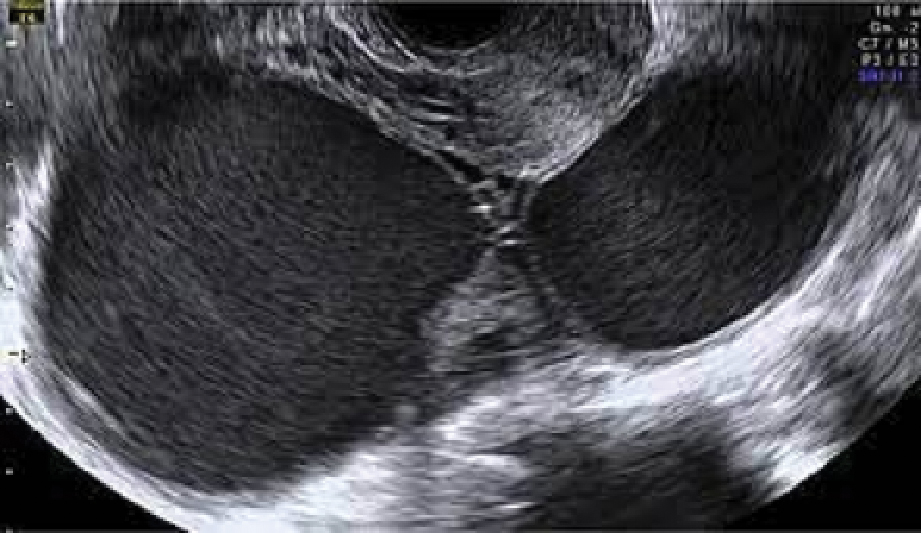
The pelvic examination may reveal irregular painful swellings in the Pouch of Douglas and an enlarged uterus. The pelvic ultrasound may reveal ovarian cysts that appear in the form “kissing cysts” (picture below). Sometimes, the doctor may order a blood test called CA-125 and if it is elevated, it is suggestive of endometriosis.

In some cases, it is possible to be mistaken endometriosis for other gynaecological conditions that have similar symptoms and vice versa. The only reliable way to confirm and verify the suspected diagnosis of endometriosis is through laparoscopy.
Treatment Options 
There is no cure for endometriosis now and this condition can be difficult to treat. The aim of treatment is to relieve pain, to remove endometriotic tissues to improve fertility and to prevent disease recurrence. Treatment modalities can be divided into 3 categories:
a) Pain killers 
b) Surgery 
c) Hormonal therapy

a) Pain killers 
Non-steroidal anti-inflammatory drugs (NSAIDs) are medicines that are widely used to relieve pain, help to reduce inflammation, and bring down a fever; for example, ibuprofen and mefenamic acid. They can be used together in combination with paracetamol for more severe pain. These painkillers are available in pharmacies.

b) Surgery 
Surgery is the main treatment option for women with endometriosis. Laparoscopic surgery (key hole) is the preferred surgery but sometimes we may need to perform open laparotomy for very complicated cases. The aim of surgery is to diagnose endometriosis as well as to remove as much of the diseased areas as possible.
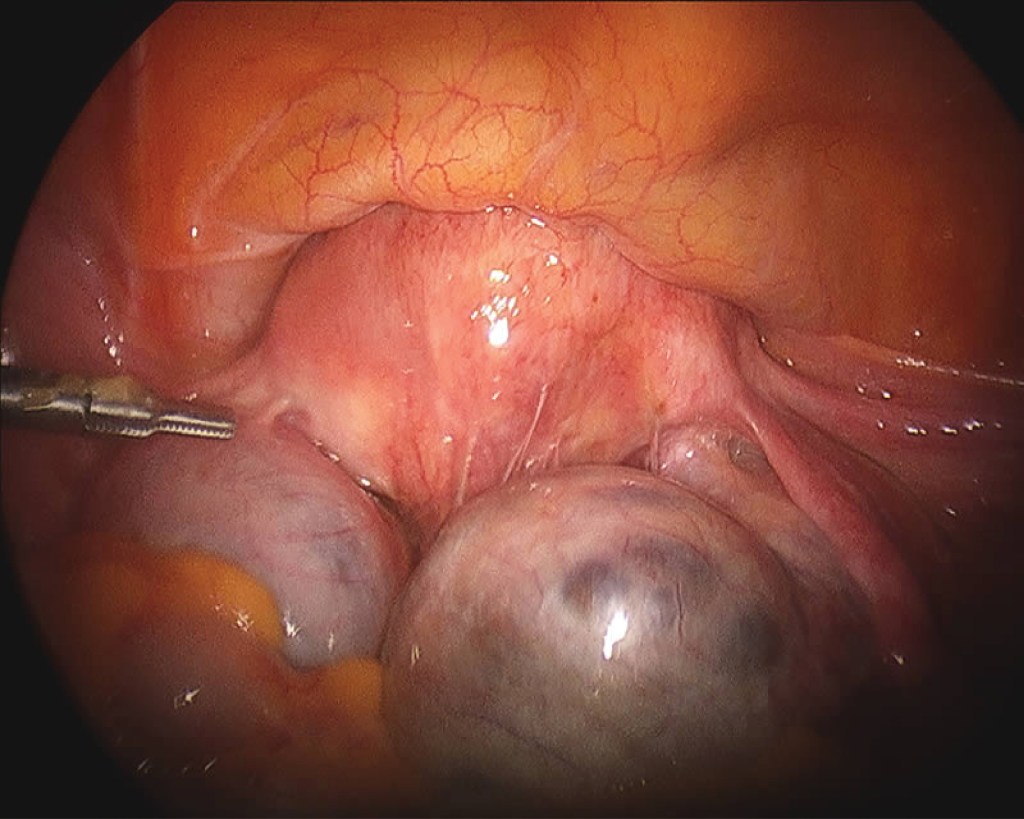
Laparoscopy finding: Bilateral endometriotic cysts

c) Hormonal therapy 
Endometriosis is influenced by the hormone oestrogen. Whenever there is menstruation, the endometriotic lesion will grow, causing pain and forming adhesions in the pelvis. By giving hormonal therapy, menstruation is reduced or suppressed and therefore prevents the growth of endometriosis and relieve its symptoms. Hormonal therapies can be given before and essentially after laparoscopic surgery to suppress any remaining tissues. Some of the therapies include:

i. Gonadotropin-releasing hormone (GnRH) agonist 
ii. Combined oral contraceptive pills 
iii. Progestogens pills
iv. Mirena® (intrauterine device coated with hormone)

Mirena® coil

Can endometriosis recur after surgery? 
Endometriosis can recur after surgery and medical treatment. The chance of recurrence is higher if endometriotic lesions are not excised completely. If the patient is not contemplating pregnancy immediately after the surgery, continuing medical therapy after surgery to suppress any endometriotic lesion that has not been excised. 

Complimentary Therapies
Although there is only limited evidence for their effectiveness, some women may find the following therapies helpful to reduce pain and improve their quality of life:
• reflexology
• transcutaneous electrical nerve stimulation (TENS) 
• acupuncture 
• vitamin B1 and magnesium supplements 
• traditional Chinese medicine 
• herbal treatments 
• homeopathy

Is endometriosis associated with ovarian cancer?
Studies have shown that patients with ovarian endometriosis have 2-3-fold increased risk of ovarian cancer.

Should pregnancy be recommended as a treatment for endometriosis? 
Pregnancy might help to reduce endometriosis symptoms only temporarily, but it is not a cure. There are also risks involved, as women with endometriosis are more likely to have pre-term births, increased rates of caesarean sections and an increased risk of miscarriages.

Are there ways to prevent endometriosis?
Endometriosis is an idiopathic condition, meaning there is no known cause. There are also no specific ways to prevent endometriosis. However, being aware of the symptoms and whether you could be at higher risk can help you know when to discuss it with a doctor.

Summary
Women with endometriosis constantly battle with monthly pelvic pain, and it affects their fertility. Being pregnant with endometriosis may also increase your risk of serious pregnancy complications. Therefore, women should seek consultation with their gynaecologists for an early diagnosis. With early intervention, it may improve their quality of life and reduce severe complications.
Obstetrician & Gynaecologist

MD(UPM), MRCOG(UK)

Dr. Chua Shih Keat received his medical degree from Universiti Putra Malaysia and obtained the membership of Royal College of Obstetricians and Gynaecologists (MRCOG), United Kingdom.

Dr. Chua specializes in the care of women during pregnancy and childbirth and in the diagnosis and treatment of diseases of the female reproductive organs. He has been managing women’s health issues for the past 16 years in various health facilities.
Lymphoma

What is lymphoma? 
Lymphoma is a cancer of the lymphatic system, which is part of the body’s immune system. The lymphatic system consists of lymph nodes, tonsils, spleen, thymus gland and bone marrow. Lymph fluid contains white blood cells which defend the body against invasion by bacteria, viruses, parasites and other foreign substances. Lymphoma develops when white blood cells called lymphocytes grow out of control. 

What are types of lymphoma? 
There are two major types of lymphomas: Hodgkin lymphoma (HL) and non-Hodgkin lymphoma (NHL), which differ in the way they develop and spread, as well as in the way they are treated. The World Health Organization (WHO) divides HL into two main groups: classical HL (cHL) and nodular lymphocyte-predominant HL (NLPHL). Most patients with HL are diagnosed between 15 and 30 years of age, followed by another peak in adults aged 55 years or older. For NHL, it is a heterogenous group of blood disorder arises from B-lymphocytes, T-lymphocytes, or natural killer (NK) cells. There are more than eighty subtypes of NHL, which can be simplified into two major categories, namely B-cell and T/NK-cell NHL. 

What is the incidence of lymphoma? 
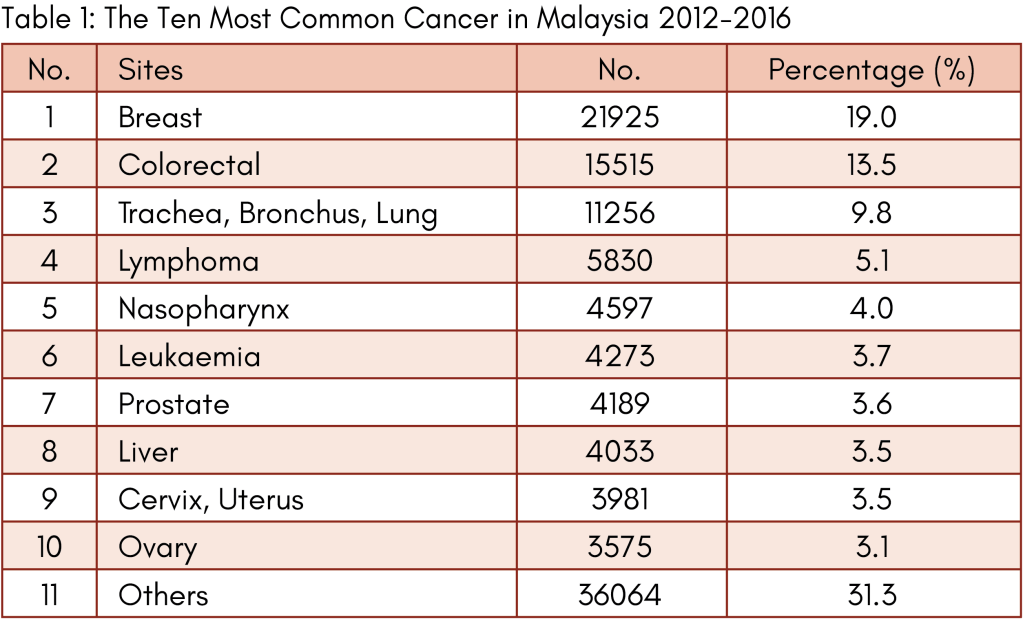
NHL is more common than HL. Most NHL (85-90%) are from B cells and less than 15% develop from T cells. Classical and nodular lymphocyte predominant HL account for 95% and 5% of all HL respectively. According to Malaysia National Cancer Registry Report 2012-2016, lymphoma is the fourth most common form of cancer overall in Malaysia after breast, colorectal and lung malignancies (table 1). 

What causes lymphoma? 
The causes of lymphoma are not understood. However, people with certain risk factors have a slightly higher chance of developing lymphoma compared with people without these risk factors. Known risk factors for lymphoma include: 
1. Immunodeficiency: HIV infection, transplantation, Wiskott-Aldrich syndrome. 
2. Infection: human T-cell lymphotropic virus type 1, Epstein-Barr virus, helicobacter pylori. 
3. Autoimmune: Crohn’s disease, systemic lupus erythematosus, Sjogren syndrome. 
4. Environmental toxins: pesticides, herbicides, certain drugs used to treat cancer. 

While siblings and children of patients with lymphoma have a slightly increased risk of developing this disease compared with the general population, there are no clearly identifiable genetic or hereditary factors that can predict this slightly increased risk. Therefore, routine screening for lymphoma among the immediate family members of patients with lymphoma is not recommended. 

What are the symptoms? 
Some patients with lymphoma do not have any obvious signs or symptoms of the disease. The clinical features at presentation reflect a spectrum from low grade to high grade lymphoma. Low grade (also called indolent) lymphomas usually grow slowly, exhibit few symptoms, typically present with widespread disseminated disease at diagnosis and are generally not curable. Patients can live a long time with indolent lymphomas because they tend to respond well to treatment and can remain in remission for many years or even decades. However, over time, some indolent lymphomas may transform into high grade lymphomas. 

High grade lymphomas (aggressive lymphomas) grow and spread more quickly than low grade lymphomas. Destructive growth pattern of the deep lymph nodes within the chest or abdomen may press against various internal organs, causing difficult breathing, cough, poor appetite, weight loss, abdominal pain and distension, constipation, fever and legs swelling. Many patients with aggressive lymphomas can be cured by chemotherapy that kill rapidly dividing tumour cells. 

Anyone who has an enlarged lymph node that does not return to normal size within few weeks and/or persistent symptoms should see a doctor immediately to make sure that lymphoma or another serious condition is not present. 

How is the diagnosis made? 
An accurate pathologic diagnosis is the most important first step in the management of lymphomas. An incisional or excisional lymph node biopsy in combination with immunohistochemistry (IHC) is recommended to establish the diagnosis of lymphoma. IHC is essential for the differentiation of various subtypes. Fine needle aspiration (FNA) is inadequate for reliable diagnosis and grading. Other special test includes cytogenetic analysis, which involves examination of chromosomes from lymphoma cells under a microscope to check for any abnormalities in number or structure. The result of cytogenetic analysis often helps doctors to determine which type of lymphoma a patient has.  

What is the workup for lymphoma? 
Essential workup procedures include: 
1. Physical examination 
2. Laboratory: blood count, lactate dehydrogenase, metabolic panels, hepatitis viruses, HIV
3. Bone marrow aspiration, trephine biopsy +/- immunophenotyping (for staging purpose). 
4. Imaging: chest X-ray, CT neck, chest, abdomen, pelvis (for staging purpose) 
5. Electrocardiograph (ECG) and echocardiogram
6. Optional: PET CT scan, lumbar puncture, brain MRI (depending on subtype & site) 

What are the treatment options available? 
Treatment results for lymphomas have improved dramatically over the past four decades. The advent of more effective treatment options has improved the 5-year survival rates.  Treatment for lymphoma varies widely based on the subtype. Treatment options include: 
1. Watchful waiting (for low grade lymphomas) 
2. Chemotherapy +/- immunotherapy (monoclonal antibody) 
3. Radiotherapy 
4. Stem cell transplantation (autologous, allogeneic) 
5. Chimeric antigen receptor (CAR) T-cell therapy 
6. Novel agents 
7. Clinical trials 

What is the prognosis? 
The prognosis is based on the stage at which the disease is diagnosed and determined by the lymphoma subtype, in addition to other factors such as performance status, age and other medical issues. Treatment for HL is highly effective and most patients are eventually cured. The survival rate for HL is generally higher than that of NHL. The American Cancer Society reports 5-year overall survival rate of 80% for HL and 72% for NHL. Various prognostic indices have been developed for different forms of lymphoma. The International Prognostic Index (IPI) was developed for aggressive NHL and validated in all clinical grades of NHL as a predictor of response to therapy, relapse and survival. The IPI is based on five factors: age, performance status, lactate dehydrogenase level, number of extra-nodal sites and stage of the disease.

Clinical Haematologist &
Physician

MD (UPM), MRCP (UK), F’ship in Clinical Haematology (Malaysia), F’ship in Bone Marrow & Stem Cell Transplantation (Taiwan)

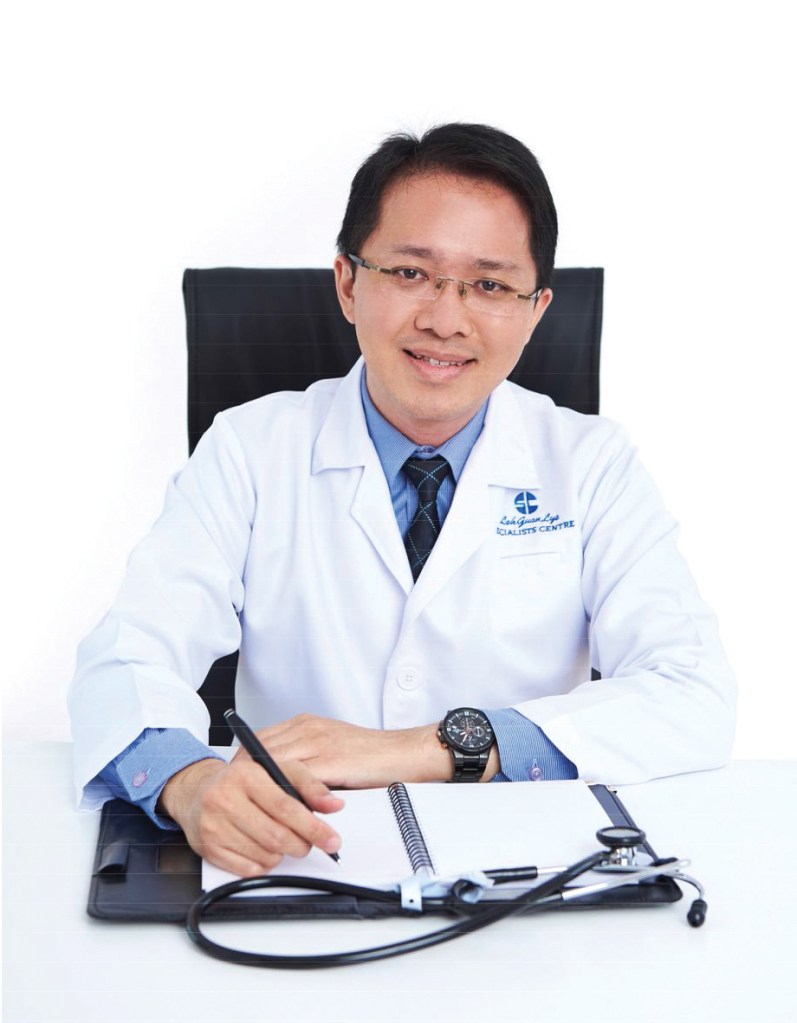
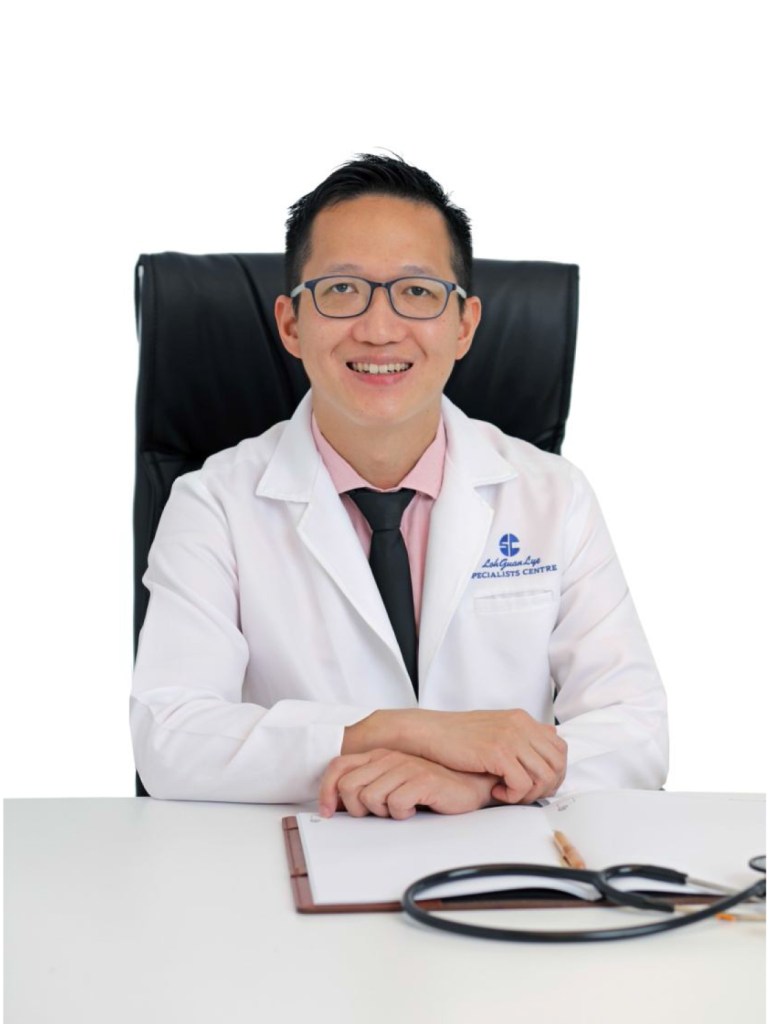
Dr Teoh Ching Soon is the Clinical Haematologist & Physician in Loh Guan Lye Specialists Centre. He has a keen interest in the management of malignant haematological disorders such as leukaemia, lymphoma, multiple myeloma, myelodysplastic syndrome and myeloproliferative neoplasm. His clinical work also focuses on benign haematological diseases, red cell and platelet disorders, coagulation and haemostasis, consultative haematology and haematopoeitic stem cell transplantation.

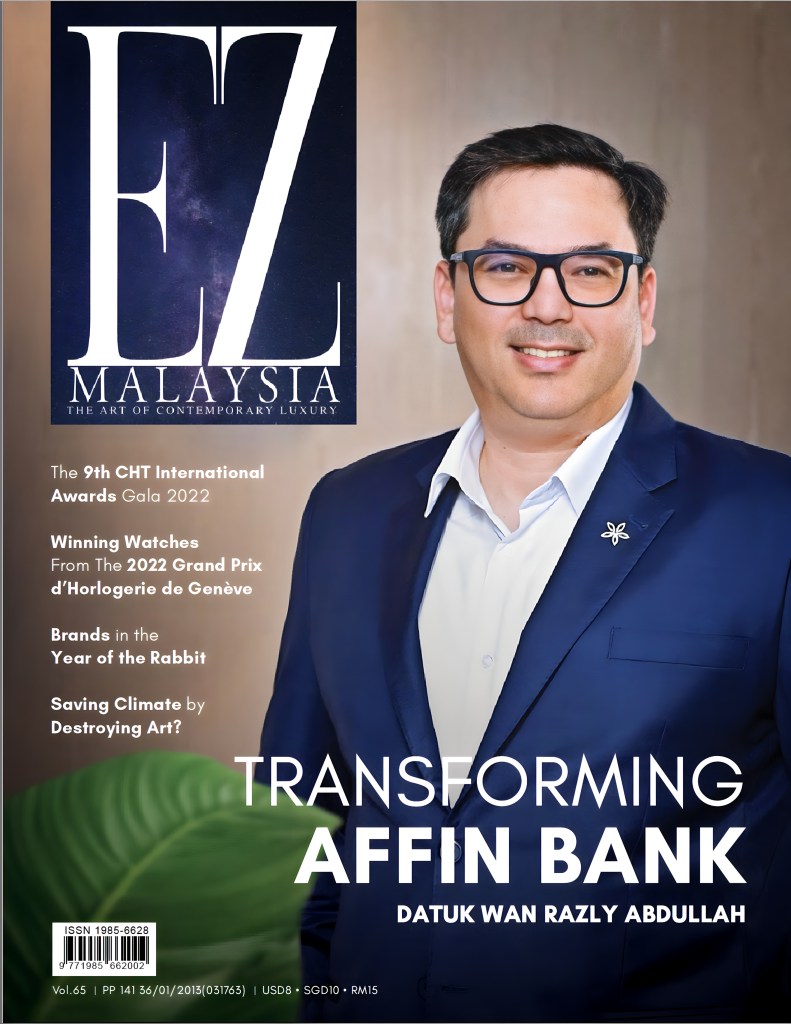
Transforming Affin Bank

Datuk Wan Razly Abdullah

President and Group Chief Executive Officer, Affin Bank Berhad

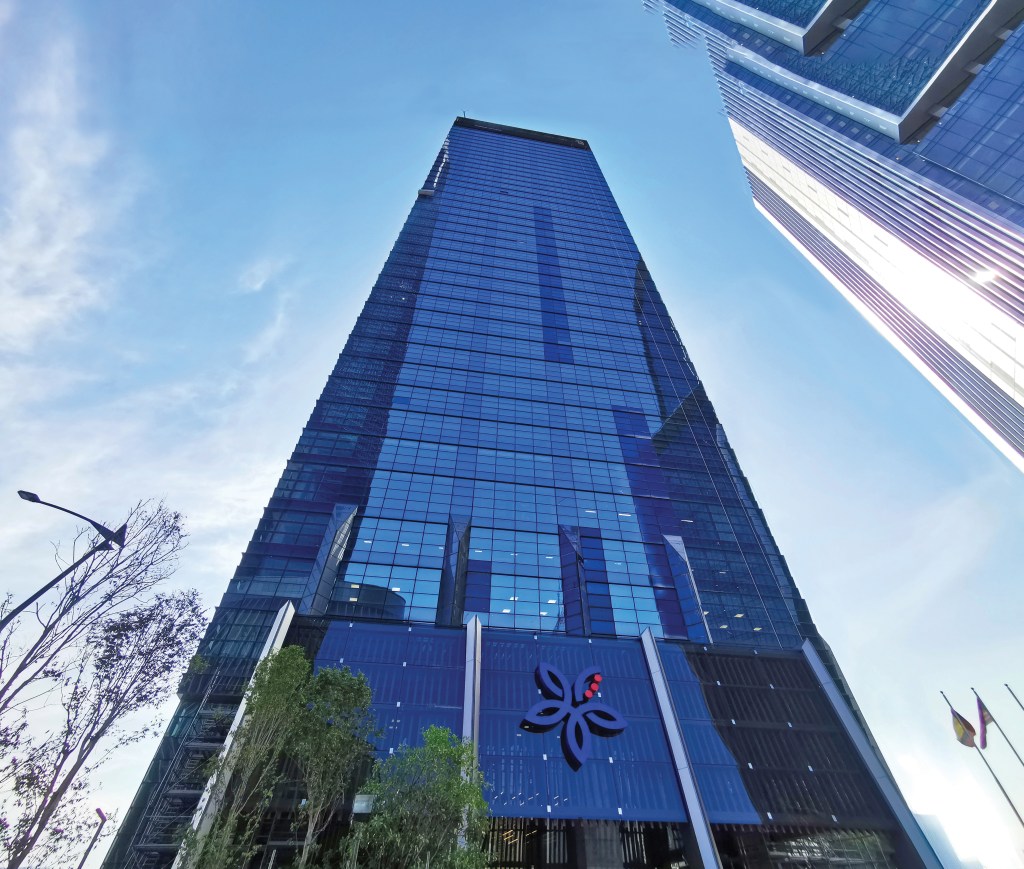
Affin Bank Berhad (AFFIN BANK) caught attention in 2020 when it revamped the company’s logo – projecting a more progressive, vibrant and modern image. The transformation at AFFIN BANK during the past two years, go beyond its corporate rebranding. The personnel of the Bank are feeling energised and have a fresh sense of belief in the direction of the organisation.

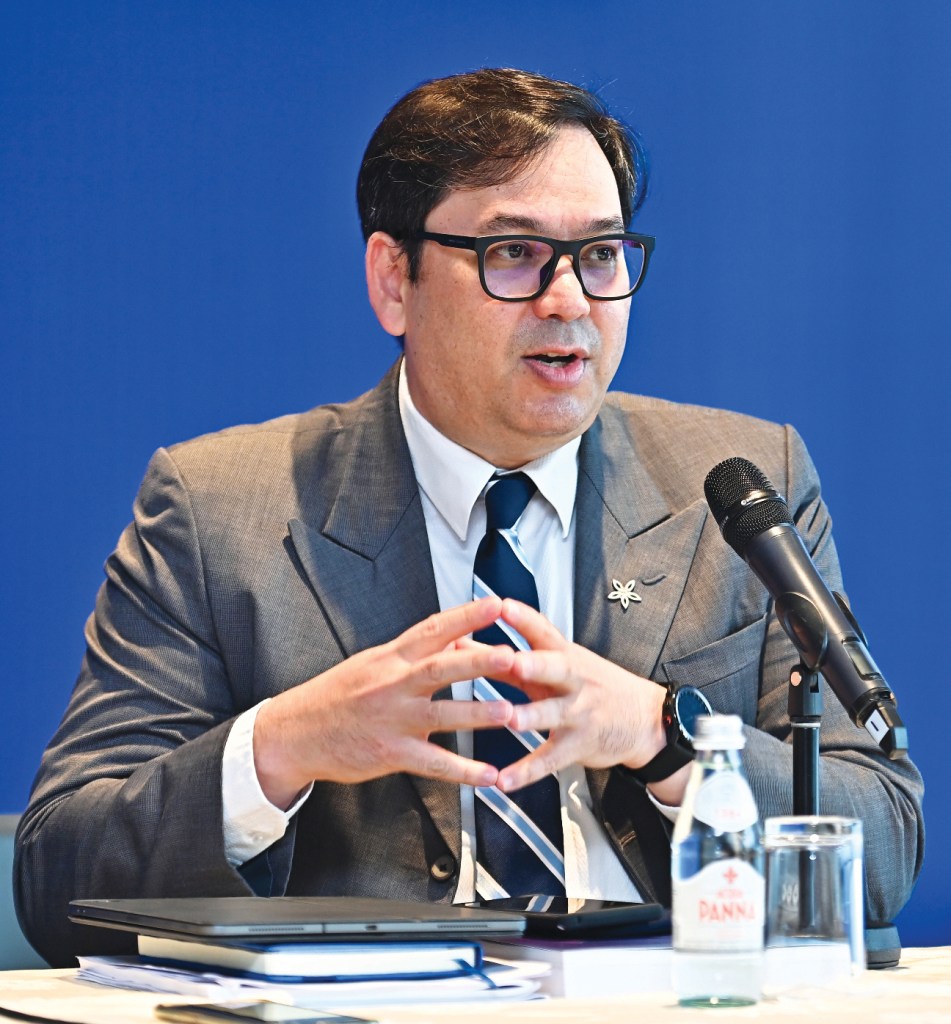
These changes are being spearheaded by none other than 51-year-old Datuk Wan Razly Abdullah, who assumed the Bank’s top job as its President & Group Chief Executive Officer in April 2020 – right at the onset of the Covid-19 pandemic.

Born and raised in Petaling Jaya, Wan Razly has notched up more than 24 years’ experience in corporate strategy, investment banking, consumer banking, accounting and audit services. He began his career at PricewaterhouseCoopers in London in 1995 and joined Aseambankers Malaysia (now known as Maybank Investment Bank Bhd) in 2002 before joining CIMB Investment Bank in 2004.

Remarkably, Wan Razly was the Chief Financial Officer at CIMB Group Holdings Bhd’s Indonesian bank – PT Bank CIMB Niaga Tbk – for a decade before returning to Malaysia in 2019 and assuming the position of Regional Head of Consumer Strategic Business Management at CIMB.

Driving transformation is no easy task – it is even more difficult when you are faced with unprecedented economic challenges due to COVID-19. Wan Razly took it in stride and got on with the task immediately. He kick-started the first phase of AFFIN BANK’s metamorphosis journey through Affinity in Motion (AIM22) and these efforts are showing the desired results.

“As the Bank focuses more towards promoting innovation technological advancement, its financial products and services continue to be improved to cater to the ever-changing market demands.”

“Sharing a renewed sense of belief in the organisation’s direction.”


Receiving the CHT Excellence Award for Asset Security AI at the CHT International Awards 2022 from Guest of Honour, Y.A.M. Tengku Sulaiman Shah Sultan Salahuddin Abdul Aziz Shah, Tengku Laksamana of Selangor (2nd from right) and Dato’ Chng Huck Theng (far right).

In 2021, the Group’s profit before tax jumped 82% year on year to almost RM704 million, while net profit grew by 129% close to RM527 million – its highest in five years. The performance puts it on course to reaching a key AIM22 target of RM1 billion in PBT in financial year 2022, when the three-year plan concludes.

The rapid rise of AFFIN BANK certainly did not go unnoticed with its products and solutions receiving various accolades over the years. Additionally, Brand Finance which is the world’s leading independent brand valuation and strategy consultancy has named the Bank as one the top three fastest growing Malaysian brands for 2022.

With the conclusion of AIM22 this year, AFFIN BANK’S transformation journey will continue with its second phase, under the A25 strategic plan, that aims to position the Bank as the most creative financial industry in Malaysia. Wan Razly is committed to further improve the Bank’s profitability and growth, provide value-based banking for its customers and leapfrog the Bank towards providing unrivalled customer service by 2025. 

The ESG Champion

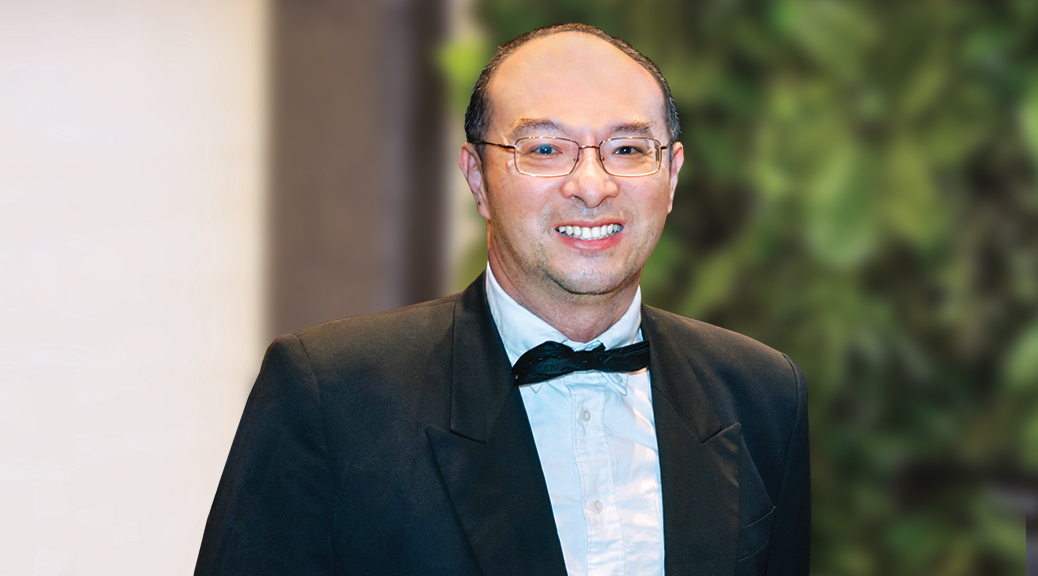
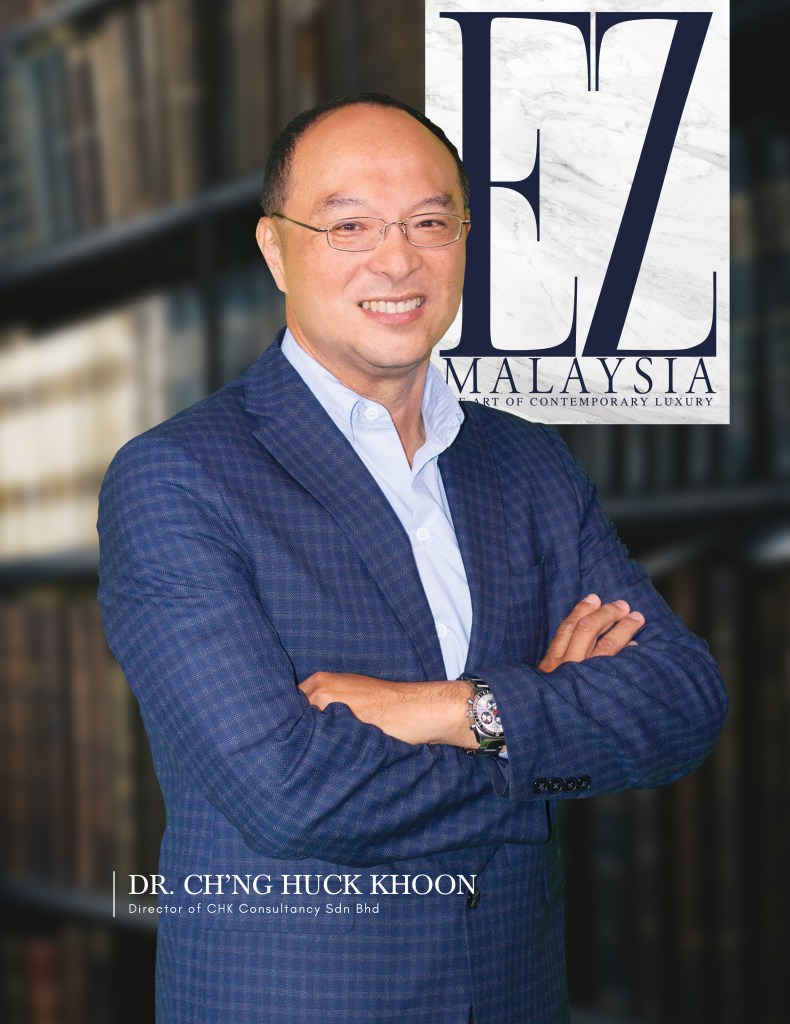
Dr. Ch’ng Huck Khoon

Director of CHK Consultancy Sdn Bhd

“My aim is to share my knowledge on corporate compliance, sustainability strategies, cases and solutions on ESG to as many as possible.”

“Corporate compliance issues are becoming increasingly important to regulatory authorities.”

After obtaining a PhD in Finance from Universiti Sains Malaysia, Dr. Ch’ng devoted himself to the financial and capital industry and has been working in this field for the last 30 years. In addition to establishing his own corporate consulting company, he has also been invited by five public listed companies to serve as an independent director, and he has held important positions such as the Chairman of the Board, Chairman of Audit Committee and Risk Management Committee.

He often publishes current issues and financial-related topics in major newspapers and magazines, invited to speak on radio and television shows, and online media. He is also the author of the book “How to Select a Winning Stock”.

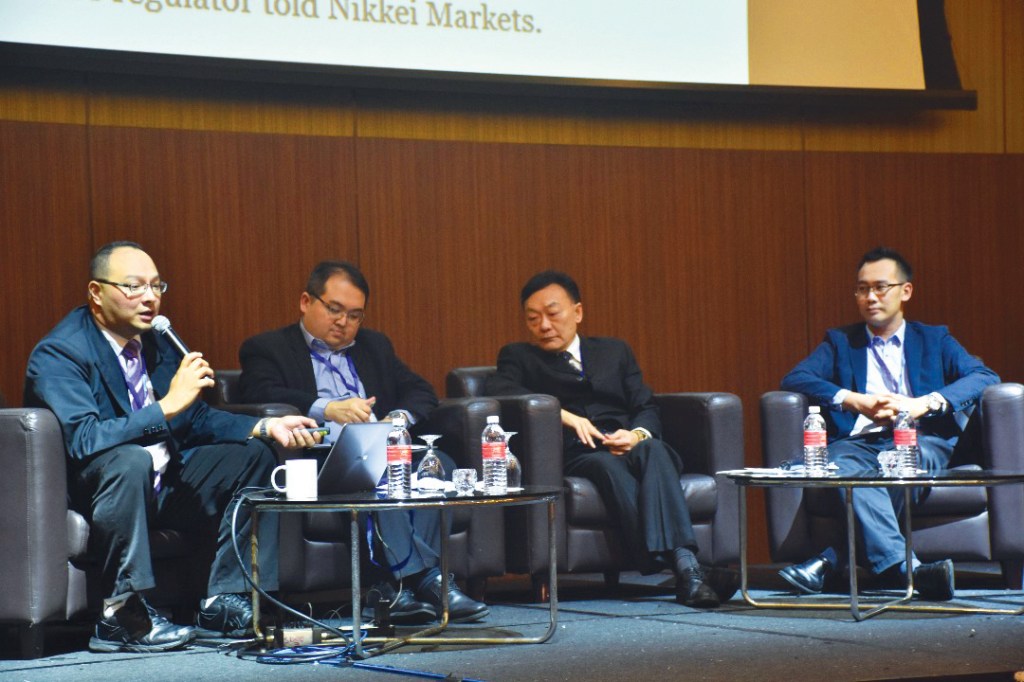
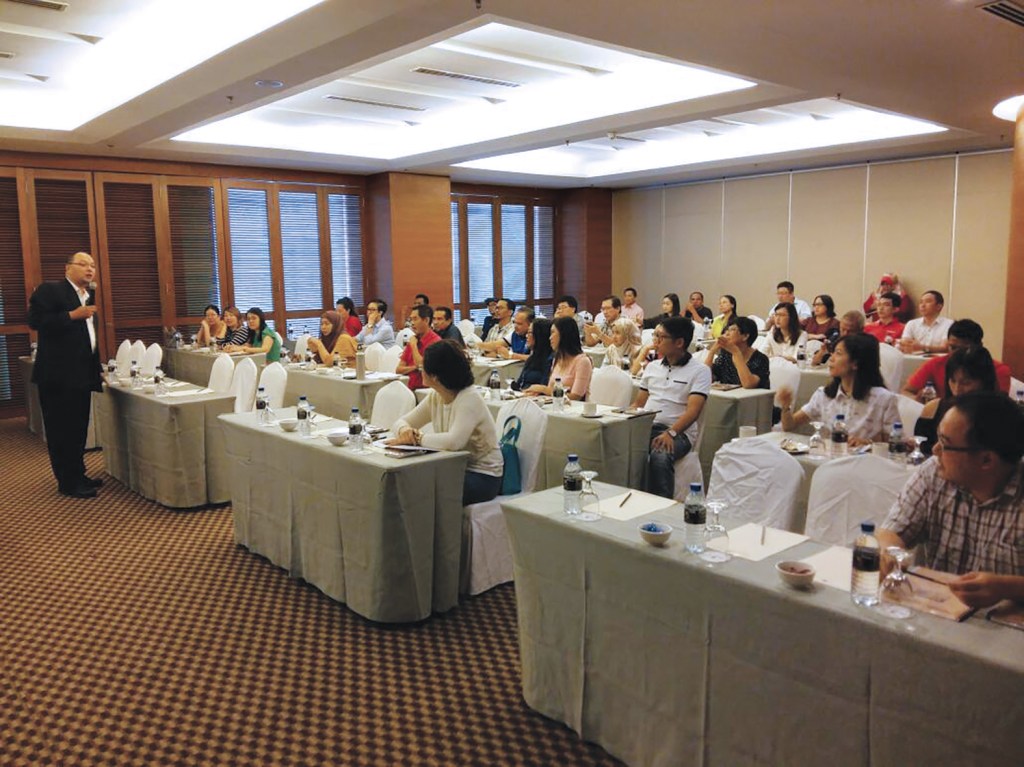
“He has been invited to conduct more than 1,000 seminars including public listed company director training to more than 20,000 local and foreign financial and capital services professionals in the last 20 years.”

Dr. Ch’ng also provides consulting services to large corporations. He has extensive expertise in corporate compliance, especially in Environmental, Social and Governance (ESG), Anti-Corruption, Money Laundering and Digital Economy issues that are becoming a grave concern for regulatory authorities and corporations in our country.

As he foresees the increasing importance of ESG, Anti-Corruption and Anti-Money Laundering procedures, he will be conducting more public seminars in these areas, sharing sustainability strategies, cases and solutions.

Reshaping The Face Of Hospitality Through Digitalisation

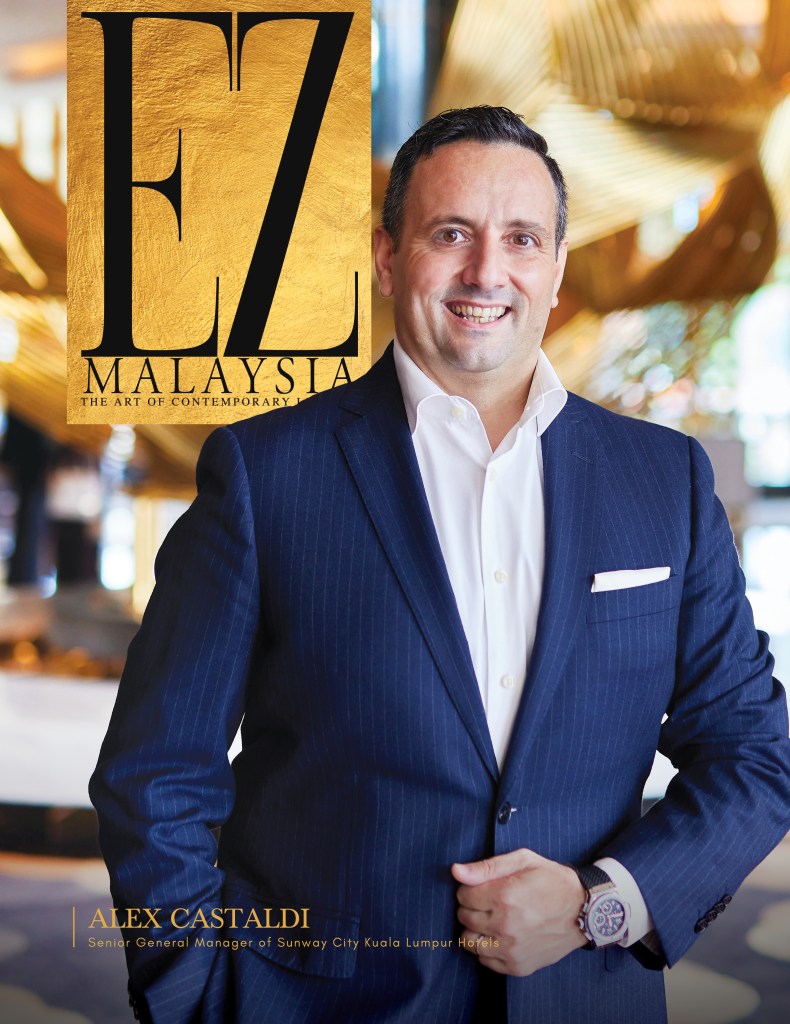
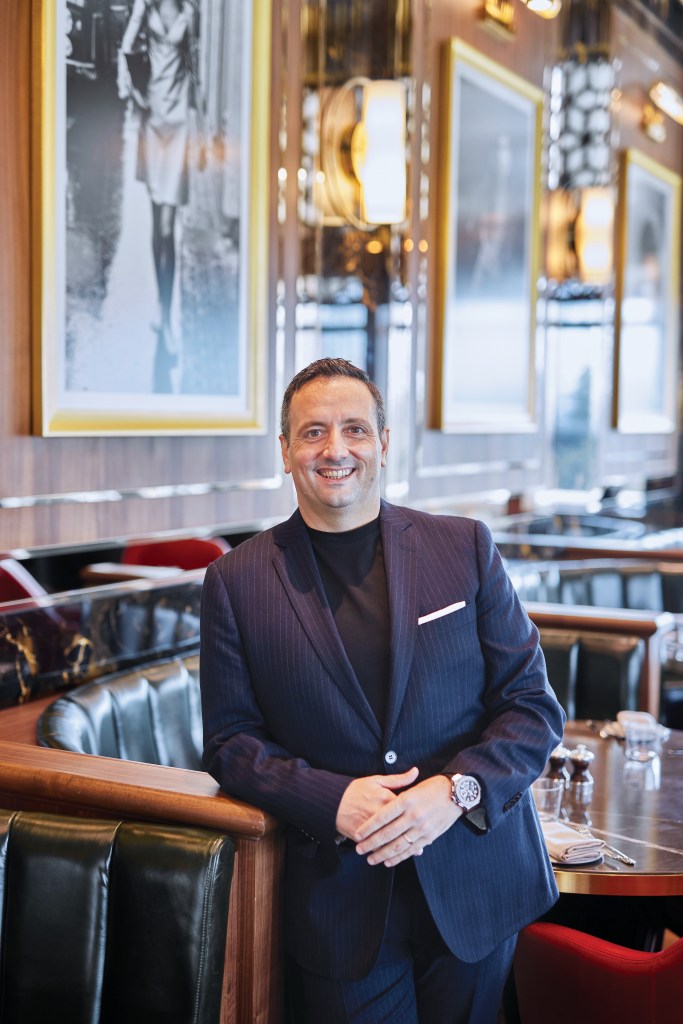
Alex Castaldi

Senior General Manager, Sunway City Kuala Lumpur Hotels

“Sunway Resort underwent a US$60 million transformation recently, further entrenching the resort as a Kuala Lumpur icon and raising the bar for international hospitality”

“Alex Castaldi, the Senior General Manager of Sunway City Kuala Lumpur Hotels shares with EZ the vision behind the transformation”

A multimillion-dollar transformation of Sunway Resort has created a unique destination in Kuala Lumpur with a focus on gastronomy. The resort took the lead to introduce a new signature dining destination, the Gordon Ramsay Bar & Grill, as the Michelin-starred chef’s debut in Malaysia. According to Alex, this brings the style and sophistication of London to Sunway City. If that was not enough, in the pipeline is yet another famous restaurant chain, this time a New York-based chain. The Black Tap Craft Burgers & Shakes will be introducing its craft burgers and world-famous CrazyShake® milkshakes to Sunway Resort by the end of 2022.

“Sunway Resort’s transformation is a bold drive to seal Sunway City Kuala Lumpur’s position as Asia’s leading fully-integrated premier hospitality and entertainment destination.”

He said the next phases of Sunway Resort’s dramatic transformation will be progressively revealed next year, including the launch of more themed suites, dedicated family spaces and leisure facilities. “We will also be launching more exciting new world-class dining outlets soon,” he adds.


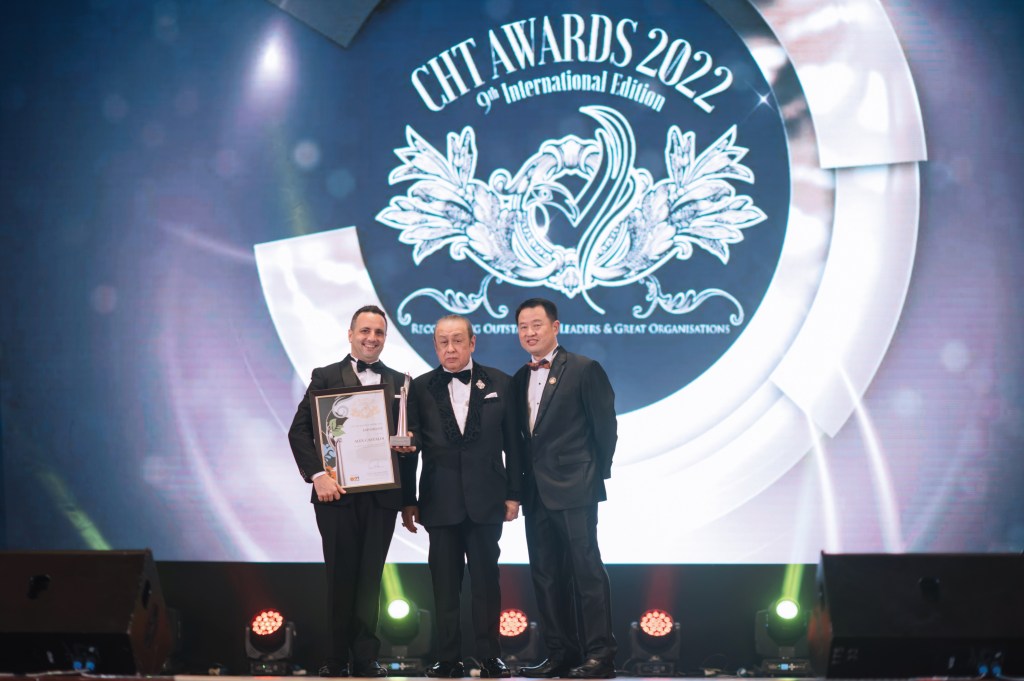
At the CHT International Awards 2022: Striking a pose with Y.A.M. Tengku Sulaiman Shah Sultan Salahuddin Abdul Aziz Shah, Tengku Laksamana of Selangor (centre) and Dato’ Chng Huck Theng (right).  Alex was honoured with the CHT Excellence Award: Expatriate for his outstanding achievements and contributions to Malaysian society.

The resort has also adopted technological solutions so that it stays on trend in the face of digitalisation. “Gen Z, millennials, and digital natives make up an ever-greater proportion of travellers; as they’ve grown up with modern technology,” Alex notes. Therefore, the resort has a selection of themed suites enhanced by state-of-the-art solutions such as keyless room entry, motion sensor night lights, IPTV and “iButlers”, who are on hand to deliver gadgets and set up devices. 

Alex is optimistic that the hospitality industry in Malaysia will bounce back. “The future seems upbeat,” he says. He believes Malaysia could be a quality tourism destination that offers unique and diverse experiences to the discerning traveller of this post-pandemic era.

A Man With A Mission

Datuk Mohd Mustafa Abdul Aziz

Chief Executive Officer, MATRADE

Datuk Mohd Mustafa Abdul Aziz is currently the chief executive officer of the Malaysia External Trade Development Corporation or known to many as MATRADE. He is a man with a mission who successfully leads MATRADE to a new height by transforming the national trade promotion agency into a thinking organisation under all circumstances through boom or bust.

The visionary leader began his 32-year career in the civil service starting with the Ministry of Foreign Affairs, followed by the Economic Planning Unit, and Prime Minister’s Department, before joining MATRADE in June 1994. Despite having a wealth of experience, Datuk Mohd Mustafa has always been striving for the best and passionate about leading change to produce extraordinary outcomes be it for the organisation itself, business community or the country as a whole.

Staying firm to the phrase “rain or shine, the show must go on”, he leads his comrades by making the impossible possible. The reputable CEO keeps echoing the undertaken transformation initiatives that are aligned with MATRADE’s three main agendas: Digitalisation, Sustainability and the National Trade Blueprints (NTBp). He strongly believes that solid and powerful storytelling about MATRADErs hard work should be conveyed accurately. “Make no more mistakes!” – The compassionate leader advises fellow MATRADErs to encourage them to deliver excellent jobs always.

“It is not easy to put where we are now, all aspects must be well-thought-out in championing MATRADE’s ongoing duty to be an organisation of excellence which is achievable through having the right attitude, good values, distinctive cultures and work ethics (AVC) in our organisation. I am hopeful that the new characteristics of MATRADE will have a spillover effect on our relationship with Malaysian companies as well as our counterparts in other Ministries and Agencies. It has been our aspiration to place Malaysia as a major trading nation and the centre of reference when it comes to international trade”, the Kaizen believer reiterated.

Furthermore, the foresighted leader has always been contributing massively to Malaysian export activities. Among major responsibilities he was held accountable, proving his remarkable leadership quality were:

1. Established the Malaysia Trade Centre in Dubai, UAE in 2001;

2. Reopened the MATRADE office in Osaka, Japan in 2005 after being closed due to economic crisis that hit Asia in 1998; and

3. Established the Malaysia Trade Centre in Doha, Qatar in 2013. 

Inculcating the spirit of working together as a team, he was also involved in the nation’s capacity building component together with the consulting team of the Malaysian Ministry of International Trade and Industry (MITI) in the negotiation of Free Trade Agreements as follows:

1. Malaysia-Japan Economic Partnership Agreement;

2. Malaysia-Australia Free Trade Agreement; and 

3. ASEAN-China Free Trade Agreement.

According to the MATRADE’s CEO, all sorts of careers need a good self-leadership trait to be at the top in order to run any operations effectively. The chief acknowledges good talents and steers MATRADE’s transformation and restructures exercise by doing the needful to put the right people at the right place. The perfectionist leader often emphasises on personal brand image among his colleagues, in empowering MATRADE’s brand reputation. Moreover, he fosters spring-cleaning practices among MATRADErs to maintain a clean and decent working environment which leads to better productivity. Datuk Mohd Mustafa has made this very clear to all MATRADErs in understanding that their roles as civil servants inter alia, are also about labouring love for the country, passion, discipline, and right mindset. 

As the business trends keep evolving, the zealous MATRADEr regards that it is pertinent for both the public and private sectors to join forces in promoting trade enhancement between Malaysia and other trading countries. The TPO needs to be fast and versatile to deliver the best in serving the business community. Good synchronisation be it trade strategy or smart networking can possibly overcome export challenges.

Alongside Malaysia’s stellar trade performance, MATRADE bagged the “Best Use of Information Technology” award at the 13th World Trade Promotion Organizations (WTPO) Conference and Awards organised by the International Trade Centre on 17 May 2022.

The TPO was recognised for its initiative in organising the first fully virtual edition of the 17th Malaysia International Halal Showcase (MIHAS) in 2021. Adding another feather to its cap, MIHAS 2021 was also recognised at the Malaysia Public Relations Awards (MPRA) 2021, clinching the Gold Award in the Best “Pandemic Pivot” or “COVID-19 Communications” campaign category. This shows that under Datuk Mohd Mustafa’s leadership, impactful working culture is adapted and MATRADErs give their best with enthusiasm, ensuring that the TPO excels on the global stage and making it known as one of distinguished Malaysian’s Government Agencies. 

MIHAS 2022 which will take place from 7 to 10 September 2022 in a hybrid format will be bigger and better! The MATRADE’s flagship event will showcase a total of 1,196 booths in 13 leading clusters. “Apart from the exhibition, we will also organise the International Sourcing Programme (INSP) which anticipated 400 foreign buyers; from over 50 countries including from the Middle East, Europe, Central Asia, South Asia, ASEAN, Oceania and African region, who will engage in business meetings either virtually or physically with Malaysian exporters. Besides that, the prestigious MIHAS Awards is back again. It seeks to celebrate outstanding exhibitors in booth design creativity, innovation in products and services as well as inventions that are making lasting impacts in the global Halal industry”, he revealed.

The recent slew of cost-cutting measures by the government due to the pressure of global inflation and the rising cost of goods have moved MATRADE to embrace sustainable avenues such as the public private partnership (PPP) and private finance initiative (PFI) in forging collaborations with strategic partners in carrying its mandate. This includes the recently launched MATRADE Digital Trade Platform, powered by Fusionex Group – a business-to-business (B2B) and business-to-consumer (B2C) trade platform aimed to reduce trade complexities, foster business interconnectivity and promote Malaysia-made products and services to buyers and partners across the globe.

An addition to his endless efforts, the top-notch MATRADE’s Iron Man, strives to transform MATRADE into a self-sustaining organisation. Datuk Mohd Mustafa is determined in finding solution for the organisation’s operating and development budget at all cost. For instance, one of the revenue streams include Menara MATRADE, a conducive building strategically located next to MITEC – the Malaysia’s largest trade exhibition and conference centre, which is also within the proximity of Solaris Mont Kiara, and Publika – well known residential and shopping addresses for foreign expatriates. The inclusivity building offers world-class facilities along with high-speed internet. For viewing and further details kindly contact Revenue Generation Unit at 03 – 6207 7901 / 7903 or email halim@matrade.gov.my / snazreen@matrade.gov.my.

The Eminent Connector

Dato’ Lee Teong Li

Director and Regional GM – Amphenol TCS Malaysia

Dato’ Lee Tiong Li is no exception as he has attained exemplary achievements over the course of almost five decades, but it all began when he was only a teenager. After finishing his Fifth Form in Penang Free School in the late 70s, Lee worked as a plumber and then a production operator.

Little did he know that his first modest job would be the catalyst in paving the way to his stellar career spanning more than four decades in Design, Engineering and Operations in the Electronics and Electrical industries.

After obtaining his computer certification and university degree, Lee left Malaysia for the Philippines in the mid-90s. Definitely not one to be confined to familiar settings, Lee was one of the pioneers to start up a Japanese MNC outside of Japan and later moved to the US.

His experience working abroad had made him an invaluable asset for multinational companies in the USA, Japan, the Philippines and Malaysia.

Lee was eventually headhunted to return to Penang in the early 2000s to lead a frame manufacturer which was subsequently listed on the Kuala Lumpur Stock Exchange main board. He soon decided to venture out to set up his own company Amphenol Corporation which was eventually acquired in 2008.

This led to Amphenol TCS Malaysia’s journey of excellence and expansion under Lee’s leadership by quadrupling the revenue of Amphenol TCS Malaysia to RM500 million per annum from its spin-off, resulting in foreign direct investments of about RM700 million being poured into Penang.

Having built and assembled some of the world’s high-speed and high-density connectors and generating over 800 employment opportunities in the newly set-up third factory facility – Amphenol DC Electronics Malaysia, in Batu Kawan, Penang under Lee’s leadership has been steadily growing and winning numerous awards and is poised to achieve many milestones over the years to come.

Dato’ Lee is also presently the Chairman of the Federation of Malaysian Manufacturers (FMM) Penang.

One to always give back to society, Dato’ Lee finds time to support and serve the community, collaborate with local associations and government departments and is passionate in matters relating to the environment, healthcare, education, sports and welfare of the seniors and youth.

A Publicist’s Impact On An Ever-Evolving World

Adam Ham

CEO – Global Creative and Media Agency (GCMA)

A prominent name in the industry with over 20 years of experience, Adam Ham is known as ‘The Media Man’ – a title given to him by industry leaders for his astounding capabilities to turn even the toughest of public relations (PR) projects into a success. Having serviced government bodies, corporate companies, celebrities, and film producers in the past, Ham is certain that most people are unaware of how rapidly PR has evolved and changed in the span of two years; failure to recognise these changes can be detrimental.

Experts claim that humanity made its biggest leap in technological advancements when COVID-19 spread throughout the globe. In fact, the pandemic changed many things for humanity from social life to purchase methods and even PR. Ham, however, had the privilege of witnessing the evolution of PR for the past 20 years, dating back to the days when he used to work for the government.

Growing up in Japan and furthering his studies in the United States of America, Ham’s father served Tun Dr. Mahathir bin Mohamad in the government, thus, having his education sponsored; in exchange, Ham has to serve the government in a field of his choosing for a minimum of 10 years. Hence, his journey began at the Malaysia Digital Economy Corporation (MDEC) where he worked as an entertainment specialist, primarily coordinating trade missions for international festivals and exporting local content and talents to the global market.

Although his PR skills were instinctive, Ham acquired most of his knowledge in the field from the 10 years spent at MDEC. There, he came to the realisation that failures occur on many occasions when PR and marketing were not planned properly. Ham had creative ideas to bring to the table and was soon given the opportunity to plan and execute PR campaigns for various companies and producers with tremendous success.

As a matter of fact, Ham’s impact is still recognised today, 12 years after leaving the government. The Media Man was recently nominated to be an advisor for the National Film Development Corporation Malaysia (FINAS) for a period of two years, because of the fame he has garnered in international marketing for the creative and entertainment industry throughout his career. The Mandalorian, 6 Underground, The Summit-97, Ultraman, The Kid from the Big Apple, and The Summit-97, are among some of the projects that Ham has taken into his own hands. 

“I am here to share my great experience and inspiration for the industry from the PR perspective.Currently, the landscape for trading content has evolved and changed, as TV stations no longer have a huge budget for acquisition, and Netflix is dominant. We have to share our knowledge on how people can make a living from abroad now,” Ham commented. 

Currently, the master in PR owns an agency called Global Creative and Media Agency (GCMA) which is most sought after across all industries. Ham claims that GCMA quickly grew in demand after he had attended several Malaysia Retail Chain Association (MRCA) and Business Network International (BNI) gatherings.

“After I left the Government, I truly wanted to build my career in PR and help companies across all industries come to a realisation of how PR can make a difference in their businesses. Most Malaysian companies have no idea about this, and they rarely set aside any budget for this. It was a challenge, but I was all set to take the bull by the horns,” he said.

As a PR agency that makes most of its income from organising successful events, Ham’s company nearly shut down when the pandemic came about. Without any income for months on end, Ham did everything possible to survive – even as much as to offer catering services. This period made for a lot of changes in the world; some more apparent than others. People began using online platforms, e-wallets, and most companies have found a way to offer their services online, these were all common and addressed just about everywhere. But what about PR? Has it changed over the past 2 years?

Ham responds, “Yes, as the economy softened and recession happened, the media landscape wasn’t able to sustain, and gradually PR had to be much more creative and more newsworthy to attract journalists for our clients. Moreover, we also had to know how to create smart relationships with the media players to have a balance that benefits everyone, whilst providing them with great stories.”

Commenting on how the pandemic has affected PR, Ham said, “PR is more important now than before the pandemic. It brings visibility to the brand in an era where fighting for the spotlight is extremely challenging due to the social media culture that floods the internet. Right now, about 30-50% of the market is still being cautious about hosting PR events with huge crowds; though it is important to keep safe from COVID-19, we cannot shift into an endemic stage and recover from the damage caused by COVID-19 by not acting.”

“We do not know what the future holds. For all we know, there is still a possibility of a lockdown of sorts; thus, businesses must take a 360 approach by preparing for every possible outcome and playing their cards right. Another notable thing to consider is the KOLs (Key Opinion Leader) and their social media pages, which allow for high brand visibility, with easily identified target audiences. Engaging influencers is sort of a norm these days, and it has proven effective in brand visibility and marketing.” 

Hong Kong Palace Museum

All images courtesy of businesswire.com/The Hong Kong Palace Museum

After five years, the Hong Kong Palace Museum, located in Hong Kong’s West Kowloon Cultural District has officially opened, making it the latest tourism attraction for cultural and antiquities. Over 900 works of art will be on display, resulting in the largest unprecedented loan ever from the Palace Museum to a cultural institution. Many of them are on display in Hong Kong for the first time, while others have never been exhibited before.

Boasting an area of more than 30,000 square meters with 7,800 square meters of exhibition space, the Museum seeks to position Hong Kong as a hub for arts and cultural exchange between Mainland China and the rest of the world.

Museum director Louis Ng shares that the museum is geared towards promoting the transmission and dissemination of Chinese culture especially to the younger generation. Hong Kong Palace Museum has nine galleries where five galleries will play host to thematic exhibitions, two for art collections in Hong Kong and multimedia projects, and the remaining two for special exhibitions featuring Chinese art and treasures from around the world. There are also a 400-seat auditorium, learning and resource centre, activity rooms, atrium with viewing decks, gift shop and restaurants.

SPEECH DELAY vs LANGUAGE DELAY vs AUTISM: When should we suspect what? 

Your child hardly speaks like other children their age do. Does that automatically mean that your child has autism? Not necessarily. Even though speech delays and language delays  often go hand in hand with autism, there are key differences between communication delays caused by autism and other types of speech-language disorders.

SPEECH DELAY VS LANGUAGE DELAY
While speech and language delays are often confused and used interchangeably, there are distinguishing characteristics.

Speech delay: A disorder which affects ‘how’ children verbalise, articulate and control the sounds that are used in words. The children may be following typical speech patterns, but at a slower rate than their peers. Three major types of speech disorder include articulation, fluency, and voice disorders.

Language delay: A disorder which affects ‘what’ the children say. In other words, they are able to pronounce words well, but fail to form them effectively for others to understand. In addition, a receptive language delay can affect how children process information, be it verbal, nonverbal or written.

Autism is not the only cause to speech and language delays. Other causes, including hearing loss, deprivation of time talking with adults, bilingual environment, and etc. could also lead to the delays.

AUTISM
Autism is also often called Autism Spectrum Disorder (ASD). It is a neurological and developmental disorder that causes significant social, communication and behavioural challenges. Children with ASD may have trouble understanding the world around them. Since autism is a spectrum disorder, the learning, thinking, and problem-solving abilities of children with ASD can range from highly skilled to severely challenged.

Concerning how ASD can be diagnosed, the leading medical reference is the Diagnostic and Statistical Manual of Mental Disorders 5 (DSM-5). The core symptoms of autism are social communication challenges and restricted or repetitive behaviours. The severity of the symptoms varies among the affected children. Symptoms include avoidance of eye contact with people, not responding to name, not looking at objects when parents point. Children with ASD may not notice when other people around them appear sad or hurt. They show little interest, if any, to play with other children. Stimming, or repetitive unusual body movements or noises, is also one of the typical autistic children’s behaviours. They like to line up toys in a set order, or may get upset when there are minor changes. If parents notice any of these signs that worry them, it is advisable to seek medical attention.

Regardless of the complexity of ASD, following treatments can make a difference to the children and their families.
i. Speech and language therapy aims to help children with ASD to communicate and interact better.
ii. Occupational therapy provides assessment and intervention to maximise activities of daily living.
iii. Applied behaviour analysis encourages desired behaviours and discourages undesired behaviours in children with ASD.
iv. Parent education improves parent-child interaction and communication skills.
v. Cognitive behaviour therapy helps children to cope with anxiety and depression.

THE EARLIER, THE BETTER
Parents may spot the signs and symptoms at home, but they cannot diagnose the subject without an expert’s help. Early intervention programs are proven to be highly effective. If a child is not developing social and communication skills on par with the standards, do not hesitate to make an appointment with a professional. The journey of raising a child is tough enough, let alone a child with ASD, but who knows, you may find some extraordinary talent in them!

Paediatrician

MD (Russia), MRCPCH (UK)

Dr Long Wai Lup is a Paediatrician in Loh Guan Lye Specialists Centre. He attained his medical degree in 2009. His special care and interest towards childcare fuelled his desire to specialise in Paediatrics subsequently. He graduated from the Royal College of Paediatrics and Child Health UK (MRCPCH) in 2019.
Dr Long has special interest in treating children with:
• Developmental delay such as delay in speech-language development, motor skill and others
• Skin illness in children including: Eczema, Infection, Allergy and others
• Feeding issues from newborn to childhood
• Growth issues in newborn to childhood