All posts by EZ Malaysia

Cocktail Craft BY CHIVAS

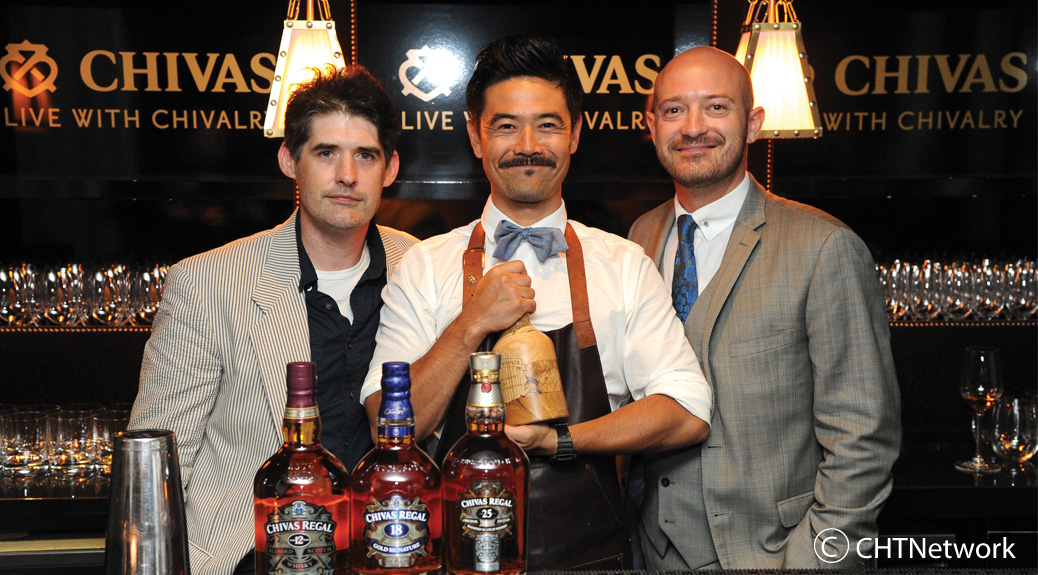
Chivas Regal, the world’s first luxury Scotch whisky, celebrated the craftsmanship at the heart of bartending with the launch of its first-ever global cocktail competition, The Chivas Masters. 

Images courtesy of image.net

The Chivas Masters sees the iconic brand highlight its rich heritage by challenging the world’s best mixologists to create classic cocktails from four of the great cocktail eras – the Classic Age (1880-1920), the Post War Boom (1945-1965), the Disco Years (1975-1990) and the present modern Age of Revivalism.

The exclusive competition culminated in a two-day grand final held at The Nomad, New York on 15 July, was judged by a distinguished panel of leading bartenders, past and present, from New York’s bar scene.  Amongst them was Agostino ‘Ago’ Perrone of London’s prestigious Connaught Bar. A previous winner of the World’s Best Bartender award at “Tales of the Cocktail”, Ago not only served as judge but was also invited to create an exclusive cocktail for

the event.

Contestants were assessed on their knowledge of each era’s cocktail heritage, their creativity and ability to bring the story behind their serves to life, as well as the name, appearance and quality of their cocktail creations.

American bartender, Masahiro Urushido emerged winner over 12 other international competitors, receiving the distinction as Chivas Regal’s first ever Chivas Master with his creation ‘The New Pal’ cocktail.

Shori – Synergizing culture and craftsmanship

Leading pewter brand Royal Selangor joins creative forces with 300-year old Japanese lacquer-ware experts Zohiko to produce exclusive sculptures featuring the legendary koi.

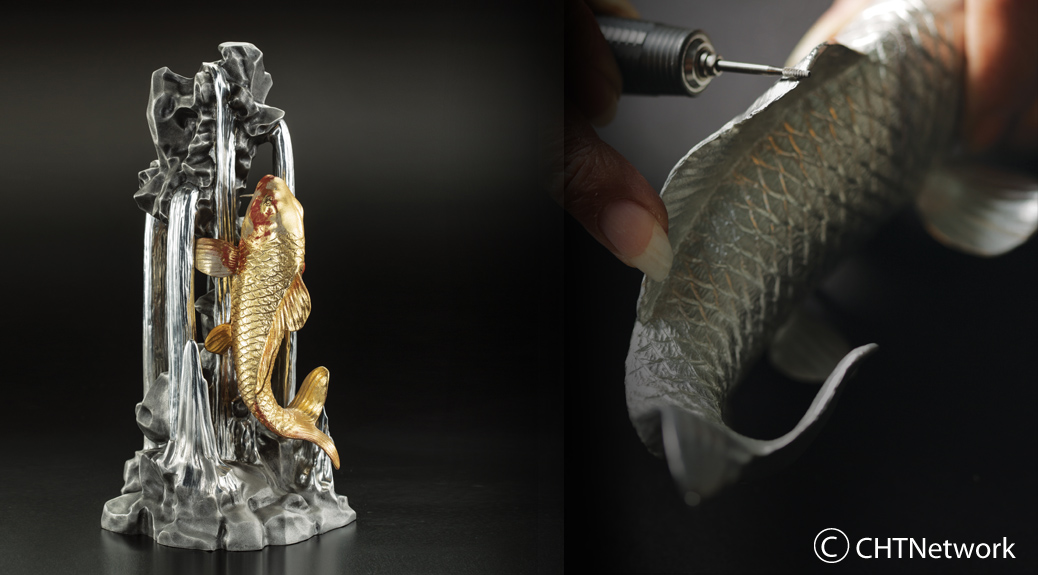
Crafted in pewter and lacquered with the age-old Maki-e technique, the Shori collection pays homage to the Japanese legend of a determined koi who turned into a dragon. The old myth recounts the attempts by a school of koi swimming against the flow of a waterfall to reach the top. Only one would succeed, pleasing the Gods and as a reward was turned into a magnificent dragon.

First cultivated in Japan, the koi or nishikigoi are one of the most elegant and graceful ornamental fish species that come in a variety of colours – each with its own significance. The limited edition sculptures feature three variations of the koi—Go, Miyabi and Irodori —a deep bronze symbolizing strength, gold exuding elegance and a multi-coloured koi to represent beauty.

Cast in fine Royal Selangor pewter, each piece is painstakingly hand-worked and polished by skilled artisans, breathing life into the elements that surround the fish. The completed pewter work is then flown to Kyoto where Zohiko’s craftsmen add the finishing touch of lacquer sprinkled with gold and silver dust, followed by more layers of lacquer. The pieces are then carefully polished to reveal the intricate design.

The Shori sculptures come complete in a box that also functions as a display case. Carefully assembled, the back and base panels are specially lacquered with the Mine kumo nuri technique pioneered by Zohiko to produce a mesmerizing blue on black effect and used for the first time in this collection.

The Shori collection can be viewed at selected Royal Selangor retail stores. The collection is limited to 88 sets worldwide and is only available upon order.

For more details visit shori.royalselangor.com

PICTURES to Pills

Japanese multinational photography and imaging company Fujifilm develops drug to fight Ebola

World-renowned Japanese photography and imaging company Fujifilm, made headlines when they announced their latest discovery in August this year. Many would have expected it to be the unveiling of their latest high-tech camera or photography equipment but on the contrary, the discovery was a new drug, Favipiravir, to aid in combating the deadly Ebola virus.

Toyama Chemicals, a subsidiary company of Fujifilm, is credited with making this discovery. Takao Aoki, a Fujifilm representative stated that since Ebola and influenza viruses are similar, theoretically the same effects could be expected on Ebola. The Japanese government has approved the drug to be used against Ebola but the efficacy of the drug is yet to be tested on either monkeys or humans. Favipiravir is currently in clinical test in United States with the Food and Drug Administration (FDA) and discussion on its usage on Ebola patients is still on going.

One might wonder on the reasons for Fujifilm to venture into a totally different field but the flexibility of the highly reputable Japanese company is set to benefit them in a number of ways. It is only a matter of time before Fujifilm starts to milk profits from its diversification. Since the announcement, their shares went up to 8.83% and with the majority of the Japanese population aged 50 and above, the pharmaceutical sector is expected to see continued growth.

Instead of competing within one’s market, Fujifilm took the more challenging route of developing new products and businesses. Mr Shigetaka Komori, CEO of Fujifilm commented on their expansion, saying, “We have more pockets and drawers in our company”. Fujifilm’s diversified business now carries a range of products from different markets such as anti aging cream, medicine, dietary supplies, cosmetics, radiography film and equipment as well as mammography appliances.

Many other multinationals have also started to be proactive by expanding into different markets. Sony, which is often associated with electronic goods have begun to cater to the demands of medical science with their new cell analysis device used in cancer and stem cell research. Similarly, Panasonic, one of the largest Japanese electronic producers, has also tried its hand at medical machinery with its brainchild, a robot called HOSPI. That transports medicine from one place to another within the hospital. Taking this a step further, Japanese multinational and engineering company, Toshiba opened their own hospital in central Tokyo equipped with its own brand of machinery and equipments.

SOLD OUT LITTLE PRINCESS A BIG HIT AT ‘FOUL’ EXHIBITION

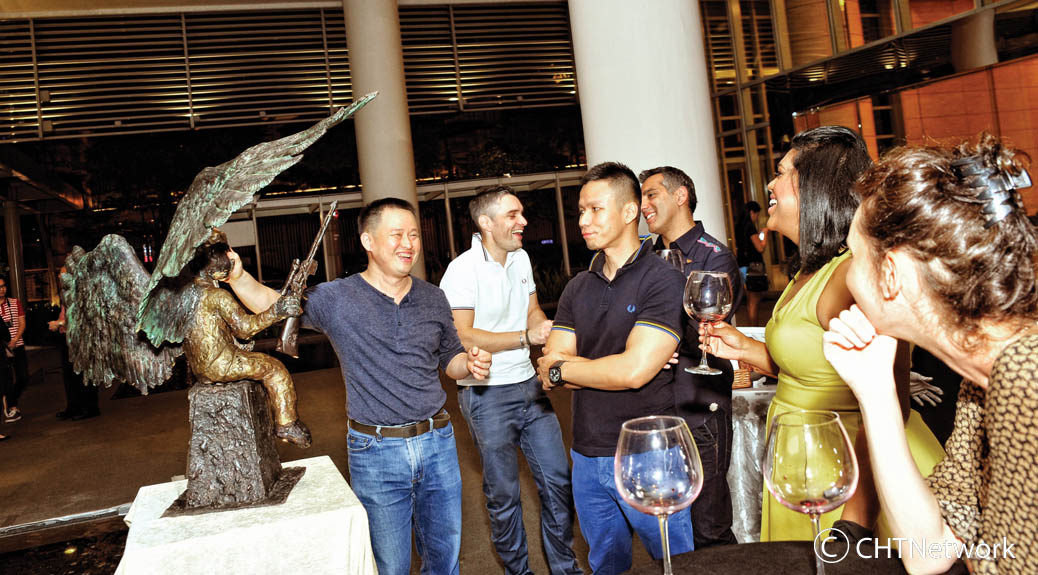
It was another record-breaking evening at PINKGUY as the limited 8 pieces ‘Little Princess’ sculpture by Ch’ng Huck Theng, sold out during the opening night. 

Every parent knows the bittersweet emotion that is part and parcel of raising children and it is no different with artist Ch’ng Huck Theng whose Little Princess sculpture, a personal tribute to his own daughter, struck a sentimental chord with guests and was sold out within hours at the opening soiree.

The successful opening was officiated by Dato’ Mahadzir Lokman the Chairman of the National Visual Arts Development Board and attended by a select guest list of art collectors, experts and friends.

The bronze figure depicting a child-woman standing erect with an almost regal demeanor marks the artist’s own journey of fatherhood from the birth of his little princess to watching her grow up into a confident and independent young lady. No doubt it is a journey that many of the attending guests could relate with, making them eager to own a work of art that best epitomizes this personal emotion.

The event which took place at PINKGUY Gallery on Saturday, 23rd August 2014 was the first solo bronze exhibition by Ch’ng Huck Theng. Presenting 15 bronze works which were displayed over the water feature which graces the lobby of Marc Residences, “FOUL” introduced a new perspective to the concept of identity in which the question of race, religion, nationality and ethnicity is deliberately left out.

Those attending the event were also privileged to witness the unveiling of Ch’ng’s latest work ‘Princess Liberty’ in which the bronze figure of a woman riding a horse raises the question of whether there is freedom in anonymity. Other pieces that were bought that evening include ‘Anak Malaysia’ a set of three figures representing the three main races of Malaysia, and ‘Checkmate’, the artist’s interpretation of a chess board.

Tracing the legacy of batik sarong

Batik is one of the most popular of Malaysian crafts, yet so much can still be discovered about its history and development. Adline A. Ghani shares about a unique research project spearheaded by none other than Raja Datin Paduka Fuziah Raja Tun Uda, fondly known as Mak Engku, a woman who has dedicated her life to the development and promotion of Malaysian arts and crafts. 

Images Courtesy of the Batik Terengganu research team

Throughout her illustrious career, which began in the 1960s, Raja Fuziah has held several esteemed titles, including the first Director General of the Malaysian Handicraft Development Corporation (MHDC), President of the World Craft Council (WCC) Asia Pacific Region (which she currently serves as a board member) and Deputy Director General of the Research Centre for Islamic History, Art and Culture in Istanbul (IRCICA).

Though she must have been busy raising a family, while breaking new ground and blazing trails for women in the industry, Raja Fuziah also took the time to organise and curate many exhibitions, publish numerous essays and lend her support and expertise to the local and international arts and crafts community. It came as no surprise, therefore, that she was chosen to receive the prestigious National Art Award 2008 for the Promotion of the Arts (Individual Category) by the Malaysian government.

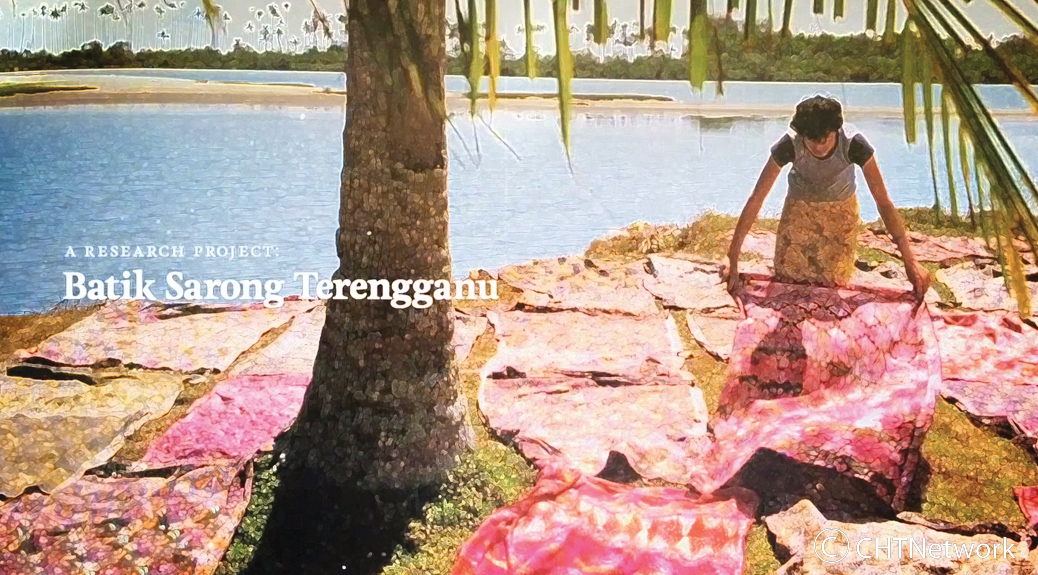
Having published her book Batik Malaysia Design and Innovation 1960s – 1990s two years ago, Raja Fuziah is not quite ready to rest on her laurels. Instead, she has set out to delve further into Malaysian batik with her latest endeavour, Batik Sarong Terengganu – A Research Project.

The Project

The Batik Sarong Terengganu research project aims to compile and provide a comprehensive database on the batik sarong of Terengganu. It will chart the history and origins of batik sarong, how it was made and traded, as well as who were involved in developing the industry, how they were involved and what is happening to the batik sarong industry today.

The culmination of this project will be marked by the publication of a book entitled Batik Sarong Malaysia: Heritage of Today for Tomorrow, authored by Raja Fuziah, which is meant to serve as a reference for future generations of art researchers and enthusiasts.

Due to the scale of the project, Raja Fuziah is assisted by Erna Dyanty Mad Daluis, who has worked in the art industry for more than a decade. Erna, who also holds a Master’s In Art Management, serves the project as a coordinator and assistant researcher. In addition, she has helped the project tap into the power of social media, using platforms such as Facebook, Tumblr and YouTube to spread the word and raise the funds necessary for them to embark on research and documentation, as well as publish their findings.

The full cost required for the project is RM100,00.00, which will also be utilised to develop a batik archive, support their innovation and creative platform programme, as well as organise an exhibition and educational programmes.

The aim, as always, is to bring attention to the urgency of preserving Malaysian batik sarong. The exhibition and hands-on workshops, which will be held in Kuala Lumpur, are planned for December 2014. With enough funds, it would be possible for the team to transfer the knowledge into a digital format and have it available online for everyone around the world.

The Innovation and Creative Platform

With the knowledge and insight gained through this research project, Raja Fuziah envisions the establishment of the Innovative and Creative Platform, which seeks to merge the skills of traditional batik craftsmen and young Malaysian designers.  This merger is hoped to promote the transfer and sharing of knowledge between these two skills sets, in an effort to preserve our cultural heritage and the Easy Coast’s cottage industry.

The product of this merger will be materialised in limited-edition batik sarongs, which will also be turned into items like pouches and bags. As such, the Batik Sarong Terengganu Research Project is collaborating with local creative brand timitimitonga, also known as TiMi. Created by young Malaysian talent, Fariza Azlina Isahak, TiMi produces beautifully-handcrafted batik totes made out of limited-edition batik prints.

As Raja Fuziah and Erna embark on their batik adventure, they urge fellow Malaysians, cultural heritage advocates and anyone who has a love for art to join them in preserving something now for our future. As Erna eloquently states, “Everyone can be part of an innovative and creative project that serves to preserve a national cultural heritage.”


TIES THAT BIND THROUGH ART

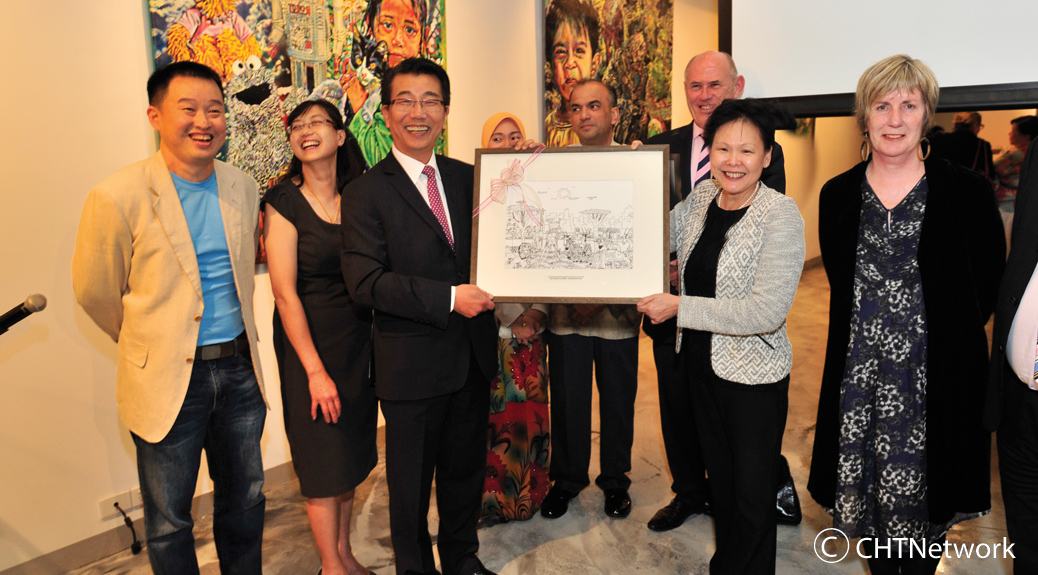
More than 250 art lovers and collectors attended the official opening of the second edition of “ARTS KL – Melbourne”. The event which was officiated by Malaysian-born Melbourne City Councillor Ken Ong and MATRADE Chief Executive Officer Datuk Dr Wong Lai Sum took place at the newly opened gallery, SpACE @ Collins, 278 Collins Street on 6th October.

In an effort to widen the base of exports, MATRADE is now also focusing on the promotion of soft exports, which includes design and arts as a means of boosting trade between the two countries.

During her opening speech, Wong said it was heartening to witness a thriving art scene in Malaysia and it was encouraging to see Malaysian art appreciated overseas. “The exposure of our art last year has resulted in widespread awareness, generating greater demand for works by contemporary artists from Malaysia,” she said. “Many of our artists have been invited to take part in international art exhibitions and art auctions.”

Joe Perri, President of the Australia Malaysia Business Council Victoria also noted that art and culture were equally important contributors to economic wellbeing. “It is definitely an export opportunity and a contributor to Malaysian GDP and overseas bilateral trade success.”

Featuring works by the late Ho Khay Beng and Khaw Sia, Fendy Zakri, Haffendi Anuar, Hasanul Isyraf Idris, Ismail Awi, Khairul Arshad, Lim Anuar, Raja Norzlipah Raja Ahmad, Rozana Mohamed, Yeoh Choo Kuan, Zaim Durulaman, photographer Layzhoz Yeap and 11-year-old Delwin Cheah the artworks were carefully selected based on market suitability. As part of MATRADE’s “business with a heart” initiative, the exhibition also carried the works of the handicap which received good response.

Asian contemporary artist Ch’ng Huck Theng who resumed his curatorial duties for the second year running pointed out the importance of the public being able to relate to the art by understanding its origins rather than merely admiring techniques and finished pieces.

Regenerative medicines offer new lifeline for many

By Shane Fonseca
M-Tech Chiropractic (RSA)

With the average life expectancy climbing ever higher due to advancements in medical technology, it has become increasingly important to move into a preventative health paradigm, especially with regards to the musculoskeletal system of the human body. 

Advancements in the field of cosmetic surgery have proverbially opened a Pandora’s Box for all those capable of enjoying the benefits. However, these external enhancements cannot replace the long term damage of tired spinal joints, osteoarthritic knees, untreated idiopathic scoliosis, and the “silent killer” – pinched nerves resulting from Spinal Disc Degeneration.

Slipped Disc and Inter-Vertebral Disc degeneration is one of the most common causes of back pain today, affecting more than 30 percent of adults over the age of 20 years. Unfortunately, its prevalence is further increased exponentially with advancing age. It is currently the single largest reason (65 percent of sick cases) besides the common cold resulting in absenteeism and loss of productivity at the work place.

This epidemic is dramatically affecting the quality of lives by ruthlessly condemning its sufferers to either severe pain or surgery. However surgery is still a poorly developed treatment protocol, with more than 40 percent of patients having an unsatisfactory outcome for primary disc surgery, with more than 75 percent of those patients suffering from recurrent back pain within a year of the surgery itself.

At present, the primary non-surgical treatment protocol for disc bulges and spinal nerve pathology is Spinal Decompression Therapy. With a success rate of over 83 percent, it is fast proving to be the treatment of choice for both patients and doctors alike. Spinal Decompression Therapy is a computerized, machine based protocol designed to unload the tired, bulging dehydrated lower back and neck discs by cycling through distraction and relaxation phases. This allows for the accurate repositioning of the discs, while creating a negative pressure within the disc material. This facilitates the resorption and hydration of any bulging disc material, restoring disc health and reducing the associated nerve compression causing relentless back, leg or arm pain.

Children, like adults, also have degenerative health concerns. Over 67 percent of our children are affected with Idiopathic Scoliosis a manageable but devastating condition. It is the most common spinal deformity confronting orthopedic surgeons today with Asia currently having the highest incidence of idiopathic scoliosis in the world. Described as ‘progressively relentless, deadly at its end result’, early detection and treatment is critical. A Dynamic Scoliosis Bracing System offers the first and only Dynamic Corrective Brace for the treatment of idiopathic scoliosis in the world. Together with physiotherapy it provides an 89 percent efficacy rate.

Other medical advancements in joint-muscle healthcare include Cold Laser for accelerated regenerative repair, Extra Corporeal Shockwave Therapy to break down scar tissue and remodel living bone, and Whole Body Vibration Therapy for advanced acceleration, balance and strength training.

If you think aches and pains are part of growing old and is something you just have to “ live with it”, THINK AGAIN! You deserve a life that is free of pain, a life that is full of vigour. At TAGS, our team is here to help you get well and most importantly, stay well.

What is Functional Medicine?

Dr Michelle Lim, MD (MA) Naturopath ND,
Dip. Holistic Kinesiology

Functional Medicine (FM) enables physicians and other health professional to practise proactive, predictive, personalised medicine, empower patients to take an active role in their own health and practitioners to achieve the highest expression of health by working in collaboration to address the underlying cause of disease. FM addresses the whole person not an isolated set of symptoms.

Practitioners spend time with their patients by using a technique called ‘Listen to your Body Talk’ – gathering information about patient, looking at the interaction genetic science system biology, understanding of environment and lifestyle factors (sleep, exercise, nutrition, stress levels, relationships) that can influence long term health and the emergence and progression of chronic disease.

FM support patients-centred rather than a disease centred approach to treatment. This is what we call the therapeutic partnership, the relationship that forms between patient and clinician that empowers the patient to take the ownership of their own healing.

Scientific support for the FM approach to treatment can be found in a large and rapidly expanding evidence base concerning the therapeutic effects of nutrition (both dietary and clinical choices), exercise, stress management, detoxification program, Holistic Kinesiology Alignment, Manipulation, Mind/Body techniques using Vibrational Frequency formulas and many more.

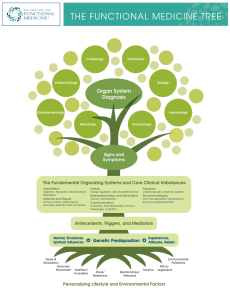
Screen Shot 2014-11-05 at 10.27.37 AM

How is Functional Medicine Different?
To keep a tree healthy and allow it to flourish, you need to support the most basic & essential elements first – THE FOUNDATION, THE ROOTS, THE SOIL. Similarly, if a tree is not healthy, the first place you should look at for answers at those same foundational elements.

FM is highly cost effective for patients as it focuses on prevention and health promoting lifestyle changes and sustainable treatments that address the underlying cause of dysfunction, restoring patients to health.

It is a holistic approach in that one clinician looks at all aspects of the patients instead of saying “Oh that sounds like a Hormonal problem, that’s not my department.” Practitioners examine each patient’s lifestyle physically and psychologically using the ‘Art of Listen to your Body Talk’ (Holistic Kinesiology) to identify the underlying causes of their disease and find the right treatment to support and help return patients to optimal health.

Screen Shot 2014-11-05 at 10.30.19 AM

For more information visit http://www.michelleherbstherapy.com

BLOOD IN URINE: A WARNING Sign That You SHOULD NOT IGNORE!

By Mr Lau Ban Eng
Urologist
MBBS (Aust.), FRCS (Edin.), FRCS Urology (Edin.),
D. Urol (Lond.), FCS (Hong Kong), FHKAM

“Peter, a 57 years old executive chef went to the toilet one night and noticed that his urine was red in colour. The urine cleared up the next morning but Peter was very worried. He visited his family doctor who sent his urine for tests and found the presence of red blood cells. His family doctor referred him a Urologist. After some investigations, Peter was found to have early stage kidney cancer. Peter underwent appropriate treatment and is now cured.”

Seeing blood in your urine is a frightening experience for most people. When this occurs, it must be fully investigated by a doctor. Although in many patients no specific cause can be found, blood in urine – medically referred to as haematuira – can be an indication of a serious problem of the urinary system (Diagram 1) and is a warning sign that you should never ignore.

It is estimated that up to 20% of the population is at risk of haematuria. There are two types of haematuria. The first is called “gross” or “macroscopic” haematuria where the blood in the urine is visible to the naked eye. Macroscopic haematuria can vary widely in colour, from light pink to bright red with clots. It can result from as little as 1ml of blood in 1litre of urine, and therefore the colour does not reflect the degree of blood loss.

If the blood can only be detected with laboratory testing of urine, it is called “microscopic haematuria”. People with microscopic haematuria are often unaware of the problem and it will most commonly be detected from urine tests during a routine medical check-up.

Although the amount of blood in the urine may vary, the causes of gross and microscopic haematuria are the same. So, any degree of blood in the urine should be fully evaluated by a doctor, even if it resolves spontaneously.

Is there definitely blood in the urine?
Before you read on, it is worth considering whether you have recently eaten beetroot, red dragon fruits or food with colourings as these can make the urine to turn pink and cause unnecessary alarm. Certain medications and antibiotics such as nitrofurantoin and rifampicin can also turn urine brown or red. Check that the blood in the urine is not from the rectum/anus and in females, blood from the vagina should be ruled out.

What are the causes of blood in urine?
The cause of haematuria, whether microscopic or macroscopic are similar and may result from bleeding anywhere along the urinary tract (Diagram 1). 50% of patients with visible blood in the urine will have an underlying cause identified but with non-visible blood in the urine, only 10% will have a cause identified.

Risk factors for significant underlying diseases include: age over 40, smoking, exposure to certain chemicals, history of radiation, overuse of painkillers, history of diabetes and hypertension.

white-fig14_0072

Common causes of blood in the urine include:

  1. Infection of the bladder (cystitis) or kidneys (pyelonephritis). This usually causes pain when you pass urine and pain over lower part of abdomen and loin area. Fever can occur in severe infection.
  2. Kidney, ureteric or bladder stones which may be painless and may present as only haematuria.
  3. An enlarged prostate. This commonly occurs in older male and associated with symptoms of difficulty passing urine, slow urinary stream and frequency of urine.
  4. Kidney cancer. This is an uncommon cancer and may present as microscopic or gross haematuria. The gross haematuria may be intermittent. If it is detected early, the chance of cure is very high.
  5. Bladder cancer. Again this usually occurs in people aged over 50. Usually the patient is a heavy smoker. As in kidney cancer, if found early and treated, the cure rate is very high.
  6. Kidney disease can also cause haematuria. It is a common cause of microscopic haematuria in younger people. Most of the time, protein will also be detected in the urine.
  7. Medications that thin the blood like warfarn and clopidogrel (Plavix) can also cause bleeding in the urinary tract.

How is blood in urine diagnosed?
After taking a detailed history and carrying out physical examination, the Urologist will order a urine test which consists of testing the urine with a chemical test strip and examining it under a microscope. This is to confirm the presence of red blood cells. If three or more red blood cells are seen per high power field in the urine specimens on microscope, referral to a specialist, either an Urologist or Nephrologist for further evaluation is recommended.

Usually the specialist will repeat the urine test and also obtain a culture of the urine to identify the presence of bacteria. Blood tests will be carried out to assess kidney function and identify any blood clotting abnormalities. Further investigations will be ordered depend on the findings of the urine and blood tests. If necessary, two additional tests, imaging and cystoscopy will be performed.

Nowadays, CT scan is preferred to intravenous urogram (IVU) as it gives a better, more detailed image of the kidneys and ureters. It is also the best method to detect urinary stones. However, CT scan cannot visualise the lining of the bladder clearly and therefore, a second examination called a cystoscopy is necessary.

Diagram 2 showing a flexible cystoscope2

This procedure uses a small (3mm in diameter), flexible scope (Diagram 2) which is inserted through the urinary passage (urethra) into the bladder to directly visualise any abnormality or source of bleeding in the bladder. It also allows the doctor to take a sample for examination under the microscope. This procedure takes about 10 minutes and is usually carried out with intravenous sedation and local anaesthetic gel.

Treatment
Treatment depends on the exact cause for the haematuria following a specialist’s evaluation and investigations. In patients where investigations fail to find the source of the bleeding, observation with repeat urine tests is necessary. Investigations like CT scan and cystoscopy may be repeated if haematuria recurs.

Conclusion
Any degree of blood whether macroscopic or microscopic in the urine, especially for those aged 40 or above should be fully investigated by a Specialist as it might be a sign of serious disease of the urinary system.

Screening For Bowel Cancer Today

by Mr Buvanesvaran Tachina Moorthi
MBBS (Mal), MS (UKM), MRCS (Ire)
Fellowship in Colorectal Surgery (Hull, Eng)

Better understanding of anatomy and bowel physiology coupled with technological advancement has propelled new concepts, techniques and ever evolving trends in the management of colorectal disorders in the present era.

Historically, the Ebers Medical Papyrus 1700BC described 33 prescriptions for anorectal disease. Hippocrates (460-377 BC) had documented dissertations on Fistulae and Haemorrhoidal diseases. Such is the influence of history in the development of Colorectal Surgery into a subspeciality as it stands today.

Screening for bowel cancers are routine practice in many Western countries. The United Kingdom has a well-established bowel cancer screening program where anyone turning 60 years old are offered a ‘Fecal Occult Blood’ test kit which tests to identify microscopic bleeding in the stools of asymptomatic persons.

Those with positive results are invited to undergo a screening colonoscopy to exclude presence of polyps or cancers and are followed up with regular colonoscopy (as per protocol) depending on the findings of the first screening colonoscopy. However, these are meant for asymptomatic persons with no obvious family history of bowel cancer. Individuals with strong family history of bowel cancer or symptoms of it should be investigated much earlier.

Though Colorectal Disorders encompass a wide range of conditions ranging from benign perianal diseases to functional disorders, none gets more importance that Colorectal Cancers as it rightly deserves. The morbidity and mortality associated with bowel cancers has pushed researchers to innovate new investigative tools, surgical techniques and treatment options that promises better outcomes for patients.

Successfully treating a clinical condition vastly depends on the understanding of the pathophysiology of the disease. However, the multifactorial origin of cancers on the whole is the stumbling block towards its treatment.

The “Adenoma-Carcinoma Sequence” best describes the formation of bowel cancers through a series of gene mutations whereby the normal bowel mucosa undergoes changes leading to the formation of small polyps that grow and eventually risk becoming cancerous lesions. Hence, early detection of these precancerous polyps through screening techniques offers hope in preventing overt cancers and its grave sequelae.

This brings us to the most important question on what exactly are the symptoms of bowel cancer? Unfortunately, bowel cancers may have vague symptoms and unless one is aware it may be missed. Blood in the stool or during defecation are the most obvious signs. Early bleeding from small tumours or polyps may go unnoticed to the naked eye and as such requires stool testing. In addition passage of mucus with the stools are often noticed.

Another important feature is the change of bowel pattern. Every individual develops their own routine normal bowel pattern. Common pattern among Asians is moving the bowel once or twice a day or even once in two days.

However, what matters most is a deviation from the normal pattern of bowel movement in a person. Thus, if one notices change in their habits of visiting the toilet, either in frequency of visits or in the nature of their stool then it should be investigated. The risks of cancer in persons with such changes are multiplied in the background history of bowel cancers among family members.

Screening colonoscopy is conducted using a fiber-optic video-endoscope inserted through the anus to directly visualize the entire colon and rectum. The procedure performed under sedation on a cleansed bowel can be done as a daycare procedure.

In addition to direct visualization, the video-endoscope allows biopsy and removal of polyps (Polypectomy). Advanced endoscopic techniques through the use of ‘narrow band imaging’ also allows earlier detection and removal of suspicious lesions through the ‘Endoscopic Mucosal Resection’ (EMR) techniques.

Bowel Cancer Screening in Malaysia is still in its infancy and lack of awareness is yet a stumbling block. Successful detection of early cancers and pre-cancerous polyps would enable early multi-modality treatment that promises good outcome for patients.

Hence visiting a Colorectal Surgeon, who would risk stratify and advise the most appropriate investigation for each individual is the first step to a successful bowel cancer screening programme.