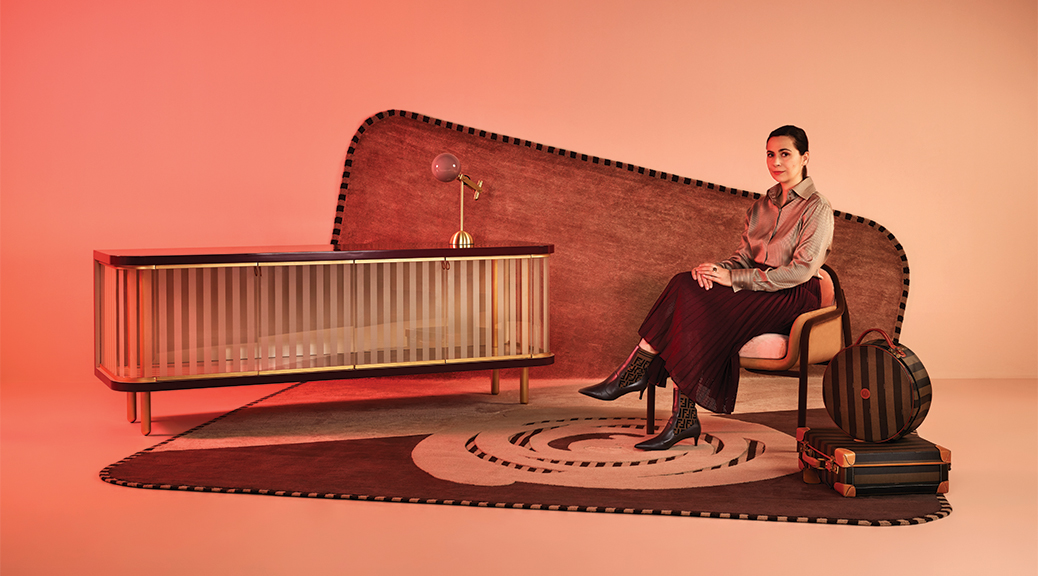
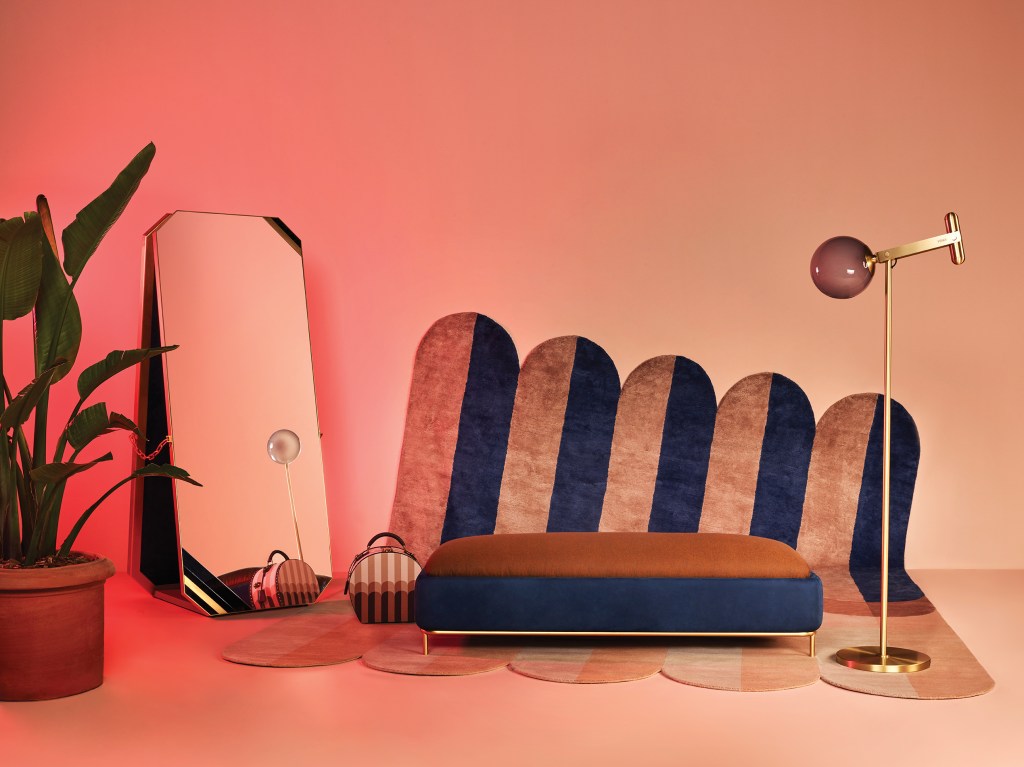
In collaboration with world famous architect and interior designer, Cristina Celestino, FENDI is proud to present their latest project “Back Home”. This unique collection is a celebration towards FENDI’s iconic Pequin striped motif, logo-non-logo, which immediately evokes the brand’s heritage of elegance and sophistication with authentic discretion.
The “Back Home” collection was showcased to the public at the new FENDI Casa Exhibition Space during the Salone Internazionale del Mobile 2019, also known as the Milan Furniture Fair, which too place on the 9th-14th April. A special installation will showcased FENDI’s latest pieces designed by Cristina Celestino for the Roman luxury house, produced by Luxury Living Group.
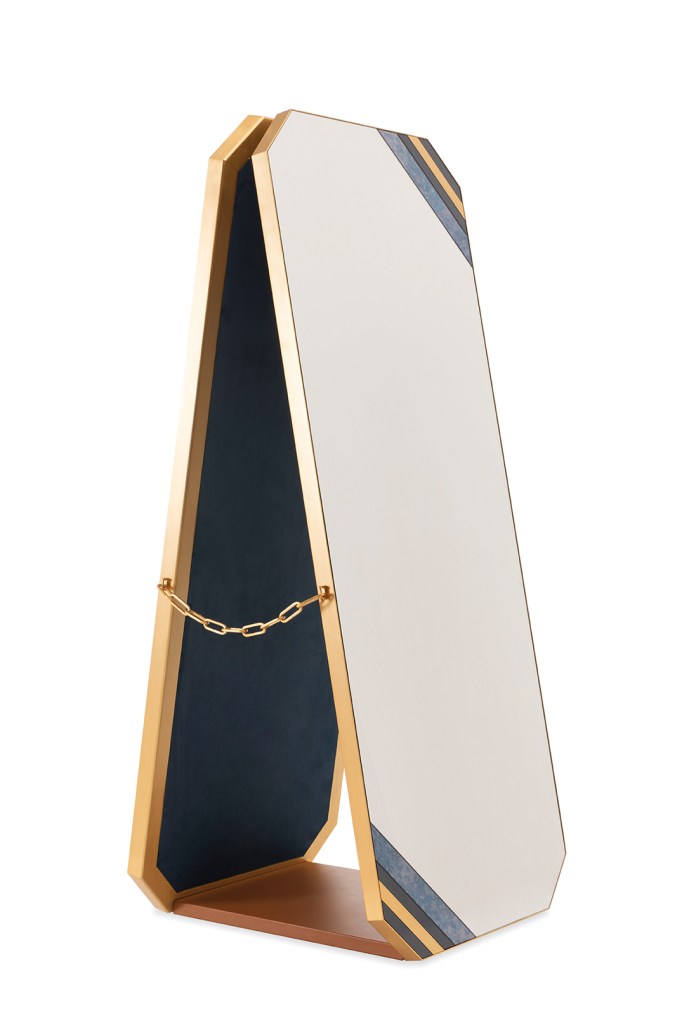
FENDI & FENDI Casa Back Home MatinÇe floor mirrors design by Cristina Celestino
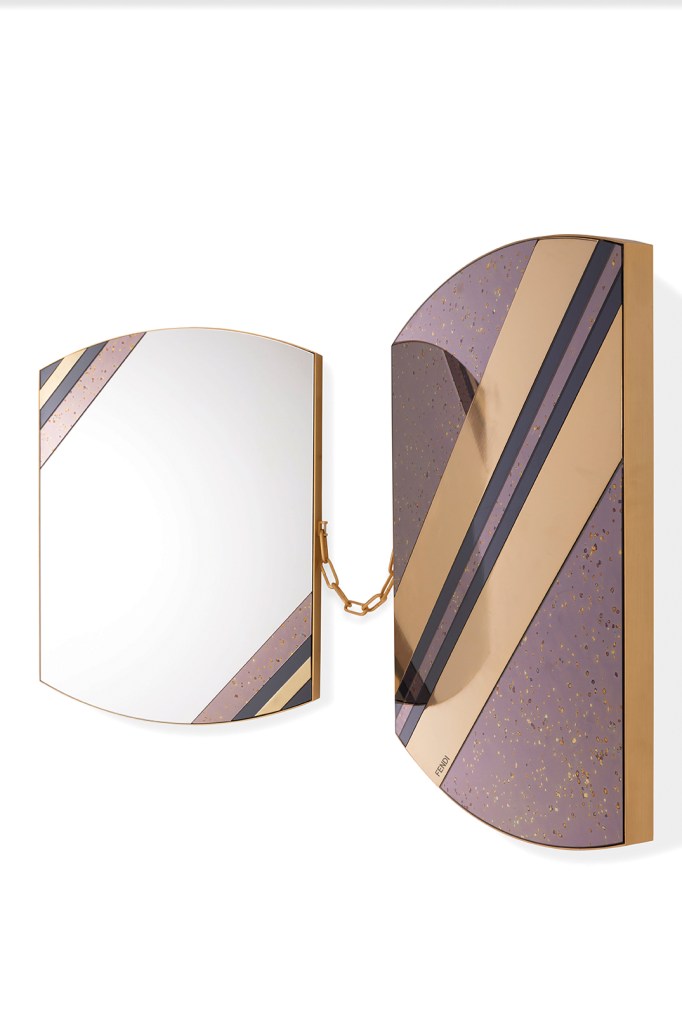
FENDI & FENDI Casa Back Home MatinÇe wall mirrors design Cristina Celestino
Cristina Celestino has successfully reworked the Pequin with her strong style and delicate touch, creating a refined and creative range of statement pieces. Rooted in FENDI’s legendary sophisticated aesthetic, the “Back Home” collection shows an intriguing combination of materials, spanning from timeless and elegant marbles and onyxes, to fascinating metallic surfaces showing surprising tactile and colour effects.
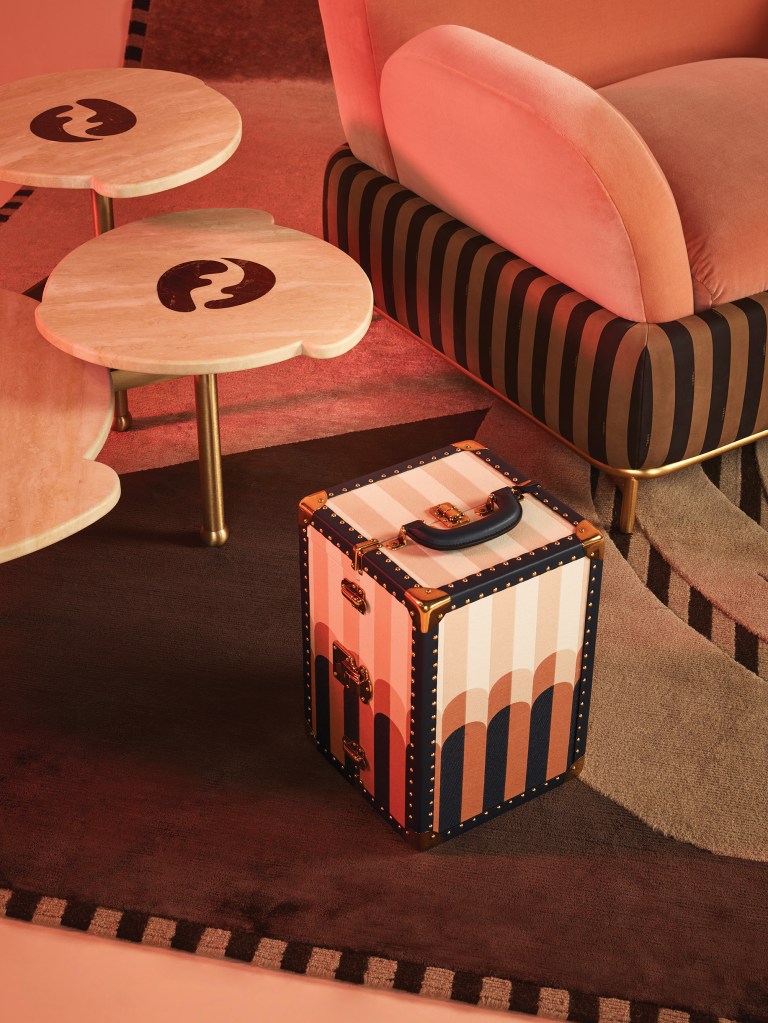
Silvia Venturini Fendi, Men’s and Accessories Creative Director, has also designed an exclusive luggage set worked in the Pequin motif to complement the interior design collection. It is available both in the classic tobacco and black colour match, as well as in a new blue, beige and powder pink combination.
Britain has developed a taste for luxury over the centuries and perfected the art of showcasing its elegant side to her visitors. Enjoy fashionable restaurants, shopping and culture, and hire historical castles and islands to stay and play at. Get a taste for the life lived by royalties. For your shopping spree, seek out the royal crest above shop doors to unlock the highest quality products favoured by none other than the Queen of England.
The Attraction
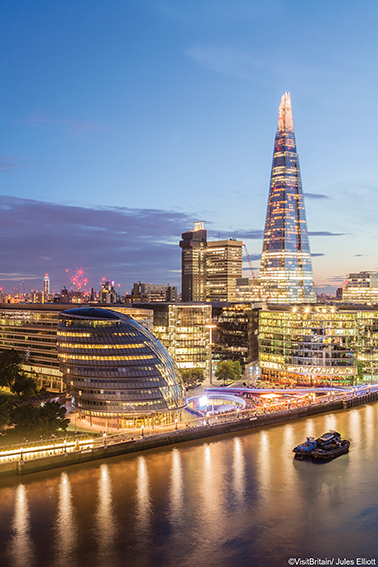
The Shard
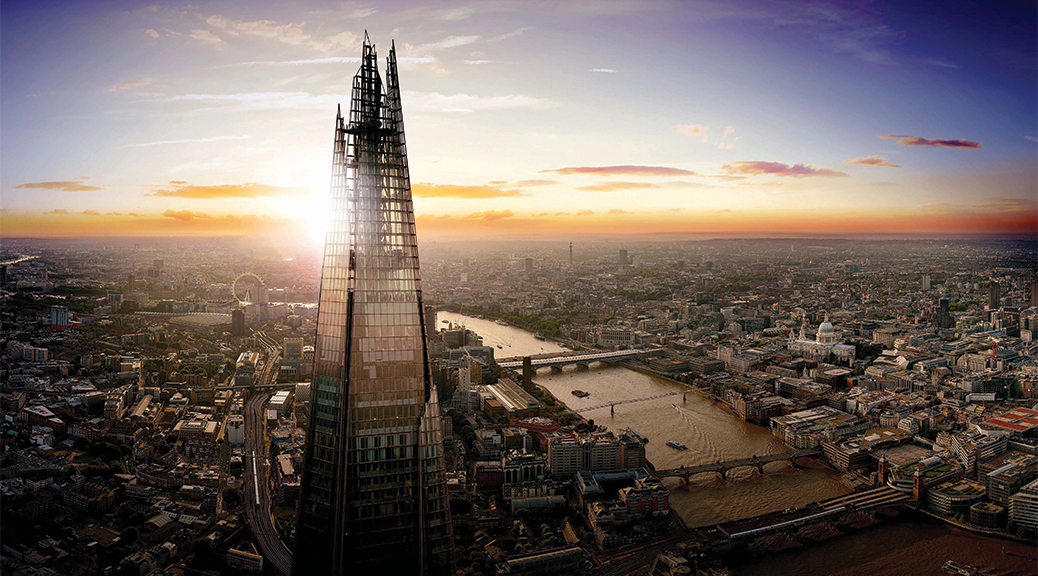
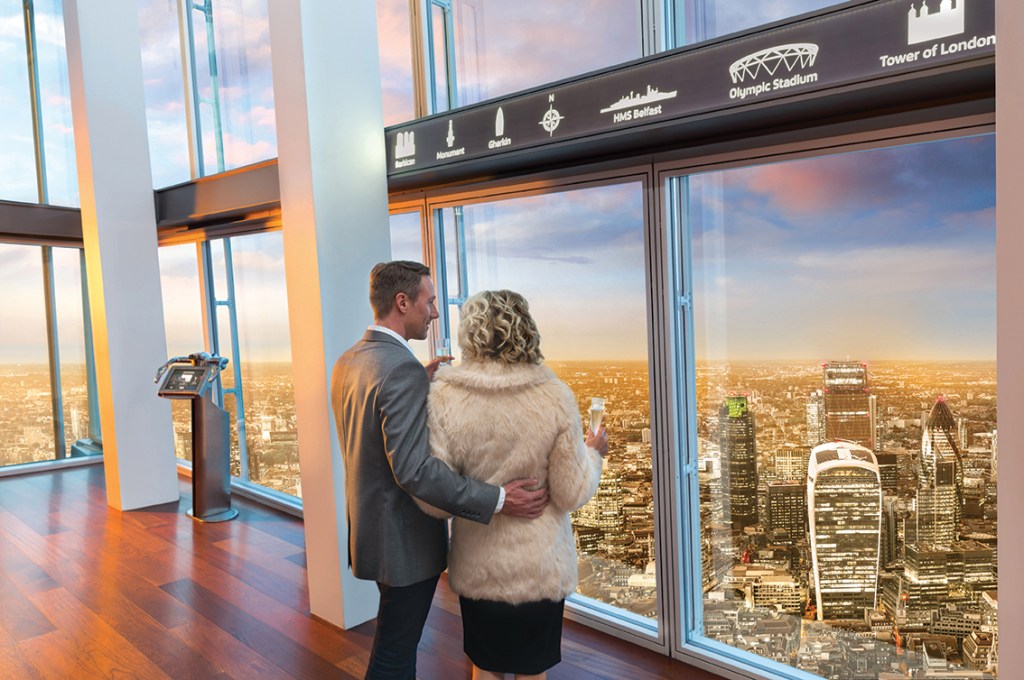
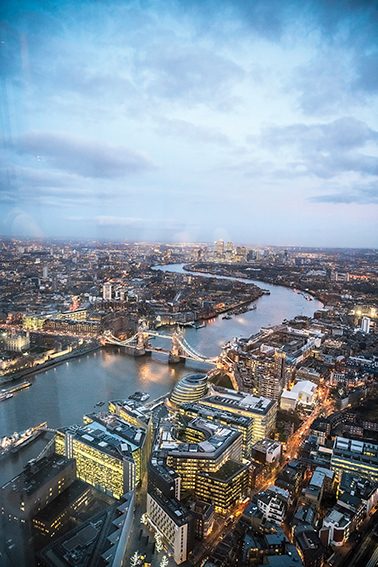
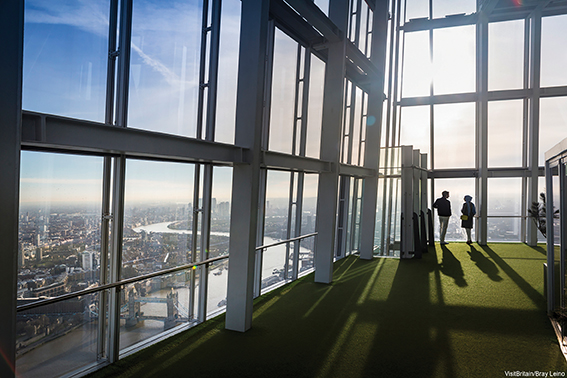
The best view of London can be seen from The Shard’s 72nd floor — The View from The Shard with unparalleled 360-degree view for up to 40 miles. The 95-storey skyscraper in Southwark is London’s new emblem. Besides its extraordinary and exquisite architectural design, The Shard houses many occupiers including the famous Shangri-la Hotel as well as retailers, restaurants, offices, education institution, medical and more.
Opened in July 2012, The Shard’s designer Renzo Piano was inspired by the spires of London churches and the tall ships depicted by Venetian painter Canaletto. Visit The Shard website for more architectural designs that include the eight sloping glass facades’, the ‘shards’, the architectural shape and visual quality of the tower, the unique glass designed to reflect the lights in unpredictable ways and more.
The Shard is utterly impressive and certainly a vision of inspirations. Catch London’s iconic sights of the London Bridge, Tower Bridge, River Thames, The London Eye, The Cheesegrater, The Gherkin and many more from this amazing skyscraper.
The Shard Address: 32 London Bridge St, London SE1 9SG, United Kingdom Contact: +44 844 499 7111 Website: http://www.the-shard.com Business Hours: 10am – 10pm
Blenheim Palace
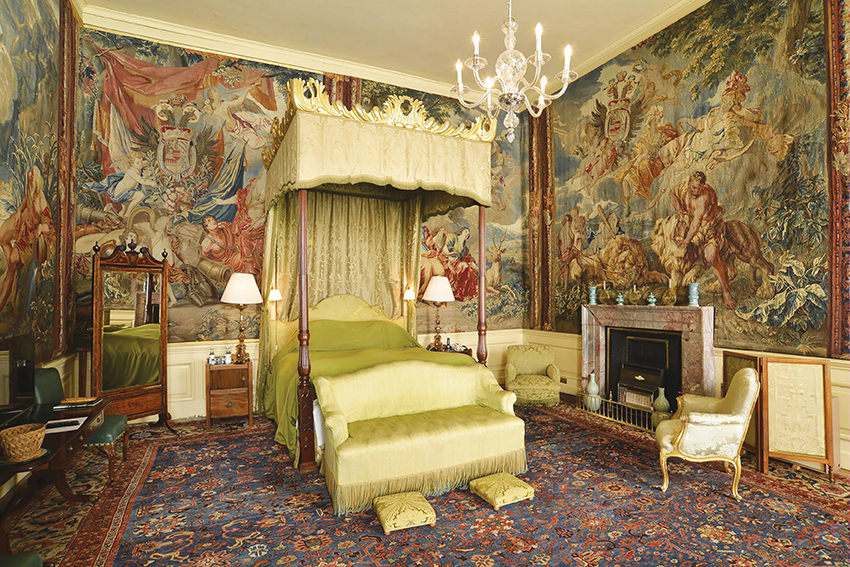
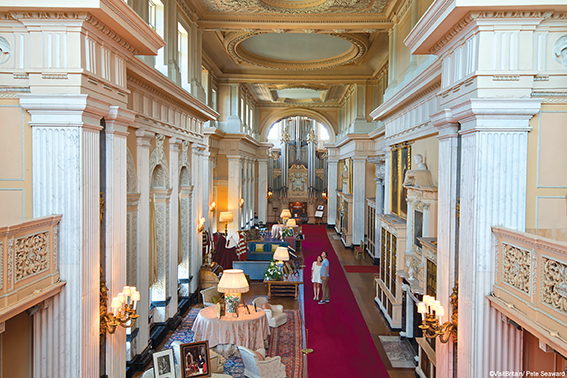
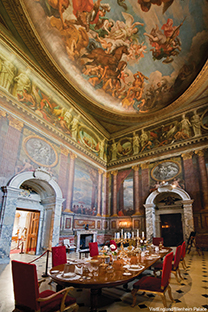
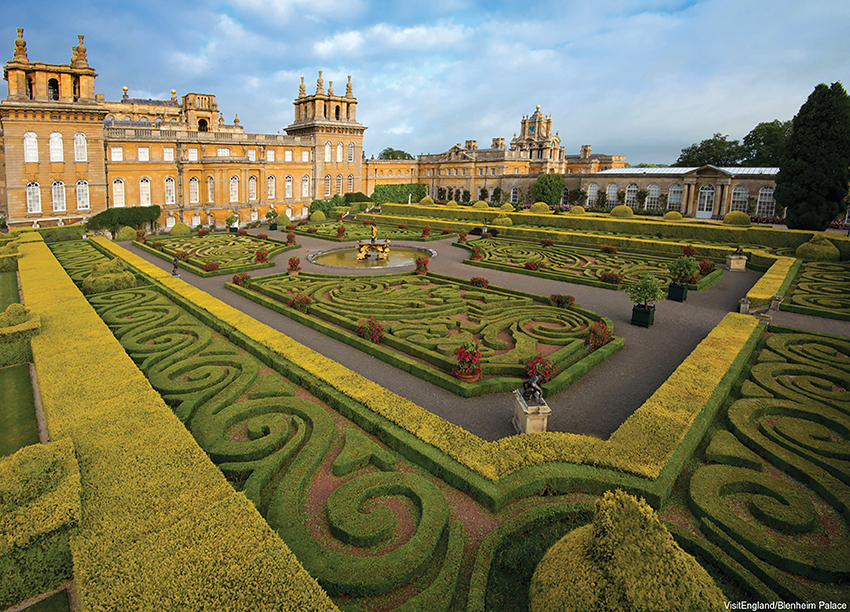
A World Heritage Site as designated by United Nations, Blenheim Palace was the gift by Queen Anne and a grateful nation to the first Duke of Marlborough, John Churchill and his wife, Sarah Churchill, for his great victory at the Battle of Blenheim in 1704. It is also the only non-royal non-episcopal country house in England to hold the title of a ‘palace’.
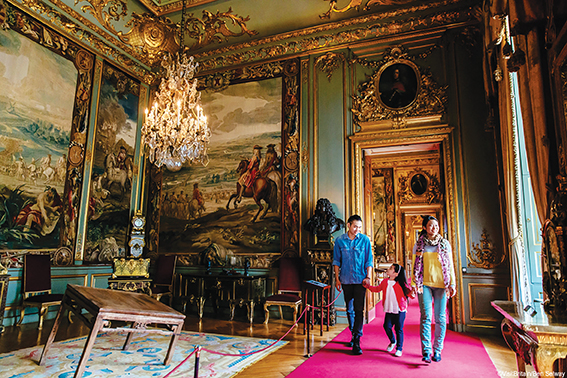
Worthy of a visit for its famed history and architecture, Blenheim Palace’s architecture was built in the English Baroque style by architect John Vanbrugh. Enrol for their Lights, Camera and Action tour and be enthralled by the amazing mass ornamentation through the rooms of The Great Hall, The Green and Red Drawing Rooms, The Saloon, The State Rooms, The Long Library and more. Baroque grandeur and bold colours trapezed throughout the palace, leaving one in awe of its majestic appearance.
Perhaps a reminiscent of a James Bond film Spectre may further entice one to visit Blenheim Palace if its history did not lure one’s attention. Filmed at its courtyard, the car chase scene in Spectre did ultimately boost Blenheim Palace to higher fame. There were certainly many more famous movies that were also filmed at this palace.
Expect to spend at least half a day here unless you’re a history junkie who pauses at every glorious space of the palace, then one may well take up a full day at Blenheim Palace.
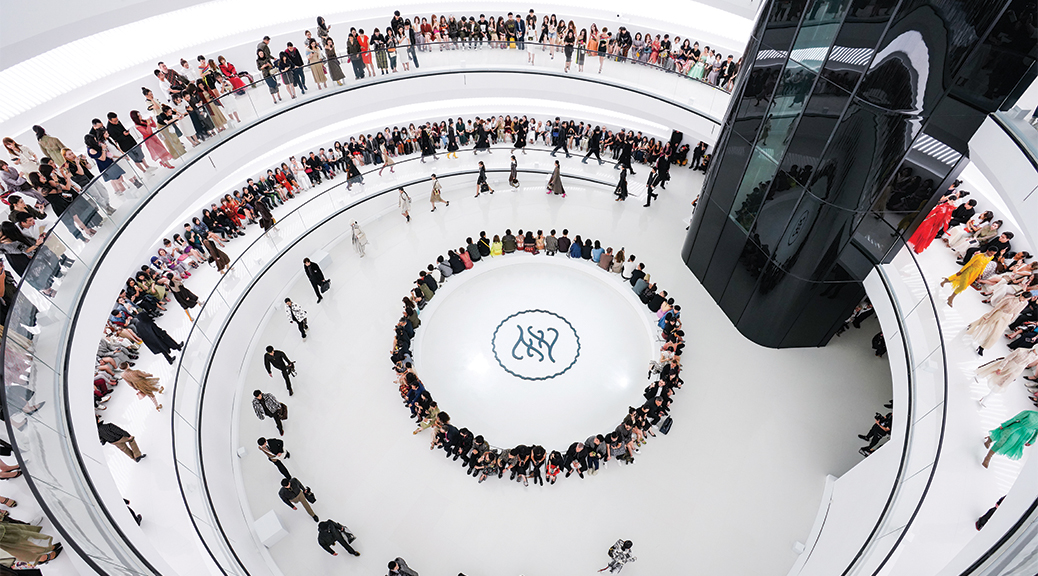
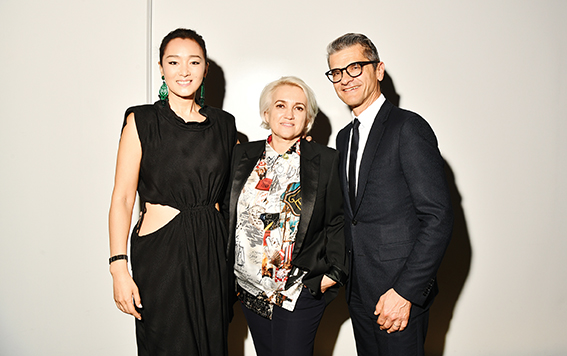
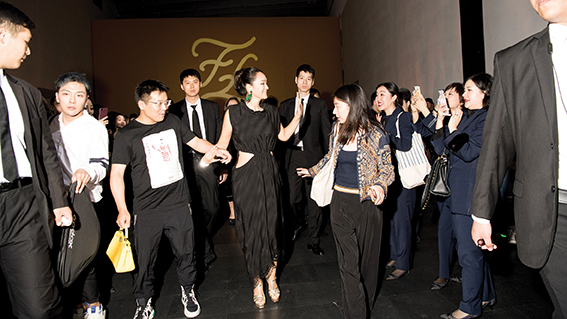
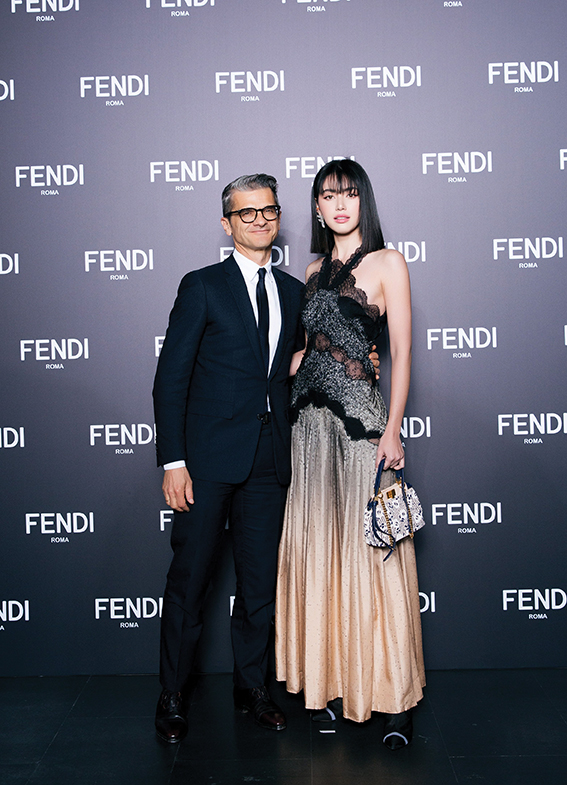
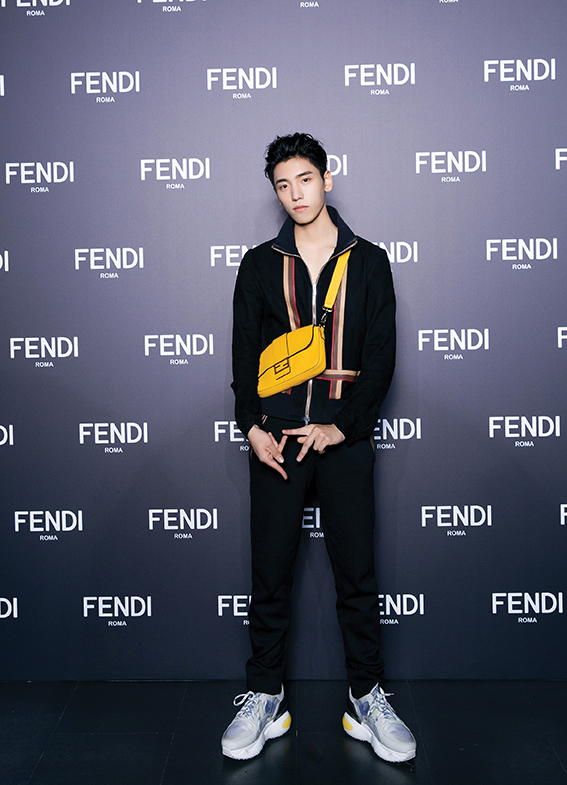
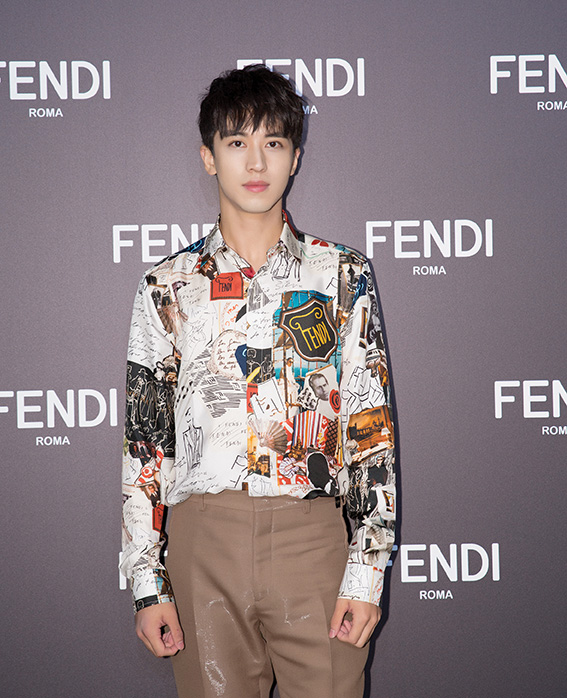
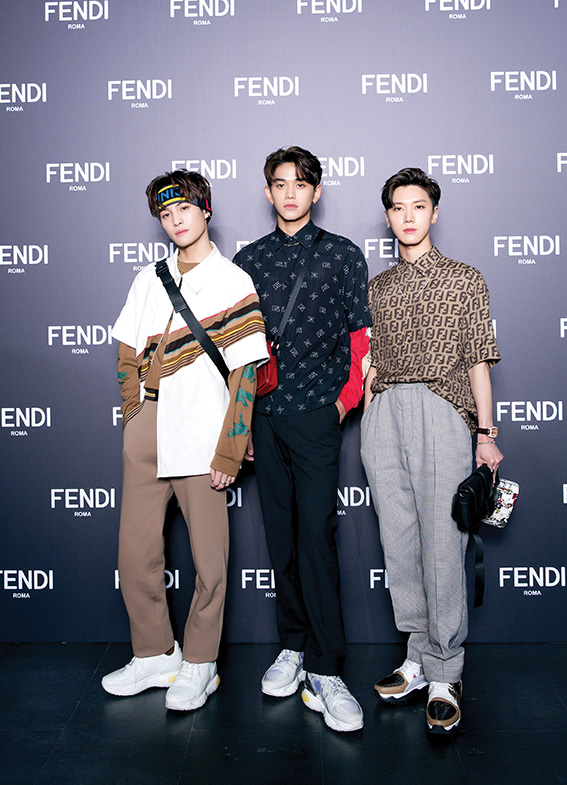
Fendi has celebrated the presentation of its Women’s and Men’s Fall/Winter 2019-2020 Collections in Shanghai with an exclusive and memorable event, titled Roma in Shanghai. The first ever joint Fashion Show of the Maison was staged at the Powerlong Museum, the 23,000 square meter modern art museum committed to the promotion of domestic and international contemporary art.
By presenting the two iconic Collections, FENDI celebrated Karl Lagerfeld’s heritage, his unparalleled creativity and 54 years collaboration with the Roman Maison – the longest in fashion history.
The Men’s Fall/Winter 2019-2020 Collection, presented on January 14th, has seen the exclusive collaboration of Karl Lagerfeld as guest artist, chosen by Silvia Venturini Fendi to explicit their lifetime creative relationship. On February 21st, the Women’s Fall/Winter 2019-2020 Collection is the final Collection designed by Karl Lagerfeld for the Maison, representing a lifetime of dedication and creation from 1965 until today.
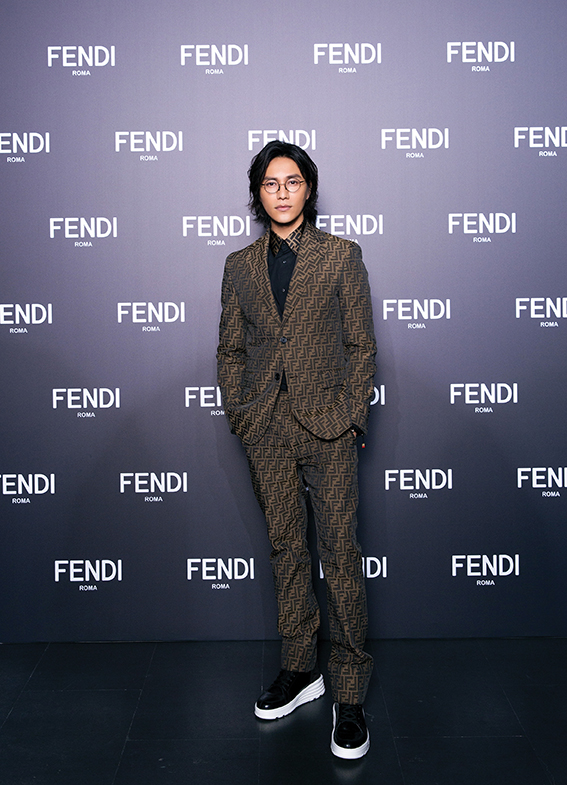
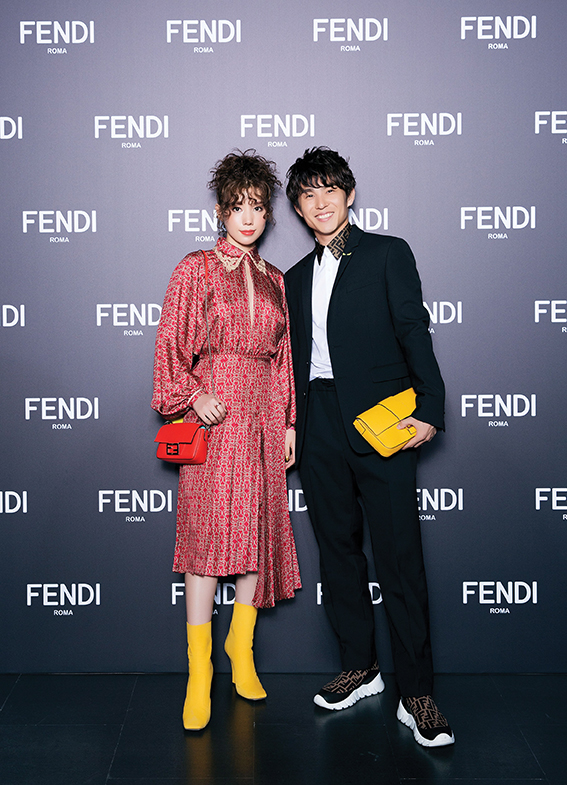
The Collections include ten additional never-seen-before looks – five for Men and five for Women – created exclusively for the Shanghai Fashion Show, which featured a line-up of international models and celebrities, including which Chinese actor and singer Timmy Xu and model You Tianyi.
Mr Low Kah Pin is an enthusiast in Obstetrics and Gynaecology with a soft spot for laparoscopy and fertility. An avid multi-sports lover with penchant for creative literature snippets, humor, art and the occasional minute dose of politics.
Key hole surgery is the laymen term for laparoscopy or minimally-invasive surgery where the surgeon makes a small incision of 5mm, usually at the patient’s belly button and puts a camera, called laparoscope, into the abdominal cavity to visualize the cavity via the television screen. The non-toxic and odourless carbon dioxide gas is used to create an air pocket within abdomen for the surgeon to operate. Additional small incisions are made, to insert surgical instruments into the cavity to perform the operation.
Misconception
In my clinical practice, there are a few misconceptions by the general public. Laparoscopy is incorrectly regarded as “laser” surgery although no laser equipment is being used. Laparoscopic removal of ovarian cyst are being known as “sucking” out the cyst or the tumor, not knowing that the actual procedure requires surgical dissection of the lesion, extraction out from the cavity through the key holes and prevention of bleeding from the surgical site. It is not just sucking out the lesion like using a vacuum cleaner. Lastly, the public has the idea of laparoscopy being “incomplete” or “not clean enough” surgery as the incision is small, but in actual fact, the laparoscope camera allows the surgeon to view the entire abdomen cavity, which is impossible in open surgery. Washout and suturing can be done efficiently via laparoscopic instruments.
Advantages
The glaring advantage of laparoscopy, as compared with traditional large incision surgery is less postsurgery pain. Hence, patients have less discomfort, use less painkillers, better cosmesis and able to resume activities much earlier. Indirectly, patients will less likely to develop blood clots in vessels or pneumonia as patients are ambulated earlier. Some laparoscopy surgery can be done as daycare surgery, meaning no overnight hospitalization is required. Patients are being admitted to ward in the morning, to be operated in the afternoon and walk back home in the evening.
The other benefits of laparoscopy include rare occurrence of hernia from incision and less likely to have wound infections. Therefore, patients can lift or carry objects earlier. The incisions are closed with dissolvable sutures or held together with small dressings without going through the discomfort of removal of stitches or staples.
Limitations
Laparoscopy requires patients to undergo general anaesthesia requiring patients to be put to sleep on the breathing machine during the operation. This may cause sore throat and nausea. Air pockets within abdomen cavity may lead to the feeling of belatedness and occasional neck and shoulder pain, especially when the air pockets are trapped under the diaphragm (muscle between chest and abdomen cavity).
Thus, laparoscopy surgeries are off limits to patients with severe heart or lung disease as surgeries should be safely performed in open surgery with regional anaesthesia. Laparoscopy should be done in caution for patients with multiple prior operations as built-up of previous scar tissues increases the difficulty of laparoscopy surgery as well as the risk of complications.
Evolution and the future
The first laparoscopic procedure was performed in dogs by Georg Kelling of Dresden, Germany in 1901 and in humans by Hans Christian Jacobaeus of Sweden in 1910. More than a century later, by today, laparoscopy had evolved greatly. Key hole surgery can even be performed during pregnancy ie removal of ovarian cyst. Personally, I had removed large cyst of more than 10 centimeters ie mucinous cyst, endometriotic cyst, dermoid cyst with pregnancy unaffected and progressed normally postoperatively till delivery. Laparoscopic surgeries are usually done with at least 3 small incisions, but currently many surgeons are trained in single port laparoscopy where only one incision is required or key hole surgery through natural orifices such as removal of ovarian cyst through incision in vagina, hence the incision are hidden and appear scarless!
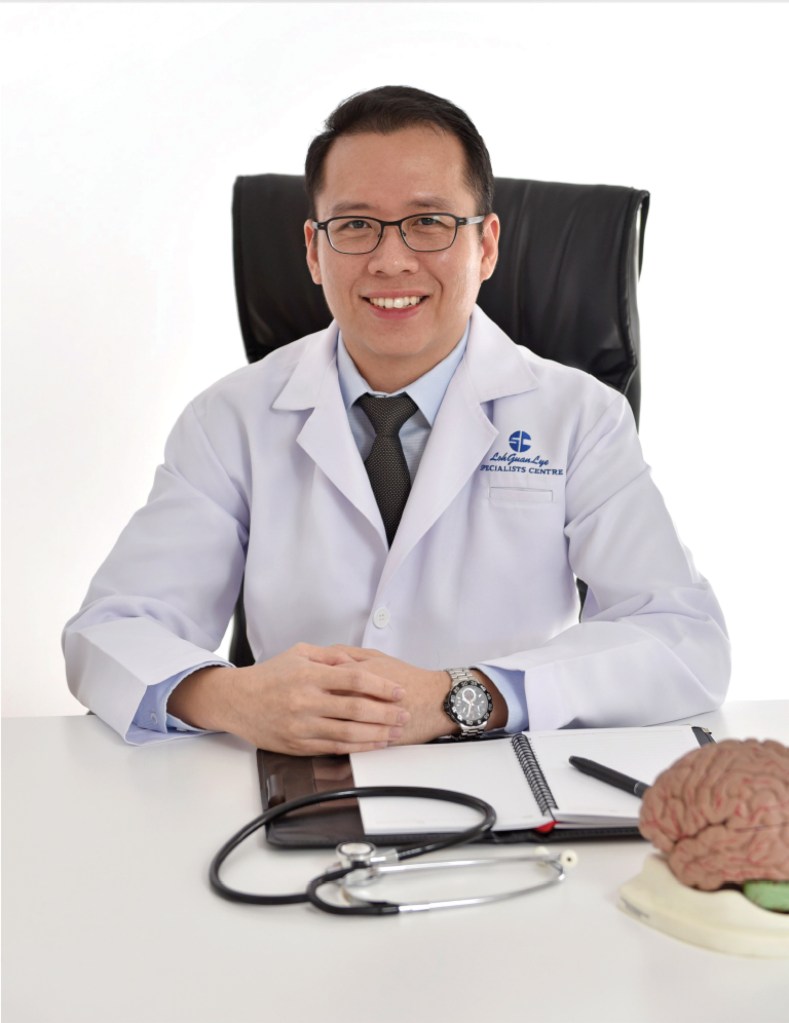
Neurologist & Physician (Subspecialty in Parkinson’s Disease & Movement Disorders) MD (UKM), MRCP (UK), Fellowship in Neurology (Mal.), Fellowship in Parkinson’s Disease & Movement Disorder (Northwestern University, USA), CMIA (NIOSH)
He is a Neurologist and Physician at Loh Guan Lye Specialists Centre. He has vast experience in diagnosing and managing various neurological conditions. He has special interest in treating Parkinson’s disease and movement disorders including tremors, involuntary movements and gait disorders. He is committed in creating awareness and education and holds the position as the Medical Advisor for the Penang Parkinson’s Disease Association, Honorary Lecturer for Penang International Dental College and Penang Medical College.
What is Parkinson’s Disease (PD)?
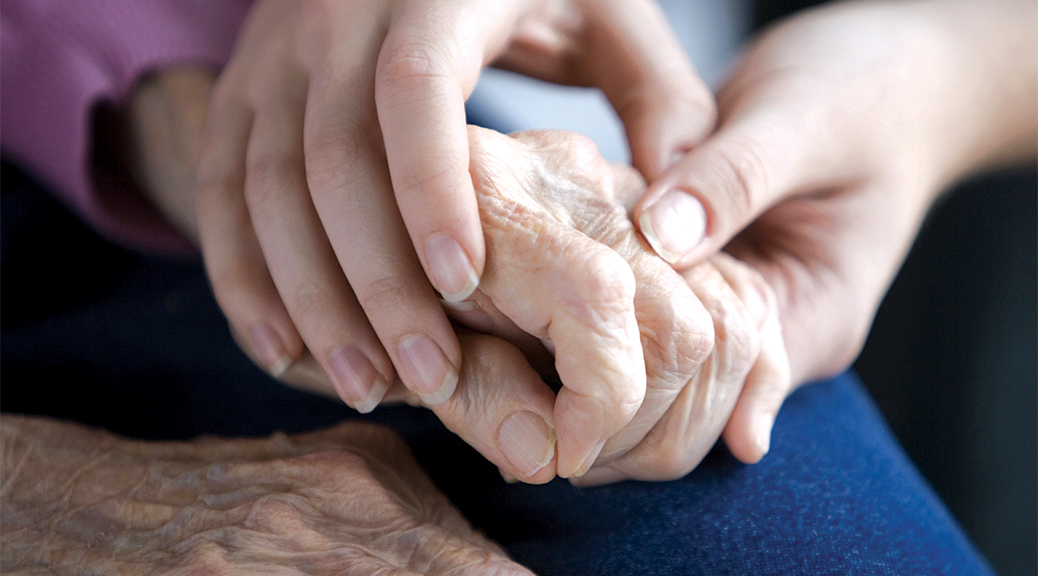
PD is a slow progressive nerve cell degeneration disease causing reduced production of dopamine, a brain chemical that is responsible for brain cell signal transmission. Lack of dopamine will cause PD symptoms like tremor, stiffness, slow movement and other associated complications like constipation, mood disorders (depression, anxiety), sleep disorders (insomnia) and memory decline (dementia).
There is an estimate of 10 million people worldwide having PD. It is the second most common neurodegenerative disorder after Alzheimer’s disease and it affects 1% of people above the age of 60. It may also affect younger individuals as approximately 4% of people with PD are diagnosed before age 50.
How to recognize PD? How does it affect people with PD?
The diagnosis of PD is a challenge as currently there is no lab investigation or imaging to confirm it. PD is a clinical diagnosis requiring specific neurological assessment skills to accurately identify the cardinal symptoms i.e. tremors, slow movement (bradykinesia) and stiffness (rigidity).
In the early stages, PD may be difficult to diagnose as symptoms are subtle like mild hand tremors, lack of facial expression and stooped posture. As the disease progresses, other symptoms may set in i.e. stiffness in the arms, difficulty getting up from bed and slow small steps when walking. Simple routine activities of daily living like eating, dressing and driving may become challenging as response and movements become slower, affecting dexterity as the disease progresses. At late stages, balance might be affected posing dangers to falls and injuries.
At times, people with PD may become socially withdrawn due to their motor limitations and PD features. They are often misunderstood as being inattentive or show lack of interest due to their limited facial expressions, slow responses and monotonous voice. Hand tremors and their slow, shuffling gait may cause psychological stress and embarrassment to both patients and their family especially when attending public functions. Some people with PD may concurrently have depression and anxiety that further inhibit their social circle.
What are the treatment options?
The treatment of PD needs to be individualized as no two patients are the same. Currently, there is no cure for PD but modern medicine aims at controlling symptoms to improve their quality of life. Besides oral PD medications, there are surgical options and advanced therapeutics with modern devices like deep brain stimulation for symptomatic control. With the help of advanced therapeutics, there can be better regulation of PD symptoms and less dependence on medications.
PD patients will require physiotherapy, occupational therapy and speech therapy as well. Some of the aspects that needs special attention include balancing, gait training, posture correction, fine motor skills for activities of daily living and speech training. These also include exercises to improve muscle strength, agility and stability.
Interestingly, new evidences show that some leisure activities can actually help to improve PD symptoms. Activities like dancing, cycling, tai chi and non-contact boxing are encouraged as they show promising results providing extra-benefits like relaxation, reduce falls, improve balance and coordination.
Any special diet required for PD?
There is no food restrictions or special diet for PD. Generally a healthy, balanced diet rich in vitamins, fiber and fluid help them stay energized and relieve constipation that is a common problem in people with PD. Adequate hydration is important to prevent dehydration as PD patients frequently experience low blood pressure which may cause dizziness or falls.
Both PD patients and their family members face daily challenges living with Parkinson’s. However, it is important to understand that PD is not a fatal disease as with adequate and appropriate treatment, they can have a normal and fruitful active lifestyle.
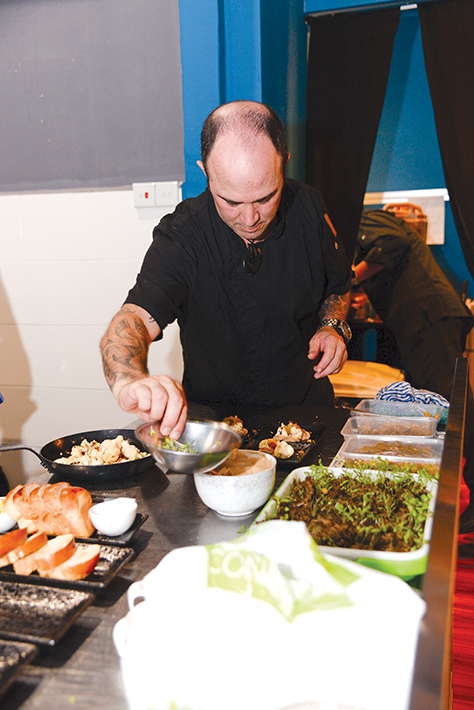
Le Venue’s Penang Guest Chef “Series 2.0” dining experience saw a three days exclusive dining experience with award winning Chef Jose Martin Ruiz Borja. The specially curated 6-course dinner brought guests on an exciting Spanish gastronomical journey paired with a fine selection of quality wine.
Celebrating its impeccable relationship with chefs globally, Malaysia’s oldest heritage name in traditional Chinese pastries and sesame oil Ghee Hiang recently unveiled its latest initiative themed ‘Chef Around The World with Ghee Hiang’. The debut program welcomed top New Zealand guest chef Craig Martin who presented his signature creations for a one night special appearance in Teels Heritage Cafe. ‘Chef Around The World with Ghee Hiang’ encourages guests to immerse themselves in an authentic and extensive New Zealand production. Two lucky guests walked away each with a Ghee Hiang premium gift set and a plaque autographed by Craig.
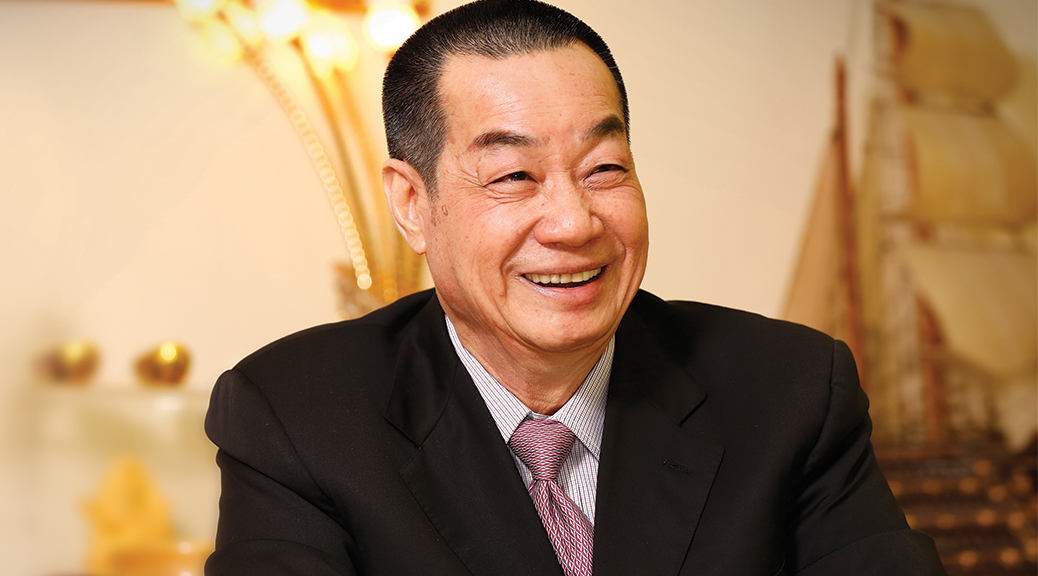
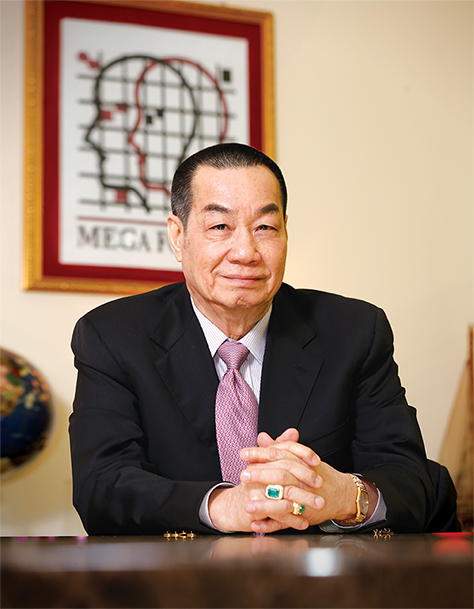
Dato’ Dr Nick Ng Founder of Mega Fortris Malaysia Sdn Bhd
The reason for our success is because we had went through a lot to get there and most important of all, we keep to our integrity and principles
Ng has always had an adventurous streak and he attributed most of his success to the adventures he had as a young man. He literally left home to see the world at the age of 18 years. With little money on hand, he took a ship to India and from there, made his way to Europe. It was a trip that formed who he is today. It taught him perseverance and a die-hard attitude. What he remembered most about that epic journey that spanned several years was how he had to suffer and starve in the beginning due to shortage of money. “I was adventurous and I was determined to make it, I don’t give up easily so no matter how much I suffered, I refused to go home, I wanted to stay on,” he said.
If one were to tell Dato’ Dr Nick Ng that he would reap huge success in selling security seals back when he was young, he would have laughed it off. Never in his imagination had he thought that his eventual success in life was from selling security seals that initially only earned him a few sen of profit per seal.
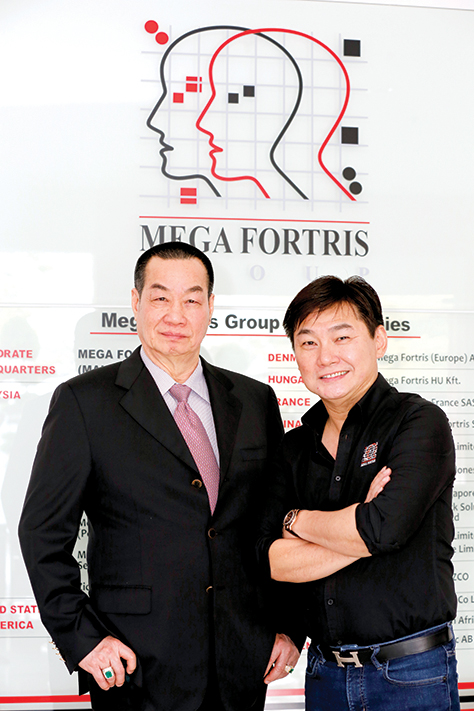
Ng had ventured into the security seal business with his brother Adrian, who is 15 years younger than him, in 1996. When he first started, he was quite sceptical of the profit as each security seal costs about 9 sen which they had to sell at 12 sen. “Yet, we had to push on, we wanted to penetrate the market,” he said.
The brothers persisted and thanks to Adrian’s sales skills, Ng said they started making it big and soon they were venturing overseas. Before long, Mega Fortris was manufacturing its own security seals and exporting it to various countries. It is now one of the leading security seal manufacturers in the world.
“I was adventurous and I was determined to make it, I don’t give up easily so no matter how much I suffered, I refused to go home, I wanted to stay on,”
Even after he came back to Malaysia, Ng found it hard to stay put in Penang. Life here was monotonous and boring so he left again and this time, he went to United Kingdom to work as a window cleaner for three years.
He came back to Malaysia from that stint and tried a few businesses which failed. This never deterred him. Instead, he pushed on with his die-hard attitude as he believed he would eventually make it.
The Ng brothers started Mega Fortris with a RM2 million debt and it was their joint hard work that led to their success today. ”The reason for our success is because we had gone through a lot to get here and most important of all, we keep to our integrity and principles,” he said.
His advice to the youths is to venture out and take risks. “I was bold enough to take risks and this was where I learned important lessons about life,” he said.
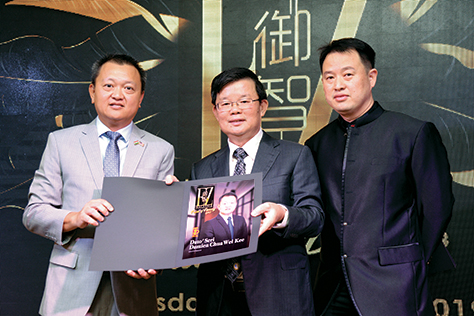
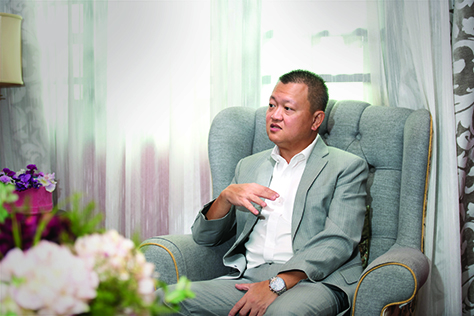
Dato’ Seri Damien Chua Wei Kee Founder and Chief Executive Officer, JD Resources
“It was not easy but each challenge that came my way, I always find ways to overcome it.”
If there is only one formula for success, it would have to be seizing an opportunity and make it work through pure grit and hard work. This was how Dato’ Seri Damien Chua went from a waiter to become the owner of 30 companies in nine countries within a span of 26 years.
It can be said that his early years as an adult striking out on his own was an invaluable lesson that taught him independence and a strong will to succeed. Coming from a middle-class family, Chua had wanted to study aeronautical engineering or chemical engineering when he finished school. Yet, aware of his parents’ financial limitations, he gave up that dream and started working various jobs to fund his own education. “Since engineering was too expensive, I chose the cheapest course – accounting,” he said. To fund his education, he did a slew of different jobs that ranged from tutoring to waitering and coaching. He worked in McDonald’s, Parkson Store as a promoter, a lifeguard, a swimming coach, a tuition teacher and a waiter in a restaurant.
He ended up working in a zinc distribution company while studying ACCA part-time. It was this job that gave him the most experience in the zinc industry. When the 1997 Asian financial crisis hit, Chua lost his job in the zinc distribution company as the company was so badly hit, it went under. Desperate for a job, he decided to apply for the accountant post in a Melbourne zinc supplier company. Instead of landing a job, he was unexpectedly appointed as an agent in Malaysia. With no other job offers, he decided to give it a try and this saw the establishment of JD Resources in 1998. “It was a challenge taking up the risk at a time when we were still facing the effects of the financial crisis but somehow, I managed to face up to it,” he said. It was not all smooth-sailing and yet for each challenge that came his way, Chua somehow managed to overcome it and came out unscathed. “It was not easy but each challenge that came my way, I always find ways to overcome it,” he added.
Today, JD Resources holds 30% market share of the zinc supplies and 55% market share of zinc alloy supplies in the Southeast Asia market. The company started out as a sole proprietorship distributing 15 to 20 tonnes of zinc products two decades ago and now, the company is large enough to be publicly listed and is distributing 12,000 to 15,000 tonnes of zinc products. “Last year, when everyone was pulling out of China due to the trade war, we were going in to set up our factory there because we wanted to tap into the China market,” he said.
Other than continuing to expand his growing business, Chua is involved in 16 non-governmental organisations (NGO) and was recently appointed as the Honorary-Consul of Hungary. He also makes sure he allocates time for his family every weekend and spends most of his free time, if any, reading at least one book each month. “I must read to continuously improve my knowledge, it is a life-long process that must never stop no matter how busy I am,” he said.
“I must read to continuously improve my knowledge, it is a life-long process that must never stop no matter how busy I am”
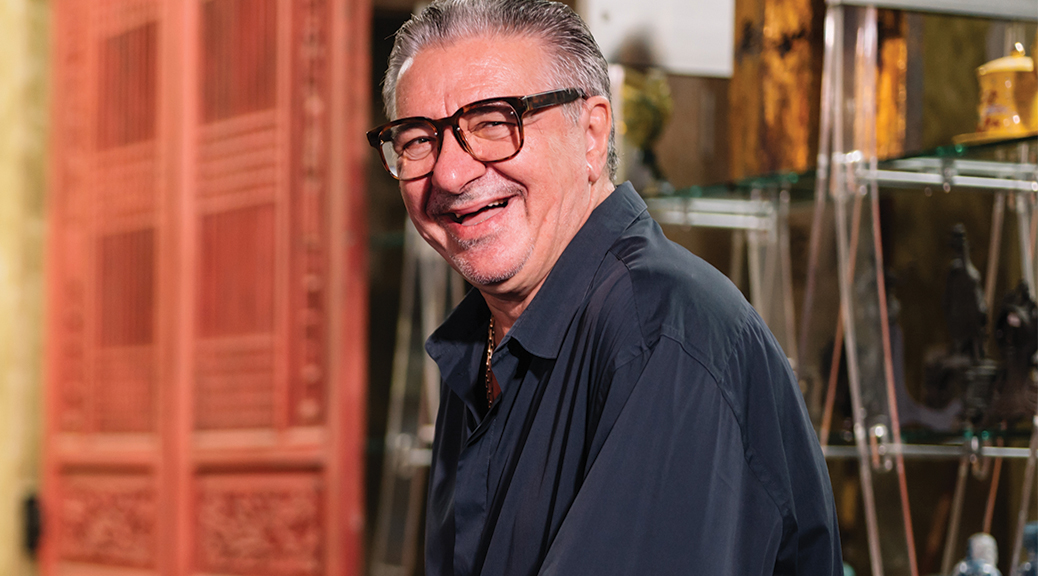
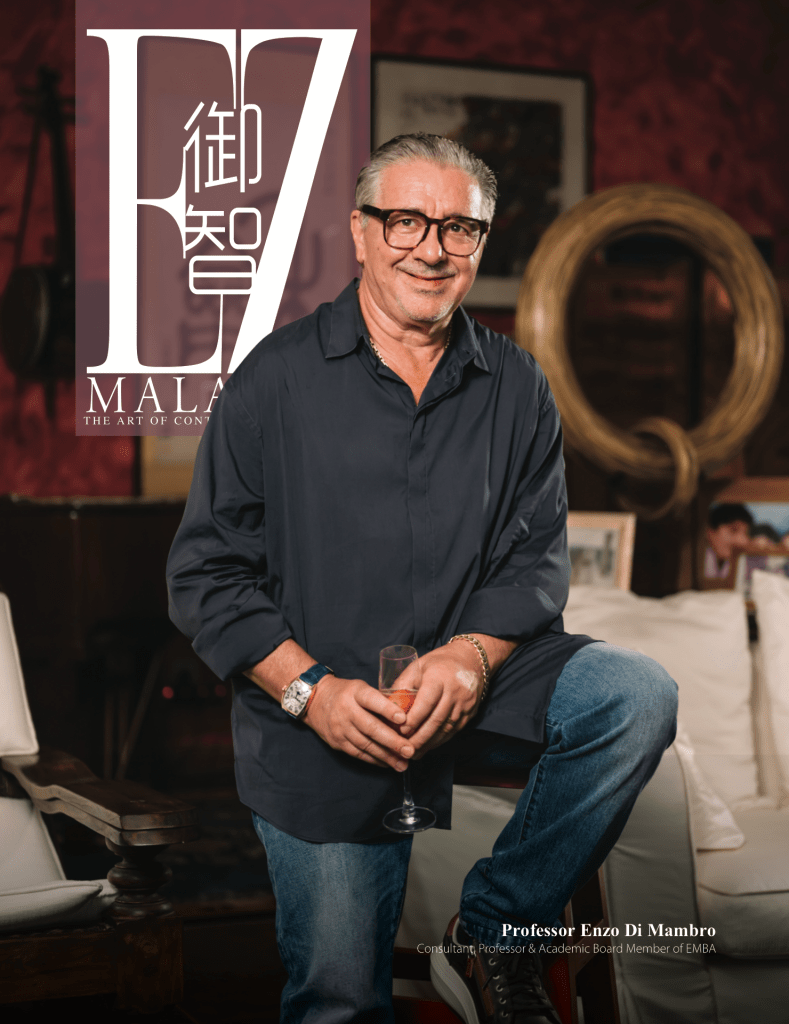
Professor Enzo Di Mambro Consultant, Professor & Academic Board Member of EMBA
“I grew up in Rome where I was constantly surrounded by beautiful things and this was emphasised with my travels, particularly when we stayed in China because of its rich culture and people.”
Life is short, so live it to the fullest and always be happy. This has been heard so often and can even be cliche to many. Nevertheless it’s the mantra that Professor Enzo Di Mambro lives by and while life is not perfect, he certainly is happy.
The Professor of the Inner Mongolia University in Penang lives happily ever after as an expatriate in the Moonlight Bay Apartments in Batu Ferringhi very much enjoying life and living it to the fullest.
He is also the Consultant and Professor and Academic Board Member of the university’s EMBA (Executive Masters of Business Administration) programme as well as a professional chef with more than four decades in the hospitality industry.
Enzo was born in Italy, but not in a hospital or even at home. Rather, he greeted the world alongside his twin brother under a pomegranate tree in the middle of nowhere as his mother went into labour while she and her husband were traveling.
“I grew up in Rome where I was constantly surrounded by beautiful things and this was emphasised with my travels, particularly when we stayed in China because of its rich culture and people.” He loved China so much that he even married a Chinese woman but interestingly, decided to settle in Penang under the programme, Malaysia as my Second Home (MM2H).
“I am culturally successful because I believe that throughout my 63 years of life, traveling and working, I have developed worldly wisdom or a deep “knowledge” of people, how and why they behave the way they do. ”
“This decision happened years ago when some of my colleagues and I were in Perth. We had dinner and some drinks and started talking about where we want to die! So I said that I want to LIVE on a nice island, in a villa, with beautiful views and great weather. A few days later, a friend showed me an advertisement of the Moonlight Bay apartments in Penang. I did some research about Penang, then bought a unit almost immediately,” he quipped.
It wasn’t a rash and misguided decision however, as Enzo had considered other nearby islands. But Penang called to him because of its very laid back way of life – “There’s also a lot more to do here. I think Bali and Phuket are more short-term tourist destinations while Hong Kong is quite chaotic,” he said.
To him, everything about Penang is value for money from entertainment, shopping to properties. The people are warm, friendly and hospitable, the weather is warm throughout the year, food is delicious and the hospitals offer one of the greatest services among the other countries he’s been to.
“So with these reasons, Penang is my home. But the main issue is the traffic, but I think many others share the same sentiments,” he said.
You may believe that Enzo is successful as he nonchalantly refers to his luxury cars as his “toys” and owns a number of properties in other countries. But he thinks he is still “working” to achieve success. “I am culturally successful because I believe that throughout my 63 years of life, traveling and working, I have developed worldly wisdom or a deep “knowledge” of people, how and why they behave the way they do. Money is just a bonus. In fact, I’m just lucky because life has been very generous to me,” he explained.










 EZ MALAYSIA.NEWS