Category Archives: Medicines & Sciences

HSL Helps Cambodian Community

PENANG, May 2014 Universiti Sains Malaysia (USM) Hamzah Sendut Library (HSL) has conducted a series of community networking programmes in the country such as HSL@Chemor, HSL@Koperasi Tadika Minden, HSL@Tadika Lestari Ilmu, HSL@Al-Itqan and has recently extended its mission abroad to Cambodia through HSL@Cambodia: Reaching the Bottom Billions.

The main objective of the programme is to set up a library in one of the schools in Kampung Poti In, Kampong Cham, Cambodia. This mission was attended by 10 staff members from HSL who brought with them 132 reading materials to be stocked in the library there.

“It is not easy to be in a foreign land where upon arrival at Phnom Penh we had to rush to buy book shelves for the library and then take a 3-hour journey to Kampung Poti In via a winding village road,” said HSL Head of Customer Relations, Radia Banu Jan Mohamad.

“On our arrival at Kampung Poti In, we were joyously greeted by the villagers who then held the akikah feast. The overnight stay at the house of the village chief was a memorable experience as well as an opportunity to learn the culture of the local community which is not much different from Malay culture,” said Radia Banu.

Among the activities carried out were the assembling of book shelves, classifying the books according to their appropriate themes and clean-up of the library with the help of the teachers and students of the An Nikmah Religious School of Kampung Poti In which has about 300 students.

“Besides the mission to set up the library, HSL also took the opportunity to raise funds to supply clean water to villages through the construction of wells and water pump channel.

“A total of 33 wells and water pumps were given to the villagers as a contribution from Malaysia,” said one participant.

This mission is just the beginning and it certainly will not end here. HSL will continue to seek funds to improve the library as well as add to the existing reading material from time to time.

“I call on the USM community and also anyone who wants to help, either in donating reading material or other forms of assistance, to contact us as this programme will be on-going,” said Radia Banu.

Prior to Cambodia, HSL also helped Sekolah Rendah Al-Itqan in Teluk Kumbar, Penang, a private religious school that provides religious education and other subjects to students of Penang and also from other states.

The programme was made ​​possible by a total of 20 HSL staff members who were divided into two groups – one to brighten up the surroundings (painting, murals and arranging the furniture) while the other deals with the technical aspects (system development and cataloguing books).

All the HSL programmes ran without a hitch with the help and support of the library top management.

Tiger Milk Mushroom to Help Manage Asthma

IMG_6327Asthma is a chronic respiratory disease that causes difficulty in breathing. Many asthmatic patients make a wheezing sound when they breathe due to blocked airways in the lungs, and usually require an inhaler to supply oxygen directly to the lungs to help them breathe easier.

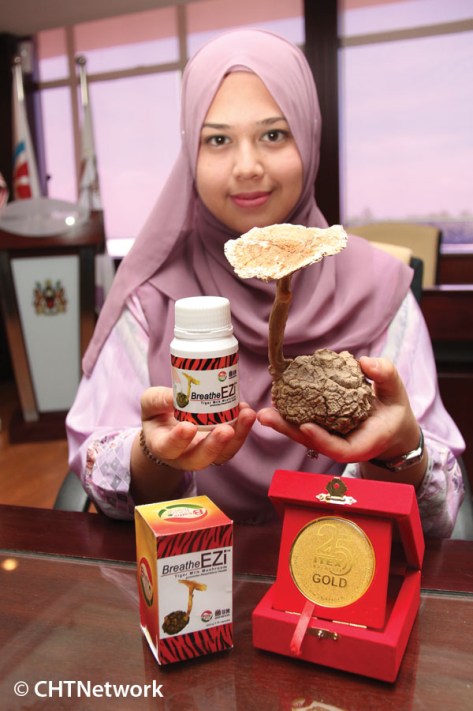
Dr Nurul Asma Abdullah, a researcher and lecturer from Universiti Sains Malaysia (USM) School of Dental Sciences, has developed a new capsule formulation from Tiger Milk Mushroom or its scientific name Lignosus Rhinocerus called BreatheEZi as a new treatment for the management of asthma.

“Tiger milk mushroom is very rare and it can only be found in the tropical forest of South East Asia. Fortunately I found a local company that cultivates this type of mushroom and this greatly aided my research as I do not need to go into the jungle to get it,” said Nurul Asma.

“BreatheEZi helps to reduce common asthma symptoms, minimize the usage of inhaler, reduce severity of asthmatic attack while promoting better respiratory health,” explained Nurul Asma.

She added that since BreatheEZi is a natural alternative for the management of asthma, it has several advantages in terms of commercialisation potential compared to the present modern medications in the market as it has less side effects, is cost-effective, easily available with the current cultivation technology and sustainably prepared.

“Asthma medications can be divided into preventers, controllers and rescuers. BreatheEZi acts as a preventer and controller but not a rescuer,” Nurul Asma said at a press conference to highlight this product that had won a gold medal during the recently concluded 25th International Invention, Innovation and Technology Exhibition (ITEX) 2014 at Kuala Lumpur Convention Centre.

“USM submitted 20 products and inventions in 23 catagories for ITEX 2014, and 19 of them won gold medals, one silver medal and three special awards from recipients of gold. USM also obtained a silver medal for the best exhibition booth design category,” said Deputy Vice-Chancellor (Research and Innovation), Professor Dr. Muhamad Jantan who chaired the press conference.

According to Nurul Asma, BreatheEZi has good commercial value especially in the international market as asthma is a global health problem that is increasingly affecting the population of many developed and developing countries who are facing unhealthy air quality due to smog pollution.

“Research on BreatheEZi is ongoing and I hope that it can still be further improved. Since this research started two years ago, a total of RM230,000 has been spent including for human capital development,” added Nurul Asma.

Medical Imaging in Detection of Breast Cancer

By Dr. Dennis Tan Gan Pin

Radiologist
MBBS (Malaya), M. Med. Radiology (Malaya)

Breast cancer is the third most common cancer worldwide, and the most common cancer among women. It comprises about 30% of total cancer in female, and mainly affects women between 40 to 65 years of age. Malaysian women have a 1 in 19 chance of developing breast cancer in their lifetime. Several medical imaging modalities are available for detection of breast cancer:

MAMMOGRAPHY

As the present mainstay of diagnosis at present, mammography may be performed through screening tests, such as imaging of asymptomatic women to detect early cancer, or diagnostic tests to assess women with clinical findings such as palpable lumps, bloody nipple discharge or pain.

According to American College of Radiology Practice Guideline 2013, annual screening mammography is recommended for asymptomatic women aged 40 and older. For women under the age of 40 but with an increased risk of breast cancer (e.g. known BRCA gene mutation, first degree relative with breast cancer), screening mammography is also recommended yearly beginning from the age of 30. Studies have shown that screening mammography may reduce the mortality rate of breast cancer by 17-30%.

Mammography is basically the X-ray examination of the breasts, involving a very small dose of radiation. A female radiographer performing the examination will position and compress the breasts between 2 plates of the mammography machine. This is necessary to reduce the radiation dose and to produce a clearer image. Mammography images will then be interpreted by the radiologist.

ULTRASOUND

Ultrasound is another commonly-used modality to assess breast lump/cancer. It uses sound waves and does not involve ionizing radiation. During the examination, a small handheld unit known as transducer lubricated with gel is gently pressed back and forth over the breast.

Ultrasound is not routinely used for screening.  It is often being used as supplementary modality to confirm or characterize mass detected on mammography, as well as examining high risk women with dense breasts on mammography. Ultrasound may be used as initial investigation tool in younger women presented with one or more breast lumps, as mammography is often suboptimal in this group of women due to their dense breast tissue.

Ultrasound is a very helpful modality to guide the biopsy of a breast lump. During this procedure, local anaesthesia will be given to numb the area. A small specimen of breast tissue is then taken from the lump using a small biopsy needle under ultrasound guidance. The specimen is sent to the laboratory where it is examined under the microscope by a pathologist. Whether the breast lump biopsied is benign (harmless) or cancerous is then determined by the pathologist.

MAGNETIC RESONANCE IMAGING (MRI)

Technological and technical advances in the field of MRI in recent years have made MRI an attractive option in diagnosis of breast cancer. MRI uses magnet and radio waves and thus, does not involve ionizing radiation. Contrast liquid (a gadolinium compound) needs to be injected into a vein during the examination to delineate the structures of the breasts.

MRI is a useful adjunct to mammography for screening women at increased risk for breast cancer.  The American Cancer Society (ACS) recommends annual supplementary screening with MRI in addition to mammography in high-risk patients. MRI is currently the most sensitive modality for invasive breast cancer as MRI may detect other abnormal growths not seen in mammography.  MRI is also useful in assessing the extent of cancer, detection of cancer recurrence and response to cancer therapy.

Screening mammography is a useful tool in the early detection of breast cancer and has been proven to reduce breast cancer mortality rates. For women at average risk, annual screening mammography is recommended from the age of 40. On the other hand, for high-risk women, both screening mammography and MRI are recommended to commence at the age of 30.  Ultrasound is useful as a supplementary examination to mammography and for younger women with palpable breast lumps.

Doc, I am Breathless!

by Dr Lee Li Ching

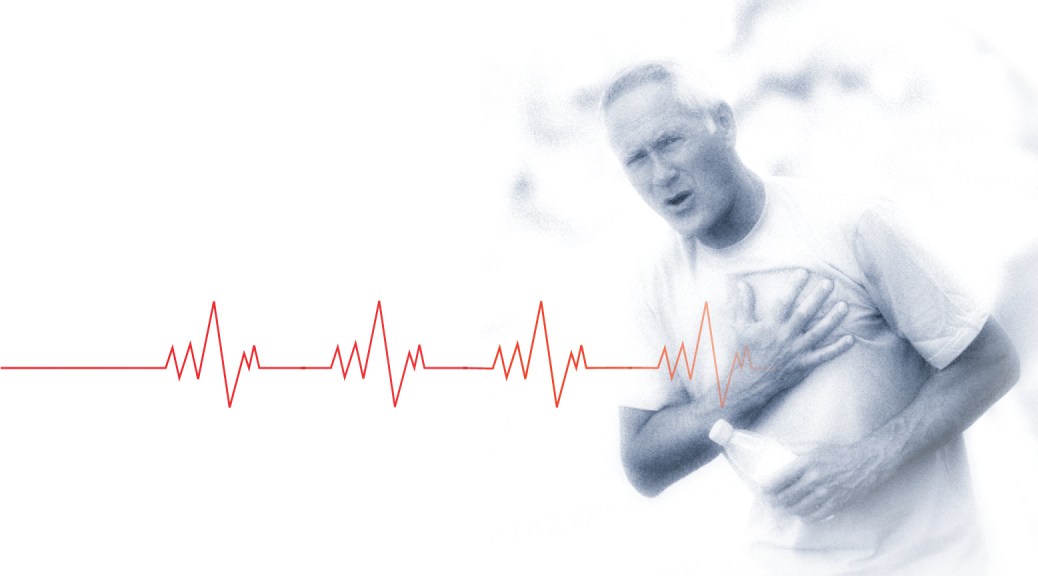
Mr M, a 55 year old man walked into my clinic one morning complaining of being unable to breathe. ‘Doc, I have been sleeping in my lazy chair for the last 3 days! I cannot lie flat at all, I feel like I’m drowning … and my legs have been swollen since last week.’ He suffered from a massive heart attack one month prior to the clinic visit. Mr M underwent an emergency stenting to one of the severely blocked heart arteries and had a stormy recovery. Clinically, he was in overt heart failure when I examined him.

There is an estimated 23 million people with heart failure worldwide. It is most commonly due to ischaemic heart disease (coronary artery disease), which is the number one killer worldwide. Aging and prolongation of the lives of cardiac patients by modern therapeutic innovations have led to increasing incidents of heart failure.

What is heart failure?

Heart failure is caused by primary heart muscle injury and also occurs at the end stage of most diseases of the heart. It could be either due to imbalance in pump function in which the heart fails to adequately maintain the circulation of blood to meet the body’s needs or the heart is too stiff and cannot relax enough to fill with enough blood before pumping. The pumping function is usually well preserved in the second type of heart failure. This is subsequently followed by the activation of a series of response mechanisms in the neurohormonal systems, and vasculature causing the signs and symptoms of heart failure.

How do I know that I have heart failure?

Patients with heart failure present a variety of symptoms, most of which are non specific. The lack of blood supply to the body and build up of fluid causes the symptoms, including tiredness, general weakness, shortness of breath on exertion, swollen ankles, swollen abdomen, loss of appetite, nausea and reduced ability to exercise.

Not infrequently, patients complain of worsening cough and breathlessness at night, and they have to use more than one pillow or end up sleeping in a chair. The accuracy of diagnosis by presenting clinical features alone, however, is often inadequate, particularly in elderly or obese patients. Moreover, the above mentioned signs and symptoms can also present in patients with kidney or liver failure.

Why does it happen?

Heart failure is not a complete diagnosis by itself. It is therefore important to identify the underlying disease and the precipitating cause(s). As mentioned earlier, heart failure is the end stage of most heart disease, beside coronary artery disease being the most common cause. Other important causes include hypertension, structural abnormality (congenital or acquired), toxin such as chemotherapy and alcohol, hormonal disorder, infection or inflammation. There are times when the cause is never found or so-called idiopathic cardiomyopathy. Other less common aetiologies are stress-induced cardiomyopathy and pregnancy-related heart failure.

How is heart failure diagnosed?

Heart failure is diagnosed based upon the patient’s medical history, a thorough physical examination, and a series of tests. These tests determine the cause and severity of the heart failure. These includes a series of blood tests, electrocardiogram (ECG), chest x –ray, coronary angiogram and most importantly, an echocardiogram. An echocardiogram is a non-invasive test using ultrasound to assess the size and function of the heart’s chambers as well as the function and structure of the heart valves. Other tests, like biopsy or magnetic resonance imaging, are sometimes used to look for specific diseases.

What are the medications for heart failure? 

There are many treatments for heart failure, but medicines are fundamental in improving the quality of life, reducing hospital admission and more importantly, improving the survival of this group of patients. Among others, diuretics, also called the ‘water pills’, help the body to get rid of excess fluid in the limbs and lung. The ACE inhibitors and the ARBs groups of medications help to strengthen the heart. The betablockers, on the other hand, help the heart to fill more completely and they have been proven to prolong the life of these patients. Digoxin, one of the oldest heart failure drugs, can increase the strength of the heart muscle contractions and hence reduces heart failure symptoms.

Will surgery ‘cure’ my heart failure?

Yes, if the cause of the impaired heart function is due to coronary artery disease or faulty heart valves such as leaky valve or valve that does not open fully. The most common surgery for heart failure is bypass surgery where blood is rerouted around a blocked heart arteries. Damaged valve can either be repaired or replaced.

Device therapy for heart failure

As heart failure progresses, occasionally the Left Ventricular Assisted Device (LVAD) is implanted while waiting for heart transplant. LVAD is basically a battery-operated heart pump that takes over the job of the failing heart by circulating blood throughout the body. LVADs are now sometimes used as an alternative to transplantation.

On the other hand, life-threatening abnormal heart rhythm can sometimes develop in patients with poor heart function. This is one of the most common causes of death in this group of patients. The doctor might recommend a device – Automated Implantable Cardioverter-Defibrillator (AICD) – that shocks the heart and returns it to a normal rhythm. It is usually implanted under the skin in the upper chest with wires leading through the veins to the heart. Nowadays, a biventricular pacemaker (also called cardiac resynchronization therapy) combined with an AICD function is often implanted in people with heart failure. The rationale is that the electrical system in the weak heart makes the heart contracts in an uncoordinated fashion. The pacemaker helps the heart to pump in a more efficient and synchronized manner, improving one’s symptoms.

Living with heart failure

Heart failure has ‘no cure’, unless the underlying cause can be treated. Therefore, it is paramount that one compliant to the medications and the treatment plan prescribed. Cigarette smoking is strongly discouraged. Smoking has adverse haemodynamic effects on patients with heart failure. In addition, it increases the risk of having a heart attack which will definitely damage more heart muscle in an already weak heart. In general, alcohol consumption should be restricted to moderate levels (i.e. one serving of alcohol per day for women, two servings per day for men), given the heart muscle depressant properties of alcohol. A high alcohol intake will also predispose to irregular rhythm that potentially worsens the body fluid balance.

As a general rule, patients with heart failure should limit their fluid and salt intake. Try not to add salt at the table or when cooking. They should also take restricted amounts of canned, frozen and processed food which contains a lot of salt.

How about the outlook?

This is not a myth. The prognosis for heart failure is poor, far worse than some of the common cancers. In general, the mortality following hospitalization for patients with heart failure is about 42.3% at five years, despite marked improvement in medical and device therapy. The two main causes of death in patients with HF are life threatening heart rhythm death and progressive pump failure.


A New Health Epidemic

Computers, Mobile Phones & Other Digital Devices Are Impacting Your Eyes

By Dr Susana Liou

In the old days, human beings devoted the majority of their time to working outdoors, farming vegetables and animals, working the fields. A huge portion of their daily life was spent underneath the sun, with their vision mainly focused on looking into the distance. This is how our eyes have evolved over millennia. In contrast, modern society spends much of its working life indoors, underneath artificial lighting, and looking at a computer, which in terms of vision is very close-up.

Our eyes were not designed to be looking at objects close-up for long periods of time. The muscle used for focusing on different distances, whether 10m away for driving, 4m for TV, 60cm for computers, or 40cm for reading, needs to adjust accordingly depending on the distance.

When we see far away in the distance (E.G. more than 6m away) the eye muscle is in a relaxed state. The closer you are looking at an object, the more focusing needs to occur, thus causing the eye muscle to contract. So, the longer you look at your computer screen for a prolonged period without looking away and changing the eyes’ position, the more strain you put on the eyes.

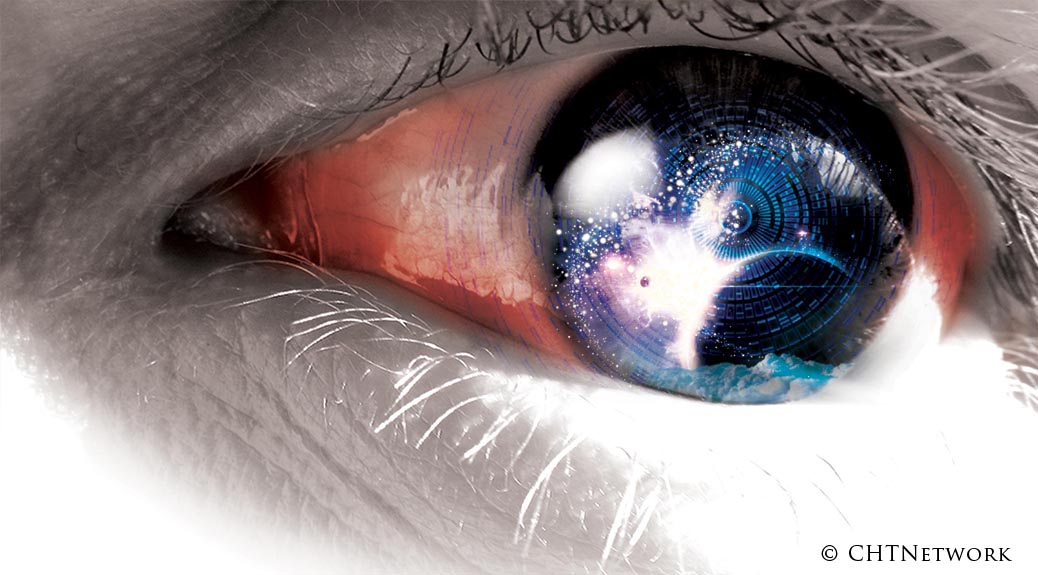
What does this tell us? The natural design of our eyes has not evolved to have us working close-up for the majority of the time. Some people these days spend up to 8 hours or more each day with their eyes locked in a fixed position towards their computer screen. The epidemic of sore and tired eyes caused by the use of digital devices has begun!

We at Visual Q Eyecare have begun to see an increased frequency of young people suffering from eyestrain due to prolonged near use. They tend to be between 25 and 38 years old, and upon visiting our optometry clinic comment that while they can still sit at the computer, it’s not as comfortable as it once was. They complain of sore or tired eyes, yet their vision might not be blurry. However, if the symptoms continue untreated, we often hear about a sudden onset of blurred vision.

People who use computers or other digital devices at a near or intermediate distance for extended period of times should have their eyes checked if they suffer from any of the symptoms mentioned above. Discomfort when reading is also a common issue. When booking for your eye test, choose an optometrist who takes an interest in binocular vision problems, as they are often quite knowledgeable about issues with eye muscles. Once diagnosed the problem can be solved by wearing special vocational multi-focal lenses while you work. These look like normal glasses on the outside, but have added strength to help sustained near work.

We often hear people say, ‘Everything is fine with my vision, except when I use a computer my eyes feel tired.’ Our general advice is to take regular breaks from looking at the computer screen. For every 30 minutes of close-up work, take 1 minute to look at something at least 6m away from you. This will relax the eyes’ muscles. You may find it hard to comprehend, but we believe a 1-minute break after every half hour of near work is more beneficial for your eyes than a 30-minute break after 3 constant hours of working close-up. Think about it. 6 minutes of break time over a 3-hour period (1 minute per half hour equals 2 minutes per hour) is better for your eyes than a 30-minute break at the end of 3 hours straight work. It takes conscious determination and discipline, but it could save your eyes from becoming another victim of the modern digital device epidemic!

Holistic Grooming

One of Malaysia’s premier aesthetics academies, Stella-In International Advanced Aesthetics Academy has groomed generations of aestheticians and beauty professionals. It was established by Madam Stella Hong in 1980 and is accredited by international examination boards of Confederation of International Beauty Therapy & Cosmetology, UK (CIBTAC), Comite International d’Esthetic et Cosmetologie, Zurich (CIDESCO) and International Federation of Aromatherapy, UK (IFA). Recognising the academy’s contribution to Malaysia, the Ministry of Tourism appointed Stella-In as Malaysia’s Official Centre of Excellence to train Spa Therapists in 2011.

Not content is being just providing vocational training, Stella-In has paved a continuous education pathway for its students, enabling them to acquire higher qualifications. The Academy is in collaboration with Chisholm Institute of TAFE that allows its students to transfer credits of their qualifications at Stella-In to Chisholm TAFE for further studies in Diploma in Beauty Therapy and Bachelor in Health Science (Dermal Therapies) at Victoria University (Melbourne). In this regard, Stella-In is a pioneer, being the first aesthetics academy in Malaysia to forge such a path for its students.

Stella-In is headed by Madam Stella’s son, Leslie Hong. Injecting vigour and helping bring the Academy to new heights, Leslie is an expert in the field of aesthetics. He is a Colour Analyst and Image Consultant who has the distinction of being one of the first in Southeast Asia to be certified by Canada’s International Image Institute. This Property Estate Studies and Management double-degree graduate from New Zealand followed his mother’s footsteps and joined the family business because of his passion for the industry. ‘Aesthetics is not just making people look beautiful, but helping people as well. I saw my mother helping clients with acne recover; then when the clients’ skin got well, she would put make-up for them and groom them. You could see the joy in the customers. That really inspired me,’ said Leslie.

With over 18 years of experience as an artistic director, make-up artist and master trainer for Stella-In International,  Leslie is credited with leading the Academy to its international recognition and positioning as one of, if not the, leading aesthetics academy in the region. ‘Nowadays, people look towards brands and recognition, awards and achievements. The evolution of Stella-In from the 1980’s to now is one in which we have positioned ourselves very well in terms of accreditation,’ he explained on the success of Stella-In in bridging vocational training and tertiary education with leading institutions in Australia.

Besides having a passion for the aesthetics field, Leslie is passionate about community service. He is an active Lions Club member, having served the organisation as its president in the past and spearheading his club’s Prosthetic Limbs Project which has been instrumental in providing prosthetic limbs to those in need since 2006.

With his interest in Lions Club and his mother’s life-long quest to help people, it is no surprise that Stella-In has a culture of doing social work. ‘In business, we feel that most important thing is that we have to care for the society through community service works,’ said Leslie. ‘We are involved in social outreach programmes such as fund raising for local hospitals, and providing massage training for the blind at St Nicholas’ Home, among others.’

If a lasting career in aesthetics is what you’re looking for, make Stella-In your top consideration as a quality education centre. To find out more information, call +604 228 3833/ 227 3833 or visit http://www.stella-in.com.my.

Fungi: Another human threat alert!

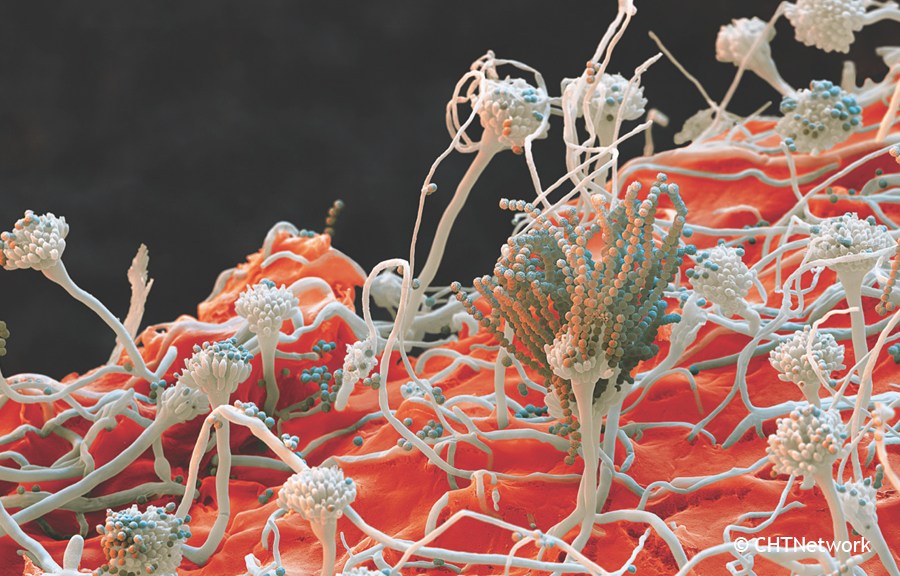
Fungi make for one of the three major microorganisms behind human diseases. They are not commonly tested in this part of the world merely because this region is not a fungi disease-endemic area. When we are sick, the common tests to go for over here are either for viral or bacterial diseases.

With increasingly attractive travel deals and cheaper airlines, international travelling has become a common leisure in today’s contemporary living. If you are a frequent traveller, has it ever crossed your mind that you could possible be the unlucky one to acquire something alien from a foreign country like fungi, especially if you feel sick after travelling? And if you are a physician, have you ever considered those diseases that are endemic in regions where your patients have travelled to as the most probable cause of a disease?

There are many common diseases contained to selected regions in the world that are not commonly known to other parts of the world. Some are not fatal, but the illness can take a long time to get diagnosed and treated just because it is not something common outside the country of its origin. There are many such cases that are being misdiagnosed and mistreated, with the patients failing to get better under the name of having an unknown disease. It may start with harmless symptoms like a common cold or flu in the early stage.

There are many common diseases contained to selected regions in the world that are not commonly known to other parts of the world.

Valley Fever is one of those diseases haunting Southwestern United States and parts of Mexico, Central America and South America. Coccidiodes is a fungus in the soil that causes Valley Fever. Inhaling in one spore can cause lifelong infection, turning your life upside down. It is often mis-diagnosed as bacterial pneumonia, tuberculosis or cancer.

You could acquire one or more of these conditions when the spores disseminate in your body; hydrocephalus (having harmful spinal fluid pressure on the brain), verrucose ulcers (wart like outgrowths on the surface of organs and skin), arthralgias (joint pains), myalgias (muscle pain), otomycosis (fungal infection of the external ear canal), hypercalcemia (extra calcium in the blood that can be fatal) and other terrible conditions.

Anyone can get Valley Fever, including children. It is most common among elderly above 60. Other high risk groups include Asians, African Americans, women in their third trimester of pregnancy and people with weak immune systems.

If you love travelling and especially love to explore exotic places like Arizona, be warned. Get to know their exotic threats and be prepared.