Category Archives: EZ 61 (2)

Tracing the legacy of batik sarong

Batik is one of the most popular of Malaysian crafts, yet so much can still be discovered about its history and development. Adline A. Ghani shares about a unique research project spearheaded by none other than Raja Datin Paduka Fuziah Raja Tun Uda, fondly known as Mak Engku, a woman who has dedicated her life to the development and promotion of Malaysian arts and crafts. 

Images Courtesy of the Batik Terengganu research team

Throughout her illustrious career, which began in the 1960s, Raja Fuziah has held several esteemed titles, including the first Director General of the Malaysian Handicraft Development Corporation (MHDC), President of the World Craft Council (WCC) Asia Pacific Region (which she currently serves as a board member) and Deputy Director General of the Research Centre for Islamic History, Art and Culture in Istanbul (IRCICA).

Though she must have been busy raising a family, while breaking new ground and blazing trails for women in the industry, Raja Fuziah also took the time to organise and curate many exhibitions, publish numerous essays and lend her support and expertise to the local and international arts and crafts community. It came as no surprise, therefore, that she was chosen to receive the prestigious National Art Award 2008 for the Promotion of the Arts (Individual Category) by the Malaysian government.

Having published her book Batik Malaysia Design and Innovation 1960s – 1990s two years ago, Raja Fuziah is not quite ready to rest on her laurels. Instead, she has set out to delve further into Malaysian batik with her latest endeavour, Batik Sarong Terengganu – A Research Project.

The Project

The Batik Sarong Terengganu research project aims to compile and provide a comprehensive database on the batik sarong of Terengganu. It will chart the history and origins of batik sarong, how it was made and traded, as well as who were involved in developing the industry, how they were involved and what is happening to the batik sarong industry today.

The culmination of this project will be marked by the publication of a book entitled Batik Sarong Malaysia: Heritage of Today for Tomorrow, authored by Raja Fuziah, which is meant to serve as a reference for future generations of art researchers and enthusiasts.

Due to the scale of the project, Raja Fuziah is assisted by Erna Dyanty Mad Daluis, who has worked in the art industry for more than a decade. Erna, who also holds a Master’s In Art Management, serves the project as a coordinator and assistant researcher. In addition, she has helped the project tap into the power of social media, using platforms such as Facebook, Tumblr and YouTube to spread the word and raise the funds necessary for them to embark on research and documentation, as well as publish their findings.

The full cost required for the project is RM100,00.00, which will also be utilised to develop a batik archive, support their innovation and creative platform programme, as well as organise an exhibition and educational programmes.

The aim, as always, is to bring attention to the urgency of preserving Malaysian batik sarong. The exhibition and hands-on workshops, which will be held in Kuala Lumpur, are planned for December 2014. With enough funds, it would be possible for the team to transfer the knowledge into a digital format and have it available online for everyone around the world.

The Innovation and Creative Platform

With the knowledge and insight gained through this research project, Raja Fuziah envisions the establishment of the Innovative and Creative Platform, which seeks to merge the skills of traditional batik craftsmen and young Malaysian designers.  This merger is hoped to promote the transfer and sharing of knowledge between these two skills sets, in an effort to preserve our cultural heritage and the Easy Coast’s cottage industry.

The product of this merger will be materialised in limited-edition batik sarongs, which will also be turned into items like pouches and bags. As such, the Batik Sarong Terengganu Research Project is collaborating with local creative brand timitimitonga, also known as TiMi. Created by young Malaysian talent, Fariza Azlina Isahak, TiMi produces beautifully-handcrafted batik totes made out of limited-edition batik prints.

As Raja Fuziah and Erna embark on their batik adventure, they urge fellow Malaysians, cultural heritage advocates and anyone who has a love for art to join them in preserving something now for our future. As Erna eloquently states, “Everyone can be part of an innovative and creative project that serves to preserve a national cultural heritage.”
TIES THAT BIND THROUGH ART

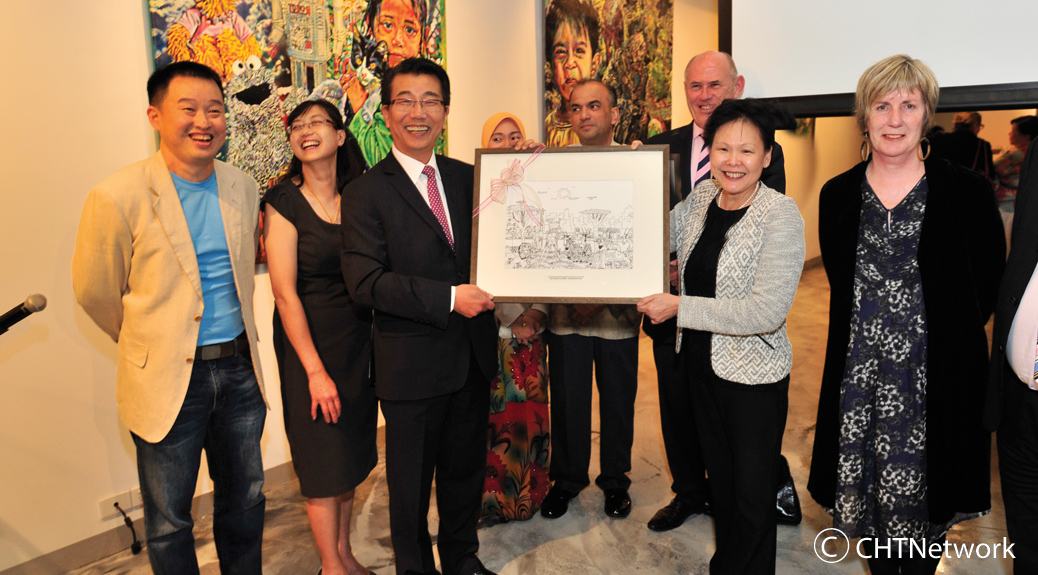
More than 250 art lovers and collectors attended the official opening of the second edition of “ARTS KL – Melbourne”. The event which was officiated by Malaysian-born Melbourne City Councillor Ken Ong and MATRADE Chief Executive Officer Datuk Dr Wong Lai Sum took place at the newly opened gallery, SpACE @ Collins, 278 Collins Street on 6th October.

In an effort to widen the base of exports, MATRADE is now also focusing on the promotion of soft exports, which includes design and arts as a means of boosting trade between the two countries.

During her opening speech, Wong said it was heartening to witness a thriving art scene in Malaysia and it was encouraging to see Malaysian art appreciated overseas. “The exposure of our art last year has resulted in widespread awareness, generating greater demand for works by contemporary artists from Malaysia,” she said. “Many of our artists have been invited to take part in international art exhibitions and art auctions.”

Joe Perri, President of the Australia Malaysia Business Council Victoria also noted that art and culture were equally important contributors to economic wellbeing. “It is definitely an export opportunity and a contributor to Malaysian GDP and overseas bilateral trade success.”

Featuring works by the late Ho Khay Beng and Khaw Sia, Fendy Zakri, Haffendi Anuar, Hasanul Isyraf Idris, Ismail Awi, Khairul Arshad, Lim Anuar, Raja Norzlipah Raja Ahmad, Rozana Mohamed, Yeoh Choo Kuan, Zaim Durulaman, photographer Layzhoz Yeap and 11-year-old Delwin Cheah the artworks were carefully selected based on market suitability. As part of MATRADE’s “business with a heart” initiative, the exhibition also carried the works of the handicap which received good response.

Asian contemporary artist Ch’ng Huck Theng who resumed his curatorial duties for the second year running pointed out the importance of the public being able to relate to the art by understanding its origins rather than merely admiring techniques and finished pieces.

Regenerative medicines offer new lifeline for many

By Shane Fonseca
M-Tech Chiropractic (RSA)

With the average life expectancy climbing ever higher due to advancements in medical technology, it has become increasingly important to move into a preventative health paradigm, especially with regards to the musculoskeletal system of the human body. 

Advancements in the field of cosmetic surgery have proverbially opened a Pandora’s Box for all those capable of enjoying the benefits. However, these external enhancements cannot replace the long term damage of tired spinal joints, osteoarthritic knees, untreated idiopathic scoliosis, and the “silent killer” – pinched nerves resulting from Spinal Disc Degeneration.

Slipped Disc and Inter-Vertebral Disc degeneration is one of the most common causes of back pain today, affecting more than 30 percent of adults over the age of 20 years. Unfortunately, its prevalence is further increased exponentially with advancing age. It is currently the single largest reason (65 percent of sick cases) besides the common cold resulting in absenteeism and loss of productivity at the work place.

This epidemic is dramatically affecting the quality of lives by ruthlessly condemning its sufferers to either severe pain or surgery. However surgery is still a poorly developed treatment protocol, with more than 40 percent of patients having an unsatisfactory outcome for primary disc surgery, with more than 75 percent of those patients suffering from recurrent back pain within a year of the surgery itself.

At present, the primary non-surgical treatment protocol for disc bulges and spinal nerve pathology is Spinal Decompression Therapy. With a success rate of over 83 percent, it is fast proving to be the treatment of choice for both patients and doctors alike. Spinal Decompression Therapy is a computerized, machine based protocol designed to unload the tired, bulging dehydrated lower back and neck discs by cycling through distraction and relaxation phases. This allows for the accurate repositioning of the discs, while creating a negative pressure within the disc material. This facilitates the resorption and hydration of any bulging disc material, restoring disc health and reducing the associated nerve compression causing relentless back, leg or arm pain.

Children, like adults, also have degenerative health concerns. Over 67 percent of our children are affected with Idiopathic Scoliosis a manageable but devastating condition. It is the most common spinal deformity confronting orthopedic surgeons today with Asia currently having the highest incidence of idiopathic scoliosis in the world. Described as ‘progressively relentless, deadly at its end result’, early detection and treatment is critical. A Dynamic Scoliosis Bracing System offers the first and only Dynamic Corrective Brace for the treatment of idiopathic scoliosis in the world. Together with physiotherapy it provides an 89 percent efficacy rate.

Other medical advancements in joint-muscle healthcare include Cold Laser for accelerated regenerative repair, Extra Corporeal Shockwave Therapy to break down scar tissue and remodel living bone, and Whole Body Vibration Therapy for advanced acceleration, balance and strength training.

If you think aches and pains are part of growing old and is something you just have to “ live with it”, THINK AGAIN! You deserve a life that is free of pain, a life that is full of vigour. At TAGS, our team is here to help you get well and most importantly, stay well.

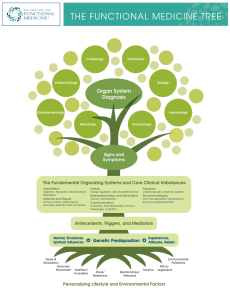
What is Functional Medicine?

Dr Michelle Lim, MD (MA) Naturopath ND,
Dip. Holistic Kinesiology

Functional Medicine (FM) enables physicians and other health professional to practise proactive, predictive, personalised medicine, empower patients to take an active role in their own health and practitioners to achieve the highest expression of health by working in collaboration to address the underlying cause of disease. FM addresses the whole person not an isolated set of symptoms.

Practitioners spend time with their patients by using a technique called ‘Listen to your Body Talk’ – gathering information about patient, looking at the interaction genetic science system biology, understanding of environment and lifestyle factors (sleep, exercise, nutrition, stress levels, relationships) that can influence long term health and the emergence and progression of chronic disease.

FM support patients-centred rather than a disease centred approach to treatment. This is what we call the therapeutic partnership, the relationship that forms between patient and clinician that empowers the patient to take the ownership of their own healing.

Scientific support for the FM approach to treatment can be found in a large and rapidly expanding evidence base concerning the therapeutic effects of nutrition (both dietary and clinical choices), exercise, stress management, detoxification program, Holistic Kinesiology Alignment, Manipulation, Mind/Body techniques using Vibrational Frequency formulas and many more.

Screen Shot 2014-11-05 at 10.27.37 AM

How is Functional Medicine Different?
To keep a tree healthy and allow it to flourish, you need to support the most basic & essential elements first – THE FOUNDATION, THE ROOTS, THE SOIL. Similarly, if a tree is not healthy, the first place you should look at for answers at those same foundational elements.

FM is highly cost effective for patients as it focuses on prevention and health promoting lifestyle changes and sustainable treatments that address the underlying cause of dysfunction, restoring patients to health.

It is a holistic approach in that one clinician looks at all aspects of the patients instead of saying “Oh that sounds like a Hormonal problem, that’s not my department.” Practitioners examine each patient’s lifestyle physically and psychologically using the ‘Art of Listen to your Body Talk’ (Holistic Kinesiology) to identify the underlying causes of their disease and find the right treatment to support and help return patients to optimal health.

Screen Shot 2014-11-05 at 10.30.19 AM

For more information visit http://www.michelleherbstherapy.com

BLOOD IN URINE: A WARNING Sign That You SHOULD NOT IGNORE!

By Mr Lau Ban Eng
Urologist
MBBS (Aust.), FRCS (Edin.), FRCS Urology (Edin.),
D. Urol (Lond.), FCS (Hong Kong), FHKAM

“Peter, a 57 years old executive chef went to the toilet one night and noticed that his urine was red in colour. The urine cleared up the next morning but Peter was very worried. He visited his family doctor who sent his urine for tests and found the presence of red blood cells. His family doctor referred him a Urologist. After some investigations, Peter was found to have early stage kidney cancer. Peter underwent appropriate treatment and is now cured.”

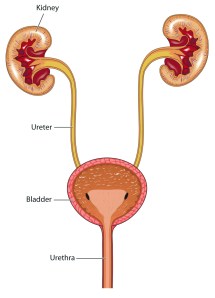
Seeing blood in your urine is a frightening experience for most people. When this occurs, it must be fully investigated by a doctor. Although in many patients no specific cause can be found, blood in urine – medically referred to as haematuira – can be an indication of a serious problem of the urinary system (Diagram 1) and is a warning sign that you should never ignore.

It is estimated that up to 20% of the population is at risk of haematuria. There are two types of haematuria. The first is called “gross” or “macroscopic” haematuria where the blood in the urine is visible to the naked eye. Macroscopic haematuria can vary widely in colour, from light pink to bright red with clots. It can result from as little as 1ml of blood in 1litre of urine, and therefore the colour does not reflect the degree of blood loss.

If the blood can only be detected with laboratory testing of urine, it is called “microscopic haematuria”. People with microscopic haematuria are often unaware of the problem and it will most commonly be detected from urine tests during a routine medical check-up.

Although the amount of blood in the urine may vary, the causes of gross and microscopic haematuria are the same. So, any degree of blood in the urine should be fully evaluated by a doctor, even if it resolves spontaneously.

Is there definitely blood in the urine?
Before you read on, it is worth considering whether you have recently eaten beetroot, red dragon fruits or food with colourings as these can make the urine to turn pink and cause unnecessary alarm. Certain medications and antibiotics such as nitrofurantoin and rifampicin can also turn urine brown or red. Check that the blood in the urine is not from the rectum/anus and in females, blood from the vagina should be ruled out.

What are the causes of blood in urine?
The cause of haematuria, whether microscopic or macroscopic are similar and may result from bleeding anywhere along the urinary tract (Diagram 1). 50% of patients with visible blood in the urine will have an underlying cause identified but with non-visible blood in the urine, only 10% will have a cause identified.

Risk factors for significant underlying diseases include: age over 40, smoking, exposure to certain chemicals, history of radiation, overuse of painkillers, history of diabetes and hypertension.

white-fig14_0072

Common causes of blood in the urine include:

  1. Infection of the bladder (cystitis) or kidneys (pyelonephritis). This usually causes pain when you pass urine and pain over lower part of abdomen and loin area. Fever can occur in severe infection.
  2. Kidney, ureteric or bladder stones which may be painless and may present as only haematuria.
  3. An enlarged prostate. This commonly occurs in older male and associated with symptoms of difficulty passing urine, slow urinary stream and frequency of urine.
  4. Kidney cancer. This is an uncommon cancer and may present as microscopic or gross haematuria. The gross haematuria may be intermittent. If it is detected early, the chance of cure is very high.
  5. Bladder cancer. Again this usually occurs in people aged over 50. Usually the patient is a heavy smoker. As in kidney cancer, if found early and treated, the cure rate is very high.
  6. Kidney disease can also cause haematuria. It is a common cause of microscopic haematuria in younger people. Most of the time, protein will also be detected in the urine.
  7. Medications that thin the blood like warfarn and clopidogrel (Plavix) can also cause bleeding in the urinary tract.

How is blood in urine diagnosed?
After taking a detailed history and carrying out physical examination, the Urologist will order a urine test which consists of testing the urine with a chemical test strip and examining it under a microscope. This is to confirm the presence of red blood cells. If three or more red blood cells are seen per high power field in the urine specimens on microscope, referral to a specialist, either an Urologist or Nephrologist for further evaluation is recommended.

Usually the specialist will repeat the urine test and also obtain a culture of the urine to identify the presence of bacteria. Blood tests will be carried out to assess kidney function and identify any blood clotting abnormalities. Further investigations will be ordered depend on the findings of the urine and blood tests. If necessary, two additional tests, imaging and cystoscopy will be performed.

Nowadays, CT scan is preferred to intravenous urogram (IVU) as it gives a better, more detailed image of the kidneys and ureters. It is also the best method to detect urinary stones. However, CT scan cannot visualise the lining of the bladder clearly and therefore, a second examination called a cystoscopy is necessary.

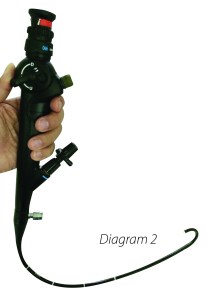
Diagram 2 showing a flexible cystoscope2

This procedure uses a small (3mm in diameter), flexible scope (Diagram 2) which is inserted through the urinary passage (urethra) into the bladder to directly visualise any abnormality or source of bleeding in the bladder. It also allows the doctor to take a sample for examination under the microscope. This procedure takes about 10 minutes and is usually carried out with intravenous sedation and local anaesthetic gel.

Treatment
Treatment depends on the exact cause for the haematuria following a specialist’s evaluation and investigations. In patients where investigations fail to find the source of the bleeding, observation with repeat urine tests is necessary. Investigations like CT scan and cystoscopy may be repeated if haematuria recurs.

Conclusion
Any degree of blood whether macroscopic or microscopic in the urine, especially for those aged 40 or above should be fully investigated by a Specialist as it might be a sign of serious disease of the urinary system.

Unicompartment Mobile Bearing Knee Replacement: Oxford® (Partial) Knee Replacement

Should We Sacrifice The Whole Joint When Only Partial Knee Placement Is Needed?

By Dr Goh Eng Tat
Orthopaedic, Joint Reconstruction & Trauma Surgeon
MBBS (M’lore), M.S. Ortho. (UM), FRCS (Ire), CMIA (M’sia), F’ship in Joint Reconstruction (St. George, Sydney)

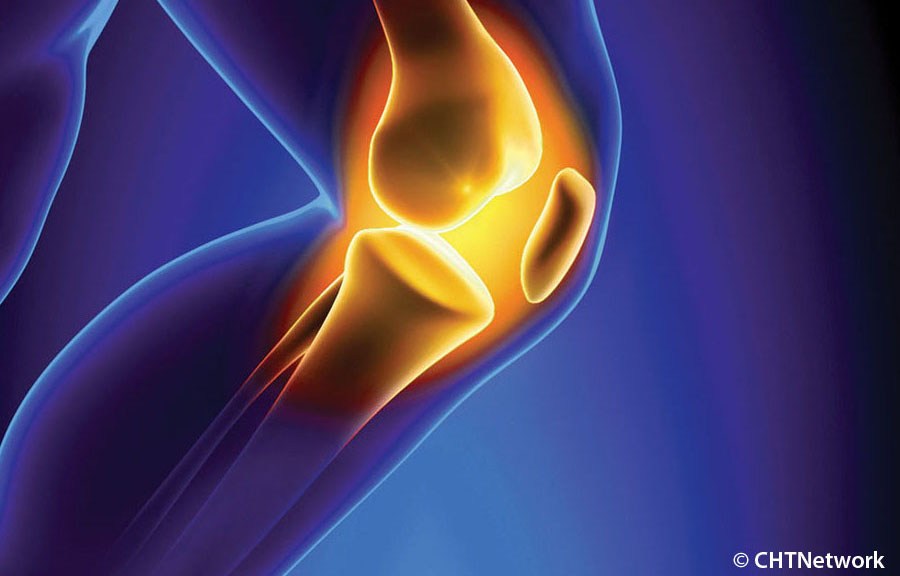
If knee pain is affecting your lifestyle, then you need to know this: the new concept in joint replacement surgery is to replace only the worn out portion of the arthritic joint and save as much of the natural knee as possible.

A large number of people with osteoarthritis of the knee have worn out only the cartilage of one of the three compartments in the knee. If this is the case, the individual may only require a partial replacement, preserving the unaffected compartments of the knee and all the ligaments of the joint.

Oxford® Knee Replacement is an implant that can accomplish this task with a proven track record of 95% success at 15 years and beyond. For this reason, the Oxford® makes a total knee joint replacement unnecessary in many cases. In some centres in the US, the number of Oxford® Partial Knee Replacement has reached almost 50% of all joint replacement surgeries.

The photograph below represents one (sided) compartment of bone-on-bone osteoarthritis. This occurs due to wear and tear of the articular cartilage. The other compartment cartilage is still normal. Once this situation develops, the individual usually has severe pain. An Oxford® is ideal for this situation.

The x-ray photographs above demonstrate a pre-operation x-ray and post operation x-ray (after an Oxford® has been placed). One can see that the bone on bone rubbing condition has been replaced by the Oxford® with its mobile bearing (the white horizontal line between the metal).

The Oxford® ® Unicompartmental Knee Replacement System offers these advantages:

At 15 years following surgery, 95% of implants are still functioning well

• Preserving other compartments of knee while only the affected inner portion of knee is resurfaced

• Preserving all the ligaments of the knee thus allow more normal, natural and physiological motion of the human knee

• Only a portion of the knee is replaced, making this procedure available to a younger population

• Minimally invasive – a small incision is utilized

• Less pain due to a smaller operation scar and dissection

• Blood transfusion is rarely needed

• Two to three nights in hospital

• Quicker recovery – discontinue walking aid as fast as one week

The Oxford® Unicompartmental Partial Knee Replacement prosthesis allows for better range of motion of the knee by replicating the function of the menisci and more normal motion of the human knee. With the Oxford® partial knee replacement, only a portion of the knee is replaced. In performing an Oxford®, the anterior cruciate and posterior cruciate ligaments are always preserved. In performing a total knee replacement, the cruciate ligaments are always removed.

In some cases, this prosthesis may be applicable to individuals who were previously considered too young to undergo a total knee replacement. The Oxford® implant utilizes a minimally invasive procedure in which patients may experience less pain and a quicker recovery time, contrasted with a total knee replacement.

To be qualified to implant an Oxford®, the United States Food and Drug Administration requires an orthopaedic surgeon to attend a special training course. This training is required because the implantation technique for this procedure is very delicate. I personally attended one of the training courses in Chicago in 2011 and have since been using Oxford® with favourable outcome.

If you have substantial pain in your knee, you should go for a complete evaluation of your knee pain problem. You may only require an arthroscopic surgery, you may need an Oxford® knee replacement, or you may need a total replacement. Most substantial knee pain problems can be helped or cured by modern orthopaedic surgery.

Detox & Live; The New Way of Healing

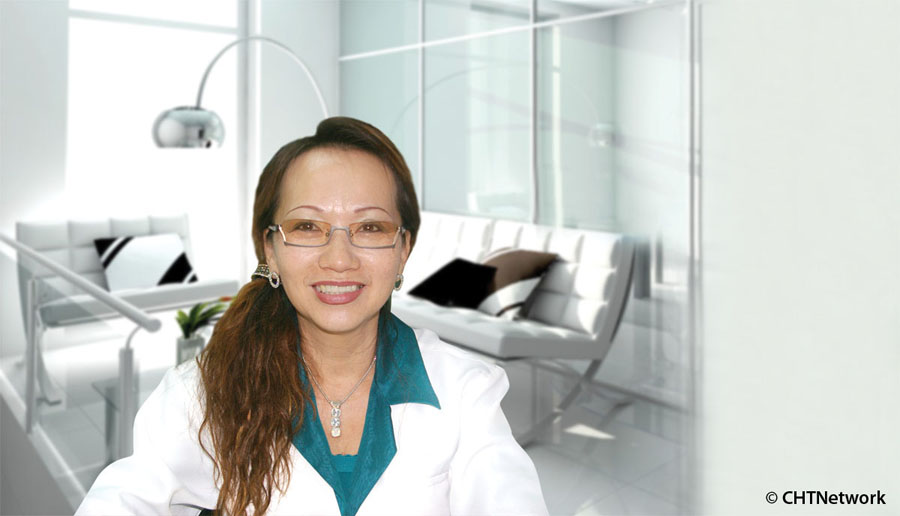
EZ welcomes Dr Michelle Lim, MD (MA) Naturopath ND, Dip. Holistic Kinesiology, a pioneer of Alternative Medicine in Malaysia, to our panel of contributors. Starting in our next issue, she will be writing on topics related to health, natural remedies and general wellbeing.

Vivacious, vibrant and oozing vitality, it’s hard to imagine that this lively lady is well into her 60s. Dressed impeccably in the calming hues of turquoise, she recounts her experience travelling around Australia in a camper with her partner, Ian. ‘If you’re on the road and you see something interesting, you can stop, get out and explore!’ And it is this openness to life and living that has propelled her throughout her own existence.

Despite a difficult childhood wrought with rejection and hardships, Lim was resolved from a very young age to build a successful life for herself. Having completed her secondary school examinations, she braved the working world and worked her way up to become supervisor of the whole factory. But with a keen interest in aesthetics, she took up night courses in the subject and trained to become a beautician. Following her graduation she opened up her own business in the 1970s.

This would prove to be the turning point in her life, as marriage and the birth of her three sons followed soon after. Though her marriage would not last, her career as a beautician proved to be a success – albeit having to manage a household on her own. ‘I always felt torn between caring for my children, managing my business and all the chores related to running a household,’ she remembers. But fuelled by her determination, she carried on.

Balancing the demands on her time and attention, Lim went on to open a second branch of her business. It was at this point that she experienced an epiphany that would direct her to the fundamentals of internal health and how this can affect the external appearance.

She studied alternative medicine via correspondence with a training centre abroad and travelled to Australia, Sri Lanka and the States to explore this branch of holistic wellness further. Michelle Herbs Therapy & Complementary Medicine Clinic, the fruit of her extensive training and research, was founded in 1990 in Penang.

Having been in this field for 24 years, Lim is dedicated to identifying and addressing the root causes of chronic illnesses through a ground breaking holistic system called Functional Medicine which employs the art of Listen to Your Body Talk. Lim has since developed a unique programme called Detox & Live, an integrated detoxification plan that targets liver and kidney cleansing, digestive problems, candidas and parasite killing combined with a range of protocal herbs, natural supplements and appropriate nutrition.

Adding to her portfolio of holistic therapies is kinesiology, which combines modern medical knowledge with ancient oriental philosophy. Having recently returned from an intensive study course in Melbourne, Lim uses this skill to tap into one’s subconscious and energy centres to counter the negative influences. ‘I firmly believe that knowledge empowers us to take charge of our lives and our health. Without awareness, we cannot change anything,’ said Lim.

HSL Helps Cambodian Community

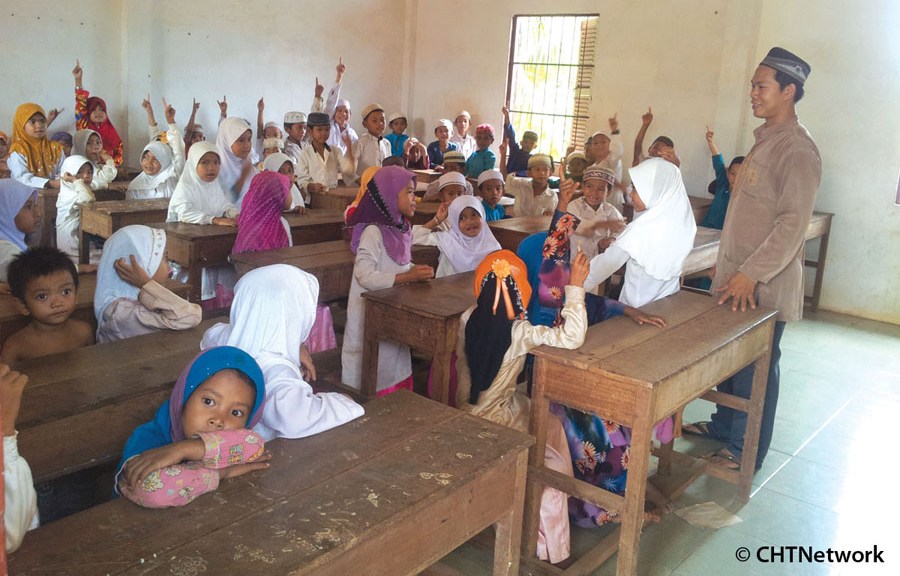
PENANG, May 2014 Universiti Sains Malaysia (USM) Hamzah Sendut Library (HSL) has conducted a series of community networking programmes in the country such as HSL@Chemor, HSL@Koperasi Tadika Minden, HSL@Tadika Lestari Ilmu, HSL@Al-Itqan and has recently extended its mission abroad to Cambodia through HSL@Cambodia: Reaching the Bottom Billions.

The main objective of the programme is to set up a library in one of the schools in Kampung Poti In, Kampong Cham, Cambodia. This mission was attended by 10 staff members from HSL who brought with them 132 reading materials to be stocked in the library there.

“It is not easy to be in a foreign land where upon arrival at Phnom Penh we had to rush to buy book shelves for the library and then take a 3-hour journey to Kampung Poti In via a winding village road,” said HSL Head of Customer Relations, Radia Banu Jan Mohamad.

“On our arrival at Kampung Poti In, we were joyously greeted by the villagers who then held the akikah feast. The overnight stay at the house of the village chief was a memorable experience as well as an opportunity to learn the culture of the local community which is not much different from Malay culture,” said Radia Banu.

Among the activities carried out were the assembling of book shelves, classifying the books according to their appropriate themes and clean-up of the library with the help of the teachers and students of the An Nikmah Religious School of Kampung Poti In which has about 300 students.

“Besides the mission to set up the library, HSL also took the opportunity to raise funds to supply clean water to villages through the construction of wells and water pump channel.

“A total of 33 wells and water pumps were given to the villagers as a contribution from Malaysia,” said one participant.

This mission is just the beginning and it certainly will not end here. HSL will continue to seek funds to improve the library as well as add to the existing reading material from time to time.

“I call on the USM community and also anyone who wants to help, either in donating reading material or other forms of assistance, to contact us as this programme will be on-going,” said Radia Banu.

Prior to Cambodia, HSL also helped Sekolah Rendah Al-Itqan in Teluk Kumbar, Penang, a private religious school that provides religious education and other subjects to students of Penang and also from other states.

The programme was made ​​possible by a total of 20 HSL staff members who were divided into two groups – one to brighten up the surroundings (painting, murals and arranging the furniture) while the other deals with the technical aspects (system development and cataloguing books).

All the HSL programmes ran without a hitch with the help and support of the library top management.

Tiger Milk Mushroom to Help Manage Asthma

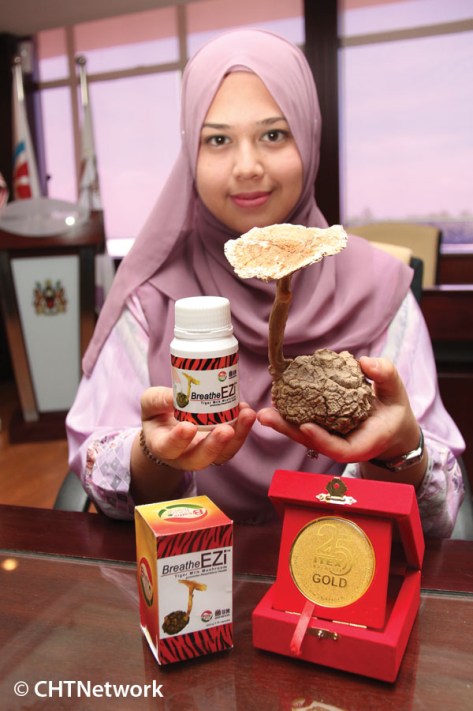
IMG_6327Asthma is a chronic respiratory disease that causes difficulty in breathing. Many asthmatic patients make a wheezing sound when they breathe due to blocked airways in the lungs, and usually require an inhaler to supply oxygen directly to the lungs to help them breathe easier.

Dr Nurul Asma Abdullah, a researcher and lecturer from Universiti Sains Malaysia (USM) School of Dental Sciences, has developed a new capsule formulation from Tiger Milk Mushroom or its scientific name Lignosus Rhinocerus called BreatheEZi as a new treatment for the management of asthma.

“Tiger milk mushroom is very rare and it can only be found in the tropical forest of South East Asia. Fortunately I found a local company that cultivates this type of mushroom and this greatly aided my research as I do not need to go into the jungle to get it,” said Nurul Asma.

“BreatheEZi helps to reduce common asthma symptoms, minimize the usage of inhaler, reduce severity of asthmatic attack while promoting better respiratory health,” explained Nurul Asma.

She added that since BreatheEZi is a natural alternative for the management of asthma, it has several advantages in terms of commercialisation potential compared to the present modern medications in the market as it has less side effects, is cost-effective, easily available with the current cultivation technology and sustainably prepared.

“Asthma medications can be divided into preventers, controllers and rescuers. BreatheEZi acts as a preventer and controller but not a rescuer,” Nurul Asma said at a press conference to highlight this product that had won a gold medal during the recently concluded 25th International Invention, Innovation and Technology Exhibition (ITEX) 2014 at Kuala Lumpur Convention Centre.

“USM submitted 20 products and inventions in 23 catagories for ITEX 2014, and 19 of them won gold medals, one silver medal and three special awards from recipients of gold. USM also obtained a silver medal for the best exhibition booth design category,” said Deputy Vice-Chancellor (Research and Innovation), Professor Dr. Muhamad Jantan who chaired the press conference.

According to Nurul Asma, BreatheEZi has good commercial value especially in the international market as asthma is a global health problem that is increasingly affecting the population of many developed and developing countries who are facing unhealthy air quality due to smog pollution.

“Research on BreatheEZi is ongoing and I hope that it can still be further improved. Since this research started two years ago, a total of RM230,000 has been spent including for human capital development,” added Nurul Asma.

Fair Game? Freedom?

Resize_Bersih3_NileBowie1When Malaysia’s independence was declared in 1957, there was no rift among those from different colors, races and religion. It was a pure and sincere show of unity when our forefathers fought together in order to have a place that they could call home. It was then Malaysia for Malaysians. Cooperation was flawless.

Today so often after many years of stability, the notion of people come and go does not really apply to most Malaysian leaders, be in the politics, associations or private companies.

They are very reluctant to abdicate their positions. Many even build a family dynasty within these organizations where the children so to speak are groomed to be the crown prince and princess who will take over the throne when the time comes.

The best take in this fairy tale is that the leaders built these empires through the legacies of fighting for the benefits of the people who wished for a better future. This is how heroes were created in the olden days but in today’s modern world, heroes become leaders through a democratic election process.

Although the United Nations consistently persuades all countries to conduct a fair and free democratic election process, most election procedures are said to be free and fair but the baggage usually comes with many unpublished accounts where the losers would have strong objections of the system not being fair and not being free.

The last two Malaysia elections saw the emergence of an opposition party, Pakatan Rakyat loosely formed together by three main parties with the Democratic Action Party (DAP) seen to anchor the voice of the Chinese community whereas Parti Islam SeMalaysia (PAS) is on the other extreme, safe guarding and preaching Muslims’ sacred rights of religion and teachings.

Sandwiched in the middle is none other than the Parti Keadilan Rakyat (PKR) led by the infamous former Deputy Prime Minister, Dato’ Seri Anwar Ibrahim who was removed from office following sodomy charges.

Although not actually having the same principles on how to run a country, these three amigos do have a common enemy that is the current ruling coalition party, Barisan Nasional (BN) comprising several component parties.

BN has been around running the country for ages and is made up of a pie majority of UMNOs and the leftover remaining small pieces are shared among the Chinese, Indian and East Malaysian parties.

The acute frustration is that BN won the last election but the opposition party, PKR won the popular vote. Hence the Malaysian society that was once united 50 odd years ago now stands in a limbo of what I like to call a hot tub politics – meaning even though everyone loves being in a hot tub after a hard day’s work, not everyone is agreeable with the temperature. The best is to be the one controlling the taps. What’s new?

Our neighboring country Thailand has been in this hot tub politics for the past 15 years when the ruling party once led by Thaksin Shinawatra won every election, until the opposition party just took to the streets and staged mass protests that sometimes turned violent just to cripple the economy hence toppling the government.

The last demand the opposition wanted was to have an appointed government rather than an elected one simply because they cannot win but they still want to take charge. They have no doubt succeeded in destroying the economy and deterring any foreign investments but ultimately both sides were losers when the army flexed their muscles, abolished the government and took control of the country in the name of stability.

Some may say that this coup is unconstitutional but I personally have the opinion that this is best scenario the Thais have before the whole country falls into an uncontrollable and undesired unrest like that which happened or is currently happening in countries such as Syria and Egypt. Then what?

Malaysians have been pretty much controlled when it comes to violence, probably because we have been through May 13 and it was a black page in our history. Today, Malaysia has removed its controversial Internal Security Act (ISA) and demonstrations are allowed. It definitely seems that the country is slowly changing and heading to what many deem as a more democratic nation where the people have the freedom to voice out. Is this a good or bad move? Are Malaysians ready for such liberty?

I guess the main worry here is that the majority, especially the younger generations, are happy to be able to have their voice heard but what if a peaceful demonstration turns into an ugly riot? There is no doubt that all of us want a better life and most will not be satisfied with what we have today but look forward to having more tomorrow. Then some will point the finger to the powerful and rich claiming that they are not playing a fair game or to put it bluntly – corrupted or dirty.

It is always so simple to criticize others and not blame ourselves for what we are today. It is always other people’s faults and we are usually always right. Sad to say that most will only become aware of how lucky we are when the situation turns bad and the sufferings eat into their own lives and families. Only then there will be regrets as many are just mere blind followers joining in the fun of it.

Somehow it makes these people feel ‘great’ as they are doing something good for the nation although they usually know near to nothing about the cause. But there is no doubt that they act as if they know everything. At the end, the winners will only be the few smart ones leading the pack if they succeed in their so called ‘revolution’. If they fail, then the winners will be those in power as they would have crushed the uprising.

Like it or not, the losers are always the people. Worst of all is that we are the ones choosing and somehow, sometimes, some of the chosen ones just are not what we expected. Tough! That’s life!