Thai Airways International Public Company Limited (THAI) has recently launched its inaugural flight operating directly to Vienna. Marking first flight celebrations, THAI held a reception presided by Mrs. Usanee Sangsingkeo with the attendance of the THAI’s team from Thailand and Austria. Over 250 guests attended the inaugural flight reception at Palais Ferstel in Vienna, including His Excellency Mr. Songsak Saicheua, Ambassador Extraordinary and Plenipotentiary of Thailand to Vienna.
THAI’s direct roundtrip flights to and from Vienna, located in Central Europe and the gateway to Europe, will make it convenient for passengers to connect flights to various destinations operated by THAI in Europe. Currently, THAI flies to 12 destinations in 10 countries in Europe, including Copenhagen, Oslo, Brussels, Paris, Frankfurt, Munich, Zurich, Stockholm, London, Rome, Milan, and Moscow, which equates to more than 80 flights per week. Passengers travelling from Europe will enjoy travelling to Thailand at a flight time of approximately 10 hours, especially those travelling from Austria which means direct, non-stop flights from Vienna-Bangkok.
Vienna is renown for its revered residents, such as Mozart, Beethoven and Sigmund Freud. As the city of music, Vienna is famous for its classical composers and Imperial Palaces such as Schonbrunn Palace and Hofburg Palace, as well as the Museumsquartier baroque district.
THAI operates four roundtrip flights per week from Bangkok-Vienna utilising Boeing 777-300ER aircraft that is equipped with 348 seats consisting of 42 seats in Royal Silk Class with full flat beds that recline 180 degrees and 306 seats in Economy Class. THAI’s exceptional in-flight service has won the prestigious Skytrax 2017 World Airline Awards for the World’s Best Economy Class, World’s Best Airline Lounge Spa, and Best Economy Class Onboard Catering.
从泰国热带海滩直达冷峻宏伟的奥地利山脉将不再是梦想。泰国国际航空公共有限公司(Thai Airways International Public Company Limited-THAI)近日开通了首个直飞维也纳的航班。为了庆祝首航开启,泰航代理总裁Usanee Sangsingkeo 女士主持了一项由泰国和奥地利两地泰航团队参加的招待会。250多名嘉宾也出席了这项在维也纳费尔特斯宫的首飞庆祝会,包括泰国驻维也纳特命全权大使 Songsak Saicheua 阁下。
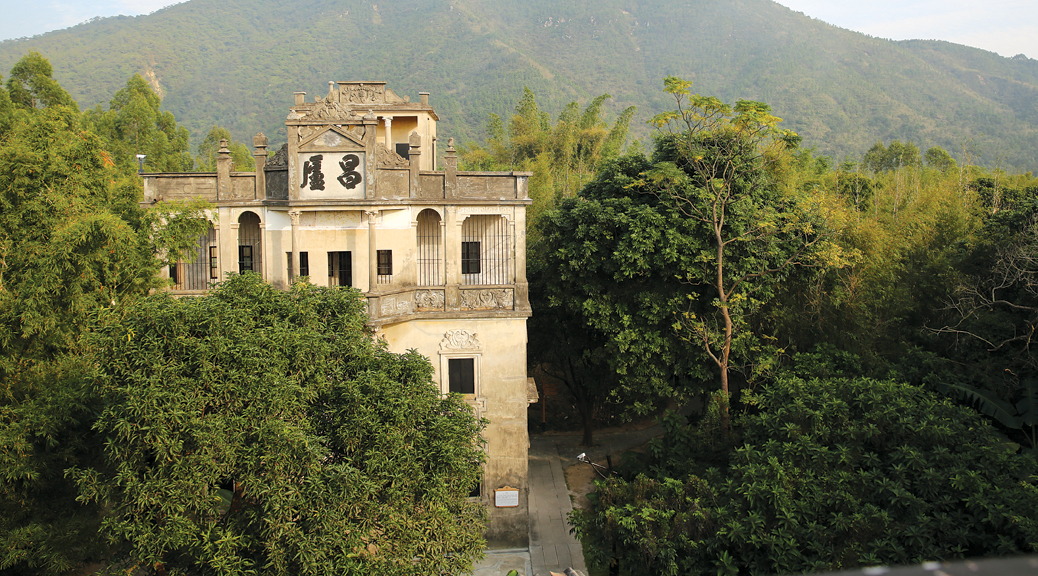
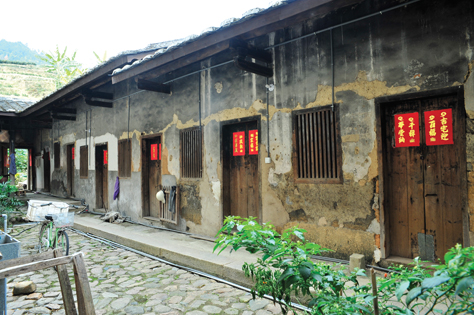
The Tulou in Fujian and Diaolou in Guangzhou provinces were self-built structures by the locals who were mainly living outside the fort located deep inside the hilly or mountain areas. Both of these amazing architectural wonders were inscribed as UNESCO World Heritage Sites in 2007 and 2008. Today, these heritage sites are becoming more of a tourist attraction than a residential area as they have attracted visitors from different parts of the world.
In the past, the commoners were given protection by the emperors in forts but constant wars among the different quarters battling to eliminate one another had led to the shift of commoners to the southern regions such as Fujian and Guangdong provinces. There, the people began to build their new homes but unfortunately they were met with robbers and bandits. As such, the people themselves decided to build a ‘big house’ so that they could stay together. It was a show of strength and a great example of how everyone could be protected by sheer unity. Besides, the most interesting elements about these structures were the escape routes and embrasures.
It was a show of strength and a great example of how everyone could be protected
by sheer unity.
团结就是力量,因而有了这种人类群集居住在一起的方式。
The Fujian Tulou or simply known as ‘earth buildings’ were built during the Sung dynasty and its building materials relied heavily on available raw materials such as stones, wood, bamboos and most important, the sand, soil and clay. These buildings come in all shapes and sizes depending on the earth structure and the weather in that area. The main purpose is to create a strong structure with sufficient ventilation and light. In short, these Tulou were well-structured and safe for residents while able to house between 200 to 800 people.
The Hakka and Minan villagers in Fujian were those responsible for constructing these buildings. The buildings could be distinguished in two categories, one being the standalone unit and the other being the cluster type. Although there were many Tulou in the province, only 46 were regarded as UNESCO World Heritage Sites.
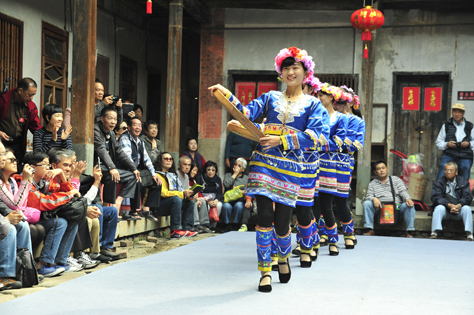
Eryilou, also known as ‘The King of Tulou’, was the largest single unit built in 1770 consisting of four floors from the outside layer and another floor inside. It possesses an impressive outer ring diameter of 71 metres with 48 rooms on each level. Tourists are allowed to visit this building where the residents offer a wide range of local handmade products and souvenirs. Not to mention one would be amazed when walking up and looking into the rooms that were once living quarters. Situated not far from Eryilou were the Nanyanglou and the Dongyanglou. The former is now a museum and the latter was converted to a performing area to entertain and educate visitors on its unique culture.
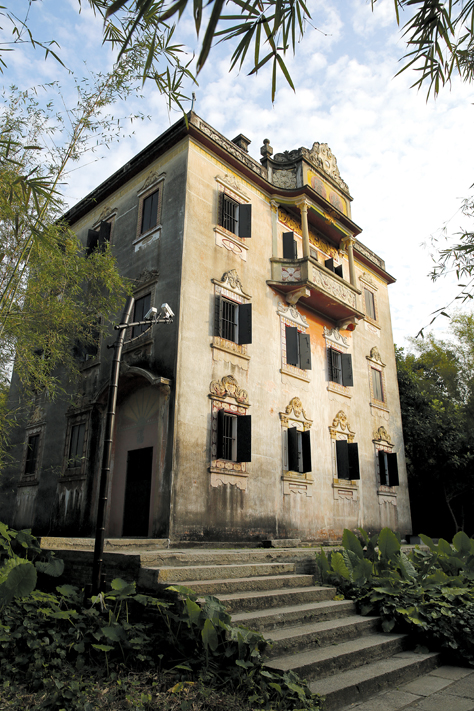
On the other hand, the Diaolou entered the Chinese architectural scene during the Ming dynasty until right before the end of the Chinese Republic era. Similar to the Tulou, these high towers most combines of Western and Chinese style were built as protection in response to local banditry. There were more than 3,000 of such towers in the past but today, only around 1,800 remain of standing, most of which are unoccupied if not abandoned. The construction of these buildings were mainly funded by overseas Chinese with the hope that their immediate and extended family members could have a safe place to protect themselves when necessary.
Built with stones, bricks or concrete, these tower-like buildings were very well-equipped with solid prison-like bars and thick metal windows to shelter against any shooting or force entry. Furthermore, there were special embrasures created to take aim at intruders. The Zilicun village was among the best preserved architecture site and it contributed to the largest number of Diaolou recognised by UNESCO. Walking up these old buildings allow visitors to experience how people lived in these tall buildings that were designed not only with relatively small rooms but also narrow staircases with plenty of steps. Nonetheless, the view from the building was breathtaking. Another not-to-be-missed attraction was the luxurious Li Garden with private canal, beautiful gardens and six villas built by a wealthy Chinese emigrant businessman living in the USA. Not forgetting a Diaolou for emergency protection purposes.
The Tulou and Diaolou were once built for protection but today these fine heritage buildings open their doors to the world showcasing what residents in the past would have done to protect their families and belongings. Perhaps the attitude and the unique architecture will be good research and study materials for generations to come.
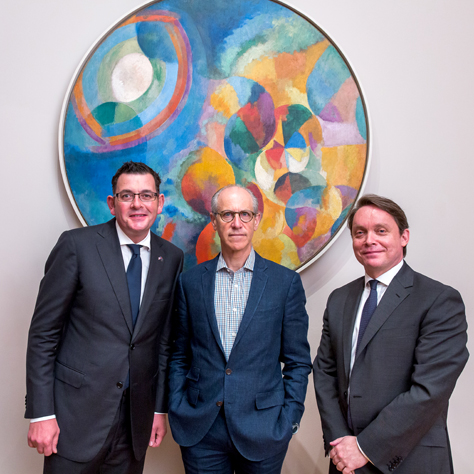
The Hon. Premier Daniel Andrews, Glenn D. Lowry, Director, MoMA, and Tony Ellwood, Director, NGV in front of Robert Delaunay’s Simultaneous Contrasts: Sun and Moon, 1913 (dated on painting 1912). Photo : Scott Rudd
The National Gallery of Victoria (NGV) will be presenting a major exhibition of modern and contemporary masterworks from New York’s iconic Museum of Modern Art (MoMA). The international exclusive exhibition is slated to open in June 2018 at NGV International in Melbourne.
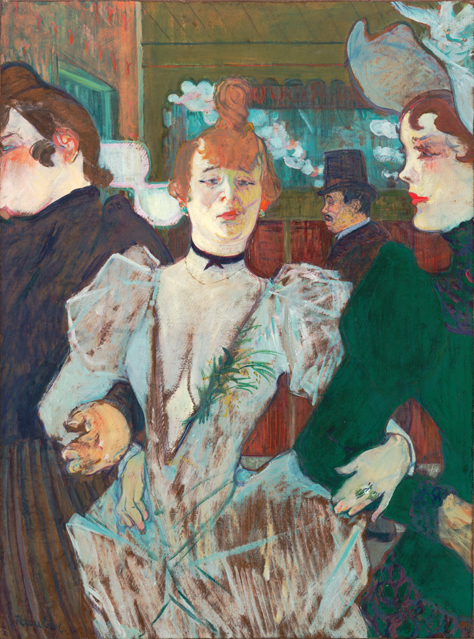
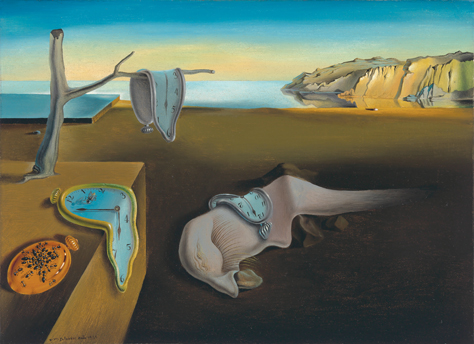
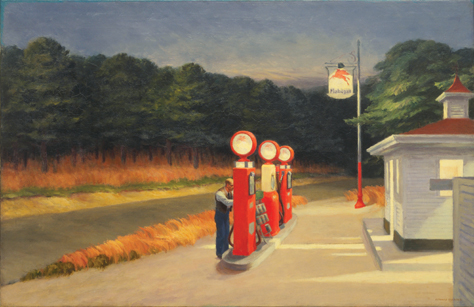
The exhibition will feature 150 works including never-before-seen masterpieces in Australia and is the largest instalment of the Melbourne Winter Masterpieces series. It will explore the development of major art movements and represent more than 130 years of radical artistic innovation. Masterworks from MoMA will be on display from June 8, 2018 to October 7, 2018.
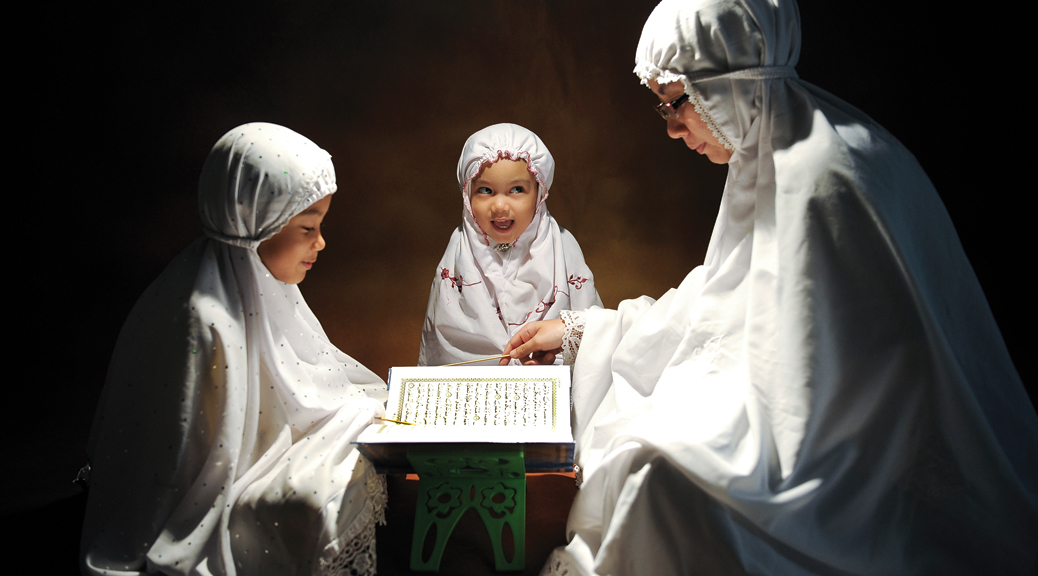
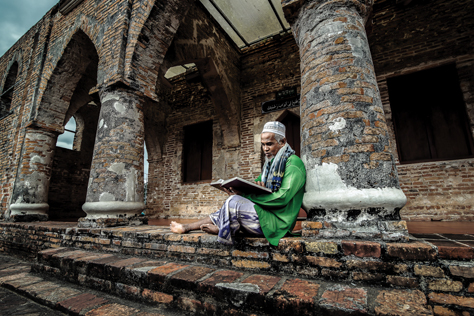
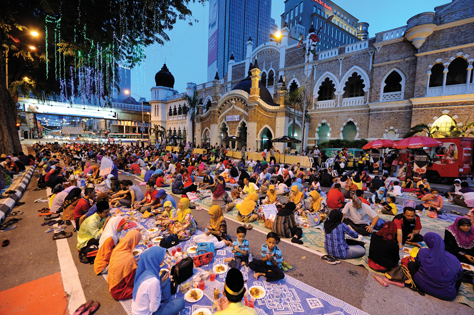
2nd Prize Winner Redzuan Bohari – Malaysia Caretaker of the 18th-century Kerisik Mosque in Pattani.3rd Prize Winner Rahmat Hidayat – Malaysia “Guide from the heart” Selected Top 50 finalistsEtha Ngabito – Indonesia “Making their way to the mosque”Lin Joe Yin – Malaysia Mass iftar (breaking of fast) at Dataran Merdeka, Kuala Lumpur.Kritchayathorn – Thailand “New member”.
Over the years, the Islamic Arts Museum Malaysia (IAMM) has hosted numerous photographic exhibitions to showcase the diversity of Islamic people and culture throughout the world. However, this year, the museum decided to organise its inaugural photography competition and exhibition, entitled “A Spiritual Journey: Islamic Culture and Heritage in Southeast Asia”.
The initiative behind the competition was to inspire creativity among photographers, as well as to document the visual appeal of Islam in Southeast Asia. It is a platform for photographers to immerse themselves in a subject matter that has not been the focus of any photography competition before. Through the eyes of these enthusiasts, the Southeast Asian Muslim cultural identity will be shared with the public and the world, providing new perspectives and understanding of the region.
More than 120 photographers answered the call and submitted their works. This diverse pool of talent not only hailed from Malaysia, but also Indonesia, Thailand, Cambodia, the Philippines, France, Germany and United Kingdom. Coming from different backgrounds, both professional and amateur, these photographers shared their views and perceptions of the Islamic elements of Southeast Asia, which is home to over 230 million Muslims.
They’ve captured various glimpses, from intimate moments of solitary prayer and reflection, to the nurturing of the next generation onto the spiritual path, as well as occasions where Muslims come together, united by faith and community spirit. It is clear from the photographs that the fusion of modern and traditional practice has developed into a unique identity, which can only be appreciated by a journey through the peninsula and archipelago.
The top three photographers – Mazlan Bin Samion, Redzuan Bohari and Rahmat Hidayat, who are all from Malaysia, were presented with Grand Prizes totaling MYR 10,000on the exhibition’s opening day. In addition to the winning entries, the exhibition, which was held at the IAMM’s Open Space Gallery from 14 July until 14 October 2017, also showcased the top 50 photographs selected from the many that were submitted.
The encouraging public response that the exhibition garnered is proof that photography exhibitions continue to have a vital role to play, not only as a visual art form, but as a medium for expression, documentation and understanding.
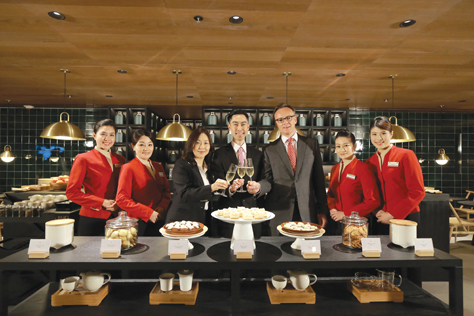
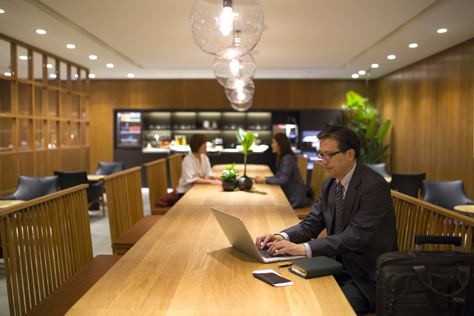
Cathay Pacific General Manager Product Leslie Lu (centre), General Manager Hong Kong International Airport Liza Ng (left) and General Manager Sales & Distribution Toby Smith pictured at The Pier Business Class Lounge.
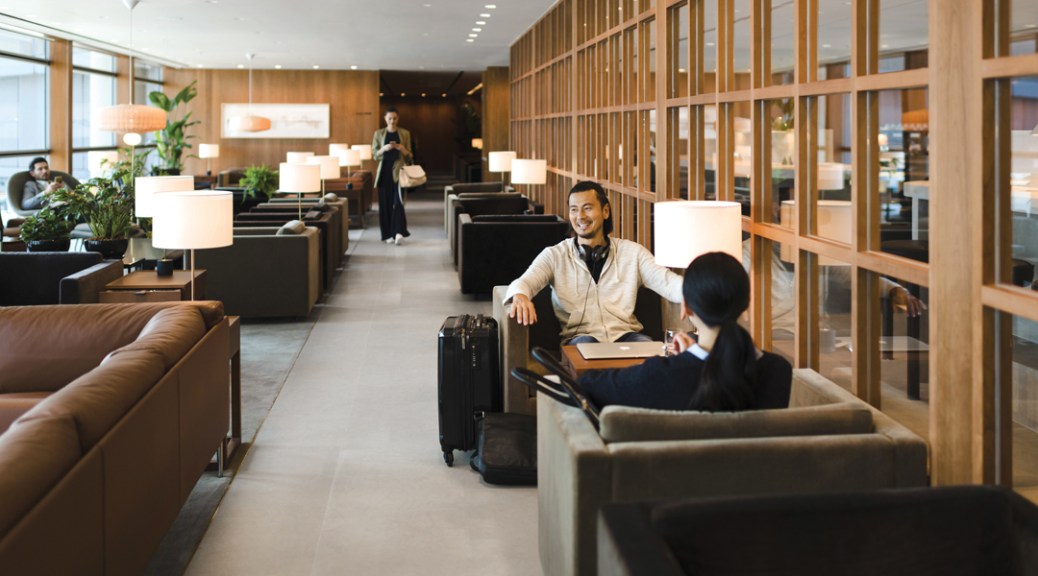
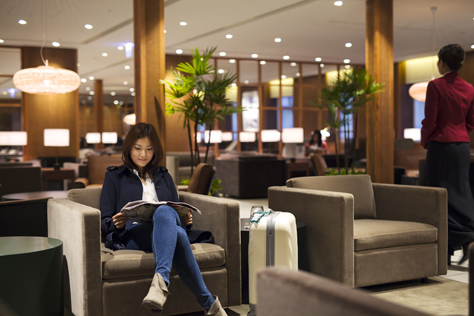
Cathay Pacific Airways unveiled its new Business Class Lounge at The Pier in Hong Kong International Airport recently after a comprehensive refurbishment. The luxurious lounge is now larger with seating for 550 people.
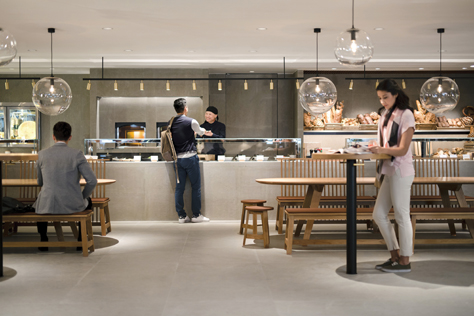
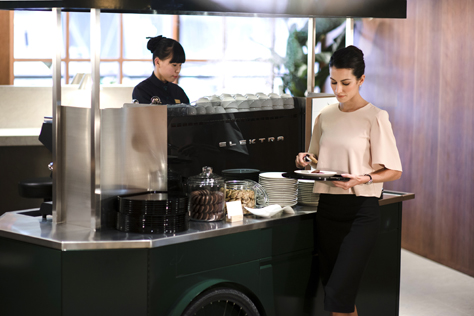
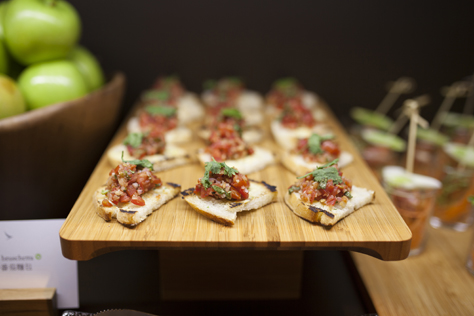
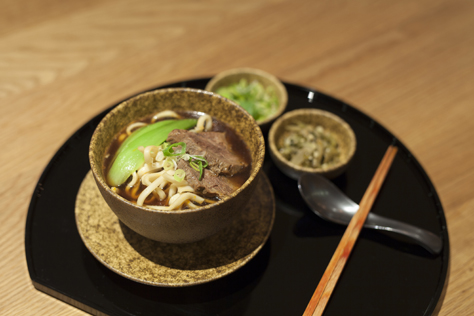
The Pier Business Class Lounge is divided into “fast” and “slow” lanes where The Food Hall and The Noodle Bar are located in the “fast” lane. This is where passengers can find an array of food and beverages such as coffee and noodles.
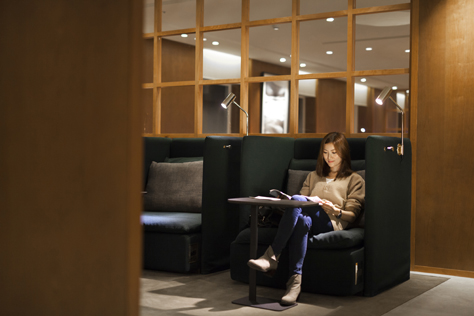
There is also a Tea House especially for those craving a soothing drink amidst a tranquil environment while the slow lane is where passengers can put their feet up in the lounge seating equipped with built-in reading lamp and side tables.
Passengers can freshen up in one of the 14 shower suites and a relaxation room for a calm and stress-free experience in order to wind-down and refresh themselves.
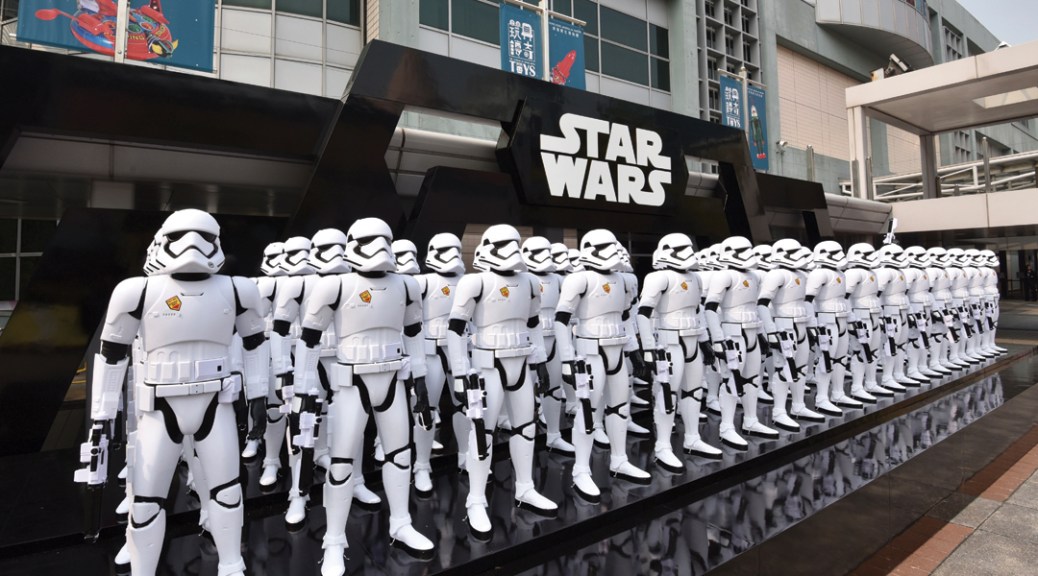
Hong Kong Museum of History has taken on an exciting challenge – one that has not only attracted the young hearts of little children in Hong Kong but has also charmed adult and kids alike worldwide with adorable designs and features.
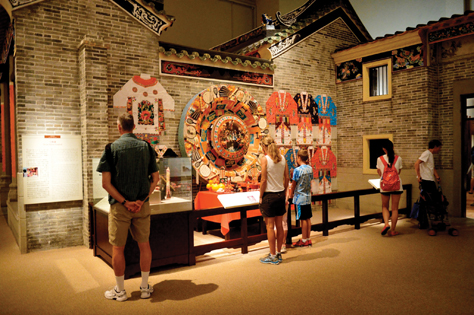
We are, of course, talking about toys. Partnering with Hong Kong Toys Council and the Toys Manufacturers’ Association of Hong Kong, the exhibition weaves through the evolution of toys in the past century and the way industrialists revolutionalise and guaranteed the good quality of items ‘Made in Hong Kong’.
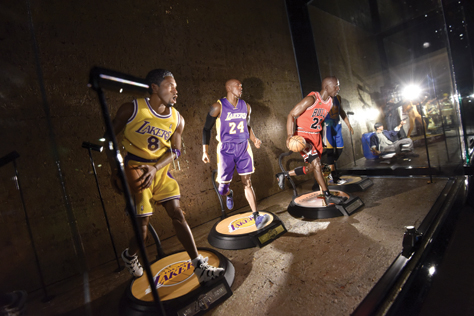
One of the most popular parts of the exhibition features a play area to encourage the importance of play and also the meaning of toys. The exhibits present ways on how entertainment came in various forms including animation, comics, cinema and television, and trends which influence the production of toys. Hong Kong has played a prominent role in the evolution of toys and gone beyond just fun and play.
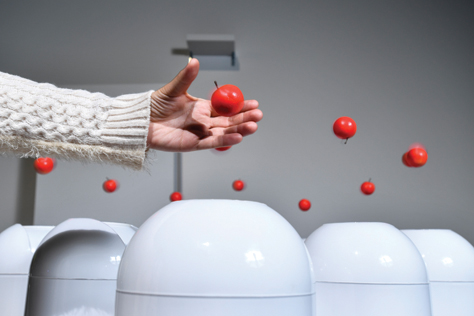
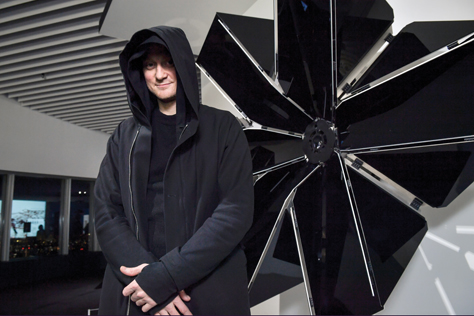
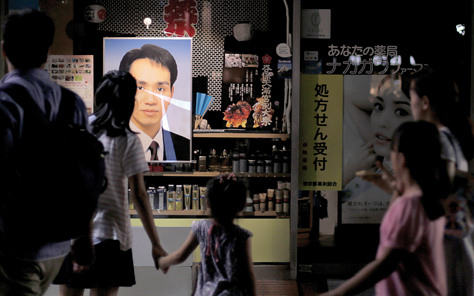
Toshiya Yui x Tomohiro Yokota x Tomoko Hashida / Floatio AppleverDavid Letellier / Versus
Media Ambition Tokyo, now in its 4th edition, is fast becoming one of the fastest growing cultural showcase of technological art with an experimental twist in urban Tokyo. Organised by the MAT Committee, the exhibition is set to take place for almost a month all around Tokyo focusing on some of the most dynamic part of the city including Roppongi, Aoyama, Ochanomizu, Toranomon and a few more other venues. These venues will host super-edgy artwork, video, music, performances, hacks and talk shows.
Over the years, the programmes have organically increased and expanded covering international and local participants. The exhibition focuses on showcasing the evolving systematic designs of transportation, communication and information and the potential of technology in creating the city’s future. Through experimental projects unlimited by category or genre, MAT aims to develop the reformative movement in technology through art.
Previous collaborators include Apple Store in Ginza and Omotesando, Institut Francais Tokyo, Intersect by Lexus-Tokyo, IMA Concept Store, Digital Hollywood University and the National Museum of Emerging Science and Innovation. In 2016, they have also collaborated with Yasei Collective and producer Keiichiro Shibuya for its opening live show titled ‘Digitally Show’.
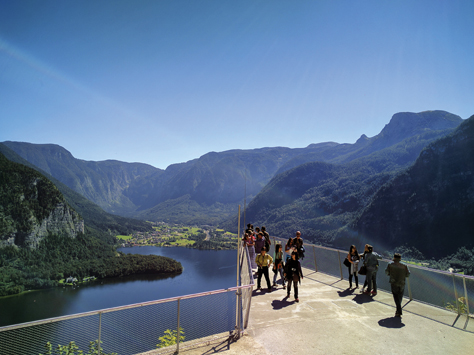
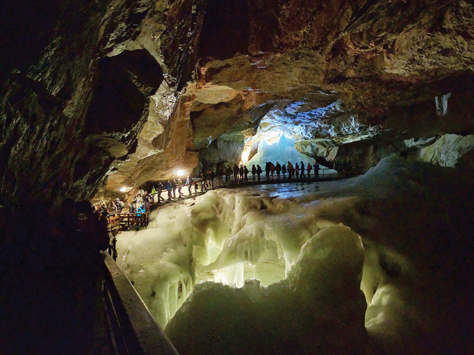
SalzweltenDachstein SkywalkView from Dachstein SkywalkDachstein ice cave
Nestled in Austria’s Salzkammergut Lake Region – between the edge of Hallstätter See and the towering Dachstein mountains – is the town of Hallstatt one of Austria’s oldest and most likely most photographed village in the region. Its 16th-century Alpine houses cast shimmering reflections onto the calm waters of the lake with towering mountains on all sides. Accessible only by boat or mountain trail, the lakeside town is a UNESCO World Heritage Site that is also home to almost 800 residents. Towards the west, a trail leads hikers to the Echern Valley famous for its glacial potholes and Waldbackstrub Waterfall.
For centuries, the village has benefitted from a very sought-after commodity below the surface of the earth: salt. The Hallstatt mines – Salzwelten – is possibly the world’s oldest salt mines with a subterranean salt lake. Connected via a funicular railway, it is said to have been discovered as early as the 15th century and was used until modern times as the most important location for mining in the region. A particular feature here is the “Man in Salt”, a corpse that was discovered in 1734, perfectly preserved with his tools.
At an elevation of 1,677 ft above sea level, the Lake Hallstatt is about 125 meters deep and connects three other small towns. People come to admire the lake from the top, swim in its clear water, or take a boat ride as part of discovering the history of Hallstatt and the Salzkammergut surroundings.
The Dachstein Skywalk, located at an altitude of about 2,700 meters, allows visitors to see over Austria to Slovenia and the Czech Republic on a good day. Voted as one of the highest suspension bridge in Austria, this viewing platform is completely made of glass.
A short cable car ride, plus a 20 minutes walk brings you to the entrance to the Dachstein ice cave. An organised tour of the cave lasting one hour shows you the natural wonders of the ice forms and the man-made ice sculptors including the Grais Castle, Parsifal Cathedral, and the Tristian Cathedral. Annually, more than 150,000 people visit this natural wonder of the alps.
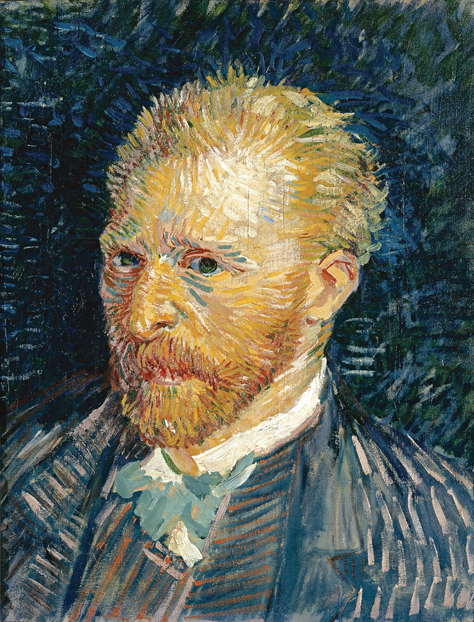
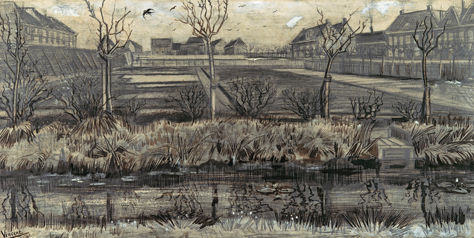
The largest-ever Vincent van Gogh exhibition to be held in Australia, Van Gogh and the Seasons, was unveiled at an exclusive media preview in April at NGV International, with direct descendants of Vincent van Gogh in attendance. Josien van Gogh and Sylvia Cramer, great-grandnieces of Vincent van Gogh, joined exhibition curator Sjraar van Heugten, renowned Van Gogh expert and former Head of Collections at the Van Gogh Museum, for the first reveal of the world-premiere exhibition.
Featuring nearly 50 stunning, vividly-coloured Van Gogh masterpieces, Van Gogh and the Seasons explores the visionary artist’s profound connection to the seasons.
One of the world’s most famous artists, Van Gogh had a brief but prolific artistic career spanning barely a decade before his suicide in 1890 at the age of 37. Van Gogh and the Seasons is on display at NGV International, 180 St Kilda Road, Melbourne, Australia, until 9 July 2017. Open daily, 10am-5pm. Tickets available now at NGV.MELBOURNE. The exhibition is organised by the National Gallery of Victoria and Art Exhibitions Australia.
澳大利亚举办最大规模的文森特.梵高 (Vincent van Gogh) 展览会:“梵高与季节-Van Gogh and the Seasons”,梵高的嫡系后裔也出席在4月份NGV国际举行的独家媒体预告会。梵高的侄孙女 Josie van Gogh 和 Sylvia Cramer 连同展览策展人 Sjraar van Heugten (著名的梵高专家和梵高博物馆前负责人),一起参加了世界首场展览的揭幕仪式。
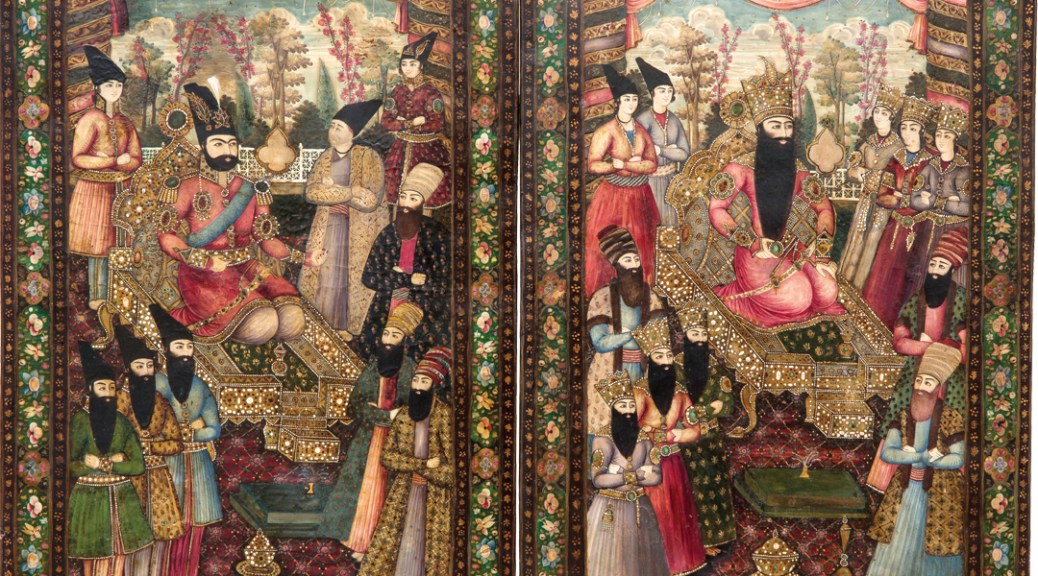
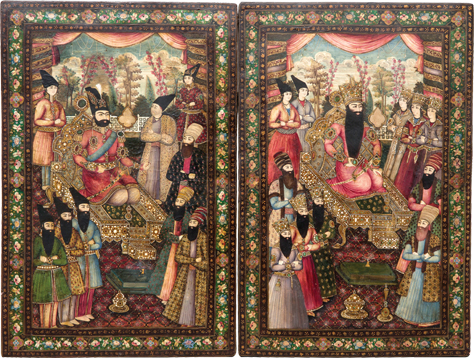
19th century Quran from Iran, depicting Fath Ali Shah Qajar and son Mohammad Shah Qajar.
Typically, when studying a manuscript, the focus is on what’s in the book, rather than what’s on the outside. After all, as the old adage goes, we must “Never judge a book by its cover.” However, here’s an exhibition that invites you to take a closer look at the covers of books, instead of their contents. Simply called “Islamic Bookbinding,” the Islamic Arts Museum Malaysia’s (IAMM) latest temporary exhibition showcases 70 artefacts that comprehensively portray the beautiful elements of bookbindings from around the Islamic world.
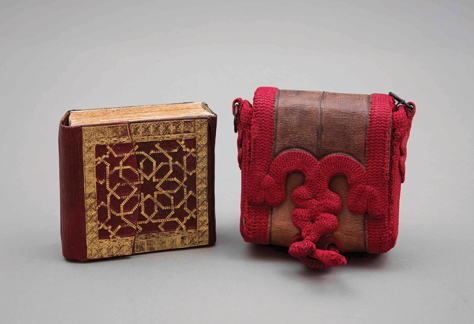
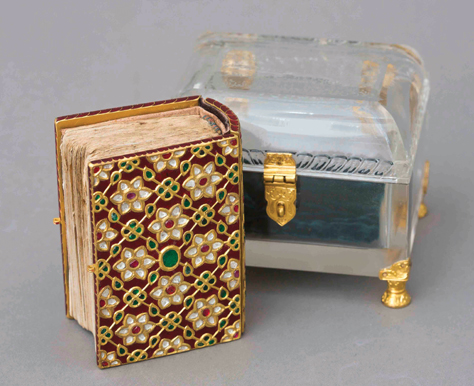
18th century Quran from Iran with a protective pouch.18th century Quran from Iran, adorned with multi-coloured gems.
Opened to the public on 8th May, the exhibition begins by tracing the history and types of bookbinding. This is followed by a look at the intricate designs and techniques, as well as the constituting elements that form a bookbinding. The objects displayed are beautifully-handmade, most from leather, lacquerwork and textiles. Some specimens show their age and evidence of frequent use, while others are perfectly-preserved time capsules.
Overall, the exhibition hearkens back to an age where bookbinding was a treasured artform in royal ateliers. Besides their practical function, book covers were ornamented with fine tooling, stamping, gilding and painting to showcase the status of the owner.Some manuscripts are also equipped with additional housings, such as boxes, pouches and slipcases. And then there are those that are so sumptuously decorated with gemstones, they have to be seen to be believed!
The highlights of the exhibition are several rare masterpieces, such as a pair of royal Qajar lacquered book covers, depicting Fath ‘Ali Shah Qajar (r. 1797 –1834) and his son Mohammad Shah Qajar (r. 1834 –1848). Another outstanding piece is a Qur’an binding from the East Coast of the Malay Peninsula, featuring red Moroccan leather and elaborate tooled decorations with a central medallion.
19th-20th century Quran from the Malay Peninsula, featuring bright red leather and gold tooling.
Bookbinding is a topic rarely featured by art institutions, and this pioneering exhibition takes it a step further. It is the first exhibition of its kind to showcase a little-known and almost forgotten part of Malaysian heritage – the art of local bookbinding. Unique emphasis is given to local bindings made from textile that show detailed stitching of the endband placed over the spine.
In conjunction with the exhibition, the IAMM has produced a special catalogue of the same name, featuring artefacts from the museum collection, which will no doubt be a valuable reference on the subject. In addition, the IAMM’s Education Department has lined up a variety of public programmes, including lectures and hands-on workshops for adults and children, throughout the exhbition’s eight-month period.
For further information on this exhibition and its public/ educational programmes, please visit iamm.org.my.




















 EZ MALAYSIA.NEWS