Category Archives: Vol 35

George Town Festival Turns 5

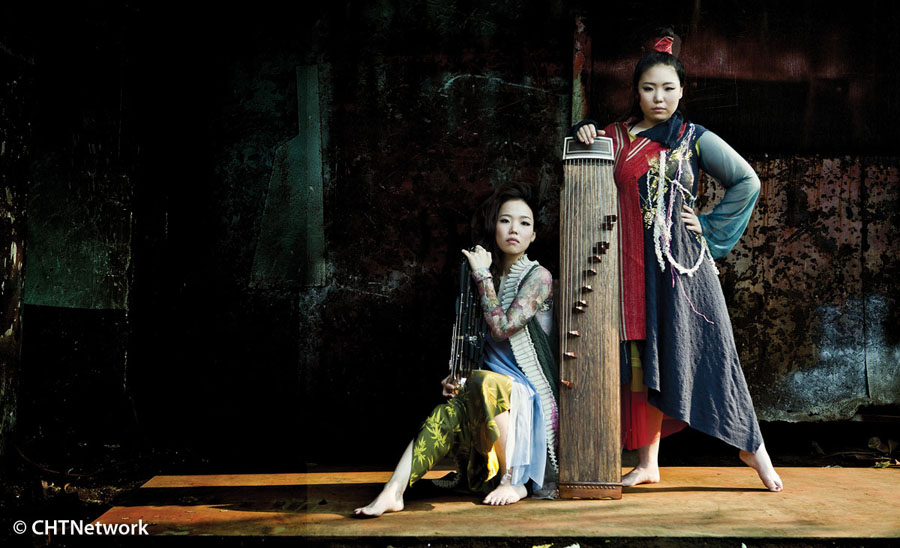
As the annual arts and cultural festival celebrates its ‘wooden’ anniversary, we bring you the top 5 highlights of the event.

Described by The Edge, Malaysia 2012 as ‘one festival in the country worth making a roadtrip for’, the George Town Festival (GTF) has been drawing in audiences and participants not only from the region but the world over.

The month-long festival, which was founded as a celebration of George Town’s UNESCO Heritage Site Listing on 7 July 2008, sees a shift to August this year to accommodate the Muslim fasting month.

With programmes scheduled daily throughout the festival, this year’s events draw attention to the living culture of the city – people, places and communities. Modest locations such as coffee shop corners and sidewalks will be transformed into galleries and theatres, giving the impression of a borderless stage.

‘We live within such a unique network of vibrant spaces, and the real centrepiece of the festival is the city itself. We want to turn the city into a canvas for world-class artistes,’ says Festival Director, Joe Sidek who has been helming the project since 2010.

The Biscuit Chronicles

A Taste That Transcends Generations

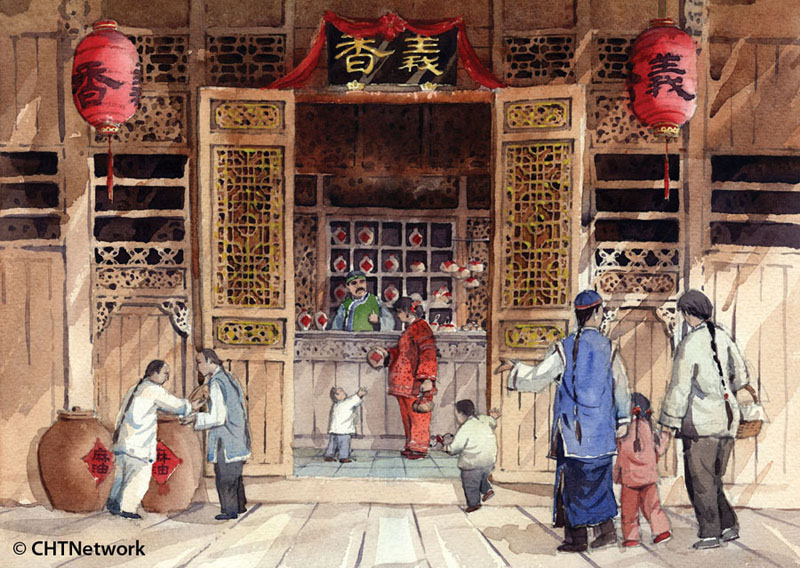
Mention Penang’s ‘must-buy’ items and sure enough, tau sar pneah makes the list in a heartbeat. Its name literally means ‘bean paste pastry’, which is what it is; mouthwatering balls of sweet mung bean paste with the savoury hint of fried shallots, enfolded within layers of flaky pastry and baked to golden perfection. This popular snack enjoys somewhat of a cult status in the state, so much that many insist no visit to Penang is complete without them.

The origins of the humble tau sar pneah can be traced to the Fujian province in Southern China during the mid-19th century. 1856 was the year when the first ever pastry house dedicated to traditional Southern Chinese pastries was founded in Penang with the aid of a Fujianese pastry chef, and this marked the start of a legacy. This pastry house is Ghee Hiang, which until this very day continues the ages-old custom of making biscuits and pastries by hand.

Interestingly, the emergence of tau sar pneah isn’t limited to Penang. In tandem with the Chinese diaspora, regions in Southeast Asia have their own versions of the pneah (biscuit). The bakpia (‘meat pastry’), which is also known as hopia (‘good pastry’), is a highly-popular snack in Indonesia and the Philippines. Introduced by migrants from Fujian during the turn of the 20th century, its recipe also calls for a filling of sweetened mung bean paste. However, the bakpia or hopia does not have fried shallots. In Indonesia, lard is replaced by vegetable oil to accommodate the religious restrictions of its demography.

Despite all this, little can detract from the international popularity of tau sar pneah and through it, other traditional Southern Chinese pastries. Confectioneries such as beh teh saw, hneoh pneah and phong pneah fall under that category where in place of mung bean paste, they have fillings of molasses, brown sugar or refined sugar. Together they represent the sugar cravings that have spanned several generations from Fujian to Penang.

The next time you make a trip to Penang, be sure to pick up a box of Ghee Hiang’s delicious Fujian pastries to have a taste of the Malaysia’s oldest tau sar pneah brand!

Sublime Dining

A Taste of Heaven at Maple Palace

Giving tradition a little artisan twist, the elaborate dishes are prepared with unique interpretations that pay homage to many different Asian cooking methods.

Penang is widely acclaimed as a food haven and taking this notion to celestial heights is Maple Palace, a grand heritage mansion turned restaurant that serves impeccable Chinese cuisine. Having opened in 2009, the fine dining restaurant specialises in a wide-range of Cantonese and Szechuan dishes made from the freshest and finest ingredients.

Giving tradition a little artisan twist, the elaborate dishes are prepared with unique interpretations that pay homage to many different Asian cooking methods. The blending of both old and new makes for an unforgettable dining experience.

Topping the signature list is the Fish Steamboat that has patrons returning for more. The aromatic soup is boiled for hours giving it a depth of wholesome flavour. Another fragrant dish that has been lauded is the Lap Mei Fun (waxed meat claypot rice) which is a customary dish served during the Chinese New Year festival. This exotic dish is prepared with preserved Chinese sausage, waxed duck thigh, goose liver sausage and Chinese wine.

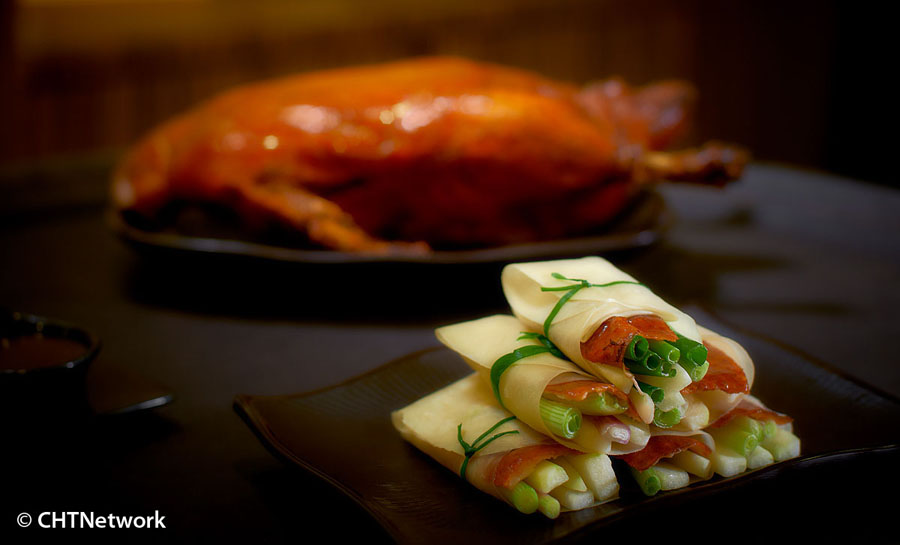
But the most consistent dining favourite is without a doubt the Traditional Crispy Peking Duck famous for its crunchy roasted skin. Served with spring onions, cucumber and sweet sauce on the side, this dish is best enjoyed when all the ingredients are rolled into a layer of pancake that holds them together. Each bite is then a textured sensation of salty, sweet and tangy.

The culinary opulence is equally reflected in the restaurant’s décor. The tasteful furnishings are reminiscent of the understated elegance of it colonial past. It is no wonder that the restaurant attracts the upper echelons of society for various dining events. Catering to an elite clientele, the restaurants is a top dining venue for society weddings, milestone celebrations as well as the regular family gatherings.

Helming this fine establishment is proprietor-cum-chef, Tan Loy Sin, a savvy restaurateur who recognises the need for constant transformation to appeal to the patrons’ sense of novelty. The restaurant is redecorated ever so often with a new menu added every three months.

Just as much thought and effort that goes into maintaining the menu and the dining room, equal emphasis is placed on ensuring the quality of the food that leaves the kitchen. Maple Palace is famous for its commitment to purity of the food. No MSG is used in the preparation of the food nor is the freshness of the ingredients used ever compromised.

Medical Imaging in Detection of Breast Cancer

By Dr. Dennis Tan Gan Pin

Radiologist
MBBS (Malaya), M. Med. Radiology (Malaya)

Breast cancer is the third most common cancer worldwide, and the most common cancer among women. It comprises about 30% of total cancer in female, and mainly affects women between 40 to 65 years of age. Malaysian women have a 1 in 19 chance of developing breast cancer in their lifetime. Several medical imaging modalities are available for detection of breast cancer:

MAMMOGRAPHY

As the present mainstay of diagnosis at present, mammography may be performed through screening tests, such as imaging of asymptomatic women to detect early cancer, or diagnostic tests to assess women with clinical findings such as palpable lumps, bloody nipple discharge or pain.

According to American College of Radiology Practice Guideline 2013, annual screening mammography is recommended for asymptomatic women aged 40 and older. For women under the age of 40 but with an increased risk of breast cancer (e.g. known BRCA gene mutation, first degree relative with breast cancer), screening mammography is also recommended yearly beginning from the age of 30. Studies have shown that screening mammography may reduce the mortality rate of breast cancer by 17-30%.

Mammography is basically the X-ray examination of the breasts, involving a very small dose of radiation. A female radiographer performing the examination will position and compress the breasts between 2 plates of the mammography machine. This is necessary to reduce the radiation dose and to produce a clearer image. Mammography images will then be interpreted by the radiologist.

ULTRASOUND

Ultrasound is another commonly-used modality to assess breast lump/cancer. It uses sound waves and does not involve ionizing radiation. During the examination, a small handheld unit known as transducer lubricated with gel is gently pressed back and forth over the breast.

Ultrasound is not routinely used for screening.  It is often being used as supplementary modality to confirm or characterize mass detected on mammography, as well as examining high risk women with dense breasts on mammography. Ultrasound may be used as initial investigation tool in younger women presented with one or more breast lumps, as mammography is often suboptimal in this group of women due to their dense breast tissue.

Ultrasound is a very helpful modality to guide the biopsy of a breast lump. During this procedure, local anaesthesia will be given to numb the area. A small specimen of breast tissue is then taken from the lump using a small biopsy needle under ultrasound guidance. The specimen is sent to the laboratory where it is examined under the microscope by a pathologist. Whether the breast lump biopsied is benign (harmless) or cancerous is then determined by the pathologist.

MAGNETIC RESONANCE IMAGING (MRI)

Technological and technical advances in the field of MRI in recent years have made MRI an attractive option in diagnosis of breast cancer. MRI uses magnet and radio waves and thus, does not involve ionizing radiation. Contrast liquid (a gadolinium compound) needs to be injected into a vein during the examination to delineate the structures of the breasts.

MRI is a useful adjunct to mammography for screening women at increased risk for breast cancer.  The American Cancer Society (ACS) recommends annual supplementary screening with MRI in addition to mammography in high-risk patients. MRI is currently the most sensitive modality for invasive breast cancer as MRI may detect other abnormal growths not seen in mammography.  MRI is also useful in assessing the extent of cancer, detection of cancer recurrence and response to cancer therapy.

Screening mammography is a useful tool in the early detection of breast cancer and has been proven to reduce breast cancer mortality rates. For women at average risk, annual screening mammography is recommended from the age of 40. On the other hand, for high-risk women, both screening mammography and MRI are recommended to commence at the age of 30.  Ultrasound is useful as a supplementary examination to mammography and for younger women with palpable breast lumps.

Doc, I am Breathless!

by Dr Lee Li Ching

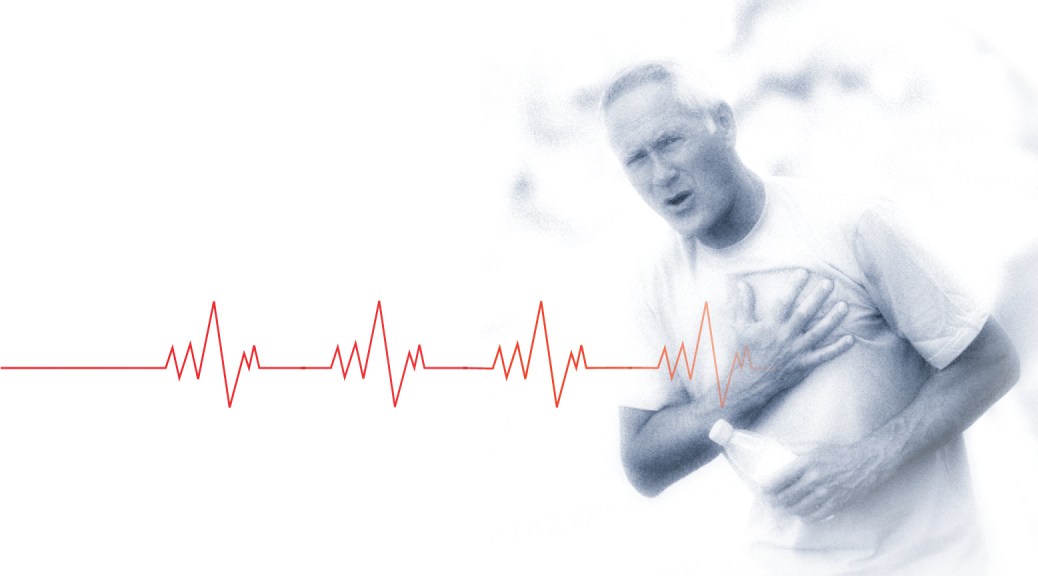
Mr M, a 55 year old man walked into my clinic one morning complaining of being unable to breathe. ‘Doc, I have been sleeping in my lazy chair for the last 3 days! I cannot lie flat at all, I feel like I’m drowning … and my legs have been swollen since last week.’ He suffered from a massive heart attack one month prior to the clinic visit. Mr M underwent an emergency stenting to one of the severely blocked heart arteries and had a stormy recovery. Clinically, he was in overt heart failure when I examined him.

There is an estimated 23 million people with heart failure worldwide. It is most commonly due to ischaemic heart disease (coronary artery disease), which is the number one killer worldwide. Aging and prolongation of the lives of cardiac patients by modern therapeutic innovations have led to increasing incidents of heart failure.

What is heart failure?

Heart failure is caused by primary heart muscle injury and also occurs at the end stage of most diseases of the heart. It could be either due to imbalance in pump function in which the heart fails to adequately maintain the circulation of blood to meet the body’s needs or the heart is too stiff and cannot relax enough to fill with enough blood before pumping. The pumping function is usually well preserved in the second type of heart failure. This is subsequently followed by the activation of a series of response mechanisms in the neurohormonal systems, and vasculature causing the signs and symptoms of heart failure.

How do I know that I have heart failure?

Patients with heart failure present a variety of symptoms, most of which are non specific. The lack of blood supply to the body and build up of fluid causes the symptoms, including tiredness, general weakness, shortness of breath on exertion, swollen ankles, swollen abdomen, loss of appetite, nausea and reduced ability to exercise.

Not infrequently, patients complain of worsening cough and breathlessness at night, and they have to use more than one pillow or end up sleeping in a chair. The accuracy of diagnosis by presenting clinical features alone, however, is often inadequate, particularly in elderly or obese patients. Moreover, the above mentioned signs and symptoms can also present in patients with kidney or liver failure.

Why does it happen?

Heart failure is not a complete diagnosis by itself. It is therefore important to identify the underlying disease and the precipitating cause(s). As mentioned earlier, heart failure is the end stage of most heart disease, beside coronary artery disease being the most common cause. Other important causes include hypertension, structural abnormality (congenital or acquired), toxin such as chemotherapy and alcohol, hormonal disorder, infection or inflammation. There are times when the cause is never found or so-called idiopathic cardiomyopathy. Other less common aetiologies are stress-induced cardiomyopathy and pregnancy-related heart failure.

How is heart failure diagnosed?

Heart failure is diagnosed based upon the patient’s medical history, a thorough physical examination, and a series of tests. These tests determine the cause and severity of the heart failure. These includes a series of blood tests, electrocardiogram (ECG), chest x –ray, coronary angiogram and most importantly, an echocardiogram. An echocardiogram is a non-invasive test using ultrasound to assess the size and function of the heart’s chambers as well as the function and structure of the heart valves. Other tests, like biopsy or magnetic resonance imaging, are sometimes used to look for specific diseases.

What are the medications for heart failure? 

There are many treatments for heart failure, but medicines are fundamental in improving the quality of life, reducing hospital admission and more importantly, improving the survival of this group of patients. Among others, diuretics, also called the ‘water pills’, help the body to get rid of excess fluid in the limbs and lung. The ACE inhibitors and the ARBs groups of medications help to strengthen the heart. The betablockers, on the other hand, help the heart to fill more completely and they have been proven to prolong the life of these patients. Digoxin, one of the oldest heart failure drugs, can increase the strength of the heart muscle contractions and hence reduces heart failure symptoms.

Will surgery ‘cure’ my heart failure?

Yes, if the cause of the impaired heart function is due to coronary artery disease or faulty heart valves such as leaky valve or valve that does not open fully. The most common surgery for heart failure is bypass surgery where blood is rerouted around a blocked heart arteries. Damaged valve can either be repaired or replaced.

Device therapy for heart failure

As heart failure progresses, occasionally the Left Ventricular Assisted Device (LVAD) is implanted while waiting for heart transplant. LVAD is basically a battery-operated heart pump that takes over the job of the failing heart by circulating blood throughout the body. LVADs are now sometimes used as an alternative to transplantation.

On the other hand, life-threatening abnormal heart rhythm can sometimes develop in patients with poor heart function. This is one of the most common causes of death in this group of patients. The doctor might recommend a device – Automated Implantable Cardioverter-Defibrillator (AICD) – that shocks the heart and returns it to a normal rhythm. It is usually implanted under the skin in the upper chest with wires leading through the veins to the heart. Nowadays, a biventricular pacemaker (also called cardiac resynchronization therapy) combined with an AICD function is often implanted in people with heart failure. The rationale is that the electrical system in the weak heart makes the heart contracts in an uncoordinated fashion. The pacemaker helps the heart to pump in a more efficient and synchronized manner, improving one’s symptoms.

Living with heart failure

Heart failure has ‘no cure’, unless the underlying cause can be treated. Therefore, it is paramount that one compliant to the medications and the treatment plan prescribed. Cigarette smoking is strongly discouraged. Smoking has adverse haemodynamic effects on patients with heart failure. In addition, it increases the risk of having a heart attack which will definitely damage more heart muscle in an already weak heart. In general, alcohol consumption should be restricted to moderate levels (i.e. one serving of alcohol per day for women, two servings per day for men), given the heart muscle depressant properties of alcohol. A high alcohol intake will also predispose to irregular rhythm that potentially worsens the body fluid balance.

As a general rule, patients with heart failure should limit their fluid and salt intake. Try not to add salt at the table or when cooking. They should also take restricted amounts of canned, frozen and processed food which contains a lot of salt.

How about the outlook?

This is not a myth. The prognosis for heart failure is poor, far worse than some of the common cancers. In general, the mortality following hospitalization for patients with heart failure is about 42.3% at five years, despite marked improvement in medical and device therapy. The two main causes of death in patients with HF are life threatening heart rhythm death and progressive pump failure.