Category Archives: EZ 61 (2)

Rome: 10 things not to miss (PART 2)

06 Pantheon

Originally Rome’s famous ‘Temple of All Gods’, the Pantheon was twice destroyed, twice rebuilt and now stands as the most complete structure in this ancient city. This wonderful example of 2nd Century Roman architecture boasts mathematical genius and simple geometric calculation that would impress todays’ modern architects. The Patheon contains the tombs of several Italian kings and Raphael, the famous Renaissance painter. This must-see site is actually not far from Piazza Navona and the Trevi Fountain.

07 Luxury Paradise

Tired of old architecture and wanting to indulge yourself with some luxury items? The few streets leading to Piazza di Spagna are where all luxury stores exist side-by-side. Italian and international brands such as Prada, Gucci, LV, Jimmy Choo, Tiffany, Versace and other big brands can be found here. The term ‘shop till you drop’ does not apply here as if you are not careful, you can end up ‘shopping till your wallet drops’! If you want to take a break from the expensive shopping experience, then the Spanish Steps is a good place for people-watching.

08 National Museum of Rome

Unlike museums in most countries, the National Museum of Rome is not situated in one location, but is made up of a set of museums located all over the city. There is actually a combo ticket that you can purchase and it is valid for a few days, enabling you to visit all its museums. These include the Baths of Diocletian, the Palazzo Altemps, the Palazzo Massimo alle Terme, and the Crypta Balbi, all for just one price! Although items exhibited are among the world’s most important archaeological collections, but these artefacts may sometimes be too much to absorb especially for those who did not pay attention in their history lessons during schooling days.

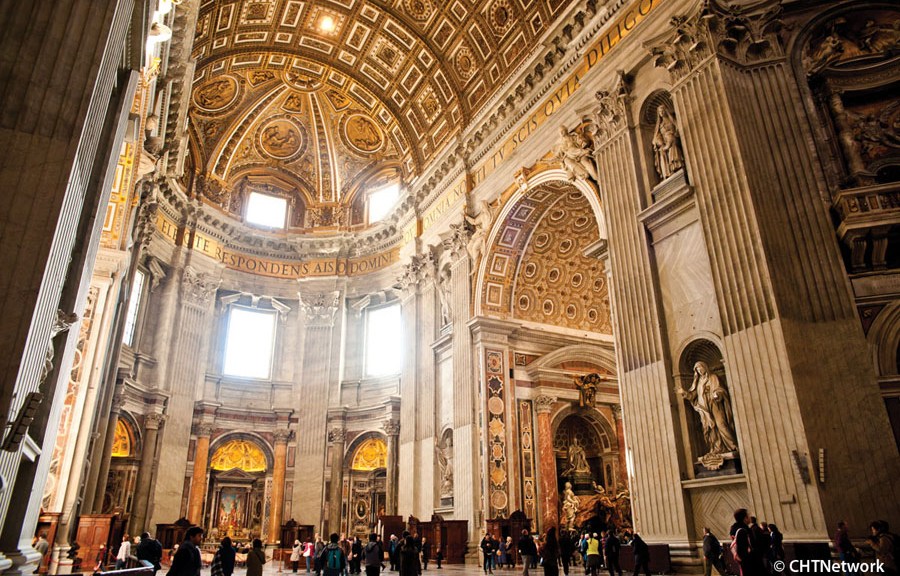
09 The Vatican City

With an area of approximately 110 acres and a population of less than 1000, Vatican City is the smallest international state in the world. The easiest way to this magnificent mega structure is to take Metro Line A, stop at Ottaviano San Pietro Musei Vaticani and then walk a few blocks. It is highly recommended to pre-purchase a ‘skip the line’ ticket, better yet, with a guide. This is because entry lines into the Vatican City are painfully long and one will just be wondering around aimlessly, especially if it is their first time. Having a guide will not only save the queuing time and make your tour interesting, but it also provides the opportunity to visit other cultural sites including Vatican Museum, the Sistine Chapel and St Peter’s Basilica. Remember to send postcards with Vatican City stamps to your friends and loved ones at the end of your visit.
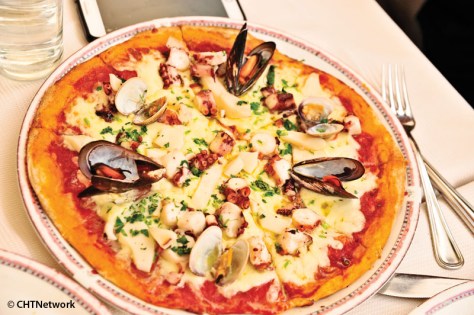
_DSC3284_F10 Pizzas Pastas & Coffee

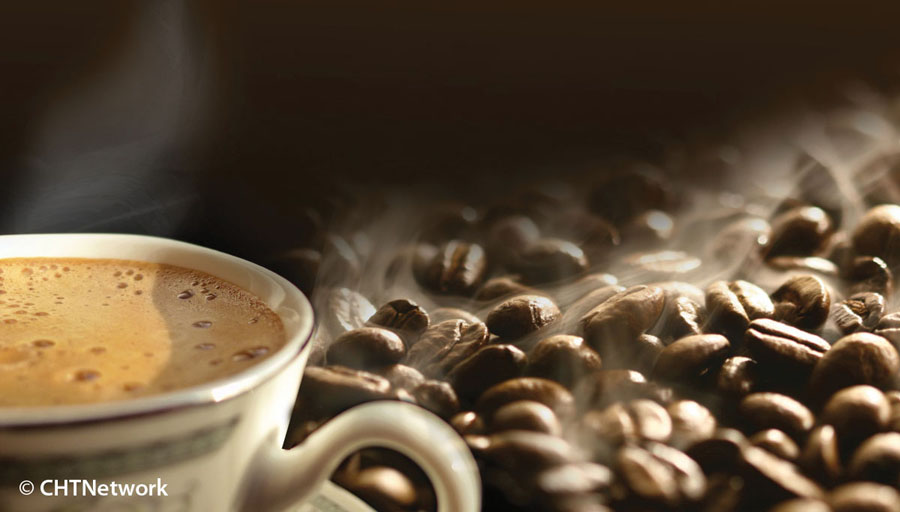
You can find pizza on just every corner in the city. One must have a bite of those hot freshly baked pizzas with golden crust and a touch of char on the edges. Other than that, pasta is the most important cuisine in Rome and to cap it off, you must relax and have a sip of Italian coffee to complete your Roman trip.   
10 Dark Secrets of Romeo & Juliet

The tale of two star-crossed lovers of English literature isn’t just a tragic romance revolving around forbidden young love. Here to let you in on the dark secrets of Romeo and Juliet, EZ brings to you the most bizarre anecdotes behind one of Shakespeare’s most famous plays. So pay close attention! Read between the lines and you’ll find many hidden aspects to the play, some outrageous and some just plain weird.

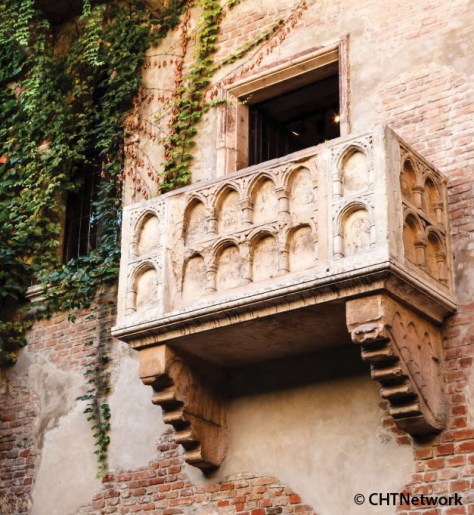
Juliets-balcony-Verona-Italy-1024x6821. Borrowed names

Shakespeare, who has been credited as the inventor of many English words and being very innovative in delivering insults was apparently not that good a name-giver. Oh, yes. He borrowed (or stole, depending on whom you ask) names from other famous tomes. Dante’s Divine Comedy is the most direct inspiration for the names of the rival families ‘Montague’ and ‘Capulet’ as they appeared side-by-side in his work. And the star-struck lovers? Luigi da Porto coined the names ‘Giulietta’ and ‘Romeo’ in his novel, which was published 65 years before Shakespeare’s play.

2. Which version do  you know?

There were not one, but three different editions of Romeo and Juliet! Now don’t go splitting hairs with production directors yet. The first edition, published in 1595 is considered a ‘bad quarto’ for errors and writing errors. Four years later, the second edition was published. This edition is the most used version of Shakespeare’s prominent play, even more popular than the third edition (1623).

3. Rage on Romeo

Psychoanalytical literary critics see Romeo’s nature as aggressive, displays ‘ill-controlled, partially disguised aggression’. You can’t disagree with that when most of the hero’s misfortunes stemmed from his spontaneity and violent reactions; killing Tybalt, eloping and committing a double-suicide with a girl he barely knew, all within a week.

4. Some critics hated the play

Back in the 17th century, prominent writers, critics and philosophers grovelled about the play and some even called it a failure for not ‘following classical rules’ of drama. Samuel Pepys, British Member of Parliament, said that ‘it is a play of itself the worst that I ever heard in my life.’

5. Bring on the sexual jokes

Page after page of the play is filled with sexual jokes. Crude euphemisms, innuendoes and double-entendres are scattered throughout the play, thanks to characters like Mercutio and Sampson. You might want to swear children off Romeo and Juliet until the inevitable.

6. Hi, we just met. Marry me?

Would you marry a person you just met? It happens in this play, as Juliet asked Romeo to prove that his love for her was honourable. So they married in less than 24 hours after they met.

7. Roller-coaster romance

Take a step back, and another look at the story of Romeo and Juliet. You’ll find that all the events in the entire play covers a short span of four to six days. Romeo and Juliet got married the day after they met and consummated their marriage before killing themselves. Well, that escalated quickly, didn’t it?

8. Pedo much?

Yes, you expected young love as the central theme for Romeo and Juliet. But for a girl to meet a boy, get married and have sex at only 13? Some girls have only barely started puberty at that age. In this day and age, Romeo would be guilty of statutory rape.

9. Romeo was bi…sexual

Would a male buddy make passing mentions about your libido? Some readings of the play have found Mercutio, Romeo’s best friend, to have a homoerotic desire for him as the borders of friendship blend into sexual love. In other words, Romeo was gay for Mercutio.

10. Just another Shakespearean theft

The beginnings of the storyline can be traced to the 1476 Italian story titled ‘Mariotto and Gianozza’ by Masuccio Salernitano. It was then adapted by another Italian a century later, then translated into French before making its way into English as a narrative poem and finally, into a play by Shakespeare. Just like how he ‘borrowed’ names, Shakespeare ‘borrowed’ the greatest love story of literature. How’s that for originality?


Next time you run out of things to say at a party, lighten up the mood by flaunting your literary side like a true Shakespearean with these niblets of trivia.

Art Basel Impresses Hong Kong

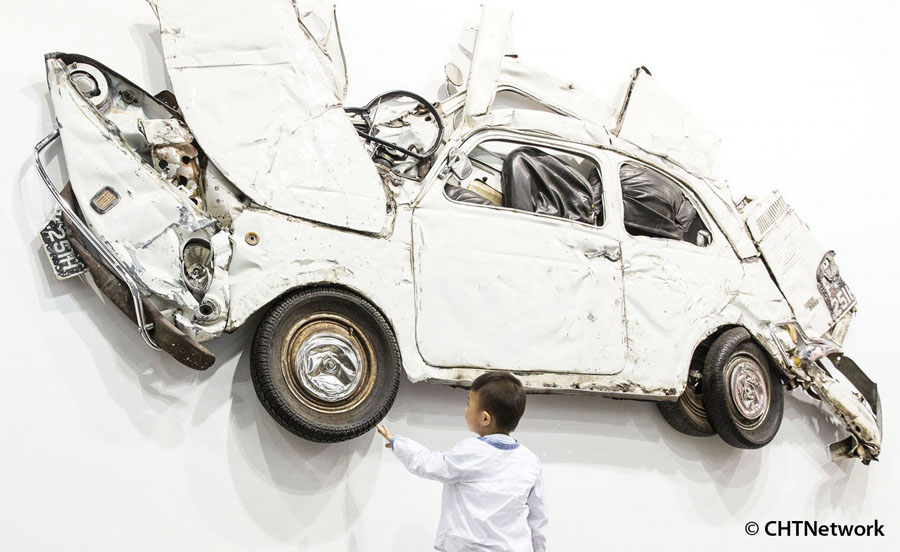
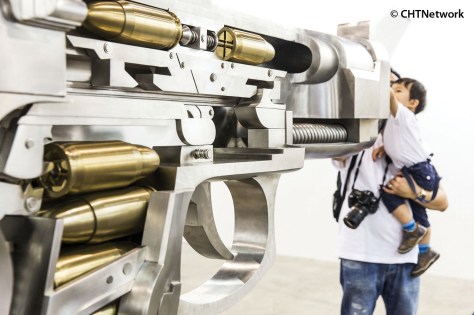
Galleries_PekinFineArts_17May2014_03121Art Basel Hong Kong’s second edition opened in dramatic fashion as Berlin-based artist Carsten Nicolai’s latest audio-visual installation ‘α (alpha) pulse’ lit up the Hong Kong skyline, setting the stage for a spectacular weekend of art for everyone.
Pulsating light patterns were projected in synchronised frequency across the entire facade of Hong Kong’s iconic 490-meter high International Commerce Centre (ICC) which also happens to be the world’s 7th highest building. Like a lighthouse the tower radiated prismatic pulses into the city, much to the awe of the island’s residents and visitors.

Visible from numerous locations across Hong Kong, the installation, which appeared each night of the fair, was also available on an accompanying mobile phone application, adding another layer of accessibility for art enthusiasts as well as the public.

The high-profile annual event which took place from May 15 – 17 at the Hong Kong Convention and Exhibition Centre (HKCEC) featured 245 premier galleries from 39 countries and territories. Among the renowned galleries that took part were Anna Schwartz Gallery, Pearl Lam Galleries, Lehmann Maupin and ShanghART.  With over 50 percent of the participating galleries having exhibition spaces in Asia and the Asia-Pacific region, Art Basel cemented its deep commitment to and success with the art community in the East.

Attracting over 65,000 visitors, the quality of the artworks brought in and the high level of presentation drew many new and returning collectors from around the world as well as curators, patrons and trustees from leading museums and institutions such as Paris’s Louvre,  Sydney’s Museum of Contemporary Art Australia, and  Washington’s Smithsonian American Art Museum.

‘We are extremely happy with how the show has gone. We have met and made sales to new clients including great connections to visitors in China, Taiwan, Hong Kong, Singapore and the Philippines. The show is as active and the same level of quality as any European or American fair,’ enthused Nicholas Nahab, Sales Director of Marian Goodman Gallery (Paris, New York).

Not exclusive to connoisseurs, Art Basel Hong Kong was also supported by a strong public programme including the Asian debut of Art Basel’s popular film sector. This 3-day programme saw the screening of 49 films by 41 artists, represented by participating galleries. Highlights of the program included works by international artists such as Takashi Ishida, Dinh Q. Le and Hong Kong artists Kwan Sheung Chi and Christopher Doyle.

Bien Venice!

_DSC0087Widely acknowledged as the ultimate exhibition in the field of contemporary arts for over a century, the Venice Biennale has established itself as one of the most prestigious cultural institutions in the world.
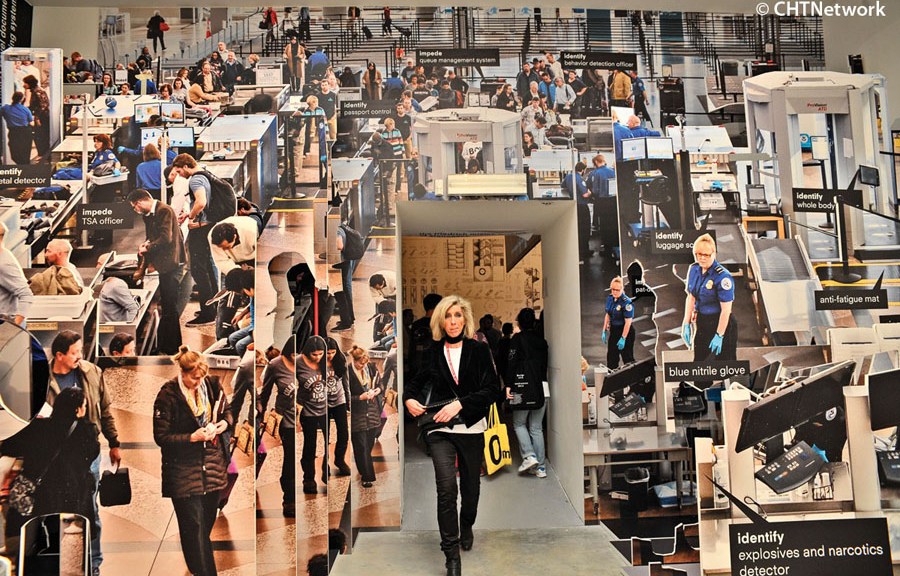
The two major summer festivals that alternate annually for Venice are undoubtedly the Art Biennale and the Architecture Biennale. Both Biennales are universally recognised as the most important art festivals in the world. This year, the highlight is on the architects and there are representatives from 40 countries participating in this prestigious event.

With the Biennale exhibitions mainly held at the Giardini and Arsenale, this year’s event is helmed by renowned Dutch architect Rem Koolhaas, with the theme Fundamentals. The theme was chosen by curator Koolhass with the intention to further study how architecture is exhibited around the world and what happened within this century through modernity, continuous political changes, technological developments and such.

‘After several architecture Biennales dedicated to the celebration of the contemporary, Fundamentals will look at histories, attempt to reconstruct how architecture finds itself in its current situation, and speculate on its future,’ states the festival director.

This was also an occasion to revisit and recompose knowledge that may have been forgotten or that have not been discovered to enhance new ideas and generate fresh understanding for sustainability.

Although it is an Architecture Biennale this year, many national pavilions have been erected to showcase collaborating artists and their presentations. This includes digital art, sculptures, photography and installations. This teamwork was further endorsed by the Jury of this year’s Architecture Biennale when both the Korean and Chilean participants won the Golden and Silver Lions for Best National Participations. Both participating architects were working with artists in collaboration.

As this is one of the most important exhibition in the arts world and with this year’s title of Fundamentals, many participants tried very hard to express but it is sometimes hard for the general public to completely comprehend the actual message the participants are trying to relay due to difference of political, culture and education backgrounds.

Bringing together and connecting the significant events in the architecture world for the past 100 years, the United States was smart enough just to present a simple yet convincing showcase of its architectural production abroad and achievements for the past years with its theme of OfficeUS.

The Russians were slightly crowded in their pavilion choosing a booth space exhibition style that tried to squeeze in the participants. On the other hand, the Japanese’s theme of A Storehouse of Contemporary Architecture hit spot on as it made one feel just like walking into a store with the intention to tell the story of unparalleled architectural development by a country that underwent drastic modernization to catch with the Western world.

However, China’s Mountains Beyond Mountains intention of capturing modernity by looking into the framework of its architecture, demands in depth exploration to further understand.

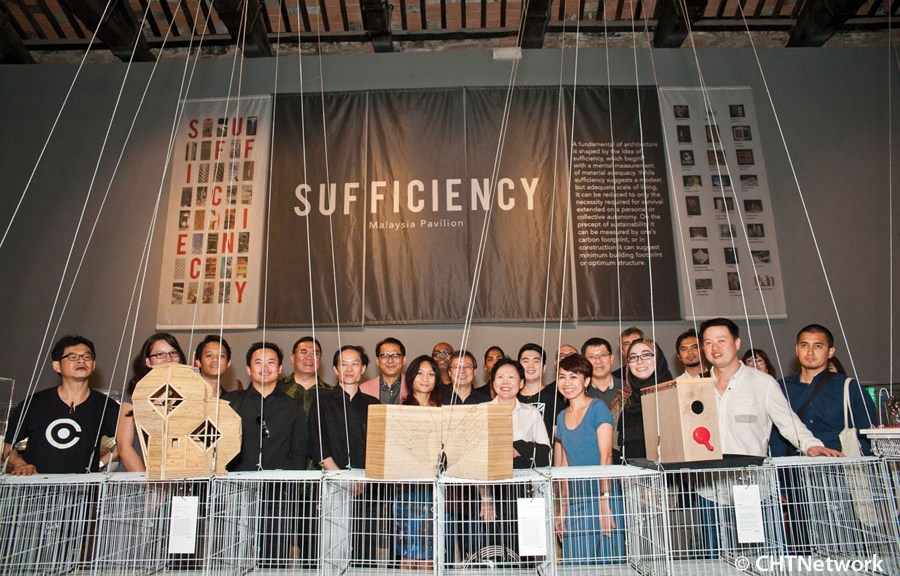
The Malaysian Pavilion with its theme of Sufficiency captured some attention when this small, multiracial country from the East showcased their architectural talents on hanging collapsible cages curated by Dr Lim Teng Ngiom. There were 21 architects and three collaborative artists involved in this year’s exhibition.

Biennale Curator Koolhaas, along with the Harvard Graduate School of Design and many other contributors, had worked on a two-year project, The Elements of Architecture. The project presented at the Biennale explores the fundamentals of our buildings by any architect, anywhere, any time. It is one of the must-see exhibits that is exciting yet interesting.   

This year’s Architecture Biennale will be open from 7 June to 23 November. The trip is highly recommended for those who are somehow related to this field, and for those not involved in the arts, it will be a valuable learning experience in addition to visiting the charms of Venice.

Malaysian Team Returns to Venice with ‘SUFFICIENCY’

The prestigious La Biennale di Venezia 2014 welcomed Malaysian artists and architects whose artwork is being showcased at the 14th International Architecture Exhibition. The festival will be open to public from 7 June – 23 November at the Arsenale, Venice. EZ speaks to the curatorial team.

Under the patronage of Pertubuhan Akitek Malaysia (PAM) and the Malaysia External Trade Development Corporation (MATRADE), Malaysia has the privilege of participating in the festival for the third time. Local artists and architects were invited to submit their works of art to present a collaborative effort reflecting the Malaysian team’s theme of Sufficiency.

The architects were invited by PAM to submit their proposals based on a set of criteria. The Curatorial Team led by Team Leader Dr Tan Loke Mun, Curator (Design) Dr Lim Teng Ngiom and architect Sarly Adre Sarkum shortlisted the winning entries to 21 pieces.

The team of 24 participants comprising a mix of established and emerging architects in collaboration with artists and multimedia designers, worked closely to present alternate ideas of Sufficiency.

Speaking on the participants’ collection, Dr Lim says, ’This year’s presentations are different from the previous years, simple because the participants are different. The collaboration between architects and artists is a natural one and more of this should be encouraged.’

SUFFICIENTLY SUCCINCT

According to Team Leader, Dr Tan the theme Sufficiency was inspired by his personal observations and findings whilst driving the sustainable agenda under the Green Building Index (GBI) back in 2009. ‘I found it frustrating to be always just sustaining and even then we are on losing ground. I then became aware of another path of thought. This being sufficiency — where one does not need more to thrive but just enough.’

The Malaysian Pavilion illustrates the call for minimal by using suspended pet cages to display the artworks. ’The cages carry a story of sufficiency as they are recognized as ‘sufficient’ habitat for various domesticated animals. They are light, easily portable and make little demands on transportation. When put together and suspended, they can become quite surreal,’ explains Dr Lim who came up with the concept and design.

COLLABORATING ARTISTS

’Architects have always worked in collaboration with artists and sculptors. This year we decided from the on-set to invite several artists to take part and also collaborate with us on the exhibition,’ explains Dr Tan.

Notable participants presenting their work as collaborative artists are architects Suhaimi Fadzir and Indra K Ramanathan, and sculptor Ramlan Abdullah (teaming up with Z&SR Architectural Ventures).

Contemporary artist and sculptor Ch’ng Huck Theng also made his Venice debut with his latest collection titled Conversation, which includes Who Should Help? depicting six bronze figures surrounding one that is in distress.

’Being invited to exhibit along with top Malaysian architects for the Venice Biennale 2014 was not only a surprise but also an exciting challenge for me as an artist,’ says Ch’ng. ’My work for Biennale looks into why professionals, in this case the architects, are coming together and sharing their brilliant ideas to create future buildings and spaces that will contribute towards providing sustainable supply for human’s fundamental needs.’

Malaysian Pavilion opens with ‘Sufficiency’ at the 14th International Architecture Exhibition.

The opening was officiated by MATRADE CEO Datuk Dr Wong Lai Sum and attended by members of the Malaysian team led by Dr Tan Loke Mun, Curator (Design) Dr Lim Teng Ngiom and PAM Chairman, Chan Seong Aun.

George Town Festival Turns 5

As the annual arts and cultural festival celebrates its ‘wooden’ anniversary, we bring you the top 5 highlights of the event.

Described by The Edge, Malaysia 2012 as ‘one festival in the country worth making a roadtrip for’, the George Town Festival (GTF) has been drawing in audiences and participants not only from the region but the world over.

The month-long festival, which was founded as a celebration of George Town’s UNESCO Heritage Site Listing on 7 July 2008, sees a shift to August this year to accommodate the Muslim fasting month.

With programmes scheduled daily throughout the festival, this year’s events draw attention to the living culture of the city – people, places and communities. Modest locations such as coffee shop corners and sidewalks will be transformed into galleries and theatres, giving the impression of a borderless stage.

‘We live within such a unique network of vibrant spaces, and the real centrepiece of the festival is the city itself. We want to turn the city into a canvas for world-class artistes,’ says Festival Director, Joe Sidek who has been helming the project since 2010.

The Biscuit Chronicles

A Taste That Transcends Generations

Mention Penang’s ‘must-buy’ items and sure enough, tau sar pneah makes the list in a heartbeat. Its name literally means ‘bean paste pastry’, which is what it is; mouthwatering balls of sweet mung bean paste with the savoury hint of fried shallots, enfolded within layers of flaky pastry and baked to golden perfection. This popular snack enjoys somewhat of a cult status in the state, so much that many insist no visit to Penang is complete without them.

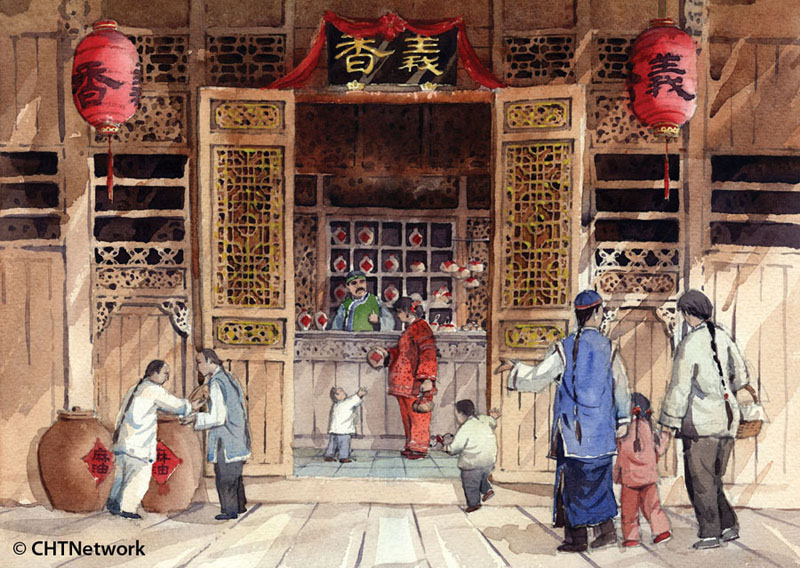
The origins of the humble tau sar pneah can be traced to the Fujian province in Southern China during the mid-19th century. 1856 was the year when the first ever pastry house dedicated to traditional Southern Chinese pastries was founded in Penang with the aid of a Fujianese pastry chef, and this marked the start of a legacy. This pastry house is Ghee Hiang, which until this very day continues the ages-old custom of making biscuits and pastries by hand.

Interestingly, the emergence of tau sar pneah isn’t limited to Penang. In tandem with the Chinese diaspora, regions in Southeast Asia have their own versions of the pneah (biscuit). The bakpia (‘meat pastry’), which is also known as hopia (‘good pastry’), is a highly-popular snack in Indonesia and the Philippines. Introduced by migrants from Fujian during the turn of the 20th century, its recipe also calls for a filling of sweetened mung bean paste. However, the bakpia or hopia does not have fried shallots. In Indonesia, lard is replaced by vegetable oil to accommodate the religious restrictions of its demography.

Despite all this, little can detract from the international popularity of tau sar pneah and through it, other traditional Southern Chinese pastries. Confectioneries such as beh teh saw, hneoh pneah and phong pneah fall under that category where in place of mung bean paste, they have fillings of molasses, brown sugar or refined sugar. Together they represent the sugar cravings that have spanned several generations from Fujian to Penang.

The next time you make a trip to Penang, be sure to pick up a box of Ghee Hiang’s delicious Fujian pastries to have a taste of the Malaysia’s oldest tau sar pneah brand!

Sublime Dining

A Taste of Heaven at Maple Palace

Giving tradition a little artisan twist, the elaborate dishes are prepared with unique interpretations that pay homage to many different Asian cooking methods.

Penang is widely acclaimed as a food haven and taking this notion to celestial heights is Maple Palace, a grand heritage mansion turned restaurant that serves impeccable Chinese cuisine. Having opened in 2009, the fine dining restaurant specialises in a wide-range of Cantonese and Szechuan dishes made from the freshest and finest ingredients.

Giving tradition a little artisan twist, the elaborate dishes are prepared with unique interpretations that pay homage to many different Asian cooking methods. The blending of both old and new makes for an unforgettable dining experience.

Topping the signature list is the Fish Steamboat that has patrons returning for more. The aromatic soup is boiled for hours giving it a depth of wholesome flavour. Another fragrant dish that has been lauded is the Lap Mei Fun (waxed meat claypot rice) which is a customary dish served during the Chinese New Year festival. This exotic dish is prepared with preserved Chinese sausage, waxed duck thigh, goose liver sausage and Chinese wine.

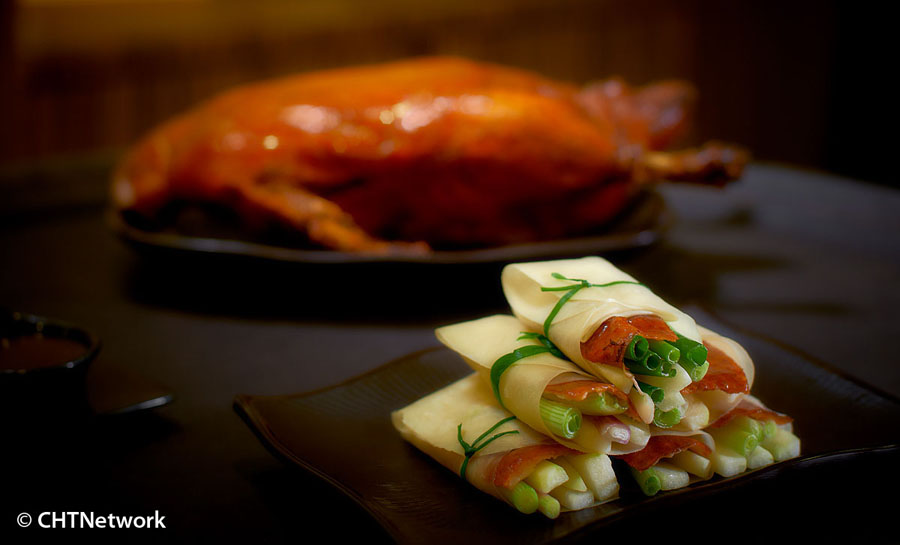
But the most consistent dining favourite is without a doubt the Traditional Crispy Peking Duck famous for its crunchy roasted skin. Served with spring onions, cucumber and sweet sauce on the side, this dish is best enjoyed when all the ingredients are rolled into a layer of pancake that holds them together. Each bite is then a textured sensation of salty, sweet and tangy.

The culinary opulence is equally reflected in the restaurant’s décor. The tasteful furnishings are reminiscent of the understated elegance of it colonial past. It is no wonder that the restaurant attracts the upper echelons of society for various dining events. Catering to an elite clientele, the restaurants is a top dining venue for society weddings, milestone celebrations as well as the regular family gatherings.

Helming this fine establishment is proprietor-cum-chef, Tan Loy Sin, a savvy restaurateur who recognises the need for constant transformation to appeal to the patrons’ sense of novelty. The restaurant is redecorated ever so often with a new menu added every three months.

Just as much thought and effort that goes into maintaining the menu and the dining room, equal emphasis is placed on ensuring the quality of the food that leaves the kitchen. Maple Palace is famous for its commitment to purity of the food. No MSG is used in the preparation of the food nor is the freshness of the ingredients used ever compromised.

No Money, Make Coffee

The obsession with the phrase ‘No Money, No Honey’ is popular, and is especially true for older guys, or should I say matured guys, when it comes to finding young companions. In many ways, this saying reflects the ultimate truth of human nature when it comes to the distinction of age: how and why do some young and beautiful ladies end up with much older men or vice versa?

‘Love’ is always the most popular answer as it holds up to the ethical part of the law of not being a gold digger, or as we Asians say, ‘money faced’. Although there are some such couplings of those with large age gaps that come together because of true love, a vast majority of these couples are together simply under the disguise of a win-win situation or what is politely refered to as a marriage of convenience. This is a true revelation of the older generation, but what about the current Generation Y?

Today’s Generation Y are a bunch of young and smart people who have never experienced any crisis during their young life. While many Malaysians above a certain age have been through the British colonial period, the Japanese occupation, the May 13 riots, Operasi Lalang, the global financial crisis, etc, this group of lucky late-comers have everything they could ever want the minute they came out from their mothers’ wombs. All they have to do is cry!

Mum and dad are always there to make sure that they have the best of the best. Why such indulgence, some may ask? The simple answer is that nowadays family groupings are much smaller with only one or two children unlike the good old days where most families had more than four or five children.

One cannot blame this fearless generation for wanting more and better since most of them have yet to meet the bad side of what growing up can be about. All they want are the simple things in life – good pay, good position, good benefits, good everything and less work. Hence, many have chosen the popular career path of joining up with a few friends and starting their own business – a modern-day ‘marriage’ of convenience.

Mums and dads are willing to be the main financiers as long as their children are happy without taking into much account whether they are experienced enough or not to run their own business. The most popular business for this generation is the lifestyle café.

Not the tried and tested formulas of established brands such as Coffee Bean or Dome, but the decorative, themed-cafés of various concepts. Simple and easy way of making money, so to speak.

Right?

So, in short,

‘No Money, Make Coffee’.

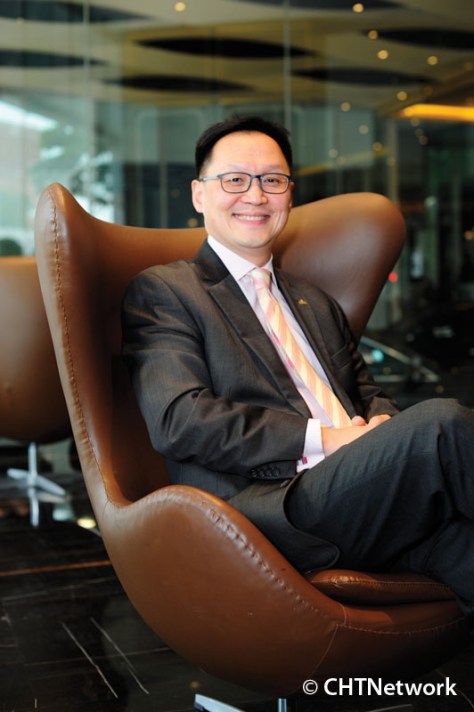
The Human Touch (Frankie Lam)

_DSC7570Dorsett Singapore Charms Its Guests

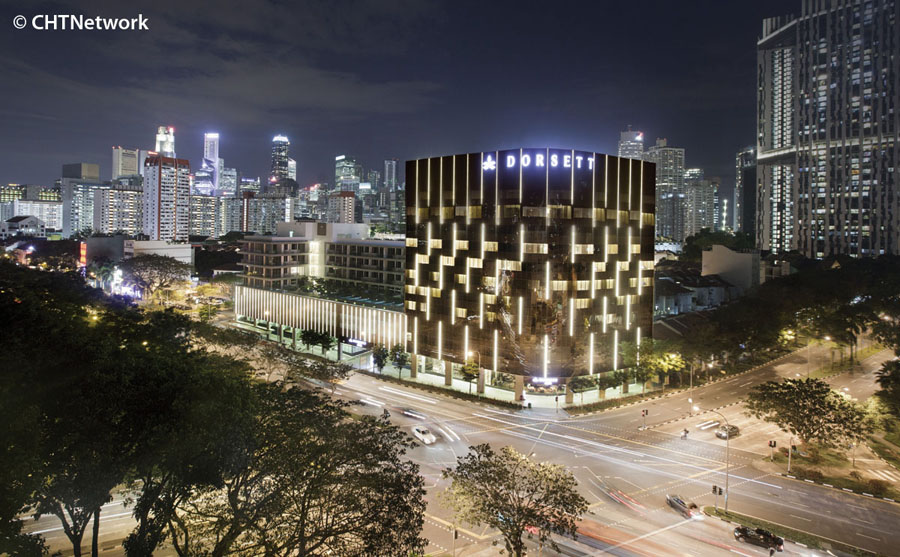
In the heart of Singapore’s vibrant traditional Chinese quarter of Chinatown is the stylishly modern Dorsett Singapore. A favourite among business and leisure travellers, this 10-storey hotel offers all the amenities and facilities of a world-class hotel for a comfortable stay. On a recent visit to the island country, EZ not only got the chance to experience Dorsett Singapore, but also have a chat with its Director of Sales & Marketing, Frankie Lam.

One of Dorsett Singapore’s most obvious strengths is its prime location. So strategic is this hotel that it is very accessible by public transportation, what with being located just above the Outram Park MRT interchange station! Just an escalator ride down a short walk from its lobby, you will find yourself on the MRT lines that will whisk you away to Orchard Road, Marina Bay Sands, HarbourFront and Singapore’s Central Business District, most of which are a mere train ride away.

Dorsett Singapore is impressive on the outside with its full-glass building façade that gleams in the city skyline. This novel concept of high drama continues inside the hotel with the jet black tiles that are punctuated with streaks of brilliant gold. The walls of the lobby are tiled in reflective glass and mirrors, setting a theatrical backdrop for the opulent chandelier that greets guests as they walk through the doors of the lobby.

While dramatic and quite avant-garde in its appearance, the hotel staff and services come together to offer its visitors an experience of understated luxury that is tastefully contemporary. Lam, who has been with the hotel since its development phase shared with us the scope of work that was done to create this mid-scale hotel that is artistic, cutting-edge and people-centric.

Part of the pre-opening team, Lam joined Dorsett Singapore almost a year before it was opened. ‘It started with a few of us, the GM of course, the Financial Controller, the Room Division Manager, the HR Manager, and myself.’ Having been in the hospitality and hotel management industry for almost three decades, his vast experience, along with that of the rest of the team, has proved to be a success and has attracted guests from all over the world.

‘I built my team and set up the system in the sales and marketing division and the booking procedure. I worked closely with the other departments as we all shared our experiences to benefit the hotel and train the young people,’ said Lam, adding that most of the staff in the hotel front office were working in a hotel for the first time and were trained by Lam and his team.

It is the human touch that Lam said drew him to the hotel industry and at Dorsett Singapore, getting to meet diverse groups of people from different regions and interacting with the hotel staff and training them has been gratifying to him. ‘I enjoy working with people in person and networking. No doubt now the technology has really advanced and technology can help us in certain areas, but the main feature is still human touch. Human networking cannot be replaced with computers or technology. For instance, here we have installed the best hotel management system in the hotel computers, but we still need people to greet the guests and to key in the data to let the system run,’ he said.

As for interacting with the hotel guests, Lam said, ‘I meet many happy people every day; most of them are happy because they are in Singapore and are staying here at the Dorsett. Some of them are here on business, and for their weekends, we talk to them and share with them some good tips or experiences they could try when staying in Singapore. They feel happy and feel like they have been taken care of.’ It is that human touch that sums up what Dorsett Singapore is all about.