Madrid, Spain is a beautiful city rich in culture, art, and architecture. Even with limited time, it’s possible to enjoy the most interesting things that the city has to offer. Google maps, Google Earth, Rome to Rio, Spain’s official tourism website, and Facebook groups are valuable resources to get around the city since many locals can’t speak fluent English.
Museum Reina Sofia
Museum Prado
Rare art piece by Salvador Dali
We thought of visiting Las Ventas yet it was not the right season to do so. Thus, we decided to explore some of the popular museums in Madrid: Museo Nacional del Prado and Museo Reina Sofía. The Museo del Prado is considered the most important art museum in Madrid as it beholds precious art masterpieces in history with renowned old art masters like El Greco, Goya, Rubens. The Museo Reina Sofia housed a massive collection of 20th century and contemporary artworks, including rare pieces of Salvador Dali, Pablo Picasso, and Joan Miro.
A variety of churros
El Rastro Flea Market
El Rastro flea market is a popular Sunday attraction for tourists, but be careful of the pickpockets despite the presence of the police.
Botin Restaurant – the oldest restaurant in the world
Dining in the Botin Restaurant is an ultimate culinary experience not to be missed. Botin Restaurant is the world’s oldest restaurant according to the Guiness Book of records. The signature roast suckling pig and lamb here are a must-try and the venue itself is a historical gem.
Hop on hop off bus tour
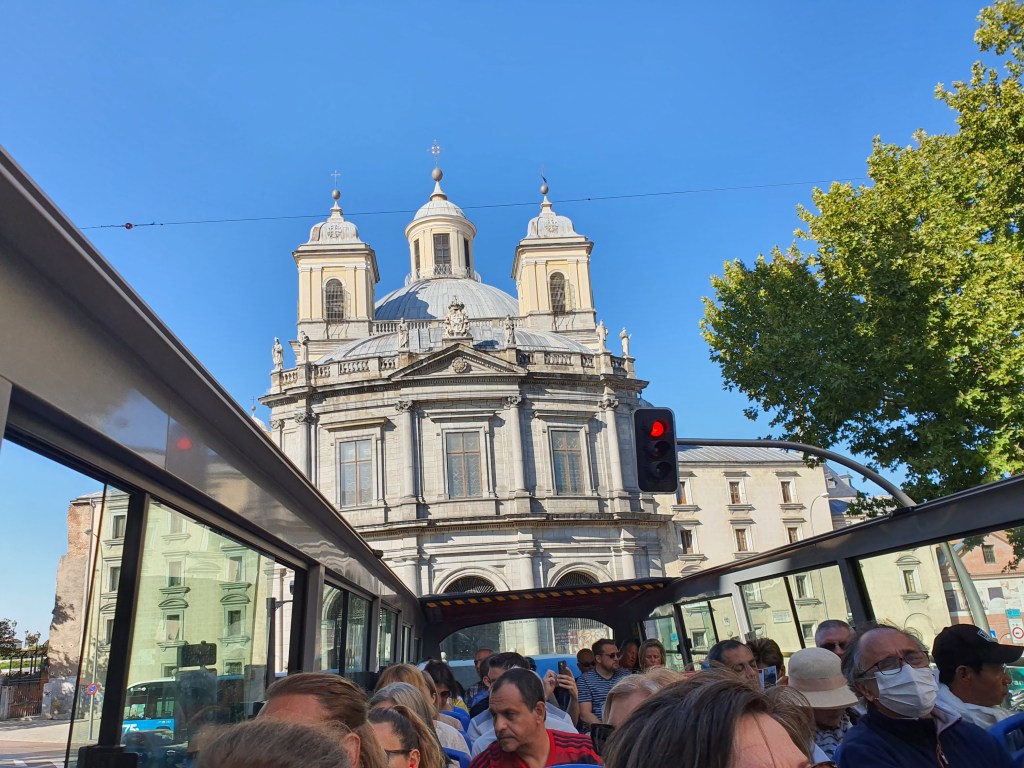
To have a quick wrap up of the Madrid tour, we opted for Madrid-Hop-On-Hop-Off bus service that covers all the top attractions in Madrid. It’s a good way to get a good view of the city, especially the rooftop architecture.
Since we had limited time, we decided to take a day trip to Valencia only. Euro train tickets were pre-booked via the Omio app.
Valencia’s Old Town
Valencia’ s city view
Valencia has an interesting cityscape with spectacular modern architecture, the old town, beaches, and the natural park. Valencia is also the home of Paella, ideal for strolling around, and having a good break.
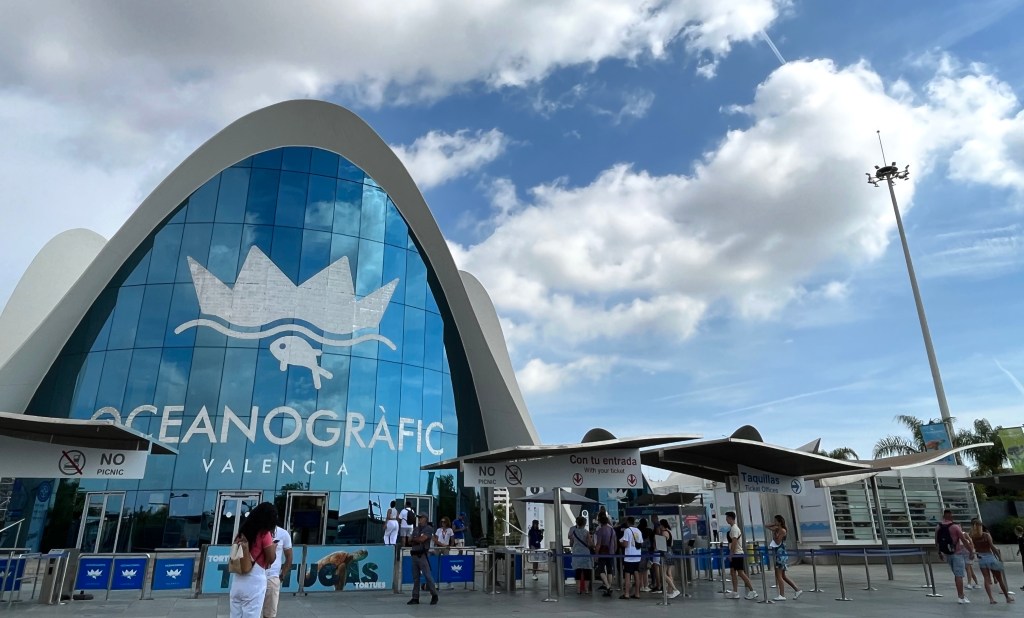
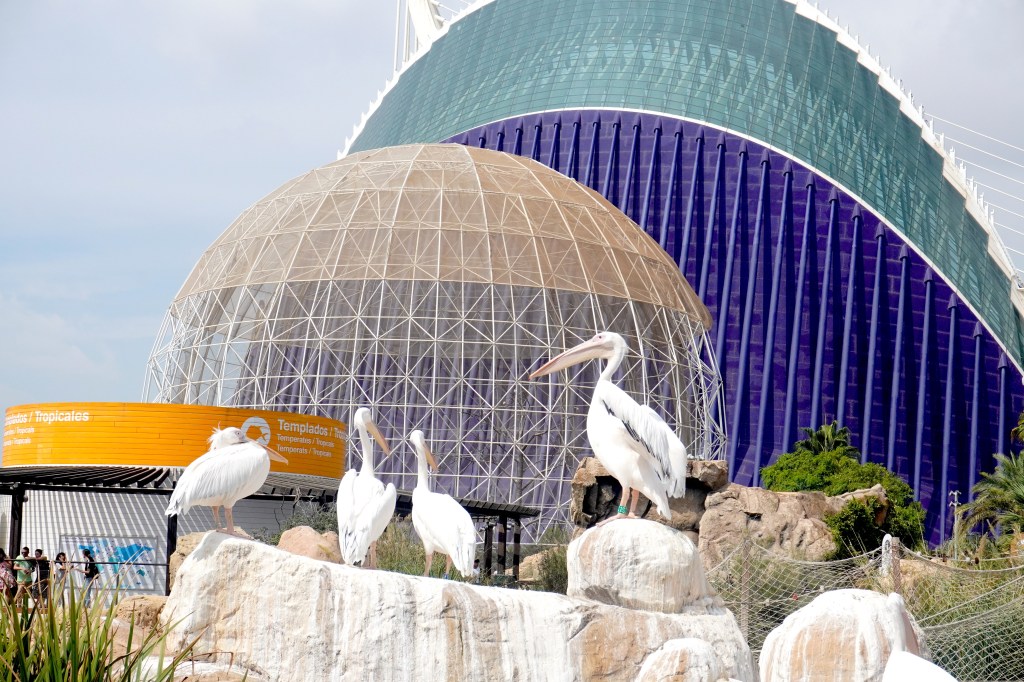
The City of Arts and Sciences including Museu de les Ciències Príncipe Felipe – an interactive three-floor science museum that currently runs the exhibition of MARS expedition, L’Hemisfèric, and L’Oceanogràfic – the largest oceanographic aquarium in Europe. We tried Paella while having lunch at Submarino Restaurant in L’Oceanografic. The dining area is surrounded by an aquarium, but the food was overrated.
L’Oceanogràfic
With only a week, we managed to enjoy most of Madrid’s exquisite attractions, including a fantastic day trip to Valencia.
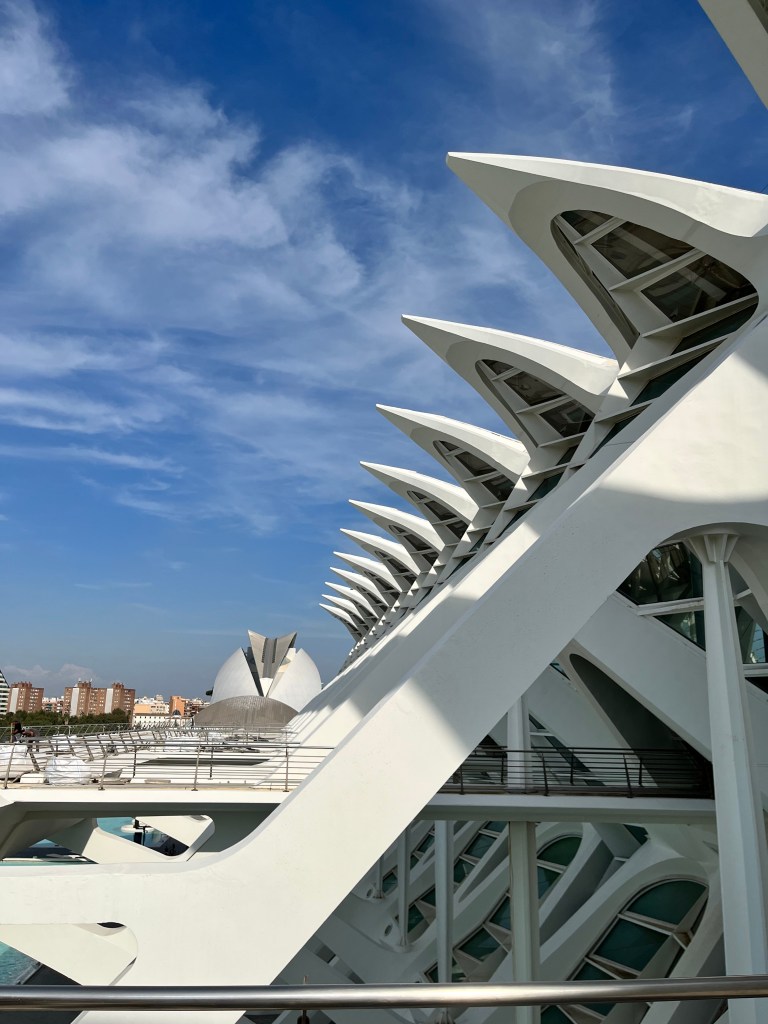
Stunning architecture of La Ciudad de las Artes y las Ciencias
The World of Frozen made its debut at Hong Kong Disneyland on November 20, 2023, offering guests a magical and immersive experience in the beloved kingdom of Arendelle with breathtaking landscapes, iconic characters, and state-of-the-art attractions.
“Come Celebrate Summer Snow Day” as you step into the world’s first and largest Frozen-themed land – and the first of three at Disney’s international theme parks. Inspired by Disney’s Frozen, the biggest animation hit of all time, this wonderland features landscapes that merge together with the Lantau mountains, and characters from the movie; Elsa, Anna, Kristoff and Oaken, wandering the streets of Arendelle throughout the day, creating more spontaneous and immersive character interactions.
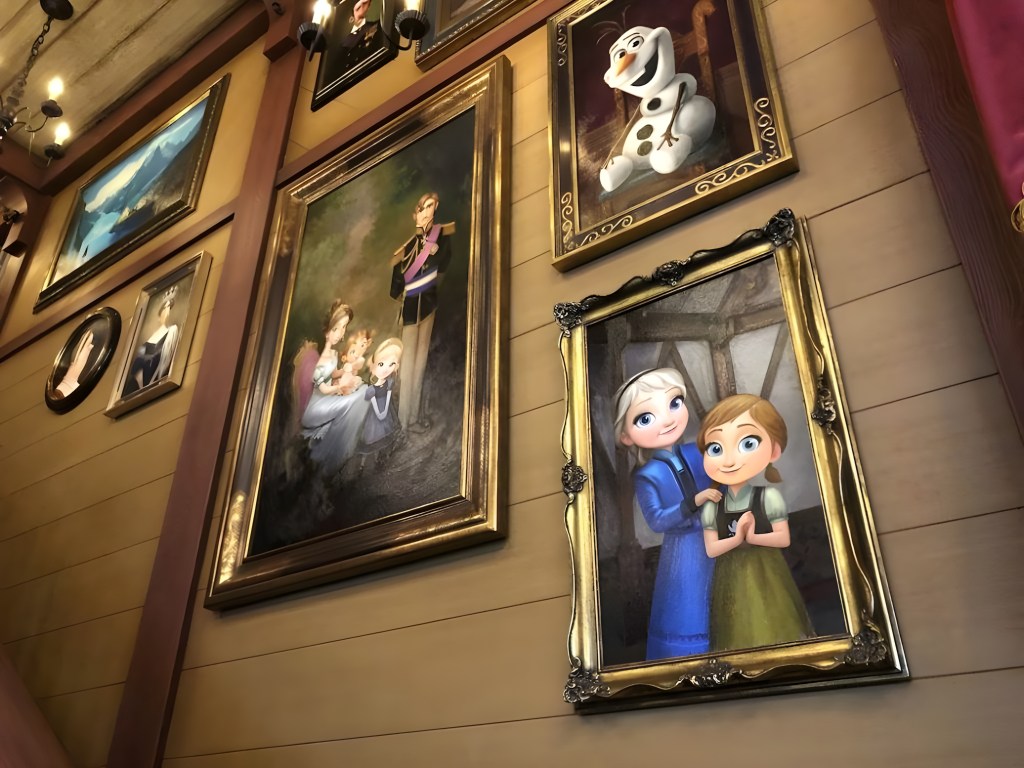
The park pays homage to the real-life nature, arts, culture, and architecture of Norway, reflecting its 19th-century “Dragestil” (dragon) and Bellstrand’s asymmetrical style, with rose-melting flower paintings and the kingdom’s golden crocus flower incorporated into designs, showcasing the meticulous collaboration between Walt Disney Imagineering and Walt Disney Animation Studios. Iconic film locales like the North Mountain, Arendelle Castle, the Clock Tower, the Bay of Arendelle, Elsa’s Ice Palace, Friendship Fountain, Northern Delights, and the Golden Crocus Inn transport you to the heart of Arendelle.
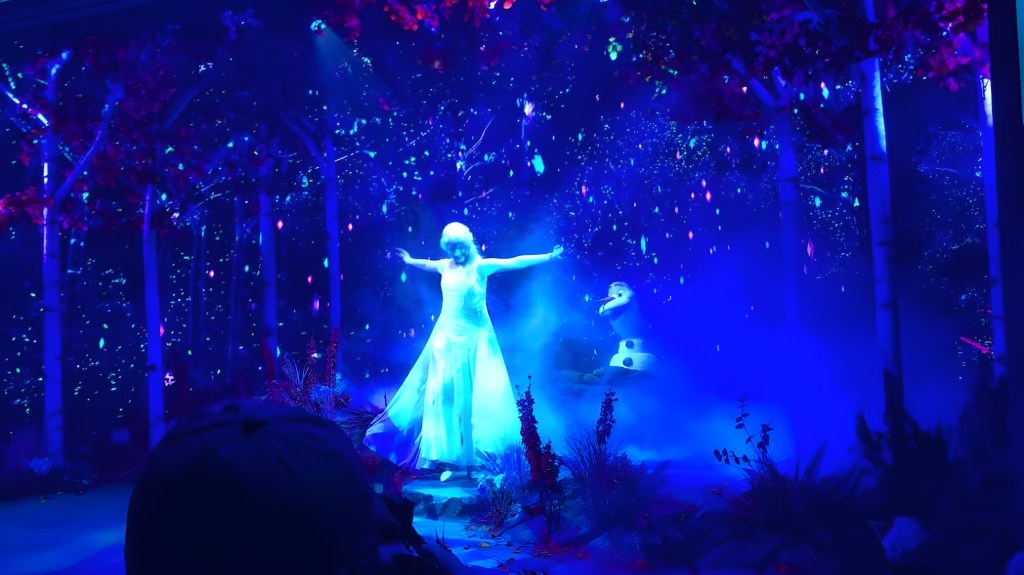
The Arendelle experience is highlighted by two revolutionary attractions: Wandering Oaken’s Sliding Sleighs, a family rollercoaster ride through the rocky landscapes of Arendelle Forest with a view of the Arendelle Castle, and Frozen Ever After, a delightful, song-filled boat trip around the kingdom. It is Hong Kong Disneyland’s first attraction to feature Walt Disney Imagineering’s most advanced, all-electric Audio-Animatronics® figures, which bring to life characters such as Anna, Elsa, Kristoff, Sven, and Olaf with amazing likeness.
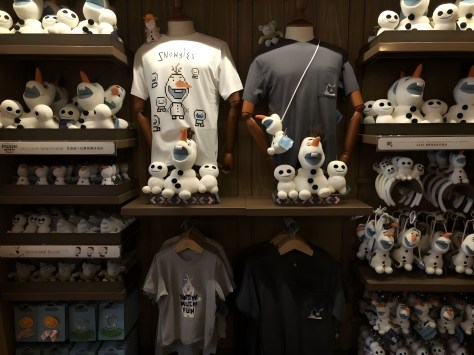
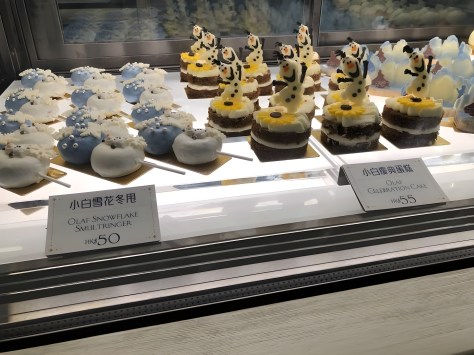
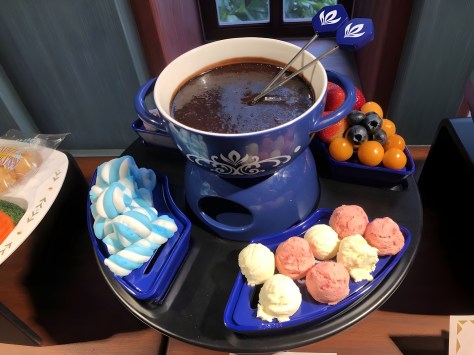
The attention to detail extends to merchandise, with Tick Tock Toys & Collectibles offering a myriad of irresistible ‘all things Frozen’ keepsakes. Dining options to enjoy Arendelle cuisine include the Golden Crocus Inn, which serves a good selection of Nordic-inspired dishes, and Northern Delights, with Frozen-inspired quick sweet treats and desserts on its menu.
“The World of Frozen” promises an immersive journey into the heart of the Frozen universe, and as the first Frozen-themed land to open internationally, it sets the stage for similar experiences at Walt Disney Studios in Paris and Tokyo DisneySea’s Fantasy Springs expansion, bringing the magic of Frozen to fans around the world. With Frozen 3 and 4 already in the works, Hong Kong’s World of Frozen is just the beginning of Frozen fever for Disney Experiences.
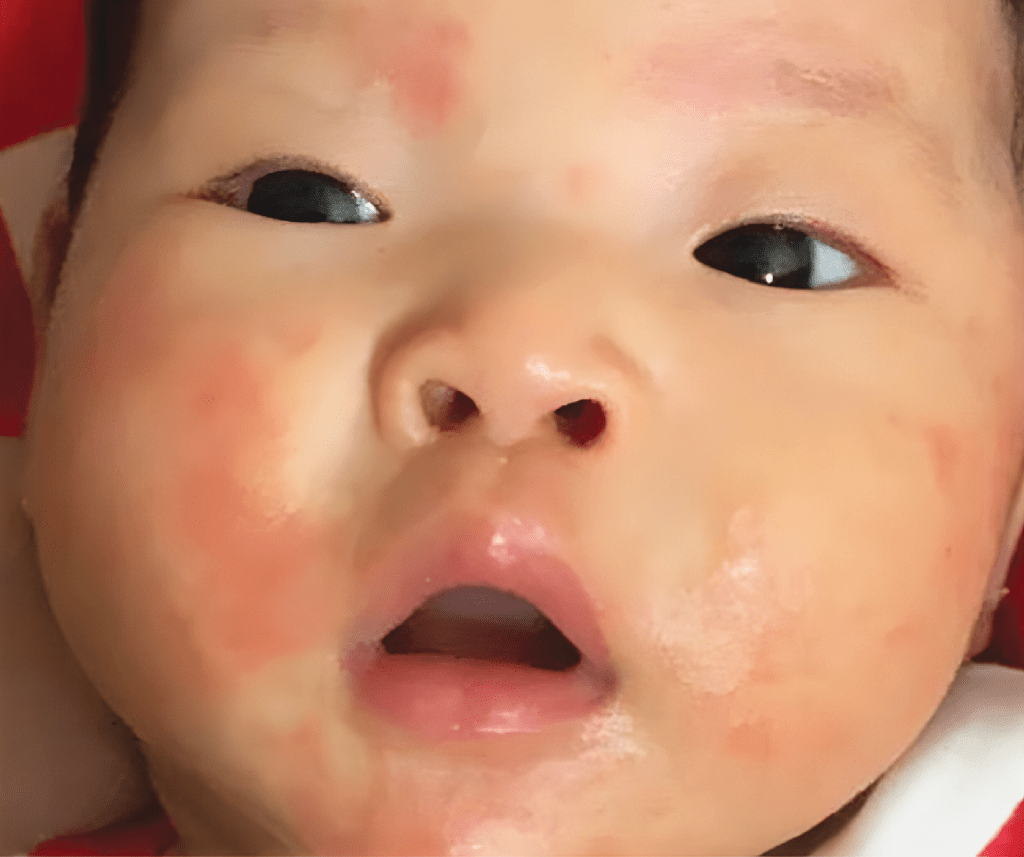
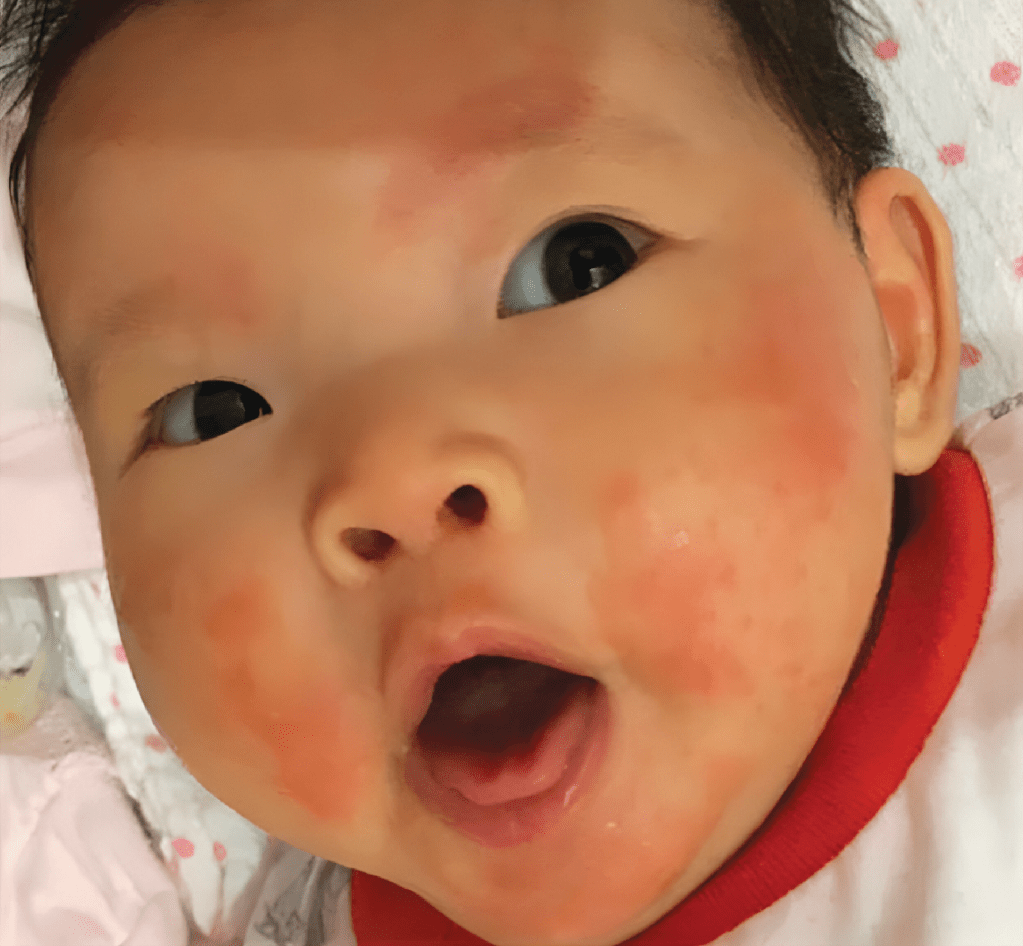
If you or your child ever had these skin problems, the answer may well be a yes! It is estimated that about 20% of children and 10% of adults suffer from a condition called ECZEMA.
What is eczema? Eczema is the medical term for a skin condition that causes dry, itchy and inflamed rashes on the skin. It is a common condition in young children but it can occur in almost any age group. It is not contagious. The skin barrier helps your skin to retain moisture and protects your body from outside elements. When eczema happens, the skin barrier is weakened. This will allow bacteria, viruses, irritants and allergens to enter the body easily.
What are the Symptoms? Initially, itchy rashes and skin dryness are first noticed. Depending on the patient’s skin colour, the rash can be red, pink or brownish in colour. Rubbing or scratching worsens the rash so it is often called “the itch that rashes.” The itch is usually worse in the evening triggered by sweating or rough clothing. It tends to involve the face, neck, elbow, elbow folds, knee and at the back of knees. Close family members with similar skin problems make the diagnosis more likely.
Who is prone to eczema? Almost anyone of any race or gender can have eczema at any age. However, it tends to begin in the first 2 years of life but some may develop it even after puberty or during adulthood. Those with a family background of atopy (i.e eczema, bronchial asthma and allergic rhinitis) are more likely to get it.
What makes eczema worse? • Climate: extremes of temperature, low humidity • Irritants: wool/ rough fabrics, perspiration, detergents • Infections: skin infections or other infections • Environmental allergies: dust mites, pollen • Food allergies: common allergens- eggs, milk, peanuts, shell fish, soy, wheat
(Note: detection of allergen specific Ig E via blood does not necessarily mean that allergy triggers the eczema)
The impact? Eczema can have a significant impact on a person’s daily life. When scratching results in a wound with itchiness and inflammation, a child may not want to bathe as he will suffer an unpleasant stinging sensation. Sleep will be disturbed leaving the child irritable. In school, they may be stigmatized and other children may be hesitant to interact with the child with eczema. As they grow older, they may become self-conscious of the way their skin looks. Fortunately, early diagnosis and effective treatment can help patients and family members deal with this skin condition.
When to consult a dermatologist? When sensitive skin care regimes and avoidance of irritants fail to completely clear up the itchy rash, it is time to consult a dermatologist. You or your child may need more potent treatment. Alternatively, it is possible that the rash is not due to eczema.
How do we treat eczema? Upon diagnosing eczema, the dermatologist will prescribe topical products, such as topical steroids or calcineurin inhibitors as well as oral antihistamines. Other treatment options include phototherapy, wet wrap, systemic medications that target the immune system. Recently, newer oral and injectable monoclonal antibody have been proven effective.
Although eczema cannot be cured, it can be managed. Fortunately, some children’s symptoms lessen or disappear as they grow up. Hence, eczema should be diagnosed and managed early so that your child can thrive!
All photos credit: Dr. Janet Lee Hoong May
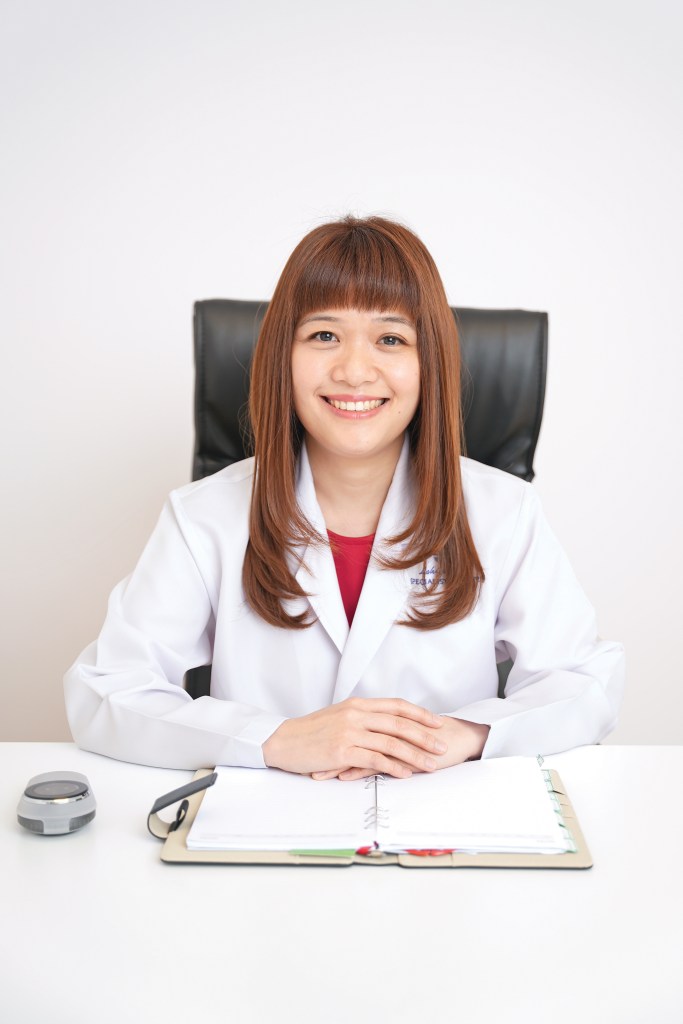
Dr. Janet Lee Hoong May
Consultant Dermatologist & Physician
MD (RSMU), MRCP (UK), Adv. Master in Dermatology (UKM)
Dr. Janet specialises in a variety of skin, scalp, hair and nail disorders for both adults and children i.e. acne, psoriasis, eczema, skin allergy and allergic testing, skin pigmentations, skin cancers, skin infections as well as hair loss. She has vast experience in dermatological procedures such as skin biopsy, electrocautery and excision, intralesional injections, cryotherapy, lasers and chemical peeling.
by Dr. Yeo Geok Ping, Consultant Nephrologist & Physician
In National Health and Morbidity Survey 2019, the prevalence of Diabetes Mellitus (DM) amongst adults age >18 years old had increased from 11.2% (2011) to 18.3%.(2019). Over time, DM may lead to serious complications like heart attacks, strokes, kidney disease, vision loss, and nerve damage. DM remains the most common cause of End Stage Kidney Disease (ESKD), accounting for 53% of all new ESKD patients in 2021, followed by hypertension (33.9%).
How diabetes cause kidney disease? Kidneys are two bean-shaped organs, each about the size of a fist located in the middle of your back, just below your ribcage. Each kidney is made up of millions of tiny filters called nephrons. These filters help to remove waste and excess water from the blood into the urine while leaving protein and other substances in blood. Kidneys also help to control blood pressure, produce red blood cells and activate Vitamin D. Over time, high blood sugar from diabetes can damage blood vessels in the kidneys as well as nephrons so they don’t work as well as they should. Around 20-30% of people with diabetes develop Diabetic Kidney Disease.
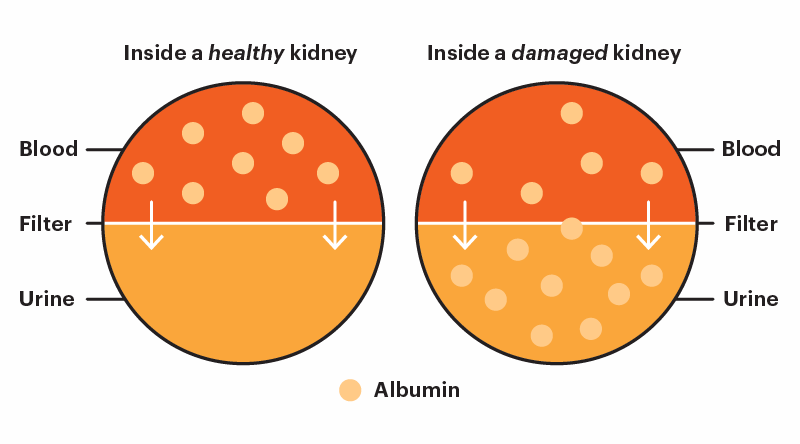
How to detect Diabetic Kidney Disease (DKD)? Diabetic Kidney Disease (DKD) is kidney damage caused by DM. When the kidneys are working normally, they prevent albumin from leaking into the urine. Hence, the earliest sign of DKD is increased excretion of albumin in the urine. The kidney doctor (nephrologist) will perform assessment and screen for kidney damage by doing blood and urine tests.
Photo credit: Diabetes and Digestive and Kidney Diseases (NIDDK)/kidney.org
Screening tests may include:
1. Urine test to measure excretion of albumin in urine. 2. Blood test to measure level of creatinine. It can estimate how well the kidneys filter blood. High creatinine indicates a low eGFR (estimated Glomerular Filtration Rate), indicating poor kidney function. 3. Ultrasonography of kidneys to assess the size of kidneys. The kidneys are usually normal or increased in size in the initial stages but later may shrink as the disease progresses.
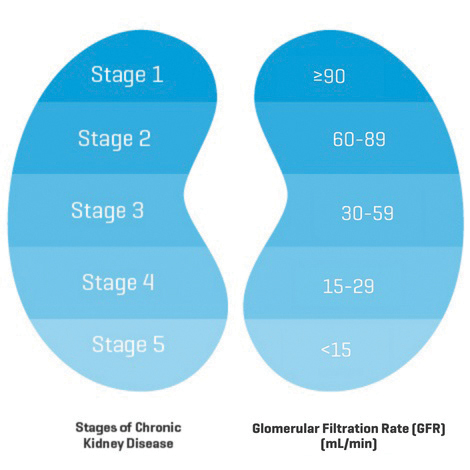
What happens if there is kidney failure? There are five stages of Chronic Kidney Disease (CKD). It is a silent killer as it may progress insidiously over time without any clinical manifestation. Eventually, DKD may cause the kidneys to shut down, leading to the last stage (stage 5) of CKD, known as End Stage Kidney Disease (ESKD).
Photo credit: Baxter/mykidneyjourney.com
Symptoms and signs of kidney failure include: • Nausea and vomiting • Fatigue • Swelling in the face, ankles and feet • Breathlessness • High blood pressure • Confusion • Dry skin and itchiness • Anemia
ESKD occurs when the kidneys can barely function to meet day-to-day requirements. In this final stage, dialysis or kidney transplant is a must in order to survive. Kidney transplant involves the transfer of a healthy kidney from one person into the body of a person who has little or no kidney function. Kidney transplantation is the optimal treatment for improving survival and quality of life for patients with ESKD.
There are two types of dialysis treatments available to remove toxin and extra fluids from the body. Haemodialysis will require a machine that removes blood from the body, filters it through a dialyzer (artificial kidney) and returns the cleaned blood to body via vascular access either arteriovenous fistula (AVF) or dialysis catheter. Every Haemodialysis will be individualized but generally it takes an average of 4 hours per session and 3 treatments per week. Peritoneal Dialysis is dialysis using the peritoneal membrane, which is the natural lining of abdomen, via a tenckhoff catheter that is surgically placed in the abdomen. Continuous Ambulatory Peritoneal Dialysis (CAPD) is carried out manually every day. There are usually 4 exchanges during the day. Automated Peritoneal Dialysis (APD) requires a machine to perform three to five exchanges during the night while sleeping.
How do we treat Diabetic Kidney Disease (DKD)? There is no medication or therapy that can reverse the kidney damage done. However, with the correct treatment, we can slow down the progression of DKD: • Lifestyle modification : Stop smoking, regular exercise (At least 150 minutes per week) • Healthy diet: Low salt and sugar. • Good sugar control : The treatment will be individualized to prevent development of hypoglycaemia (low blood sugar) • Good blood pressure control: Recommended goal below 130/80 mmHg, however target should be individualized. • Avoid over-the-counter pain medication including non-steroidal anti-inflammatory drugs (NSAIDS) or non-FDA approved supplement. • Compliance to medications and follow up are of paramount importance to retard the disease progression of DKD.
Time is critical in the treatment of kidney disease. The key point here is to have early diagnosis and treatment without delay, in order to minimize loss of kidney tissue from the injury.
Therefore, it is imperative to consult a nephrologist early, in order for a prompt diagnosis and initiation of treatment.
Sidenote: Having foamy urine? This could be your kidneys ‘leaking’ protein, the earliest sign of kidney disease.
“Time is kidney” A key point here is to have early diagnosis and treatment as soon as possible without losing time, in order to minimize loss of kidney tissue from the injury.
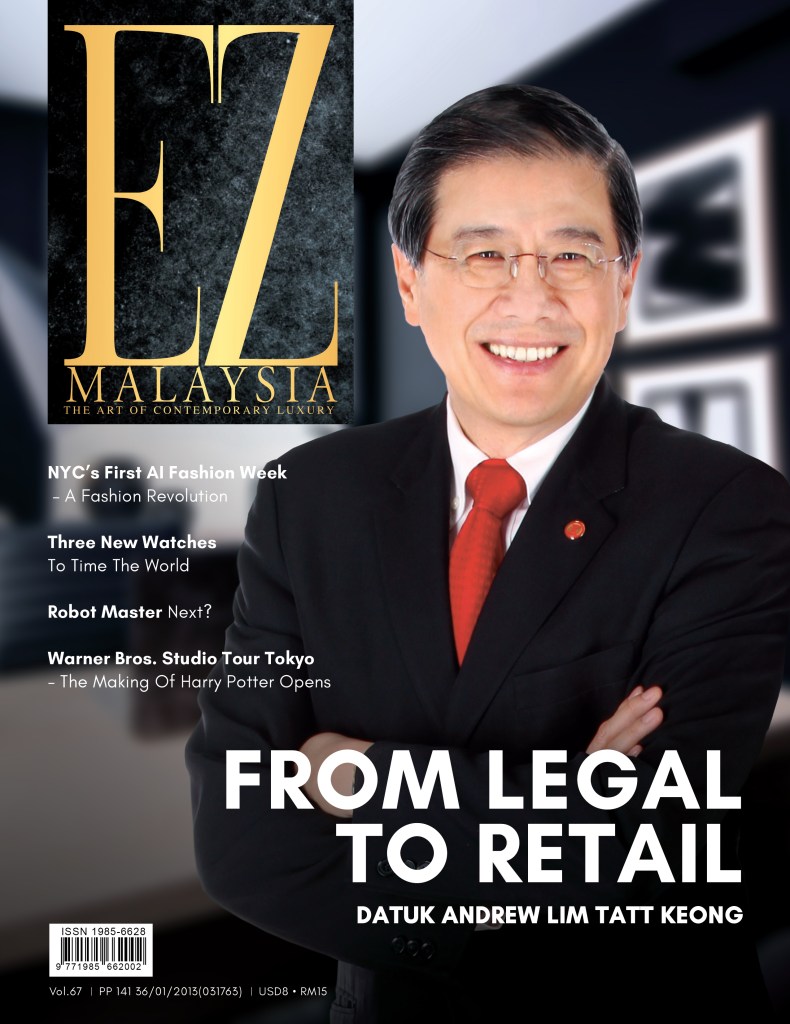
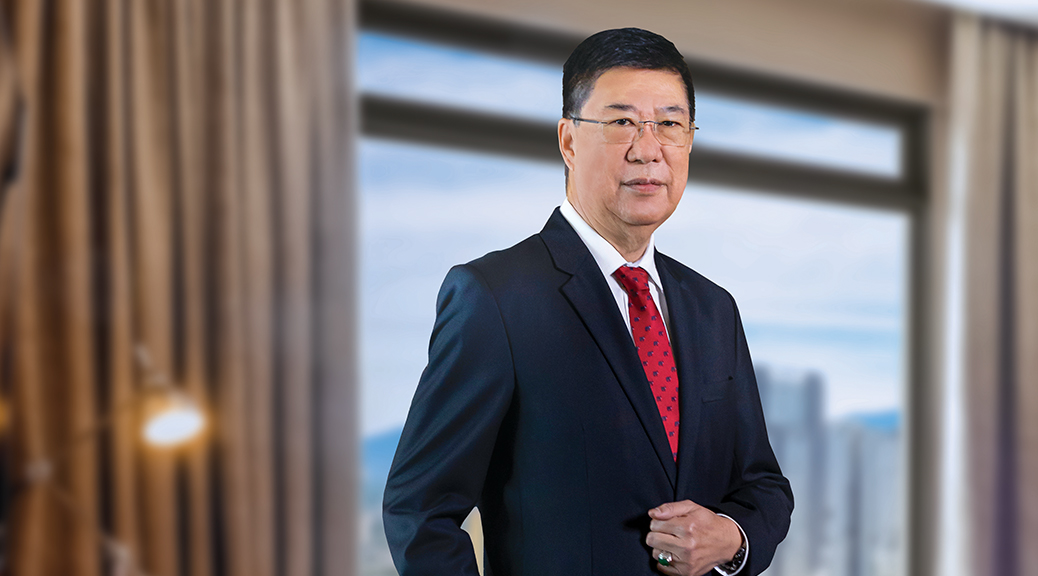
Group Executive Chairman of USP Resources Sdn Bhd Group of Companies and GAMA Group of Companies
“Stay humble, be yourself and never give up”
Datuk Andrew Lim Tatt Keong, a distinguished figure in the Malaysian retail industry, has had an extraordinary career path that saw him transition from a successful legal practitioner to becoming the Group Executive Chairman of both USP Resources Sdn Bhd Group of Companies and GAMA Group of Companies. He is also the Deputy Group Chairman of the SOGO Seibu Group of Companies in Malaysia.
Born, raised, and schooled in Penang, Datuk Lim received his Bachelor of Laws degree from the University College Cardiff, Wales, UK, and passed the BAR exams from Middle Temple (London) in 1981 and he was admitted as an advocate and solicitor in Malaysia in 1982. Datuk Lim embarked on his legal career by practising in his late father’s legal firm, Messrs Lim Cheng Poh, Lim & Rahim, where he specialised in various legal matters, including banking, corporate, commercial, conveyancing, international contracts, and international trade. It was while practising law that he developed a keen interest in the retail industry.
Datuk Lim took up the opportunity to venture into retail business by buying into the GAMA Group of Companies in 2000, and subsequently, he also acquired the SOGO Seibu Group of Companies in 2002.
His extensive legal background proved invaluable to him during his transition from legal practice into the retail industry.
“Having served as the company’s legal advisor, I was already privy to the intricate details and financial figures of the business. This familiarity made it relatively easier for me to analyse the company’s operations and make informed decisions“
Drawing from his twenty years of legal experience, he successfully addressed various challenges, managing irrational expenditures, implementing prudent financial practices, and reducing unnecessary expenses to turn the company around.
His legal expertise accorded him a unique insight into distinguishing truth from facts, allowing him to approach problem-solving with a discerning eye to systematically assess and analyse challenges and find effective solutions. Datuk Lim’s methodical approach became instrumental in avoiding hasty decisions made during stressful situations.
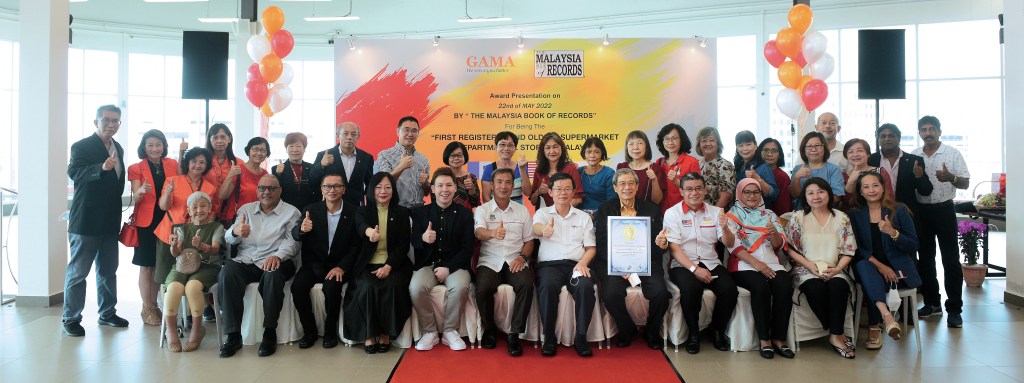
Established in 1967, GAMA Supermarket & Departmental Store was originally known as Pulau Pinang Supermarket, located at Chowrasta Market on Penang Road, Penang. Its flagship store, Wisma GAMA, opened in 1980 and went on to become one of the pioneers of the Malaysian retail industry. The store was the first to introduce the concept of a supermarket-cum-department store, which revolutionised the way Malaysians shopped. This milestone was recognised by the Malaysia Book of Records 2022, in which GAMA was awarded the recognition of being the “First Registered and Oldest Supermarket and Departmental Store in Malaysia.”
Under Datuk Lim’s visionary leadership, GAMA Departmental Store witnessed remarkable growth as one of Malaysia’s leading retail establishments. The company’s commitment to providing quality merchandise, fair prices, and exceptional customer service is reflected in its motto, “We Serve You Better,” and GAMA has earned the trust and patronage of its customers over the past 57 years.
Despite the challenges posed by the pandemic and the advent of online shopping, Datuk Lim anticipates a resurgence of in-store shoppers, recognising the unique experience physical stores offer. Looking to the future, he envisions transforming malls and departmental stores into lifestyle experience centres, catering to the evolving preferences and demands of modern internet savvy consumers.
Datuk Lim attributes all his success to his experienced and dedicated team, some of whom have been with GAMA for decades. He emphasises the importance of valuing employees, prioritising customers, and building strong partnerships with brand partners. For young entrepreneurs, he advises never to give up, highlighting the significance of resilience and continuous learning. He also stresses the critical importance of possessing both emotional intelligence (EQ) and intellectual intelligence (IQ) for long-term leadership success.
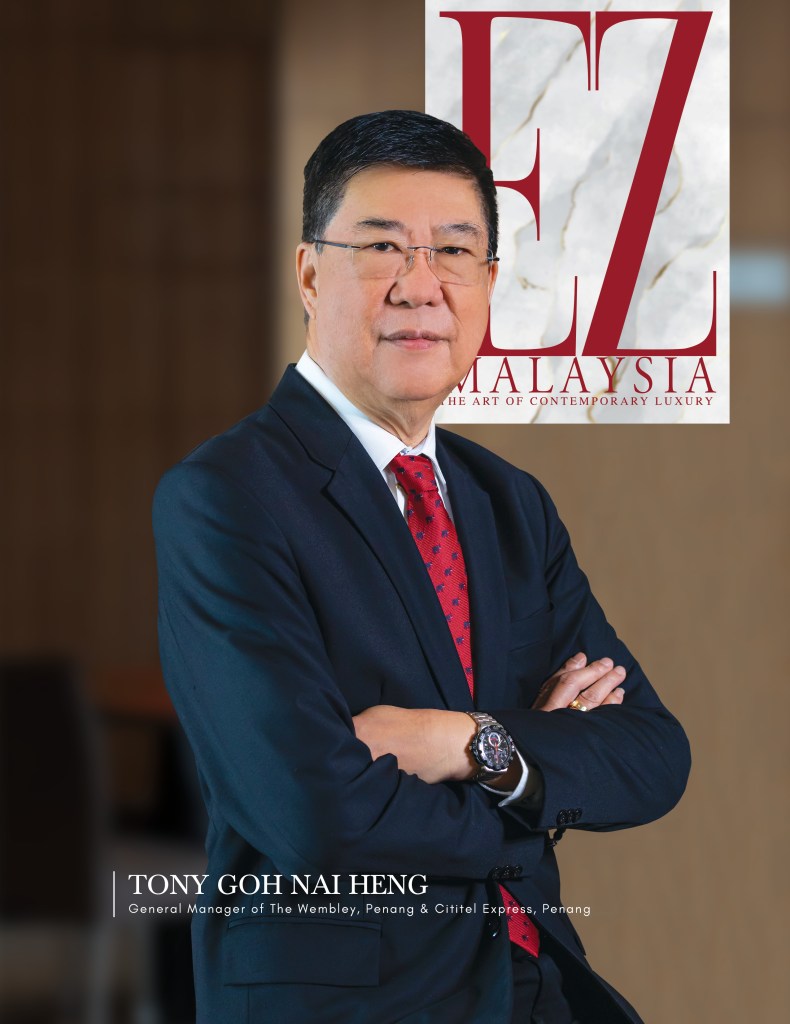
General Manager of The Wembley, Penang & Cititel Express, Penang
“My team is very important to us. They are our strength. Without their hard work and relentless contributions and efforts, we would not be what we are today”
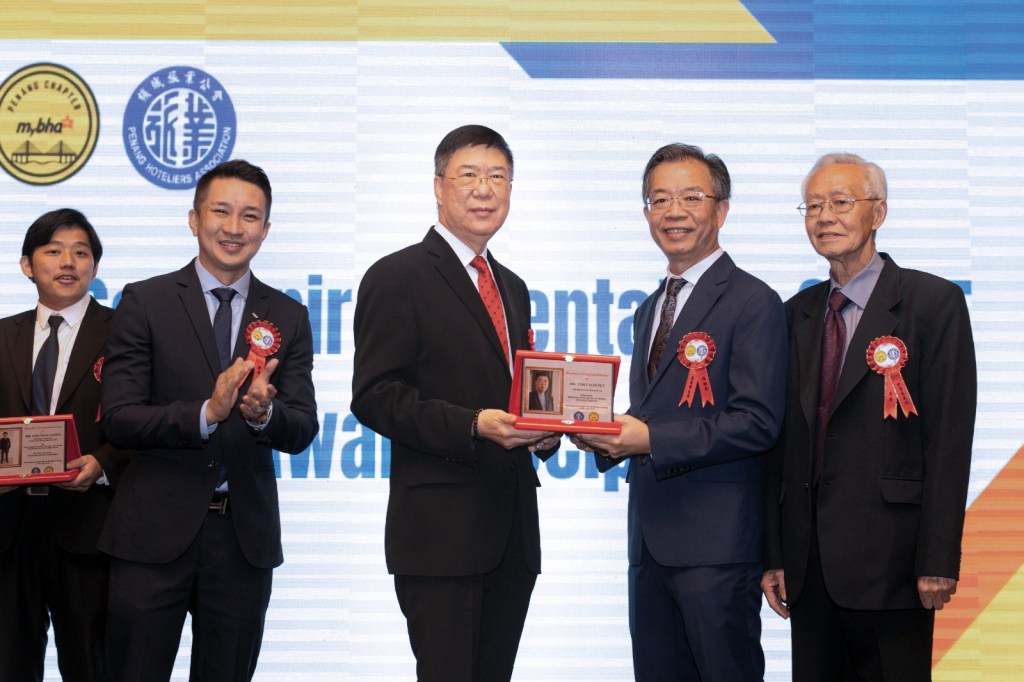
A proud moment: Mr Tony Goh (2nd from right) receiving the INPenang National Award for Preferred Hotel on behalf of The Wembley – A St Giles Hotel, Penang, from the Governor of Penang, TYT Tun Dato’ Seri Utama Ahmad Fuzi bin Haji Abdul Razak (2nd from left) at the INPenang International Awards 2021 presentation ceremony. Looking on are: (L) YB Yeoh Soon Hin, Penang State EXCO for Tourism and Creative Economy (PETACE) and Dato’ Chng Huck Theng, President of CHTNetwork (R)
“There is no right or wrong in whatever we do but we must always maintain our integrity and preserve our principles”
Tony Goh Nai Heng is a prominent personality in the service and hospitality industry, currently serving as the General Manager of The Wembley, Penang, and Cititel Express, Penang. With over 38 years of experience, Tony’s leadership has had a significant impact on the industry.
Tony’s journey began at Les Roches hotel school in Switzerland, where he developed his skills and passion for hospitality. He climbed the ranks, holding senior management positions in renowned hotels within the Shangri-La and Swiss Garden groups. Notably, he achieved remarkable milestones as the General Manager of Cititel Mid Valley Kuala Lumpur and Cititel Penang.
Currently, Tony leads a dedicated team at The Wembley – A St Giles Hotel, Penang and Cititel Express in George Town, Penang. These landmark hotels, located in the heart of the city, offer 415 and 234 rooms respectively. Tony’s role is crucial in ensuring smooth operations and creating a Totally Fulfilling Experience for every guest. He emphasises the importance of his team, recognising their hard work and contributions as the foundation of the hotels’ success.
In addition to his managerial responsibilities, Tony serves as the Chairman of the Malaysian Association of Hotels, Penang Chapter. He is committed to transforming Penang into a home away from home for all tourists. Even during the challenging times of the COVID-19 pandemic, Tony’s dedication was instrumental in keeping the industry relevant despite economic adversities and reduced tourism rates.
As a visionary leader, Tony focuses on creating a clear vision for the future and inspiring others to join him in achieving it. He believes in upholding integrity and preserving principles.
Beyond his professional pursuits, Tony actively participates in events that promote the well-being and development of Penang. He is known for his passionate and charitable nature, extending assistance to individuals and organisations without judgement or condescension. With his visionary leadership and dedication, he continues to leave a positive impact on the industry while actively contributing to the betterment of Penang’s community.
“There is no exercise better for the heart than reaching down and lifting people up”
“Even though my family is now based in Europe, Malaysia is home for me. I love the warmth, the variety of food and the multitude of cultures, and that’s why I decided to begin my music journey here”
Timur Flores, a prodigious singer-songwriter with a Swiss-Sarawakian heritage, holds a profound connection to Malaysia, where she was born and raised.
Despite her academic achievements, including a Masters degree in Engineering from Oxford University and a stint in the financial industry, Timur made the bold choice to pursue a career in the realm of pop music. Fuelled by her lifelong passion for diverse musical genres and dance, she sought to carve a path for herself in the creative industry.
Blessed with a captivating voice that seamlessly blends melodious tones with an undeniable power, Timur has dedicated recent years to honing her songwriting abilities. Now, she stands resolute in her ambition to establish her presence not only in Malaysia but also on the global stage. Timur, whose very name evokes the spirit of the East, endeavours to channel her songwriting and hip-hop dancing talents back into her homeland, seeking success in the East while captivating audiences worldwide.
Although Timur departed for the UK at the age of 15 to pursue further education, her heart remains firmly rooted in Malaysia. The country’s warm embrace, its vibrant array of culinary delights, and its rich multicultural tapestry serve as a wellspring of inspiration for her musical journey.
Recently, Timur unveiled a tetralogy of songs—Not A Criminal, Sabotage, Love You Now, and Carnival—each accompanied by a meticulously crafted music video. This musical quartet, a testament to Timur’s creativity, weaves an engaging narrative that transcends individual tracks and advocates for championing the innocent against bullying. Collaborating with accomplished teams hailing from LA and Sweden, renowned for their work with notable K-pop groups, Timur’s songs resonate with authenticity and relatability.
Among the multitude of artists who have influenced her, none have left as indelible a mark on Timur as Shakira. Her formative years were filled with admiration for Shakira’s mesmerising dance skills and magnetic stage presence. Now, Timur is poised to release her own self-written song titled “Dance Through My Heart” this summer—a poignant expression of her beliefs and personal experiences.
If you love hide and seek, look for the enchanted Tanao Cafe Bar that is hidden in a historical site in the Phra Nakhon area near the bustling Khao San road in Bangkok, Thailand.
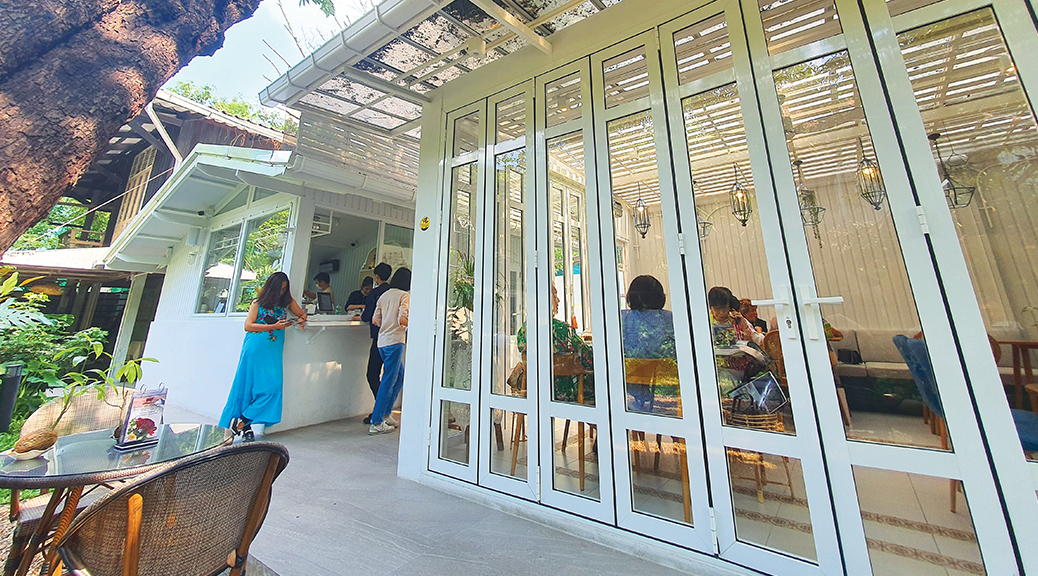
Upon entering the Tanao Cafe Bar, you’ll be greeted by the alluring sight of a grand centennial building owned by the royal family. This building has been renovated to include an indoor, air-conditioned glass dining area. As for those seeking a more al fresco experience, the Tanao Cafe Bar also has a charming garden under the shade of a majestic tree where diners can enjoy their meals while surrounded by a soothing embrace of green nature.
The Tanao Cafe Bar serves the finest food, from home-made pastries to great cocktails.
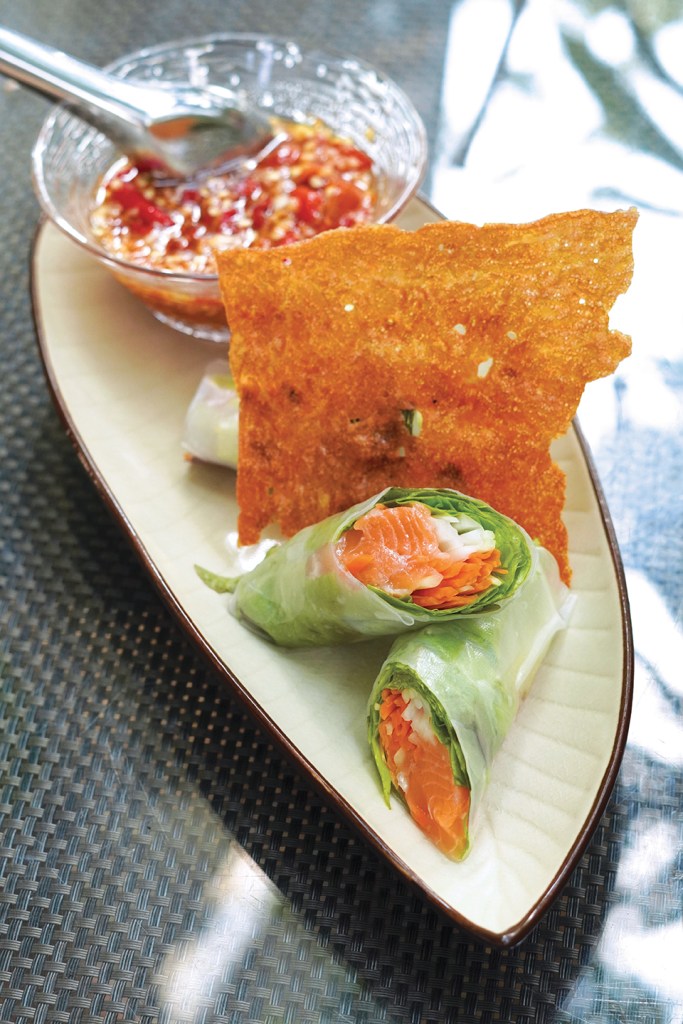
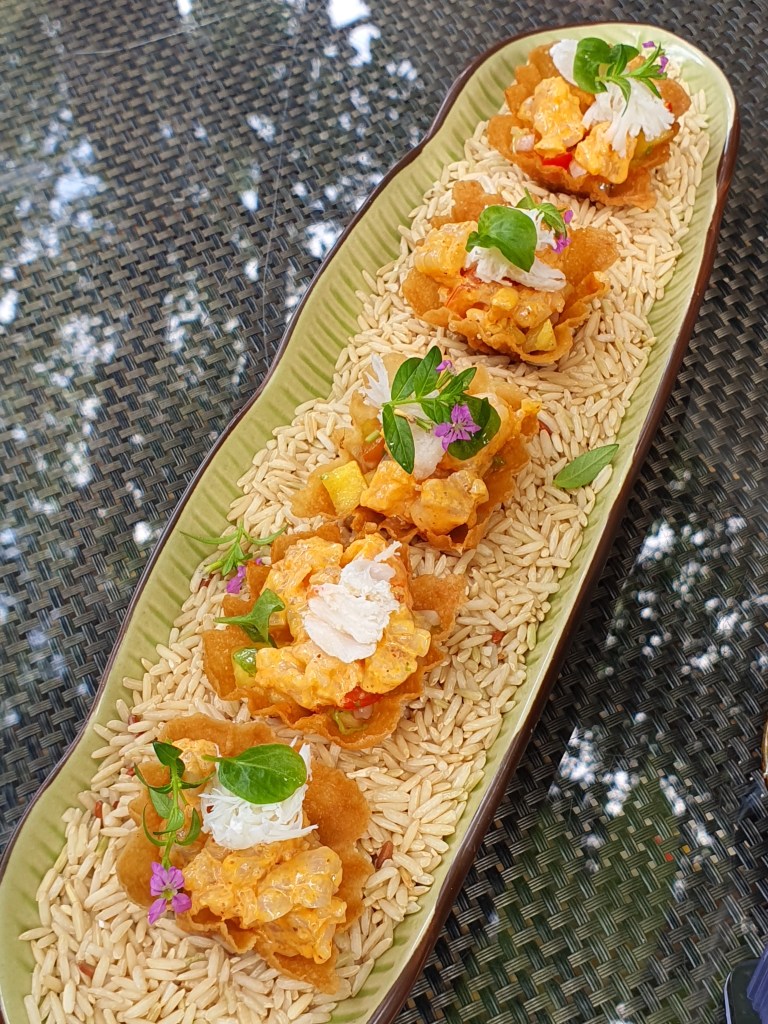
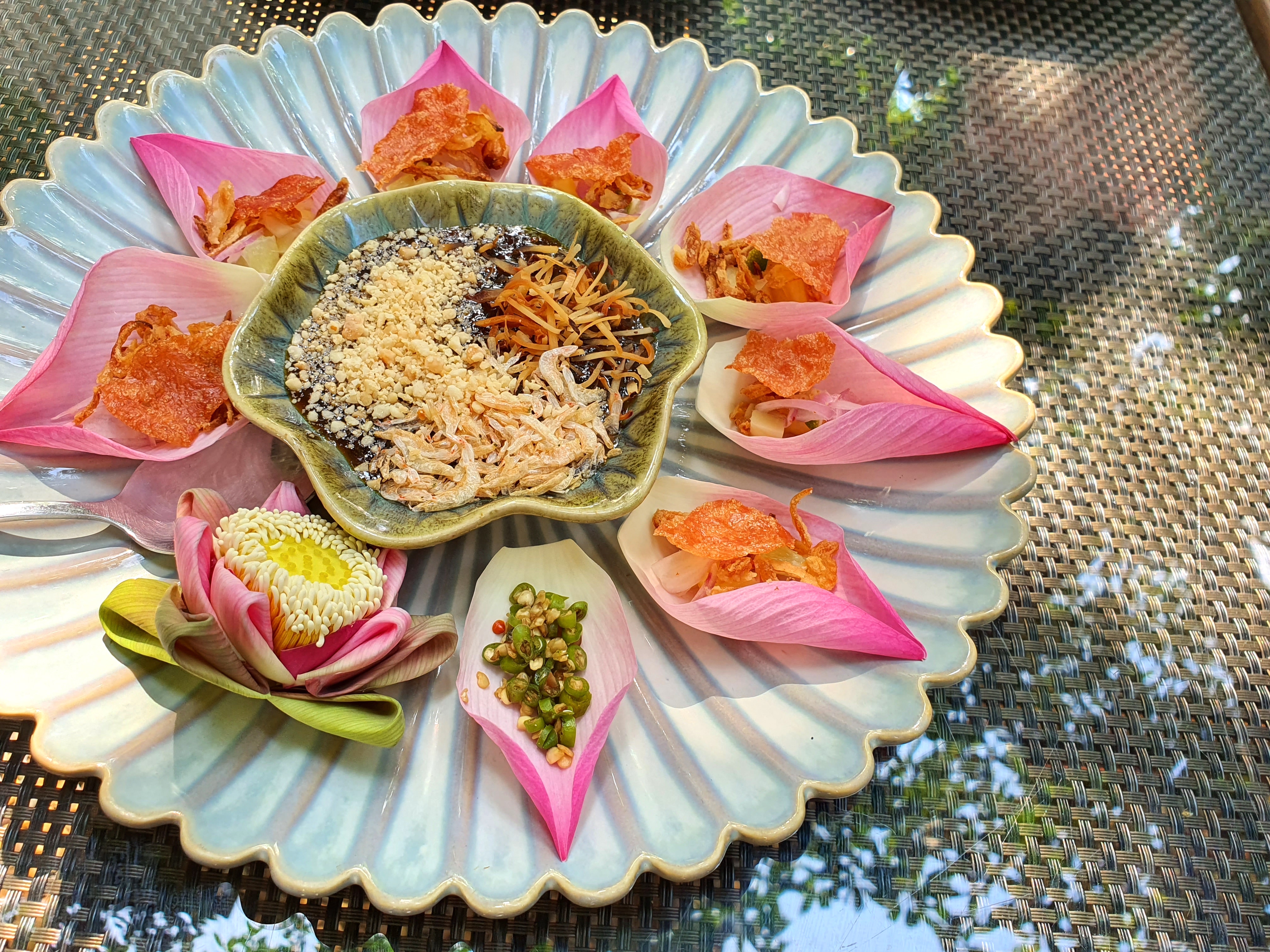
Prepare to tantalise your taste buds with a selection of signature starters like Miang Bua Luang (Miang Kam wrapped in bite-sized lotus petals), Kratong Tong (Shrimp Salsas in crispy cups), and Somtum Salmon Rolls (Rice paper salmon spring rolls with papaya salad).
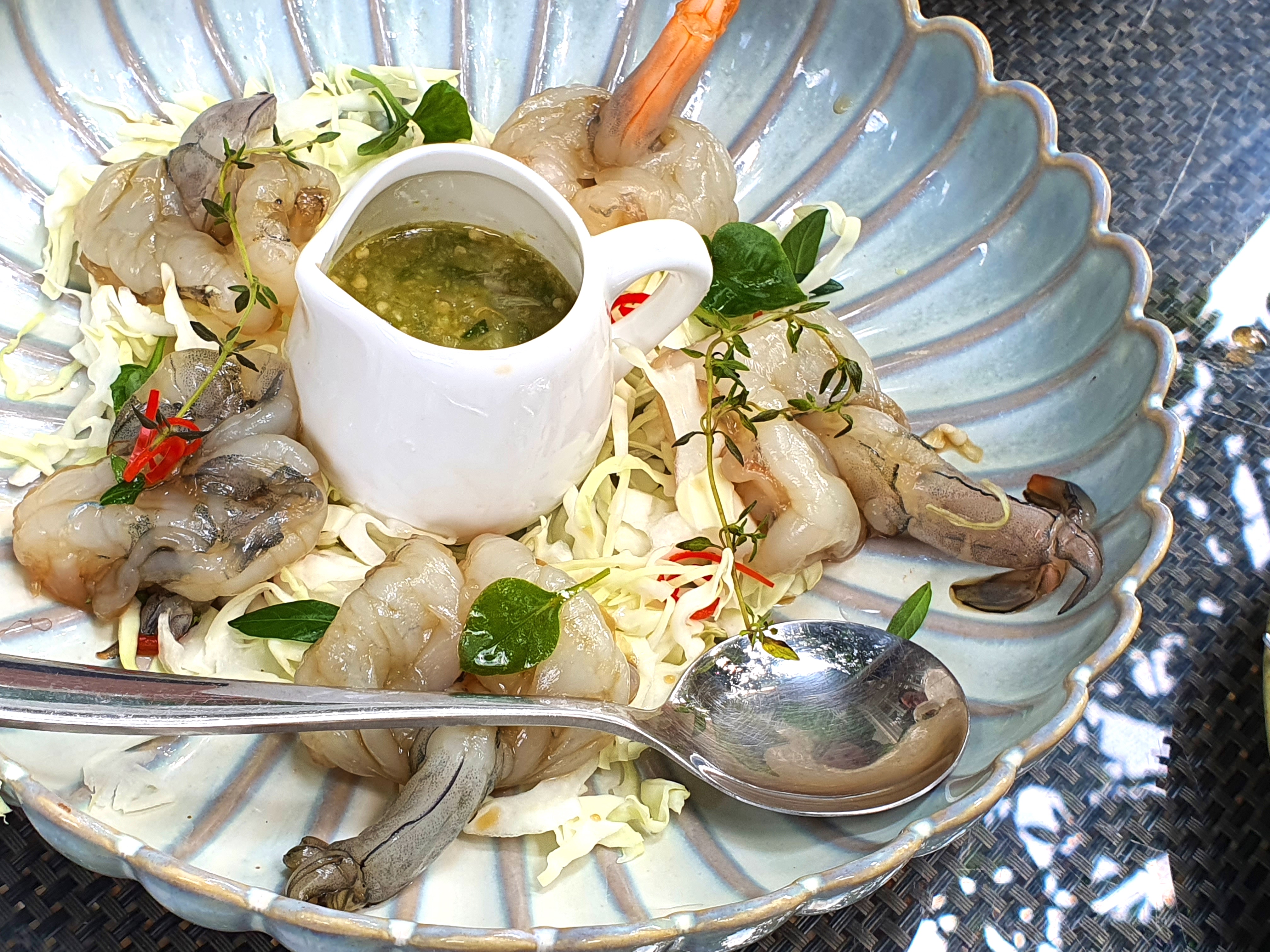
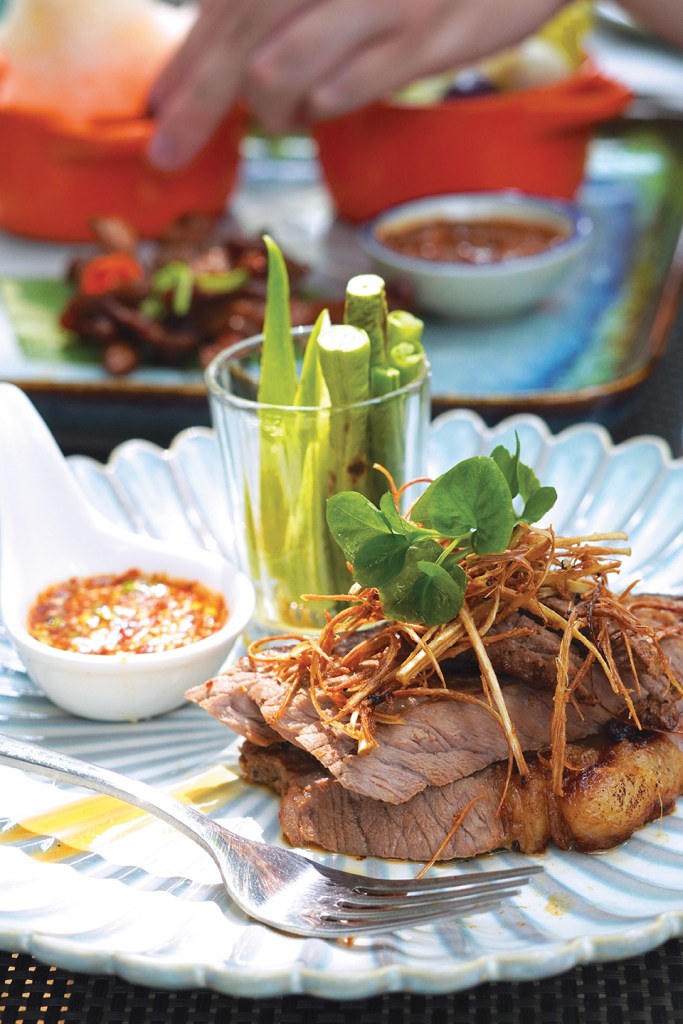
Goong Che Nam Pa is a raw prawn dish served with dipping Thai sauce, which is very much a Thai-style sashimi. Moo Pla Ra is fried sun-dried pork served with a spicy-sour sauce that is perfectly complemented by sticky rice and a selection of raw vegetables.
The Tanao Cafe Bar also takes pride in reviving an ancient recipe for Traditional Vermicelli Salad. Rich in flavours of garlic and fried dried shrimp, this salad is a nostalgic journey of flavours through time.
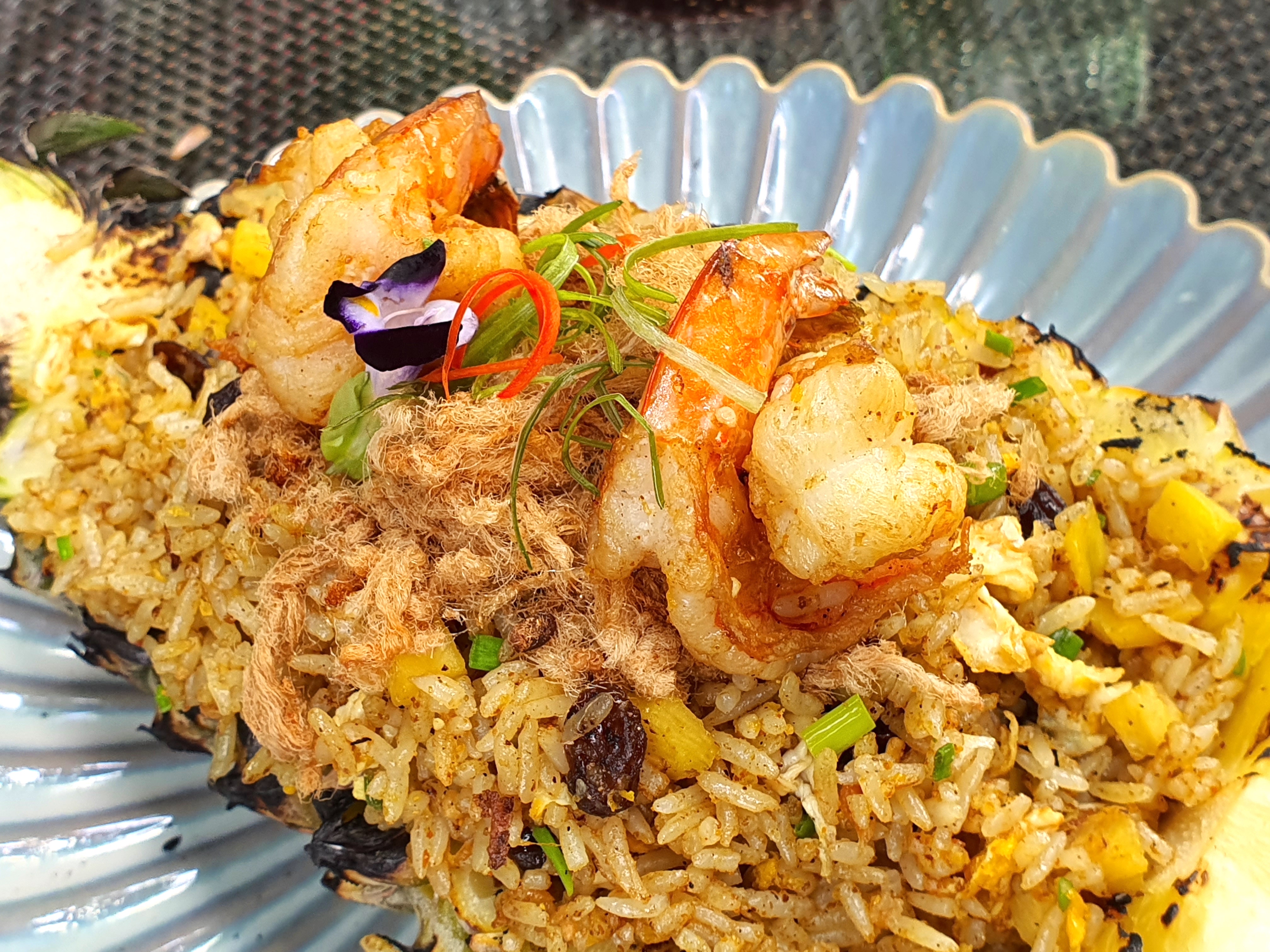
Beside the iconic Khao Ob Saparod (Thai pineapple fried rice with prawns), another must-try signature main dish is the Spaghetti Singha Nua Sua Tai, a captivating fusion of Western and Thai cuisine. In this exquisite creation, al dente spaghetti is paired with spicy Northern Thai sausage.
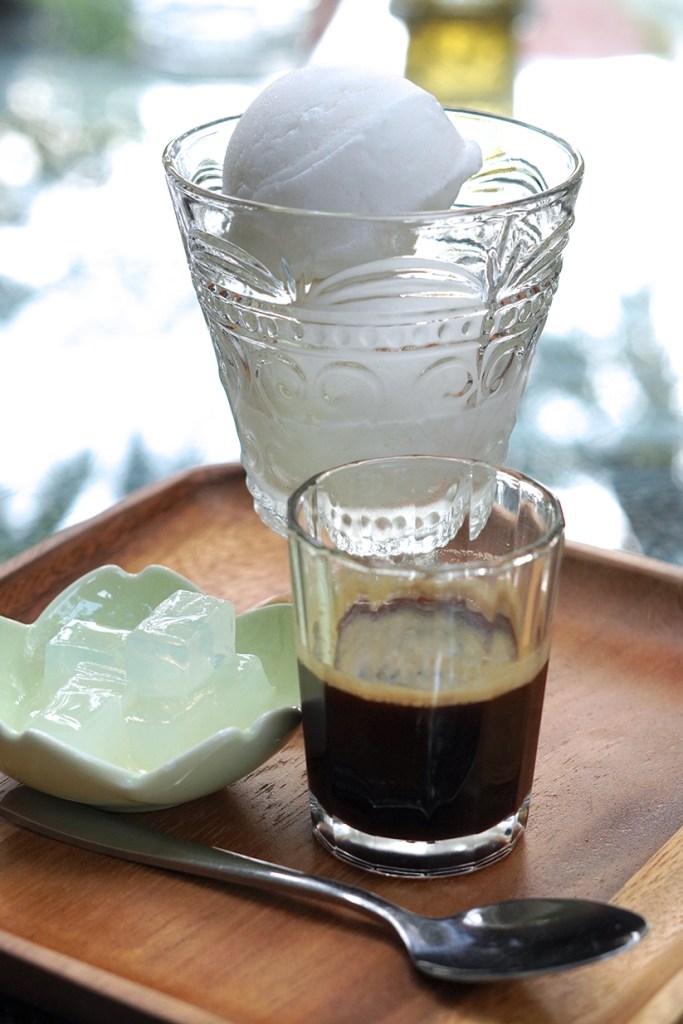
From classic coffees and teas to an enticing selection of soft drinks, mocktails, cocktails, and more, the drinks menu at Tanao Cafe Bar is carefully crafted to provide a feast for the eyes. It also offers quite a few exclusive dessert creations for sweet lovers, like The Tanao Affogato with Coconut Ice Cream, The Tanao Ruammit, and the Coconut Sundae.
Although Hong Kong reopened its borders in 2023 and launched the “Hello Hong Kong” tourism campaign with 500,000 free flights, the recovery post-pandemic has been slow and challenging. Many shops in popular tourist destinations remain vacant, awaiting new tenants. However, the surviving establishments are grateful to have witnessed a gradual resurgence in business.
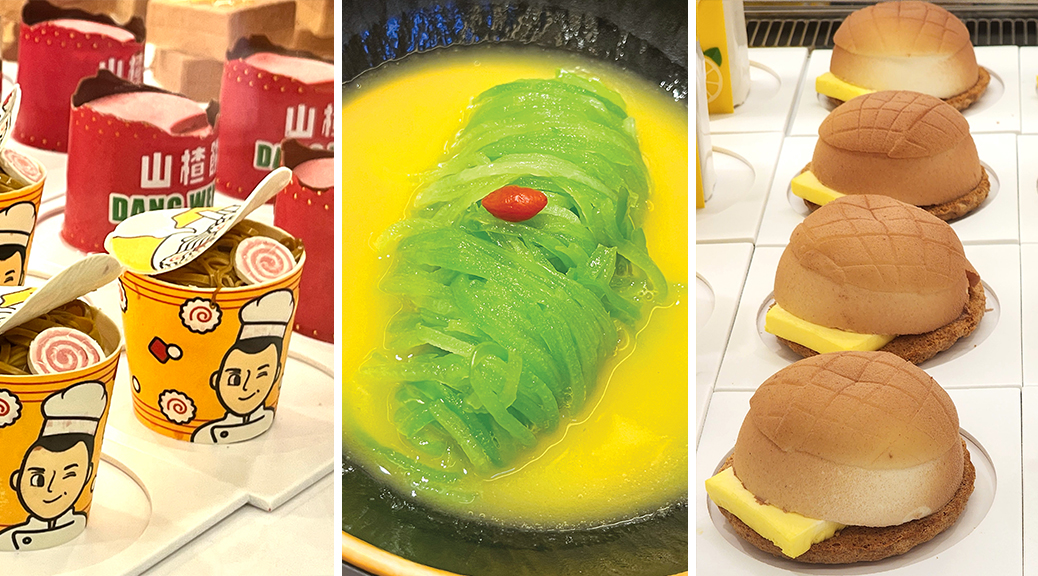
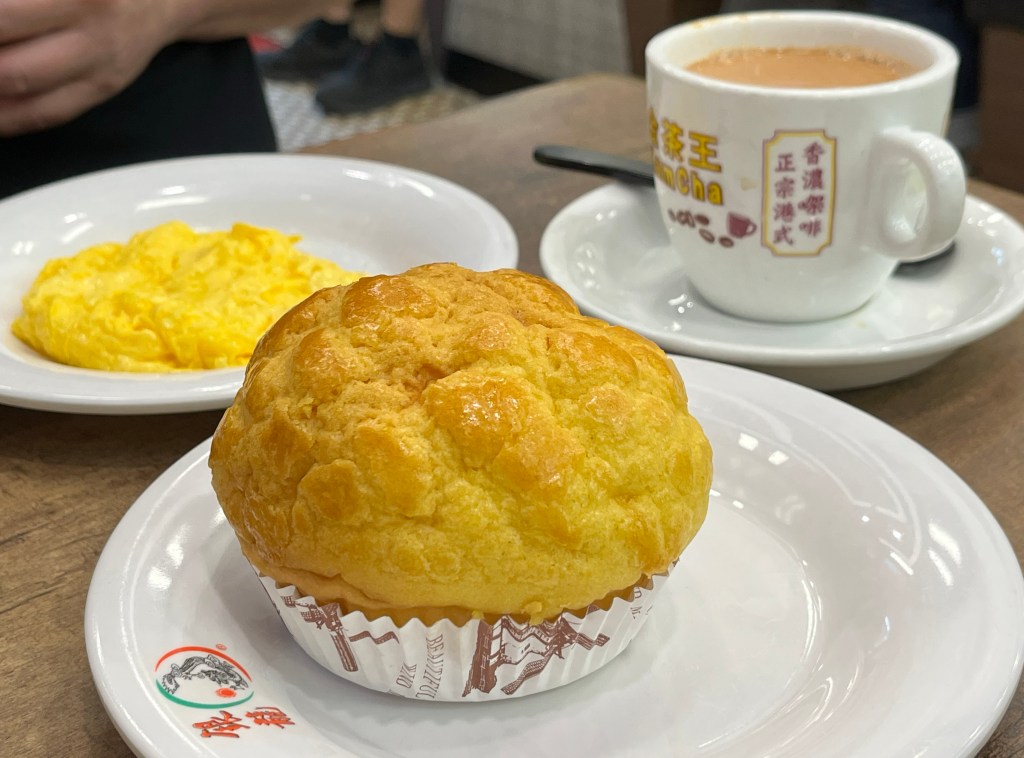
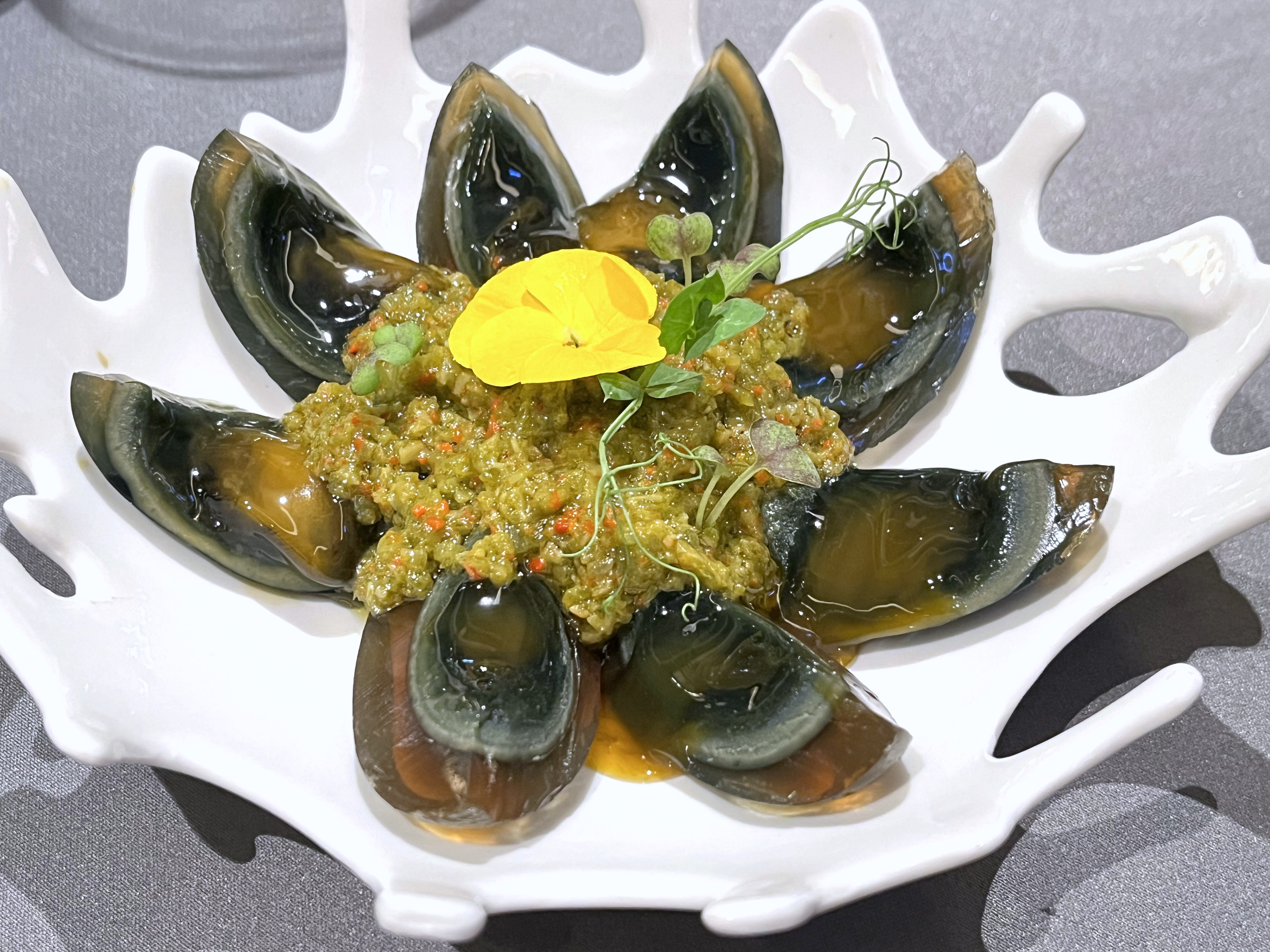
Food holds a cherished place in the hearts of Hong Kongers. From local favourites like beef and wonton noodles to succulent roasted meats, the culinary offerings meet a variety of tastes and budgets. Economy rice shops now provide a more diverse range of dishes that are visually appealing; nonetheless, they are commonly served cold. It is a no-go if you are looking for a nice, hot meal. Otherwise, a simple, golden, crispy polo bun coupled with a steaming cup of Hong Kong milk tea is always something to consider.
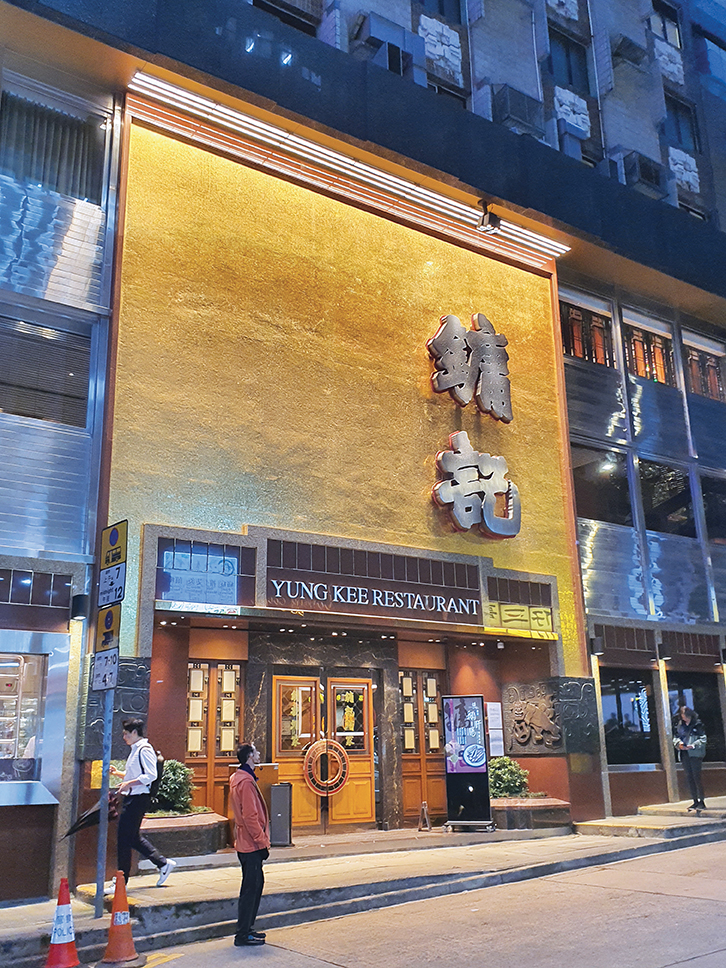
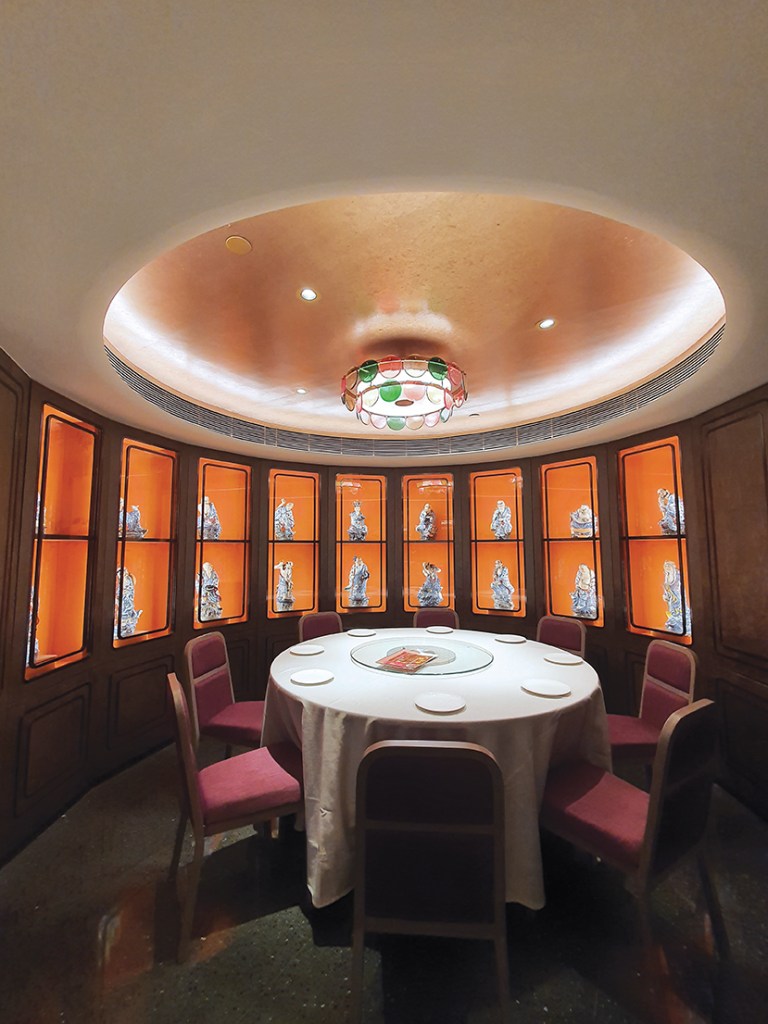
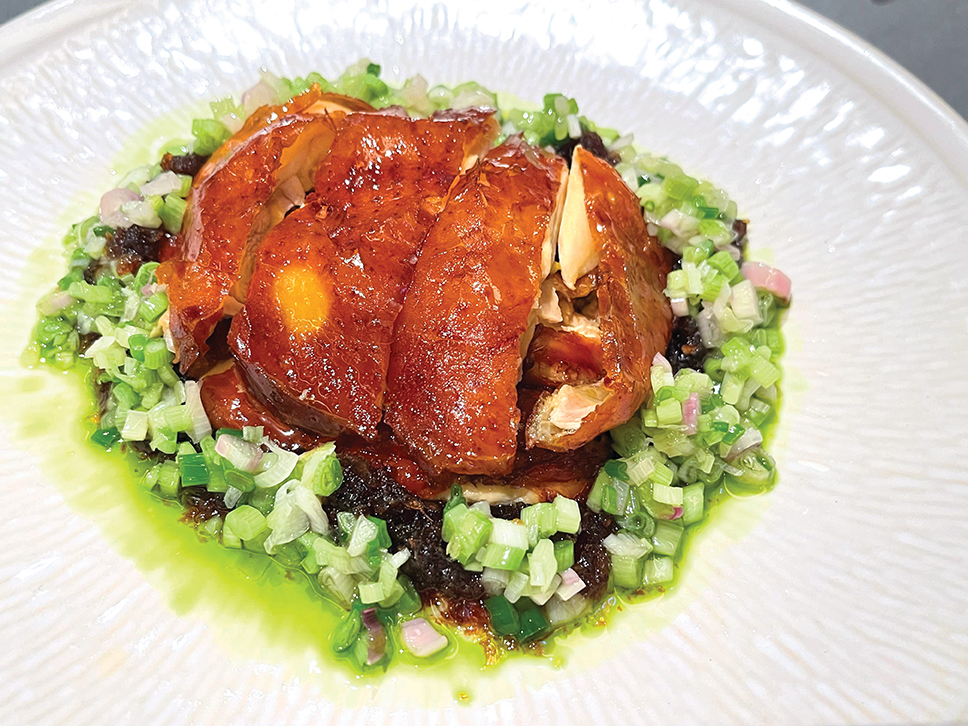
Many locals grew up with Yung Kee when it first started up as a roadside food stall. Today, the restaurant occupies an iconic building in one of Hong Kong’s most expensive areas, Central District. To visit and savour Yung Kee Restaurant’s famous double charcoal-roasted goose and their other timeless dishes is a must for all tourists. The restaurant features different themed areas for dining, from the nostalgic 1960s Shanghai ambiance to contemporary fusion spaces. For an elevated food experience, it is recommended to make a special booking for private VIP rooms that are available on the higher floors.
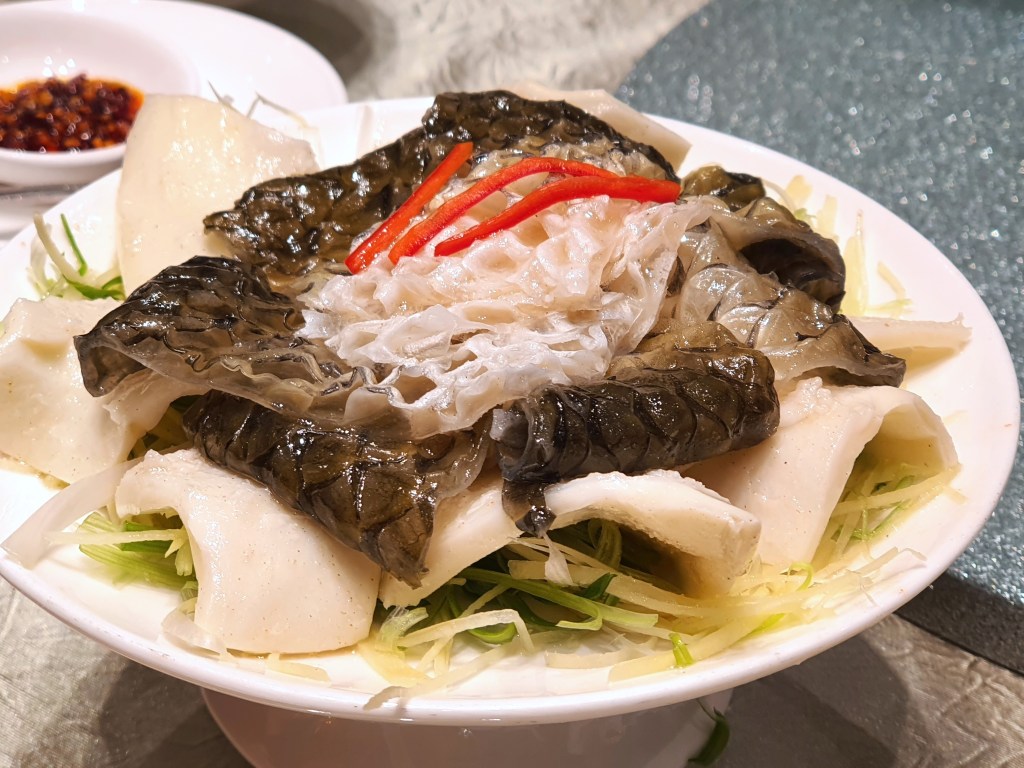
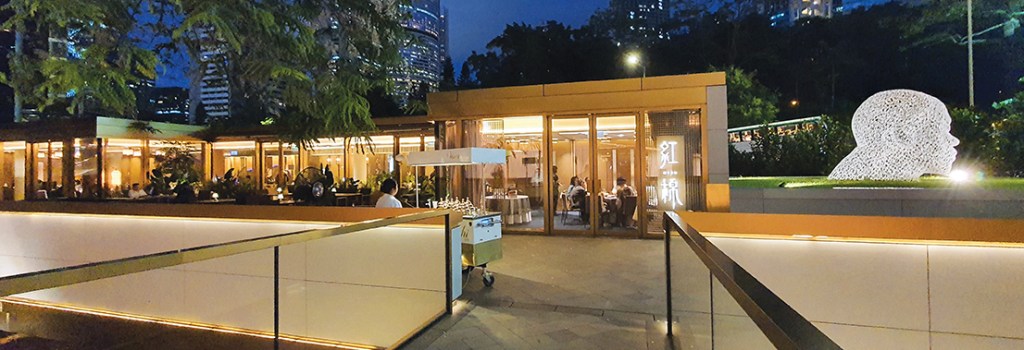
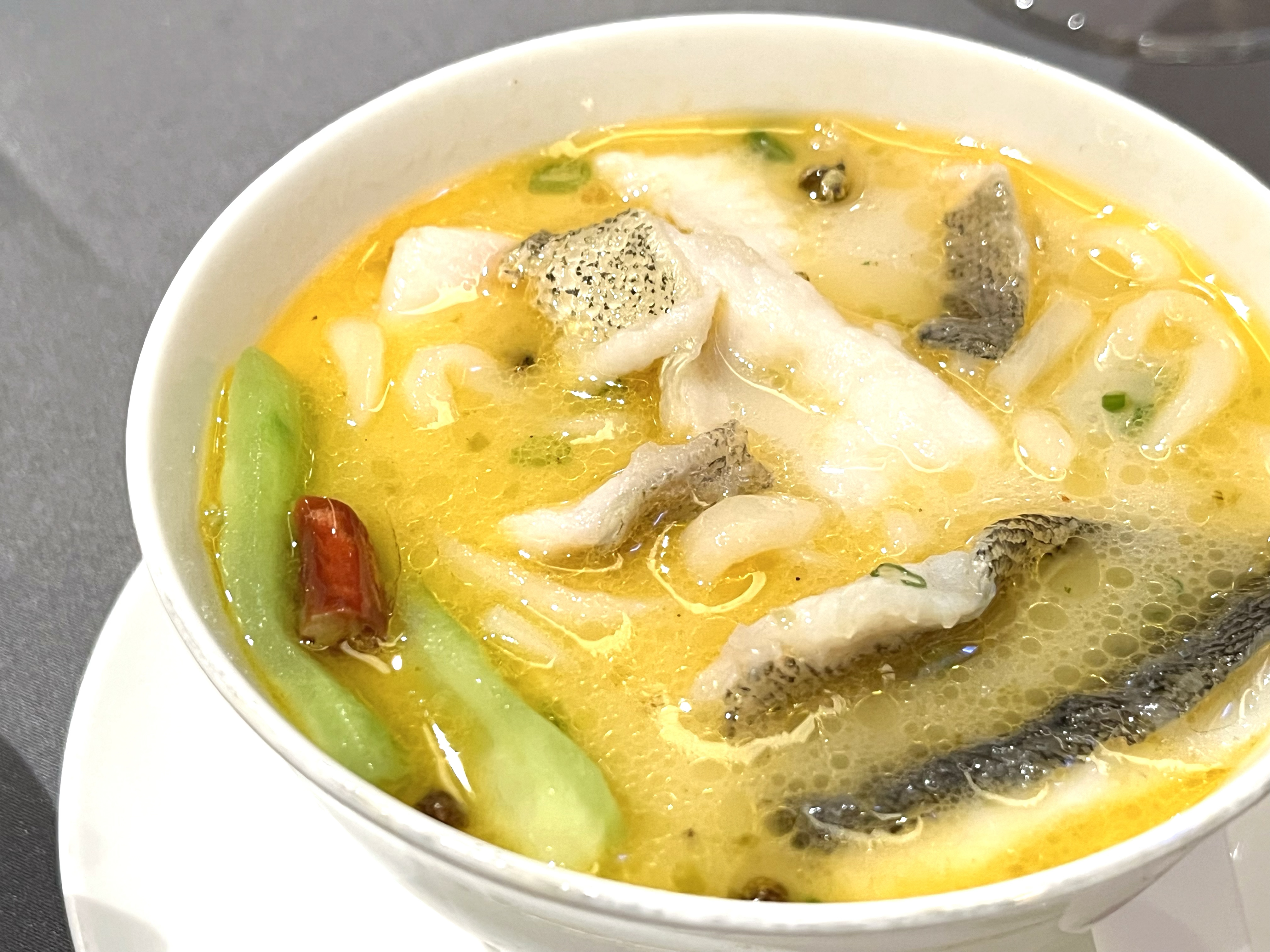
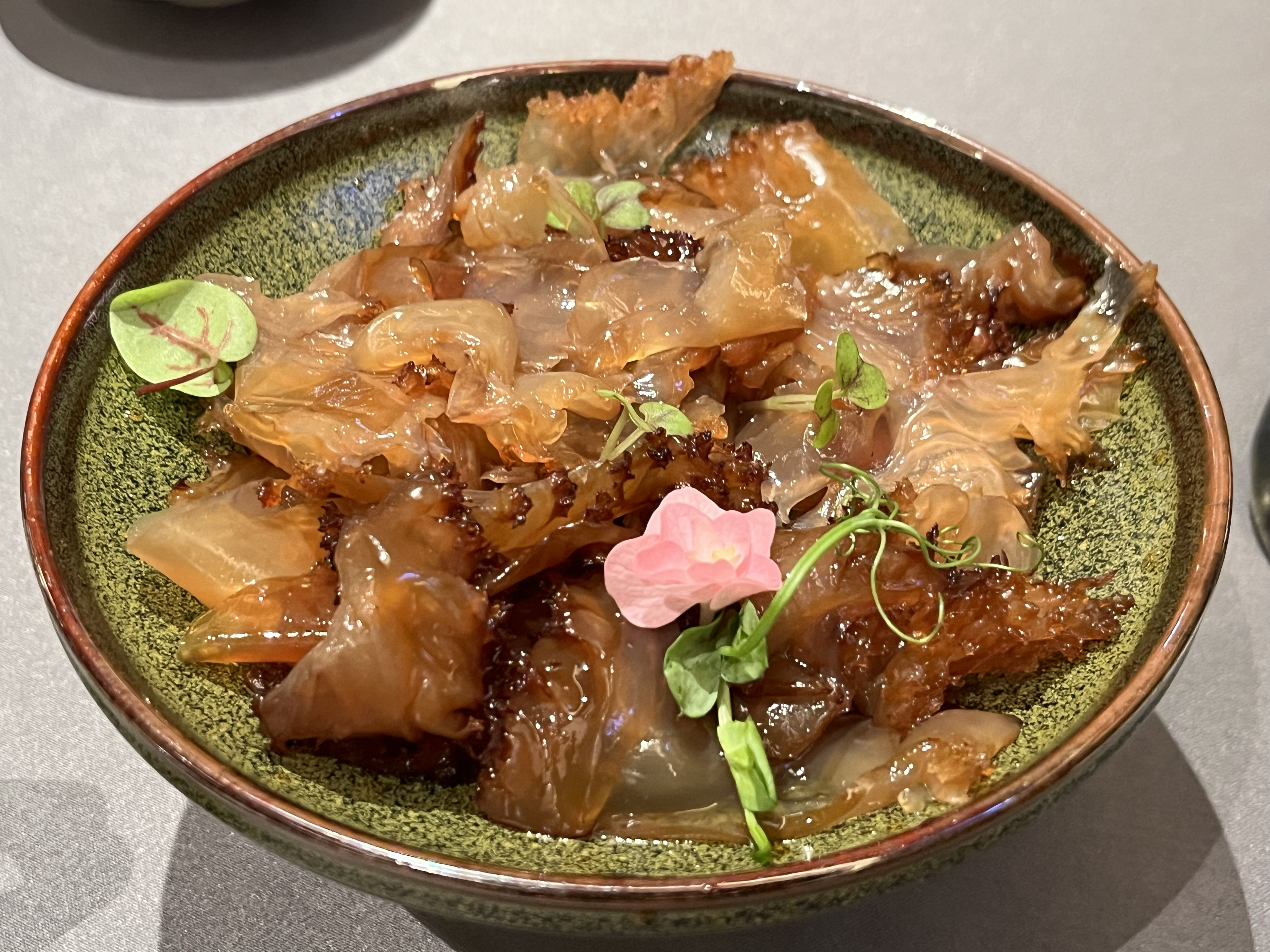
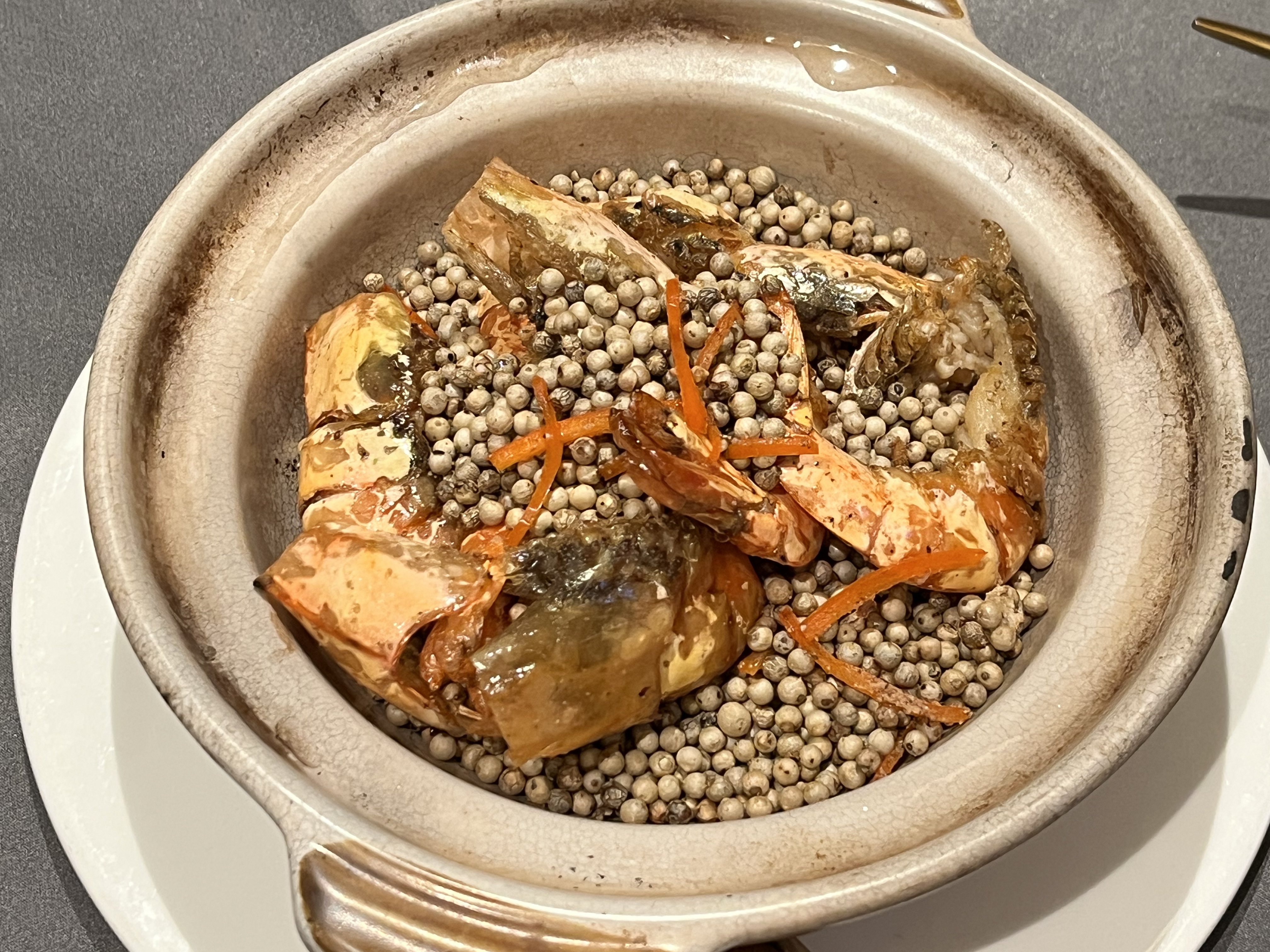
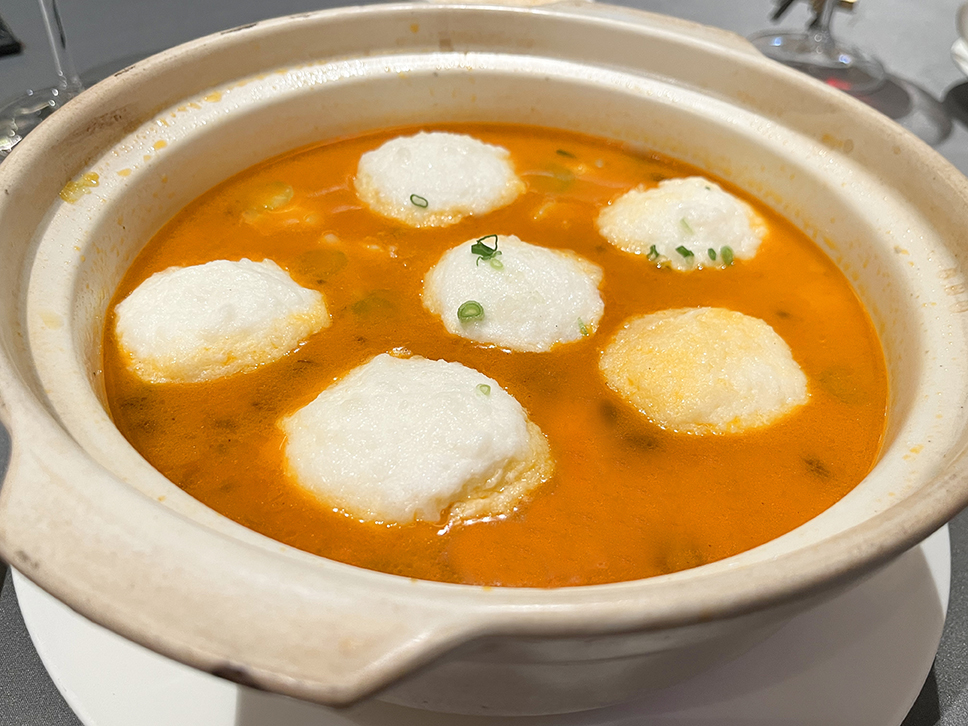
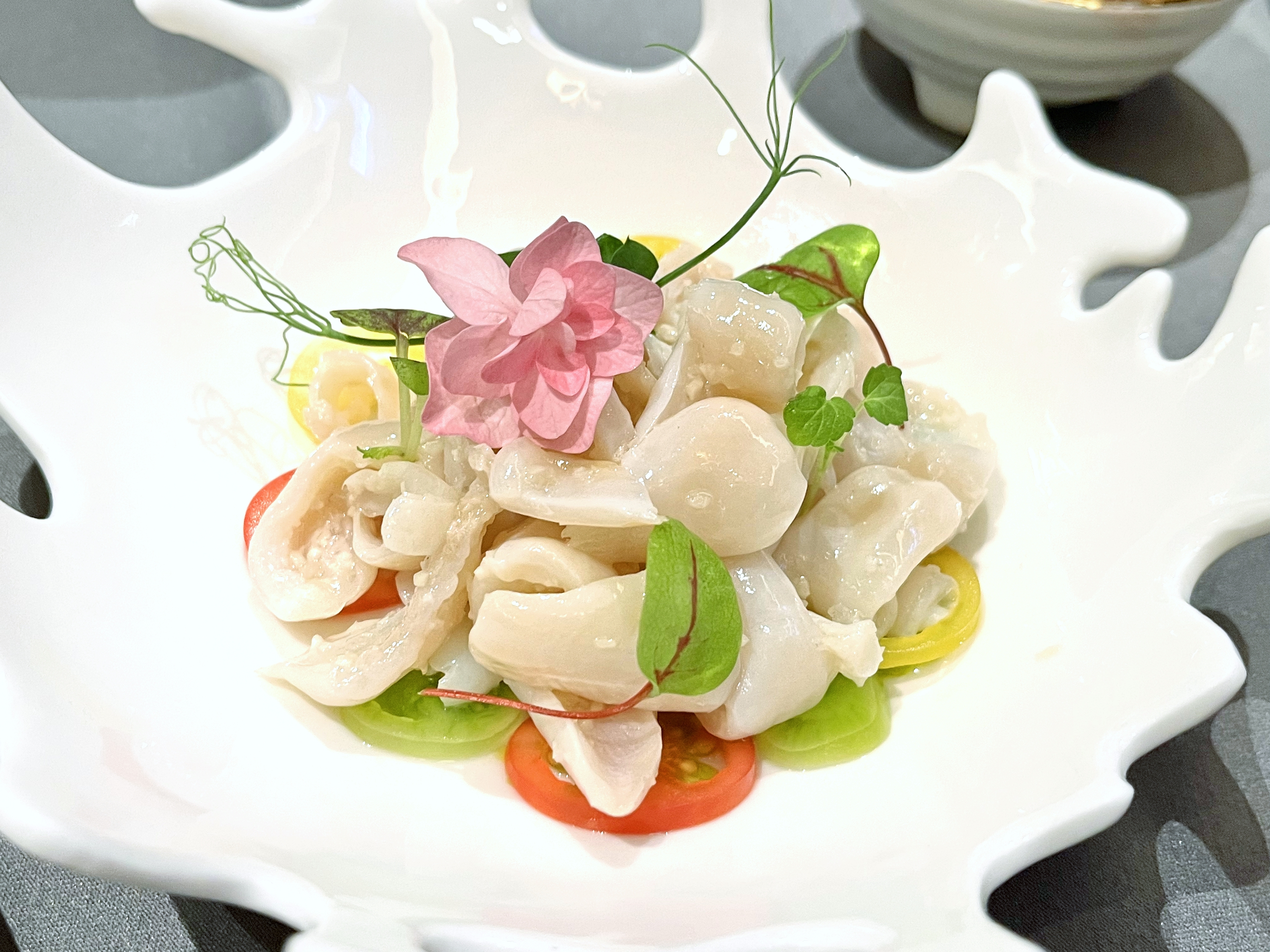
Since the return of Hong Kong to China, the Sichuan boiled fish dish (Shui Zhu Yu) has become increasingly popular with the locals. Mian Restaurant, located in the prestigious Murray Hotel, is probably the best around for offering this dish. The fiery delicacy from China combines dried peppers, Sichuan peppercorns, and fresh fish, creating an endorphin rush that is spicy and savoury yet compounded with a numbing experience to challenge the diners senses to “culinary heights’.
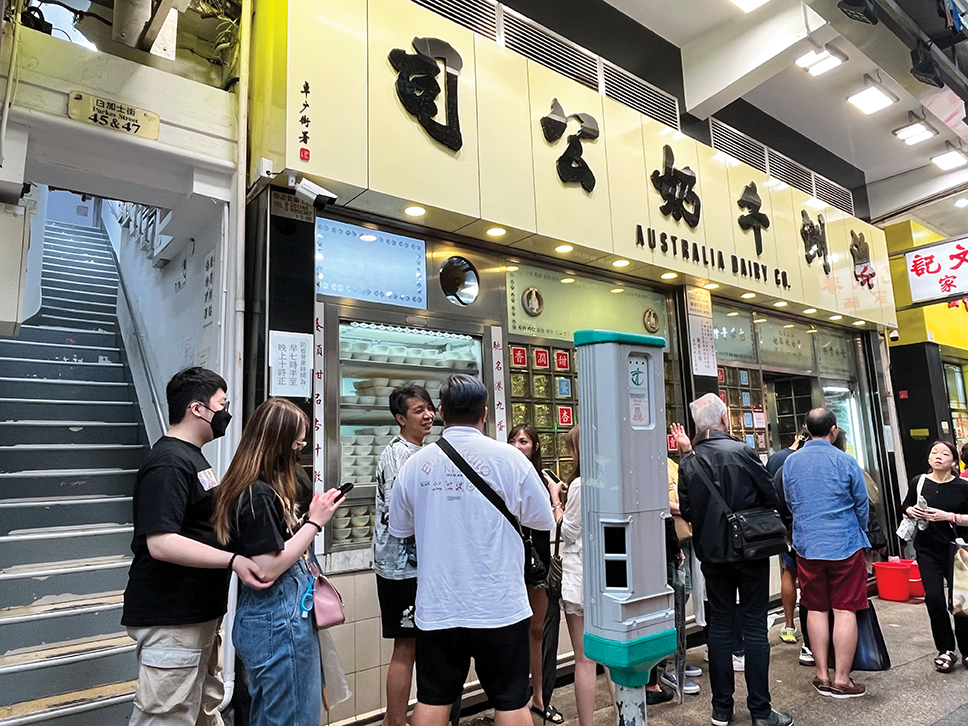
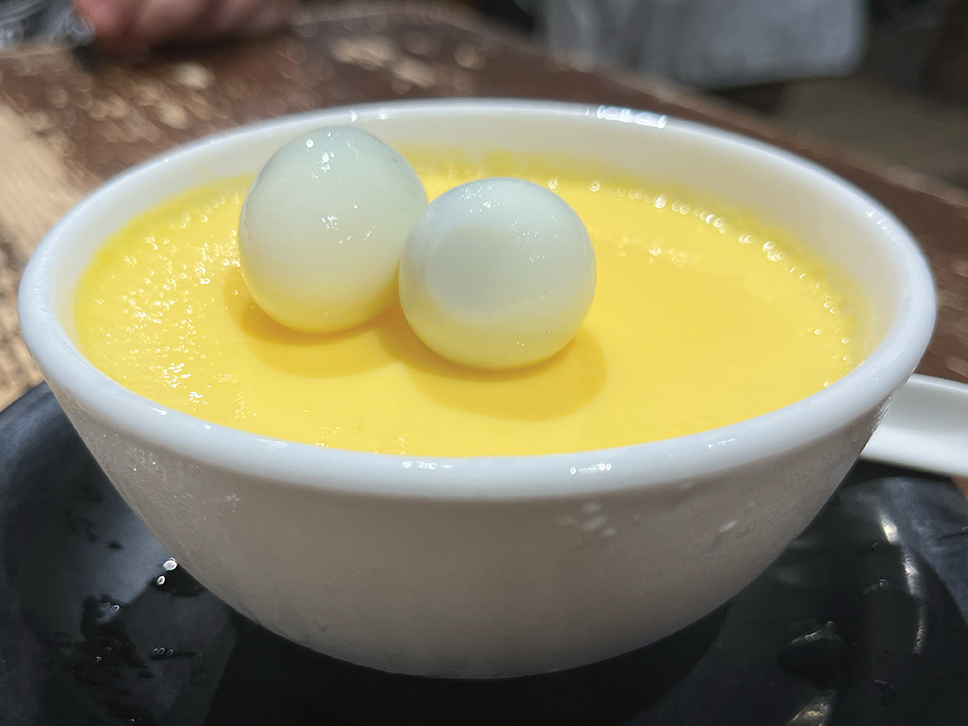
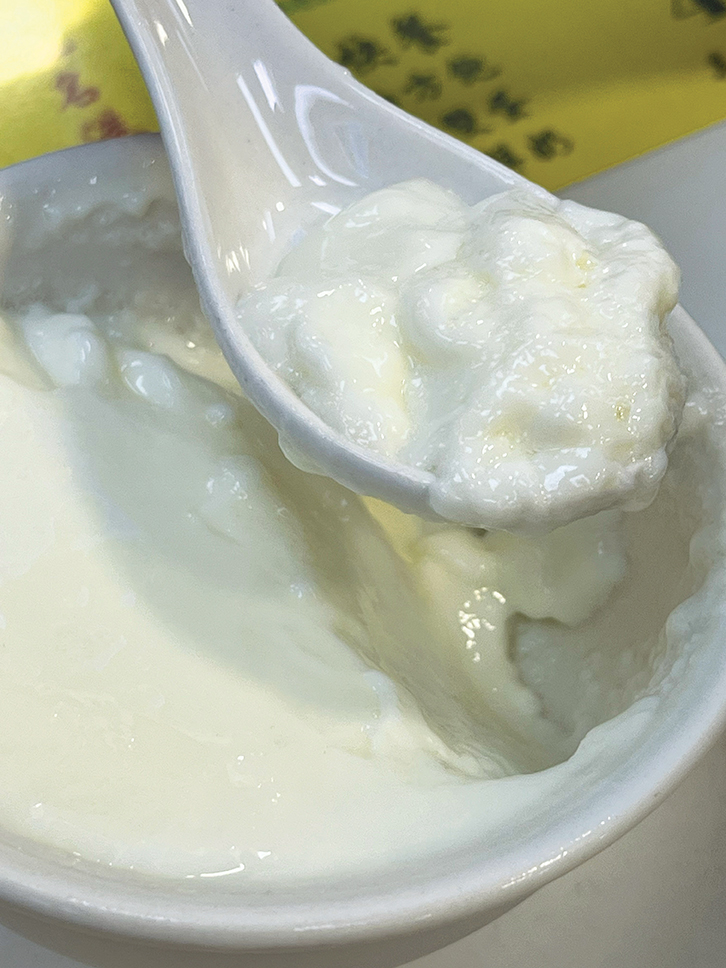
The Hong Kong dessert scene is another heaven for food enthusiasts. Crispy egg tarts, egg waffles, steamed milk puddings, and sweet dessert soups are available in almost every corner of the popular spots. While many are queuing outside the Australian Dairy Co. for the famous double steamed milk puddings, it is advisable to opt for Kai Kai, an alternative Michelin-awarded dessert shop that offers equally good steamed milk puddings with shorter queuing times. Speaking of drool-worthy desserts, the amazing artisan cakes of Dan Wen Li by Dominique Ansel are another one not to be missed.
As always, remember to call it a day with a cup of local Hong Kong milk tea or a robust, strong coffee. Immerse yourself in the city’s rich culinary traditions, where old and new intertwine to create a food journey that you will always remember.
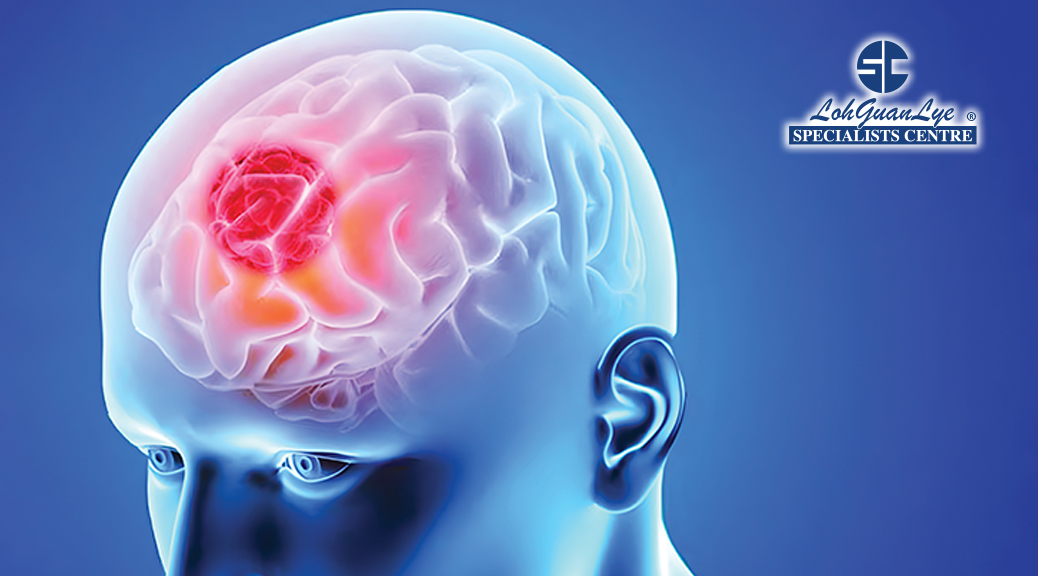
A brain tumour is a mass of abnormal cells in the brain. Skull, which encloses the brain, is very rigid. Any growth inside such a restricted space can cause problems.
Brain tumours (BT) can be divided into primary and secondary tumours. Primary BT refers to a tumour that originates from the brain tissue and remain inside the brain. This is further divided into non-cancerous (benign) and cancerous (malignant) tumours.
Secondary brain tumours, also known as a metastatic brain tumour, occurs when cancer cells spread to brain from another organ. Metastatic tumours are considered cancer and are malignant. Secondary brain tumours most often occur in people who have a history of cancer. Rarely, a metastatic brain tumour may be the first sign of cancer that began elsewhere in your body. In adults, secondary brain tumours are far more common than are primary brain tumours.
Any cancer can spread to the brain, but common types include: • Breast cancer • Colon cancer • Kidney cancer • Lung cancer • Melanoma
Data from the Malaysian National Cancer Registry Report (MNCRR) for 2012-2016 revealed a total number of 2,097 cases of brain BT among the Malaysians with 1,117 cases among males and 908 cases females, which ranked as 11th and 13th most common cancer among males and females respectively.
There are many symptoms of brain tumour. The early warning signs of a brain tumour can vary depending on the location of the tumour and the functional system (e.g., motor, sensory, language) it affected. Usually, the specific neurological effects of brain cancer may be associated with the brain tumour’s location or with compression of a certain area of the brain. For instance, a brain tumour near the optic nerve may result in visual problems but potential signs can include weakness, the ability to think, concentrate and balance problems. Individuals with brain tumours may also experience seizures and mental confusion.
But symptoms of brain cancer may not always match up to the tumour location—a brain tumour may cause more compression elsewhere, and the symptoms may correspond to the region of compression, not the area of the cancer.
Any considerably large brain tumour may cause several symptoms because of the pressure produced by the mass. Swelling in the brain caused by the brain tumour or surrounding inflammation may also result in specific symptoms.
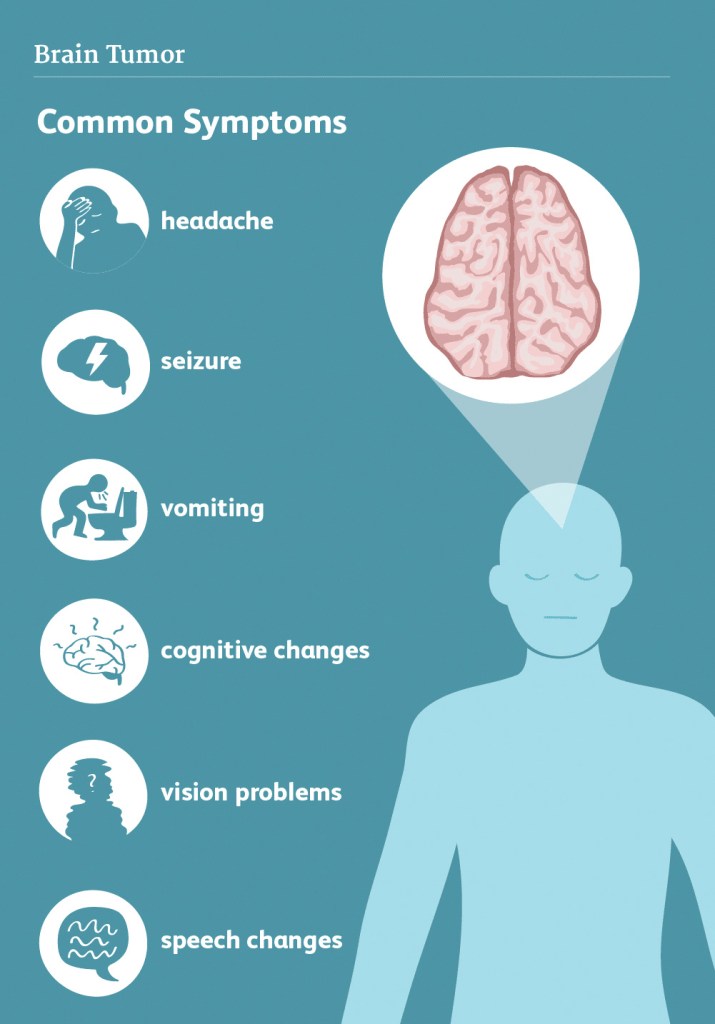
Common symptoms of brain tumour may Include: • A headache gets worse over time and certain time of the day • Seizures • Difficulty walking • Numbness in part of the body • Nausea and vomiting • Memory loss • Muscle weakness • Blurring of vision, double vision or vision problems • Difficulty in speaking • Mood and personality changes • Tiredness • Gradual changes in emotional response and intellectual capacity
Some symptoms may be caused by other diseases. The only way to tell for sure is to get tested. Brain cancer may develop overtime, without any obvious signs or with mild symptoms, but it may also suddenly cause severe and fast deterioration.
Imaging tests can help to differentiate if the tumour is a primary brain tumour or secondary cancer that has spread to the brain from elsewhere in the body. Imaging tests show pictures of the inside of the body.
Few factors need to consider when choosing a diagnostic test: • Type of tumour • Signs and symptoms • Age and general health • The results of earlier medical tests
With advancement in imaging techniques can pinpoint brain tumours. Diagnostic tools include computed tomography (CT or CAT scan), Positron Emission Tomography (PET scan) and magnetic resonance imaging (MRI).
CT scan using x-ray to takes images of the inside of the body from different angles. A computer software will reconstruct these pictures into a detailed, 3-dimensional image that shows any abnormalities or tumours. A CT scan can help find blood clot inside the brain and accumulation of fluid in the fluid-filled spaces of the brain, called ventricles. Any bone changes in the skull can also be seen on a CT scan. Sometimes, a contrast medium (dye) is given into patient’s vein (intravenous) before the scan to provide better detail on the image.
Positron emission tomography (PET) or PET-CT scan is used at first to find out more about a tumour while a patient is receiving treatment. It may also be used if the tumour comes back after treatment. A PET scan is usually combined with a CT scan, called a PET-CT scan. A small amount of a radioactive substance is injected into the patient’s body. This substance is taken up by tumour cell as they are actively dividing (growing), they absorb more of the radioactive substance. However, the amount of radiation in the substance is too low to be harmful. A scanner then detects this substance to produce images of the inside of the body.
Magnetic resonance imaging (MRI). An MRI uses magnetic fields, not x-rays, to produce detailed images of the body. A special dye called a contrast medium is given into patient’s vein before the scan to create a clearer picture. MRIs create more detailed pictures than CT scans and are the preferred way to diagnose a brain tumour. The MRI may be of the brain, spinal cord, or both, depending on the type of tumour suspected and the likelihood that it will spread in the brain and spinal cord. There are different types of MRI, doctor will helps determine which type of MRI to use.
A functional MRI (fMRI) provides information about the location of specific areas of the brain that are responsible for muscle movement and speech. During the fMRI examination, the patient is asked to perform certain tasks that cause changes in the brain activity and can be seen on the fMRI image. This test is used to help plan surgery in order to avoid damaging the functional parts of the brain while removing the tumour.
Magnetic resonance spectroscopy (MRS) is a test using an MRI that provides information on the chemical composition of the brain. It can help tell the difference between any dead tissue caused by previous radiation treatments and new tumour cells in the brain.
A sample of the tumour’s tissue is the only definitive way a brain tumour can be diagnosed. A sample of tumour tissue for examination under a microscope by a pathologist, a doctor who specialises in interpreting laboratory tests and evaluating cells, tissues, and organs to diagnose disease. A biopsy can be done as part of surgery to remove the entire tumour. Or surgery may be done as a separate procedure if completely removing the tumour is not possible because of its location or a patient’s health.
Treatment for brain tumours depends on the specific size and type of the mass as well as the patient’s specific tolerance for medications. Treatment options include medications to control seizures, surgery and steroid medications, as well as radiation and chemotherapy. Individuals with tumours that have the potential to grow rapidly may benefit from targeted therapy treatments in which specific parts of the cell are treated to hinder their growth.
Dr. Ch’ng Chee How
Neurosurgeon
MB BCh BAO (NUI), M.Surg. (Neurosurgery) (USM), Clinical F’ship in Skullbase & Braintumor (Korea)
Dr. Ch’ng Chee How is a resident Consultant Neurosurgeon with special interests in Brain Tumour and Minimally Invasive Endoscopic Skull Base Surgery.
He has gained vast experience in Brain and Spine Surgery from working at various tertiary neurosurgical centres including Hospital Pulau Pinang, Hospital USM, Hospital Kuala Lumpur, Hospital Sultanah Aminah (Johor) and Hospital Queen Elizabeth (Sabah). In 2018, he was conferred the Excellent Service Award from Hospital Pulau Pinang for exemplary overall performance.































 EZ MALAYSIA.NEWS