All posts by EZ Malaysia

Yeoh’s Tourism Quest

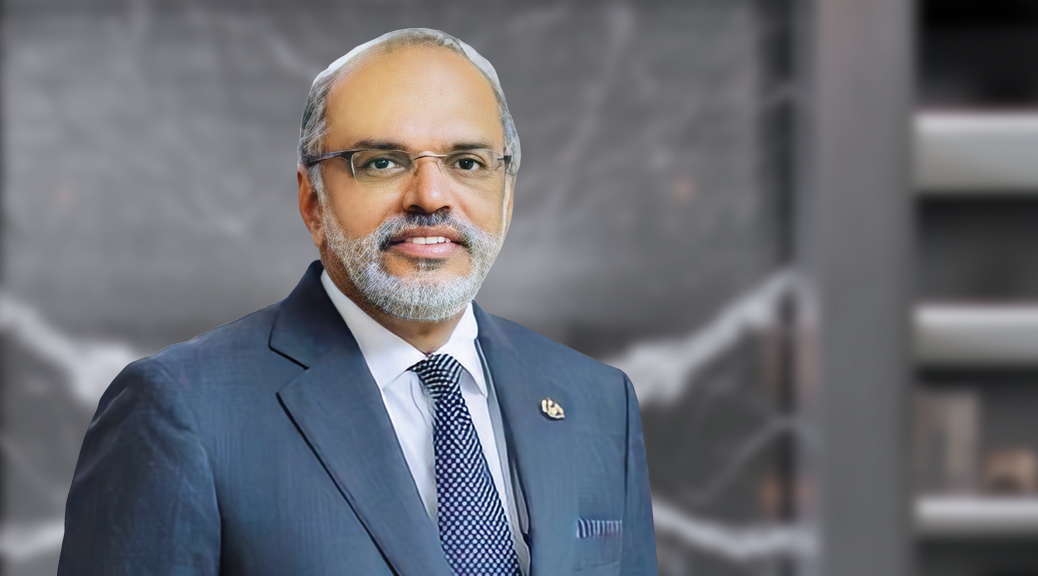
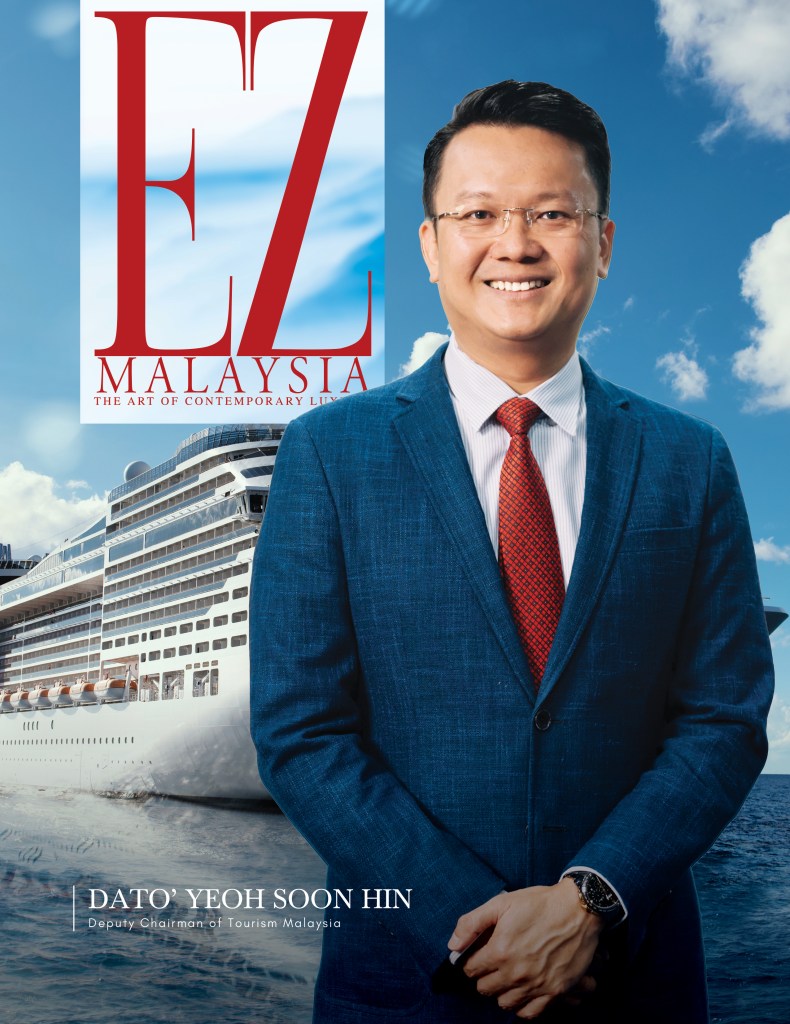
Dato’ Yeoh Soon Hin

Deputy Chairman of Tourism Malaysia


Dato’ Yeoh Soon Hin sits down with EZ Magazine to discuss his ambitions in his newly minted capacity as the Deputy Chairman of Tourism Malaysia, the country’s primary tourism promotion agency under the purview of the Ministry of Tourism, Arts and Culture.


A lawyer-turned-politician, Dato’ Yeoh Soon Hin, strides into Putrajaya to steer the future of Malaysia’s tourism and to popularise Malaysia in the fiercely competitive global tourism landscape.
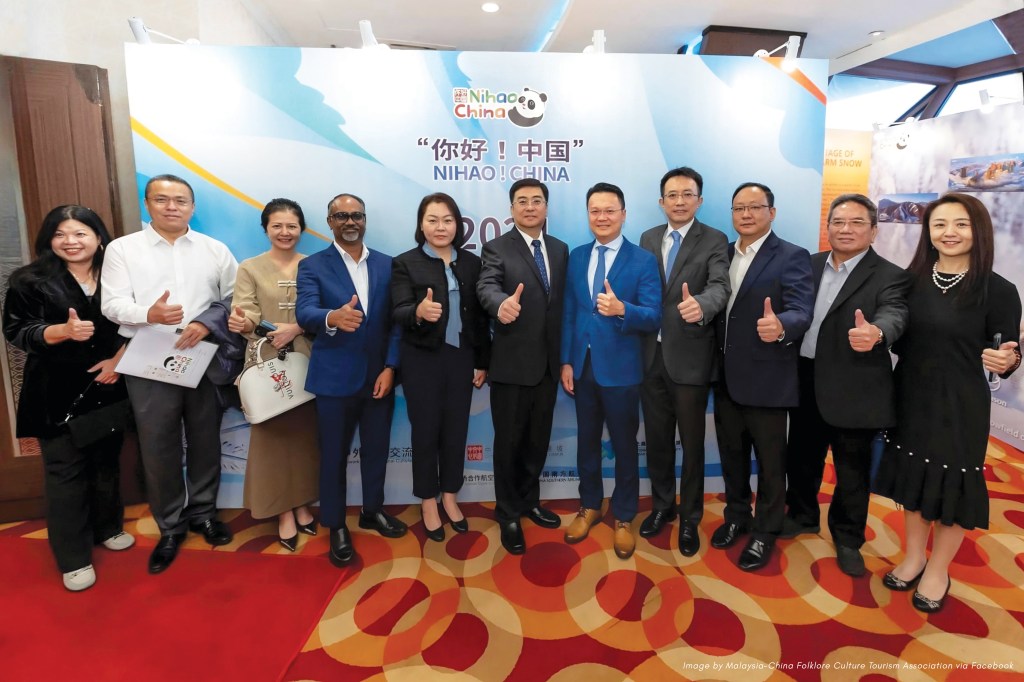
Prior to this appointment, Yeoh served as the Penang State Minister for Tourism and Creative Economy from 2018 to 2023, where he led and accomplished a myriad of key initiatives, amongst which is coining Penang’s inaugural Tourism Master Plan. Under his dynamic stewardship, Penang has secured investments from renowned airline companies and international hospitality chains and has even marked diplomatic relationships with South American counterparts and dignitaries.

Throughout his illustrious career, Yeoh has also scooped a string of awards, including the “Golden Horse Award” presented by the Malaysian Association of Theme Park & Family Attractions (MATFA) and the “Most Innovation Tourism Leader of the Year 2022” awarded by the Asian Tourism & Hospitality Awards 2022. Yeoh was also named the “JCI Ten Outstanding Young Malaysian Award 2014 (Political, Legal and/or Governmental Affairs)” and the “2004 Top Ten Outstanding Youth of Penang.”

Despite anticipating challenges and difficulties in the path ahead, this tourism stalwart is positive that his wealth of experience in public service and administration will add value and propel Malaysia’s tourism performance.

“My vision is to gradually reform and strengthen Malaysia’s tourism supply chain over the next two years, from flight arrivals, airport amenities, connectivity, accommodation options, and transportation choices to tourism products. A full-suite and holistic ecosystem will boost foreign tourist arrivals and enhance travellers’ experiences, all of which will contribute to returning visits and a sustainable tourism economy,” Yeoh said.
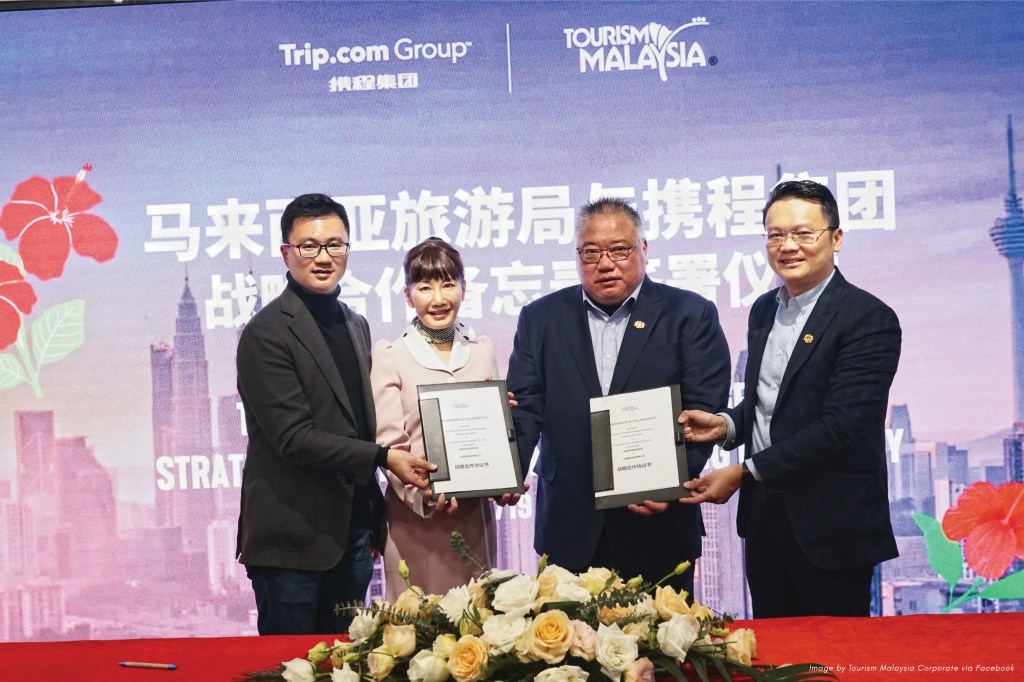
Meanwhile, in anticipation of Visit Malaysia Year 2026, Yeoh sees it as a campaign to which he can greatly contribute, especially with the insights and learning he has obtained through his brainchild—the Penang Tourism Master Plan and the #ExperiencePenang campaign.

“For Malaysia to catapult our tourist arrivals in conjunction with Visit Malaysia Year 2026, we must first ensure that our offerings are catered to all markets and regions. This means making our destination and products hospitable, accessible, and friendly for all to enjoy,” Yeoh shared.

He explained that enhancing Malaysia’s branding as a Muslim-friendly destination is one of the many avenues to attract foreign tourists, especially the Middle Eastern market, which comprises high-net-worth travellers, eventually resulting in higher per capita spending and greater economic impact.

On a different note, Yeoh also continues to anchor his hope in the Asian market, citing that his warm connection with Chinese counterparts and government officials will be helpful in building Malaysia’s connectivity with the world’s second-largest economy.

Yeoh believes that Malaysia’s multicultural and diverse communities, juxtaposed against the range of urban cityscapes, are strong magnets to attract Chinese travellers, especially with a fair share of the Chinese-speaking population in major cities in Malaysia.
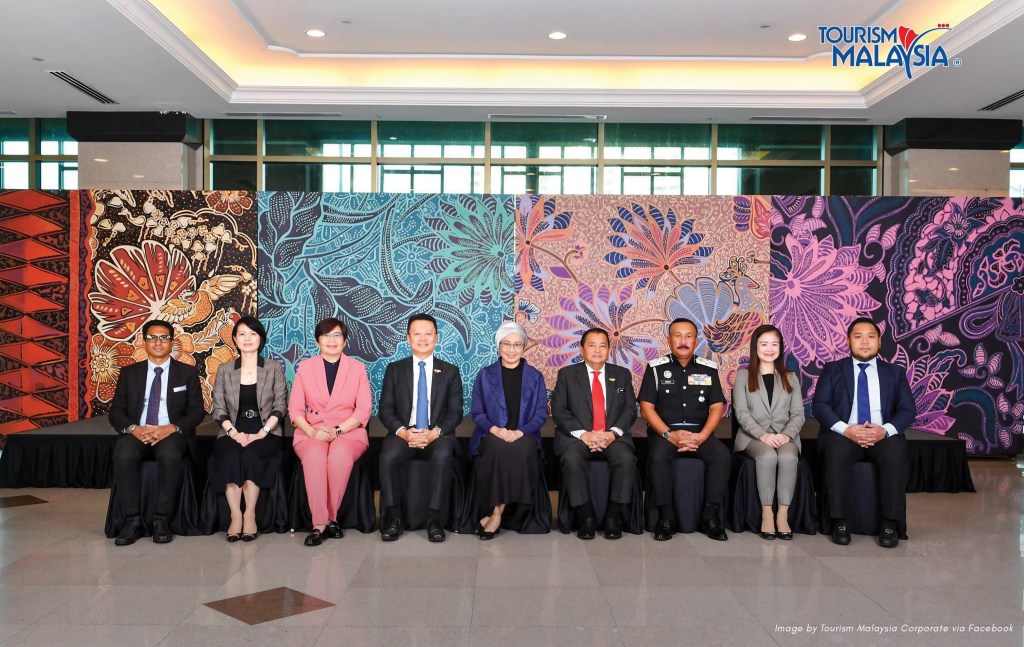
Part of Yeoh’s proposal is mass advertising and promotion to increase visibility and familiarity among Chinese travellers, such as trade shows, ambassadorship and endorsement, bus wraps, billboards, and social media advertisements.

With his new appointment in place, this former three-term State Assemblyman of Penang’s largest state constituency with over 45,000 voters, Paya Terubong, is determined to learn the ropes and framework of federal policymaking, aspiring to work closely with the Federal Ministries in setting new benchmarks for Malaysia’s tourism industry.

Yeoh essentially hopes to bring his success stories from his home ground, Penang, to the doors of Putrajaya, to value-add and assist Malaysia’s tourism leaders in creating new opportunities and writing new chapters in our tourism history.

Nonetheless, Yeoh also wishes to extend his deepest gratitude to the incumbent Minister of Tourism, Arts and Culture, Dato’ Sri Tiong King Sing, for his trust and appointment in naming Yeoh as the Deputy Chairman of Tourism Malaysia.

Visual Storytelling

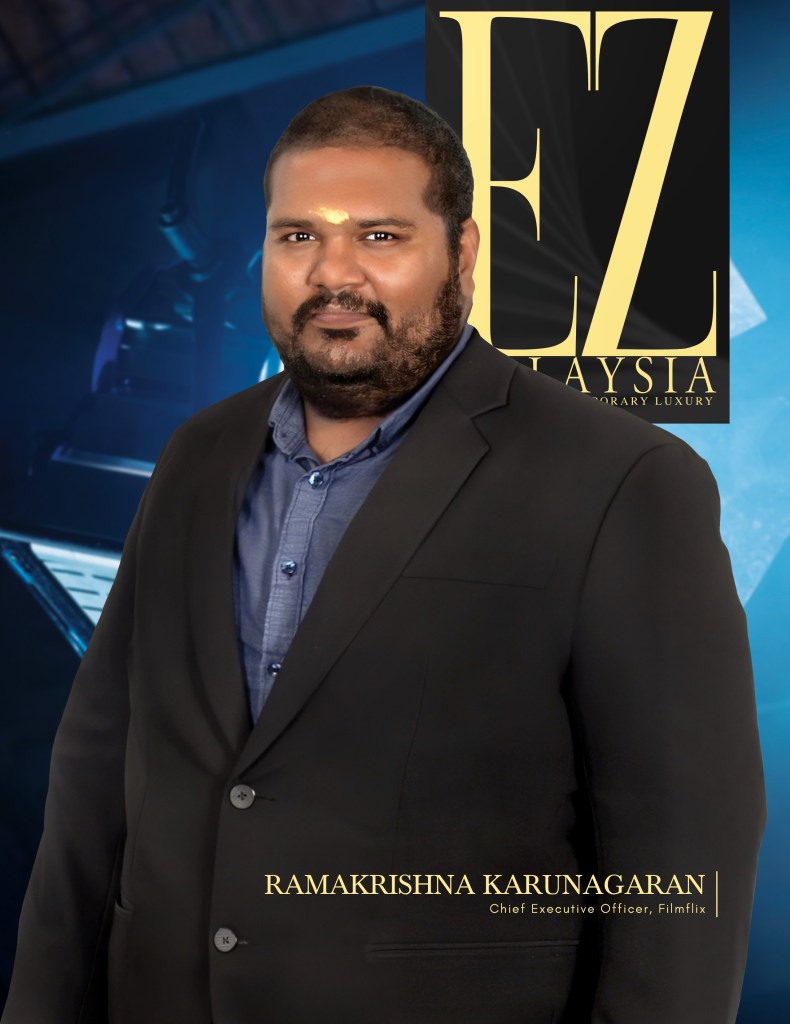
Ramakrishna Karunagaran

Chief Executive Officer, Filmflix

Ramakrishna Karunagaran is a multifaceted professional in the film industry, known for his versatility as a film director, editor, and colourist. His diverse body of work spans television projects, international music videos, and movies, showcasing his robust set of skills that include directing, cinematography, editing, and colour grading.

As one of the directors of Filmflix, a local homegrown video production company, Ramakrishna is focused on delivering top-quality videos that tell captivating stories.

At Filmflix, Ramakrishna’s directorial acumen shines through as he seamlessly transitions between different roles in the filmmaking process. Whether behind the camera as a director of photography or in the post-production suite as an editor and colourist, he consistently delivers visually compelling narratives that enhance brand identity and connect with audiences on an emotional level.

Aside from commercial projects, Ramakrishna has also made notable contributions to state cultural events such as the George Town Festival in Penang. His involvement in this annual event displays his ability to manage large-scale projects and his keen eye for cultural, artistic and historical elements that represent Penang’s diverse community.

Internationally, Ramakrishna has crafted music videos that have resonated with audiences globally, proving his skill in creating visually appealing and culturally relevant compositions. His film work exemplifies his versatility and dedication to perfection, leaving a lasting impression with his visual sensibilities and technical ability.


Overall, Ramakrishna Karunagaran is a visionary of visual narrative and cultural representation. His extensive experience and adaptability allow him to continue influencing various aspects of media and culture, enriching projects, and paving the way for innovative practices in filmmaking and the visual arts. Through his work at Filmflix and beyond, Ramakrishna continues to inspire and captivate audiences worldwide.


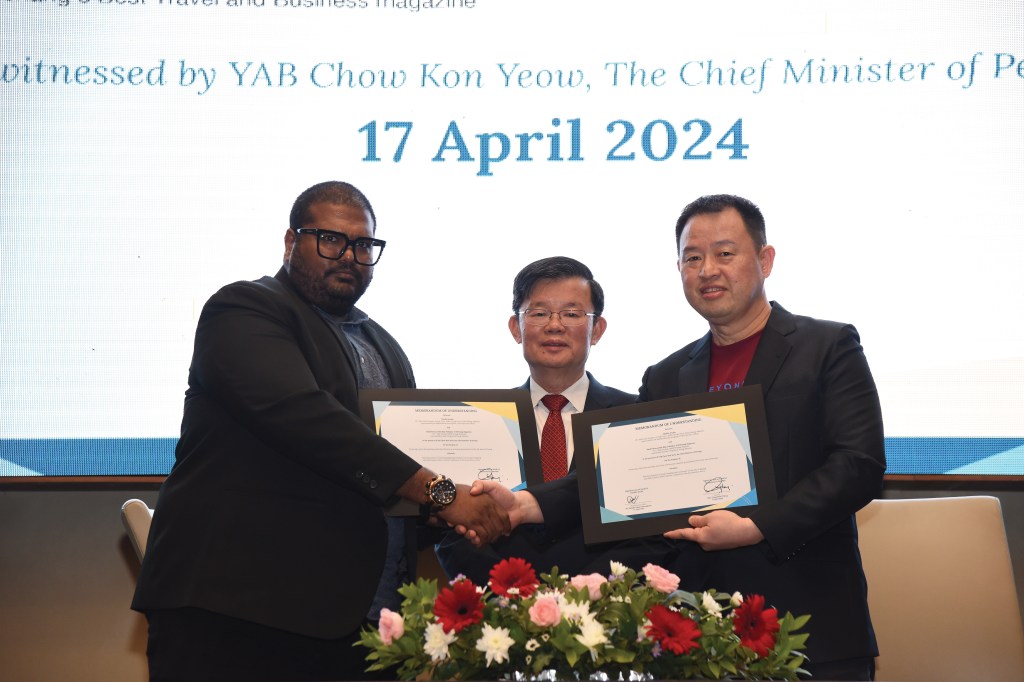
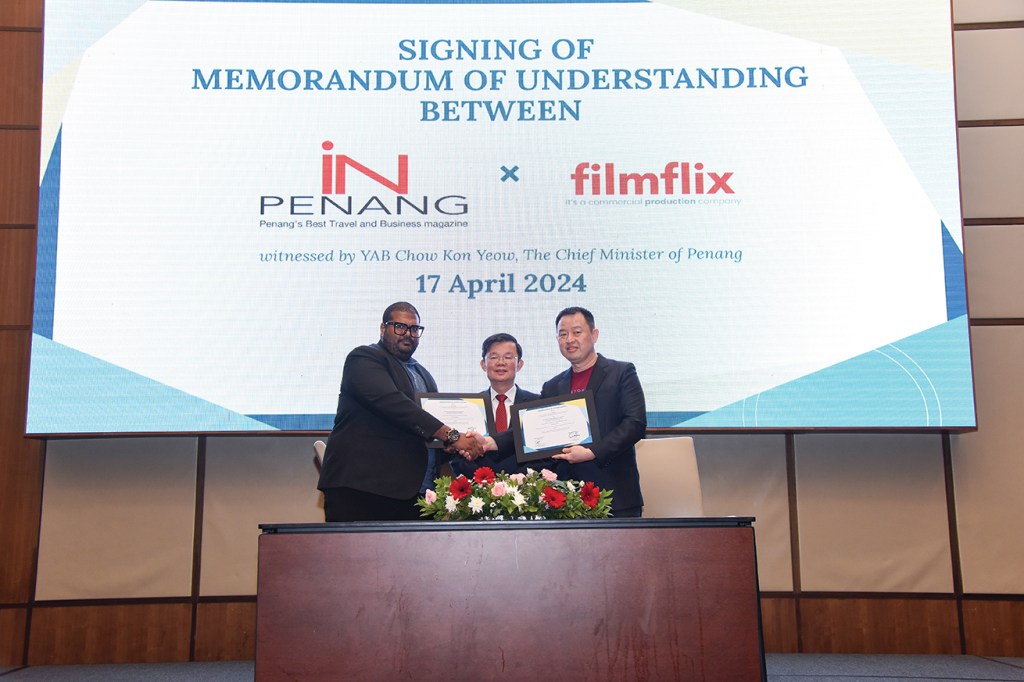
Mr. Ramakrishna Karunagaran and Dato’ Chng Huck Theng (Founder and Editor-in-Chief of iNPenang) after signing the Memorandum of Understanding to jointly produce a travel docu-series on Penang, witnessed by YAB Chow Kon Yeow, Chief Minister of Penang (centre).

Replay Visit to Taipei

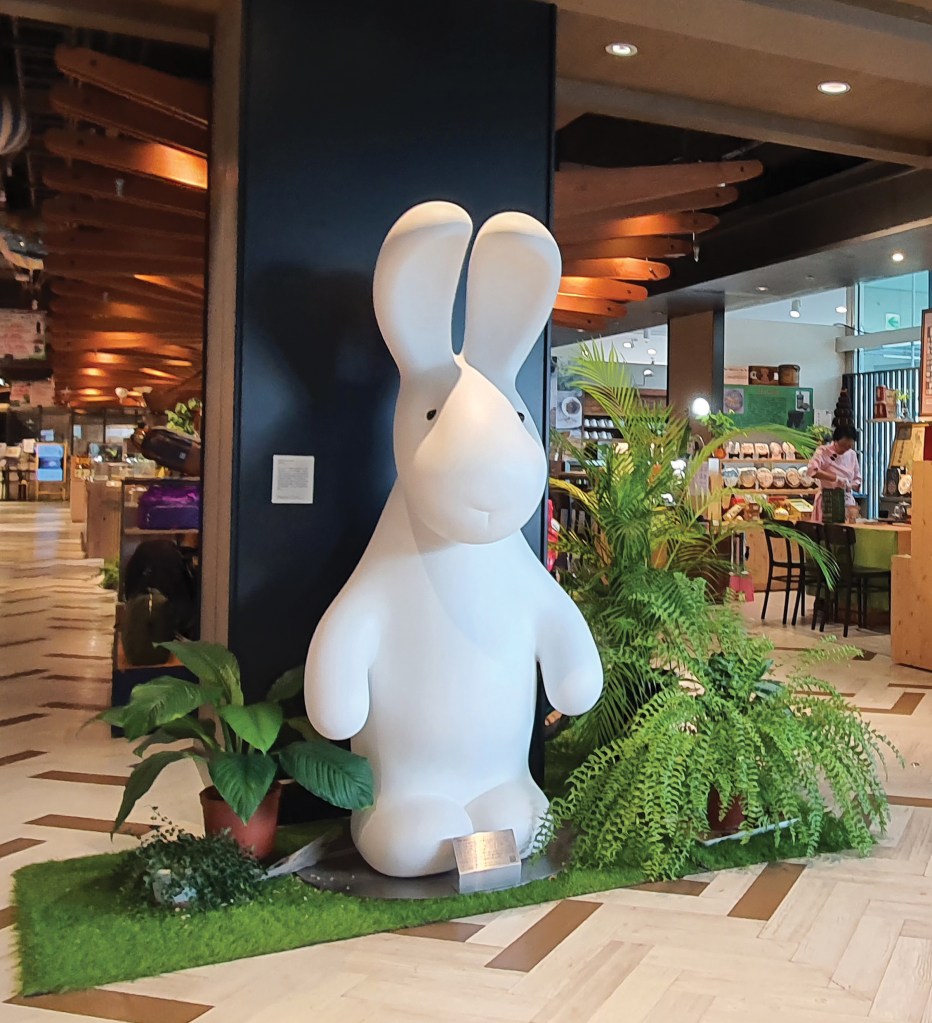
Eslite Spectrum bookstore

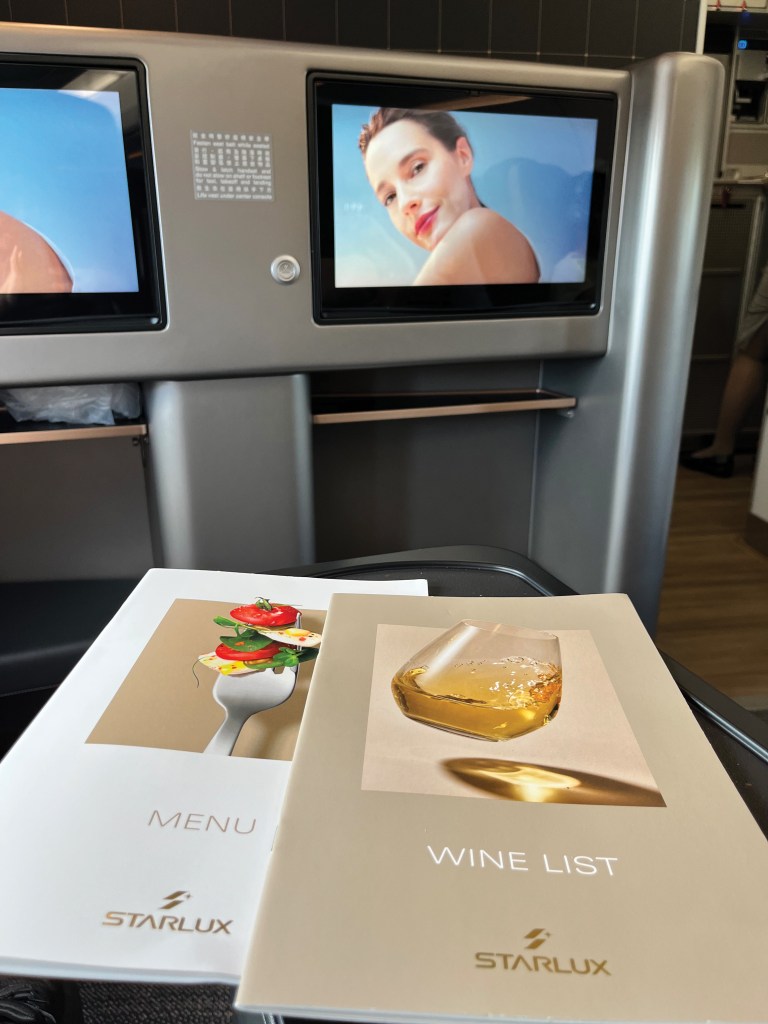
If you’re no stranger to Taipei, it’s time to spice up your travel adventures with something extraordinary. Start your journey by choosing to fly with Starlux Airlines. Starlux Airlines offer superior comfort, pampering and exceptional flight services, and occasional themed flight experiences in partnership with renowned brands and Michelin-starred restaurants like Hutong restaurant. Pamper your taste buds on board with a delectable selection of artisanal food and drinks including cocktails, mocktails, fruit teas, the famous bubble milk tea and many more.

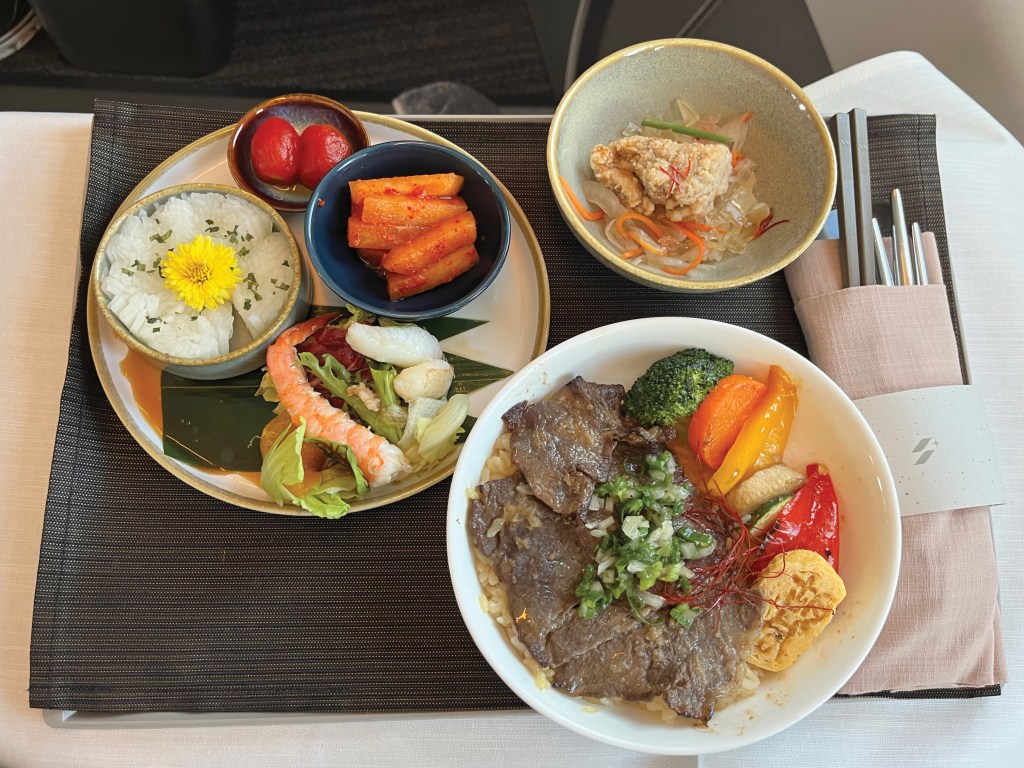
Michelin-starred meal served on board

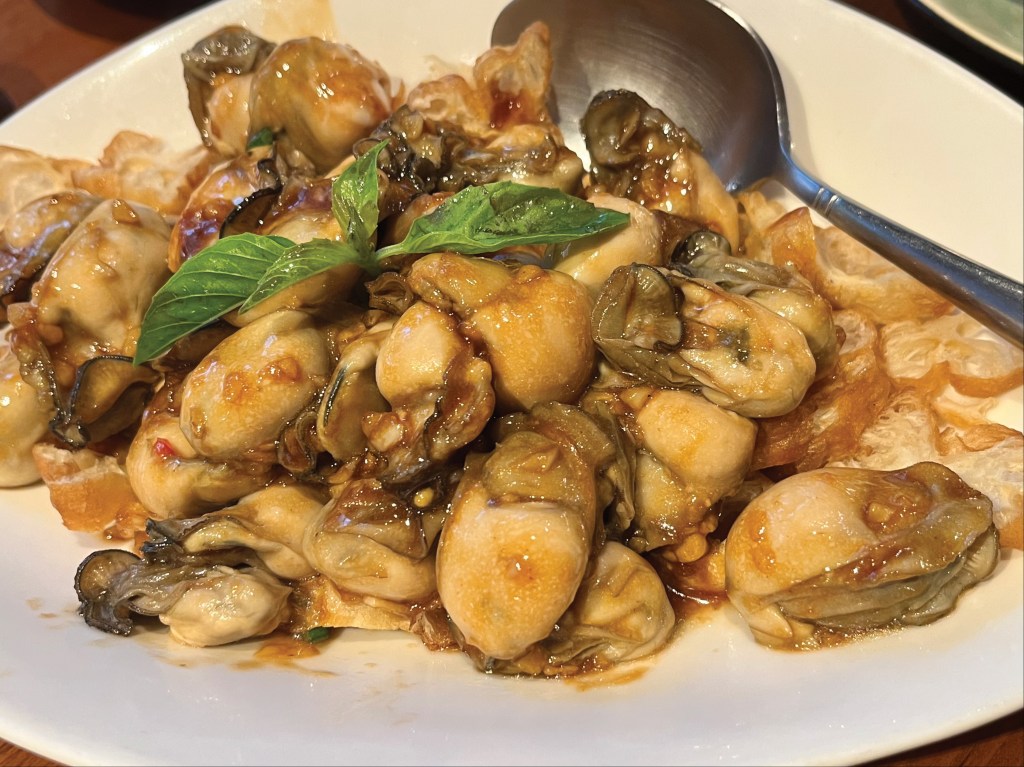
If you’re a foodie, Taipei is indeed a paradise with its diverse culinary scene ranging from street foods at night markets to Michelin-starred restaurants serving authentic local delicacies.

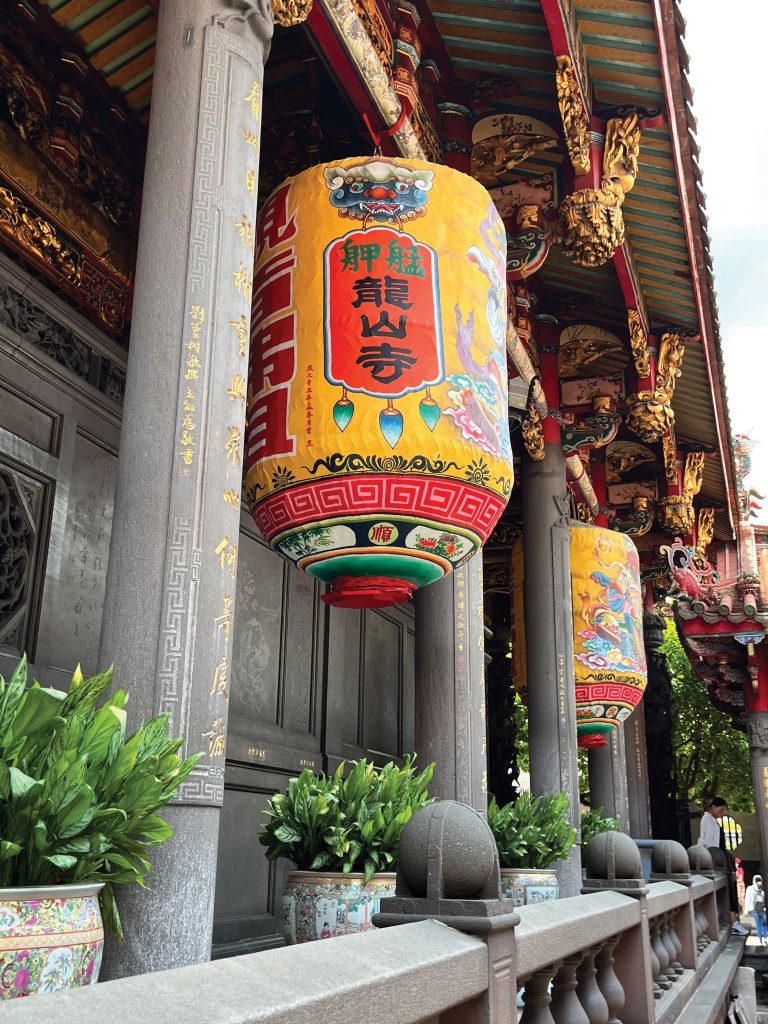
Long Shan Temple
Oyster dish served in Michelin restaurant

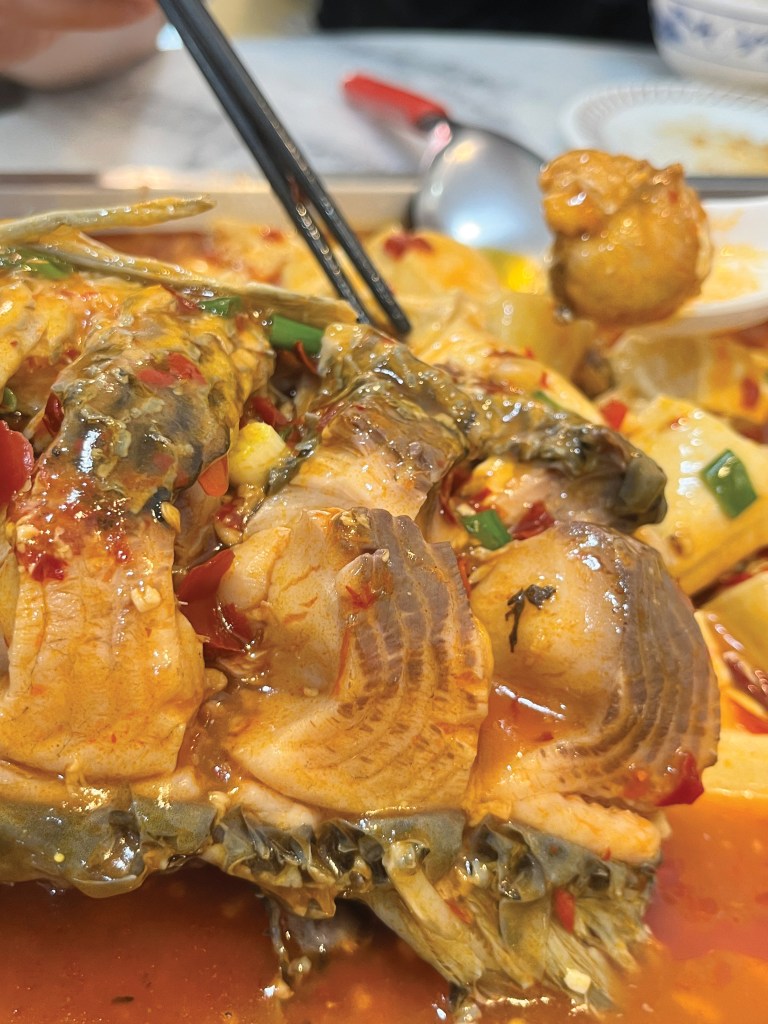
Don’t miss the old hidden gems like the “戡戴반 (Shu Yu Kuan)” in Taipei, specializing in various delectable fish dishes. Their signature Douban fish dish is a must-try, bursting with fermented chili bean paste flavors and made from fresh carp.  Shu Yu Kuan old restaurant offers a variety of other cooking styles for fish: salt and pepper, sweet and sour, garlic, and pickled cabbage, alongside pickles, steamed rolls and other traditional food dishes.

The global boost of creative economy has resulted in increasing popularity for cultural and creative parks, such as Songshan Cultural and Creative Park (SCCP). Discover the transformation of the former tobacco factory into a vibrant hub of art & design, cultural events, and shopping experiences in SCCP with the iconic Eslite Spectrum Songyan 24-hour bookstore nearby.

Signature fish dish in Shu Yu Kuan
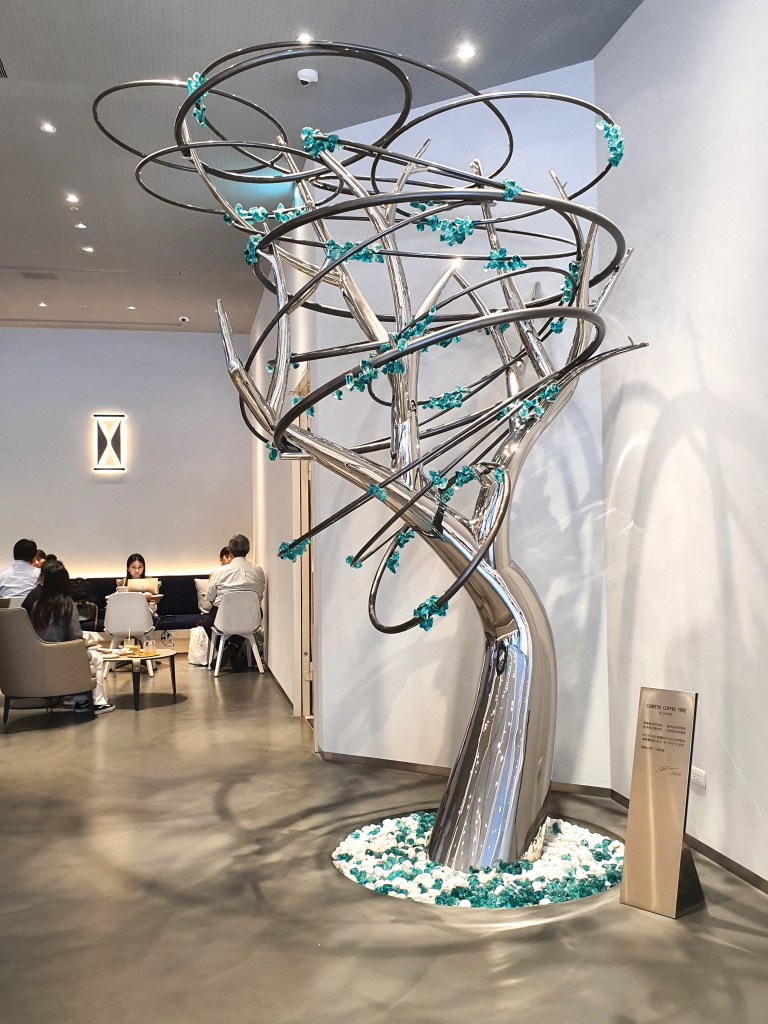
Contemporary cafe in Taipei

No matter where you go, it is always relaxing to unwind at a trendy café like the Simple Kaffa flagship cafe near Huashan 1914 Creative Park. Enjoy their unique coffee creations like the Whiskey Latte and Brown Sugar Latte, paired with the Instagram-worthy 3 colors ‘Sweet Potato Buddies’ thick toast.

Other interesting bucket lists to be considered are: visiting contemporary art museums and galleries such as Artdoor Gallery and take a factory tour at 郭목촘묏렌 (Vigor Kobo) for a unique and memorable experience beyond their popular pineapple cakes.

Artdoor Gallery
Vigor Kobo souvenirs

Reimagine your travel narrative in Taipei city, where every corner unveils a new story and a fresh perspective. Every travel experience is a delightful discovery!

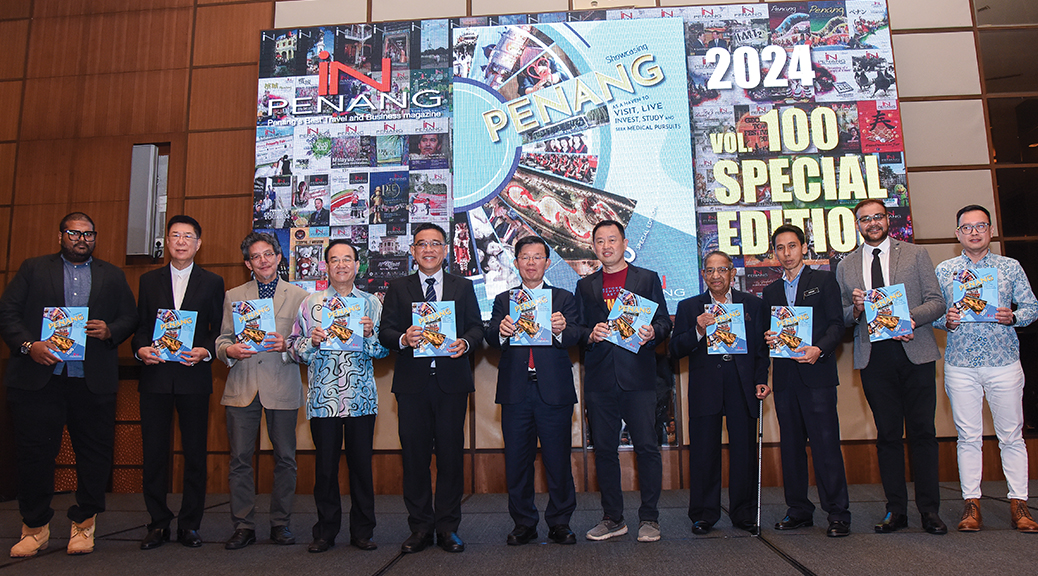
Celebrating iNPenang’s 100th Special Edition

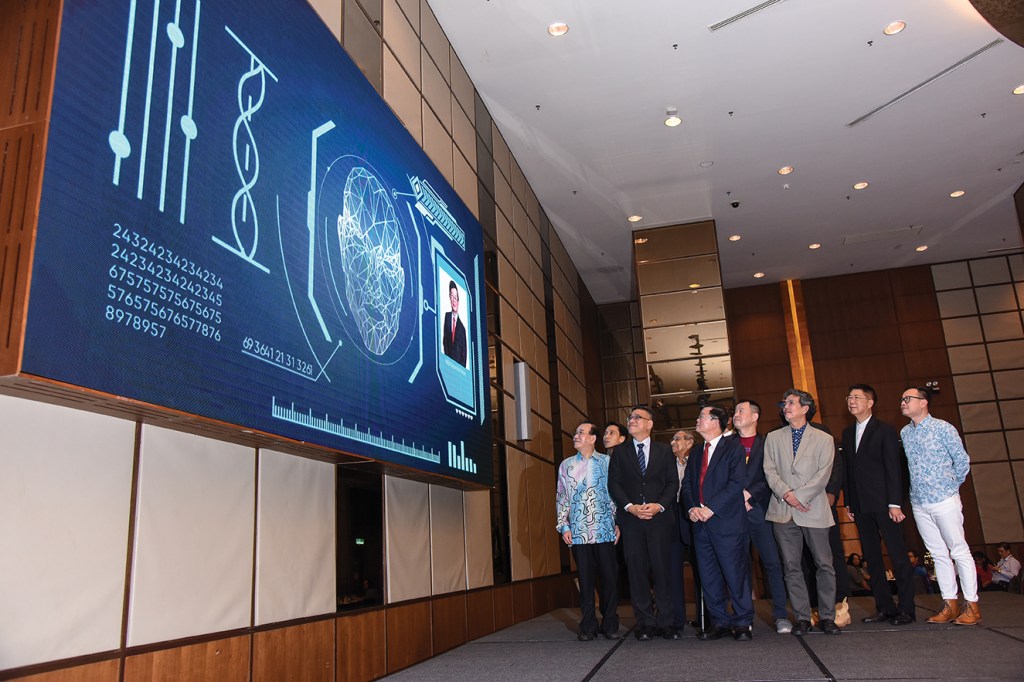
Countdown to the special edition reveal

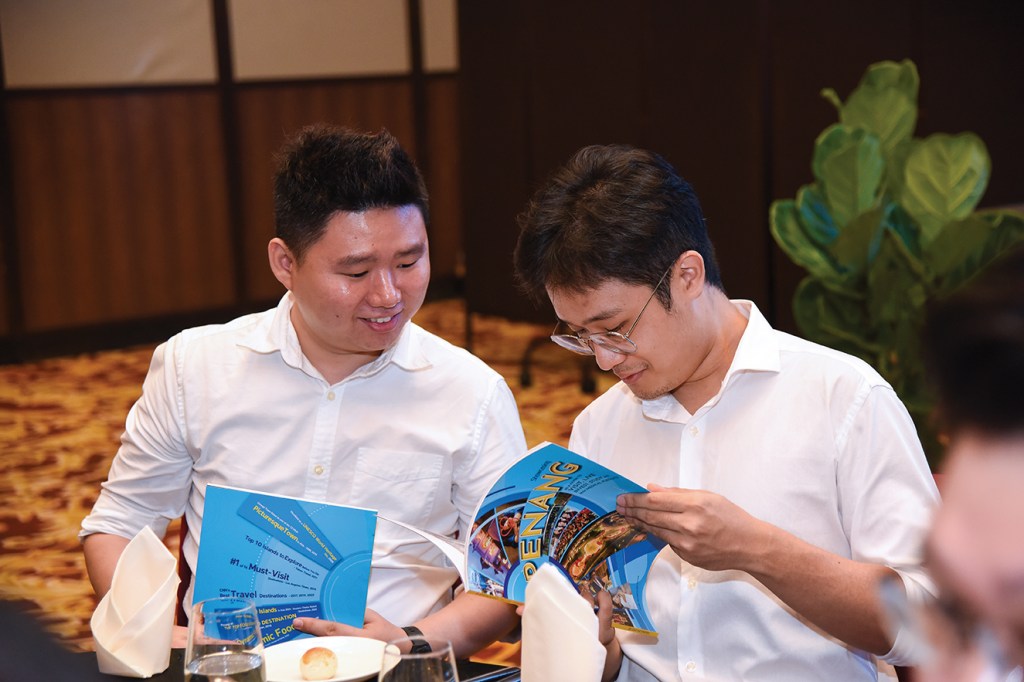
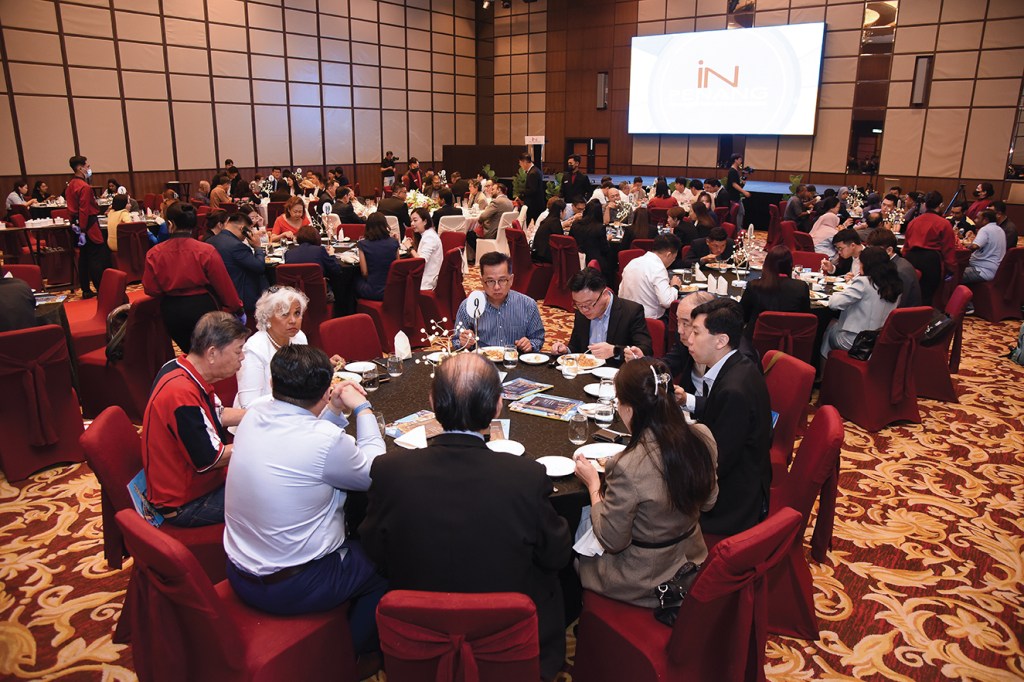
Penang’s vibrant spirit and progress were celebrated in style as iNPENANG, the city’s leading travel and business magazine, marked a significant milestone with its 100th edition. The celebratory luncheon, graced by YAB Chow Kon Yeow, Chief Minister of Penang, was a warm and light-hearted affair at St. Giles Wembley Penang, attended by approximately 160 distinguished guests; among them were influential leaders, dynamic entrepreneurs, and prominent business owners from various industries.

In his congratulatory address, YAB Chow Kon Yeow commended Dato’ Chng Huck Theng and the entire iNPENANG team for their commitment to capturing Penang’s essence. “The 100th edition is a tribute to the magazine’s dedication to showcasing Penang’s unique blend of cultures, traditions, and modernity. It is a celebration of Penang’s resilience, growth, and shared stories, embodying the spirit of the state on every page,” he said. He also highlighted the magazine’s pivotal role in promoting the values of Penang2030, a Penang government initiative aimed at making Penang dynamic, inclusive, and sustainable by 2030.

YB Wong Hon Wai, Penang State Executive Councillor for Tourism and Creative Economy (PETACE), praised iNPenang for its efforts in showcasing Penang’s beauty and charm and acknowledged the magazine’s contribution to the state’s growth and prosperity while reaching millions of readers both locally and internationally.

Dato’ Chng Huck Theng, Founder and Editor-in-Chief of iNPENANG, expressed heartfelt gratitude to the Penang State Government for their steadfast support over the past 18 years. “Since our inception in 2006, iNPENANG has been more than just a magazine; it has been promoting Penang’s allure as a premier destination for travel, investment, living, education, and medical pursuits. We have also been very fortunate to be able to share Penang’s rich history, celebrating a legacy of excellence and community.” “We look forward to the Penang state’s continued support of iNPENANG’s forthcoming projects and initiatives as we continue to serve, evolve, and grow,” he added.

YAB Chow, Chng Tian Hang and Dato’ Chng at the launch

Looking ahead, iNPENANG will debut a new look with Vol. 101, featuring a smaller, more convenient size for readers. The magazine will continue to be available for free at various locations, such as the airport, seaport, information centres, tourist attractions, shopping centres, retail malls, cafes, and hotels, as well as online at http://www.inpenang.com, offering readers a comprehensive guide to Penang.

Saying hello to the ‘slim and sexy’ iNPENANG Vol 101

One exciting addition is the iNPENANG Best Guide 2024, a permanent feature in every issue, showcasing a specially curated listing of Penang’s best establishments. From F&B outlets to tourist attractions, medical facilities, lifestyle services, and more, these establishments are celebrated for their excellence in Penang’s vibrant local scene.

iNPENANG also entered into a memorandum of understanding with Filmflix Studio to create a travel docu-series aimed at promoting Penang as a premier tourism destination. The signing ceremony, witnessed by YAB Chow Kon Yeow, between Dato’ Chng Huck Theng and Mr. Ramakrishna Karunagaran, CEO of Filmflix Studio, signifies a new chapter in Penang’s tourism promotion efforts.

Signed and sealed…

Safeguarding Your Sight: A Guide to Understanding Diabetic Eye Health

Diabetic retinopathy, a complication arising from diabetes, affects the eyes by causing damage to the blood vessels in the retina, the light-sensitive nerve at the back of the eye. Despite often exhibiting no symptoms in its early stages, diabetic retinopathy can lead to severe vision issues and, if left untreated, even blindness. Both type 1 and type 2 diabetes can predispose individuals to diabetic retinopathy, with the risk increasing based on the duration of diabetes and inadequate blood sugar control.

This article aims to provide an overview of diabetic retinopathy, its causes, symptoms, stages, risk factors, complications, and the importance of timely eye examinations for effective management.

The primary cause of diabetic retinopathy is elevated blood sugar levels, leading to the gradual blockage of capillaries that supply blood to the retina. This process triggers the growth of abnormal blood vessels prone to leakage.
Diabetic retinopathy may initially be asymptomatic, but as the condition progresses, the following symptoms may emerge:

– Floaters or dark lines in your vision.

– Blurred vision.

– Vision fluctuations.

– Dark or blank areas in your field of vision.

– Vision loss.

Diabetic retinopathy has two stages:

1. Early diabetic retinopathy, also known as nonproliferative diabetic retinopathy (NPDR), where abnormal new blood vessels have not yet formed.

2. Advanced diabetic retinopathy, or proliferative diabetic retinopathy, characterised by the growth of abnormal blood vessels in the retina.

Several factors can increase the risk of diabetic retinopathy, including the duration of diabetes, poorly controlled blood sugar levels, hypertension, high cholesterol, pregnancy, and tobacco use.

Diabetic retinopathy can lead to serious eye problems, such as:

   •   Bleeding inside the eye’s gel-like substance (vitreous), known as vitreous hemorrhage which can cause floating spots.

   •   Retinal detachment leads to visual field loss.

   •   Glaucoma, a condition when eye pressure is increased.

   •   Blindness, especially if the condition is not well-managed or is accompanied by macular edema or glaucoma.

Normal Fundus
Retinopathy


Images by Dr. Lim Chang Zhen

For Type 1 Diabetes, initial eye screening should occur within 3-5 years of diabetes onset. Type 2 Diabetes individuals should undergo eye screening at the time of diabetes diagnosis.  Pregnant women with pre-existing diabetes should have an eye examination before pregnancy, in the first trimester, and then close follow-up throughout pregnancy and the postpartum period.

After the initial screening, individuals with diabetes should have annual eye examinations, even if there are no signs of diabetic retinopathy. More severe cases of diabetic retinopathy may require more frequent eye examinations. Regular and thorough eye exams are essential for preventing vision loss in individuals with diabetes. If you experience sudden changes in your vision, such as blurriness, spots in your visual field, floaters, or haziness, it’s crucial to promptly visit your eye doctor.

Treatment options include:

– Injections: Anti-VEGF drugs injected into the eye can slow down or reverse swelling in the retina.

– Laser Therapy: Used to shrink abnormal blood vessels, stop leakage, and reduce swelling in the retina.

– Eye surgery: In cases of excessive bleeding, scars, or retina detachment, vitreo-retina surgery may be required.

Anti-VEGF injection

Image by Shroff Eye Centre

While diabetic retinopathy cannot be entirely prevented, several steps can reduce its risk, including:

– Controlling diabetes through a healthy lifestyle, including diet, exercise, and compliance with prescribed medications.

– Regularly monitoring blood sugar levels as advised by healthcare providers.

– Managing blood pressure and cholesterol through lifestyle changes or medications.

– Quitting smoking or using tobacco products, as smoking elevates the risk of diabetic complications.

– Remaining vigilant for any vision changes and promptly consulting an eye doctor.

Optimal control of diabetes is crucial to avoid its complications, especially diabetic retinopathy. By closely monitoring blood sugar levels, following prescribed treatment regimes, living a healthy lifestyle, and undergoing regular eye check-ups, individuals can significantly lower their risk. Early detection and timely intervention are essential for effective treatment and preserving vision.

Consultant Eye Physician
& Surgeon

MD (VSMU), M. Med. (Ophthalmology) (USM)

Dr. Lim Chang Zhen has developed expertise in various procedures and surgeries. His areas of specialisation encompass cataract surgery with premium lenses, diabetic retinopathy, eye infections, glaucoma, laser treatment, and pterygium surgery. Dr. Lim ensures that his patients receive the highest standard of care, incorporating the latest advancements in the field of ophthalmology.

Chest Pain in Children and Adolescent. Is It Cardiac Illness?

by Dr. Koay Han Siang
Consultant Paediatrician & Paediatric Cardiologist

Chest pain in children and adolescents is a common reason for visits to both general practitioners and paediatric specialists. This experience can be particularly distressing for both the child and their parents, fueled by concerns about its association with heart attacks in adults.

The causes of chest pain in this age group can be categorised as either non-cardiac or cardiac in origin. The reassuring news is that non-cardiac causes are the primary culprits, accounting for the majority of cases. Only a small percentage, ranging from 1% to 4%, is attributed to cardiac issues.

Parents typically seek help by bringing their child to a clinic or casualty. The doctor’s initial approach involves obtaining a detailed medical history. Questions will cover the nature, location, timing, and factors influencing the pain, along with a review of the child’s previous medical and family history. This is followed by a thorough physical examination, which includes assessing the child’s general condition, blood pressure, saturation levels, breathing, heart rate, chest wall palpation, and listening to the lungs and heart. Often, the cause of chest pain can be identified through these evaluations alone.

The most frequently identified non-cardiac cause is of musculoskeletal origin, involving muscles, bones, and related structures of the chest wall. A history of injury, excessive or new physical activity, vigorous coughing, aggravation by certain maneuvers, and/or localised tenderness during examination may point to this category.

Reflux esophagitis (inflammation of the food passage) is another common non-cardiac cause. This is suggested by the timing of pain in relation to meals, intake of spicy foods, and/or a burning sensation resembling heartburn.

Asthma, chest infections, or inflammation of the lung covering layers are also common culprits, often accompanied by difficulty in breathing, audible wheezing, fever, and/or cough. Additionally, psychogenic chest pain in adolescents should not be overlooked, and certain stressors may require professional counselling or psychological intervention. A significant proportion of cases fall into the idiopathic group, where no identifiable cause for chest pain is found.

When the origin of chest pain remains uncertain or there is suspicion of cardiac involvement, your GP or Paediatric Specialist may refer your child to a Paediatric Cardiologist. Certain findings during history-taking or physical examination, such as episodes of near fainting or fainting, racing heartbeats, sweatiness, pain on exertion, known cardiac disease or connective tissue disorders, and positive family history, may warrant this referral.

Different heart-related issues can manifest as chest pain. These may encompass a range of conditions such as myocarditis (inflammation of the heart muscle), arrhythmias (disruptions in heart rhythm), abnormal coronary artery origin, pulmonary hypertension, cardiomyopathy (a dysfunction in the heart muscle’s performance), aortic or pulmonary valve stenosis, pericarditis (inflammation affecting the layers enveloping the heart), and Marfan syndrome, among others.

Fortunately, Paediatric Cardiologists can often diagnose these conditions through non-invasive evaluations such as electrocardiogram (ECG) and echocardiogram (heart ultrasound scan). In rare cases, additional tests like blood tests, exercise stress tests, 24-hour electrocardiogram recordings, cardiac MRI, or diagnostic cardiac catheterisation may be needed.

The treatment of chest pain depends on its underlying cause. Simple analgesia and rest are often sufficient for musculoskeletal pain, while diet and lifestyle modifications may be recommended for reflux esophagitis. Cases with psychogenic origins may require referral to a counsellor or psychologist. Reassurance through detailed explanations to both parents and the child is crucial in alleviating anxiety, enabling the child to resume normal activities, including school and sports. For cardiac chest pain, specific management by a Paediatric Cardiologist will depend on the identified causes.

Chest pain is a common occurrence in children and adolescents, with the majority of cases being non-cardiac, self-limited, and benign. Seeking early medical evaluation from a doctor is recommended to rule out serious medical conditions and provide peace of mind to both the child and their parents. 

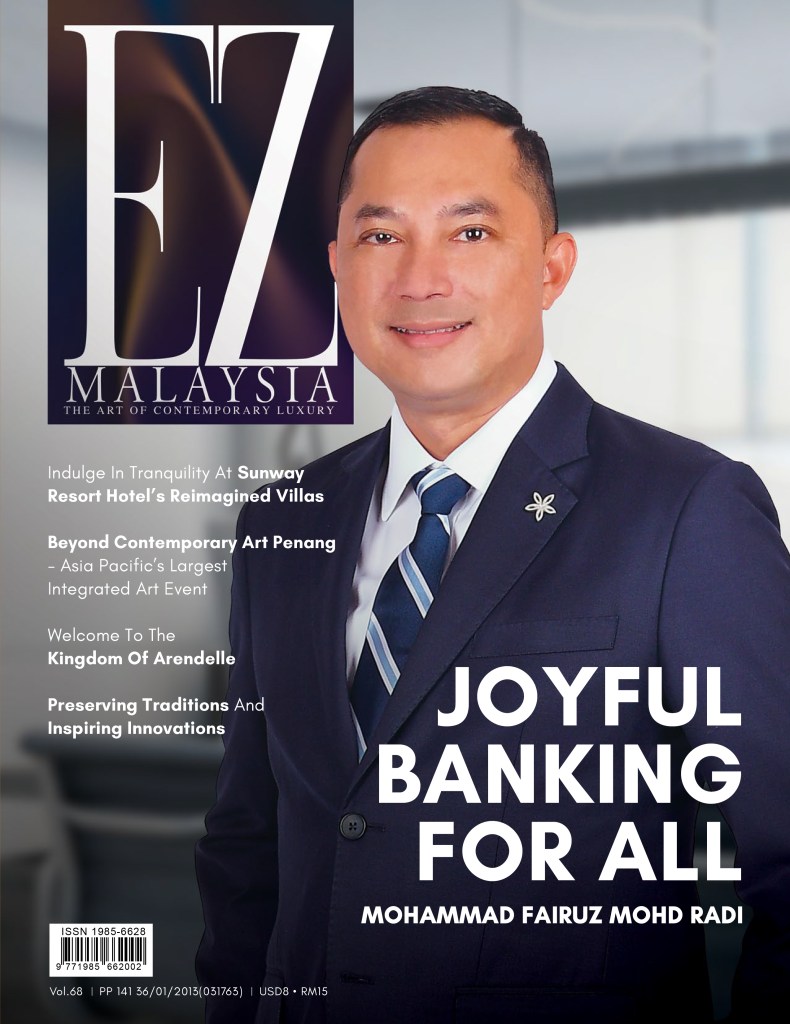
Joyful Banking For All

Mohammad Fairuz Mohd Radi

Executive Director of Group Community Banking, AFFIN BANK

Mohammad Fairuz Mohd Radi, the newly appointed Executive Director of Group Community Banking at AFFIN BANK, represents this diversity with his extensive experience and a comprehensive understanding of various sectors, namely banking, real estate, and consulting.

Fairuz’s banking career started in 2010 as the Managing Director of Strategy and Transformation for Global Wholesale Banking, Maybank Group, and subsequent senior management roles within the group. He later ventured into property development with a dual role as the Chief Strategy Officer and Head of Property Investment of Sime Darby Property before returning to banking as the Chief Strategy Officer and Director of Transaction Banking for Bank Muamalat Malaysia Berhad.

Among his notable achievements is the successful establishment of Maybank’s wholesale banking business across 17 countries, developing a cohesive strategy that integrated corporate banking, investment banking, treasury, global markets, transaction banking, and asset management. Later, at Sime Darby Property, he orchestrated the opening of KL East Mall during the challenging COVID-19 pandemic, started operations with 70% occupancy and after he left, continued to achieve a remarkable 95% occupancy rate by the end of 2023. These accomplishments moulded his leadership approach, emphasising the importance of strategic planning and speed of execution in organisational transformation.

Fairuz’s leadership values—Integrity, Humility, and Competency—have shaped his vision for AFFIN Community Banking. Aside from sustaining existing businesses, he will focus on establishing new strategic business units to generate additional revenue streams. AFFIN Community Banking aims to enhance its branding, business presence, and customer value proposition through transformation initiatives including a stronger sales culture, cross-selling and up-selling retail banking solutions, and driving liquidity through the growth of Current Account and Savings Account (CASA) and deposits. 


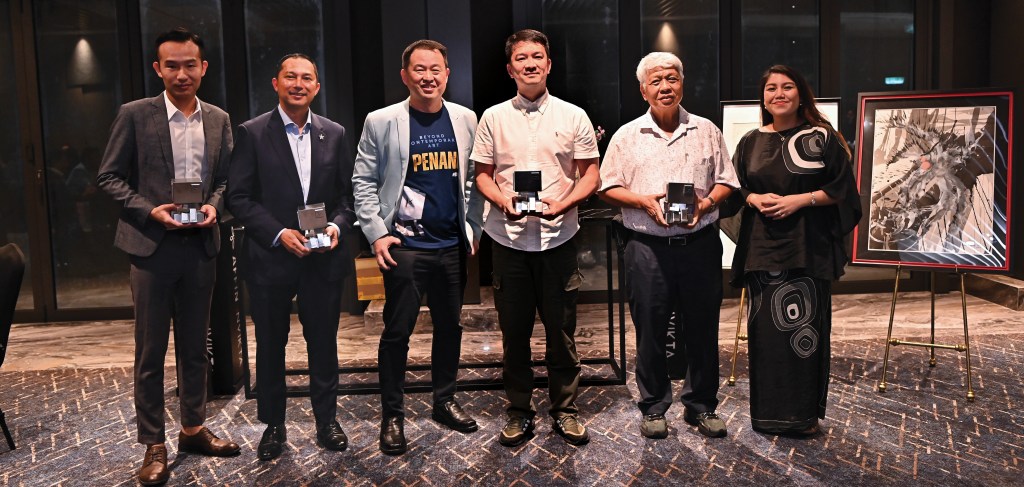
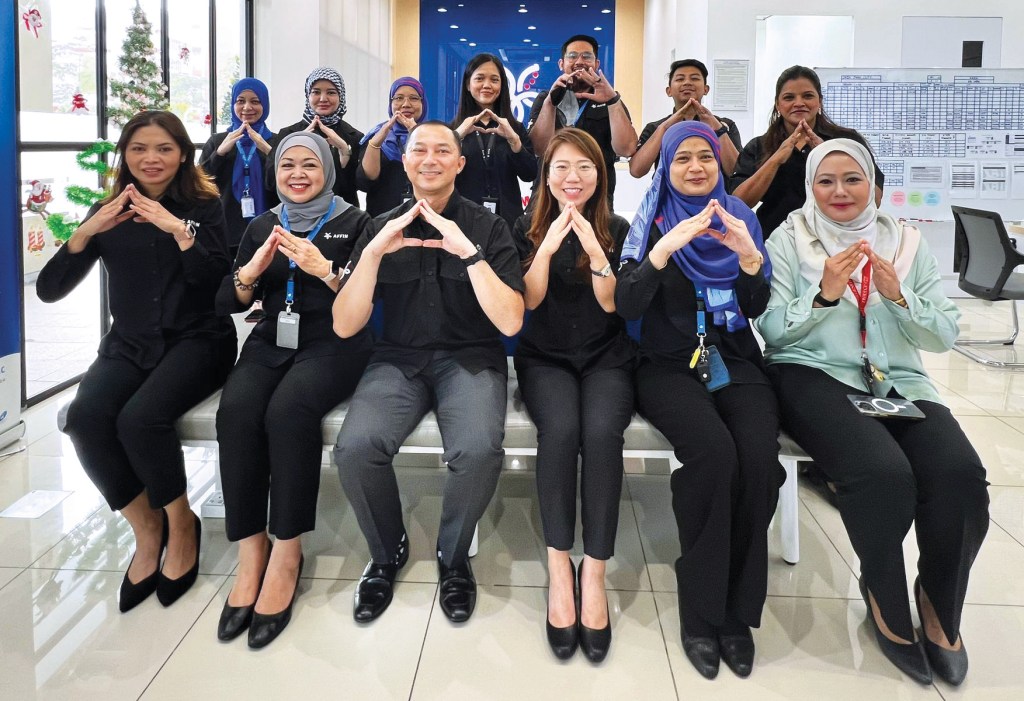
Fairuz, 2nd from left, celebrating with the successful bidders of The CUBE by Dato’ Chng Huck Theng (3rd from left) at the recent Gemmis in Corde TRX, an exclusive dinner organised by AFFIN Invikta. The proceeds from the auction were donated to a charitable organisation supporting women in low-income communities – Women of Will (WoW), represented by Alyssa Hanif (far right)

Community engagement is a priority for Fairuz. He plans to establish impactful AFFIN branding throughout the community by establishing a pervasive presence through marketing and events at strategic locations to capture new customers and raise awareness of the bank’s offerings.


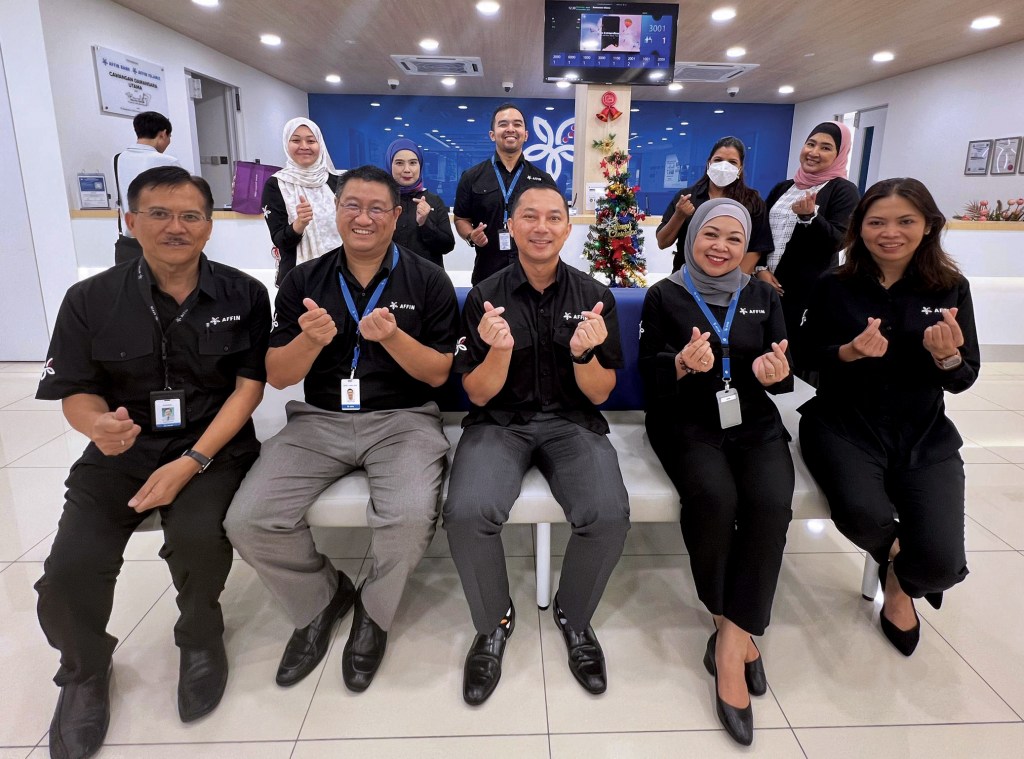
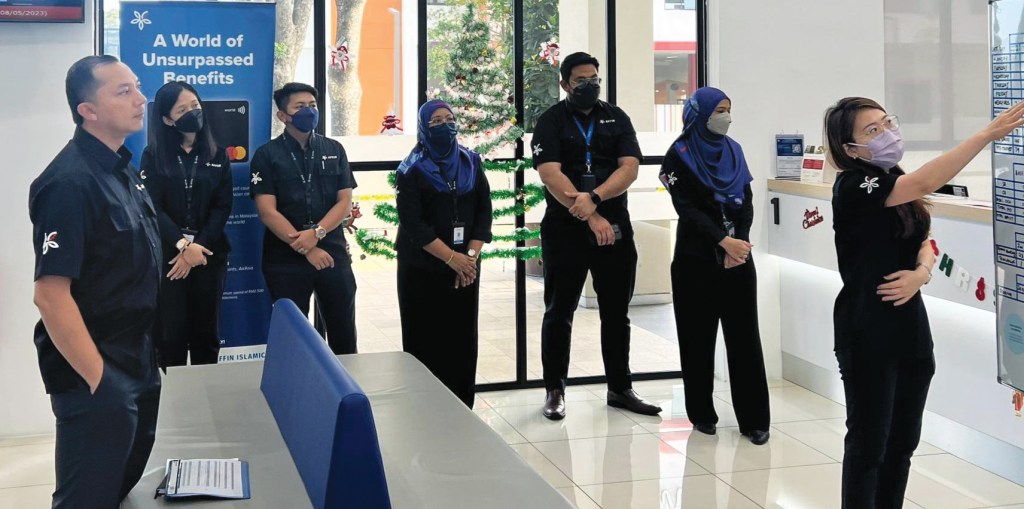
Staying informed – Receiving an update on the Desa Parkcity branch’s performance.

Reflecting his time at Bank Muamalat where he was an active representative member of the Global Alliance of Banking Values (GABV), he highlights the importance of global alliances in sharing best practices and piloting key initiatives, especially in ESG and value-based banking. At the same time, as Co-Chairman of the Sustainability Committee for the Council of Islamic Banks and Financial Institutions (CIBAFI), he contributed to establishing new standards and guidelines for sustainable practices. “At AFFIN, I see us establishing more new green solutions aligning with emerging standards and guidelines for sustainable practices, be it financing or investment products that can be offered to our existing and new bank customers,” he added.

Fairuz attributes his success in his banking career to the structured approach and an analytical and problem-solving mindset ingrained during his engineering education; he holds a Master of Science (MSc) in Technologies for Broadband Communication from University College London, United Kingdom, and a Bachelor of Science (BSc) in Electrical Engineering from Pennsylvania State University, United States of America. His advice to aspiring leaders in the banking industry is to embrace continuous learning, covering different areas within the banking value chain, and develop a personal leadership style.

Embracing Diplomacy And Memories In A Global Odyssey

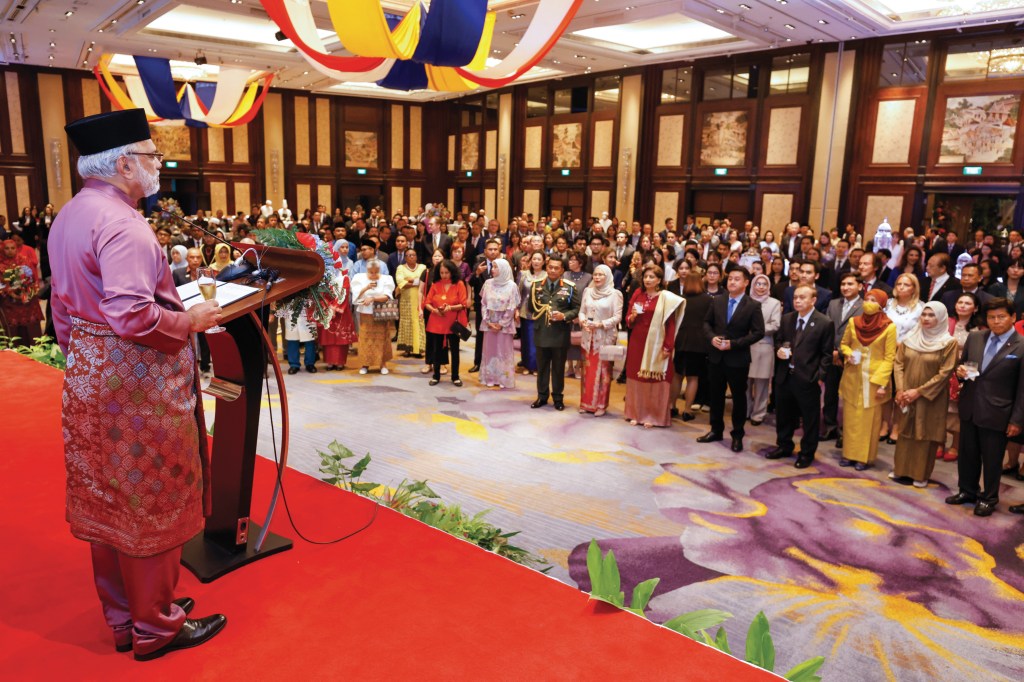
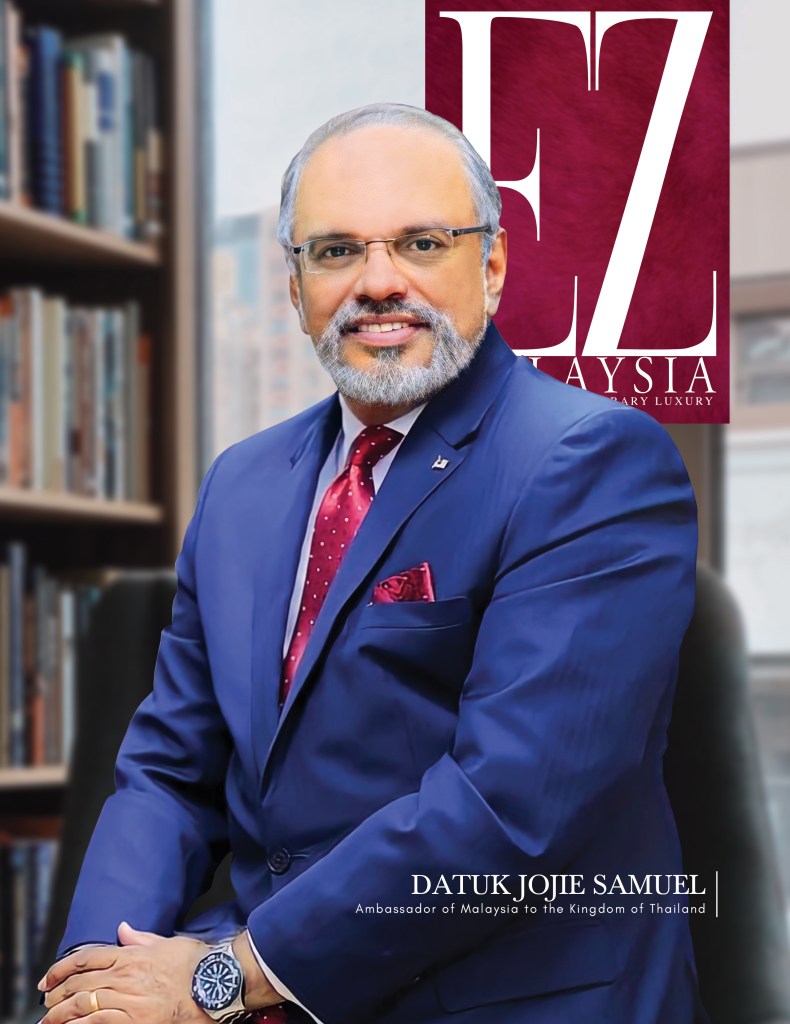
Datuk Jojie Samuel

Ambassador of Malaysia to the Kingdom of Thailand

Ambassador Datuk Jojie Samuel, an ostensibly affable figure gracing diplomatic events and overseeing the welfare of Malaysians in Thailand, conceals a remarkable journey within the Malaysian Foreign Service. Born in Johor, Malaysia, to Indian immigrant parents, his deep-rooted patriotic fervour seamlessly translated into his vocation as an Ambassador, with a career spanning diverse global postings from Canada to Cuba, with Iraq, Turkey and Austria in between.

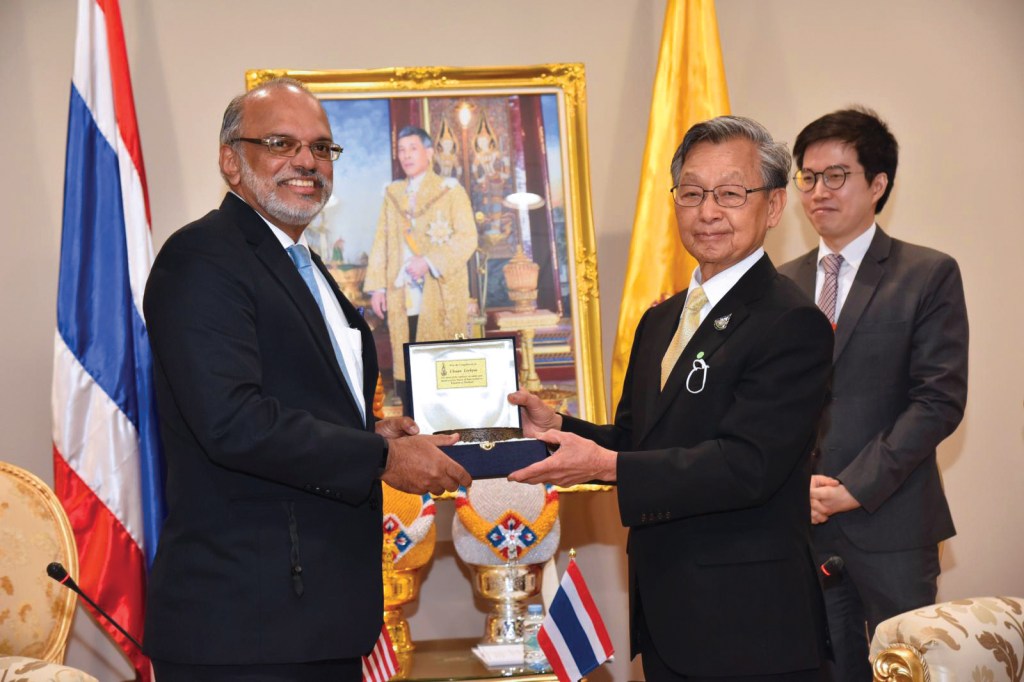
At the helm of Malaysia’s diplomatic mission in Thailand today, Ambassador Datuk Jojie is dedicated to fortifying the crucial relationship between the two nations. Yet, behind the façade of diplomatic glamour lies the challenging reality of his role as a peacekeeping diplomat, dedicated to safeguarding Malaysia’s sovereignty and national interests, regardless of the geopolitical landscape.

Recounting his junior diplomat days in war-torn Baghdad from 1998 to 1999, marked by evacuations and surviving bombings during Operation Desert Fox, he reflects, “It’s the hardship postings that inject an unexpected vibrancy into my career, leaving enduring memories.”

Fondly recalling his time in Havana, Cuba, Datuk Jojie shares an unexpected passion for cigars that emerged during his posting. Besides his ambassadorial duties, he briefly assumed the role of President of the Cigar Club, adding a unique dimension to his diplomatic experience.

In his youth, Datuk Jojie visited Thailand numerous times for personal and professional reasons, never imagining he would one day represent his nation in such a prestigious capacity. He is now well into his fifth year in Bangkok. During his tenure as ambassador, he has coordinated and overseen three visits by Malaysian Prime Ministers, engaged with numerous Thai leaders and officials, and diligently nurtured the warm and cordial relationship between the two nations. With retirement on the horizon in less than a year, Datuk Jojie aims to continue fostering relations between the nations before passing the torch to his successor. 

Print is Dead Isn’t It?

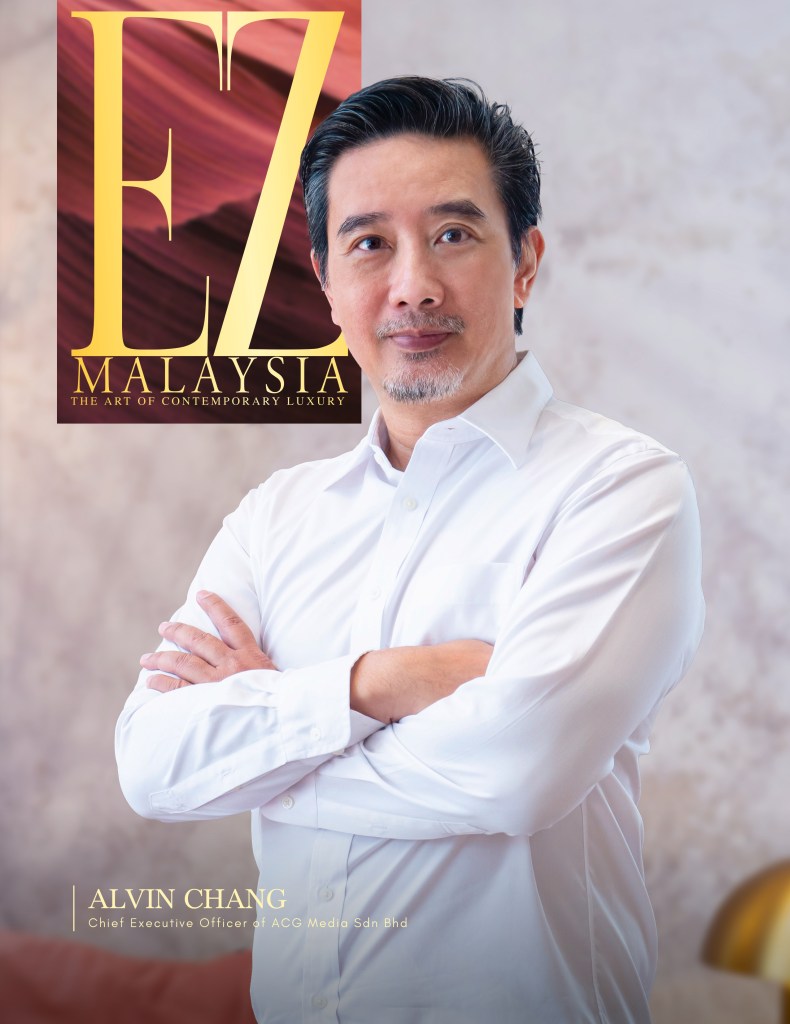
Alvin Chang

Chief Executive Officer of ACG Media Sdn Bhd

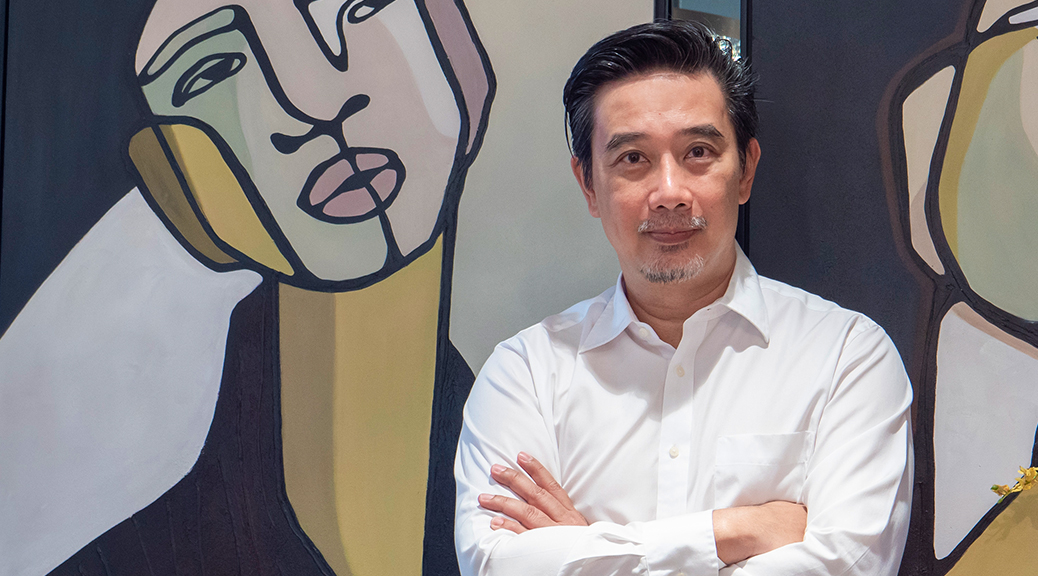
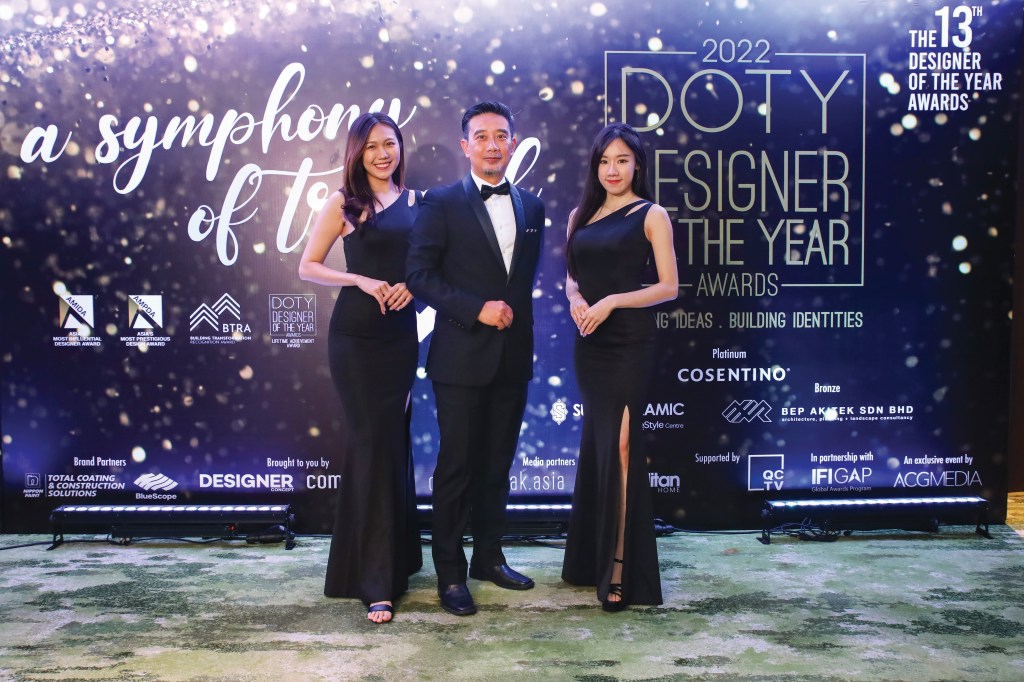
Alvin Chang is the CEO of ACGMEDIA and an Asia-Pacific Ambassador of the International Federation of Interior Architects/Designers (IFI) in the design world. He has the Midas-touch in brand building, brand positioning and an influential media authority.

As a media veteran who’s been in the industry for more than 28 years, this is what all marketeers and communications managers spew out whenever we delve into the subject of print, a media option among many others. “Who reads magazines and newspapers nowadays?” they said.

Ever since digital media was introduced in 1986, it revolutionises the market by storm. The music industry was the first to embrace this technology with compact disc and mini disc. Then it evolved into MySpace and Napster. Subsequently, it exploded into other platforms such as Facebook, Hotmail, search engines such as Yahoo, MSN and many others. Today the influence of digital media includes Twitter, Instagram, TikTok, YouTube, Pinterest, Snapchat, LinkedIn and many more. I believe there will be many more innovations popping up each year as each new generations find their own space to express their own point of views. People generally want to be heard. But there are pros and cons to such media developments.

While the strength of digital media is in its speed of delivery, it may not necessarily carry the ‘authentication’ of the story. Therefore, one can literally twist and drown out the “voice of truth” in a “sea of lies”, given the information to a sinister mind. We all know that “with repetition, even a lie can become truth” as quoted by Nazi propagandist Joseph Goebbel. So, while we gain the advantage of better access to information, greater interaction, more engaging content with creative delivery and lower cost production, simultaneously, we sacrificed facts verification and accuracy, and privacy issue. 

However, print does not have the luxury that digital media offers. Print is slow and meticulous. It cost more to produce print media; therefore, contents must be selective, newsworthy, and useful. The sensory experience of picking up a physical book enhances our pleasure of reading. So, unlike digital media, with metaphorical resemblances to a whimsical sports car, print is the vintage that every collector’s desire. The collection of print in a library, indicates a brilliant mind behind the person, and a well-placed magazine in the living room adds a touch of class and culture, instead of an iPad.

With all said and done, there are no doubt that digital media will continue to dominate every aspect of our lives, as the Gen Z and Gen Alpha eventually will take leadership in future. But as of now, with Baby Boomers still at the helm of print media industry, we will continue to savour the luxury of print while it lasts. Because every vintage has a story. 

Preserving Traditions and Inspiring Innovations at K11

Nestled in the heart of Hong Kong’s Kowloon peninsula, overlooking Tsim Sha Tsui’s waterfront, a luxury Cultural-Retail destination thrives. K11 MUSEA, a grand architecture adorned with flowing greenery on its exterior, stands as a remarkable fusion of tradition and innovation—a visionary space celebrating the convergence of culture and commerce.

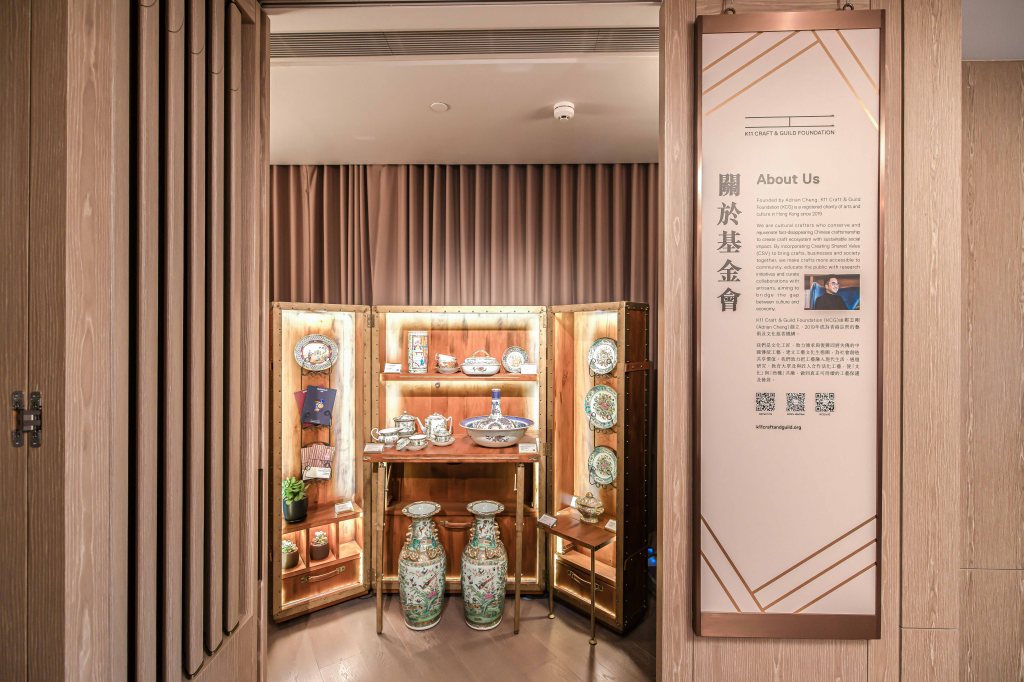
As part of this vision, K11 Craft & Guild Foundation (KCG) plays a vital role in preserving eight core fast-disappearing Chinese craftsmanship practices, including Guangcai, baibaoqian, luodian, kesi, gilt-decoration, plaster molding, wooden architecture, and The Dream of Red Chambers, through a diverse array of initiatives.

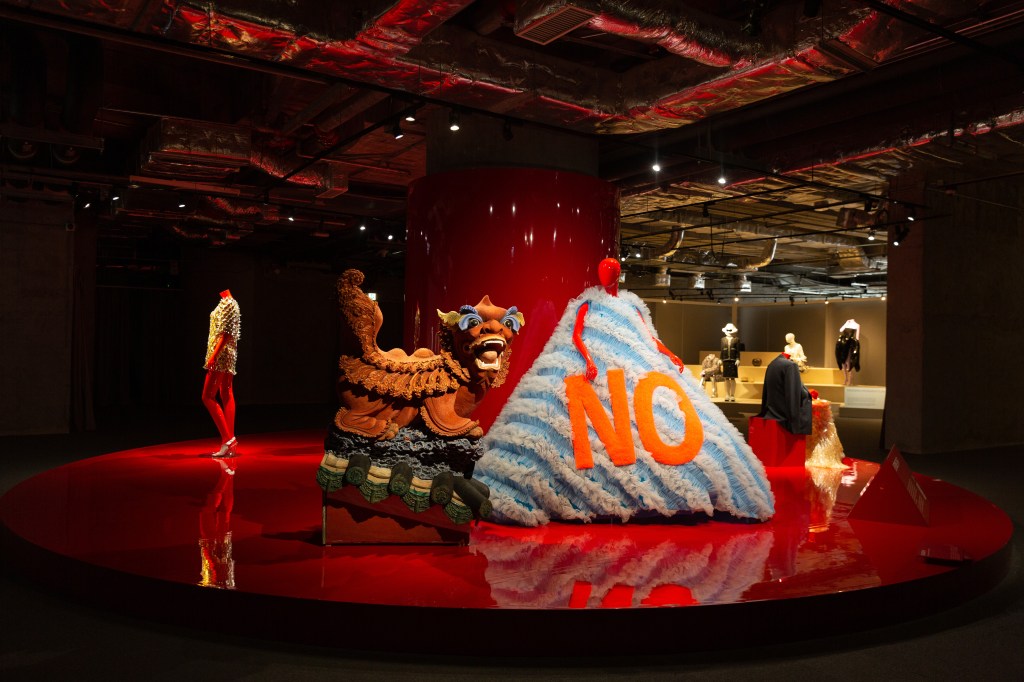
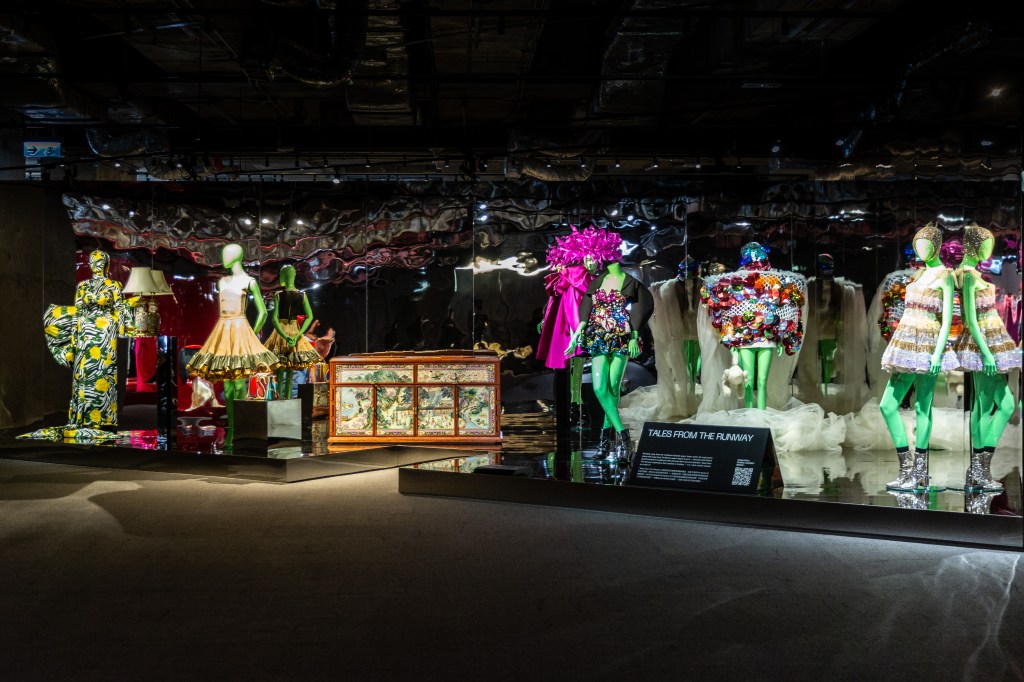
Within the K11 umbrella, KCG operates as a guardian of tradition, devoted to conserving and rejuvenating the listed Chinese craftsmanship through extensive research, public programs, and captivating exhibitions. At K11 MUSEA, this commitment comes alive through a curated collection of antiques and craft pieces, each exhibit intricately tells a story at every corner, immersing visitors in centuries-old craftsmanship. From exhibitions to workshops conducted by craft masters, the space resonates with the energy of creative expression. The seamless integration of these elements not only enriches the overall visitor experience but also fuels opportunities for business development.

K11 bridges the gap between culture and the economy, notably through Creating Shared Value (CSV), fostering an environment where tradition meets modernity. Through KCG’s relentless efforts, Chinese craftsmanship steps onto a modern stage at K11 MUSEA, inviting visitors on an imaginative journey while unlocking tremendous collaborative potential. Here, Chinese craftsmanship intertwines with contemporary narratives, nurturing businesses that embrace the artistic essence of their surroundings. The fusion of art within the space transcends mere aesthetics—it’s a strategic maneuver setting a new benchmark. The synthesis of retail, gastronomy, entertainment, and such within one space creates a distinctive ecosystem, drawing in both art enthusiasts and entrepreneurial minds.

K11 MUSEA stands as a shining example, illustrating how heritage and commerce can harmoniously coexist, paving the way for fresh avenues in business development. And serves as a testament to the transformative power of artistry within a contemporary retail space inspiring both admiration and entrepreneurial opportunities in equal measure.