All posts by EZ Malaysia

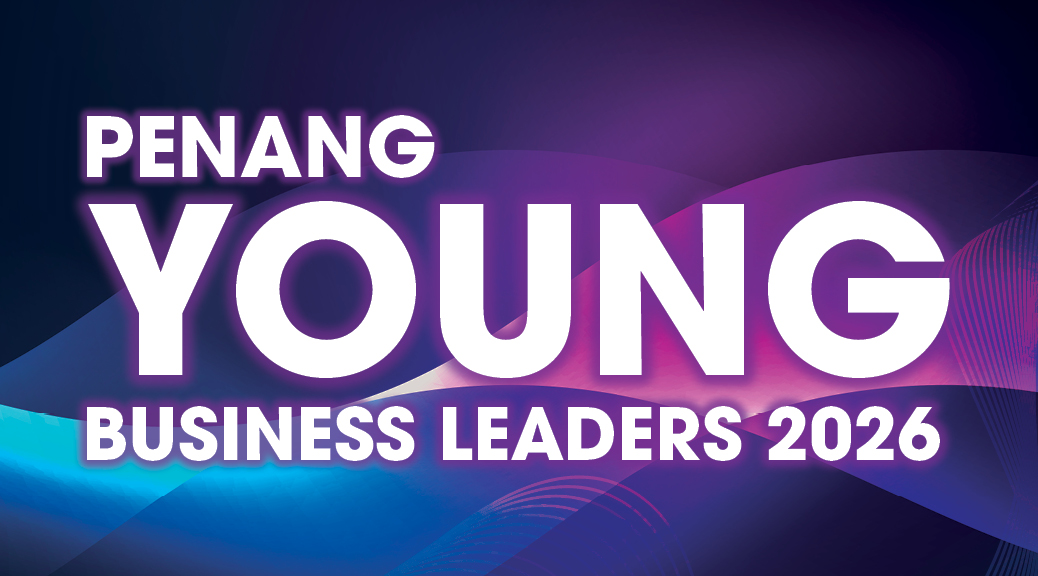
Penang Young Business Leaders 2026


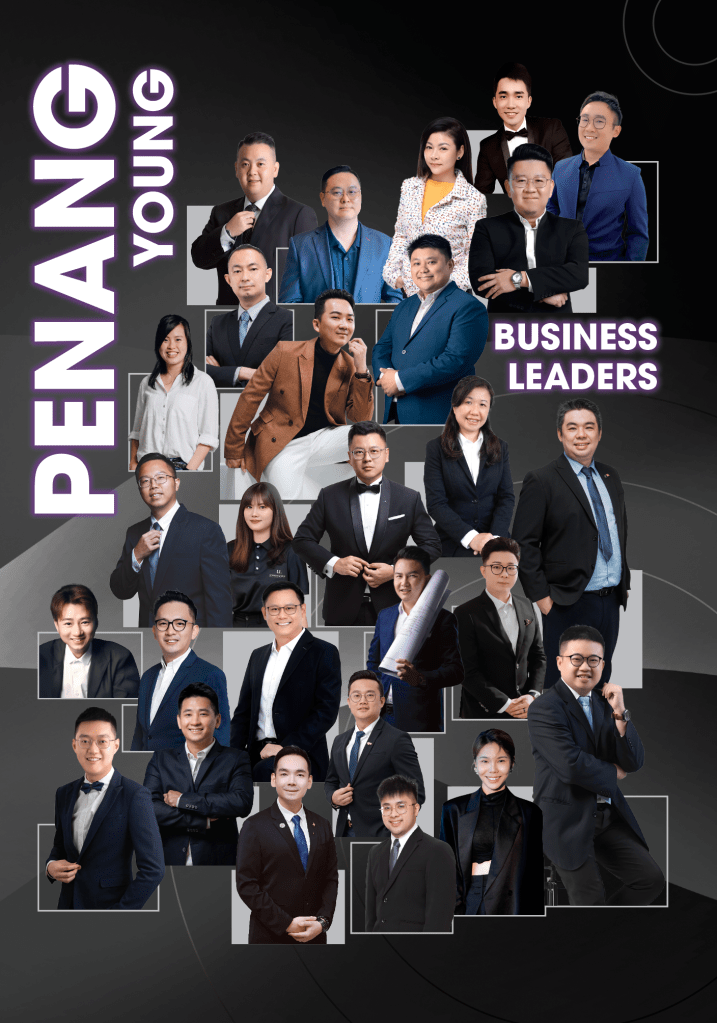
​The Penang Young Business Leaders 2026 edition is a timely and meaningful recognition of the dynamic individuals who are redefining what it means to lead in today’s business landscape. These young leaders span a wide spectrum – from technology and manufacturing to creative industries and social enterprises reflecting the diversity and agility of Penang’s economic ecosystem.

The journey toward the Penang2030 vision requires bold, future-oriented leadership. Young business leaders play a critical role in this transformation. Through innovation, sustainable practices, and inclusive growth strategies, they are not just creating jobs – they are creating impact. Their success signals a broader readiness of our society to embrace change, adopt digitalisation, and lead with purpose.

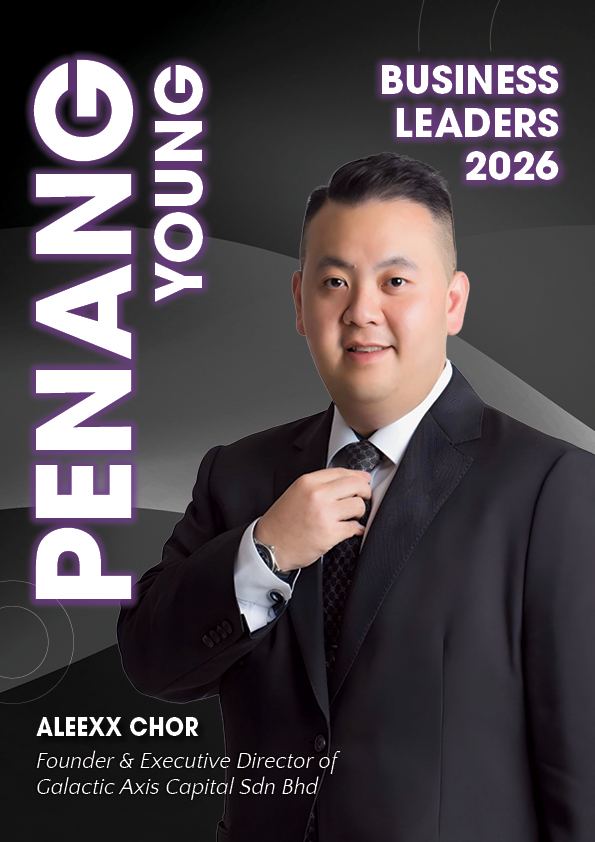
  • ALEEXX CHOR
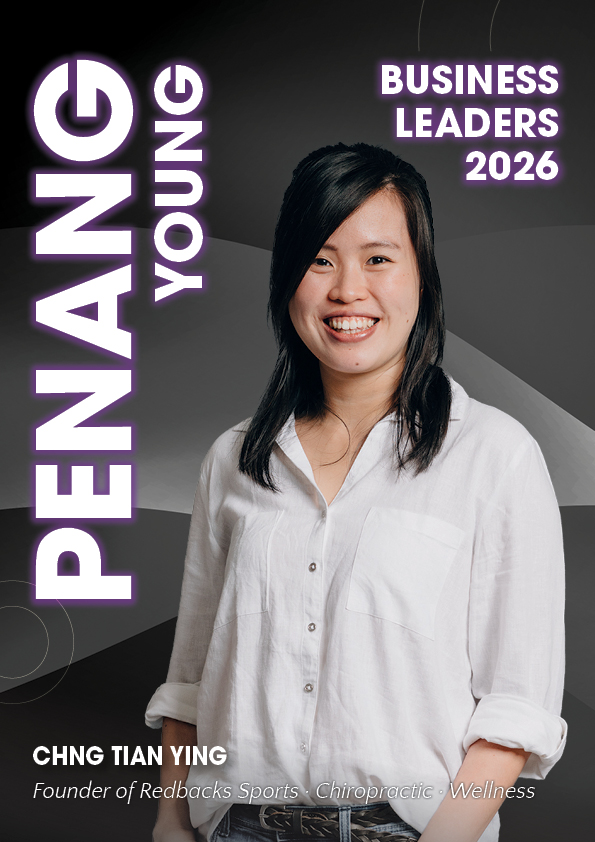
  • CHNG TIAN YING
  • CHRISTINE ONG JIA MIN
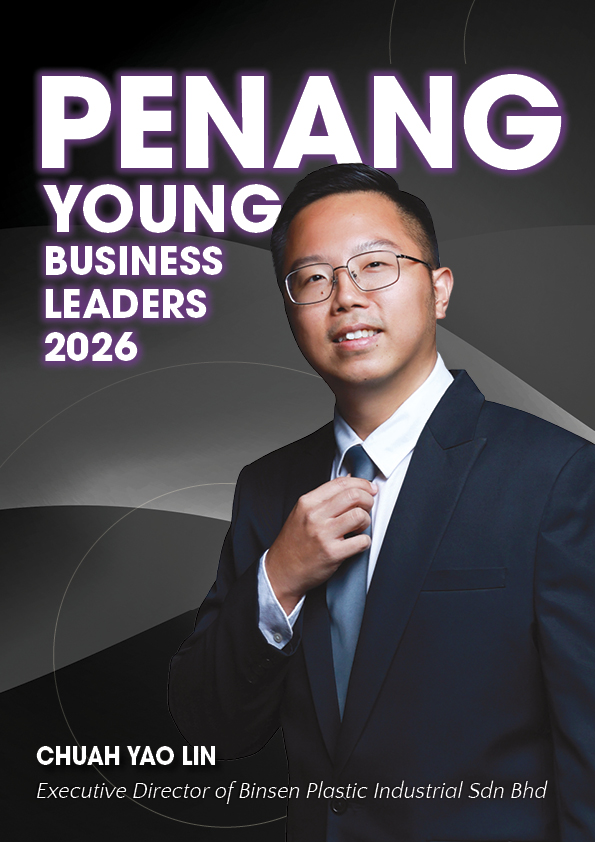
  • CHUAH YAO LIN
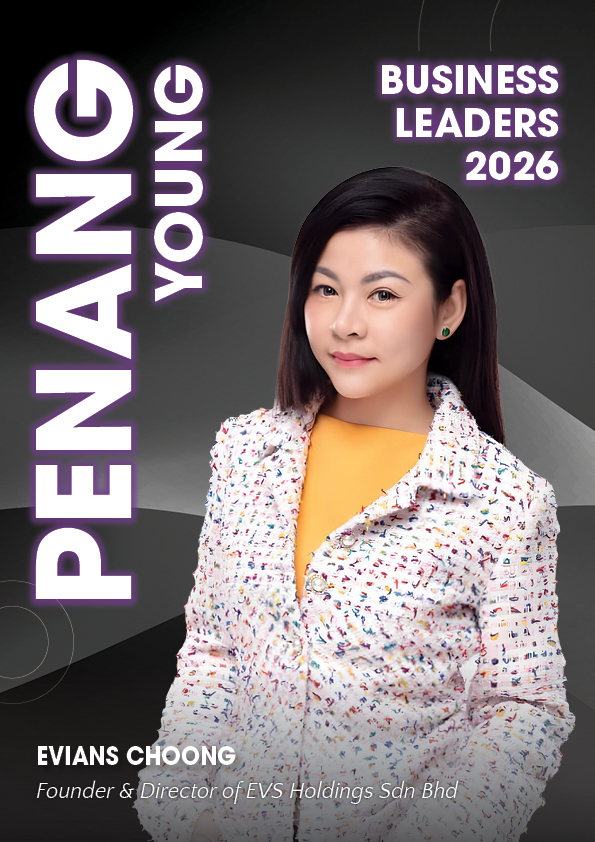
  • EVIANS CHOONG
  • FENNIE NG SIEW LOOI
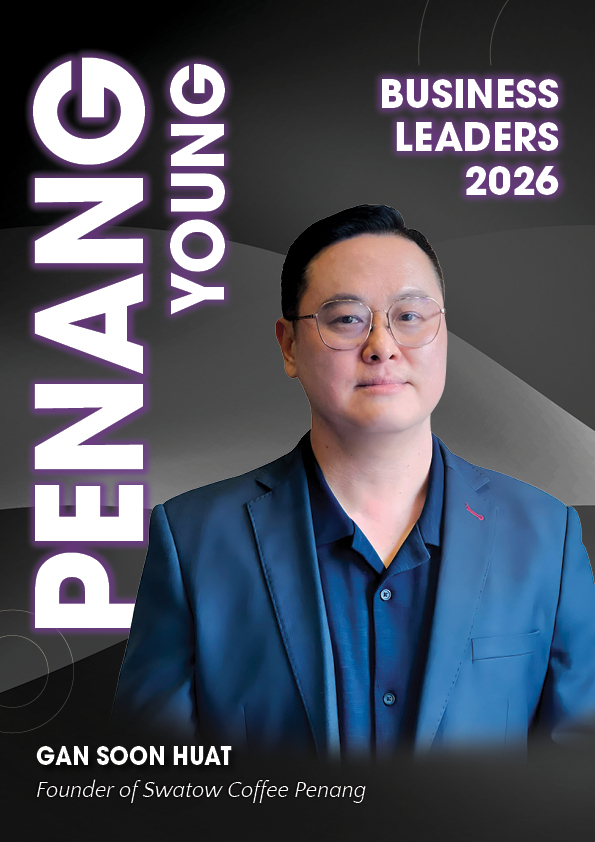
  • GAN SOON HUAT
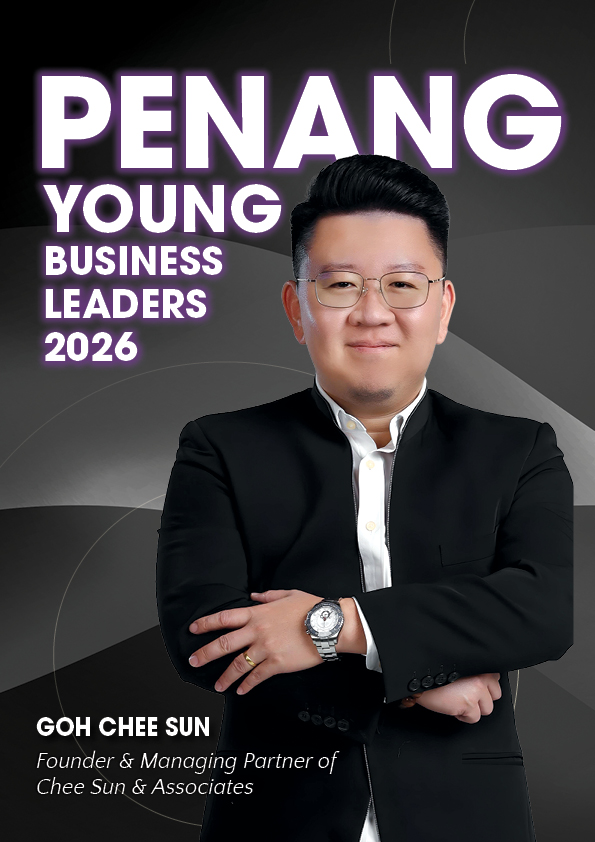
  • GOH CHEE SUN
  • HANSON LI JIA HENG
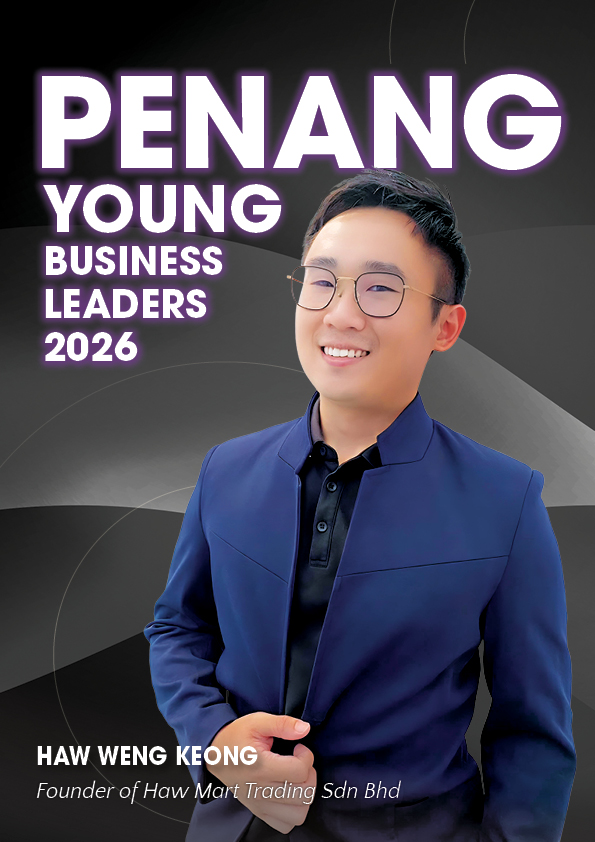
  • HAW WENG KEONG
  • HAWKE TAN WENG HOCK
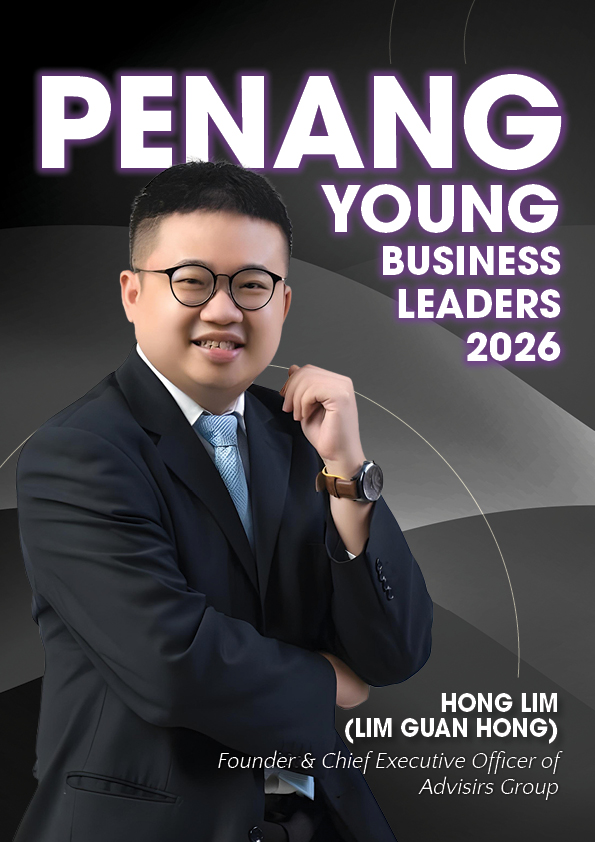
  • HONG LIM (LIM GUAN HONG)
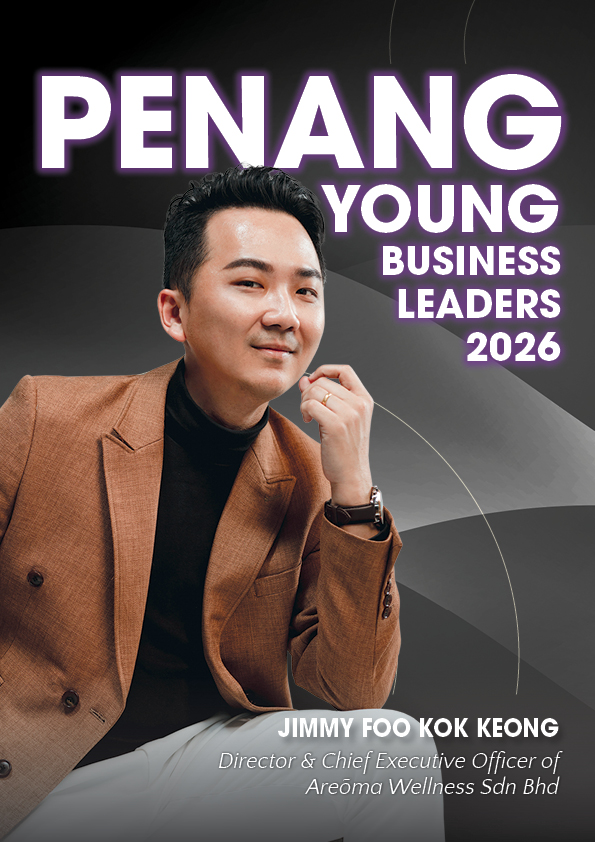
  • JIMMY FOO KOK KEONG
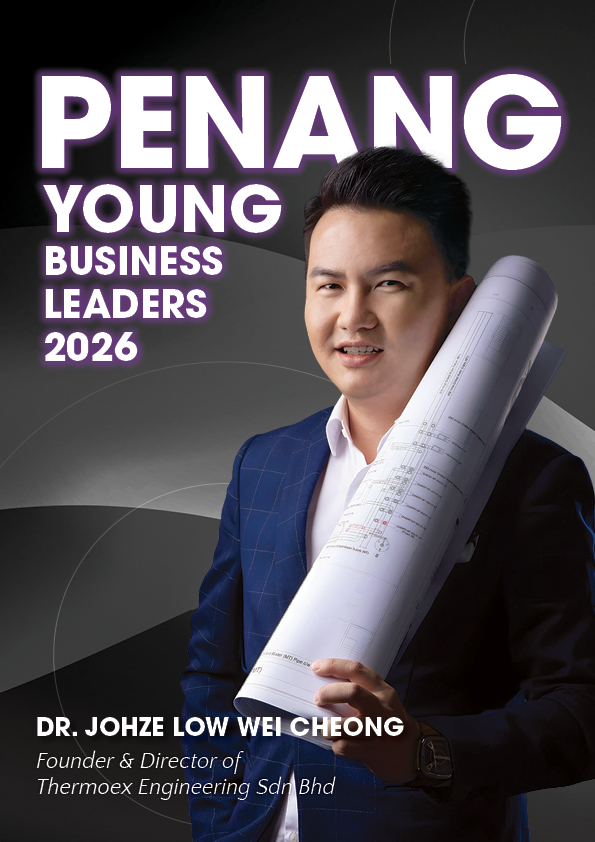
  • DR. JOHZE LOW WEI CHEONG
  • KELVIN LOR
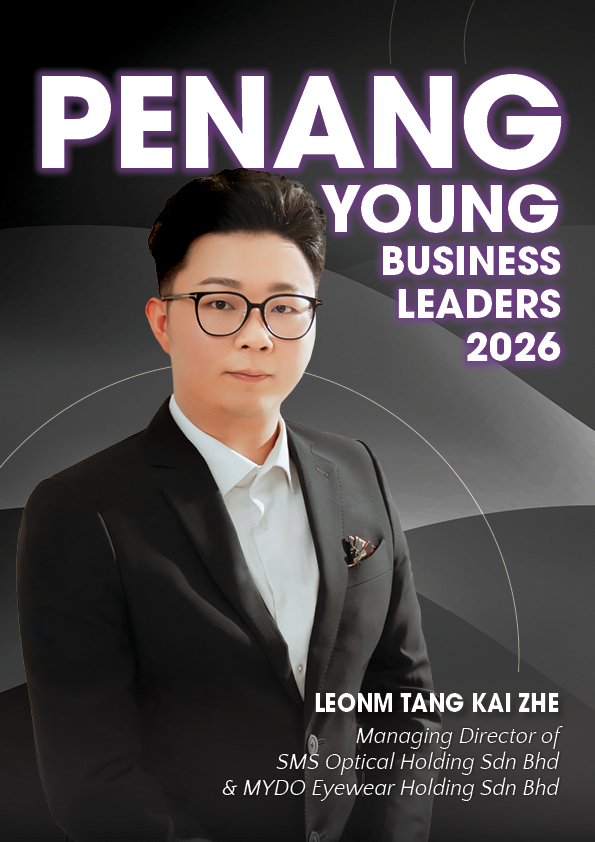
  • LEONM TANG KAI ZHE
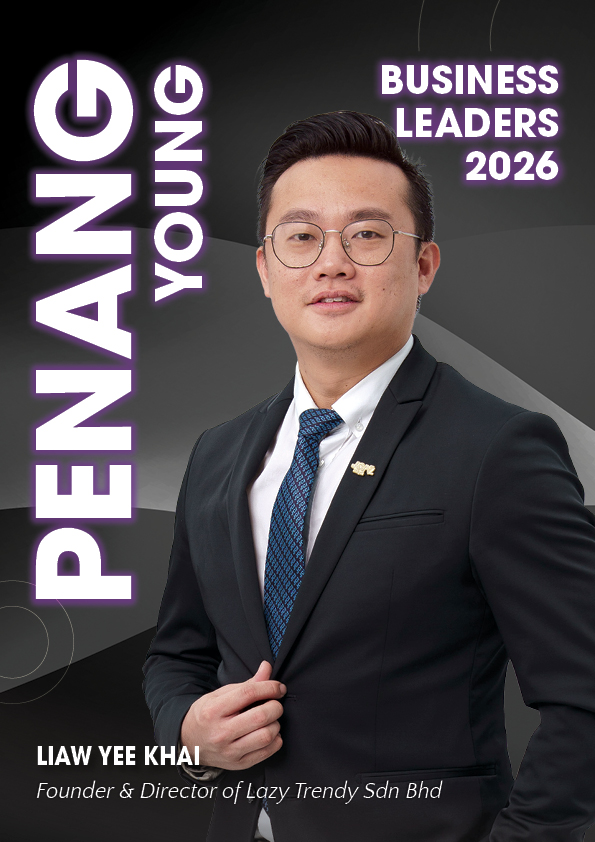
  • LIAW YEE KHAI
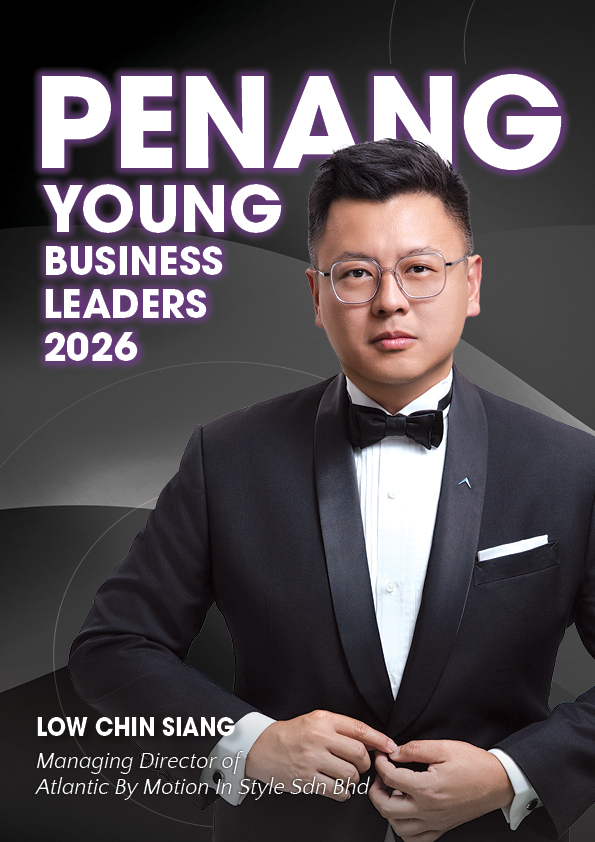
  • LOW CHIN SIANG
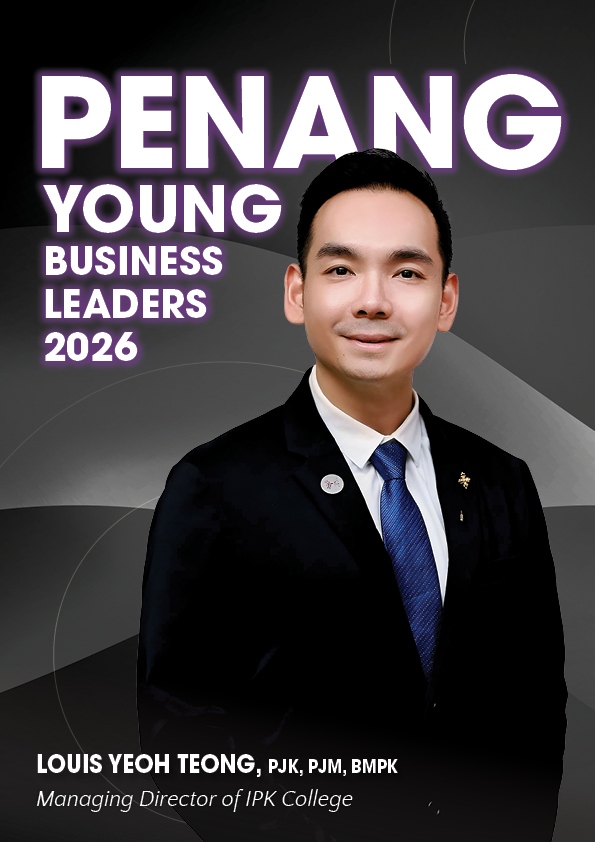
  • LOUIS YEOH TEONG, PJK, PJM, BMPK
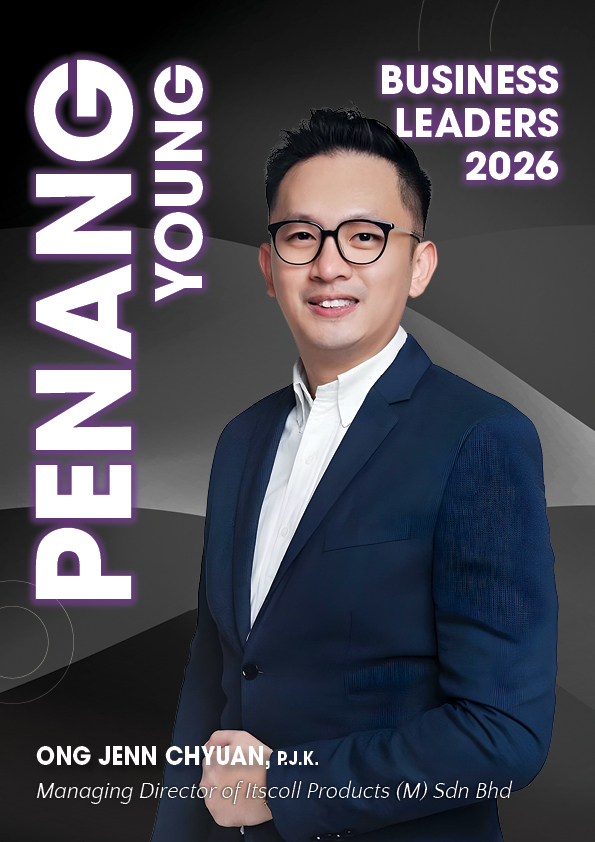
  • ONG JENN CHYUAN, P.J.K.
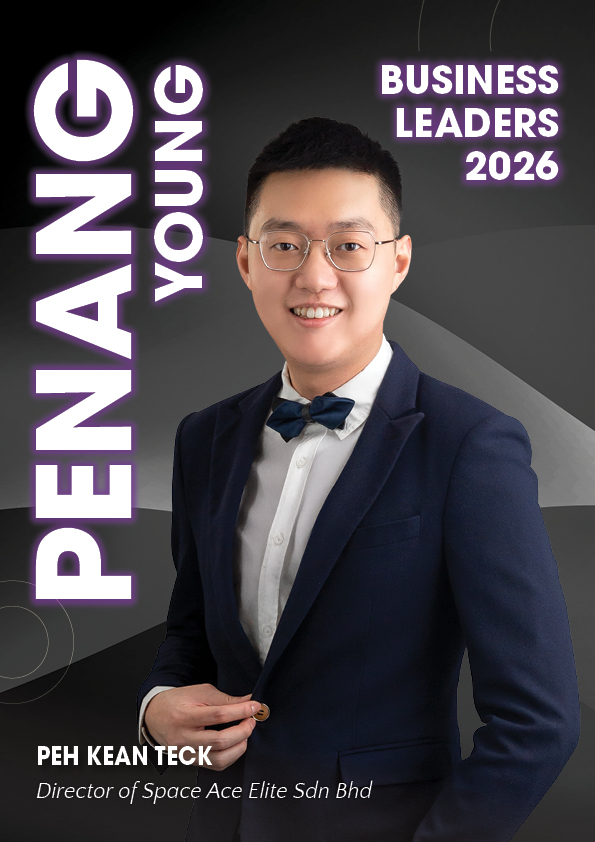
  • PEH KEAN TECK
  • RICHARD KHOO
  • SHAWN TAN
  • SIDNEY SAW ZHANG MING
  • TAN LI HWA
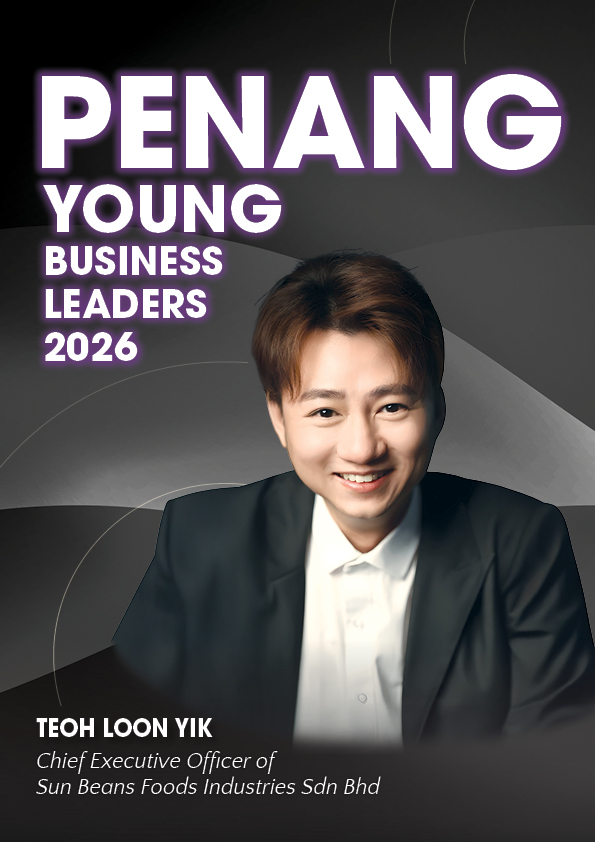
  • TEOH LOON YIK
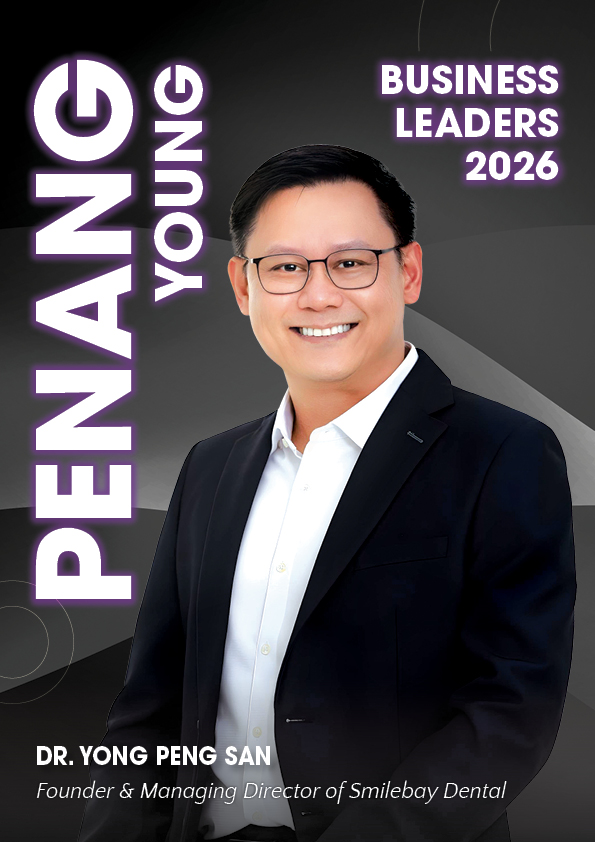
  • DR. YONG PENG SAN

From Penang to the Pinnacle

Datuk Seri Wong Chun Wai

Chairman of BERNAMA

From a young boy penning letters to newspapers in Penang to being named Malaysia’s National Journalism Laureate, Datuk Seri Wong Chun Wai has lived a life shaped by curiosity, conviction and a love for storytelling.

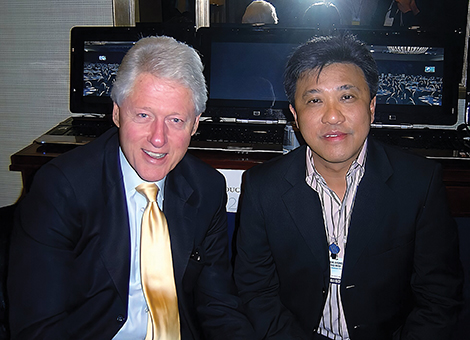
In an exclusive interview with President Bill Clinton in New York.

The first Penangite to receive the nation’s highest media honour — an accolade shared by only 14 journalists since 1988 — Datuk Seri Wong regards the recognition “a matter of great pride and honour,” yet humbly credits his lifelong passion as the driving force behind his journey and achievement.  

“Passion — that’s the word,” he reflects.

At the Antarctica with adventurer extraordinaire Yusuf Hashim in 2024.

Born, raised and schooled in Penang, Wong is a true blue ‘Anak Pulau Pinang’ (son of Penang). His formative years at St. Xavier’s Institution sparked a fascination for history and news. “Not many Penangites are aware that the country’s first English newspaper, the Prince of Wales Island Gazette, was published in Penang in 1805,” he notes. “There were also many Malay newspapers and magazines which started in Penang too. Kwong Wah Jit Poh, established in 1910, remains the world’s longest continuously printed Chinese daily. And of course, The Star itself began in Penang in 1971.”

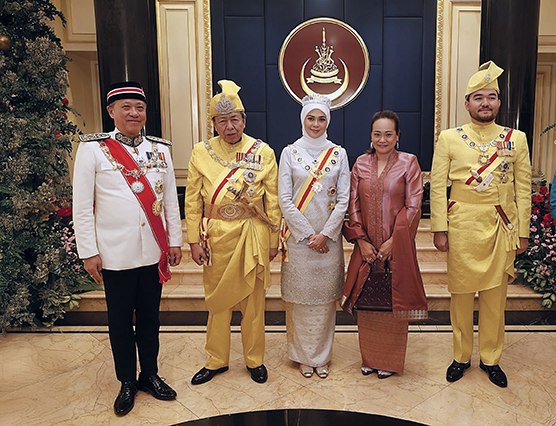
Datuk Seri Wong Chun Wai with his wife, Datin Seri Florence Teh, at Istana Alam Shah with His Royal Highness The Sultan of Selangor, Tengku Permaisuri and His Highness the Raja Muda.

Even as a student, Wong contributed articles to his school paper and mainstream newspapers in English and Bahasa Malaysia, finding joy in seeing his work in print. By 1984, he joined The Star as a cadet reporter, beginning a four-decade career that would see him rise to become its youngest Group Chief Editor, later Executive Director, Group Managing Director and CEO, before taking the helm at BERNAMA in 2023.

Along the way, he interviewed world leaders and icons — Nelson Mandela, Bill Clinton, Lee Kuan Yew, Stephen Hawking, Richard Branson, David Beckham, Arnold Schwarzenegger, Jackie Chan, Jimmy Choo and Alicia Keys among them, adding world exclusives to his list of career highlights; yet his heart often returns to Penang, the place that shaped him.


His 2014 book Penang’s History, My Story — later translated into Bahasa Malaysia by Universiti Sains Malaysia — reflects this bond. “It is important that Penangites know their history,” he says.

But Penang’s story is not only about its past — it is also about its people. Wong proudly notes how the island has produced leaders, thinkers and trailblazers across fields. “Penang has always been a melting pot, exposed to international culture since the 18th century. That openness shaped our people to be independent-minded and innovative — qualities that continue to produce outstanding political leaders, entrepreneurs, musicians, sports personalities and, of course, journalists.”

Even food, he points out, carries history within its flavours. “Did you know Char Koay Teow was once served with crab meat topping in the 1960s and 70s? Or that Curry Mee used to come with slices of char siew?” he says with a nostalgic smile, adding that future guides to Penang should highlight hidden stories, places and forgotten flavours locals grew up with.

As Chairman of BERNAMA, Wong now leads Malaysia’s national news agency with a clear mission: credibility. “Our clients are Malaysian and international news agencies. They turn to us for confirmation and verification. So, we have a huge responsibility to be the trusted source of information,” he affirms.

His deeper message, however, remains one of unity and moderation.

“I see Malaysians as one,” he stressed.

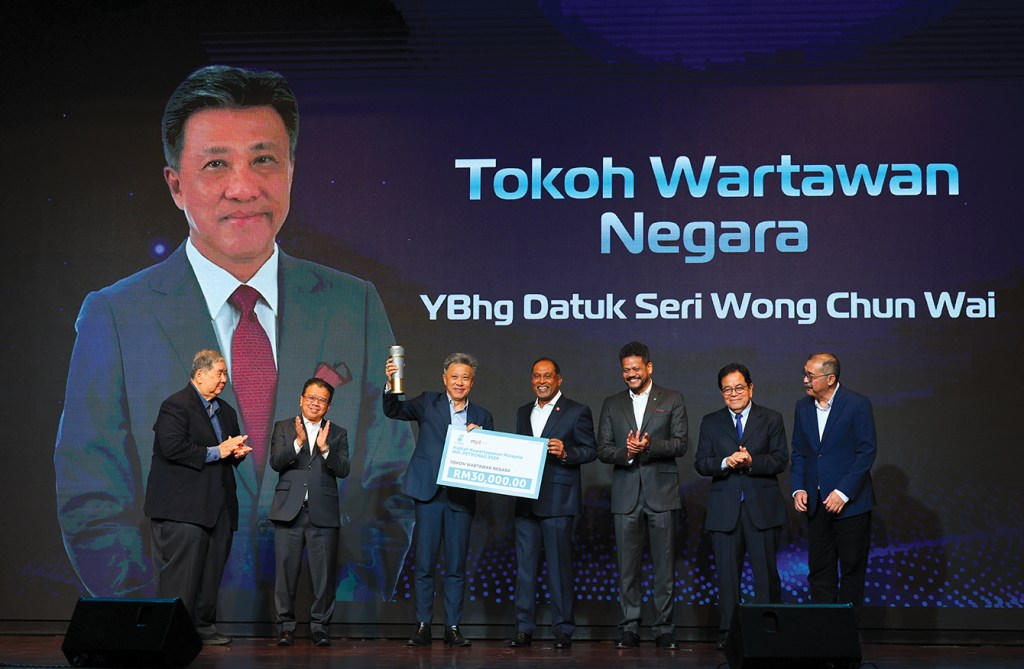
Datuk Seri Wong Chun Wai receiving the National Journalism Laureate award from Higher Education Minister Datuk Seri Dr Zambry Abdul Kadir (fourth, right) at the Malaysian Press Night (MWM) 2025 and the Malaysian Journalism Awards (HKM) MPI–Petronas 2024.
Celebrating with the Bernama team after being conferred the National Journalism Laureate at the Malaysian Press Night (MWM) 2025
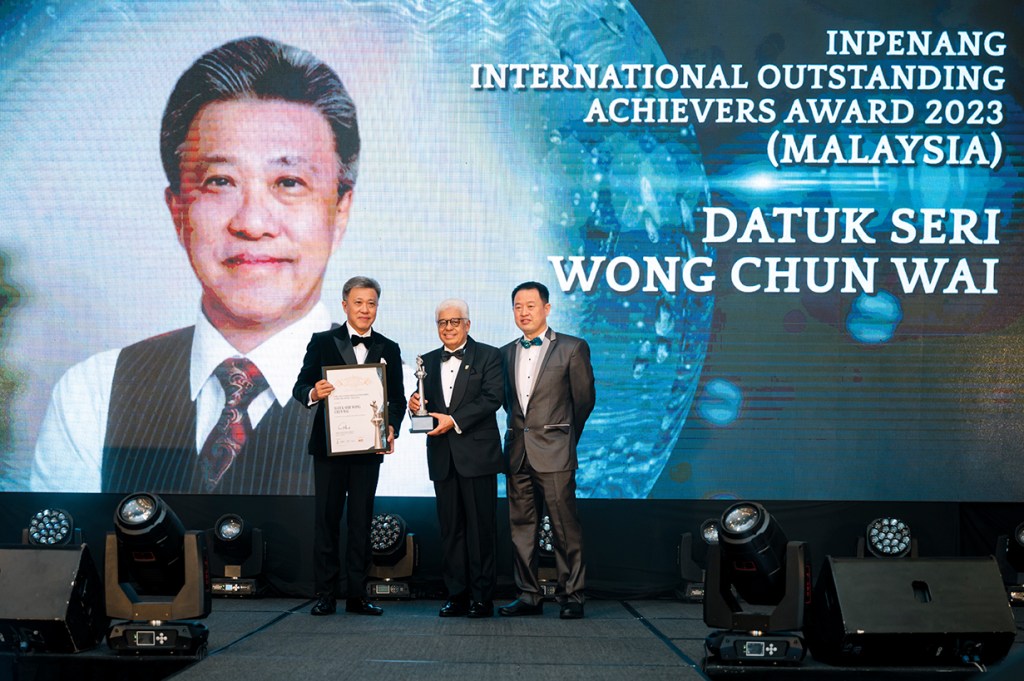
Receiving the INPenang International Outstanding Achievers Award 2023 (Malaysia) from Tun Dato’ Seri Utama Ahmad Fuzi bin Haji Abdul Razak, the former Governor of Penang, accompanied by Dato’ Chng Huck Theng, Founder & President of the INPenang International Awards

Away from the newsroom, Wong’s curiosity takes him far and wide — trekking in Rwanda to see gorillas, hiking Japan’s Suicide Forest, spending three weeks in Antarctica and making it to the Mount Everest Base Camp in Tibet. “I like going to places not many venture to,” he says with a grin, already planning his next trip to the Maldives to swim with nurse sharks.

After 40 years of chasing stories across continents, Datuk Seri Wong is still doing what he loves most — writing, telling stories and discovering the world. And through it all, Penang remains the place where it all began — and where his heart will always return.

Anak Pulau Pinang, indeed.

Rewriting Asia’s Health Story

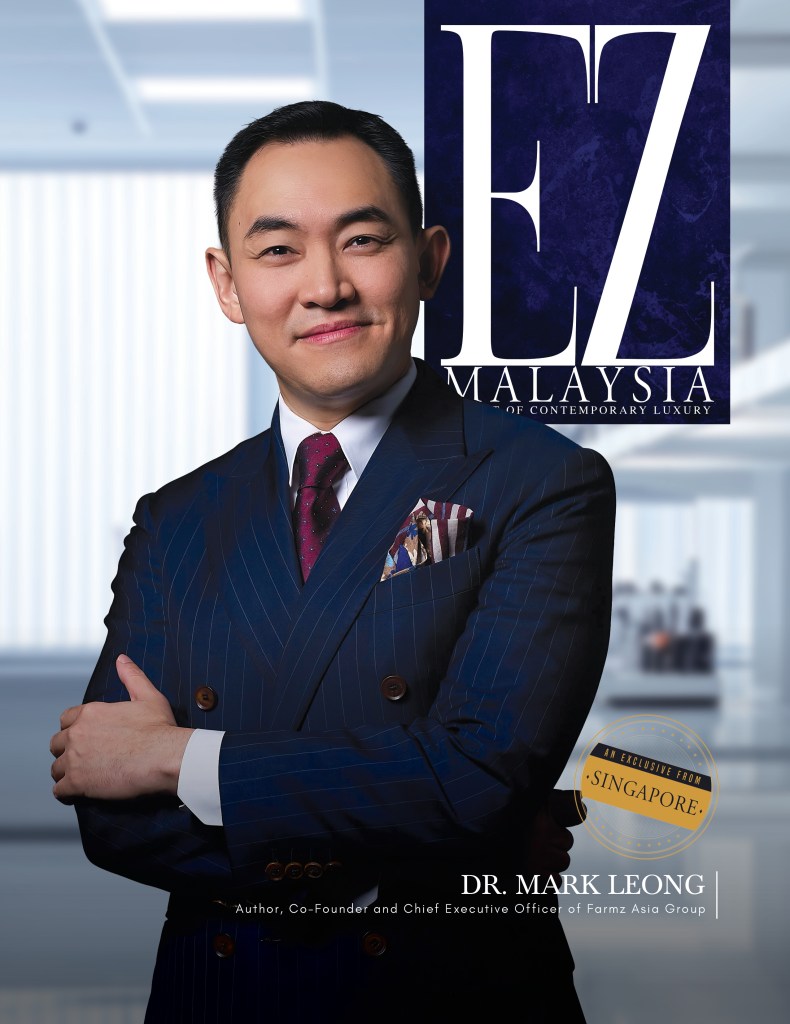
Dr. Mark Leong

Author, Co-Founder and Chief Executive Officer of Farmz Asia Group

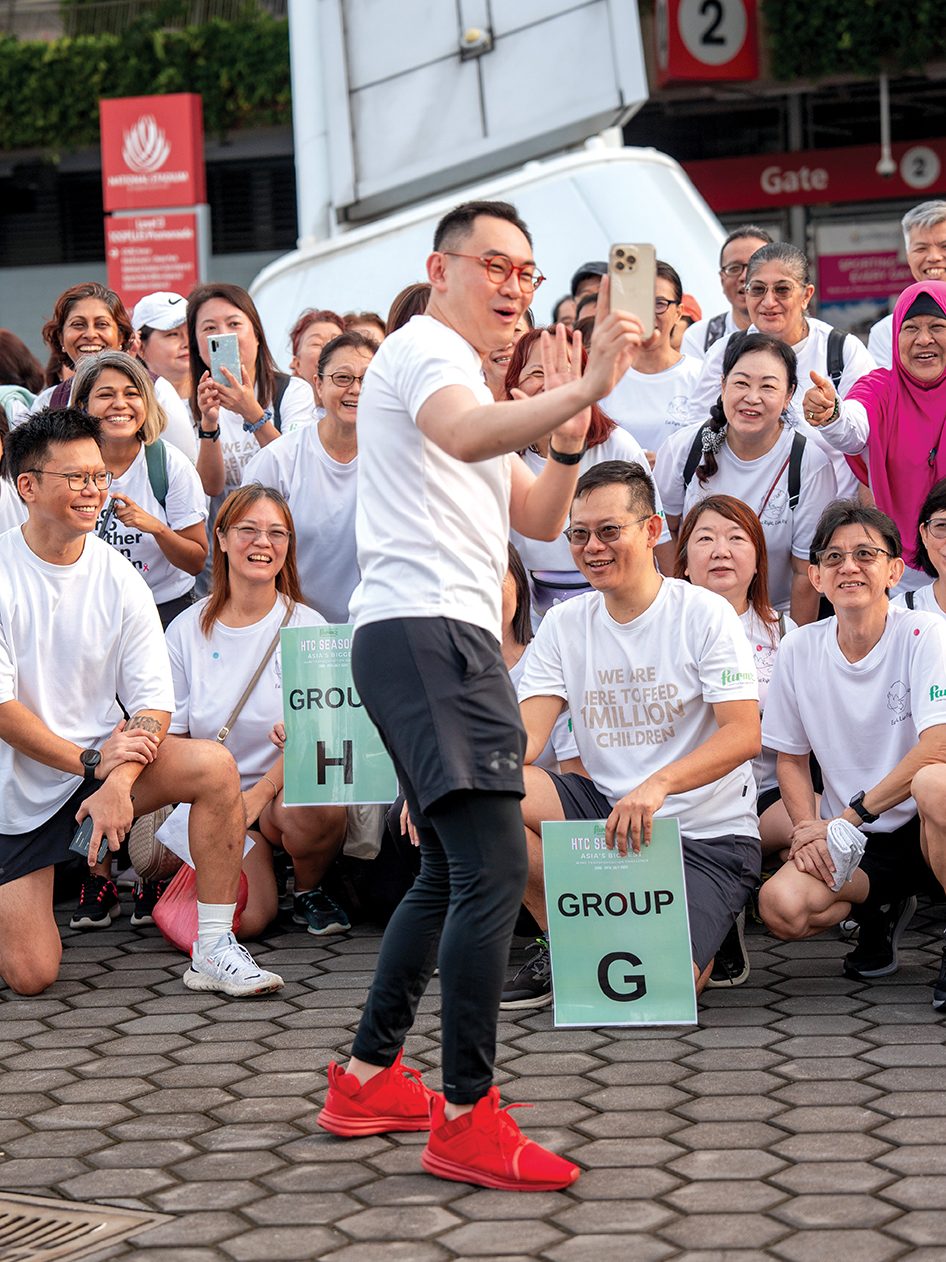
Dr. Mark Leong taking a lively wefie with the Farmz Revival community after an energising exercise session at the Singapore Indoor Stadium. A moment of unity, wellness, and smiles all around!

Forget fleeting wellness trends. Dr. Mark Leong is on a mission to transform health across Asia by replacing guesswork with precision, science, and measurable results. Recognised by Forbes as one of Asia’s Top 100 Global Healthcare Leaders, this award-winning entrepreneur made a radical shift after losing loved ones to preventable chronic illnesses. He realised that the answers to better health weren’t just in the pharmacy, they were in accurate measurement, targeted nutrition, and prevention at the cellular level.

His answer was Farmz Asia, the first company in the world to integrate real-time diagnostics of nutritional deficiencies with personalised,  tech-driven nutrition solutions. This innovation uses blood, urine, and stool analysis combined with AI-powered interpretation and evidence-based protocols, giving clients a precise, scientific roadmap to achieve their health goals whether that’s reversing chronic disease, losing weight, or optimising performance.

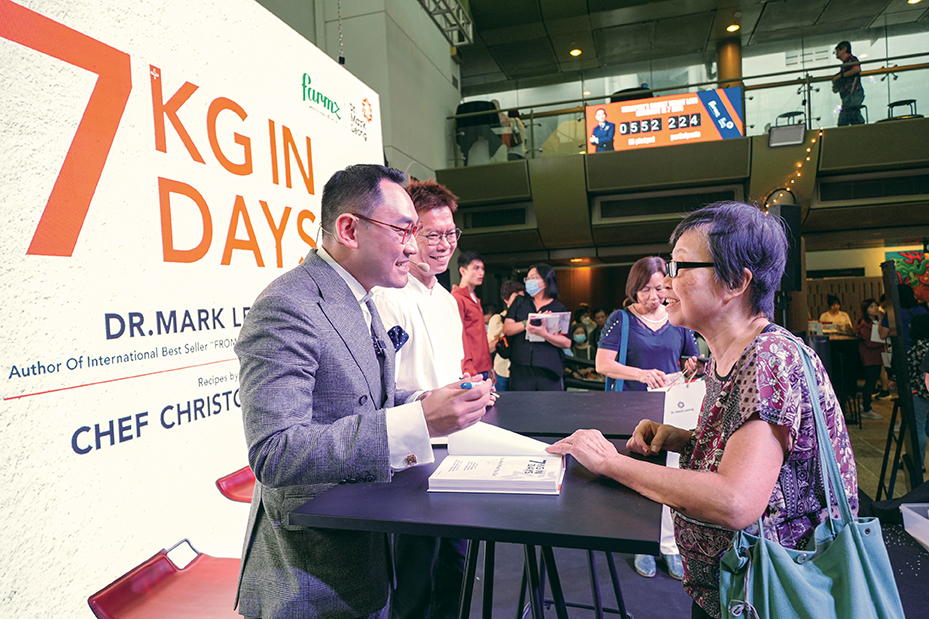
Dr. Mark Leong connecting with readers during the autograph session of his latest book 7kg in 7 Days, inspiring the community towards healthier living.

“It was never about selling supplements or quick fixes,” Dr. Leong says. “We wanted to build a food-as-medicine ecosystem that starts with real measurement, because if it can’t be measured, it’s not medicine.”

From Vision to Global Movement

Farmz Asia didn’t start with big investors or celebrity endorsements, it started with a bold vision to make lab-grade diagnostics and personalised nutrition accessible to the public. Dr. Leong built a multi-brand ecosystem to deliver holistic solutions:

  • Dr. Mark Leong – Weight loss, detox, and cellular renewal programmes
  • Farmz Academy – Training certified wellness coaches
  • Brot and Tee – Functional breads and teas for gut and metabolic health
  • Blooma Skin – Clean actives for mature skin

Backed by a team of doctors, scientists, dietitians, nutritionists, and TCM practitioners, the group now operates in Singapore, Malaysia, and Hong Kong, impacting thousands and building a community of over 10,000 members.

Awards, Records & Recognition

  • Singapore Quality Class for Service – Enterprise Singapore (2020–2023)
  • Best in Food Safety Solutions – Prestige Awards (2022 & 2023)
  • Top 100 Global Healthcare Leaders – IFAH
  • Singapore Book of Records (2025) – Biggest Weight Loss in 7 Days
  • Featured in Forbes, Men’s Journal, USA Today, New York Times
  • Honoured in Augustman AMoT24 list for national wellness impact

Impact Over Legacy

For Dr. Leong, the real measure of success is not in titles or press coverage, but in the number of lives transformed. Guided by his belief that “The true mark of greatness isn’t what we leave behind, it’s how many lives we lift while we’re still here”, Farmz Asia launched the Food for Family initiative, aiming to provide clean nutrition, infrastructure, and career opportunities to one million underprivileged children by 2027.

The Future of Precision Wellness

The journey is far from over. Farmz Asia is preparing to expand across Malaysia, Indonesia, the Philippines, and Hong Kong. Alongside its franchise model, the company is piloting mobile health hubs in transit areas like MRT stations and airports, and developing a 48-hour personalised supplement delivery service based on live diagnostic data.

“We are not just another healthcare company,” Dr. Leong asserts. “We are building a future where preventive health belongs to everyone.” 

Dr. Mark Leong with Dato’ Chng Huck Theng, Executive Director of Ghee Hiang, sharing insights on the wellness benefits of sesame oil during the factory visit.

The Capital Revolution Powering Malaysia’s Innovation Future

Malaysian Business Angel Network (MBAN)

Peter Wee – President of MBAN
Elain Lockman – Vice President of MBAN
Dato’ Patrick Liew – Chairman of Sarawak Business Angel Network (SBAN)
Alan Lim – Immediate Past President of MBAN (Current Council Member)

Closing Plenary: Vision for Malaysia’s Startup Ecosystem
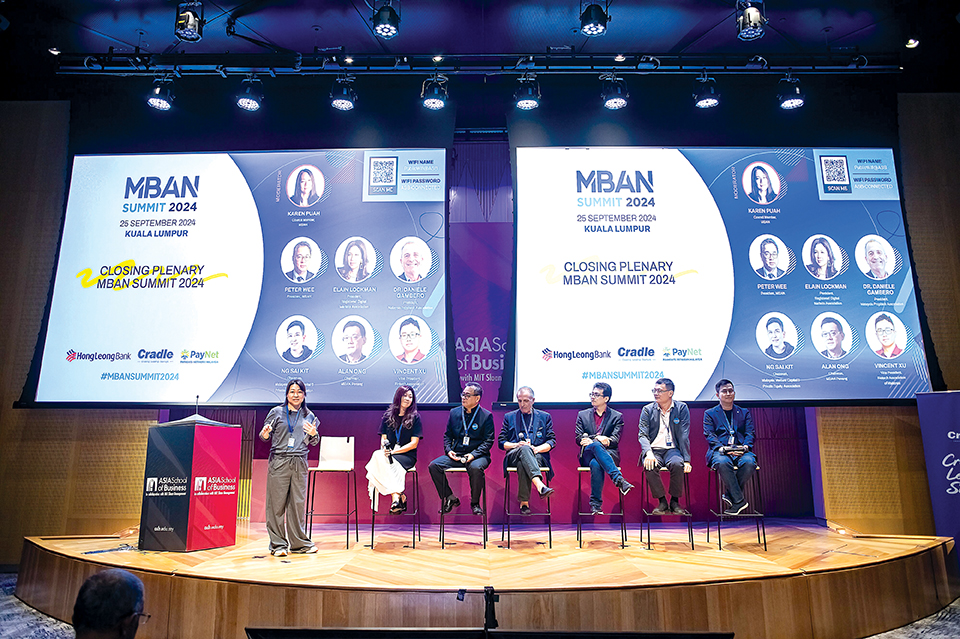
The MBAN Summit 2024 concluded with a thought-provoking closing plenary featuring Elain Lockman, Ng Sai Kit, Dr. Daniele Gambero, Peter Wee, Vincent Xu, Alan Ong, and Karen Puah. The panel explored Budget 2025 expectations, the evolving KL20 landscape, and strategic opportunities for investors in the next 12 to 24 months—offering bold insights into the future of Malaysia’s startup ecosystem.

Malaysia is undergoing a bold transformation in its financial and innovation landscape—led by the Malaysian Business Angel Network (MBAN), the official trade association for angel investors and angel clubs in Malaysia. At the heart of this shift is the MBAN Summit 2025, (scheduled for 24 September in Kuala Lumpur), a flagship event that brings together three powerful forces: family dynasties, corporate giants, and disruptive startups. These once-separate entities are now converging to build a future-driven economy.

As MBAN President Peter Wee notes, “This new economy is not just about capital—it is about courage.” With total startup funding in Malaysia reaching RM4.1 billion in 2024—double that of 2022—the shift is real and rapid. Notably, 42% of early-stage deals now involve non-traditional investors, including family offices and corporations. This is the dawn of a new investment era.

Front Row Faces of Malaysia’s Innovation Ecosystem
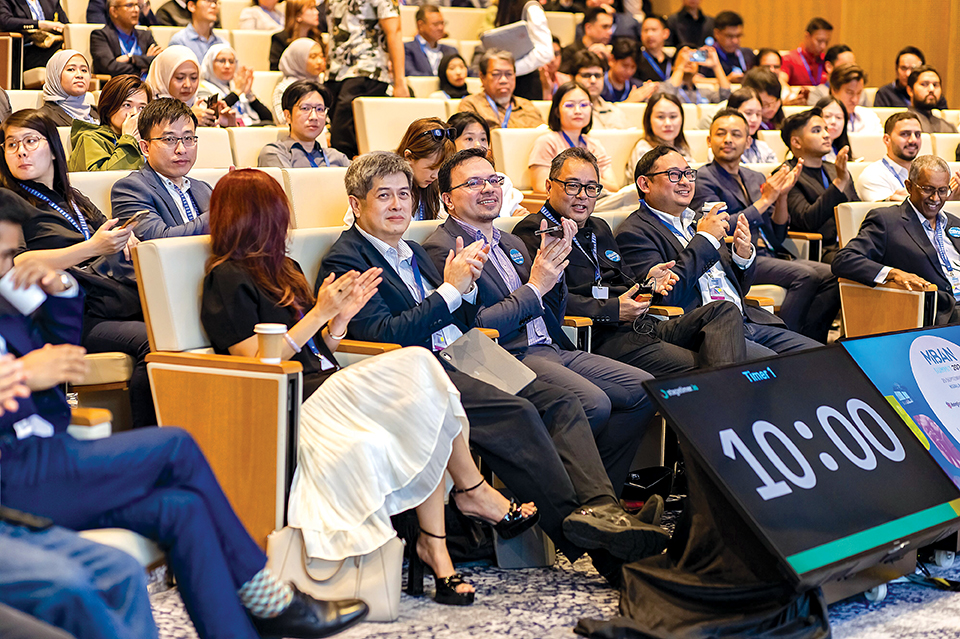
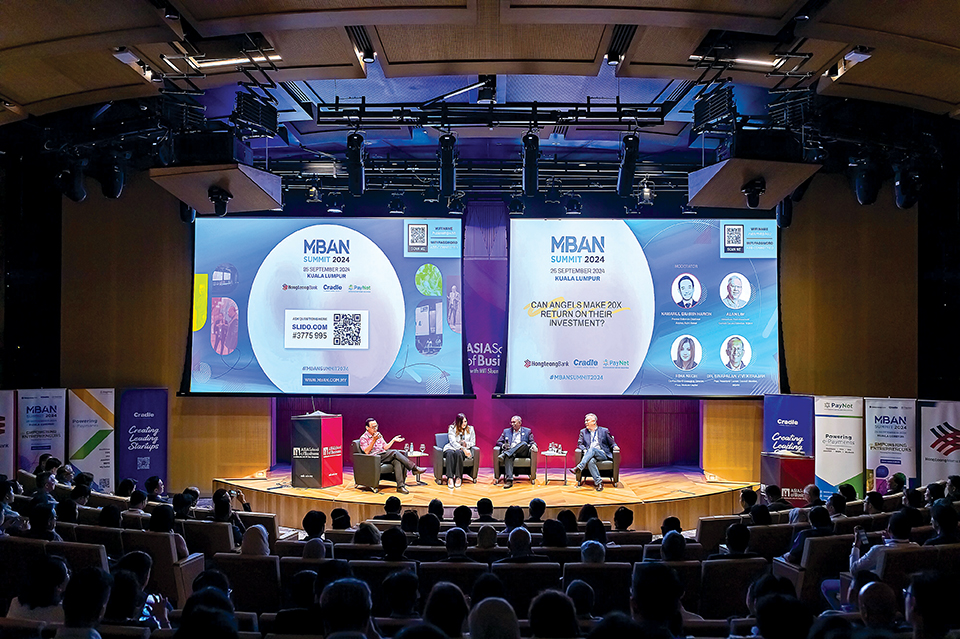
Smiles and applause from the front row at MBAN Summit 2024, featuring key figures in Malaysia’s startup and innovation space: Elain Lockman (VP, MBAN), Ts. Ng Kwang Ming (CEO, Digital Penang), Norman Matthieu Vanhaecke (CEO, Cradle), Peter Wee (President, MBAN), and Hazwan Razak (Head of Innovation & Entrepreneurship, SDEC). A moment of shared optimism for the future of angel investing and entrepreneurship.

The MBAN Summit is where this revolution takes form. It is a dynamic platform for collaboration, insight, and deal-making—supported by key partners like Cradle and PayNet. With last year’s attendance surpassing 660 delegates, the summit remains Malaysia’s most influential gathering for investors and innovators. This year promises even deeper engagement, featuring topics such as how family offices are quietly building unicorns, how legacy corporations are adopting startup mindsets, and how corporate acquisitions are outpacing internal R&D in driving innovation.

The summit is just the beginning; MBAN is building a nationwide network of visionary investors and founders. New chapters in Penang and Sarawak are strengthening regional links and fostering cross-border opportunities. As Dato’ Patrick, President of the Sarawak Business Angel Network (SBAN), explains, “MBAN is instrumental in giving us curated access to high-potential founders and investment opportunities. Strengthening these channels—both within Malaysia and across the region—is critical to accelerating cross-border investment and unlocking broader opportunities for angel networks like SBAN.”

Panel Session: Can Angels Make 20X Return on their Investment?
Moderated by Kamarul Bahrin Haron, former Editor-in-Chief of Astro Awani, this dynamic session featured Alan Lim, Dr. Sivapalan Vivekerajah, and Rina Neoh as they shared hard-earned insights on achieving outsized returns. From spotting unicorns early to navigating exit strategies, the panellists offered a candid look into what it takes to make 20x returns in angel investing.

With over RM100 million invested by the MBAN community to date, this is a network defined by action and impact. Members are backing startups, mentoring, strategising, and helping shape Malaysia’s innovation agenda.

MBAN Immediate Past President Alan Lim and an active angel investor who has invested in over 50 startups, sums it up: “Legacy is not about what you have—it is about what you build.” The MBAN Summit 2025 offers a chance to do just that. 

MBAN Summit 2024: A Gathering of Visionaries
A powerful moment captured at the MBAN Summit 2024, as VIPs, speakers, and attendees filled the auditorium for a group photo. Taken from the stage, this snapshot reflects the vibrant energy and collective spirit of Malaysia’s thriving angel investing and startup ecosystem.

For details, visit mban.com.my/mbansummit2025

The Hidden Dangers of Belly Fat — And How to Take Control

Understanding Metabolic Syndrome
Metabolic syndrome is a serious health condition that affects people from all walks of life, especially in countries where obesity and sedentary lifestyles are increasing at an alarming rate. It refers to a cluster of interconnected risk factors that, when present together, substantially increase the likelihood of developing chronic diseases such as type 2 diabetes, cardiovascular disease, stroke, and non-alcoholic fatty liver disease.

The five key risk factors that define metabolic syndrome are1:

  • Abdominal obesity (waist circumference ≥90cm in Asian men or ≥80 cm in Asian women; waist measurement not needed if BMI >30 kg/m2)
  • High triglycerides (≥1.7 mmol/L or currently taking medication for elevated triglycerides)
  • Low HDL cholesterol (<1.03 mmol/L in men, <1.29 mmol/L in women or currently on treatment)
  • Elevated blood pressure (≥130/85 mmHg or on antihypertensive treatment)
  • Elevated fasting blood glucose (includes insulin resistance, impaired fasting glucose, impaired glucose tolerance, or on treatment)

A person is diagnosed with metabolic syndrome if they meet three or more of these criteria.

Why You Should Care
Metabolic syndrome significantly increases the risk of long-term health problems. What makes it especially dangerous is its silent progression. Many individuals have no symptoms and remain unaware of the dangers until they experience a major health event, such as a heart attack or stroke. You might feel fine and look fine, but your body could be struggling internally.

Targeting the Core: Why Abdominal Fat Deserves Attention
Central obesity plays a pivotal role in metabolic syndrome. Visceral fat — the fat stored deep inside the abdomen around vital organs — is metabolically active and harmful1. It releases cytokines and pro-inflammatory hormones that disrupt insulin regulation, blood pressure, and lipid metabolism1. As a result, a normal weight does not always mean a healthy body — people with hidden visceral fat can still face serious health risks.

Abdominal fat is more than a cosmetic issue — it’s a key contributor to metabolic problems, particularly insulin resistance. Insulin resistance impairs the ability of cells to absorb glucose, leading to high blood sugar levels and forcing the pancreas to produce more insulin to compensate1. Over time, this overwork can exhaust the pancreas’ beta cells, eventually leading to type 2 diabetes.

Are You Unknowingly at Risk?
Anyone can develop metabolic syndrome. While the risk increases with age, it’s no longer just a problem for older adults. Alarmingly, more cases are now being seen in young adults and even teenagers — largely due to poor lifestyle habits2.

You’re more likely to develop metabolic syndrome if you have:
  • A family history of type 2 diabetes, high blood pressure, or heart disease
  • A sedentary lifestyle (not enough physical activity)
  • An unhealthy diet high in calories, sugar, saturated fat, or processed food
  • Excess abdominal fat (visceral obesity)

Spotting the Red Flags
Early detection is crucial. Raising awareness about regular health check-ups is essential. These check-ups should include waist circumference, blood pressure, and fasting blood tests to measure glucose and cholesterol levels.

Many people with metabolic syndrome don’t show symptoms, which makes regular screening even more important. Everyone should be encouraged to monitor key health indicators: waist size, blood pressure, blood sugar, and cholesterol. Don’t wait for symptoms — prevention starts with action.
From Risk to Recovery: A Practical Approach
Metabolic syndrome can often be reversed in its early stages through sustained lifestyle changes, especially when it hasn’t yet led to severe complications.

Here are simple, non-medication-based steps to manage and possibly reverse metabolic syndrome:

  1. Maintain a Healthy Weight
    Even a modest weight loss of 5–10% of your body weight can improve blood pressure, cholesterol, and insulin sensitivity.
  2. Adopt a Balanced Diet
    Eat more fruits, vegetables, whole grains, and lean proteins to support overall health; reduce sugary drinks, refined carbs, processed snacks, and fried foods to improve metabolic balance; and choose natural, unprocessed foods whenever possible to minimise hidden sugars and unhealthy fats.
  3. Exercise Regularly
    Aim for at least 150 minutes of exercise per week. Walking, cycling, swimming, and strength training are all helpful. Physical activity burns visceral fat and improves insulin function.
  4. Sleep Well
    Lack of quality sleep disrupts hormone balance, raises cortisol levels, and worsens insulin resistance — all of which are linked to weight gain. Individuals should aim for 7–9 hours of restful sleep each night.
  5. Manage Stress
    Chronic stress raises cortisol, which increases fat storage and disrupts blood sugar levels. Relaxation techniques like deep breathing and yoga can help restore balance.

In some cases, medication may be needed to better control blood pressure, blood sugar, or cholesterol. However, it’s important to remember that medication supports — but does not replace — lifestyle changes. A combined approach is key to reducing long-term health risks.

It’s also important to work closely with a healthcare provider to create a personalised health plan that suits your lifestyle and needs.

Final Thoughts
Metabolic syndrome may be common and serious, but it is also largely preventable — and often reversible with timely changes in your lifestyle. Raising awareness is just the start. Taking consistent action is what truly protects your health.

Make your health a priority — now and always.


1 International Diabetes Federation. The IDF consensus worldwide definition of the metabolic syndrome [internet]. Brussels: IDF; 2006 [cited 2025 Jun 27]. Available from: https://IDF.org/media/uploads/2023/05/attachments-30.pdf

2 Al-Hamad D, Raman V. Metabolic syndrome in children and adolescents. Transl Pediatr. 2017 Oct;6(4):397–407. Available from: https://www.ncbi.nlm.nih.gov/pmc/articles/PMC5682379/


Consultant Physician


MD (UNIMAS), MRCP (UK)

Dr. Fang possesses a strong passion for internal medicines and demonstrates comprehensive expertise in a broad spectrum of medical and surgical pathologies. Her keen clinical acumen has consistently contributed to accurate diagnoses and effective patient management. Beyond clinical care, Dr. Fang is deeply committed to advancing patient well-being. She actively empowers individuals to take ownership of their health through evidence-based lifestyle interventions, stress management strategies and appropriate pharmacological treatments.

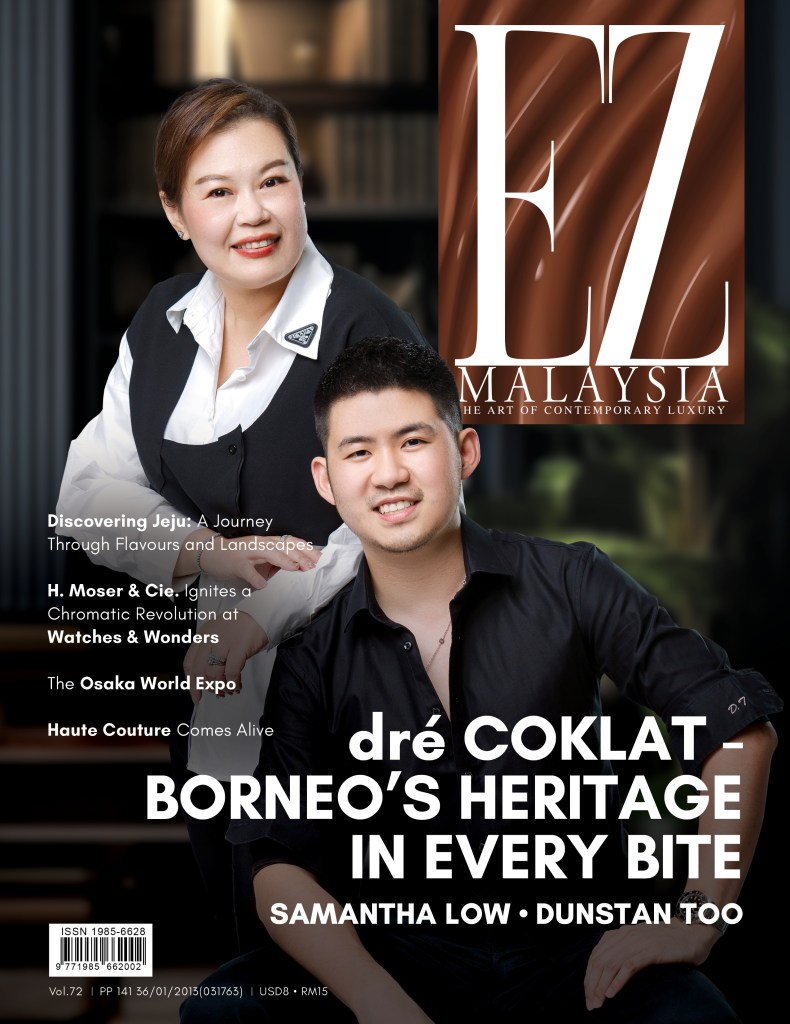
dré Coklat – Borneo’s Heritage in Every Bite

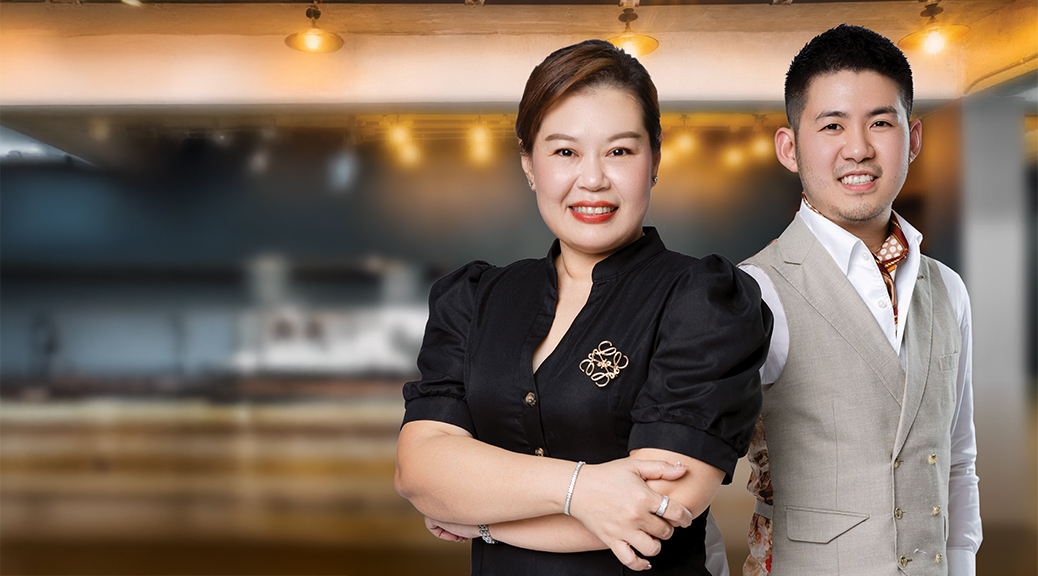
Samantha Low · Dunstan Too

Co-Founder • Founder of dré Coklat

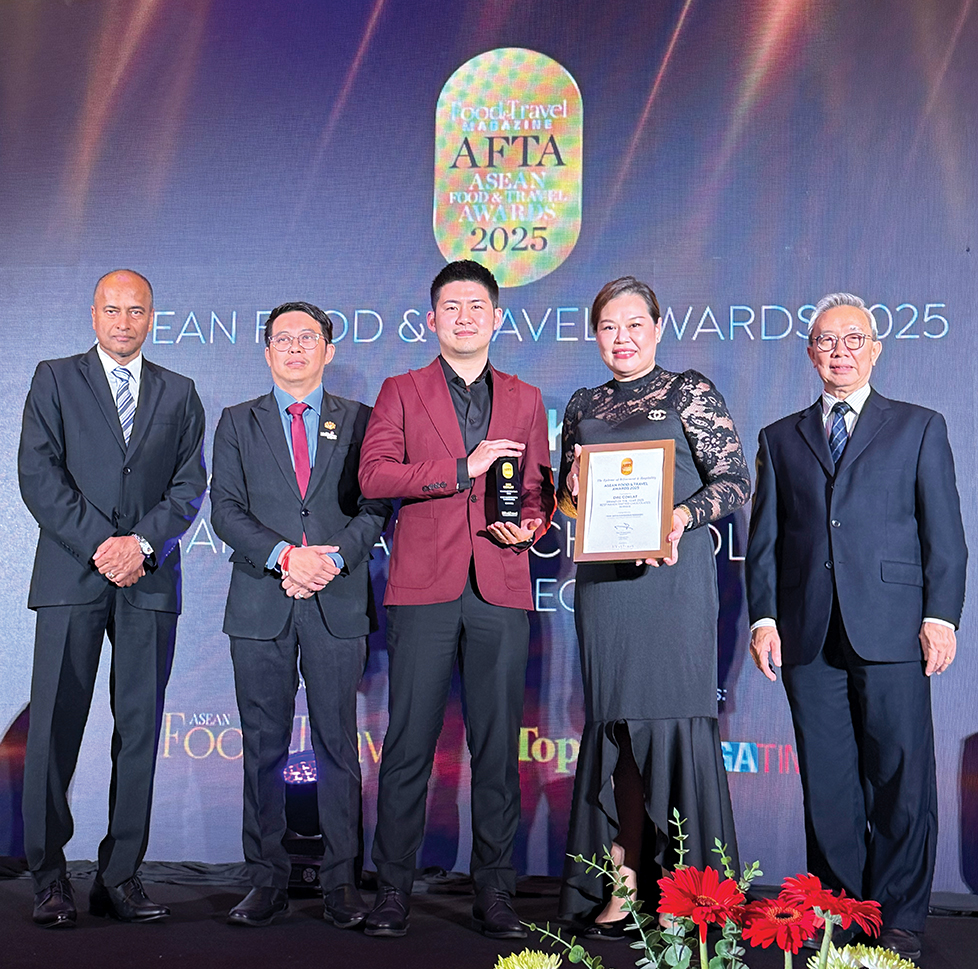
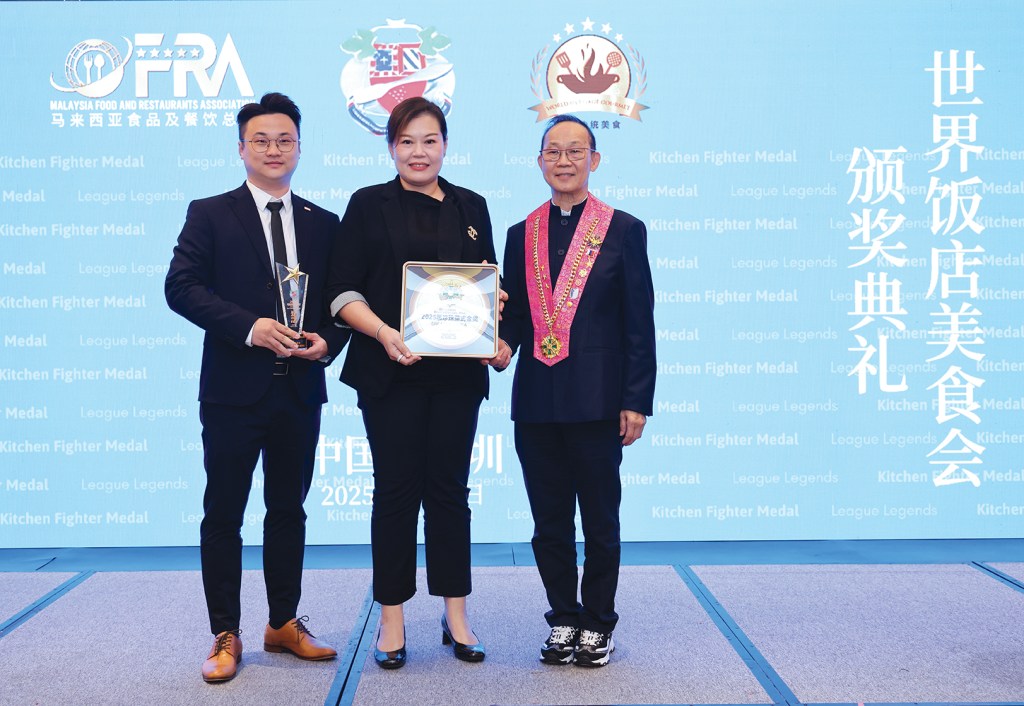
dré Coklat proudly received the AFTA 2025 award for Best Handcrafted Chocolates (Borneo). Founder Dunstan Too Zi Jie and Co-founder Samantha Low represented the team on stage.

At the heart of dré Coklat, Sarawak’s premier artisanal chocolate brand, lies a story of passion, heritage, and modernity. Co-founders Samantha Low and Dunstan Too have masterfully transplanted Borneo’s rich cocoa legacy to Penang’s shores, crafting a luxury experience of tradition and contemporary flair. Their creations, elevated by innovative techniques, are redefining Malaysia’s gourmet landscape, one decadent bite at a time.

Samantha Low, the brand’s creative force, discovered her calling through a serendipitous encounter with Borneo’s cocoa traditions. A seasoned entrepreneur with a background in international business and marketing, Samantha built her career curating beauty brands, orchestrating high-profile events, and consulting for luxury hotels. Yet, it was Dunstan Too’s insight into Sarawak’s culinary gems—particularly the caramel-like Gula Apong (nipa palm sugar)—that ignited her ambition to bridge Borneo and Penang through chocolate. “We wanted to honour heritage while making it accessible,” she explains. “Chocolate became our medium to tell Borneo’s story.”

Samantha Low (centre) and Pastry Chef Andies Teh (left) at the Le Cordon Bleu Honor Ceremony in Shenzhen, receiving three prestigious awards for their signature ‘Bamboo Cake’.

Dunstan, a University of Melbourne graduate and fourth-generation scion of Boon Seng Seafood Industries, brings operational brilliance to the partnership. His childhood in wet markets and factories instilled a grit that now fuels dré Coklat’s precision. “Growing up, I learnt that quality is non-negotiable,” he says. From optimising supply chains to strategic expansions, his meticulous approach ensures each chocolate creation embodies both artistry and excellence.

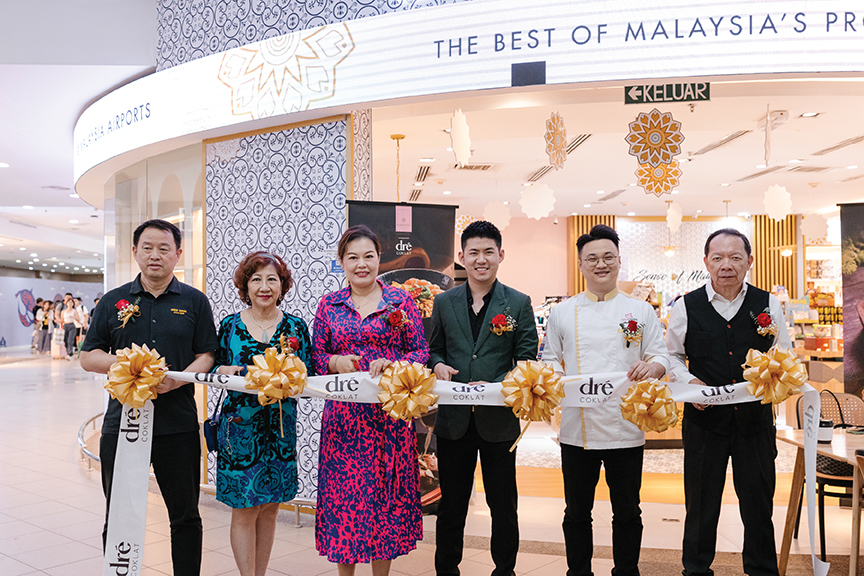
At the opening of dré Coklat’s second outlet in Penang at the Penang International Airport (L-R): Dato’ Chng Huck Theng, Datin Sri Dato’ Annie Chin, Samantha Low, Dunstan Too, Andies Teh, Mr. Ooi Teik Cheng

Launched in 2024, dré Coklat is a showcase of Sarawak’s cocoa, sourced from smallholder farms, and the distinctively caramel-like Gula Apong. Their signature Coklat Salji is a favourite among chocolate enthusiasts. Made with velvety Sarawakian cocoa powder and delicately dusted to mimic snow (salji in Bahasa Malaysia), it epitomises their philosophy: simplicity with soul, where each piece melts into a symphony of earthy notes and subtle sweetness.

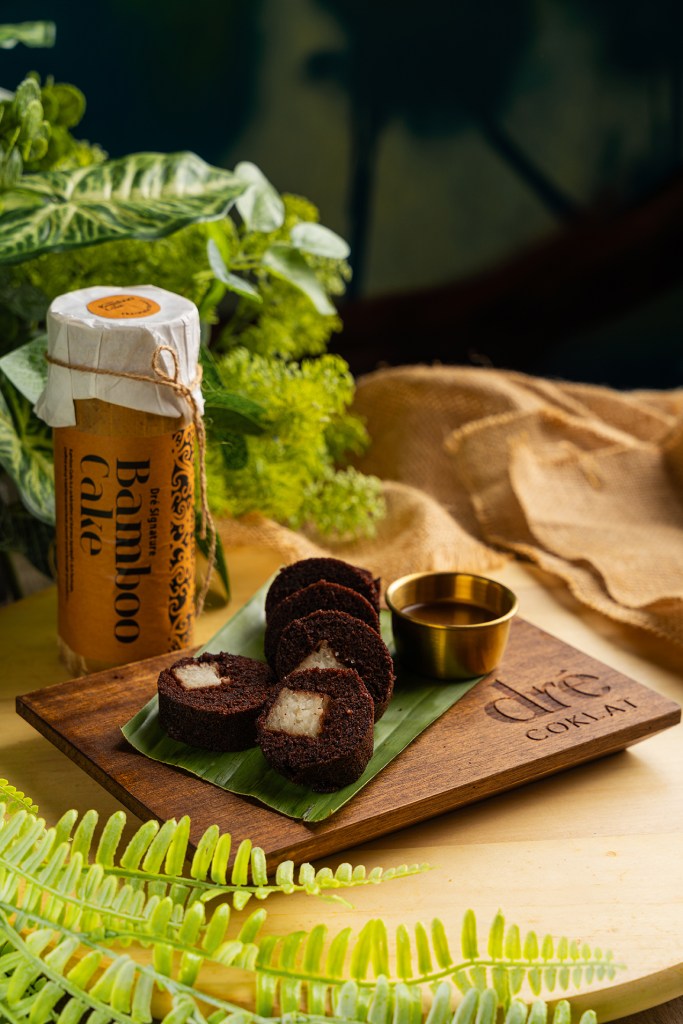
But innovation is never far behind. The brand’s award-winning Bamboo Cake recently earned three significant accolades at the prestigious Le Cordon Bleu Honor ceremony in Shenzhen, China; The Black Pearl Dishes Award, the Intangible Cultural Heritage – Famous Gourmet Award and the Intangible Cultural Heritage – Signature Star Dish Award. “It is all about reimagining tradition, preserving flavours and evolving them,” Samantha notes.

They were also awarded the Best Handcrafted Chocolates (Borneo) at the recent ASEAN Food & Travel Awards 2025 (AFTA) for their quality and for bringing authentic Bornean flavours to the forefront of the regional food scene.

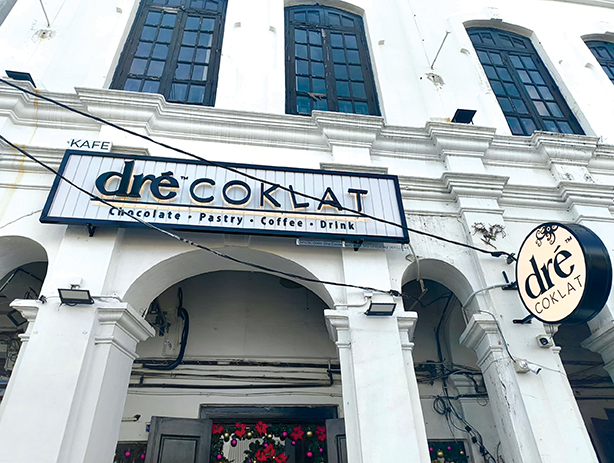
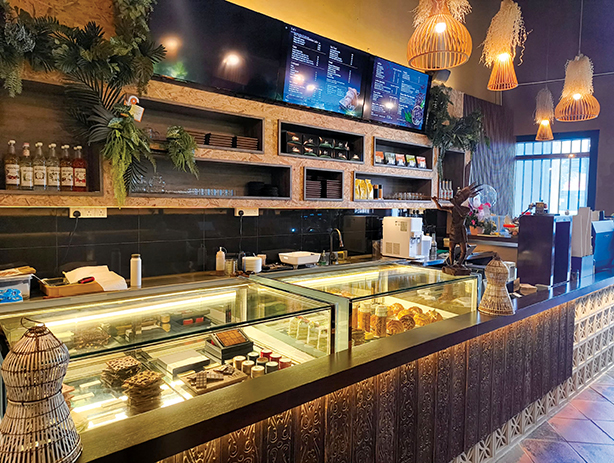
dré Coklat’s new Penang flagship on Weld Quay (Pengkalan Weld) is the perfect match of Sarawakian warmth and George Town’s heritage charm. Rustic timber accents and warm lighting evoke Sarawak’s rainforests, while a state-of-the-art kitchen ensures consistency as the brand scales. A second outlet at Penang International Airport, in collaboration with Kueh-Kita, introduces travellers to a modern Malaysian pantry, combining traditional flavours with modern twists.

With a RM1 million investment and a new Batu Maung production hub, dré Coklat is poised for national growth, including a Kuala Lumpur debut. Licensing opportunities further invite entrepreneurs to champion Borneo’s flavours. Yet, expansion never overshadows ethos: the brand holds the Malaysia Book of Records title for Most Chocolate Cubes Sold for Charity.

“Each chocolate we create is a story wrapped in flavour,” Dunstan reflects. From cocoa pod to truffle, dré Coklat’s journey is one of cultural guardianship and global ambition. For connoisseurs and casual indulgers alike, dré Coklat offers an invitation to savour heritage, craftsmanship and celebrate the universal love for chocolate. 

Achieving Success with Vision and Tenacity

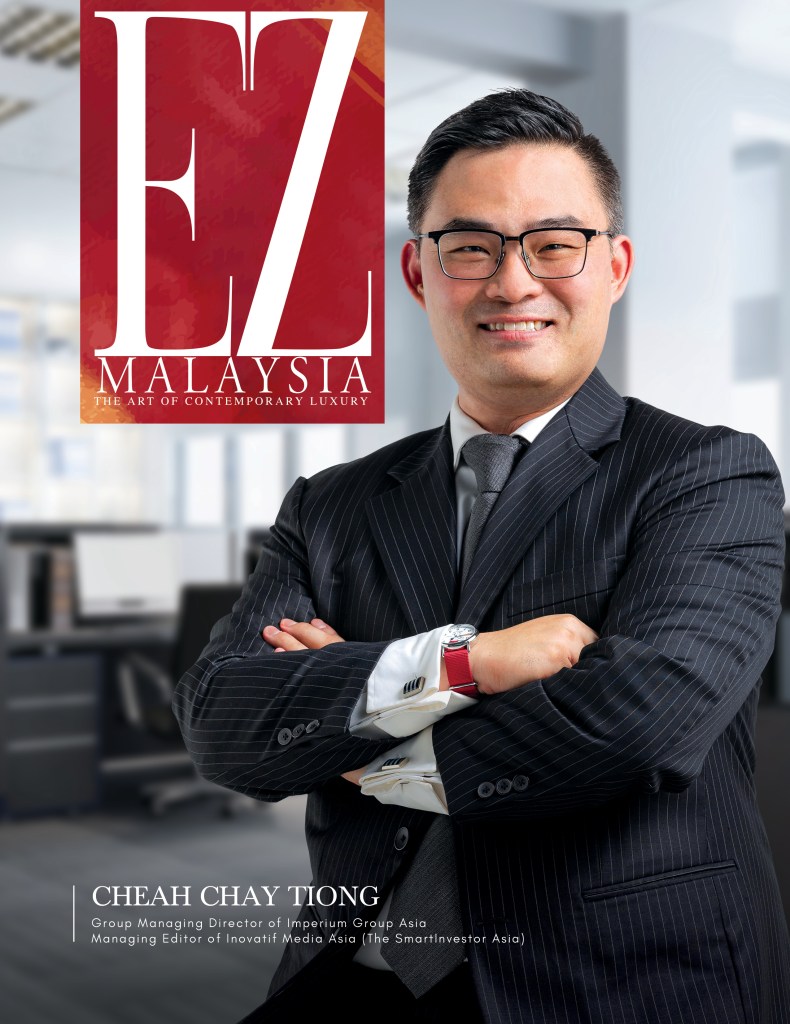
Cheah Chay Tiong

Group Managing Director of Imperium Group Asia
Managing Editor of Inovatif Media Asia (The SmartInvestor Asia)

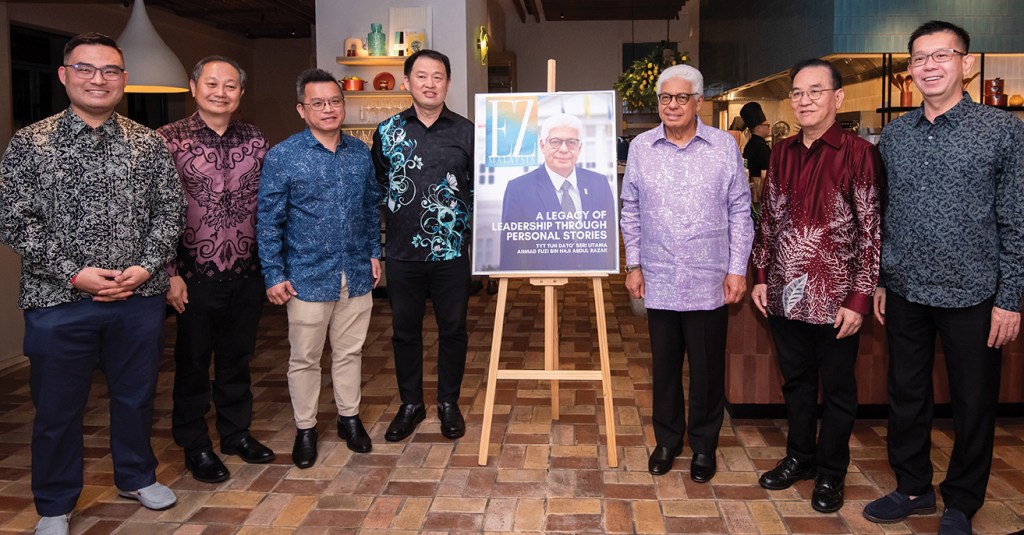
28 FEB 2025 – At the unveiling of EZ Malaysia’s special cover featuring the Governor of Penang, TYT Tun Dato’ Seri Utama Ahmad Fuzi bin Haji Abdul Razak (L-R): Cheah Chay Tiong, Dato’ Seri Lee Tiong Li, Goh Toh Sin, Dato’ Chng Huck Theng, TYT Tun Dato’ Seri Utama Ahmad Fuzi, Tan Sri Dato’ Seri Tan Khoon Hai, Lim Chin Hon

From humble beginnings, Cheah Chay Tiong’s path to success is a journey of grit, foresight, determination, resilience, and an entrepreneurial spirit that refuses to wane.

Faced with financial hardships growing up and especially so during his self-funded university years, Chay Tiong, fondly known as CT, took on various jobs to support himself, an experience that would unexpectedly open doors to the corporate world. A chance encounter while working at a bar led to an opportunity in an investment firm, marking the start of an illustrious career. Within just three months, he was entrusted with corporate communications policies and strategies for the firm’s Hong Kong office and later expanded his corporate affairs role across Asia. CT’s journey gave him the corporate exposure a youth of his age could never imagine as he acquainted himself and established both professional and personal relationships with high-net-worth individuals and corporate leaders. Under good leadership and as a people-person by nature, he understood that connections aren’t just about the established; engaging with all levels of society is equally important. This early exposure sharpened his business acumen and provided CT with a head start in laying the foundation for his future endeavours.

Armed with drive and ambition, he soon transitioned into business consulting. In 2009, in his first role as a reputation management consultant, he ‘served’ the nation under the Consultancy banner, working on national economic policies where his work contributed to the formation of a regulatory body in Malaysia. His expertise soon caught the attention of a leading UK-based PR firm’s regional office in Singapore, where he was appointed Head of Southeast Asia. In this role, he orchestrated a total of 15 corporate turnarounds across industries, from luxury resorts to influential family offices to banking institutions in the Asian region.

However, the relentless demands of corporate life took their toll. A health scare prompted CT to reassess his path, leading him to take a leap of faith—founding Imperium Brand Consultancy under the Imperium Group Asia (IGA) in 2015. The road to success was anything but smooth; the first business venture opportunity faltered, but it brought valuable lessons. Failing, to him, was the meaningfulness and fulfilment of being a business owner. He soldiered on with his sister, May-huen, and subsequently with his wife, Audrey, to court clients and close deals and ultimately build a brand they can proudly call their own. Despite the global pandemic, IGA consolidated and grew in accordance with its blueprint.

A pivotal moment came in 2023 when an unexpected lunch conversation led to the acquisition of Inovatif Media Asia, a long-standing publishing house and home to The SmartInvestor Asia (formerly known as Smart Investor) magazine. With his characteristic enthusiasm, CT returned and declared to his partners, “We’re in the NEWS business!”—signalling a new chapter for IGA. Under his leadership as its Managing Editor, the media house has undergone a strategic revamp, transforming The SmartInvestor from a niche trade magazine into Malaysia’s first and only trilingual business magazine, with a target of turning the business from red to black by the end of 2025.

Establishing a ‘House of Intellect’ is in the pipeline, offering services for contract publishing and journals, and setting up a think tank to spearhead initiatives and business events such as the SmartInvestor Seminars (T.SIS) brand. “We drive knowledge and content-driven intellect as part of our brand DNA,” CT shared. “Our recent win in obtaining approval for a site domain, thesmartinvestor.cn, is an achievement like no other in the industry,” he added.

Today, CT continues to expand IGA’s reach, overseeing businesses in consulting, media and publications, investment and capital wealth, manufacturing, hospitality, learning and development, and food and beverage. With over 24 years of experience, he has advised governments, corporations, and family enterprises across Asia. Despite his impressive track record, he remains active and committed to mentoring the next generation, coaching young successors in corporate diplomacy and reputation management.

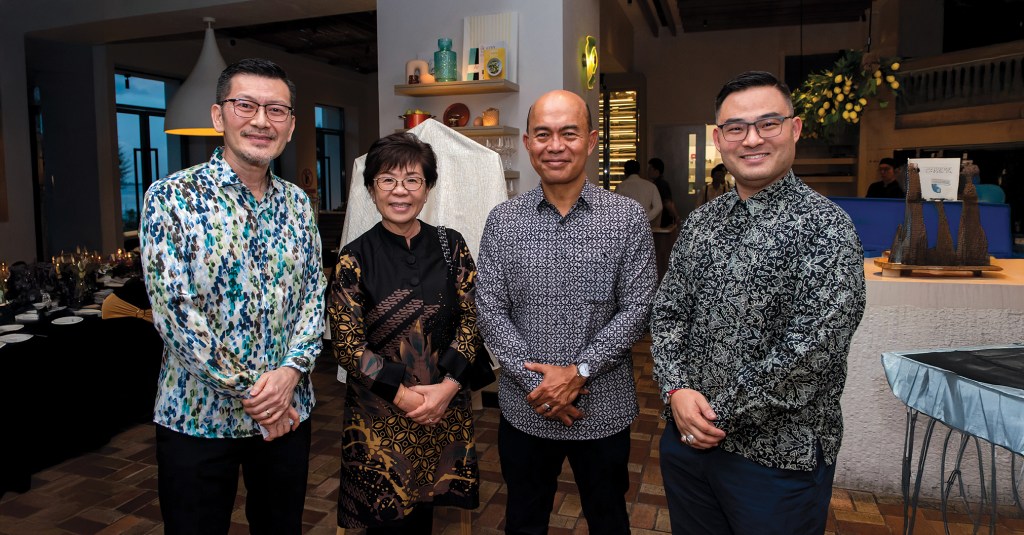
Friends.. (L-R): Dato’ Dixon Chew, Rose Kuan, Dr. Johari Jalil, Cheah Chay Tiong

The Sports Chiropractor Who Dances Between Two Worlds

Chng Tian Ying

Sports Scientist & Sports Chiropractor

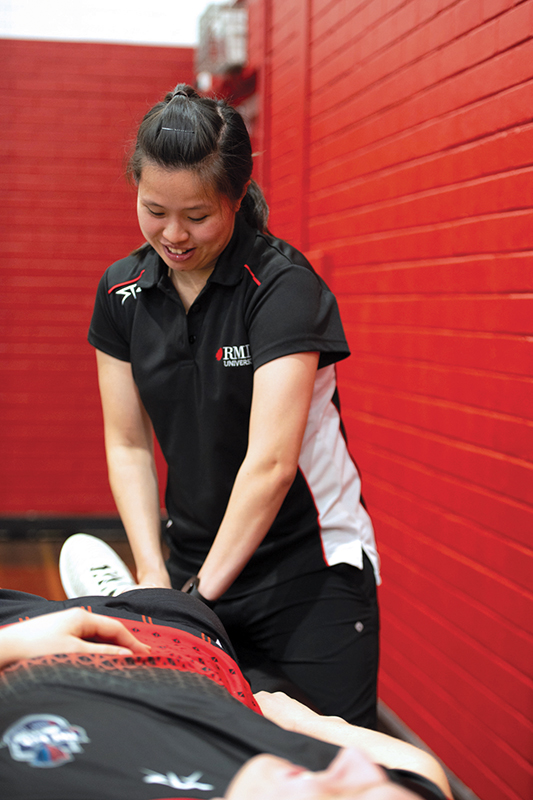
Chng Tian Ying’s journey is a blend of sports, dance, and a deep commitment to helping others move better and perform at their best. Growing up surrounded by sports and discovering a passion for dance and performing arts in her teens, Tian Ying found a way to bring these worlds together through a career in Sports Chiropractic.

Chng Tian Ying pursued her education in Australia, earning a Double Bachelor degree in Health Science and Applied Science (Chiropractic) from RMIT University, followed by a Master of Sport and Exercise Science (Strength and Conditioning) at Victoria University. She also holds the International Certificate in Sports Chiropractic (ICSC) from the International Federation of Sports Chiropractic (FICS).

After graduating, Tian Ying was honoured with the Sports Chiropractic Graduate Award and soon took on the role of Head Sports Trainer and Chiropractor for RMIT University’s Basketball Teams and elite sports teams competing at UniSport Nationals. She also served as Assistant Supervising Clinician at the RMIT Sports Academy’s student placement clinic, supporting both athletes and students in their development.

Image by Sofia Alessandra

Her experience includes working at major events like the University Basketball League (UBL), UniSport Nationals, and Derby Day (RMIT University vs University of Technology Sydney), often traveling with teams to provide sports chiropractic and first aid support. On the international stage, she has worked at the Elite 16 International Beach Pro Tour 2022 in Australia and was Head Chiropractor for the Australian UACK Wah Chin Teams at the 40th World Chinese Basketball Invitational Tournament 2024 in Malaysia to name a few. She is also set to represent her profession at The World Games 2025 in Chengdu, China, as one of 53 sports chiropractors selected worldwide in August 2025.

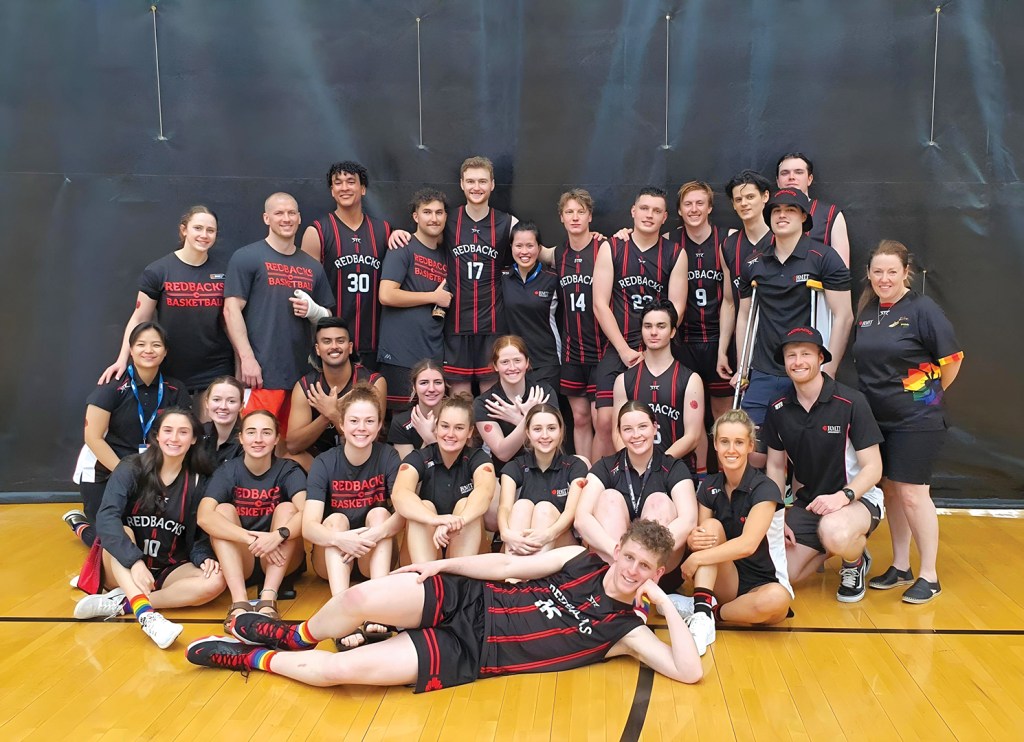
RMIT University – UniSport Nationals 2022 Men’s and Women’s Basketball Teams.

Beyond Sports Chiropractic, Tian Ying is deeply involved in the performing arts as a dancer, instructor, and choreographer. She has been part of Melbourne’s Street Dance scene and has expanded her skills internationally, attending events like the SummerJam Dance Camp 2023 in Vietnam and training with instructors across Spain, Thailand, Singapore, Australia and more. She places strong emphasis on merging technical skills with emotional execution in dance and performance, believing that true artistry comes from connecting movement with feeling. Drawing from her background in Sports Chiropractic, she is passionate about educating athletes, dancers, and performers on how to care for their bodies to sustain healthy, long-lasting careers.

After eight and a half years in Australia, Tian Ying has returned to her hometown, Penang, Malaysia. With the knowledge and experience she has gained abroad, she hopes to give back to her community and inspire the next generation.

Tian Ying’s story shows how combining different passions can lead to a unique and rewarding career; one that is built on expertise, empathy, and a genuine love for movement in all its forms. Her journey is a reminder that little dreams, when nurtured with dedication and hard work, can grow into bigger realities that open doors to new opportunities and possibilities.

Recover Smarter, Not Slower: How Active Recovery Beats Rest for Sports Injuries

Running as a hobby
Running and cycling have become popular hobbies in the modern post-COVID era, with enthusiasts of all ages taking to the streets, trails, and treadmills. These sports, accessible to almost everyone, offer numerous physical and mental benefits, such as cardiovascular health, weight management, and stress relief. However, like any physical activity, running comes with the risk of injury. Traditionally, rest has been the go-to remedy for sports-related injuries. Modern-day medicine is now promoting active recovery as an alternative to rest for sports injuries.

Since the COVID-19 pandemic, the implementation of social distancing and movement control orders has further popularised running and cycling as hobbies as well as fitness modalities. The factors contributing to the rise of running include:

  • Accessibility: Running requires minimal equipment and can be done almost anywhere, making it an appealing option for people with busy schedules.
  • Community and Social Aspects: Running clubs, events, and social media groups have fostered a sense of community, providing motivation and support.
  • Health and Wellness: With growing awareness of the importance of physical health, many individuals have turned to running as an effective way to stay fit and manage stress.

Common running injuries
Despite its simplicity and health benefits, running can lead to various injuries. Amateur runners often get injured when they neglect the following fundamentals of running:

  • Neglecting Proper Warm-Up and Cool-Down: Skipping warm-up exercises can lead to muscle strains and injuries. Similarly, not cooling down can cause muscle stiffness and delayed recovery.
  • Inadequate Footwear: Wearing shoes that do not provide adequate support or do not fit properly can lead to a range of injuries, ranging from blisters to stress fractures.
  • Ignoring Proper Technique: Poor running form, such as overstriding or improper foot strikes, can cause undue stress on joints and muscles, leading to chronic injuries.
  • Underestimating the Importance of Rest: Without adequate rest and recovery, the body does not get a chance to repair itself, increasing the risk of overuse injuries such as tendinitis and shin splints.
  • Overtraining: Ignoring pain and training through fatigue can lead to serious injuries.
  • Inadequate Strength and Flexibility Training: A lack of strength training, especially for core and leg muscles, can lead to imbalances and injuries. Flexibility exercises are crucial for maintaining a full range of motion and preventing strains.

Traditional approach: Rest
When injuries occur, the conventional advice often involves rest to prevent further damage and allow the body to heal. Rest can reduce inflammation and pain. However, extended periods of inactivity may lead to muscle atrophy, stiffness, and reduced blood circulation, which can ultimately prolong recovery.

Benefits of active recovery
Active recovery, on the other hand, involves gentle movements and exercises that promote healing without placing undue stress on the injured area. Here are the benefits of this approach:

  • Maintains Strength and Flexibility: Engaging in controlled, low-impact activities helps maintain muscle strength and flexibility, preventing atrophy and stiffness.
  • Improves Circulation: Movement increases blood flow to the affected area, delivering essential nutrients and oxygen for tissue repair.
  • Promotes Healing: Gradual, controlled stress on the injured area stimulates the body’s healing processes, encouraging the production of collagen and other vital tissues.
  • Prevents Further Injury: Keeping the body active and balanced helps avoid compensatory injuries that can arise from favouring one side of the body.
  • Mental Health Benefits: Staying active can improve mood and reduce feelings of frustration.

Implementing active recovery safely
To ensure safe and effective active recovery, consider the following guidelines:

  • Consult a Professional: Seek advice from your healthcare professional to rule out serious injuries and to develop a personalised recovery plan.
  • Start Slowly: Begin with gentle exercises that do not cause pain, gradually increasing the intensity as healing progresses.
  • Listen to Your Body: Pay attention to your body’s responses and discuss them with your healthcare professional.
  • Integrate Other Treatments: Combine active recovery with other treatments such as physical therapy, massage, and appropriate medications for optimal results.
Images by LohGuanLye Specialists Centre

While rest has been the traditional approach to recovery, active recovery is gaining recognition for its ability to promote healing while maintaining strength and flexibility. By incorporating controlled, gentle activities and consulting with professionals, runners can effectively manage their injuries and return to their beloved sport more swiftly and safely. Embracing active recovery not only supports physical rehabilitation but also fosters mental resilience, ensuring a holistic approach to managing running injuries. Movement is intrinsic to life, embodying vitality, growth, and progress. After an injury, the instinct might be to halt all activity, yet this can lead to further physical decline and emotional distress. Instead, adapting to active recovery can sustain muscle strength, maintains flexibility, and boosts circulation, accelerating the healing process. Furthermore, continuing to participate in sports, albeit at a modified pace, helps preserve the athlete’s sense of identity and purpose, fostering a positive mindset. Embracing movement, even post-injury, ensures that life’s dynamism is never lost, turning setbacks into comebacks and challenges into opportunities for growth.


Consultant Orthopaedic & Trauma Surgeon


MBBS (UM), MS Ortho. (UM), CMIA (NIOSH), Fellowship in Adult Reconstruction and Sports Medicine (S. Korea) 

Dr. Edwin Ong Kean Siong is a sports enthusiast and a keen proponent of active living. As an avid badminton player himself, he is passionate in treating sports injuries. He emphasises early treatment for all his patients to achieve the best clinical outcomes. With extensive experience in various treatment modalities, ranging from non-operative methods to minimally invasive arthroscopic surgeries, he believes that individualised treatment and utmost care can help any injured sports player, regardless of age or level of play, return to an active lifestyle.

Busting Oral Health Myths: What You Need to Know

by Dr. Evylne Chin Oi Lian
General Dental Practitioner

Myth #1 Sugar Is the Sole Culprit of Cavities
While sugar plays a significant role in cavity formation, it is not the sole culprit. Cavities develop due to a combination of factors, including oral bacteria, time, susceptible tooth surfaces, and fermentable carbohydrates.

Figure 1: Aetiology of Dental Caries

When we consume foods or drinks containing sugar, the bacteria in our mouths—especially Streptococcus mutans—use that sugar as an energy source, producing acid as a byproduct. This acid weakens and demineralises enamel over time, leading to cavities. However, cavities can also be influenced by other factors, such as:

A. Bacterial Presence and Plaque Build-Up:
Plaque, a sticky biofilm of bacteria, adheres to teeth and feeds on more than just sugar. Simple carbohydrates found in bread, pasta, and fruit can also be broken down into sugars, which bacteria consume and convert into acids. A study published in the Journal of Dental Research found that starchy foods increase cavity risk, especially when oral hygiene is poor.

B. Oral pH Levels and Acidic Foods:
Acidic foods and drinks, such as citrus fruits, soda, and vinegar, lower the pH in your mouth, softening enamel and making teeth more vulnerable to decay. Saliva helps neutralise acid, but consistently high acid levels accelerate enamel erosion regardless of sugar intake. A study in the Journal of Clinical Periodontology highlights the importance of pH levels in maintaining healthy enamel, showing how acidic diets amplify the impact of sugar on tooth decay.

C. Oral Hygiene Habits:
Neglecting regular brushing and flossing allows plaque to build up, creating an environment where acids can attack the enamel. Proper oral hygiene is crucial to minimising cavity risk—avoiding sugar alone isn’t enough.

D. Genetic Factors and Enamel Quality:
Some people are more prone to cavities due to inherited factors, such as weaker enamel or differences in saliva composition, which affect how well it neutralises acids.

While limiting sugar intake is important, a holistic approach to oral care—including a balanced diet, regular brushing and flossing, and routine dental checkups—provides the best defence against cavities.

Myth #2 You Should Brush Your Teeth Right After Eating
Brushing your teeth immediately after eating is not always recommended, especially after consuming acidic foods and drinks like coffee, citrus fruits, or soda.

Research from the American Dental Association highlights that brushing your teeth right after consuming acidic items can harm enamel due to acid exposure. Acidic substances temporarily soften enamel, making it more susceptible to wear when brushed. Over time, enamel thinning exposes the yellowish dentin layer underneath, leading to the appearance of yellow teeth and heightened sensitivity.

Waiting at least 30 minutes to an hour after consuming acidic foods or drinks allows saliva to neutralise acids and remineralise enamel, reducing the risk of abrasion caused by brushing. Rinsing your mouth with water or drinking milk after acidic intake can also help. Using a soft-bristled toothbrush with fluoride toothpaste provides additional protection. Chewing sugar-free gum stimulates saliva production, aiding in pH restoration. These approaches minimise enamel erosion and help maintain the natural whiteness of your teeth.

Myth #3: Probiotics for Oral Health – Are They Really Helpful?
Probiotics are live bacteria that are good for your health, especially your gut. Recently, they’ve also been considered for oral health, as they might help with things like tooth decay, gum disease, and bad breath.

For probiotics to work in your mouth, they need to stick to your teeth and gums. Some types of probiotics, like those found in yogurt, have shown promise in helping with oral health. However, the effects are usually temporary, meaning they won’t stay in your mouth long unless you keep using them regularly. Certain probiotics can help fight harmful bacteria that cause dental problems, but you’ll need to keep taking them to maintain any benefits.

While probiotics may help support oral health in the short term, they shouldn’t replace regular brushing, flossing, and dental checkups. They can be a helpful addition, but a healthy mouth still depends on good daily care and routine dental visits.

Potential Benefits of Probiotics in Oral Health:

  • Dental Caries: Certain probiotics inhibit cariogenic bacteria like Streptococcus mutans, reducing cavity formation.
  • Periodontal Disease: Probiotics may help reduce inflammation and pathogenic bacteria, promoting a healthier balance in the oral microbiota.
  • Halitosis: Some strains reduce volatile sulphur compounds responsible for bad breath.

Current Challenges and Evidence:
While laboratory and preliminary clinical studies highlight potential benefits, challenges remain:

  • Limited high-quality, long-term clinical trials.
  • Variability in probiotic strains and their effectiveness.
  • Difficulty ensuring probiotics survive and colonise the oral environment.

Conclusion:
Probiotics hold promise for oral health, particularly as an adjunct to traditional therapies. However, robust research is needed to establish clear guidelines. For now, probiotics should be viewed as complementary to, rather than a replacement for, established oral care practices like brushing, flossing, and professional dental care.

Summary Box:

  • Probiotics are living microorganisms that are safe for human consumption and have health benefits.
  • Probiotic therapy is being explored for oral health applications, particularly against antibiotic-resistant bacteria.
  • Probiotics in dairy products neutralise acidic conditions in the mouth and interfere with cariogenic bacteria.
  • Patients with periodontal disease who used probiotic-containing chewing gum or lozenges saw improvements in periodontal status.
  • Probiotics in gargling solutions or gum inhibit the production of volatile sulphur compounds that contribute to bad breath. 

Myth #4: Whitening toothpaste works just like professional whitening

Understanding Whitening Toothpaste vs. Professional Whitening

Many people believe that whitening toothpaste works just as well as professional whitening treatments, but is that really true? Let’s break it down:

A. Mechanism of Action:
Whitening toothpaste typically contains mild abrasives and certain chemical agents (such as) hydrogen peroxide or carbamide peroxide that help remove surface stains caused by food, beverages, or smoking. However, these products primarily act on the enamel surface rather than penetrating deeper into the tooth structure to address intrinsic stains.

B. Effectiveness:
Research published in the Journal of the American Dental Association found that whitening toothpaste can result in a slight increase in tooth brightness but often falls short of achieving the more significant, long-lasting results provided by professional whitening treatments. In contrast, professional whitening products often contain higher concentrations of bleaching agents that penetrate the enamel and dentin, yielding more dramatic results.

C. Duration of Results:
Studies indicate that the effects of professional whitening treatments tend to last significantly longer than those achieved with whitening toothpaste. For example, a clinical trial in the Journal of Dentistry demonstrated that professionally applied whitening treatments maintained brightness for several months, whereas over-the-counter whitening toothpaste had minimal effects.

D. Potential for Sensitivity:
Some patients experience tooth sensitivity when using professional whitening products, especially those with a high concentration of bleaching agents. Whitening toothpaste typically has a lower risk of causing sensitivity, but results may be less noticeable. A study in Operative Dentistry emphasised the need for patients to consider sensitivity when choosing whitening treatments.

A systematic review in the British Dental Journal compared the efficacy of whitening toothpaste with professional treatments. The review concluded that while whitening toothpaste can remove some surface stains and provide minor whitening effects, it is not a substitute for professional whitening, which offers more substantial and longer-lasting results. Patients should be aware that while whitening toothpaste may improve the appearance of their teeth by removing surface stains, it cannot achieve the same level of whitening as professional treatments. For significant whitening results, individuals should consider consulting a dentist for personalised professional whitening options. 

All images by LohGuanLye Specialists Centre