All posts by EZ Malaysia

Understanding GERD: Unmasking the Silent Reflux Epidemic

Gastroesophageal Reflux Overview
Gastroesophageal reflux, also called acid reflux, occurs when stomach contents back up into the esophagus (food pipe) and/or mouth. Occasional reflux is normal and can happen in healthy people, most often after eating a large meal. Most episodes are brief and do not cause bothersome symptoms or complications. In contrast, people with gastroesophageal reflux disease (GERD) experience bothersome symptoms or damage to the esophagus as a result of acid reflux.

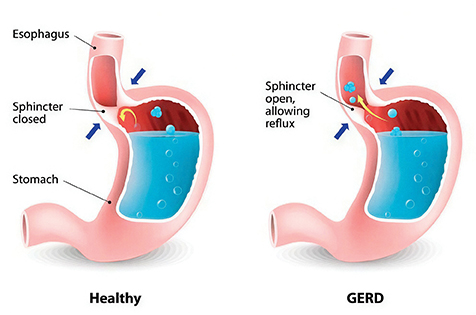
Figure 1: Function of the lower esophageal sphincter in preventing stomach contents from backing up into the esophagus. (Image by Health Tips/Teleme.)

GERD Risk Factors
Certain factors increase a person’s risk of developing GERD, including:
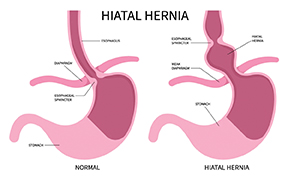
Hiatal Hernia — This occurs when part of the upper stomach pushes through the diaphragm into the chest. The diaphragm has an opening for the esophagus to pass through, which enlarges in people with a hiatal hernia, allowing the stomach to move upward. This shift increases acid reflux because the lower esophageal sphincter (the valve at the base of the esophagus) becomes less tight.

Figure 2: Difference between a normal stomach, diaphragm, and esophagus vs. a hiatal hernia at the top of the diaphragm. (Image by Aurora Health Care.)

Obesity — People who are obese or overweight have an increased risk of GERD and hiatal hernia. While the reasons for this are not completely understood, it is partly related to increased pressure in the abdomen.
Lifestyle factors and medications — Certain foods (including fatty foods, chocolate, and peppermint), caffeine, alcohol, and cigarette smoking can all worsen acid reflux and GERD. Some medications may also increase the risk.

GERD Symptoms
The most common symptoms of GERD are:
Heartburn — A burning sensation in the centre of the chest, which sometimes spreads to the throat. It most often happens after a large meal.
Regurgitation — When stomach contents (acid mixed with bits of undigested food) flow back into your mouth or throat.

Other possible symptoms include:
• Stomach pain (upper abdominal pain)
• Chest pain
• Laryngitis or hoarseness (due to acid irritating the vocal cords)
• Sore throat or cough
• A sensation of a lump in the throat (called globus sensation)
• Nausea and/or vomiting

When to Seek Help
The following signs and symptoms may indicate a more serious problem (also known as alarm symptoms). Tell your healthcare provider right away if you:
• Have difficulty or pain when swallowing (e.g., feeling like food gets stuck in your throat)
• Have no appetite or lose weight without trying
• Experience severe chest pain
• Feel like you are choking
• Notice signs of gastrointestinal bleeding, such as blood in vomit, dark-coloured vomit that looks like coffee grounds, or black tarry stools
• Have persistent vomiting
• Experience any of the above symptoms and are over 60 years old

GERD Diagnosis
If you have the classic symptoms of GERD (heartburn and/or regurgitation), your healthcare provider may diagnose you based on symptoms alone. In such cases, they will likely recommend a trial of medication; if your symptoms improve, it is likely that GERD is the cause.

Additional testing may be needed if you:
• Do not improve after taking a proton pump inhibitor (PPI)
• Do not have the classic symptoms of GERD (heartburn or regurgitation)
• Have alarming symptoms
• Have symptoms that suggest another problem
• Have risk factors for complications such as Barrett’s esophagus or esophageal cancer

It is important to rule out life-threatening problems that can mimic GERD, such as heart disease, which can also cause chest pain and should be evaluated immediately.

If serious conditions are excluded and GERD remains uncertain, your provider may recommend one or more of the following tests:

Upper Endoscopy
An upper endoscopy allows the doctor to directly examine the upper gastrointestinal (GI) tract. A small, flexible tube is passed through the mouth into the esophagus, stomach, and small intestine. The tube has a light and camera that display magnified images on a monitor.

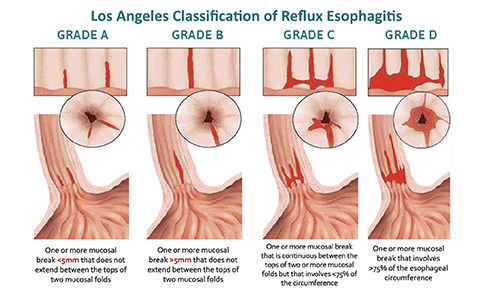
With severe reflux, ulceration or inflammation of the esophageal lining (esophagitis) may be seen. Tissue samples (biopsies) can be taken to evaluate the extent of damage.

Figure 3: Los Angeles classification of reflux esophagitis. (Image by GrepMed.)

Esophageal Manometry
Esophageal manometry measures muscle pressure and movement in the esophagus using a thin tube inserted through the nose. This test checks if the esophagus and lower esophageal sphincter are functioning normally. It may be performed when endoscopy results are normal but symptoms such as chest pain or swallowing difficulty persist.

Esophageal pH Study
An esophageal pH study directly measures acid levels in the esophagus. A thin tube with a sensor is inserted through the nose and left in place for 24 hours. The recorded data helps doctors assess reflux severity and symptom correlation. This test confirms GERD when symptoms exist without visible signs on endoscopy and can also monitor treatment effectiveness.

GERD Complications
Most people with GERD will not develop serious complications, especially with proper treatment. However, severe or long-standing GERD can lead to:
Erosive esophagitis — Damage to the esophageal lining caused by prolonged acid exposure, which can lead to ulcers or bleeding.
Esophageal stricture — Scarring and narrowing of the esophagus, causing food or pills to get stuck.
Barrett’s Esophagus — A condition where the normal squamous cells lining the lower esophagus are replaced by intestinal-type cells due to chronic acid exposure. Barrett’s esophagus slightly increases the risk of esophageal cancer, so regular endoscopic monitoring is recommended.
Lung and throat problems — Acid reflux into the throat can cause hoarseness, sore throat, or even pneumonia and asthma-like symptoms. Chronic acid exposure may cause lasting lung damage.
Dental problems — Repeated acid reflux can erode tooth enamel over time.

GERD Treatment
Managing GERD involves both lifestyle changes and medications.
Lifestyle Modifications
Maintain a healthy weight – Losing excess weight can help reduce reflux.
Elevate your head during sleep – Raise the head of your bed to prevent acid from flowing upward.
Sleep on your left side – This position helps keep stomach acid away from the esophagus.
Eat wisely – Avoid trigger foods such as spicy foods, caffeine, alcohol, peppermint, and fatty meals.
Quit smoking – Smoking lowers esophageal sphincter pressure and worsens reflux.
Avoid late meals – Eat smaller, earlier meals and avoid eating close to bedtime.

Medications
Alginate-containing antacids – These neutralise stomach acid and provide short-term relief in mild GERD. They also form a protective layer that prevents acid from reaching the esophagus.
Proton Pump Inhibitors (PPIs) – These reduce acid production and promote healing of esophageal inflammation. Examples include dexlansoprazole, lansoprazole, omeprazole, rabeprazole, and pantoprazole. PPIs are typically prescribed for 4–8 weeks and may be continued long-term for complications such as strictures or Barrett’s esophagus.
Potassium-Competitive Acid Blockers (PCABs) – These newer drugs provide rapid and long-lasting acid suppression and are used in patients who do not respond to PPIs or have severe inflammation or ulcers. Examples include vonoprazan and the recently launched tegoprazan.

Surgical Treatment
• Lifestyle modifications and medications are very effective in controlling symptoms in most cases. Therefore, surgery is considered only for severe or treatment-resistant (refractory) GERD.
• In general, antireflux surgery involves repairing any hiatal hernia (if present) and strengthening the lower esophageal sphincter.
• The most common surgical procedure is called laparoscopic Nissen fundoplication, which involves wrapping the upper part of the stomach around the lower end of the esophagus to reinforce the valve mechanism.
• However, preoperative manometry and pH studies are essential to confirm the presence and severity of acid reflux and to ensure normal esophageal motility. This helps minimise post-surgical complications such as difficulty swallowing.

Conclusion
GERD is a common condition caused by stomach acid flowing back into the esophagus, leading to symptoms like heartburn and regurgitation. It can usually be managed with lifestyle changes and medications such as alginate-containing antacids, PPIs, or PCABs.

If symptoms are frequent or severe, consult your doctor for proper diagnosis and treatment. Early management not only improves comfort but also prevents complications, helping you live a healthier, more comfortable life.


Consultant Gastroenterologist, Hepatologist & Physician


MD (FMSMU), MRCP (UK), ESEGH, Fellowship in Gastroenterology & Hepatology (Mal.)

Dr. Ng has extensive clinical experience in the management of gastrointestinal and hepatological diseases, such as gastroesophageal reflux disease, peptic ulcer disease, functional gastrointestinal disorders, inflammatory bowel disease, hepatitis and liver cirrhosis. He performs both diagnostic and therapeutic gastrointestinal endoscopic procedures, including gastroscopy, colonoscopy and endoscopic ultrasound.

STRONG, WISE, UNSTOPPABLE: THE BEAUTY OF PERIMENOPAUSE

by Dr. Kiranjit Kaur Jugindar Singh
Consultant Obstetrician & Gynaecologist

When we speak about women’s health, most of the focus gravitates towards youth – puberty, fertility, pregnancy, and motherhood. We often celebrate milestones like weddings, births, and birthdays. But what often gets overlooked is the profound beauty, strength, and wisdom that emerge in the next chapter of a woman’s life: perimenopause.

A Season of Change and Growth
Perimenopause is the transition phase leading up to menopause, during which the ovaries gradually produce less estrogen. It can last several years, often starting in the 40s, and ends when you reach menopause.

Common symptoms include:
• Irregular or heavier menstrual periods
• Hot flushes or night sweats
• Mood changes
• Sleep disturbances
• Weight fluctuations
• Decreased libido
• Vaginal dryness

It can be challenging, but it’s also an opportunity. Your body isn’t betraying you; it’s guiding you towards balance and wisdom.

The Shift of Power
Perimenopause is a biological graduation. By this stage, most women have gained experience, emotional intelligence, and resilience. You have learned to navigate life’s complexities. Now, your body is shifting too—inviting you to slow down, reflect, and realign with what truly matters.

Rather than resisting the changes, embrace them and allow yourself to channel your energy into self-care, renewal, and strength.

Nourish and Thrive
Women are known for resilience, grace, and quiet strength. Now it’s time to turn that strength inwards. A few steps to help with perimenopause:
• EAT WELL. Have balanced, healthy, and nutritious meals. Load up on powerful allies – tofu, tempeh, soy, leafy greens, fish, and plenty of water to help support hormonal balance.
• MOVE WITH JOY. Try morning walks, yoga, Pilates, or even dancing.
• REST AND REFLECT. Sleep is your body’s best healer.
• SEEK SUPPORT. Don’t hesitate to talk to your doctor. Whether it’s lifestyle changes, supplements, or hormonal therapy, there are safe ways to feel your best. Alternatively, you can also seek help from support groups, such as the Malaysian Menopause Society.

Treatment Options That Help You Thrive
Perimenopause is not something you need to endure in silence. There are effective ways to manage symptoms and improve your quality of life.
• HORMONAL THERAPY: Small, tailored doses of estrogen and progesterone can ease hot flushes, mood changes, and sleep issues when used appropriately under medical supervision.
• NON-HORMONAL OPTIONS: Red clover taken with probiotics, soy-containing dietary supplements, and Evening Primrose Oil.
• VAGINAL ESTROGENS & HYALURONIC ACID VAGINAL GELS: These products help relieve dryness and discomfort, and improve intimacy.
• SUPPLEMENTS: Calcium, Vitamin D, Vitamin B, and Vitamin E.
• ALTERNATIVE THERAPY: Cognitive Behavioral Therapy (CBT), hypnotherapy, relaxation techniques, sleep hygiene, and cultivating a positive attitude are recommended to ease perimenopausal symptoms.

Rewriting the Story
For generations, menopause has been painted as an ending. But women today are rewriting the narrative. Perimenopause is NOT the loss of youth, but the gain of freedom — from monthly cycles, from expectations, and from self-doubt.

This is a time to rediscover yourself, start new ventures, travel, or explore passions. The wisdom earned through decades of living now fuels confidence and authenticity. Confidence becomes your signature. Wisdom becomes your beauty.

Strong. Wise. Unstoppable.
Perimenopause is a reminder that womanhood isn’t defined by youth. It isn’t about flawless skin – it’s the calm confidence that comes from knowing who you are. The beauty of it isn’t in fighting change, but in flowing with it. When you embrace this stage with grace and curiosity, you radiate a strength no cosmetic can match.

So, to every woman stepping into this chapter — stand tall, love your body, and embrace your journey. You are strong, wise, and unstoppable. And the world needs your fire now more than ever.

Minimally Invasive Surgery in Treating Cancers: Precision, Progress, and the Power of Technology

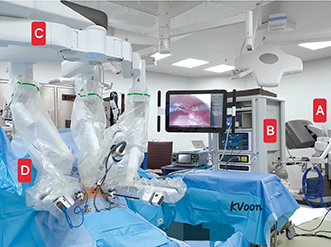
Fig 1. The robotic surgical system consists of four main components working in synchrony. (A) Surgeon Console is the master unit where the surgeon controls the robotic arms and instruments with high-definition 3D vision and precision. (B) Vision Cart supports the imaging, energy, and processing systems. (C) Patient Cart, positioned beside the patient, holds the robotic arms that replicate the surgeon’s movements with tremor filtration and motion scaling. (D) Camera Scope and Robotic Instruments, inserted through keyhole incisions, under the direct control of the surgeon, provide magnified 3D visualisation and wrist-like articulation, enabling complex operations with enhanced accuracy, minimal trauma, and improved surgical ergonomics.

Over the past three decades, cancer surgery has undergone a remarkable transformation. What once required large incisions and long recovery times can now be accomplished through small ports and robotic arms with unparalleled precision. Minimally invasive surgery (MIS), encompassing laparoscopic and robotic techniques, has redefined how surgeons treat cancers of the esophagus, stomach, liver, pancreas, colon, prostate and other organs.

Fig 2. Comparison between the large midline wound of traditional open surgery (B) with the small keyhole incisions of minimally invasive (keyhole surgery). (A) Minimally invasive surgery, using small port sites, achieves the same surgical objectives with far less trauma. These small incisions symbolise the evolution of surgery: smaller wounds but doing more, with reduced risk of infection, less pain, faster recovery, and earlier return to normal activity. (Images by Sunway Medical Centre)

The evolution began with laparoscopic surgery in the 1980s, which proved that smaller incisions could achieve the same oncologic outcomes as traditional open surgery. The introduction of robotic systems further elevated this approach. With 3D magnified vision, wristed instruments, and tremor filtration, robotic platforms allow surgeons to perform complex dissections in confined spaces with millimeter accuracy. In cancers such as rectal, esophageal, and prostate, robotics has improved visualisation, reduced blood loss, and shortened recovery, while maintaining clear margins and complete lymph node clearance.

Beyond comfort and cosmesis, the true benefit lies in faster recovery, fewer complications, better quality of life and earlier return to adjuvant therapy, all crucial in comprehensive cancer care. For patients, this means not just surviving surgery but resuming normal life and continuing treatment sooner.

In today’s era of precision oncology, surgery remains a cornerstone alongside chemotherapy, radiotherapy, targeted therapy, and immunotherapy. The modern cancer surgeon is part of a multidisciplinary team, ensuring every patient receives personalised, coordinated care. As technology advances, integration of artificial intelligence, fluorescence imaging, and augmented reality will continue to refine surgical precision and safety.

Minimally invasive and robotic surgery are not just innovations, they represent a new philosophy in cancer treatment: doing more through less, restoring health with precision, and improving quality of life for patients on their journey through cancer.

Consultant General, Upper Gastrointestinal, Bariatric & Robotic Surgeon, Sunway Medical Centre Penang

MBBS(IMU), MSurg(UM), AM (M’sia), FRCS (Edin), FRCS (Glasg), FRCS (Ire), FACS, Fellowship in Upper Gastrointestinal Surgery (M’sia), Fellowship in Endoscopy, Gastric & Esophageal Cancer Surgery (China), Fellowship in Clinical Obesity & Bariatric Surgery (Taiwan)

Dr. Kelvin Voon is the head of division of surgery & a resident consultant at Sunway Medical Centre Penang, specialising in general surgery, upper gastrointestinal surgery, bariatric & robotic surgery. He completed his surgical training in Malaysia, followed by fellowships in Esophagogastric Cancer Surgery in Shanghai and Clinical Obesity & Bariatric Surgery in Taiwan. A Fellow of the Royal Colleges of Surgeons (Edinburgh, Ireland, Glasgow) and the American College of Surgeons, he is actively involved in advancing minimally invasive and robotic surgery in Malaysia. Dr. Voon is also a key leader in professional societies, committed to multidisciplinary collaboration and improving patient-centric surgical outcomes. His clinical interests include gastroesophageal cancers, gastroesophageal reflux disease, endoscopy, bariatric surgery & clinical nutrition.

Silent Cardiac Threat to Malaysian Men in Their 30s

by Dr. Richard Chan Tze Ming – Consultant Interventional Cardiologist & Internal Medicine Physician and Dr. Lim Eu Jack – Consultant Emergency Physician at Sunway Medical Centre, Sunway City

According to the National Health and Morbidity Survey (NHMS) 2023, over 33% or 7.6 million Malaysians are living with high cholesterol levels1. Cardiovascular disease remains the leading cause of death among Malaysian men, responsible for 17.6% of deaths among Malaysian men in 20252.

A silent cardiac crisis is increasingly impacting men in their 20s and 30s, only to be diagnosed after a heart attack, stroke or a blood test.

“Heart problems are no longer just an ‘uncle’s disease’. We’re seeing more young adults come in numbers,” said Dr. Richard Chan Tze Ming, Consultant Interventional Cardiologist and Internal Medicine Physician at Sunway Medical Centre, Sunway City (SMC).

Dr. Lim Eu Jack, Consultant Emergency Physician at SMC said, “The youngest I’ve seen with serious heart attack were in their early 30. There are also a significant number of men who discover they had high blood pressure or undiagnosed diabetes only after they arrive in the emergency room with chest pain or a heart attack,” he says.

Why Young Men should pay attention to High Cholesterol and more
At the centre of many of these cases there is high cholesterol. Dr. Richard notes that a condition called dyslipidemia, or abnormal blood lipid levels, can affect anyone regardless of age. Studies have also found that familial hypercholesterolemia (FH) affects about 1 in 100 people or 320,000 Malaysians, which is higher than global averages3.

Dr. Richard also pointed out that while diet can account for some of your total cholesterol levels, genetics is also an important cause. “Some people are genetically wired to produce more bad cholesterol, even if they exercise and eat clean. That’s why we see patients who hardly eat oily food but still end up with high cholesterol,” he said.

Dr. Jack also said, “High cholesterol is very common, but it’s not usually detected in the ER because it requires fasting and isn’t routinely tested in emergencies. High blood pressure tops the list of undiagnosed conditions. Diabetes is also frequently undiagnosed until complications set in. These conditions are often silent for years, which is why regular health screening is so important,” he says.

Lifestyle and bad habits make it worse, health screening is key
While genes play a role, lifestyle is worsening the problem in young men, putting them at risk of early heart disease.

“Even after exercising, many young people head to mamak stalls or fast-food outlets. Processed food, reused cooking oil, and trans fats all increase LDL cholesterol,” said Dr. Richard.

“Many men ignore early signs like chest discomfort, fatigue, or breathlessness often blaming gastric issues or tiredness. With risk factors like smoking, poor diet, and family history, delaying help can be fatal. Smoking, in particular, is the most significant risk factor we see among younger patients with heart diseases,” said Dr. Jack.

Both doctors stress that it starts with awareness and simple action. “A blood test and blood pressure check can quickly reveal issues like high cholesterol, diabetes, or hypertension. Knowing your numbers is the first step to taking control. These are modifiable risk factors, and if managed early, we can prevent serious complications like heart attacks and strokes,” says Dr. Jack.

“Don’t wait until you have symptoms. Cholesterol is silent. If you have a family history, are overweight, or smoke, you should be screened as early as your 20s,” adds Dr. Richard.

For those with very high cholesterol, lifestyle changes alone may not be enough. Medications are often required to bring it down to safer levels.

“I always tell patients, don’t deprive yourself. Eat in moderation. A healthy lifestyle must be sustainable. If you go too strict, you’ll rebound and overeat later,” advises Dr. Richard.


1 Institute for Public Health. (2024). National Health and Morbidity Survey (NHMS) 2023: Non-communicable Diseases and Healthcare Demand – Key Findings. National Institutes of Health, Ministry of Health Malaysia. Retrieved from https://iku.gov.my/nhms-2023

2 https://v2.dosm.gov.my/portal-main/release-content/statistics-on-causes-of-death-malaysia-2024

3 Chua, Y., Razman, A., Ramli, A., Kasim, N., & Nawawi, H. (2021). Familial Hypercholesterolaemia in the Malaysian Community: Prevalence, Under-Detection and Under-Treatment. Journal of Atherosclerosis and Thrombosis, 28, 1095 – 1107. https://doi.org/10.5551/jat.57026

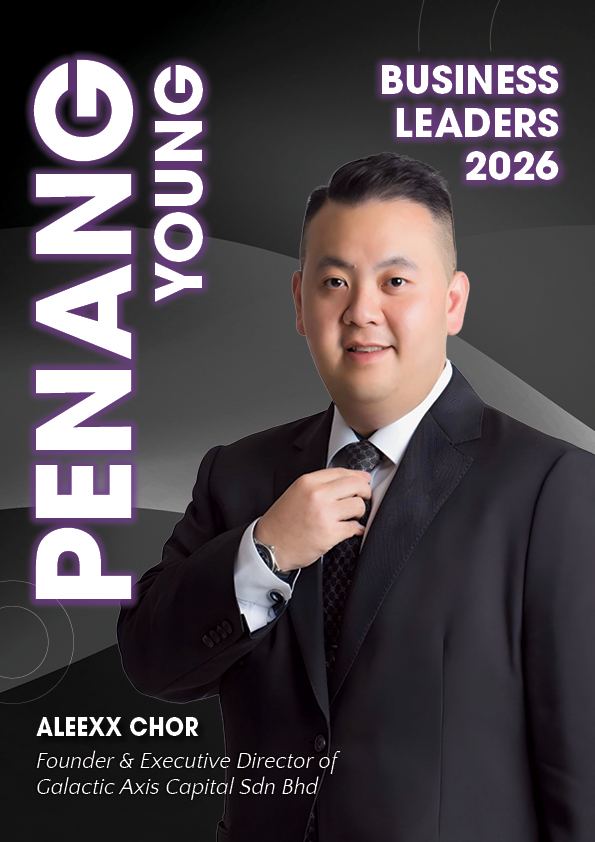
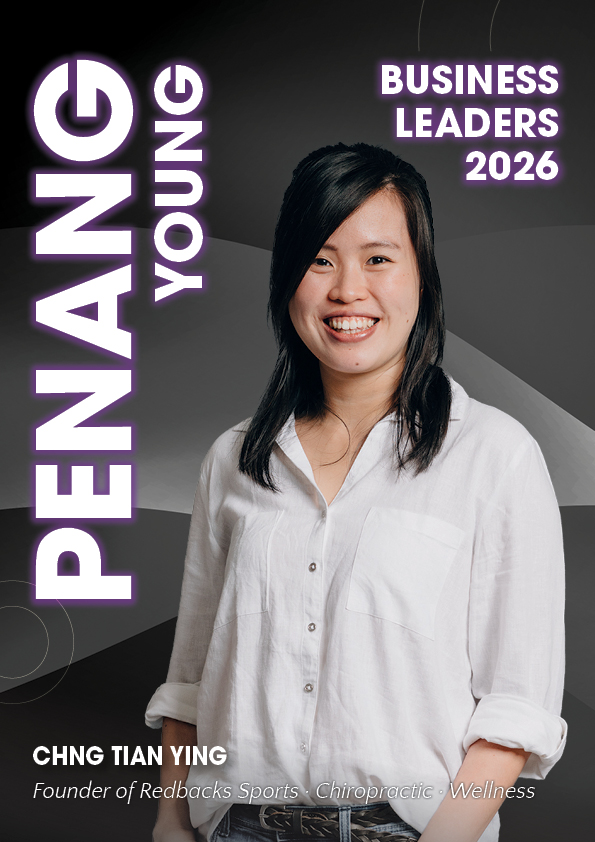
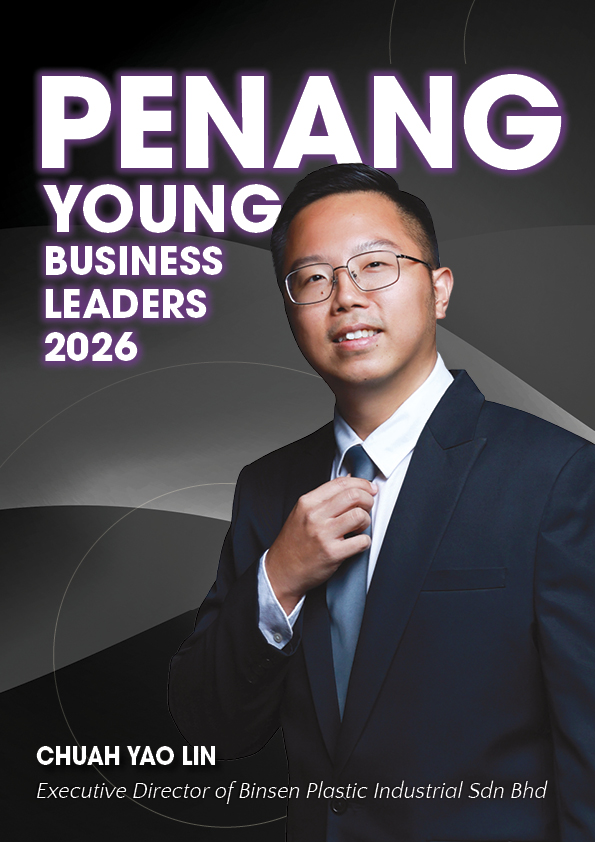
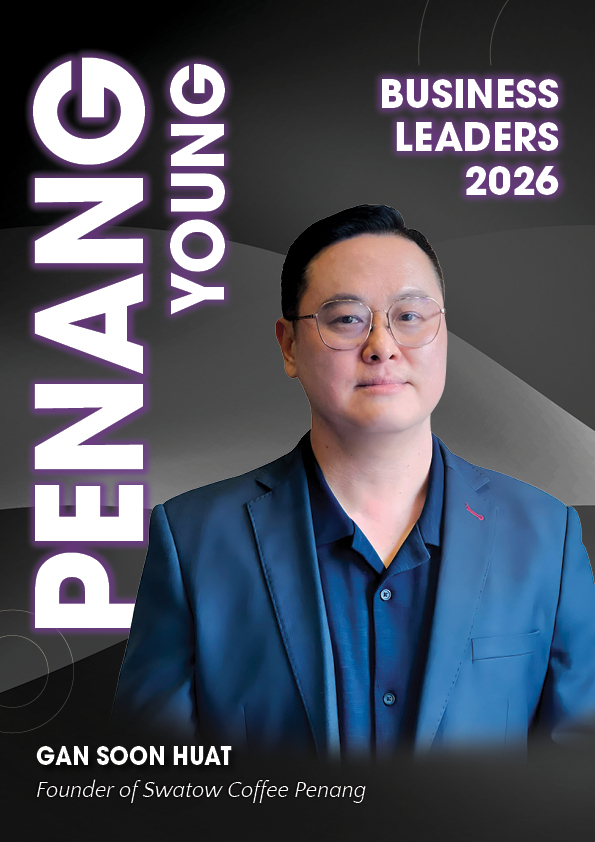
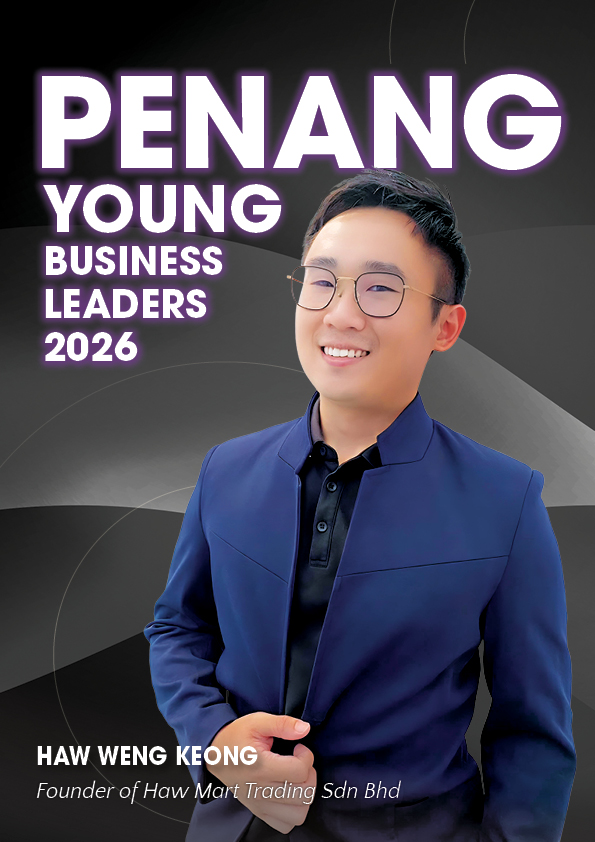
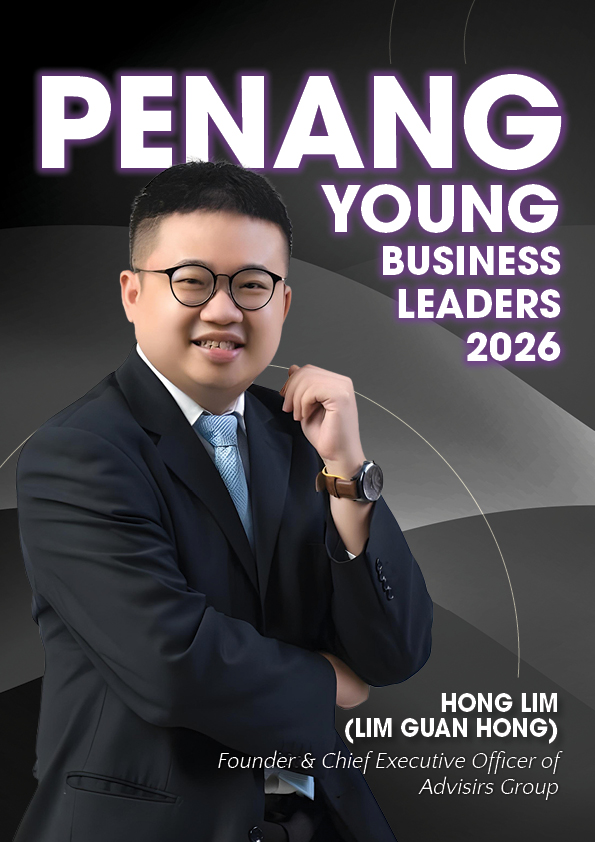
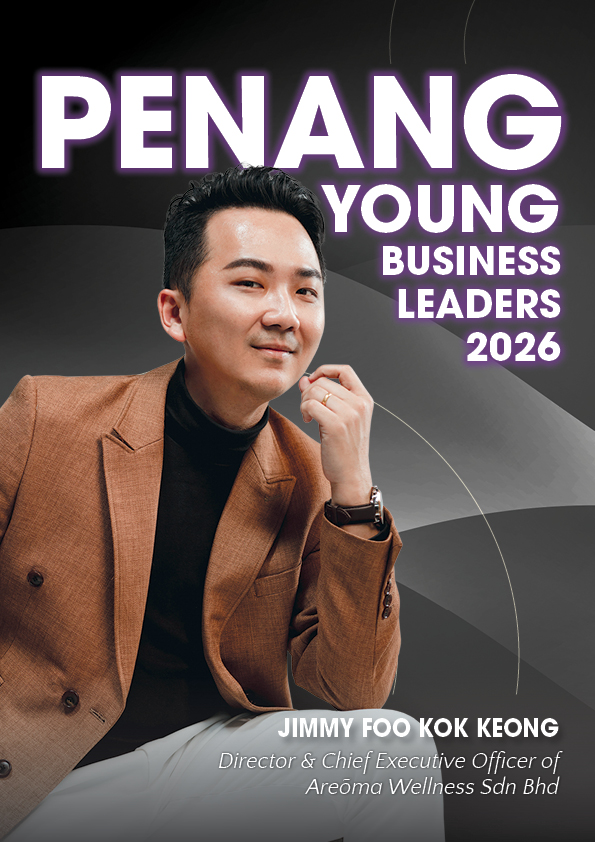
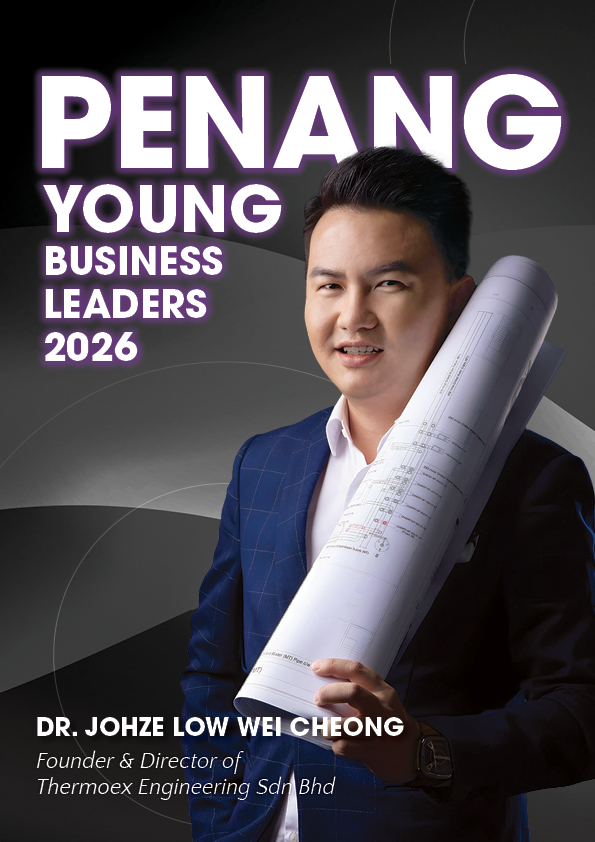
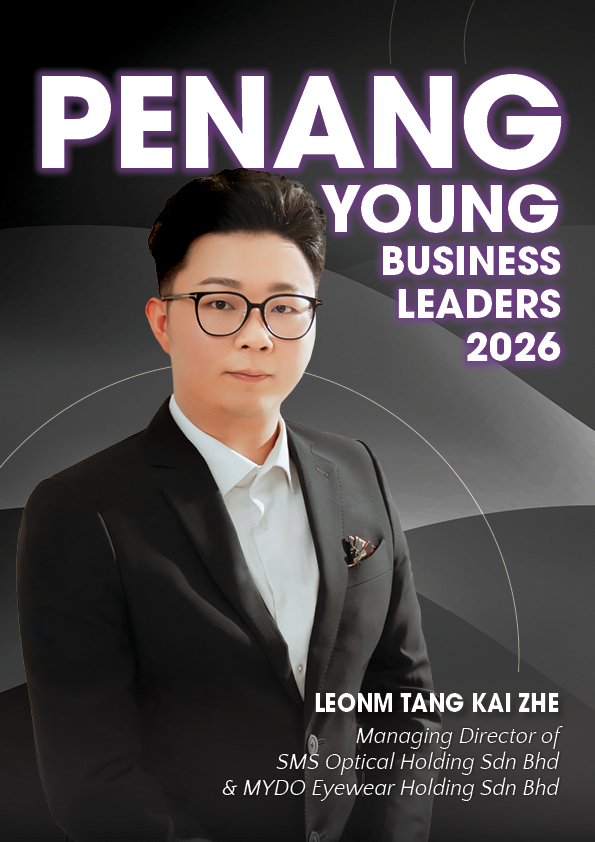
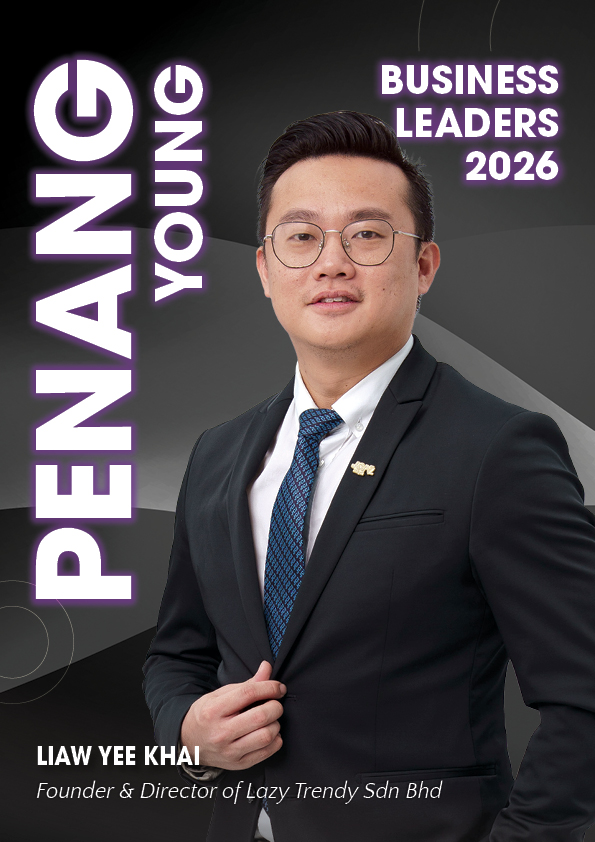
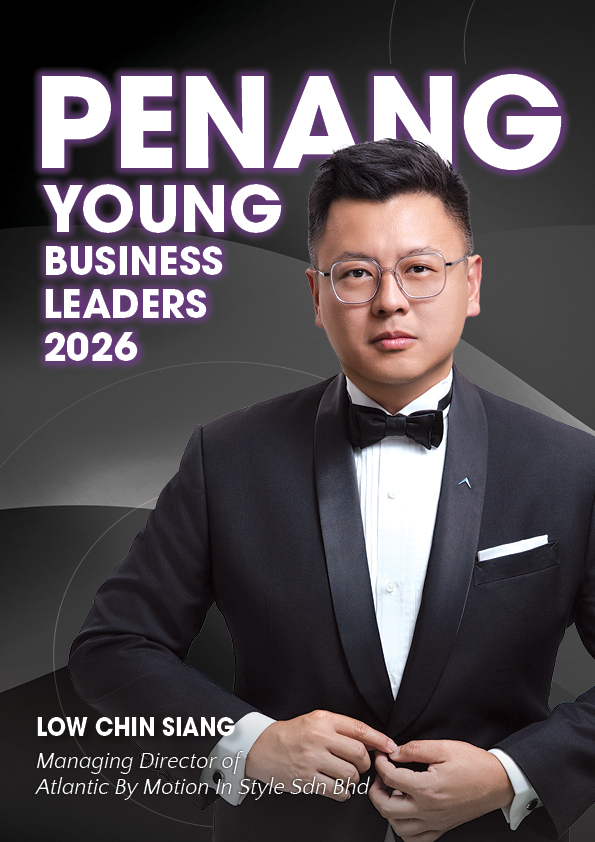
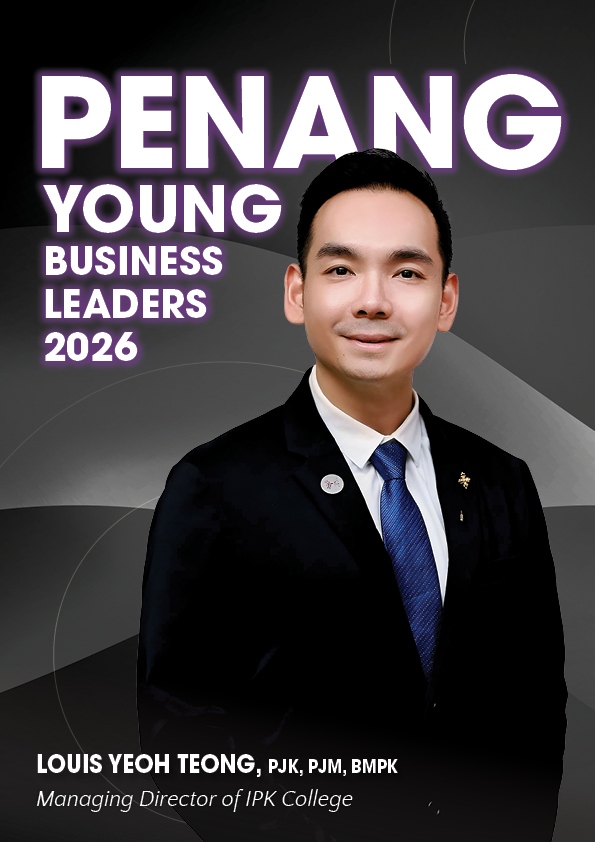
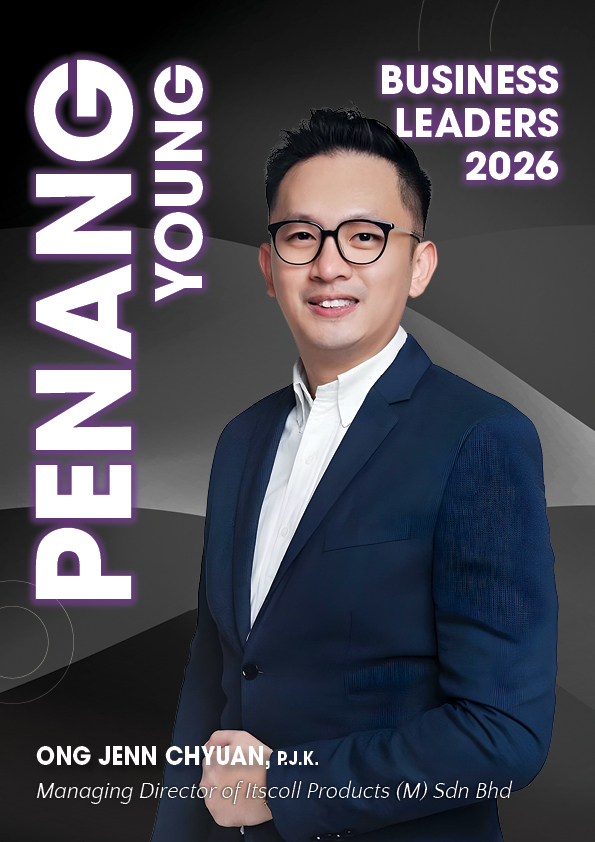
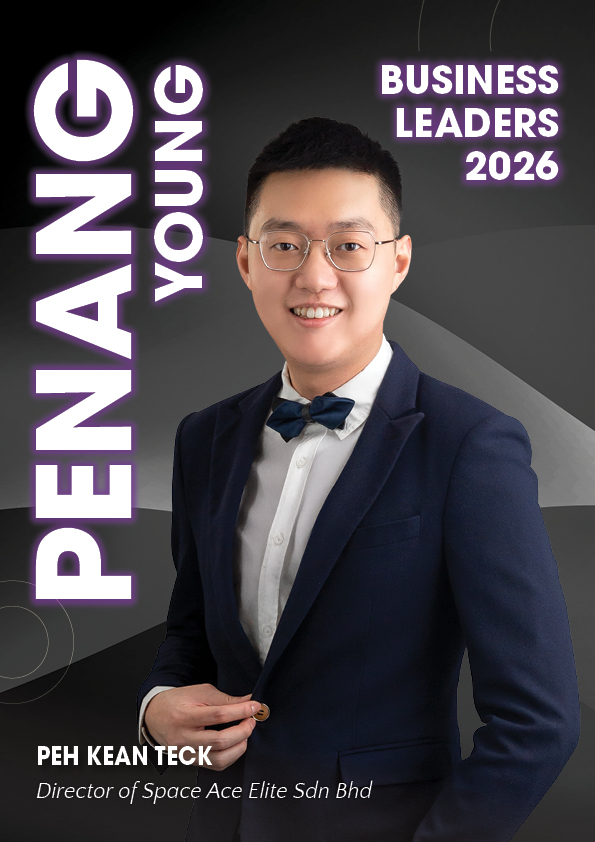
Penang Young Business Leaders 2026


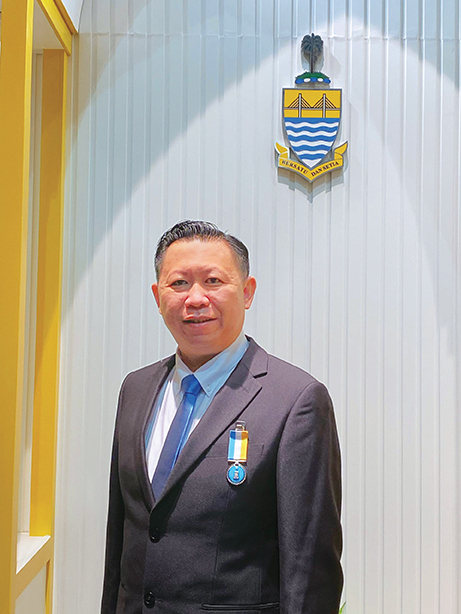
​The Penang Young Business Leaders 2026 edition is a timely and meaningful recognition of the dynamic individuals who are redefining what it means to lead in today’s business landscape. These young leaders span a wide spectrum – from technology and manufacturing to creative industries and social enterprises reflecting the diversity and agility of Penang’s economic ecosystem.

The journey toward the Penang2030 vision requires bold, future-oriented leadership. Young business leaders play a critical role in this transformation. Through innovation, sustainable practices, and inclusive growth strategies, they are not just creating jobs – they are creating impact. Their success signals a broader readiness of our society to embrace change, adopt digitalisation, and lead with purpose.

  • ALEEXX CHOR
  • CHNG TIAN YING
  • CHRISTINE ONG JIA MIN
  • CHUAH YAO LIN
  • EVIANS CHOONG
  • FENNIE NG SIEW LOOI
  • GAN SOON HUAT
  • GOH CHEE SUN
  • HANSON LI JIA HENG
  • HAW WENG KEONG
  • HAWKE TAN WENG HOCK
  • HONG LIM (LIM GUAN HONG)
  • JIMMY FOO KOK KEONG
  • DR. JOHZE LOW WEI CHEONG
  • KELVIN LOR
  • LEONM TANG KAI ZHE
  • LIAW YEE KHAI
  • LOW CHIN SIANG
  • LOUIS YEOH TEONG, PJK, PJM, BMPK
  • ONG JENN CHYUAN, P.J.K.
  • PEH KEAN TECK
  • RICHARD KHOO
  • SHAWN TAN
  • SIDNEY SAW ZHANG MING
  • TAN LI HWA
  • TEOH LOON YIK
  • DR. YONG PENG SAN

From Penang to the Pinnacle

Datuk Seri Wong Chun Wai

Chairman of BERNAMA

From a young boy penning letters to newspapers in Penang to being named Malaysia’s National Journalism Laureate, Datuk Seri Wong Chun Wai has lived a life shaped by curiosity, conviction and a love for storytelling.

In an exclusive interview with President Bill Clinton in New York.

The first Penangite to receive the nation’s highest media honour — an accolade shared by only 14 journalists since 1988 — Datuk Seri Wong regards the recognition “a matter of great pride and honour,” yet humbly credits his lifelong passion as the driving force behind his journey and achievement.  

“Passion — that’s the word,” he reflects.

At the Antarctica with adventurer extraordinaire Yusuf Hashim in 2024.

Born, raised and schooled in Penang, Wong is a true blue ‘Anak Pulau Pinang’ (son of Penang). His formative years at St. Xavier’s Institution sparked a fascination for history and news. “Not many Penangites are aware that the country’s first English newspaper, the Prince of Wales Island Gazette, was published in Penang in 1805,” he notes. “There were also many Malay newspapers and magazines which started in Penang too. Kwong Wah Jit Poh, established in 1910, remains the world’s longest continuously printed Chinese daily. And of course, The Star itself began in Penang in 1971.”

Datuk Seri Wong Chun Wai with his wife, Datin Seri Florence Teh, at Istana Alam Shah with His Royal Highness The Sultan of Selangor, Tengku Permaisuri and His Highness the Raja Muda.

Even as a student, Wong contributed articles to his school paper and mainstream newspapers in English and Bahasa Malaysia, finding joy in seeing his work in print. By 1984, he joined The Star as a cadet reporter, beginning a four-decade career that would see him rise to become its youngest Group Chief Editor, later Executive Director, Group Managing Director and CEO, before taking the helm at BERNAMA in 2023.

Along the way, he interviewed world leaders and icons — Nelson Mandela, Bill Clinton, Lee Kuan Yew, Stephen Hawking, Richard Branson, David Beckham, Arnold Schwarzenegger, Jackie Chan, Jimmy Choo and Alicia Keys among them, adding world exclusives to his list of career highlights; yet his heart often returns to Penang, the place that shaped him.


His 2014 book Penang’s History, My Story — later translated into Bahasa Malaysia by Universiti Sains Malaysia — reflects this bond. “It is important that Penangites know their history,” he says.

But Penang’s story is not only about its past — it is also about its people. Wong proudly notes how the island has produced leaders, thinkers and trailblazers across fields. “Penang has always been a melting pot, exposed to international culture since the 18th century. That openness shaped our people to be independent-minded and innovative — qualities that continue to produce outstanding political leaders, entrepreneurs, musicians, sports personalities and, of course, journalists.”

Even food, he points out, carries history within its flavours. “Did you know Char Koay Teow was once served with crab meat topping in the 1960s and 70s? Or that Curry Mee used to come with slices of char siew?” he says with a nostalgic smile, adding that future guides to Penang should highlight hidden stories, places and forgotten flavours locals grew up with.

As Chairman of BERNAMA, Wong now leads Malaysia’s national news agency with a clear mission: credibility. “Our clients are Malaysian and international news agencies. They turn to us for confirmation and verification. So, we have a huge responsibility to be the trusted source of information,” he affirms.

His deeper message, however, remains one of unity and moderation.

“I see Malaysians as one,” he stressed.
Datuk Seri Wong Chun Wai receiving the National Journalism Laureate award from Higher Education Minister Datuk Seri Dr Zambry Abdul Kadir (fourth, right) at the Malaysian Press Night (MWM) 2025 and the Malaysian Journalism Awards (HKM) MPI–Petronas 2024.

Celebrating with the Bernama team after being conferred the National Journalism Laureate at the Malaysian Press Night (MWM) 2025
Receiving the INPenang International Outstanding Achievers Award 2023 (Malaysia) from Tun Dato’ Seri Utama Ahmad Fuzi bin Haji Abdul Razak, the former Governor of Penang, accompanied by Dato’ Chng Huck Theng, Founder & President of the INPenang International Awards

Away from the newsroom, Wong’s curiosity takes him far and wide — trekking in Rwanda to see gorillas, hiking Japan’s Suicide Forest, spending three weeks in Antarctica and making it to the Mount Everest Base Camp in Tibet. “I like going to places not many venture to,” he says with a grin, already planning his next trip to the Maldives to swim with nurse sharks.

After 40 years of chasing stories across continents, Datuk Seri Wong is still doing what he loves most — writing, telling stories and discovering the world. And through it all, Penang remains the place where it all began — and where his heart will always return.

Anak Pulau Pinang, indeed.

Rewriting Asia’s Health Story

Dr. Mark Leong

Author, Co-Founder and Chief Executive Officer of Farmz Asia Group

Dr. Mark Leong taking a lively wefie with the Farmz Revival community after an energising exercise session at the Singapore Indoor Stadium. A moment of unity, wellness, and smiles all around!

Forget fleeting wellness trends. Dr. Mark Leong is on a mission to transform health across Asia by replacing guesswork with precision, science, and measurable results. Recognised by Forbes as one of Asia’s Top 100 Global Healthcare Leaders, this award-winning entrepreneur made a radical shift after losing loved ones to preventable chronic illnesses. He realised that the answers to better health weren’t just in the pharmacy, they were in accurate measurement, targeted nutrition, and prevention at the cellular level.

His answer was Farmz Asia, the first company in the world to integrate real-time diagnostics of nutritional deficiencies with personalised,  tech-driven nutrition solutions. This innovation uses blood, urine, and stool analysis combined with AI-powered interpretation and evidence-based protocols, giving clients a precise, scientific roadmap to achieve their health goals whether that’s reversing chronic disease, losing weight, or optimising performance.

Dr. Mark Leong connecting with readers during the autograph session of his latest book 7kg in 7 Days, inspiring the community towards healthier living.

“It was never about selling supplements or quick fixes,” Dr. Leong says. “We wanted to build a food-as-medicine ecosystem that starts with real measurement, because if it can’t be measured, it’s not medicine.”

From Vision to Global Movement

Farmz Asia didn’t start with big investors or celebrity endorsements, it started with a bold vision to make lab-grade diagnostics and personalised nutrition accessible to the public. Dr. Leong built a multi-brand ecosystem to deliver holistic solutions:

  • Dr. Mark Leong – Weight loss, detox, and cellular renewal programmes
  • Farmz Academy – Training certified wellness coaches
  • Brot and Tee – Functional breads and teas for gut and metabolic health
  • Blooma Skin – Clean actives for mature skin

Backed by a team of doctors, scientists, dietitians, nutritionists, and TCM practitioners, the group now operates in Singapore, Malaysia, and Hong Kong, impacting thousands and building a community of over 10,000 members.

Awards, Records & Recognition

  • Singapore Quality Class for Service – Enterprise Singapore (2020–2023)
  • Best in Food Safety Solutions – Prestige Awards (2022 & 2023)
  • Top 100 Global Healthcare Leaders – IFAH
  • Singapore Book of Records (2025) – Biggest Weight Loss in 7 Days
  • Featured in Forbes, Men’s Journal, USA Today, New York Times
  • Honoured in Augustman AMoT24 list for national wellness impact

Impact Over Legacy

For Dr. Leong, the real measure of success is not in titles or press coverage, but in the number of lives transformed. Guided by his belief that “The true mark of greatness isn’t what we leave behind, it’s how many lives we lift while we’re still here”, Farmz Asia launched the Food for Family initiative, aiming to provide clean nutrition, infrastructure, and career opportunities to one million underprivileged children by 2027.

The Future of Precision Wellness

The journey is far from over. Farmz Asia is preparing to expand across Malaysia, Indonesia, the Philippines, and Hong Kong. Alongside its franchise model, the company is piloting mobile health hubs in transit areas like MRT stations and airports, and developing a 48-hour personalised supplement delivery service based on live diagnostic data.

“We are not just another healthcare company,” Dr. Leong asserts. “We are building a future where preventive health belongs to everyone.” 

Dr. Mark Leong with Dato’ Chng Huck Theng, Executive Director of Ghee Hiang, sharing insights on the wellness benefits of sesame oil during the factory visit.

The Capital Revolution Powering Malaysia’s Innovation Future

Malaysian Business Angel Network (MBAN)

Peter Wee – President of MBAN
Elain Lockman – Vice President of MBAN
Dato’ Patrick Liew – Chairman of Sarawak Business Angel Network (SBAN)
Alan Lim – Immediate Past President of MBAN (Current Council Member)

Closing Plenary: Vision for Malaysia’s Startup Ecosystem
The MBAN Summit 2024 concluded with a thought-provoking closing plenary featuring Elain Lockman, Ng Sai Kit, Dr. Daniele Gambero, Peter Wee, Vincent Xu, Alan Ong, and Karen Puah. The panel explored Budget 2025 expectations, the evolving KL20 landscape, and strategic opportunities for investors in the next 12 to 24 months—offering bold insights into the future of Malaysia’s startup ecosystem.

Malaysia is undergoing a bold transformation in its financial and innovation landscape—led by the Malaysian Business Angel Network (MBAN), the official trade association for angel investors and angel clubs in Malaysia. At the heart of this shift is the MBAN Summit 2025, (scheduled for 24 September in Kuala Lumpur), a flagship event that brings together three powerful forces: family dynasties, corporate giants, and disruptive startups. These once-separate entities are now converging to build a future-driven economy.

As MBAN President Peter Wee notes, “This new economy is not just about capital—it is about courage.” With total startup funding in Malaysia reaching RM4.1 billion in 2024—double that of 2022—the shift is real and rapid. Notably, 42% of early-stage deals now involve non-traditional investors, including family offices and corporations. This is the dawn of a new investment era.

Front Row Faces of Malaysia’s Innovation Ecosystem
Smiles and applause from the front row at MBAN Summit 2024, featuring key figures in Malaysia’s startup and innovation space: Elain Lockman (VP, MBAN), Ts. Ng Kwang Ming (CEO, Digital Penang), Norman Matthieu Vanhaecke (CEO, Cradle), Peter Wee (President, MBAN), and Hazwan Razak (Head of Innovation & Entrepreneurship, SDEC). A moment of shared optimism for the future of angel investing and entrepreneurship.

The MBAN Summit is where this revolution takes form. It is a dynamic platform for collaboration, insight, and deal-making—supported by key partners like Cradle and PayNet. With last year’s attendance surpassing 660 delegates, the summit remains Malaysia’s most influential gathering for investors and innovators. This year promises even deeper engagement, featuring topics such as how family offices are quietly building unicorns, how legacy corporations are adopting startup mindsets, and how corporate acquisitions are outpacing internal R&D in driving innovation.

The summit is just the beginning; MBAN is building a nationwide network of visionary investors and founders. New chapters in Penang and Sarawak are strengthening regional links and fostering cross-border opportunities. As Dato’ Patrick, President of the Sarawak Business Angel Network (SBAN), explains, “MBAN is instrumental in giving us curated access to high-potential founders and investment opportunities. Strengthening these channels—both within Malaysia and across the region—is critical to accelerating cross-border investment and unlocking broader opportunities for angel networks like SBAN.”

Panel Session: Can Angels Make 20X Return on their Investment?
Moderated by Kamarul Bahrin Haron, former Editor-in-Chief of Astro Awani, this dynamic session featured Alan Lim, Dr. Sivapalan Vivekerajah, and Rina Neoh as they shared hard-earned insights on achieving outsized returns. From spotting unicorns early to navigating exit strategies, the panellists offered a candid look into what it takes to make 20x returns in angel investing.

With over RM100 million invested by the MBAN community to date, this is a network defined by action and impact. Members are backing startups, mentoring, strategising, and helping shape Malaysia’s innovation agenda.

MBAN Immediate Past President Alan Lim and an active angel investor who has invested in over 50 startups, sums it up: “Legacy is not about what you have—it is about what you build.” The MBAN Summit 2025 offers a chance to do just that. 

MBAN Summit 2024: A Gathering of Visionaries
A powerful moment captured at the MBAN Summit 2024, as VIPs, speakers, and attendees filled the auditorium for a group photo. Taken from the stage, this snapshot reflects the vibrant energy and collective spirit of Malaysia’s thriving angel investing and startup ecosystem.

For details, visit mban.com.my/mbansummit2025

The Hidden Dangers of Belly Fat — And How to Take Control

Understanding Metabolic Syndrome
Metabolic syndrome is a serious health condition that affects people from all walks of life, especially in countries where obesity and sedentary lifestyles are increasing at an alarming rate. It refers to a cluster of interconnected risk factors that, when present together, substantially increase the likelihood of developing chronic diseases such as type 2 diabetes, cardiovascular disease, stroke, and non-alcoholic fatty liver disease.

The five key risk factors that define metabolic syndrome are1:

  • Abdominal obesity (waist circumference ≥90cm in Asian men or ≥80 cm in Asian women; waist measurement not needed if BMI >30 kg/m2)
  • High triglycerides (≥1.7 mmol/L or currently taking medication for elevated triglycerides)
  • Low HDL cholesterol (<1.03 mmol/L in men, <1.29 mmol/L in women or currently on treatment)
  • Elevated blood pressure (≥130/85 mmHg or on antihypertensive treatment)
  • Elevated fasting blood glucose (includes insulin resistance, impaired fasting glucose, impaired glucose tolerance, or on treatment)

A person is diagnosed with metabolic syndrome if they meet three or more of these criteria.

Why You Should Care
Metabolic syndrome significantly increases the risk of long-term health problems. What makes it especially dangerous is its silent progression. Many individuals have no symptoms and remain unaware of the dangers until they experience a major health event, such as a heart attack or stroke. You might feel fine and look fine, but your body could be struggling internally.

Targeting the Core: Why Abdominal Fat Deserves Attention
Central obesity plays a pivotal role in metabolic syndrome. Visceral fat — the fat stored deep inside the abdomen around vital organs — is metabolically active and harmful1. It releases cytokines and pro-inflammatory hormones that disrupt insulin regulation, blood pressure, and lipid metabolism1. As a result, a normal weight does not always mean a healthy body — people with hidden visceral fat can still face serious health risks.

Abdominal fat is more than a cosmetic issue — it’s a key contributor to metabolic problems, particularly insulin resistance. Insulin resistance impairs the ability of cells to absorb glucose, leading to high blood sugar levels and forcing the pancreas to produce more insulin to compensate1. Over time, this overwork can exhaust the pancreas’ beta cells, eventually leading to type 2 diabetes.

Are You Unknowingly at Risk?
Anyone can develop metabolic syndrome. While the risk increases with age, it’s no longer just a problem for older adults. Alarmingly, more cases are now being seen in young adults and even teenagers — largely due to poor lifestyle habits2.

You’re more likely to develop metabolic syndrome if you have:

  • A family history of type 2 diabetes, high blood pressure, or heart disease
  • A sedentary lifestyle (not enough physical activity)
  • An unhealthy diet high in calories, sugar, saturated fat, or processed food
  • Excess abdominal fat (visceral obesity)

Spotting the Red Flags
Early detection is crucial. Raising awareness about regular health check-ups is essential. These check-ups should include waist circumference, blood pressure, and fasting blood tests to measure glucose and cholesterol levels.

Many people with metabolic syndrome don’t show symptoms, which makes regular screening even more important. Everyone should be encouraged to monitor key health indicators: waist size, blood pressure, blood sugar, and cholesterol. Don’t wait for symptoms — prevention starts with action.

From Risk to Recovery: A Practical Approach
Metabolic syndrome can often be reversed in its early stages through sustained lifestyle changes, especially when it hasn’t yet led to severe complications.

Here are simple, non-medication-based steps to manage and possibly reverse metabolic syndrome:

  1. Maintain a Healthy Weight
    Even a modest weight loss of 5–10% of your body weight can improve blood pressure, cholesterol, and insulin sensitivity.
  2. Adopt a Balanced Diet
    Eat more fruits, vegetables, whole grains, and lean proteins to support overall health; reduce sugary drinks, refined carbs, processed snacks, and fried foods to improve metabolic balance; and choose natural, unprocessed foods whenever possible to minimise hidden sugars and unhealthy fats.
  3. Exercise Regularly
    Aim for at least 150 minutes of exercise per week. Walking, cycling, swimming, and strength training are all helpful. Physical activity burns visceral fat and improves insulin function.
  4. Sleep Well
    Lack of quality sleep disrupts hormone balance, raises cortisol levels, and worsens insulin resistance — all of which are linked to weight gain. Individuals should aim for 7–9 hours of restful sleep each night.
  5. Manage Stress
    Chronic stress raises cortisol, which increases fat storage and disrupts blood sugar levels. Relaxation techniques like deep breathing and yoga can help restore balance.

In some cases, medication may be needed to better control blood pressure, blood sugar, or cholesterol. However, it’s important to remember that medication supports — but does not replace — lifestyle changes. A combined approach is key to reducing long-term health risks.

It’s also important to work closely with a healthcare provider to create a personalised health plan that suits your lifestyle and needs.

Final Thoughts
Metabolic syndrome may be common and serious, but it is also largely preventable — and often reversible with timely changes in your lifestyle. Raising awareness is just the start. Taking consistent action is what truly protects your health.

Make your health a priority — now and always.


1 International Diabetes Federation. The IDF consensus worldwide definition of the metabolic syndrome [internet]. Brussels: IDF; 2006 [cited 2025 Jun 27]. Available from: https://IDF.org/media/uploads/2023/05/attachments-30.pdf

2 Al-Hamad D, Raman V. Metabolic syndrome in children and adolescents. Transl Pediatr. 2017 Oct;6(4):397–407. Available from: https://www.ncbi.nlm.nih.gov/pmc/articles/PMC5682379/


Consultant Physician


MD (UNIMAS), MRCP (UK)

Dr. Fang possesses a strong passion for internal medicines and demonstrates comprehensive expertise in a broad spectrum of medical and surgical pathologies. Her keen clinical acumen has consistently contributed to accurate diagnoses and effective patient management. Beyond clinical care, Dr. Fang is deeply committed to advancing patient well-being. She actively empowers individuals to take ownership of their health through evidence-based lifestyle interventions, stress management strategies and appropriate pharmacological treatments.

The Silent Backbone of Success: Why Spine Health is the New Leadership Asset

by Dr. Tan Jin Aun – Consultant Orthopaedic & Spine Surgeon and Dr. Deepak A/L Ajit Singh – Consultant Orthopaedic Surgeon (Spine Surgery and Interventional Pain Management)

Images by Sunway Medical Centre

When people talk about leadership strength, they usually mean qualities such as resilience, vision, or discipline. Yet for senior executives, policymakers, and business leaders, strength also has a literal dimension. The spine is not simply a biological structure. It is the central column that supports the physical demands of leadership, from long flights and boardroom hours to the continuous pace of decision-making.

Spinal health often becomes a concern only when pain begins to interfere with performance. In our years of treating leaders, the same pattern appears repeatedly. The drive that fuels success frequently comes at the expense of personal well-being. Hours spent in static postures, frequent travel, high stress, and irregular exercise gradually accumulate, leading to back and neck conditions that may begin as minor discomfort but eventually affect both health and performance.

The consequences extend beyond physical pain. Research consistently identifies musculoskeletal disorders, particularly those involving the spine, as leading causes of lost workdays among professionals over 40. Pain not only limits movement but also reduces energy, slows decision-making, and disrupts sleep. Over time, these effects erode the clarity, stamina, and focus that leaders rely on. In Malaysia, spinal disorders remain one of the most common causes of workplace absence, with implications that affect not just the individual but also teams, departments, and organisational outcomes.

By the time symptoms are disruptive enough to require treatment, the underlying problem has often been present for months or even years. The encouraging reality is that many of these conditions are preventable or manageable if detected and addressed early.

The most effective leaders take the same approach to their health as they do to their organisations: regular monitoring, timely adjustments, and preventive action. For the spine, this can be as simple as reviewing office ergonomics, incorporating short breaks for movement during meetings, or practising stretches that counteract the strain of prolonged sitting. Most importantly, it involves undergoing periodic spine health screenings, a structural audit that can identify issues before they become serious.

The comparison is clear. The spine is the body’s core infrastructure. Just as no company can operate without monitoring its essential systems, no leader should expect their spine to perform indefinitely without care. A healthy spine not only prevents pain but also sustains posture, energy, and concentration, all of which form the physical foundation for effective leadership.

Standing tall is more than a figure of speech. It reflects the structure that supports you in every sense. Prioritising spinal health is not indulgence; it is a strategic investment. In the long game of business and governance, one of the greatest assets a leader can protect is the one that allows them to stay upright and perform at their best.