
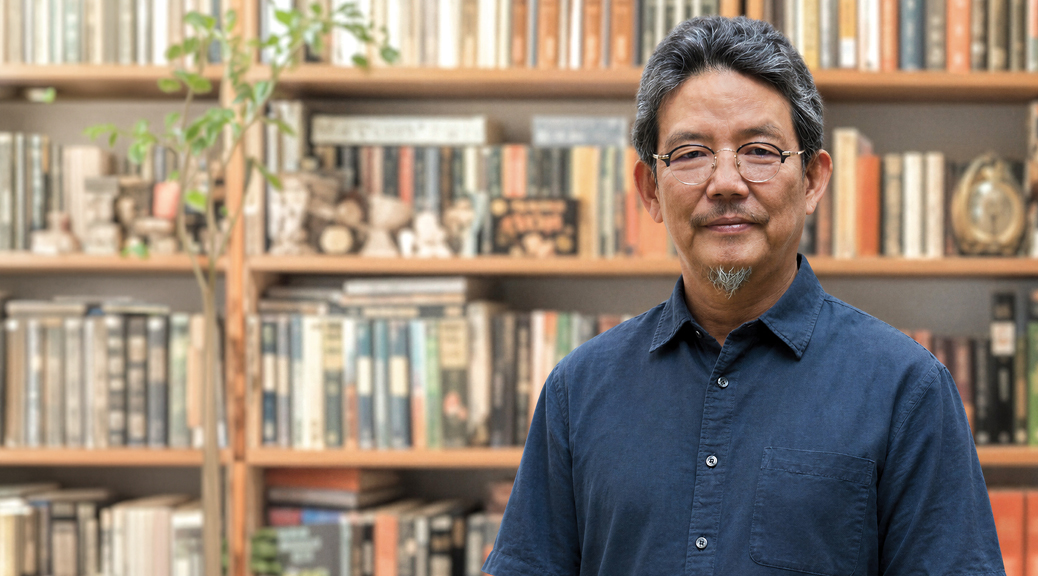
by Dato’ Dr Ooi Kee Beng
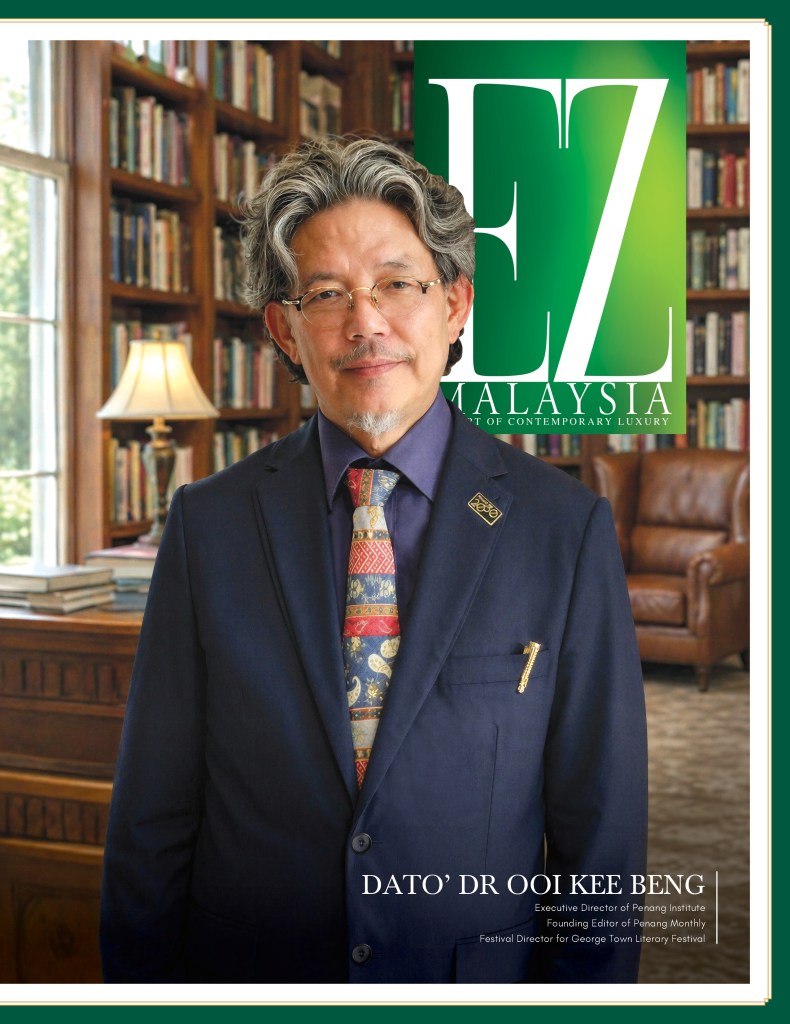
Dato’ Dr Ooi Kee Beng
Executive Director of Penang Institute
Founding Editor of Penang Monthly
Festival Director for George Town Literary Festival
“When is the hardest time to be positive? When you are in a personal crisis, of course. But that is also the time when you can learn things that are the most life-changing for you. So, don’t waste your crises, crises don’t come every day.”
My self-image is that of a writer. That had always been the case. More precisely, I love to learn, and then digest facts into exciting big pictures that I can then put into words. I realised, however, that truths come in layers and in different shades, and you have to peel, peel and peel, and view, view, view, to experience successive epiphanies.
I began working life in Penang as a reporter, and then a sub-editor, a giver of newspaper headings. That was Chapter 1 of my adult life.
Chapter 2 was when I left Malaysia for Sweden, where I worked as a restaurant janitor, floor sweeper, bus-boy and dish washer for a couple of years before entering Stockholm University. My deepest interests were in language philosophy, history, Chinese culture in various forms, and modern geopolitics including Asian post-colonial studies. Big pictures subjects. Meanwhile, I supported myself working three-day weekends at Ericsson Electronics, and raising a daughter.
“Life is simply the period between Birth and Death; it is not the opposite of Death. Birth and Death are bookends, precise points in time. Meaning is found in the space between them”
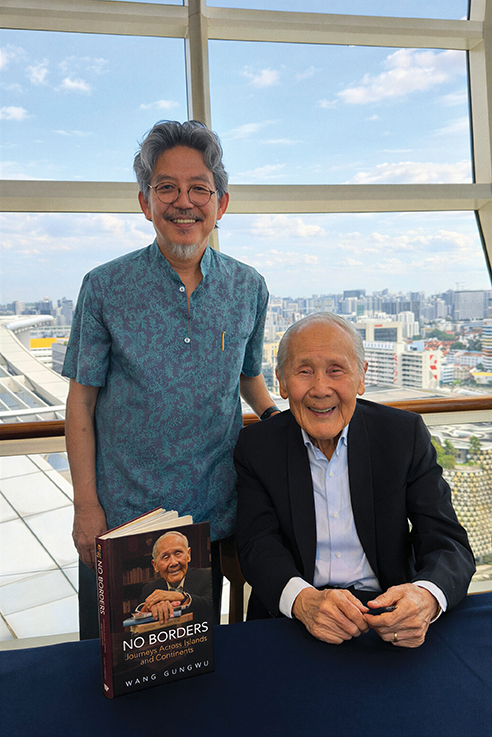
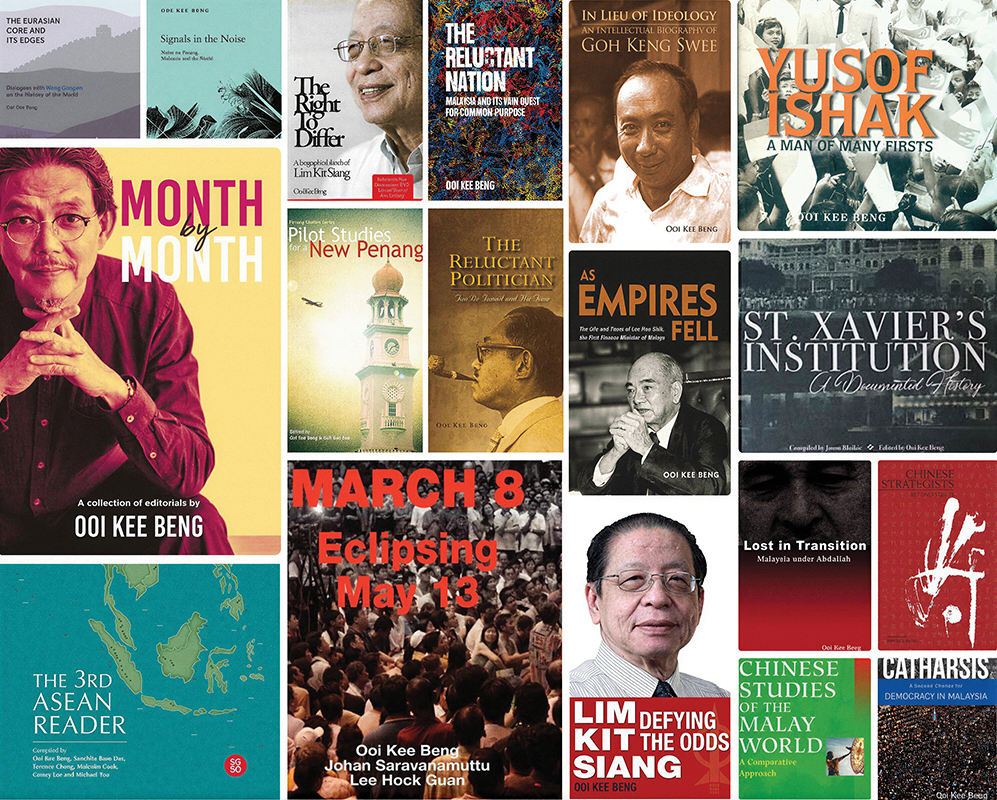
Chapter 3 involved raising a second family—a son and another daughter—and moving to Singapore to work at the think tank which we now know as ISEAS – Yusof Ishak Institute. I blossomed with this switch from academic lecturing to think tank work. I learned to think through writing. The more I wrote, the more I realised that A-Ha moments can be a frequent experience. Writing is the best way to weave together “the big picture”, about all things, really. That intense period made me an award-winning author. Doors opened even more, and in many directions. Biographies about leaders became my thing, alongside commentaries in regional newspapers. I helped to found the Penang Monthly in 2009, for which I have always written the editorial. That has been a fruitful column for me, along with my regular column in The Edge, “Picking on the Present”.
It is true that you make your own luck; but it takes a lot of hard work to get lucky. Singapore offered me much, and I was smart enough to make full use of it.
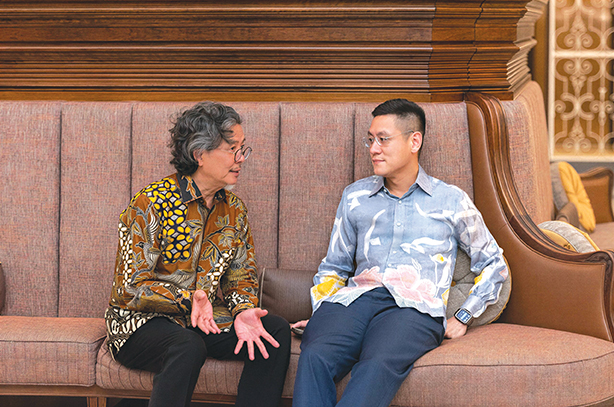
In 2017, Chapter 4 began. I was now ready to return to Penang. By then, I must have written 20 books. There is so much left undone in Malaysia, so much to do, so much to be exasperated about. My return synced nicely with the Reformasi Movement. Undeniably, change is generational. What my generation couldn’t do, this new one was trying hard to do. And in that sense, they became my muse.
“The phenomenon of international trade has been costly to build,
and we should now make full use of it to help humanity accept its diversity and recognise the need for peoples and governments to be tolerant, mutualistic and humble.”
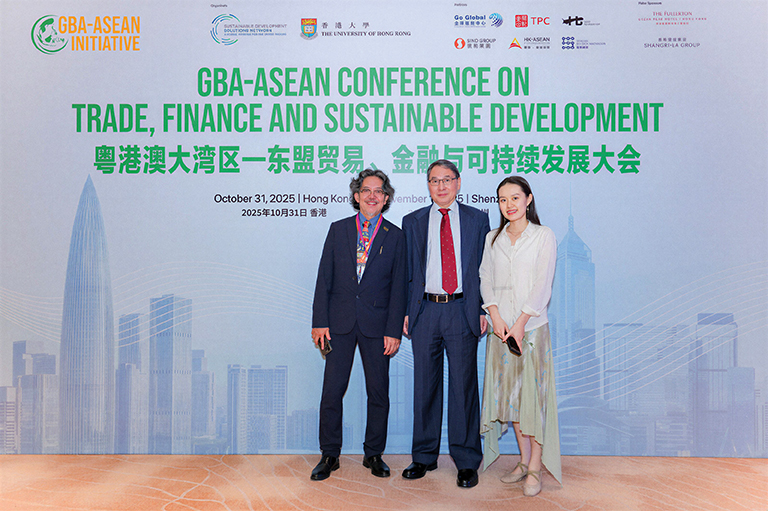
Running Penang Institute is the best job possible for a returning son of the island. I believe I have made some lasting impact—on Penang’s public discourse and its policymaking ecosystem, and on the young.
Chapter 5, The Epilogue, remains to be lived—and to be written about. I look forward to it.

