
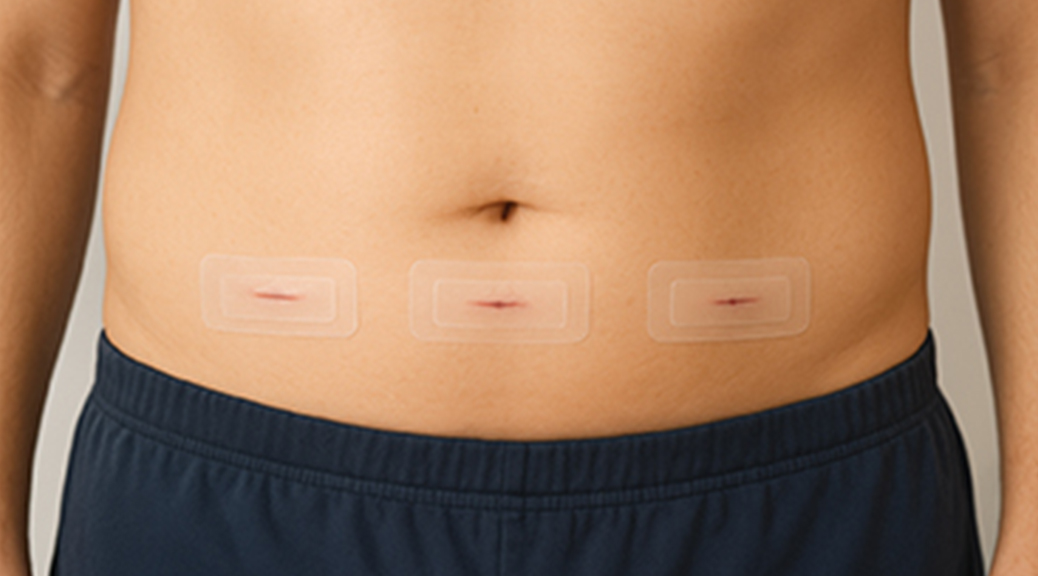
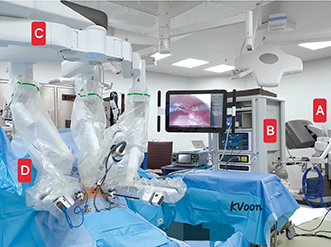
Over the past three decades, cancer surgery has undergone a remarkable transformation. What once required large incisions and long recovery times can now be accomplished through small ports and robotic arms with unparalleled precision. Minimally invasive surgery (MIS), encompassing laparoscopic and robotic techniques, has redefined how surgeons treat cancers of the esophagus, stomach, liver, pancreas, colon, prostate and other organs.
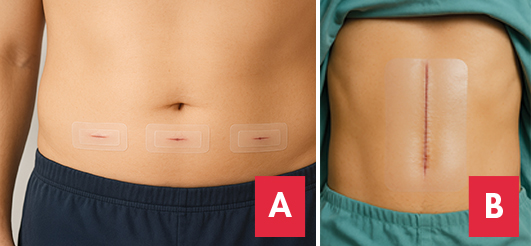
The evolution began with laparoscopic surgery in the 1980s, which proved that smaller incisions could achieve the same oncologic outcomes as traditional open surgery. The introduction of robotic systems further elevated this approach. With 3D magnified vision, wristed instruments, and tremor filtration, robotic platforms allow surgeons to perform complex dissections in confined spaces with millimeter accuracy. In cancers such as rectal, esophageal, and prostate, robotics has improved visualisation, reduced blood loss, and shortened recovery, while maintaining clear margins and complete lymph node clearance.
Beyond comfort and cosmesis, the true benefit lies in faster recovery, fewer complications, better quality of life and earlier return to adjuvant therapy, all crucial in comprehensive cancer care. For patients, this means not just surviving surgery but resuming normal life and continuing treatment sooner.
In today’s era of precision oncology, surgery remains a cornerstone alongside chemotherapy, radiotherapy, targeted therapy, and immunotherapy. The modern cancer surgeon is part of a multidisciplinary team, ensuring every patient receives personalised, coordinated care. As technology advances, integration of artificial intelligence, fluorescence imaging, and augmented reality will continue to refine surgical precision and safety.
Minimally invasive and robotic surgery are not just innovations, they represent a new philosophy in cancer treatment: doing more through less, restoring health with precision, and improving quality of life for patients on their journey through cancer.
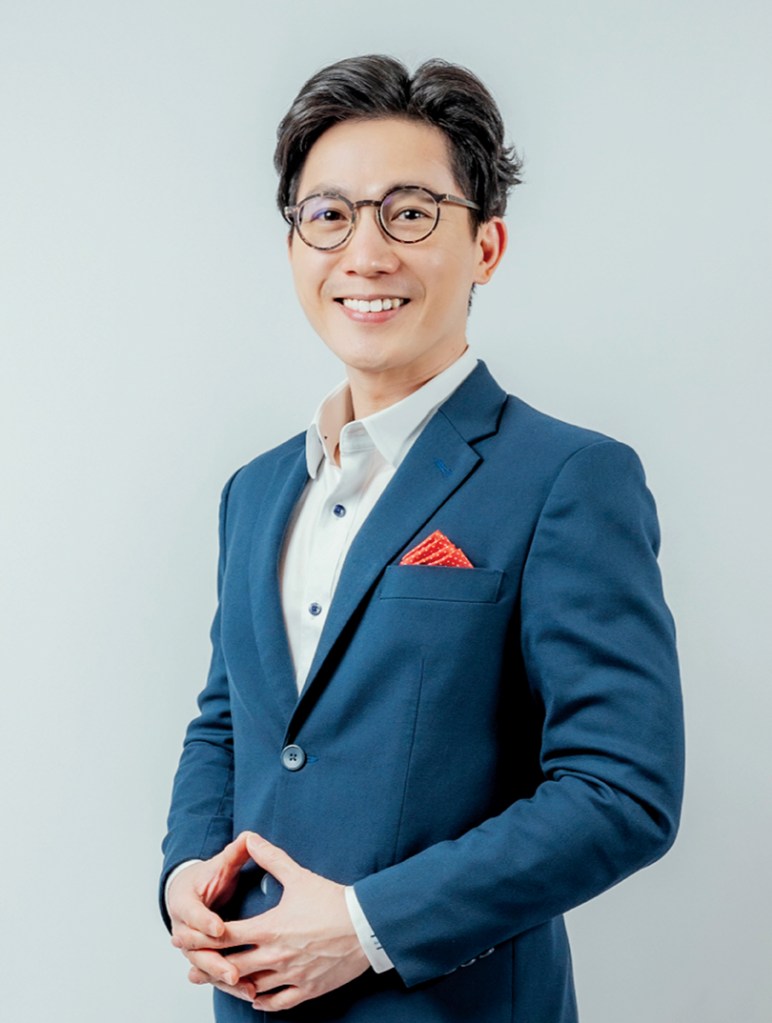
Dr. Kelvin Voon
Consultant General, Upper Gastrointestinal, Bariatric & Robotic Surgeon, Sunway Medical Centre Penang
MBBS(IMU), MSurg(UM), AM (M’sia), FRCS (Edin), FRCS (Glasg), FRCS (Ire), FACS, Fellowship in Upper Gastrointestinal Surgery (M’sia), Fellowship in Endoscopy, Gastric & Esophageal Cancer Surgery (China), Fellowship in Clinical Obesity & Bariatric Surgery (Taiwan)
Dr. Kelvin Voon is the head of division of surgery & a resident consultant at Sunway Medical Centre Penang, specialising in general surgery, upper gastrointestinal surgery, bariatric & robotic surgery. He completed his surgical training in Malaysia, followed by fellowships in Esophagogastric Cancer Surgery in Shanghai and Clinical Obesity & Bariatric Surgery in Taiwan. A Fellow of the Royal Colleges of Surgeons (Edinburgh, Ireland, Glasgow) and the American College of Surgeons, he is actively involved in advancing minimally invasive and robotic surgery in Malaysia. Dr. Voon is also a key leader in professional societies, committed to multidisciplinary collaboration and improving patient-centric surgical outcomes. His clinical interests include gastroesophageal cancers, gastroesophageal reflux disease, endoscopy, bariatric surgery & clinical nutrition.
 EZ MALAYSIA.NEWS