Running as a hobby Running and cycling have become popular hobbies in the modern post-COVID era, with enthusiasts of all ages taking to the streets, trails, and treadmills. These sports, accessible to almost everyone, offer numerous physical and mental benefits, such as cardiovascular health, weight management, and stress relief. However, like any physical activity, running comes with the risk of injury. Traditionally, rest has been the go-to remedy for sports-related injuries. Modern-day medicine is now promoting active recovery as an alternative to rest for sports injuries.
Since the COVID-19 pandemic, the implementation of social distancing and movement control orders has further popularised running and cycling as hobbies as well as fitness modalities. The factors contributing to the rise of running include:
Accessibility: Running requires minimal equipment and can be done almost anywhere, making it an appealing option for people with busy schedules.
Community and Social Aspects: Running clubs, events, and social media groups have fostered a sense of community, providing motivation and support.
Health and Wellness: With growing awareness of the importance of physical health, many individuals have turned to running as an effective way to stay fit and manage stress.
Common running injuries Despite its simplicity and health benefits, running can lead to various injuries. Amateur runners often get injured when they neglect the following fundamentals of running:
Neglecting Proper Warm-Up and Cool-Down: Skipping warm-up exercises can lead to muscle strains and injuries. Similarly, not cooling down can cause muscle stiffness and delayed recovery.
Inadequate Footwear: Wearing shoes that do not provide adequate support or do not fit properly can lead to a range of injuries, ranging from blisters to stress fractures.
Ignoring Proper Technique: Poor running form, such as overstriding or improper foot strikes, can cause undue stress on joints and muscles, leading to chronic injuries.
Underestimating the Importance of Rest: Without adequate rest and recovery, the body does not get a chance to repair itself, increasing the risk of overuse injuries such as tendinitis and shin splints.
Overtraining: Ignoring pain and training through fatigue can lead to serious injuries.
Inadequate Strength and Flexibility Training: A lack of strength training, especially for core and leg muscles, can lead to imbalances and injuries. Flexibility exercises are crucial for maintaining a full range of motion and preventing strains.
Traditional approach: Rest When injuries occur, the conventional advice often involves rest to prevent further damage and allow the body to heal. Rest can reduce inflammation and pain. However, extended periods of inactivity may lead to muscle atrophy, stiffness, and reduced blood circulation, which can ultimately prolong recovery.
Benefits of active recovery Active recovery, on the other hand, involves gentle movements and exercises that promote healing without placing undue stress on the injured area. Here are the benefits of this approach:
Maintains Strength and Flexibility: Engaging in controlled, low-impact activities helps maintain muscle strength and flexibility, preventing atrophy and stiffness.
Improves Circulation: Movement increases blood flow to the affected area, delivering essential nutrients and oxygen for tissue repair.
Promotes Healing: Gradual, controlled stress on the injured area stimulates the body’s healing processes, encouraging the production of collagen and other vital tissues.
Prevents Further Injury: Keeping the body active and balanced helps avoid compensatory injuries that can arise from favouring one side of the body.
Mental Health Benefits: Staying active can improve mood and reduce feelings of frustration.
Implementing active recovery safely To ensure safe and effective active recovery, consider the following guidelines:
Consult a Professional: Seek advice from your healthcare professional to rule out serious injuries and to develop a personalised recovery plan.
Start Slowly: Begin with gentle exercises that do not cause pain, gradually increasing the intensity as healing progresses.
Listen to Your Body: Pay attention to your body’s responses and discuss them with your healthcare professional.
Integrate Other Treatments: Combine active recovery with other treatments such as physical therapy, massage, and appropriate medications for optimal results.
Images by LohGuanLye Specialists Centre
While rest has been the traditional approach to recovery, active recovery is gaining recognition for its ability to promote healing while maintaining strength and flexibility. By incorporating controlled, gentle activities and consulting with professionals, runners can effectively manage their injuries and return to their beloved sport more swiftly and safely. Embracing active recovery not only supports physical rehabilitation but also fosters mental resilience, ensuring a holistic approach to managing running injuries. Movement is intrinsic to life, embodying vitality, growth, and progress. After an injury, the instinct might be to halt all activity, yet this can lead to further physical decline and emotional distress. Instead, adapting to active recovery can sustain muscle strength, maintains flexibility, and boosts circulation, accelerating the healing process. Furthermore, continuing to participate in sports, albeit at a modified pace, helps preserve the athlete’s sense of identity and purpose, fostering a positive mindset. Embracing movement, even post-injury, ensures that life’s dynamism is never lost, turning setbacks into comebacks and challenges into opportunities for growth.
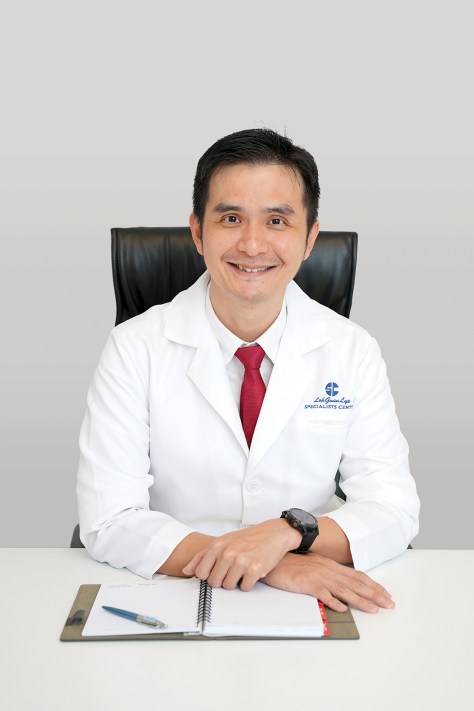
Dr. Edwin Ong Kean Siong
Consultant Orthopaedic & Trauma Surgeon
MBBS (UM), MS Ortho. (UM), CMIA (NIOSH), Fellowship in Adult Reconstruction and Sports Medicine (S. Korea)
Dr. Edwin Ong Kean Siong is a sports enthusiast and a keen proponent of active living. As an avid badminton player himself, he is passionate in treating sports injuries. He emphasises early treatment for all his patients to achieve the best clinical outcomes. With extensive experience in various treatment modalities, ranging from non-operative methods to minimally invasive arthroscopic surgeries, he believes that individualised treatment and utmost care can help any injured sports player, regardless of age or level of play, return to an active lifestyle.
by Dr. Evylne Chin Oi Lian General Dental Practitioner
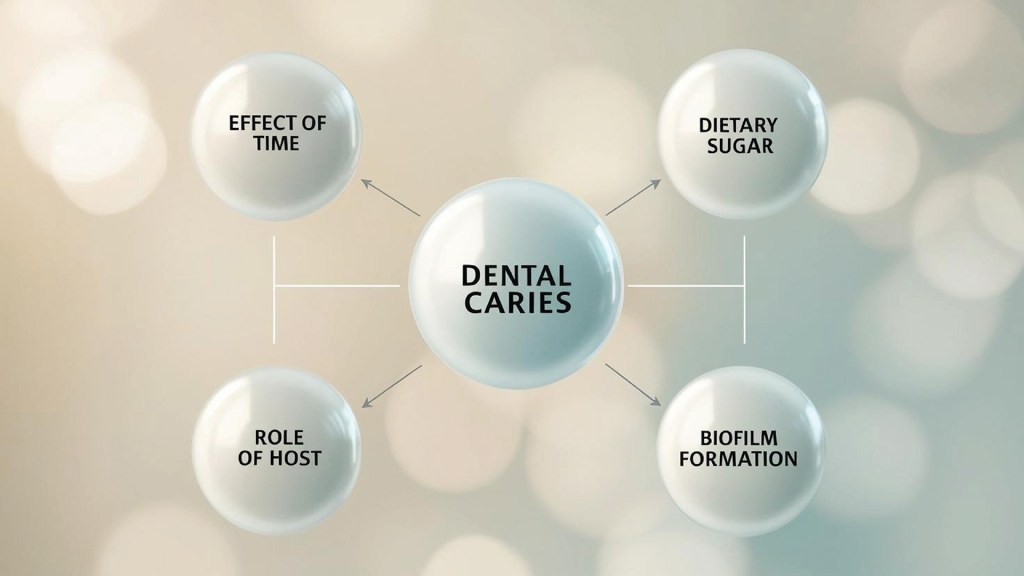
Myth #1 Sugar Is the Sole Culprit of Cavities While sugar plays a significant role in cavity formation, it is not the sole culprit. Cavities develop due to a combination of factors, including oral bacteria, time, susceptible tooth surfaces, and fermentable carbohydrates.
Figure 1: Aetiology of Dental Caries
When we consume foods or drinks containing sugar, the bacteria in our mouths—especially Streptococcus mutans—use that sugar as an energy source, producing acid as a byproduct. This acid weakens and demineralises enamel over time, leading to cavities. However, cavities can also be influenced by other factors, such as:
A. Bacterial Presence and Plaque Build-Up: Plaque, a sticky biofilm of bacteria, adheres to teeth and feeds on more than just sugar. Simple carbohydrates found in bread, pasta, and fruit can also be broken down into sugars, which bacteria consume and convert into acids. A study published in the Journal of Dental Research found that starchy foods increase cavity risk, especially when oral hygiene is poor.
B. Oral pH Levels and Acidic Foods: Acidic foods and drinks, such as citrus fruits, soda, and vinegar, lower the pH in your mouth, softening enamel and making teeth more vulnerable to decay. Saliva helps neutralise acid, but consistently high acid levels accelerate enamel erosion regardless of sugar intake. A study in the Journal of Clinical Periodontology highlights the importance of pH levels in maintaining healthy enamel, showing how acidic diets amplify the impact of sugar on tooth decay.
C. Oral Hygiene Habits: Neglecting regular brushing and flossing allows plaque to build up, creating an environment where acids can attack the enamel. Proper oral hygiene is crucial to minimising cavity risk—avoiding sugar alone isn’t enough.
D. Genetic Factors and Enamel Quality: Some people are more prone to cavities due to inherited factors, such as weaker enamel or differences in saliva composition, which affect how well it neutralises acids.
While limiting sugar intake is important, a holistic approach to oral care—including a balanced diet, regular brushing and flossing, and routine dental checkups—provides the best defence against cavities.
Myth #2 You Should Brush Your Teeth Right After Eating Brushing your teeth immediately after eating is not always recommended, especially after consuming acidic foods and drinks like coffee, citrus fruits, or soda.
Research from the American Dental Association highlights that brushing your teeth right after consuming acidic items can harm enamel due to acid exposure. Acidic substances temporarily soften enamel, making it more susceptible to wear when brushed. Over time, enamel thinning exposes the yellowish dentin layer underneath, leading to the appearance of yellow teeth and heightened sensitivity.
Waiting at least 30 minutes to an hour after consuming acidic foods or drinks allows saliva to neutralise acids and remineralise enamel, reducing the risk of abrasion caused by brushing. Rinsing your mouth with water or drinking milk after acidic intake can also help. Using a soft-bristled toothbrush with fluoride toothpaste provides additional protection. Chewing sugar-free gum stimulates saliva production, aiding in pH restoration. These approaches minimise enamel erosion and help maintain the natural whiteness of your teeth.
Myth #3: Probiotics for Oral Health – Are They Really Helpful? Probiotics are live bacteria that are good for your health, especially your gut. Recently, they’ve also been considered for oral health, as they might help with things like tooth decay, gum disease, and bad breath.
For probiotics to work in your mouth, they need to stick to your teeth and gums. Some types of probiotics, like those found in yogurt, have shown promise in helping with oral health. However, the effects are usually temporary, meaning they won’t stay in your mouth long unless you keep using them regularly. Certain probiotics can help fight harmful bacteria that cause dental problems, but you’ll need to keep taking them to maintain any benefits.
While probiotics may help support oral health in the short term, they shouldn’t replace regular brushing, flossing, and dental checkups. They can be a helpful addition, but a healthy mouth still depends on good daily care and routine dental visits.
Potential Benefits of Probiotics in Oral Health:
Dental Caries: Certain probiotics inhibit cariogenic bacteria like Streptococcus mutans, reducing cavity formation.
Periodontal Disease: Probiotics may help reduce inflammation and pathogenic bacteria, promoting a healthier balance in the oral microbiota.
Halitosis: Some strains reduce volatile sulphur compounds responsible for bad breath.
Current Challenges and Evidence: While laboratory and preliminary clinical studies highlight potential benefits, challenges remain:
Limited high-quality, long-term clinical trials.
Variability in probiotic strains and their effectiveness.
Difficulty ensuring probiotics survive and colonise the oral environment.
Conclusion: Probiotics hold promise for oral health, particularly as an adjunct to traditional therapies. However, robust research is needed to establish clear guidelines. For now, probiotics should be viewed as complementary to, rather than a replacement for, established oral care practices like brushing, flossing, and professional dental care.
Summary Box:
Probiotics are living microorganisms that are safe for human consumption and have health benefits.
Probiotic therapy is being explored for oral health applications, particularly against antibiotic-resistant bacteria.
Probiotics in dairy products neutralise acidic conditions in the mouth and interfere with cariogenic bacteria.
Patients with periodontal disease who used probiotic-containing chewing gum or lozenges saw improvements in periodontal status.
Probiotics in gargling solutions or gum inhibit the production of volatile sulphur compounds that contribute to bad breath.
Myth #4: Whitening toothpaste works just like professional whitening
Understanding Whitening Toothpaste vs. Professional Whitening
Many people believe that whitening toothpaste works just as well as professional whitening treatments, but is that really true? Let’s break it down:
A. Mechanism of Action: Whitening toothpaste typically contains mild abrasives and certain chemical agents (such as) hydrogen peroxide or carbamide peroxide that help remove surface stains caused by food, beverages, or smoking. However, these products primarily act on the enamel surface rather than penetrating deeper into the tooth structure to address intrinsic stains.
B. Effectiveness: Research published in the Journal of the American Dental Association found that whitening toothpaste can result in a slight increase in tooth brightness but often falls short of achieving the more significant, long-lasting results provided by professional whitening treatments. In contrast, professional whitening products often contain higher concentrations of bleaching agents that penetrate the enamel and dentin, yielding more dramatic results.
C. Duration of Results: Studies indicate that the effects of professional whitening treatments tend to last significantly longer than those achieved with whitening toothpaste. For example, a clinical trial in the Journal of Dentistry demonstrated that professionally applied whitening treatments maintained brightness for several months, whereas over-the-counter whitening toothpaste had minimal effects.
D. Potential for Sensitivity: Some patients experience tooth sensitivity when using professional whitening products, especially those with a high concentration of bleaching agents. Whitening toothpaste typically has a lower risk of causing sensitivity, but results may be less noticeable. A study in Operative Dentistry emphasised the need for patients to consider sensitivity when choosing whitening treatments.
A systematic review in the British Dental Journal compared the efficacy of whitening toothpaste with professional treatments. The review concluded that while whitening toothpaste can remove some surface stains and provide minor whitening effects, it is not a substitute for professional whitening, which offers more substantial and longer-lasting results. Patients should be aware that while whitening toothpaste may improve the appearance of their teeth by removing surface stains, it cannot achieve the same level of whitening as professional treatments. For significant whitening results, individuals should consider consulting a dentist for personalised professional whitening options.
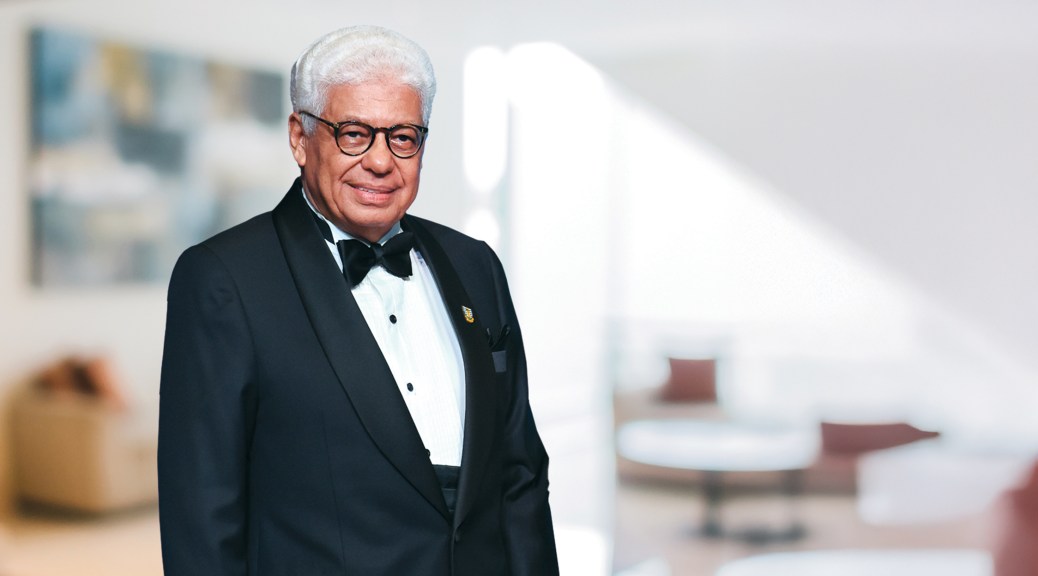
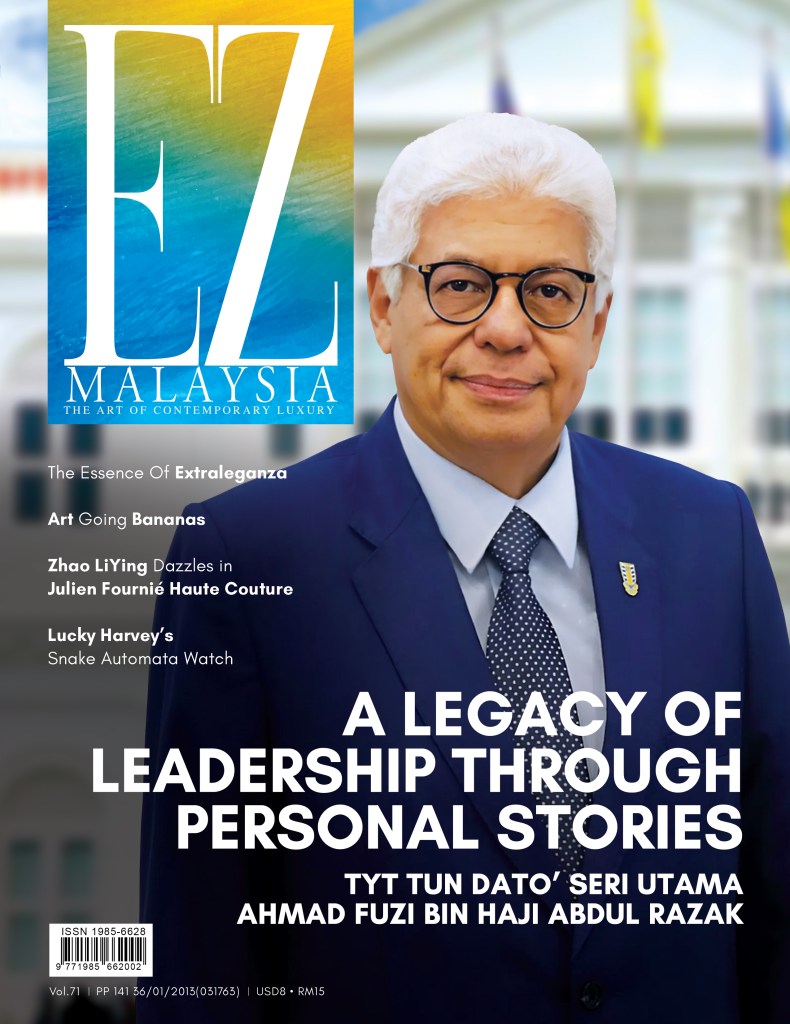
TYT Tun Dato’ Seri Utama Ahmad Fuzi bin Haji Abdul Razak
The Yang di-Pertua Negeri of The State of Penang
TYT Tun Dato’ Seri Utama Ahmad Fuzi bin Haji Abdul Razak is a respected statesman whose illustrious career spans diplomacy, administration, and corporate leadership.
TYT Tun Dato’ Seri Utama Ahmad Fuzi bin Haji Abdul Razak receiving the prestigious CHT Lifetime Achievement Award from Y.A.M. Tengku Laksamana Selangor Tengku Sulaiman Shah Al-Haj (left) at the recent CHT International Awards 2024 in Kuala Lumpur. Looking on is Dato’ Chng Huck Theng (right), Founding President of CHT International Awards.
The 2024 CHT International Awards Lifetime Achievement Award recipient, TYT Tun Dato’ Seri Utama Ahmad Fuzi bin Haji Abdul Razak, is a distinguished statesman whose illustrious career encompasses diplomacy, administration, and corporate leadership. Celebrated for his intellect, humility, and advocacy for diversity, Tun Ahmad Fuzi’s influence extends well beyond his role as the Governor of Penang. He has been instrumental in initiatives that celebrate Penang’s rich heritage while promoting a forward-looking vision for the state’s future. Tun Ahmad Fuzi’s leadership is characterised by genuine engagement with people and a steadfast dedication to preserving Penang’s unique identity.
In this feature, we speak with six of Tun’s friends, who share their reflections on this extraordinary leader with our readers.
A Lifelong Bond with the People’s Governor
by Ang Eng Beng, DJN – Educator, Social Worker, Author, Leadership Trainer
Tun Dato’ Seri Utama Ahmad Fuzi is truly the “People’s Governor.” Humble, approachable, caring, and generous, he has always stood out as someone refined and cultured, yet deeply connected to the people around him.
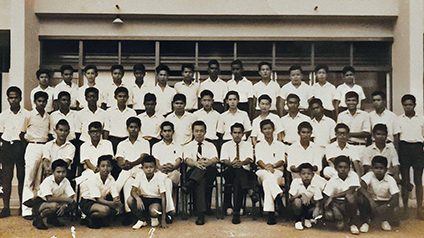
Tun and I were schoolmates in Stowell School and High School Bukit Mertajam from Primary 1 till Form 5, and classmates in Forms 4 and 5, at High School Bukit Mertajam. His leadership qualities were evident even back then. Despite his small stature, his exemplary character earned him respect among our peers, and the role of Hostel Captain, a position he fulfilled with distinction. Growing up in Sungai Bakap, he stayed in the school hostel due to the distance, and his ability to lead and inspire others was clear from a young age.
After we graduated in 1966, our paths diverged, and we lost touch for more than five decades. Seven years ago, I decided to reconnect with our classmates and formed a WhatsApp chat group, HSBM Class1966, and reached out to Tun. To my delight, he eagerly joined our Chat Group and get-togethers, and he has since hosted two reunion dinners for his classmates at Seri Mutiara, always ensuring everyone felt welcome. Tun’s generosity knows no bounds—he even helped financed some of our reunions before becoming Governor.
Tun’s thoughtfulness shines in many ways, including his visits to classmates who are unwell, as well as to former teachers. His loyalty and commitment to keeping old friendships alive is very heartwarming. He is truly a remarkable friend and leader.
TYT Tun is also very attached to our Alma Mater, High School Bukit Mertajam. He visits the School very often, both as a Governor, and before becoming the Governor. He is a great inspiration to the students of High School Bukit Mertajam, often reaching out to the students. The old boys’ association, HSBM ALUMNI is managed by a National Executive Council (NEC), and I’m a Council Member. TYT Tun was an Advisor, until he relinquished the Advisor position on becoming the Governor of Penang. He has contributed immensely to High School Bukit Mertajam largely through the HSBM ALUMNI.
High School Bukit Mertajam, and HSBM Class1966, are so proud of TYT Tun, a distinguished and esteemed Alumnus. Personally, I’m so proud and glad to have studied together with him in the same class, played together, eat together….. Even now, we (TYT Tun and classmates) still enjoy our fellowships and camaraderie in our annual reunion dinners, and our get-togethers in the spirit of brotherhood. He addresses each of his classmates as Brother or Bro. We share a favourite Motto, “Accomplish Or Do Not Begin”, the Motto of High School Bukit Mertajam.
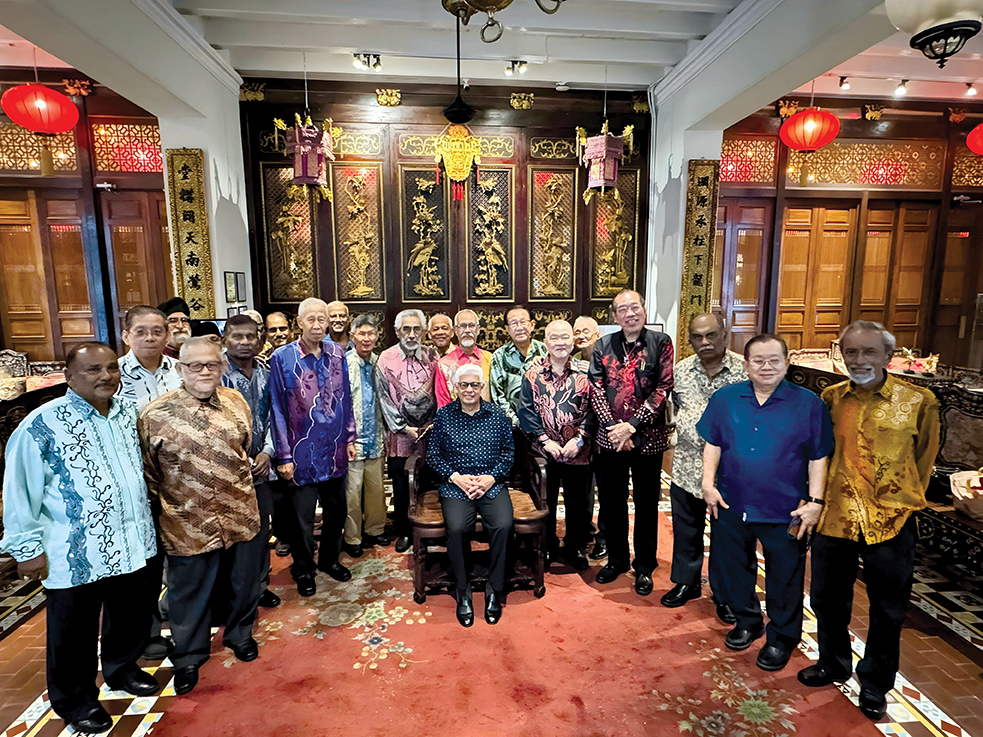
Reunion Dinner with TYT Tun, and classmates of HSBM Class1966 at Seven Terraces.
A Statesman of Warmth and Wisdom
by Datuk Seri (Dr.) Syed Hussian Aljunid – Group Chairman of Media Prima Bhd
His Excellency Tun Ahmad Fuzi and I go back a long way. I have had the privilege of knowing Tun through various encounters over the years, and our relationship has grown to one of mutual respect and friendship. While I deeply respect him as a leader, I am also fortunate to call him a close friend. His professional acumen and leadership are apparent in his formal engagements, but it is in more personal settings where his true character shines. Tun Ahmad Fuzi is warm, approachable, deeply empathetic and possesses a wealth of knowledge and wisdom. His insights, from years of experience and astute observation, are invaluable to those fortunate enough to spend time with him. He has this unique ability to summarise complex issues into easily understandable concepts; he listens with intent, engages in meaningful dialogue, and offers sage advice, making those around him feel valued and understood.
As Governor, Tun Ahmad Fuzi has dedicated a significant portion of his time to community development, welfare programmes, poverty alleviation, encouraging unity across communities and preserving Penang’s cultural heritage. He established the TYT Yang di-Pertua Negeri Pulau Pinang Foundation, the first of its kind by a state governor, to support education, healthcare, and poverty relief programmes throughout the state.
In his role as the head of Islam in the state, Tun Ahmad Fuzi has championed initiatives to improve education, economic opportunities, and healthcare for Muslims in the state. At the same time, he has actively encouraged interfaith dialogue, promoting mutual understanding and respect among all communities. His efforts have been instrumental in creating an environment where diversity is celebrated, and unity is strengthened.
Tun is also a tireless advocate for Penang’s development and has also been instrumental in positioning the state as a global hub for business and tourism, leveraging his diplomatic acumen to attract investment and foster international collaborations.
If I were to describe him in one word, it would be “Statesman.” He approaches challenges with wisdom and cares deeply about the long-term well-being of the people and the state. It is evident in his actions and interactions. I have personally witnessed his dedication to creating an inclusive environment where everyone feels welcome and respected. For instance, I am often invited to participate in casual conversations with his circle of friends, a gesture that speaks volumes about his commitment to breaking down barriers and promoting genuine connections. His Excellency’s inclusive leadership style serves as a personal inspiration, and I am deeply grateful for the opportunity to learn from his example.
Tun Ahmad Fuzi is, without a doubt, “a Penangite who truly cares about the state and its people.”
A Legacy of Leadership and Compassion
by Dato’ Moorthy Murugaiah – Senior Director Asia Regional Business Partner, People Organisation, Micron Memory Malaysia Sdn Bhd
I wanted to take a moment to share my reflections on TYT, a remarkable individual who has left a lasting impression on me.
Our first meeting was during a Media Prima dinner celebrating his 72nd birthday in 2021. Representing my company, I had the privilege of sitting beside him. I approached my conversations cautiously, unsure of his personality. To my surprise, he was engaging and curious, gradually turning our discussion into a meaningful exchange. By the end of the evening, I had gained a deeper understanding of him.
Since then, I’ve had the pleasure of connecting with TYT on various occasions—at the shooting club, high tea at Sri Mutiara, charity events, private dinners with Indian entrepreneurs and at my company events. His belief that everyone plays a role in building the community and nation is evident in his actions. He leads by example, inspiring others to see the difference they can make.
TYT’s influence has profoundly impacted me, motivating annual community programmes for under-resourced students. I truly admire his attentiveness and mindfulness to every development or event within the state, no matter how small. I accompanied him on visits to grieving families, including those of a TUDM soldier who lost his life in a helicopter accident, and another was a differently abled individual who lost his life in his quest to conquer Everest. I was deeply moved by the empathy and compassion he exhibited, not only in his conversations with the family members but also in his follow-up actions.
His energy is extraordinary, with a packed schedule seven days a week. Despite this, he remains well-informed on global developments, offering insightful perspectives on current events. His comprehensive understanding and intellectual insights inspire me continually.
One notable example of his foresight was his suggestion to donate Smart Televisions to rural Tamil schools. Initially focused on providing laptops, I was unaware of the broader socioeconomic impact of his proposal. His explanation revealed a profound long-term vision that was both enlightening and impactful.
“As a head of state, TYT’s contributions are reflected in the significant impact of his work. His leadership and dedication continue to inspire me, and I hope these reflections convey the profound influence he has had on me.“
A Quintessential Leader
by Prof. Emerita Dato’ Seri Dr. Wazir Jahan Karim – Co-author/Editor “Timeless Penang: Tradition in Transition”
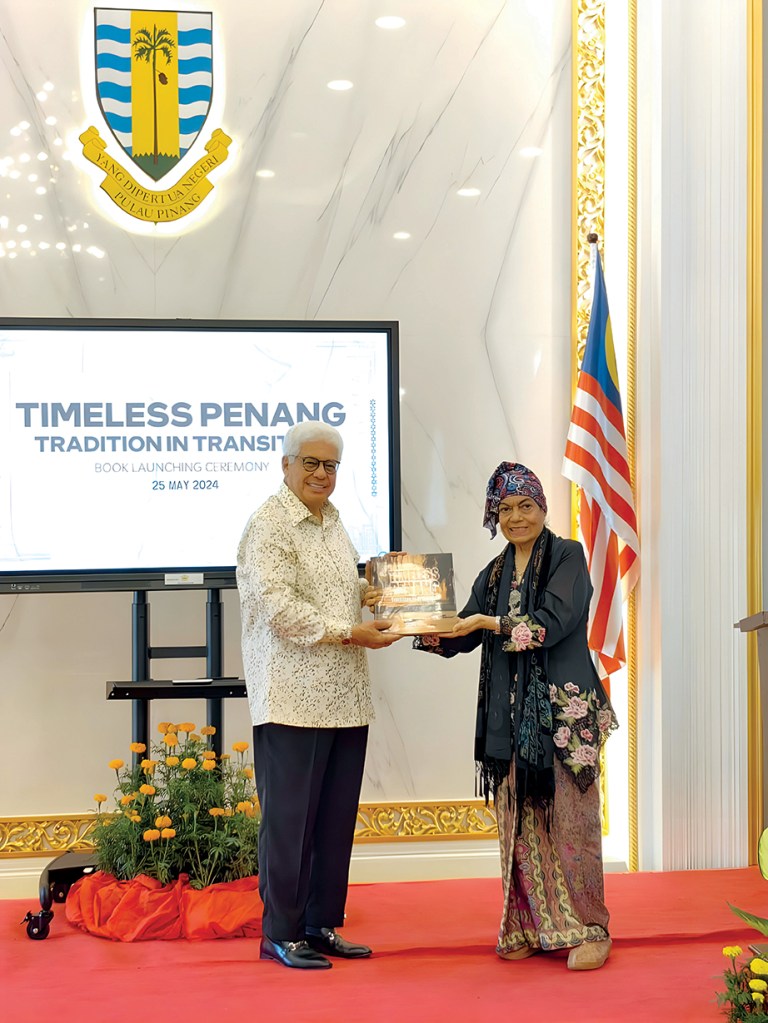
I first met Tun Ahmad Fuzi on formal occasions, but it was during our collaboration on the book Timeless Penang: Tradition in Transition in 2023-2024 that I truly got to know him. Commissioned by Tun as a souvenir for visitors to Seri Mutiara, the book was officially launched in May 2024.
Authored by distinguished scholars, intellectuals and academics representing institutions including Think City, Habitat Foundation, and Iskandar Malaysia Studios, Timeless Penang offers an in-depth exploration of the state’s biodiversity, economic resilience, and rich cultural heritage. It traces Penang’s transformation into a cosmopolitan hub with a maritime history that predates the Kedah Sultanate.
Tun Ahmad Fuzi’s vision for the book emphasised the inclusion of indigenous voices, steering away from a simplistic colonial or post-colonial narrative. This approach involved exploring the nuances of preserving Penang’s heritage and traditions amid the challenges of a rapidly advancing economy.
Through our collaboration, I came to admire his intellect, sharp wit, and eloquence in both Malay and English. His passion for history, particularly the intricate ties between Penang and Kedah in pre-colonial times, stood out.
What impressed me most was his appreciation for diversity and inclusivity. Tun sees Penang’s multiculturalism as its strength, advocating for a balanced path that ensures the state remains competitive with Malaysia’s most advanced regions.
A particularly touching moment was when Tun shared that Seri Mutiara’s gardens had welcomed around 1,000 schoolchildren, giving them a chance to enjoy the serene surroundings. This small yet meaningful gesture reflects his genuine care for the community.
If I were to describe him in one word, it would be “Quintessential.” Tun Ahmad Fuzi embodies the ideal qualities of a head of state—visionary, compassionate, and deeply rooted in his mission to uplift Penang and its people.
A Portrait of Leadership
by Dato’ Malkit Singh Dalip Singh – Immediate Past President of the Penang Club and Secretary of the Penang Sikh Association
My first encounter with Tun was in my capacity as the Secretary of the Penang Sikh Association and the President of the Penang Club. The Penang Sikh Association was one of the first organisations to honour Tun as the incoming Governor of Penang, hosting a splendid Punjabi lunch. Tun and the elegant Toh Puan attended in traditional Punjabi attire, a gesture that reflected Tun’s deep respect for cultural traditions. As President of the Penang Club, I also had the privilege of welcoming Tun as the Patron of the oldest club in the country, established in 1868, and rendering speeches in his honour on a few occasions from 2022 to 2024.
Tun’s story is one of resilience. From humble beginnings, walking miles to school in worn-out shoes, he rose through sheer perseverance to graduate from the University of Malaya and later earn a Certificate in Diplomacy from the University of Oxford. A paragon of punctuality, Tun’s time-consciousness stems from his diplomatic days in Moscow.
Tun is unassuming and unpretentious. During a courtesy visit to Seri Mutiara, as I marvelled at the sprawling grounds, Tun remarked, “This mansion belongs to the people of Penang. I am merely a temporary lodger.” This is the measure of Tun’s humility and service-oriented mindset. Moreover, Tun has an incredible knack for remembering faces and names and personally engages with guests at events.
During the two charity walks I attended at Penang Hill, I was struck by Tun’s boundless energy. His vigour outpaced many younger participants, including event organisers, especially along the final uphill stretch to the majestic colonial-era Bel Retiro, his official residence on Penang Hill. Tun graciously welcomed the walkers, epitomising his remarkable hospitality.
He has actively engaged with diverse stakeholders to foster collaboration, discussion, and the sharing of ideas. Hardly a day passes without him being involved in something, and he has successfully strengthened Penang’s global presence.
His passion for education has facilitated scholarships amounting to nearly RM10 million, providing critical opportunities for many young minds. Through the Yayasan Amal Tuan Yang Terutama, Tun has raised over RM4 million for charitable causes, extending crucial support to those in need. His calm demeanour, silver mane, and timeless sophistication encapsulate his role as a courteous and down-to-earth head of state.
To me, Tun is more than a symbolic figure; he embodies what it means to serve with love and dedication. His legacy is one of humility, relentless service, and a genuine connection with the people of Penang.
A Vision with Tun Ahmad Fuzi
by Tan Sri Dato’ Seri (Dr.) Haji Mohd Yussof Latiff – President, Penang Malay Association (PEMENANG)
I first became acquainted with Tun Ahmad Fuzi when he was appointed as the Yang di-Pertua Negeri of Penang in May 2021. Prior to that, I only knew Tun Ahmad Fuzi as a distinguished Malay son of Penang who excelled in his civil service career and served as a Malaysian diplomat abroad. I was also aware of his reputation as a notable figure in the corporate world after his retirement.
A few weeks after Tun’s official appointment as Yang di-Pertua Negeri, I, representing the Penang Malay Association (PEMENANG), paid a courtesy call on him to introduce myself and the association.
When I met Tun, I could sense his charisma and his personality as a distinguished and authoritative figure. This impression was reinforced in subsequent meetings with him, during which we discussed various issues concerning the Malay community in Penang. Tun is a great listener and possesses a visionary outlook.
He encouraged PEMENANG to address the issues of the Malay community in Penang inclusively—not merely by highlighting problems but by becoming an organisation capable of providing solutions for the community’s challenges.
Among the matters that garnered his serious attention was PEMENANG’s proposal to establish a Malay enclave to develop waqf lands in Kampung Makam and Kampung Dodol, as well as the purchase of a piece of land on Persiaran Perak to be developed into a Bumiputera housing project in the heart of Tanjong.
Tun took this proposal seriously and supported PEMENANG’s efforts to collaborate with any relevant government agencies. As a result of discussions with Tun regarding this proposal, PEMENANG is now in negotiations with UDA to realise the Malay Enclave project in Tanjong. This proposed project has also received the blessing of Y.A.B. Dato’ Seri Anwar Ibrahim, the Prime Minister of Malaysia.
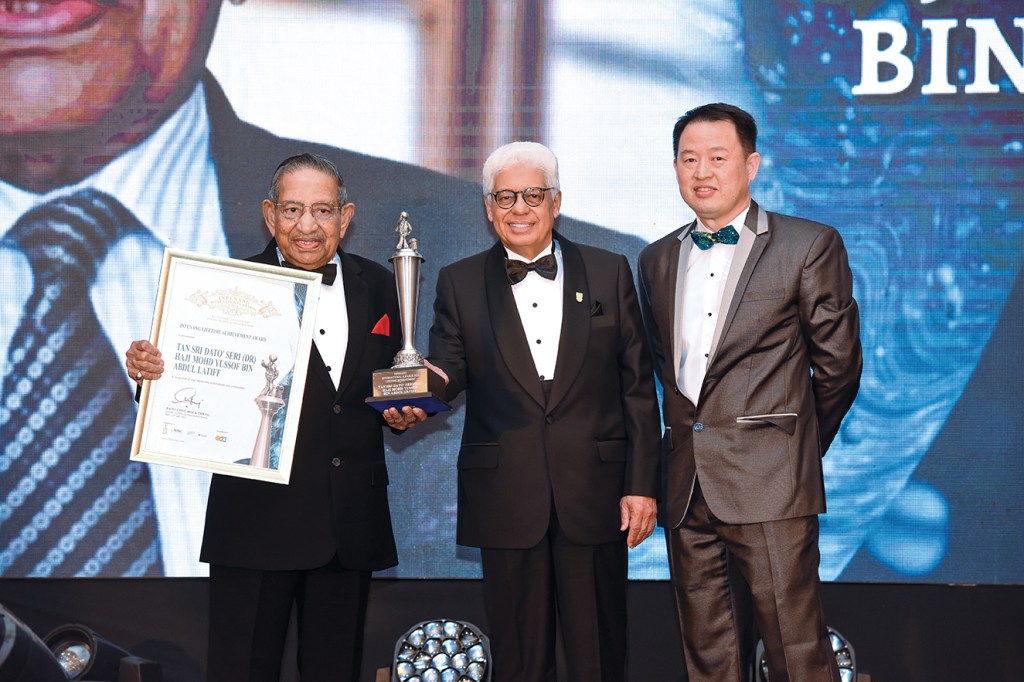
Tan Sri Dato’ Seri (Dr.) Haji Mohd Yussof Latiff (left) receiving the INPenang Lifetime Achievement Award from TYT Tun Dato’ Seri Utama Ahmad Fuzi bin Haji Abdul Razak at the INPenang International Awards 2023 presentation ceremony, accompanied by Dato’ Chng Huck Theng (right), Founding President of CHT International Awards.
Tun has always been an inspiration to organisations and local communities in addressing social, economic and public issues, subsequently encouraging resource mobilisation among parties to achieve shared prosperity and results for our fellow Penangites.
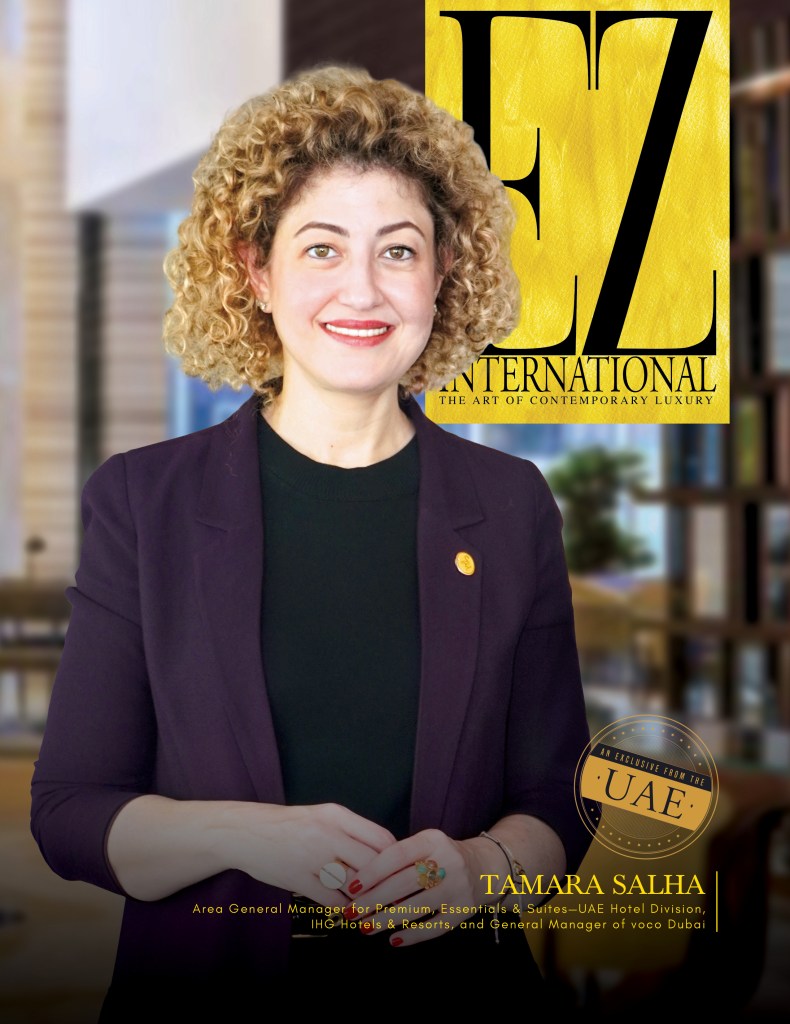
Area General Manager for Premium, Essentials & Suites—UAE Hotel Division, IHG Hotels & Resorts, and General Manager of voco Dubai
“To drive is to be independent. To be driven is to be successful.”
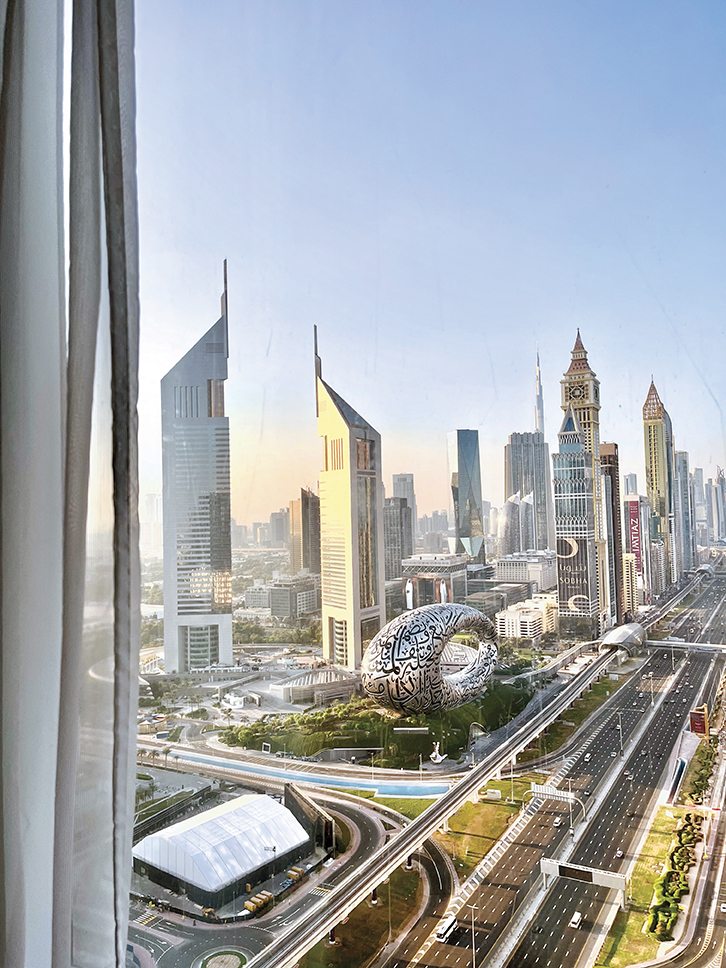
Tamara Salha, formerly General Manager of Crowne Plaza Dubai Marina, was appointed Area General Manager for Premium, Essentials & Suites—UAE Hotel Division, IHG Hotels & Resorts, and General Manager of voco Dubai in October 2023. Her journey with voco began in 2019 when she relocated from Lebanon to Dubai as hotel manager. She was instrumental in rebranding the independently managed Nassima Royal Hotel into the first voco property in the Middle East under IHG. Ensuring the success of this flagship hotel was a milestone for IHG’s regional presence. Here, she shares her insights and aspirations with Editor-in-Chief Dato’ Chng Huck Theng on location in Dubai.
Born and raised in Lebanon, Tamara moved to London at age 8 during the civil war. She spent most of her childhood in London, attending the only French school in the UK, driven by her father’s determination to preserve her family’s connection to the French language. Tamara and her family returned to Lebanon as the country began to stabilise. She studied children’s education and child psychology at the American University of Beirut—a field she ultimately did not pursue professionally but one that continues to be valuable in her current role, shaping her approach to leadership.
“My family is in hotels. We own the InterContinental Phoenicia Beirut, founded and built by my grandfather. It’s a landmark hotel—opened in the 1960s, closed after the civil war, restored and reopened in 2000.” Despite her initial hesitation to join the family business and the inevitable comparisons to her sibling and relatives, she took an internship in the Housekeeping Department. “I believe that when you fall in love with something and discover your passion, you realise your potential. I realised I am capable, and I loved it. I persevered. I excelled and worked my way up.”
Over the next 18 years, Tamara built her career primarily in Lebanon, taking on short international task force duties in Kuala Lumpur and Dubai. Her first major move came in 2019 when she left Lebanon to become a hotel manager. After a year, she joined a task force at Yas Island, expecting to stay for a month, but COVID extended her assignment to six. “It was a valuable learning experience. We were one of the first hotels to handle a COVID case. We managed quarantines, created a bubble for the Ultimate Fighting Championships (UFC), and kept our team engaged and motivated.”
Tamara has never felt that being a woman influenced her opportunities in the Middle East. “When you’re working, you’re working. IHG operates with strong values and a code of conduct. Whether I’m in London, Dubai, or Lebanon, I’m treated the same way. My focus is on empowering the next generation, and I’m proud to mentor aspiring female leaders through the IHG Academy. As a female area manager overseeing male general managers, I lead by influencing upwards and downwards. Gender has never been an obstacle.”
She highlights the industry’s evolving dynamics, emphasising the importance of mentorship. Through IHG’s RISE program, Tamara mentors young female managers, helping them navigate leadership challenges. The programme provides tools for growth while emphasising commitment and sacrifice—qualities essential to success. “Ultimately, a GM’s role cannot be fulfilled virtually; it demands presence, sacrifice and dedication.”
Tamara believes that adapting to new talent is key to the hospitality industry’s future. The next generation brings creativity and resourcefulness, but they require communication, clear career paths, and recognition. “Mentorship is a two-way street. We learn from them as they learn from us. Traditional work-life balance can be difficult, but companies must align with the values of today’s workforce, who prioritise diversity, inclusion, equality, mental well-being and balance.”
Her journey has taught her two critical lessons: resilience and the ability to let go. Working in Lebanon during political instability and crises, including the 2020 port explosion, tested her ability to adapt and maintain focus. “These experiences taught me to handle crises calmly, think long-term, and keep my team going strong.” Moving to Dubai, she carried these lessons forward, proving her agility and leadership.
“Stepping out of routine is essential. I explore hotels, restaurants, and new experiences to stay inspired and current and encourage my team to do the same.“
Tamara’s management style is rooted in trust and collaboration. “Success doesn’t happen in isolation. I’ve learned to step back, trust my team, and share in our collective achievements.” Her curiosity drives her success, as she constantly questions and challenges norms. Having said that, she also advises against overworking, as long hours can lead to burnout and reduced creativity.
Looking ahead, Tamara envisions returning to Lebanon in 10 years to contribute to her family’s business while continuing to grow in her current role. “I left to prove myself and gain experience. I want to bring back the knowledge and expertise I’ve obtained.”
Tamara describes herself as curious, disruptive, and natural. Her curiosity fuels her drive for understanding, while her disruptive mindset challenges the status quo. Above all, she prides herself on authenticity, leading with integrity and transparency.
“To drive is to be independent. To be driven is to be successful.”
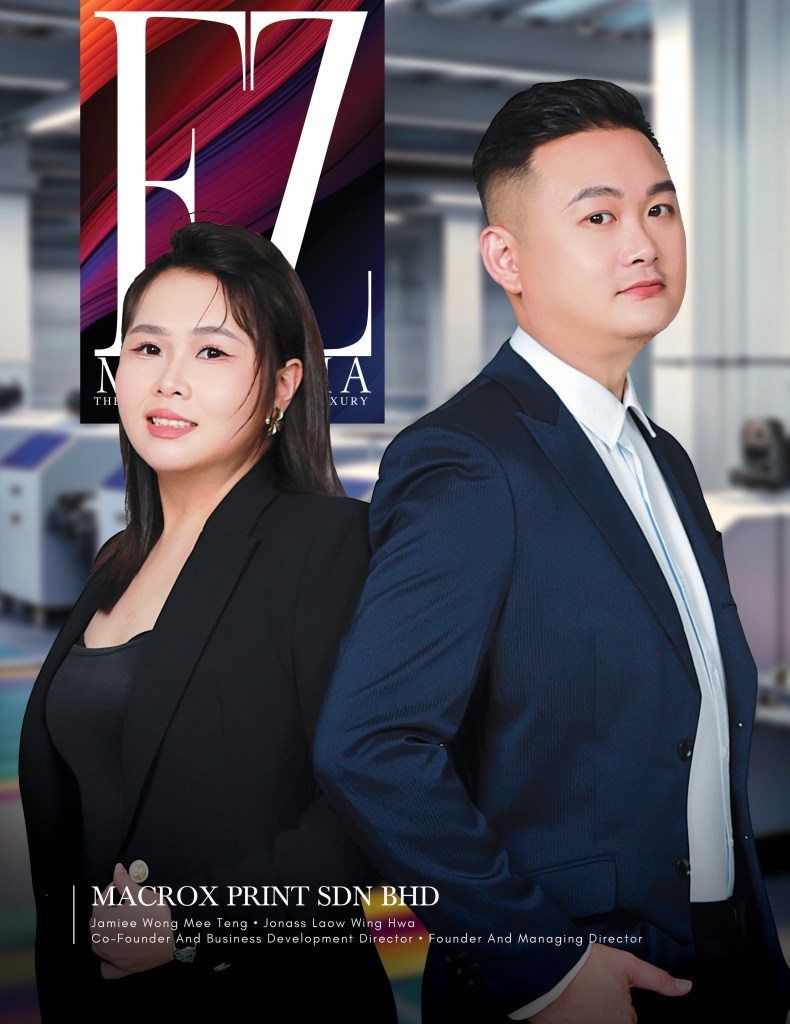
Jamiee Wong Mee Teng • Jonass Laow Wing Hwa Co-Founder And Business Development Director • Founder And Managing Director
“I believe that in entrepreneurship, once you have a company, you should always consider yourself the CEO of a public-listed company.”
Founded by Jonass Laow (Founder and Managing Director) and Jamiee Wong (Co-Founder and Business Development Director) in 2003, Macrox Print Sdn Bhd has built its reputation on a commitment to innovation, efficiency, and high-quality printing and packaging branding services.
“Set high standards for yourself and work hard to improve.”
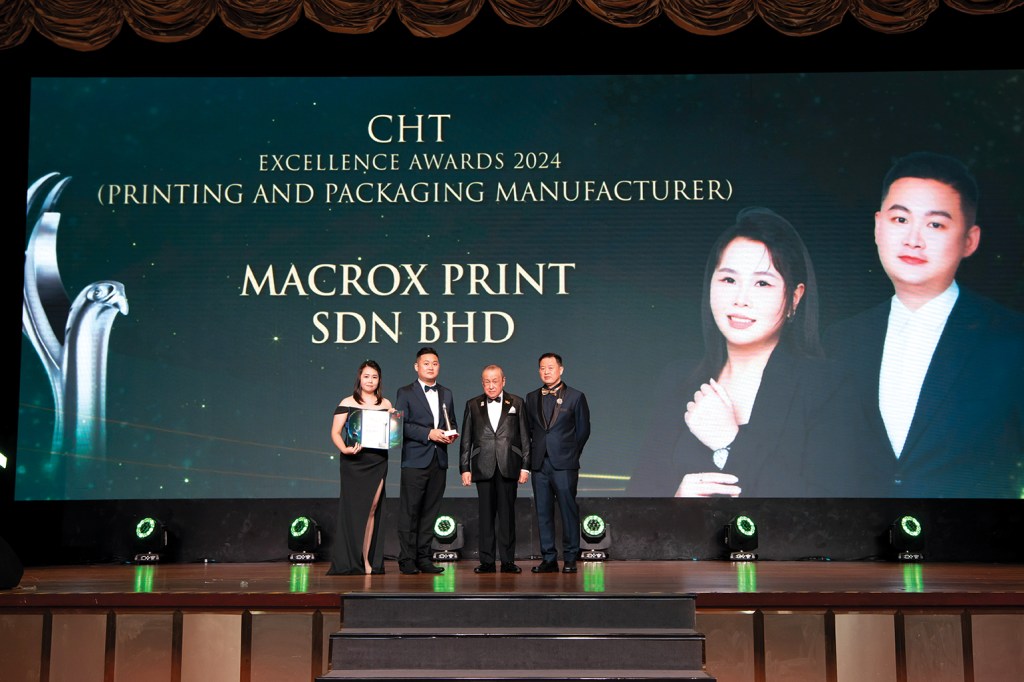
At the recent CHT International Awards 2024 in Kuala Lumpur, Macrox was honoured with the prestigious CHT Excellence Award, recognising their pioneering contributions to the industry. This award highlights their role as a leader in advanced security packaging, with designs that prioritise product protection and brand integrity. Innovative solutions, such as hologram stickers, serial number systems, and hidden codes, deter tampering and build consumer trust by ensuring authenticity. Adding a novel edge, Macrox integrates advanced technology into traditional packaging. Their Smart Packaging services, featuring QR codes, RFID tags, sensors, and augmented reality elements, enhance product tracking, authentication, and consumer engagement.
Macrox has invested in a range of printing solutions, including offset, digital, and inkjet printing, making them a trusted partner for diverse business needs, with each of the departments supporting Macrox’s commitment to creating custom packaging solutions that match each client’s unique identity. For businesses looking to captivate consumers at the point of sale, Macrox also specialises in high-quality promotional materials, including standees, promo tops, shelf-talkers, and poster boards.
Their servicing brands include:
• mypaperbox.my (various kinds of paper packaging boxes)
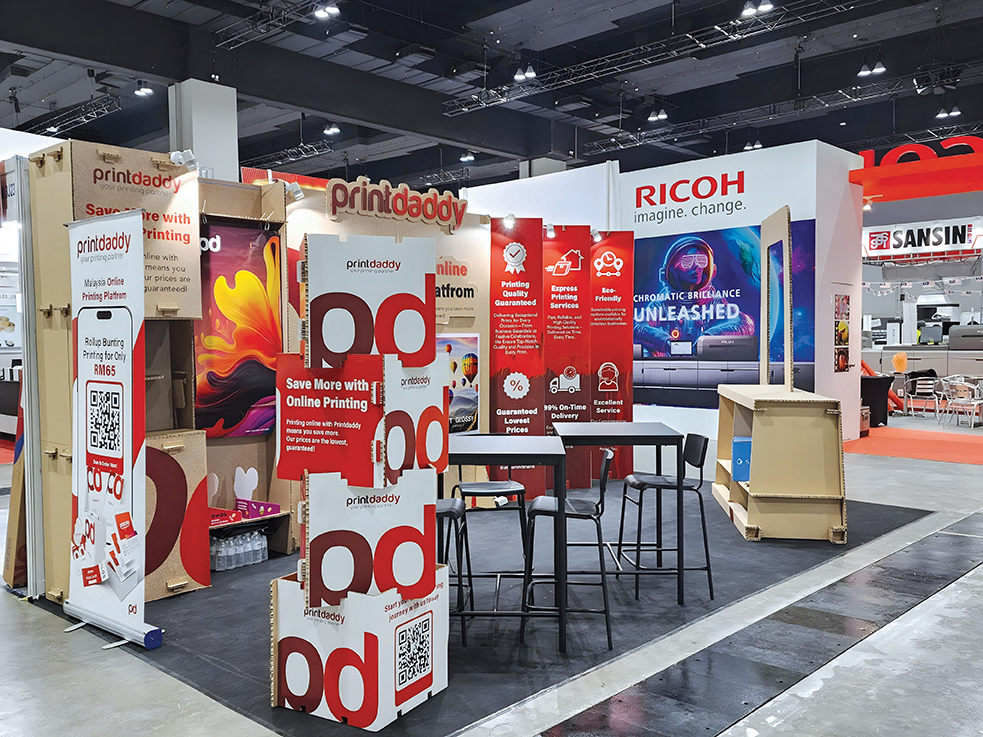
• printdaddy.my (an online printing platform that supports express printing services and large format printing)
• Tentomushi (customised DIY wallpaper and canvas products)
They strive to advance printing production into a world-leading economy within an industry resilient to changing times. By creating eco-friendly packaging solutions while raising awareness around sustainable practices and continuously integrating advancements in traditional printing technology, Macrox has become a key player in transforming the packaging sector.
In 2024, they have innovated new products [Eco-Packaging] and [Paper-Booth], which promote Sustainable Development Goals (SDGs) and Environmental, Social and Governance (ESG) practices merging to the current market by encouraging related corporations to create a positive impact in sustainable living environments and trigger innovation of the economy.
With a wide client base and a strong commitment to sustainability and innovation, Jonass and Jamiee continue to set high standards in the printing and packaging industry, establishing Macrox as a name known for quality and forward-thinking solutions.
“The desire for growth and success is what drives me from ordinary to excellent to extraordinary.”
Jamiee and Jonass receiving the prestigious CHT Excellence Award from Y.A.M. Tengku Laksamana Selangor Tengku Sulaiman Shah Al-Haj (2nd from right) for Macrox’s pioneering contributions to the packaging industry at the recent CHT International Awards 2024 in Kuala Lumpur. Looking on is Dato’ Chng Huck Theng (far right), Founding President of CHT International Awards.
Chief Executive Officer of Dajiang Publishing House
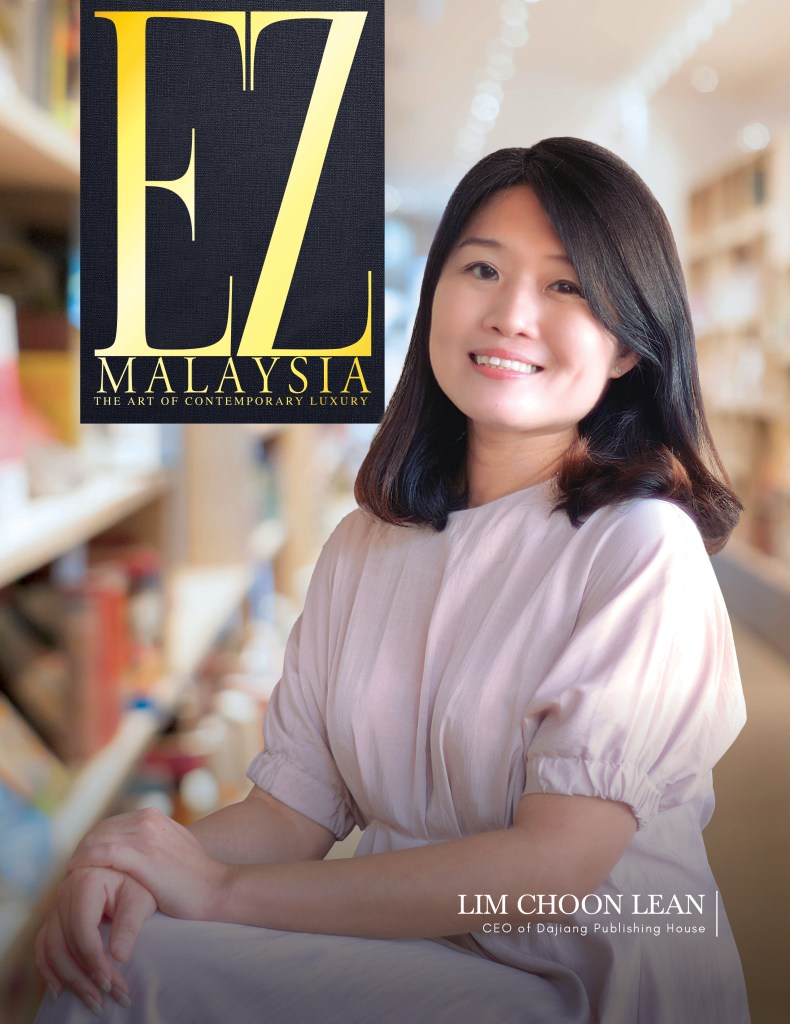
Here’s our tête-à-tête with Lim Choon Lean – a personal, thoughtful perspective on her journey from journalism to publishing, and her aspirations for the future as the new CEO of Dajiang Culture.
“After 26 years with Guang Ming Daily, making the leap from journalism to publishing was no small decision.”
Image by Li Shuyi
This past March, I stepped away from my role there, taking on a new challenge as the CEO of Dajiang Publishing House. Switching careers in mid-life yet staying close to writing has been a blessing. My love for words remained constant. Despite the challenges that come with publishing in the digital age, I believe in the enduring power of the written word and am ready to explore new horizons alongside my team.
The Changing Landscape of Publishing Today, the publishing industry faces the rise of personal digital devices and an increasingly digital audience. Yet, I see unique strengths in print publishing. Through reading, one can develop a thorough, structured understanding—something that digital media cannot provide nor replace. Books nurture thoughtfulness and reflection, which is why I believe there’s still space for traditional publishing in the modern era. However, publishers need to evolve, embracing new formats and methods while recognising that our work is more than “putting out books”—it’s about being a vital channel of knowledge and culture. We should adapt, but without compromising the essence of what makes reading so enriching.
Take, for instance, how society’s pace has shifted after the pandemic. People have begun to pick up books again, taking time to reconnect with stories and ideas. For publishing to thrive, we must embrace this shift by pushing the boundaries, recognising market changes, and focusing on content innovation, channel transformation, and system reform. I believe the challenges posed by new technology and the rise of integrated media will bring even more business opportunities and broader growth potential for traditional publishing.
Lessons from Journalism and a New Perspective Reflecting on my time as a journalist, there were many moments that deepened my understanding of storytelling. Journalism demanded quick, sensitive responses to the world around me, and that responsiveness is invaluable in publishing too. Both fields require a sharp instinct for what people want to read, an openness to change, and a willingness to take risks.
As a journalist, I was accustomed to working at a fast pace, where every story must be delivered with accuracy and urgency. In publishing, I’m learning the value of slowing down. Books aren’t just produced—they’re crafted. This slower, more immersive approach allows the stories to take root, drawing on human experiences and relationships to create literature that resonates.
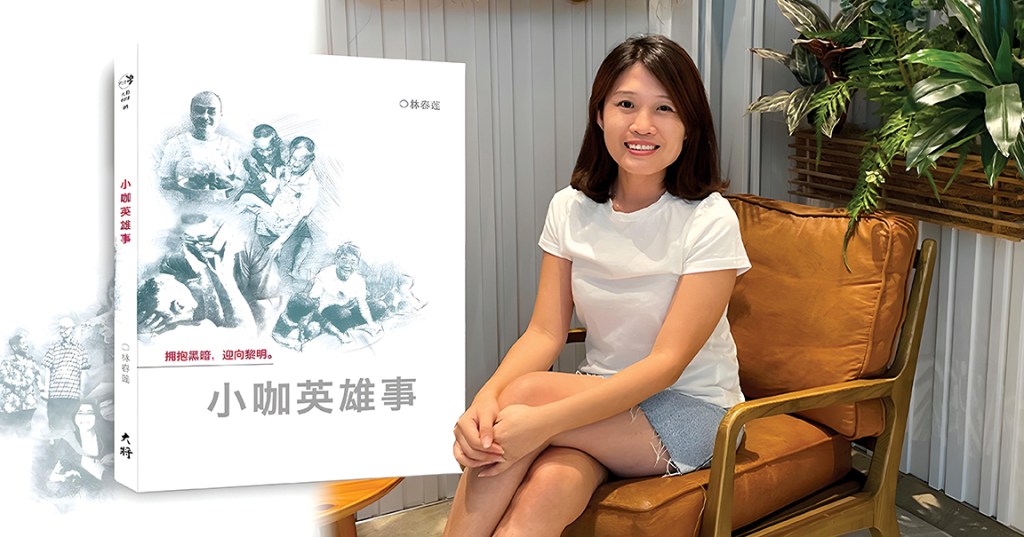
A Writer’s First Steps and the Challenge of the Spotlight Publishing my first book, Little Heroes, five years ago was a transformative experience. Writing it was a journey into a new world, where my characters came to life and shared their stories with readers. I also found myself stepping out from behind the scenes, as a writer in the spotlight. Media interviews, book fairs, school events, and learning how to engage an audience—all of this was new, and it taught me as much as any article I had ever written.
New Challenges in Publishing Both fields offer unique perspectives and fulfill a deeply satisfying role. Many people say I’m bold to jump from one “sunset industry” to another. But for me, in times of uncertainty, seeing our work through others’ eyes reminds me of how valuable it is. When there’s no stage, create your own. Ink on paper is beautiful, and I firmly believe that the power of words can never be replaced. In this industry, gifted editors with sharp insights are rare, as are strategic publishing leaders. It takes true passion to endure through the years, and I believe publishing is a lifelong endeavour.
Switching careers from journalism to writing, and now to managing a publishing business, has not been without challenges. My biggest hurdle has been learning to pause, to consider each decision carefully. As a journalist, I was used to having facts at the core of my work, and speed was essential. Publishing, however, requires patience; literature takes time and thought, evolving out of genuine human experiences.
As someone with a background in journalism, I’ve found that this new journey is enriched by a strong network and a keen instinct for quality content. One area that has stretched me, though, is managing people. Every choice I make affects the entire team, and building an effective, forward-looking publishing team is crucial in today’s rapidly changing world. Our industry must attract talented, driven individuals who can not only navigate the digital age but thrive within it.
Creating a New Chapter for Dajiang Culture Upon taking over, I rebranded Dajiang Publishing House as Dajiang Culture, aiming to expand beyond traditional publishing into new experiences, including a book café concept. We’re also organising events and collaborating with schools, introducing younger generations to the joy of reading. I hope this new direction will bring readers closer to the stories they love, allowing them to see books as an essential part of life.
Looking Ahead Over the next five years, I envision Dajiang as a dynamic player in the age of digital transformation. Artificial intelligence is changing every industry, and for publishing, this could be revolutionary. I see opportunities to integrate AI into cultural expression, using digital and intelligent technologies to enhance our content and broaden our reach. We hope to attract individuals skilled in both AI and the art of publishing to help us explore these frontiers.
Ultimately, my dream is for our books to be sincere and heartfelt, capturing moments of great social and cultural significance. I hope that our work will preserve a record of society’s changes and creative achievements, leaving a legacy for generations to come. Because in the end, while the tools may change, the love of words and their impact on the human spirit is irreplaceable.
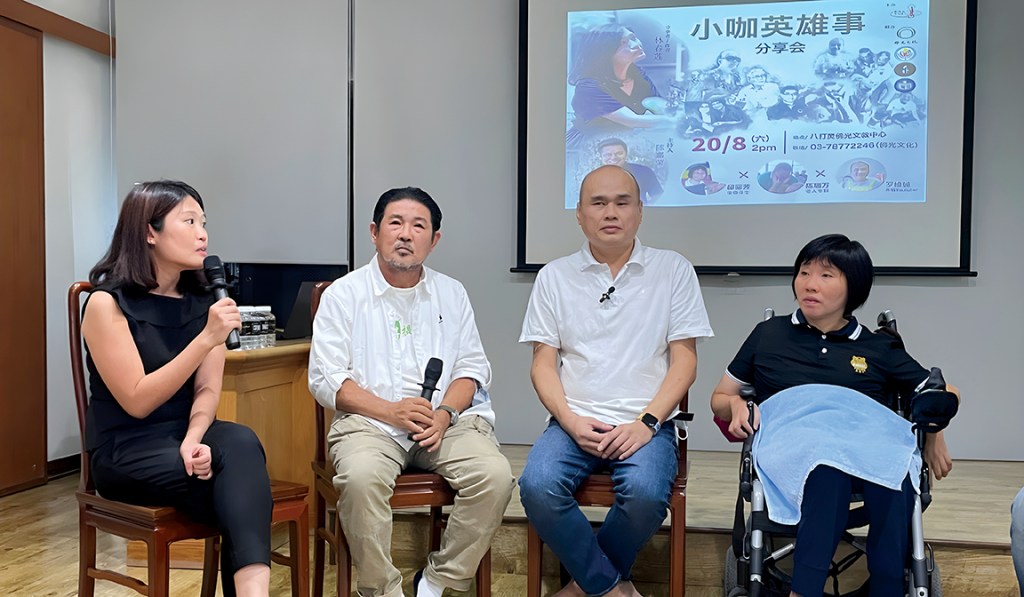
At a sharing session held at the Fo Guang Cultural and Educational Center of Malaysia on Saturday, August 20, Lin Chunlian (from left) brought the protagonists of the story in her book “Little Heroes” to share their experiences of going through the dark chapters of their lives. They are Chen Ruiwan, the director of Bodhi Xinyuan Nursing Home, Luo Weiqiang, a blind YouTuber, and Qiu Lifang, a paralysed person with a master’s degree. Image by Li Shuyi
Introduction Haematopoietic stem cell transplantation (HSCT) has emerged as an increasingly safe and effective therapeutic procedure, with origins tracing back to the early 1960s.
Today, HSCT is a crucial curative strategy for patients with haematological malignancies, such as leukaemia, lymphoma, multiple myeloma, myelodysplastic syndrome, myeloproliferative neoplasm, and for some non-malignant blood disorders such as acquired bone marrow failure syndrome.
Summary of Indications for Haematopoietic Stem Cell Transplantation
Acute myeloid leukaemia
Acute lymphoblastic leukaemia
Chronic myeloid leukaemia in blast crisis
Primary myelofibrosis with intermediate or high DIPSS score
Myelodysplastic syndrome with excess blasts, high-risk multilineage dysplasia
Chronic lymphocytic leukaemia with high-risk disease, Richter’s transformation
– Haplo-identical donor (half HLA-matched, parents or children)
– Umbilical cord blood
Peripheral Blood Stem Cell (PBSC) Apheresis Stem cell apheresis is a unique procedure that collects stem cells from peripheral blood using a cell separator called an apheresis machine. The process begins with mobilising haematopoietic stem cells (HSCs) from the bone marrow into the bloodstream, typically through a growth factor called granulocyte colony-stimulating factor (G-CSF). Once enough stem cells circulate in the blood, they are collected through the apheresis machine.
Stem cells are transferred to a collection bag, while the remaining blood components are returned to the body through a catheter. Each session typically lasts 4 to 8 hours, and the procedure may be performed over one to two days, depending on the amount of stem cells required. This non-surgical procedure is generally well-tolerated by both patients and donors.
Basic Principles of Haematopoietic Stem Cell Transplantation Before the infusion of HSCs, patients receive a combination of drugs with or without total body irradiation (TBI) as a conditioning regimen. Conditioning eradicates residual disease, creates “empty space” within the bone marrow cavity, and suppresses the immune system. Following the conditioning, HSCs are infused into the patient, migrating to the bone marrow to produce new blood cells. HSCs can regenerate blood components and reconstitute the immune system of patients whose bone marrow has been compromised due to disease or high-dose chemotherapy. Successful integration of transplanted cells is monitored, leading to the recovery of haematopoiesis and healthy bone marrow function.
Advantages and Risks of PBSC HSCT Compared to traditional bone marrow transplantation (BMT), PBSC HSCT offers faster blood cell count recovery and a lower incidence of complications. Studies indicate that patients undergoing PBSC HSCT experience quicker haematopoietic recovery, resulting in shorter hospital stays. Additionally, PBSC use has become more common due to its availability and the relative ease of collection compared to bone marrow.
Despite its benefits, PBSC HSCT carries risks. Patients may encounter complications such as infections and organ dysfunction, particularly in the early post-transplant period. One significant complication of allogeneic HSCT is graft-versus-host disease (GVHD), where the donor’s immune cells (the graft) attack the recipient’s tissues, recognising them as foreign. Infections are another primary cause of morbidity and mortality, as the conditioning regimen and procedure significantly weaken the patient’s immune system, increasing susceptibility to bacterial, fungal, and viral infections. Managing these risks requires vigilance, effective prophylaxis, and timely treatment.
Conclusion While HSCT can be a life-saving treatment, it also entails substantial risks, particularly with infection and graft-versus-host disease in allogeneic transplants. Careful patient selection, optimised conditioning protocols, effective anti-GVHD strategies, and robust anti-infective measures are critical for improving outcomes. Through these advancements, HSCT continues to offer hope for patients with otherwise incurable blood disorders, providing the potential for long-term remission and enhanced quality of life.
All images courtesy of LohGuanLye Specialists Centre
Dr. Teoh Ching Soon
Consultant Clinical Haematologist & Physician
MD (UPM), MRCP (UK), Fellowship in Clinical Haematology (Malaysia), Fellowship in Bone Marrow & Stem Cell Transplantation (Taiwan)
Dr. Teoh Ching Soon is the Clinical Haematologist & Physician in LohGuanLye Specialists Centre. He has a keen interest in the management of malignant haematological disorders such as leukaemia, lymphoma, multiple myeloma, myelodysplastic syndrome and myeloproliferative neoplasm. His clinical work also focuses on benign haematological diseases, red cell and platelet disorders, coagulation and haemostasis, consultative haematology and haematopoeitic stem cell transplantation.
by Dr. Tan Hoo Seong Consultant Obstetrician & Gynaecologist
Perineal Lacerations Each year, between 130 to 150 million babies are born worldwide. Many new mothers experience a tear in the area between their vagina and anus (called the perineum) during delivery. This can affect their physical, emotional, and mental well-being. It can also impact healthcare systems, as treating these injuries can be costly.
In Malaysia, these types of injuries are often not well-reported or managed, mainly due to a lack of awareness and guidelines among healthcare providers and mothers. This article aims to shed light on the issue and encourage better care for new mothers.
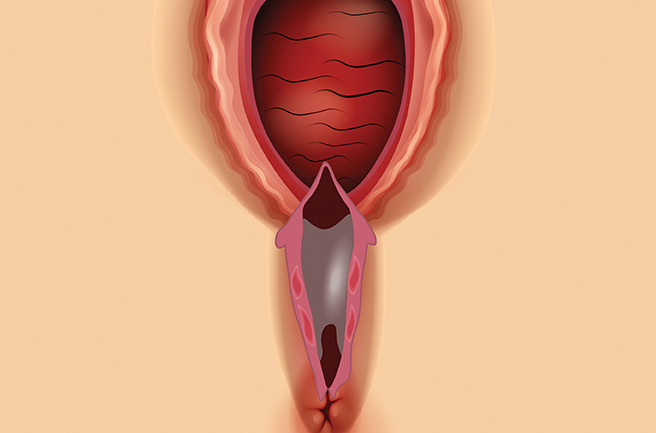
Overview What is a vaginal tear? A vaginal tear occurs during childbirth. Also called a perineal laceration, it is a tear in the tissue (skin and muscle) around the vagina and perineum. The perineum is the area between the vaginal opening and the anus.
During vaginal delivery, the skin of the vagina prepares for childbirth by allowing the skin around your vagina to stretch. While the vagina is designed to stretch to allow the baby’s head and body to pass through, it is very common for it to tear. Up to 90% of people who give birth experience some degree of tearing. Treatment for vaginal tears depends on their severity.
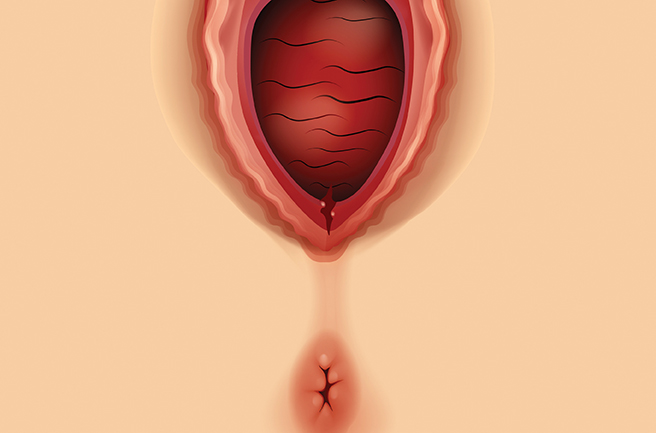
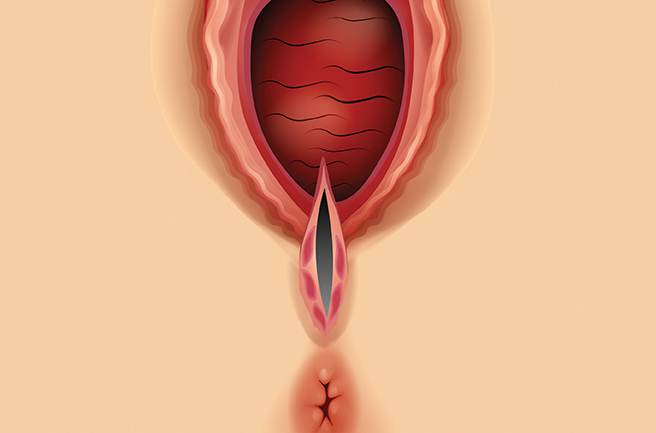
What are the four types of perineal lacerations? There are four levels (or degrees) of vaginal tears, based on how deep the tear is: Normal Anatomy
First-degree tear The least severe type of tear, this small injury affects only the first layer of skin around the vagina and perineal area. It usually doesn’t require stitches, or only a few simple ones. First-degree tear
Second-degree tear This is the most common type of tear. It extends deeper through the skin into the underlying muscles of the vagina and perineum. This type of tear requires stitches. Second-degree tear
Third-degree tear A third-degree tear extends from the vagina to the anus. It affects the skin and muscles of the perineal area and causes damage to the anal sphincter muscles, which control bowel movements. Stitches are required for this type of tear. Third-degree tear
Fourth-degree tear This is the most severe and least common type of tear. It extends from the vagina, through the perineal area, the anal sphincter muscles, and into the rectum. Repairing a fourth-degree tear may require a procedure in the operating room rather than in the delivery room. Fourth-degree tear
Second-degree tears are the most common type. They affect both the first layer of skin and some of the underlying muscles in the perineal area. In contrast, third- and fourth-degree tears are much less common, occurring in only about 5% of deliveries.
Who is more likely to tear during childbirth? Certain factors can increase the risk of tearing during childbirth, including:
First-time delivery
Having a large baby (more than 3.5 kg)
Use of forceps or vacuum during delivery
Prolonged second stage of labor (pushing stage)
Baby’s face-up position (malposition) during delivery
Use of an epidural
It’s advisable to discuss potential risk factors for vaginal tearing with your healthcare provider.
What are the potential complications of vaginal tears? While vaginal tears can be uncomfortable and painful, most small tears heal within two weeks. Discomfort may last a month or two for larger tears. Third- and fourth-degree tears are more severe and come with additional complications, such as:
Infection
Bleeding
Painful intercourse
Faecal incontinence
Persistent pain and soreness
Can you feel yourself tear during birth? Every birth experience is different, so there is no definitive answer. If you had an epidural or other pain relief during delivery, you likely won’t feel the tear or know how severe it is until your provider informs you. Even without pain medication, you may not feel a vaginal tear.
Management and Treatment How are vaginal tears treated or repaired?
First-degree tear: You may not need stitches, or only a few simple ones.
Second-, third-, and fourth-degree tears: Stitches will be required to repair the tear. These stitches dissolve on their own within six weeks.
All images courtesy of LohGuanLye Specialists Centre
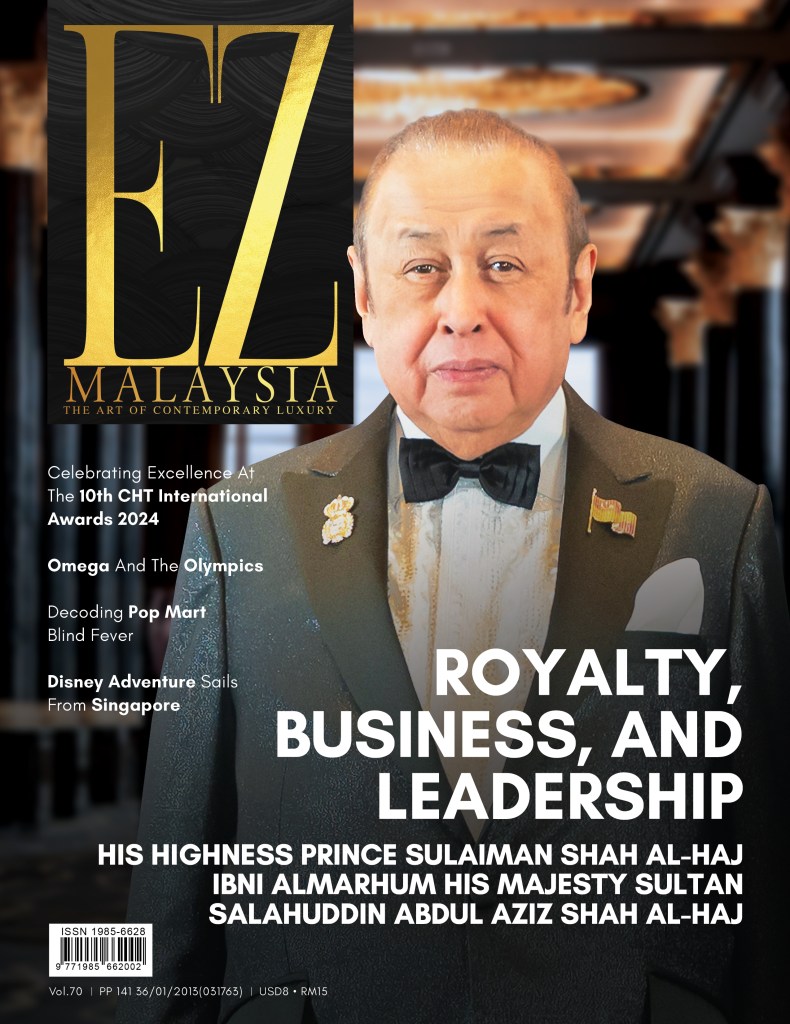
His Highness Prince Sulaiman Shah Al-Haj ibni Almarhum His Majesty Sultan Salahuddin Abdul Aziz Shah Al-Haj, D.K. (Johor), D.K.II (Selangor), S.P.M.J (Johor), S.P.M.S (Selangor), S.J.M.K (Kelantan), P.I.S (Johor)
Y.A.M Tengku Laksamana of Selangor
His Highness Prince Sulaiman Shah Al-Haj ibni Almarhum His Majesty Sultan Salahuddin Abdul Aziz Shah Al-Haj is a Malaysian corporate figure and member of the Selangor royal family.
He is the second son of the late Sultan of Selangor, Al-Marhum HRH Sultan Salahuddin Abdul Aziz Shah Al-Haj, and the brother of the current and ninth Sultan, HRH Sultan Sharafuddin Idris Shah Al-Haj.
Currently, HH Prince Sulaiman Shah is second-in-line to the throne of Selangor after his nephew, Crown Prince HRH Tengku Amir Shah.
The state of Selangor is the largest economy in Malaysia in terms of gross domestic product (GDP), constituting 25.6% of Malaysia’s GDP. It is the most developed state in Malaysia and has the largest population in Malaysia with high standards of living.
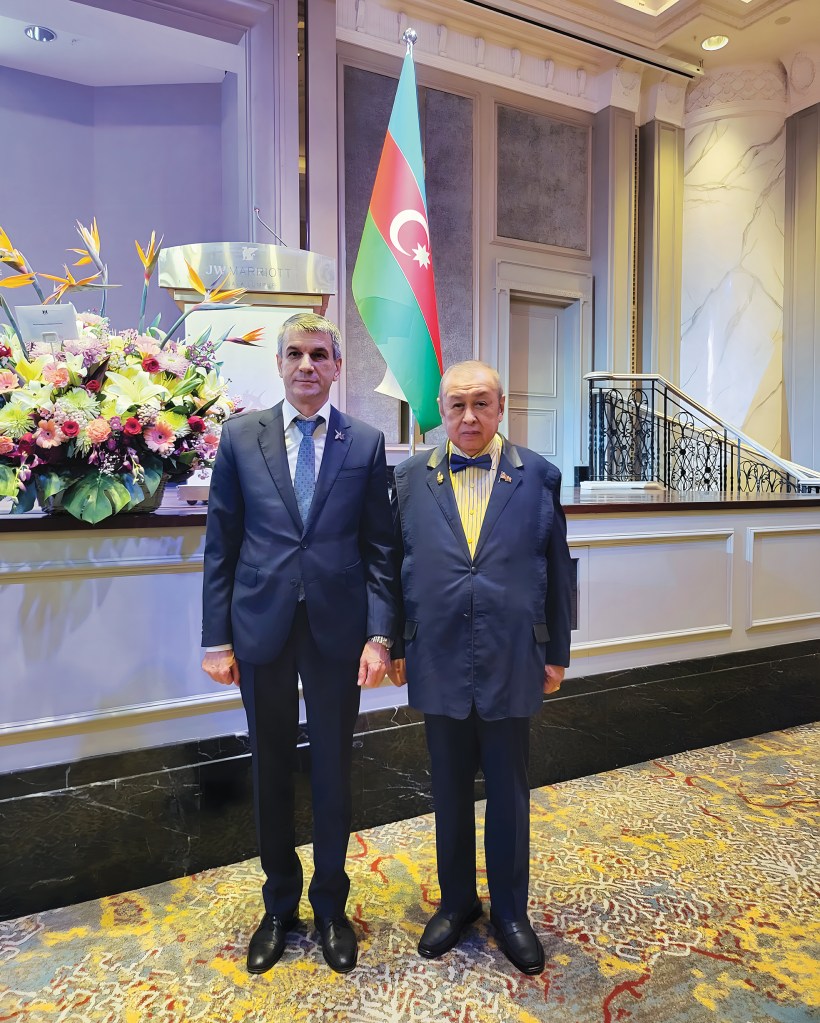
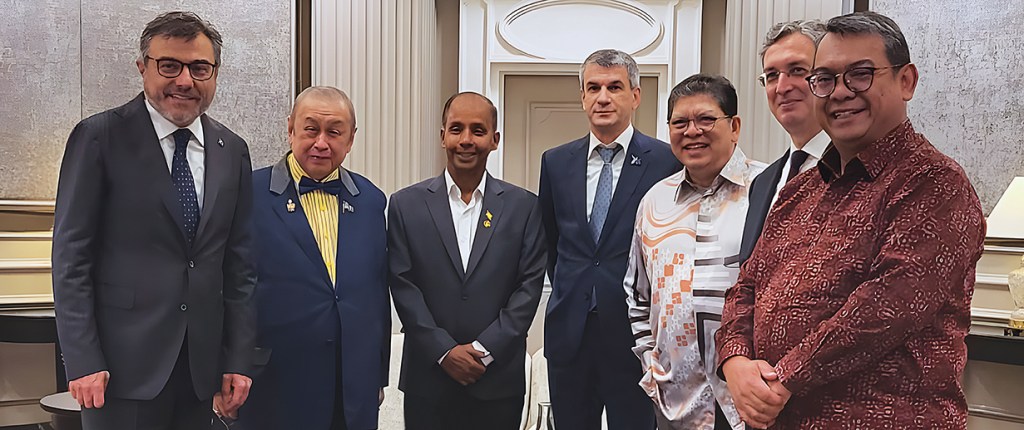
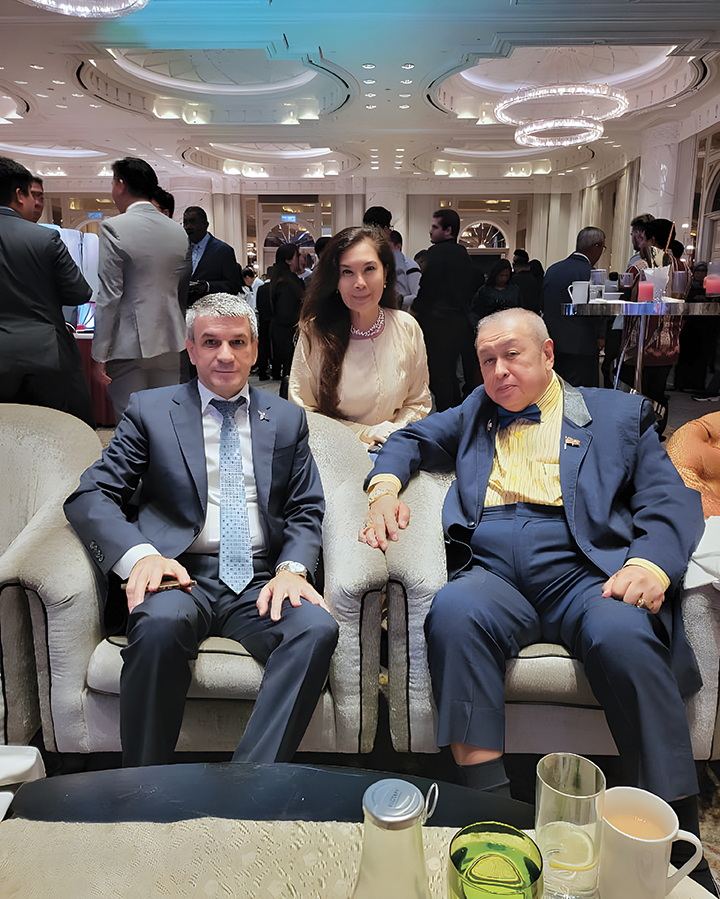
With H.E. Mr. Irfan Davudov, Ambassador of the Republic Of Azerbaijan to Malaysia
HH Prince Sulaiman Shah was educated at Aitchison College, Lahore, Pakistan, then in the United Kingdom at Wellingborough School, Northamptonshire. In 2019, HH Prince Sulaiman Shah received an Honorary Doctorate of Humanities on Social Work at California Public University, USA.
In 1972, his father, the then Sultan of Selangor, HRH Sultan Salahuddin Abdul Aziz Shah Al-Haj, appointed HH Prince Sulaiman Shah Al-Haj as the Y.A.M. Tengku Panglima Besar, a post he held for six years. In 1978, his father raised the rank of HH Prince Sulaiman Shah Al-Haj to Y.A.M. Tengku Panglima Raja, or The Chief of Ceremony for the State of Selangor, and he held the post for 38 years. The father of HH Prince Sulaiman Shah, Al Marhum His Majesty Sultan Salahuddin Abdul Aziz Shah Al-Haj, was appointed the eleventh (11) King of Malaysia from April 26, 1999 until his demise on November 21, 2001.
In 2016, his elder brother, the current HRH Sultan of Selangor, Sultan Sharafuddin Idris Shah Al-Haj, promoted HH Prince Sulaiman Shah Al-Haj to Y.A.M. Tengku Laksamana of Selangor, or The Admiral Palace State of Selangor. He is also a member of the Council of the Royal Court of Selangor (Dewan Diraja Selangor).
HH Prince Sulaiman Shah Al-Haj began his professional career in 1971 with the international advertising company Ogilvy & Mather Kuala Lumpur where he gained wide knowledge in the advertising and branding industry.
With His Majesty Sultan Ibrahim, The King of Malaysia (2nd from left), YAB Dato’ Seri Anwar bin Ibrahim, Prime Minister of Malaysia (left) and YAB Dato’ Seri Haji Amirudin bin Shari, Menteri Besar Selangor (right) at the “266th Meeting of The Conference of Rulers” – Istana Negara, Kuala Lumpur, July 2024.
Since 1975, HH Prince Sulaiman Shah has become actively involved in business, particularly in building, construction and housing development. His motivation drives him to be more enterprising, and the ultimate goal is to be a major player in the construction industry. HH Prince Sulaiman Shah is a founder of Syarikat Pembinaan Setia Sdn Bhd, which is now known as SP Setia Berhad, a public listed company on the main board. In 1997, he relinquished his position in SP Setia Berhad, the first construction company to bring prefabrication technology to Malaysia.
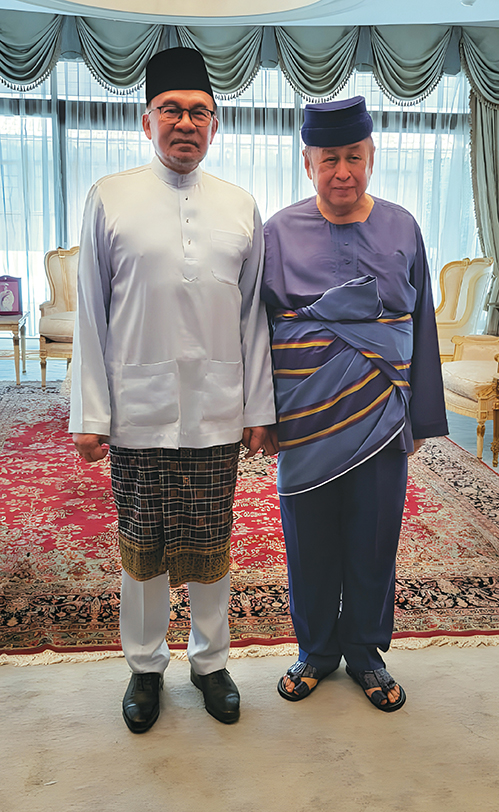
At the launch of Pesta Buku Antarabangsa Kuala Lumpur, held at the World Trade Centre Kuala Lumpur, May 2024. Seen here with Dr. Hazami Bin Jahari, Director-General of Dewan Bahasa dan Pustaka (left) and Prof. Dato’ Sri Dr. Haji Irmohizam bin Haji Ibrahim, Group Managing Director, WTCKL (right)With YAB Dato’ Seri Anwar bin Ibrahim, the Prime Minister of Malaysia at Istana Bukit Keyangan, Selangor
HH Prince Sulaiman Shah was formerly a Director of the following publicly listed companies:
1) Malaysian Resources Corporation Berhad (MRCB) – Property Development
2) Samanda Holding Berhad – Construction
3) MCB Holding Berhad – Construction
4) SIME UEP – Developer
5) Bina Goodyear Berhad – Construction
6) Baneng Holding Berhad – Textiles
7) KFC Holding (Malaysia) Berhad– Fast Food
8) QSR Brands Bhd – Fast Food
9) General Aluminium Sdn Bhd – subsidiary of a public listed company
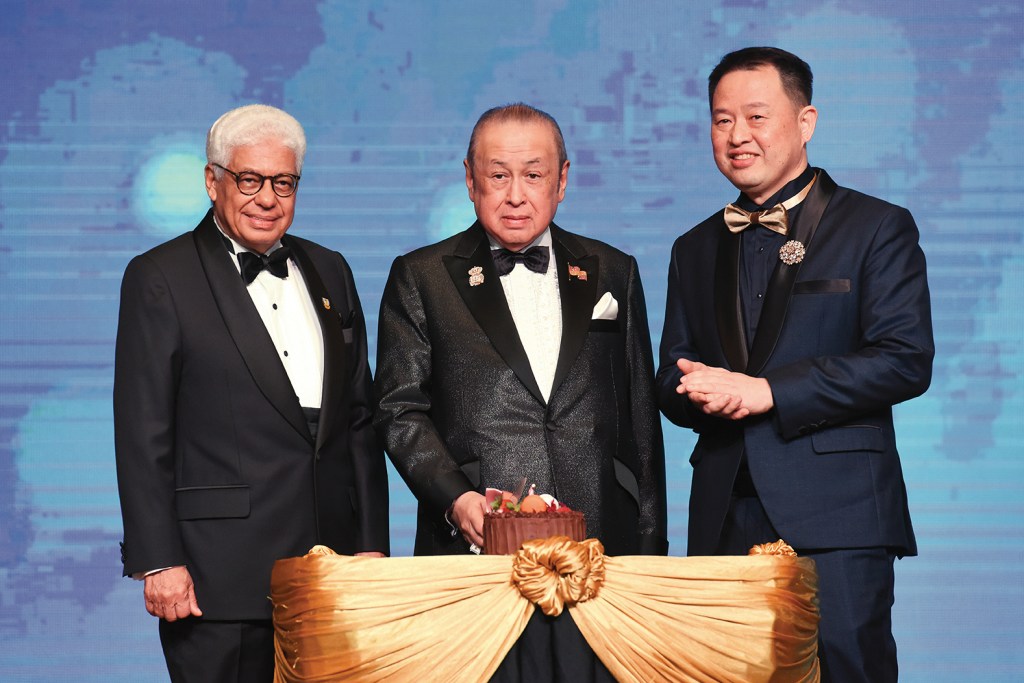
With local and foreign dignitaries at the 106th Anniversary of the Declaration of Independence of the Republic of Azerbaijan – May 2024“Celebrating in Royal Style!” – HH Prince Sulaiman Shah cuts his surprise birthday cake alongside TYT Tun Dato’ Seri Utama Ahmad Fuzi and Dato’ Chng Huck Theng at the CHT International Awards 2024 in Kuala Lumpur
HH Prince Sulaiman Shah Al-Haj is currently a Director of the following public listed companies:
1) DF City Group Berhad – Development of Town Centre in Beranang, Selangor
2) WTK Holdings Berhad – Plantation
3) LLC Berhad – Construction, Water Specialist, Developer
HH Prince Sulaiman Shah was the Chairman of Malaysia – UAE Business Council, appointed by the Ministry of International Trade and Industry (Malaysia)(MITI)
With H.E. Mr. Irfan Davudov, Ambassador of the Republic Of Azerbaijan to Malaysia (left) and Datuk Dr. Ras Adiba Mohd Radzi at the 106th Anniversary of the Declaration of Independence of the Republic of Azerbaijan
“Art of living: A master in the art of living draws no sharp line of distinction between his work and his play. He simply pursues his vision of excellence through whatever he is doing and leaves others to determine whether he is working or playing. To him, he always appears to be doing both.”
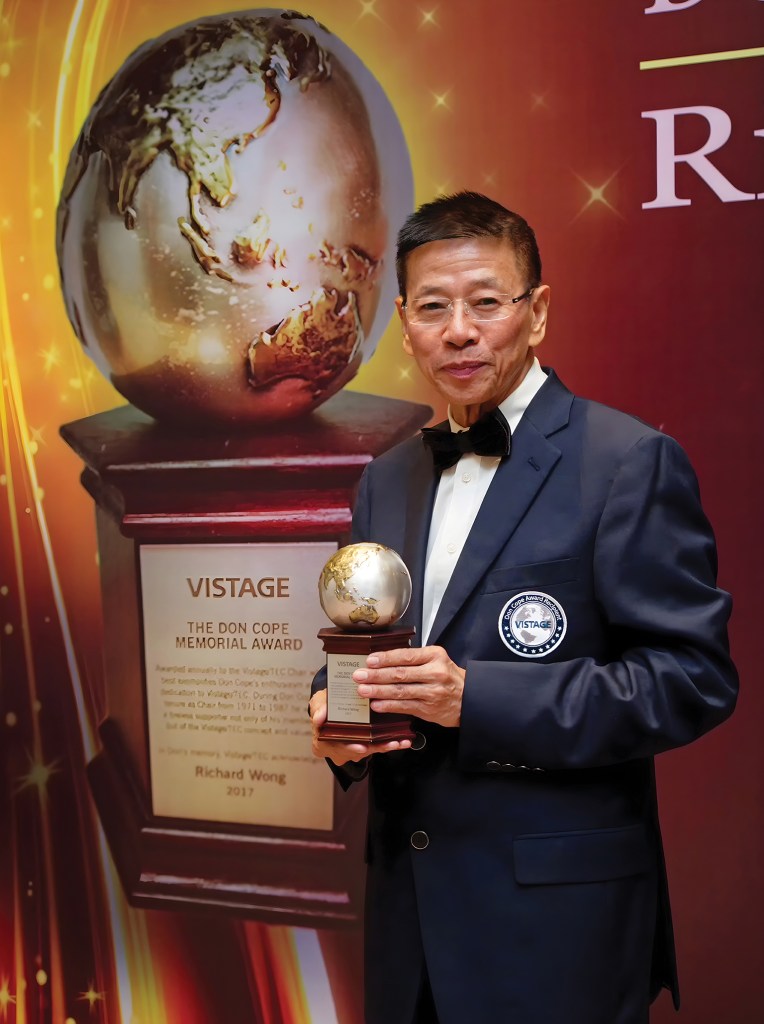
Richard Wong Chin Mun is a distinguished figure in Malaysia’s business community, best known for founding Vistage Malaysia in 1994. After serving as Managing Director and Group CEO of Nylex Malaysia Bhd for 18 years, Richard launched Vistage Malaysia (formerly TEC Asia Centre), establishing it as a leading platform for CEO development. During his tenure at Nylex, he introduced the Adizes collaborative leadership methodology and achieved the ISO 9001 certification, positioning Nylex as the first company in Malaysia to earn this recognition. Under his leadership, Nylex was also ranked among the top five best-managed companies in Malaysia by Asia Money in 1991/1992.
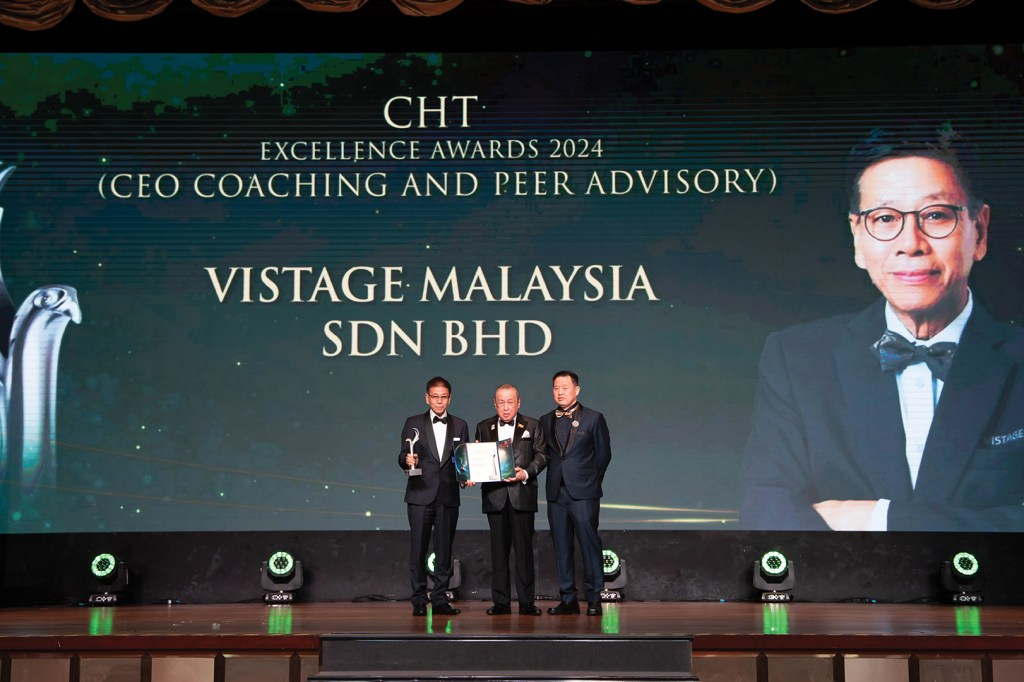
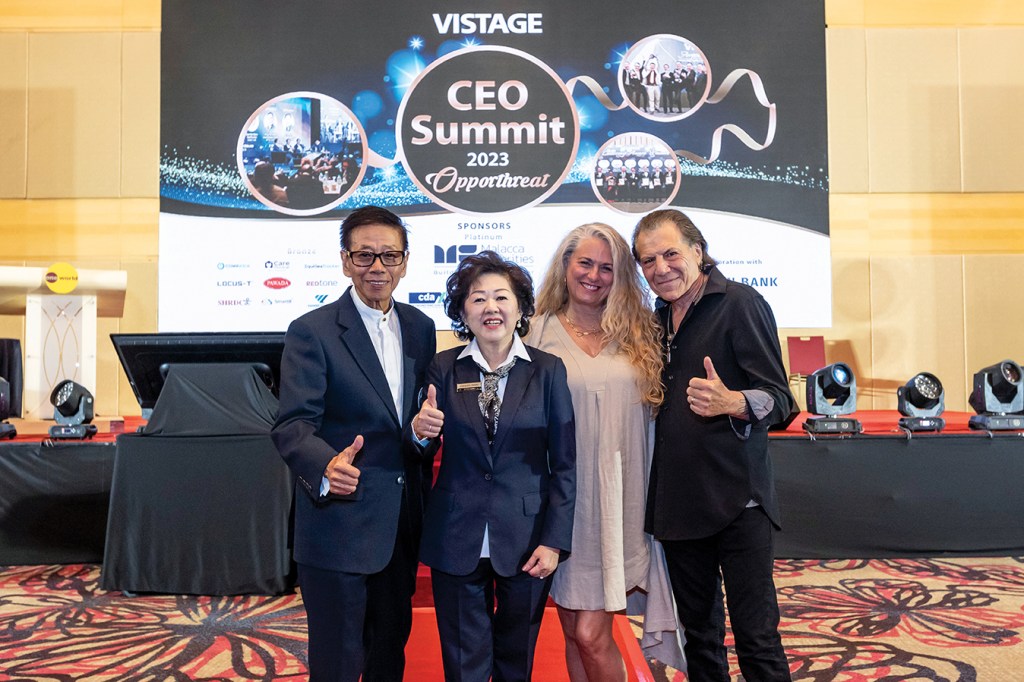
Vistage Malaysia, under Richard’s stewardship, has grown into a thriving community of over 1,400 members with combined annual revenue of over RM90 billion and 60 Chairs as of August 2024. The organisation offers confidential peer advisory groups and personalised coaching for CEOs and business leaders, helping them steer through critical decisions and attain superior results. Serving as Master Chair and “Chief Listener,” Richard has been instrumental in Vistage Malaysia’s expansion across Southeast Asia. Notably, Vistage recently received the Excellence Award at the CHT International Awards 2024, hosted in Kuala Lumpur by CHTNetwork.
A proud moment: Richard (left) receiving the CHT Excellence Award from Y.A.M. Tengku Laksamana Selangor, His Highness Prince Sulaiman Shah Al-Haj Ibni Almarhum His Majesty Sultan Salahuddin Abdul Aziz Shah Al-Haj, State Of Selangor at the CHT International Awards 2024 presentation ceremony. Looking on is Dato’ Chng Huck Theng, Founder and President of CHT International Awards (right)
In collaboration with MIER, Vistage Malaysia has been publishing the quarterly CEO Confidence Index since 2003, providing valuable insights into the challenges and opportunities within Malaysia’s business community.
Beyond Vistage, Richard holds several influential roles. He is the Independent Non-Executive Director and Audit Committee Chairman for Scientex Berhad and Khind Holdings Berhad. His contributions extend to various non-profit organisations, including Transparency International Malaysia, the Malaysian Rubber Export Promotion Council, Cancer Research Malaysia, and Rise Against Hunger.
“Personal transformation needs courage and the ardent belief that it is possible.”





























 EZ MALAYSIA.NEWS