
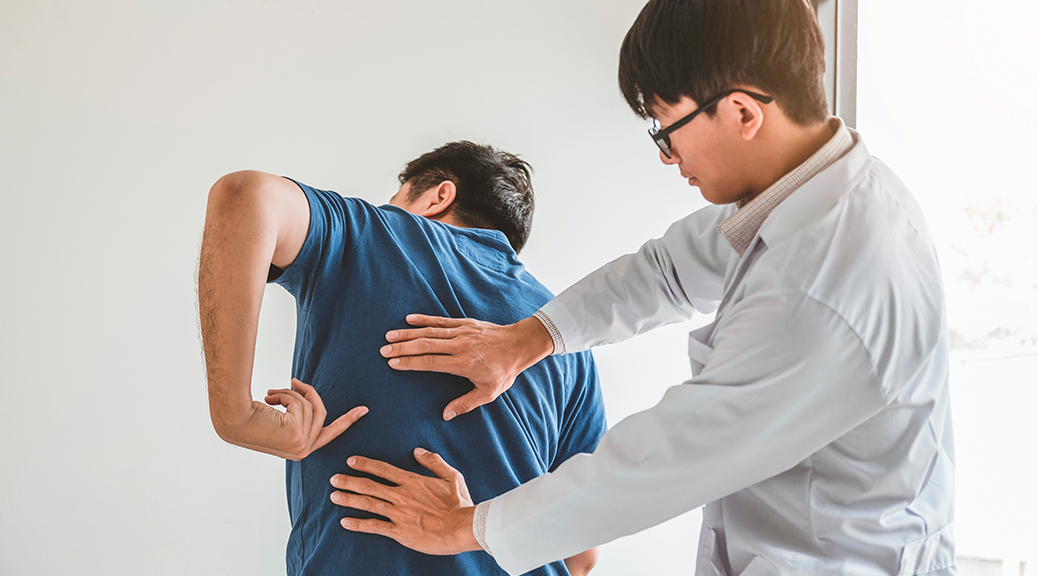
by Dr. Tan Jin Aun – Consultant Orthopaedic & Spine Surgeon and Dr. Deepak A/L Ajit Singh – Consultant Orthopaedic Surgeon (Spine Surgery and Interventional Pain Management)
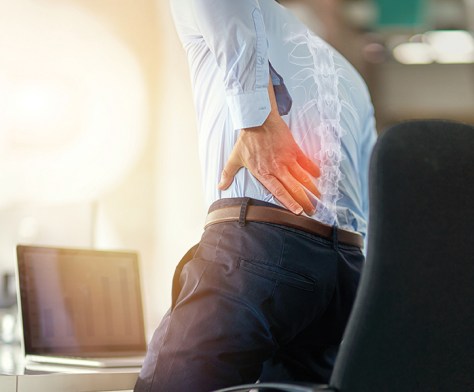
When people talk about leadership strength, they usually mean qualities such as resilience, vision, or discipline. Yet for senior executives, policymakers, and business leaders, strength also has a literal dimension. The spine is not simply a biological structure. It is the central column that supports the physical demands of leadership, from long flights and boardroom hours to the continuous pace of decision-making.
Spinal health often becomes a concern only when pain begins to interfere with performance. In our years of treating leaders, the same pattern appears repeatedly. The drive that fuels success frequently comes at the expense of personal well-being. Hours spent in static postures, frequent travel, high stress, and irregular exercise gradually accumulate, leading to back and neck conditions that may begin as minor discomfort but eventually affect both health and performance.
The consequences extend beyond physical pain. Research consistently identifies musculoskeletal disorders, particularly those involving the spine, as leading causes of lost workdays among professionals over 40. Pain not only limits movement but also reduces energy, slows decision-making, and disrupts sleep. Over time, these effects erode the clarity, stamina, and focus that leaders rely on. In Malaysia, spinal disorders remain one of the most common causes of workplace absence, with implications that affect not just the individual but also teams, departments, and organisational outcomes.
By the time symptoms are disruptive enough to require treatment, the underlying problem has often been present for months or even years. The encouraging reality is that many of these conditions are preventable or manageable if detected and addressed early.
The most effective leaders take the same approach to their health as they do to their organisations: regular monitoring, timely adjustments, and preventive action. For the spine, this can be as simple as reviewing office ergonomics, incorporating short breaks for movement during meetings, or practising stretches that counteract the strain of prolonged sitting. Most importantly, it involves undergoing periodic spine health screenings, a structural audit that can identify issues before they become serious.
The comparison is clear. The spine is the body’s core infrastructure. Just as no company can operate without monitoring its essential systems, no leader should expect their spine to perform indefinitely without care. A healthy spine not only prevents pain but also sustains posture, energy, and concentration, all of which form the physical foundation for effective leadership.
Standing tall is more than a figure of speech. It reflects the structure that supports you in every sense. Prioritising spinal health is not indulgence; it is a strategic investment. In the long game of business and governance, one of the greatest assets a leader can protect is the one that allows them to stay upright and perform at their best.

