

Running as a hobby
Running and cycling have become popular hobbies in the modern post-COVID era, with enthusiasts of all ages taking to the streets, trails, and treadmills. These sports, accessible to almost everyone, offer numerous physical and mental benefits, such as cardiovascular health, weight management, and stress relief. However, like any physical activity, running comes with the risk of injury. Traditionally, rest has been the go-to remedy for sports-related injuries. Modern-day medicine is now promoting active recovery as an alternative to rest for sports injuries.
Since the COVID-19 pandemic, the implementation of social distancing and movement control orders has further popularised running and cycling as hobbies as well as fitness modalities. The factors contributing to the rise of running include:
- Accessibility: Running requires minimal equipment and can be done almost anywhere, making it an appealing option for people with busy schedules.
- Community and Social Aspects: Running clubs, events, and social media groups have fostered a sense of community, providing motivation and support.
- Health and Wellness: With growing awareness of the importance of physical health, many individuals have turned to running as an effective way to stay fit and manage stress.
Common running injuries
Despite its simplicity and health benefits, running can lead to various injuries. Amateur runners often get injured when they neglect the following fundamentals of running:
- Neglecting Proper Warm-Up and Cool-Down: Skipping warm-up exercises can lead to muscle strains and injuries. Similarly, not cooling down can cause muscle stiffness and delayed recovery.
- Inadequate Footwear: Wearing shoes that do not provide adequate support or do not fit properly can lead to a range of injuries, ranging from blisters to stress fractures.
- Ignoring Proper Technique: Poor running form, such as overstriding or improper foot strikes, can cause undue stress on joints and muscles, leading to chronic injuries.
- Underestimating the Importance of Rest: Without adequate rest and recovery, the body does not get a chance to repair itself, increasing the risk of overuse injuries such as tendinitis and shin splints.
- Overtraining: Ignoring pain and training through fatigue can lead to serious injuries.
- Inadequate Strength and Flexibility Training: A lack of strength training, especially for core and leg muscles, can lead to imbalances and injuries. Flexibility exercises are crucial for maintaining a full range of motion and preventing strains.
Traditional approach: Rest
When injuries occur, the conventional advice often involves rest to prevent further damage and allow the body to heal. Rest can reduce inflammation and pain. However, extended periods of inactivity may lead to muscle atrophy, stiffness, and reduced blood circulation, which can ultimately prolong recovery.
Benefits of active recovery
Active recovery, on the other hand, involves gentle movements and exercises that promote healing without placing undue stress on the injured area. Here are the benefits of this approach:
- Maintains Strength and Flexibility: Engaging in controlled, low-impact activities helps maintain muscle strength and flexibility, preventing atrophy and stiffness.
- Improves Circulation: Movement increases blood flow to the affected area, delivering essential nutrients and oxygen for tissue repair.
- Promotes Healing: Gradual, controlled stress on the injured area stimulates the body’s healing processes, encouraging the production of collagen and other vital tissues.
- Prevents Further Injury: Keeping the body active and balanced helps avoid compensatory injuries that can arise from favouring one side of the body.
- Mental Health Benefits: Staying active can improve mood and reduce feelings of frustration.
Implementing active recovery safely
To ensure safe and effective active recovery, consider the following guidelines:
- Consult a Professional: Seek advice from your healthcare professional to rule out serious injuries and to develop a personalised recovery plan.
- Start Slowly: Begin with gentle exercises that do not cause pain, gradually increasing the intensity as healing progresses.
- Listen to Your Body: Pay attention to your body’s responses and discuss them with your healthcare professional.
- Integrate Other Treatments: Combine active recovery with other treatments such as physical therapy, massage, and appropriate medications for optimal results.

While rest has been the traditional approach to recovery, active recovery is gaining recognition for its ability to promote healing while maintaining strength and flexibility. By incorporating controlled, gentle activities and consulting with professionals, runners can effectively manage their injuries and return to their beloved sport more swiftly and safely. Embracing active recovery not only supports physical rehabilitation but also fosters mental resilience, ensuring a holistic approach to managing running injuries. Movement is intrinsic to life, embodying vitality, growth, and progress. After an injury, the instinct might be to halt all activity, yet this can lead to further physical decline and emotional distress. Instead, adapting to active recovery can sustain muscle strength, maintains flexibility, and boosts circulation, accelerating the healing process. Furthermore, continuing to participate in sports, albeit at a modified pace, helps preserve the athlete’s sense of identity and purpose, fostering a positive mindset. Embracing movement, even post-injury, ensures that life’s dynamism is never lost, turning setbacks into comebacks and challenges into opportunities for growth.
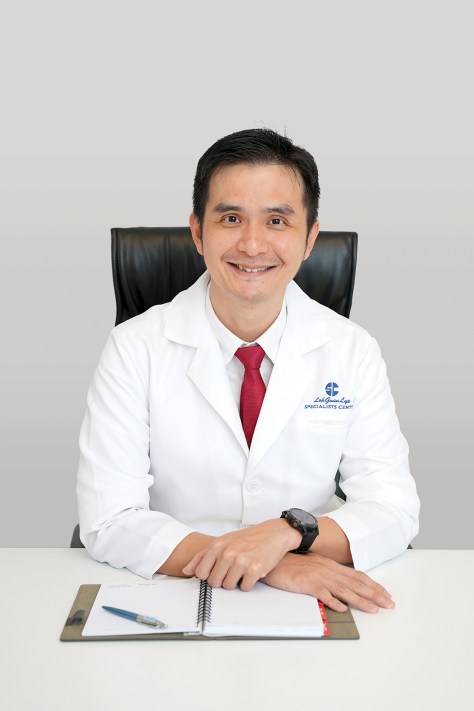
Dr. Edwin Ong Kean Siong
Consultant Orthopaedic & Trauma Surgeon
MBBS (UM), MS Ortho. (UM), CMIA (NIOSH), Fellowship in Adult Reconstruction and Sports Medicine (S. Korea)
Dr. Edwin Ong Kean Siong is a sports enthusiast and a keen proponent of active living. As an avid badminton player himself, he is passionate in treating sports injuries. He emphasises early treatment for all his patients to achieve the best clinical outcomes. With extensive experience in various treatment modalities, ranging from non-operative methods to minimally invasive arthroscopic surgeries, he believes that individualised treatment and utmost care can help any injured sports player, regardless of age or level of play, return to an active lifestyle.




 EZ MALAYSIA.NEWS