
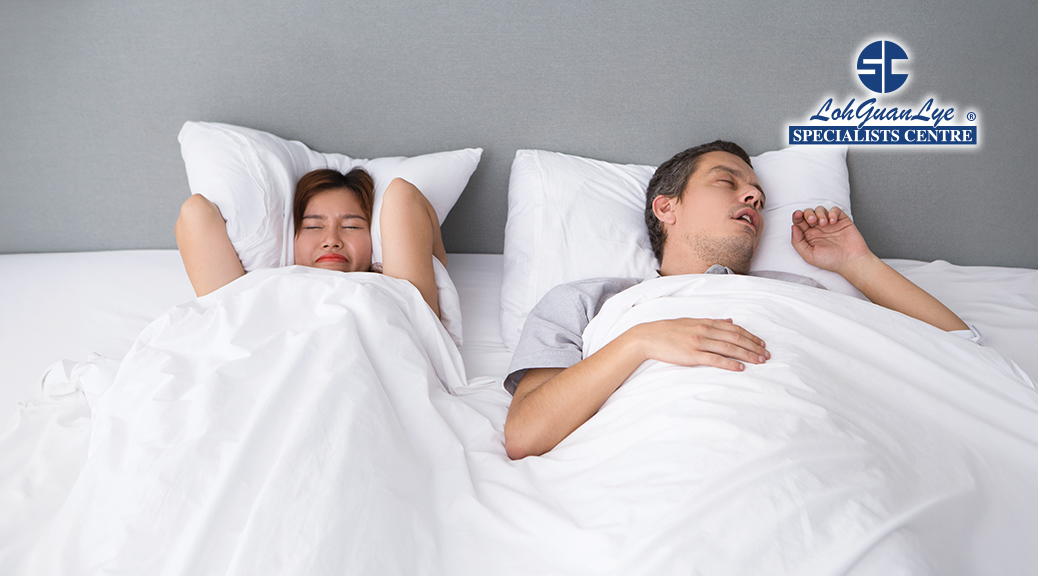
Why do people snore? Snoring is caused by the vibration of respiratory structures due to obstructed air movement during breathing while sleeping. Many people snore occasionally, especially when suffering from a cold or allergies, or after consuming alcohol. This type of snoring is usually not a major health concern.
However, snoring can be more than just a nuisance; it can indicate underlying health issues such as obstructive sleep apnea (OSA), a serious condition where breathing repeatedly stops and starts during sleep. If snoring is loud, chronic, accompanied by choking or gasping, or causes daytime sleepiness, it’s important to seek medical advice to rule out OSA.
The word “apnea” comes from Greek and means “not breathing.” Obstructive sleep apnea (OSA) is a sleep-related breathing disorder that involves cessation or decrease in airflow in the presence of breathing effort. OSA occurs when the muscles relax during sleep, causing soft tissue in the throat to collapse and block the upper airway. Think of this as trying to drink via a narrow, poor-quality paper straw; the sucking negative pressure you put on the straw collapses it, making it hard to pull liquid through to drink. Similarly, when air cannot pass through your windpipe, you are not breathing enough to maintain oxygen levels in your blood. This can lead to a reduction in blood oxygen saturation. As the body detects the lack of oxygen, episodes of brief arousal from sleep will occur to restore normal breathing, resulting in poor quality of sleep and excessive daytime sleepiness.
Many OSA patients remain undiagnosed as the symptoms begin insidiously and are often present for years before the patients are referred for evaluation. The symptoms include a spouse’s report of disruptive snoring, witnessed apnea, gasping and choking sensations that arouse the patient from sleep, excessive daytime sleepiness, nonrestorative sleep, poor memory, and concentration. In adults, obesity is the most common risk factor for OSA. Other risk factors include large neck size, middle-aged and older men, post-menopausal women, enlarged tonsils/adenoids, Down Syndrome, and head and neck bony or soft tissue structural abnormalities.
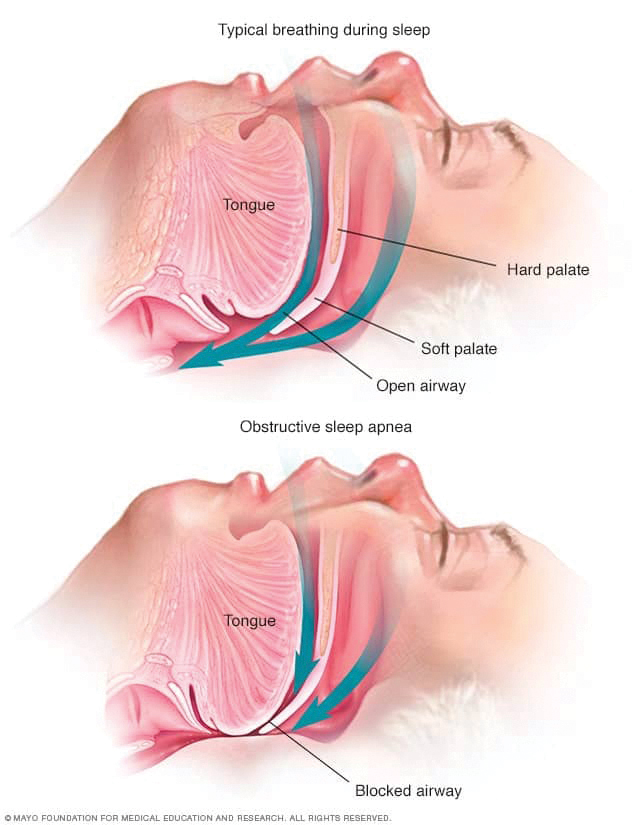
OSA can be dangerous if left untreated. It is associated with an increased risk of cardiovascular mortality and stroke. It can cause daytime drowsiness, which can be dangerous if you are driving or doing something that needs your full attention. Falling asleep while using power tools, operating machinery, or driving can lead to deadly consequences for you or others. The effects of OSA can also contribute to or worsen high blood pressure or Type 2 diabetes.
Obstructive sleep apnea is diagnosed with overnight polysomnography (PSG). A PSG detects the frequency of apnea and hypopnea during sleep. Evaluation of the upper airway is needed for all patients with OSA. The treatment of OSA partly depends on the severity of the pathology. Positive airway pressure (PAP) therapy is the standard treatment option. While surgery has a certain role in treating OSA, there is a wide range of possible surgical procedures for OSA. The procedure of choice depends on the level of obstruction during sleep apnea. When there is an anatomical deformity that can be corrected to alleviate mechanical obstruction, surgery can be very effective. Oral appliances (OA) are another treatment option but are only useful in certain conditions. Other than these treatment options, lifestyle modifications such as weight loss, avoidance of alcohol prior to bedtime, and sleeping in a lateral position are also very important, especially in obese patients.
It’s important for individuals who suspect they have OSA to seek medical evaluation and treatment. Proper management of OSA can significantly reduce the risks and improve quality of life.

Dr. Sow Yih Liang
Consultant Ear, Nose, Throat, Head & Neck Surgeon
MBBS (UM), M. Med. (ORL-H&N) (UM), AM (Mal.)
Dr. Sow Yih Liang is a Consultant Ear, Nose and Throat (Otorhinolaryngology) Head and Neck Surgeon in Loh Guan Lye Specialists Centre. He enjoys sharing his medical knowledge with his fellow medical practitioners through organising or contributing as a speaker at workshops, symposiums or conference. Apart from engaging himself in numerous research and publication works, Dr. Sow is also actively involved in delivering oral and poster presentations. He was an adjunct lecturer for University Malaysia Sarawak (UNIMAS) from year 2016 to 2018. He also helped to train open system postgraduate students in Otorhinolaryngology, postgraduate students in Family Medicine Programme and medical student for elective attachment.

 EZ MALAYSIA.NEWS