Category Archives: EZ 68 – Medical

DO YOU OR YOUR CHILD SUFFER FROM ECZEMA?

If you or your child ever had these skin problems, the answer may well be a yes! It is estimated that about 20% of children and 10% of adults suffer from a condition called ECZEMA.

What is eczema?
Eczema is the medical term for a skin condition that causes dry, itchy and inflamed rashes on the skin. It is a common condition in young children but it can occur in almost any age group. It is not contagious. The skin barrier helps your skin to retain moisture and protects your body from outside elements. When eczema happens, the skin barrier is weakened. This will allow bacteria, viruses, irritants and allergens to enter the body easily.

What are the Symptoms?
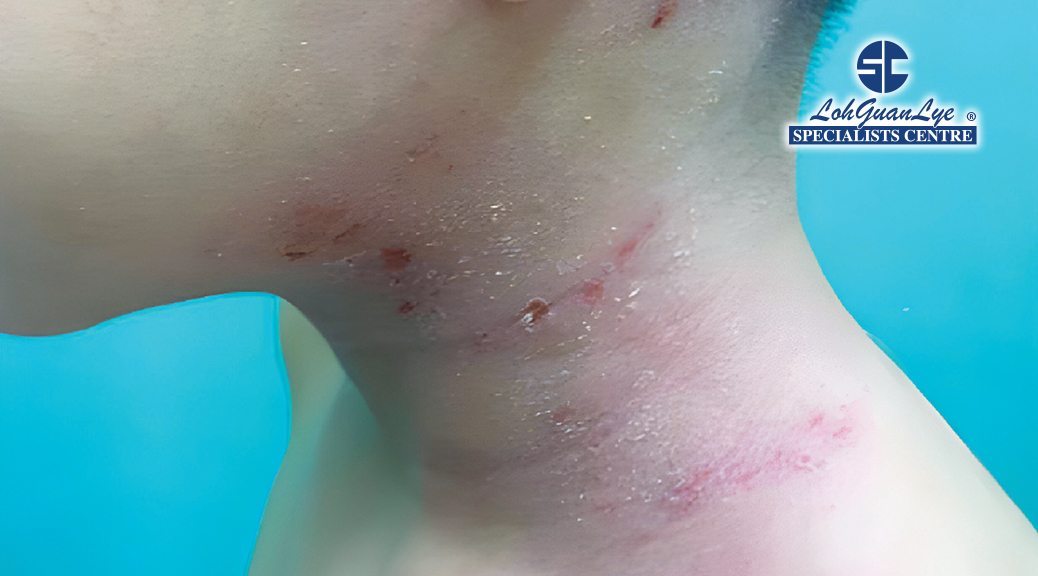
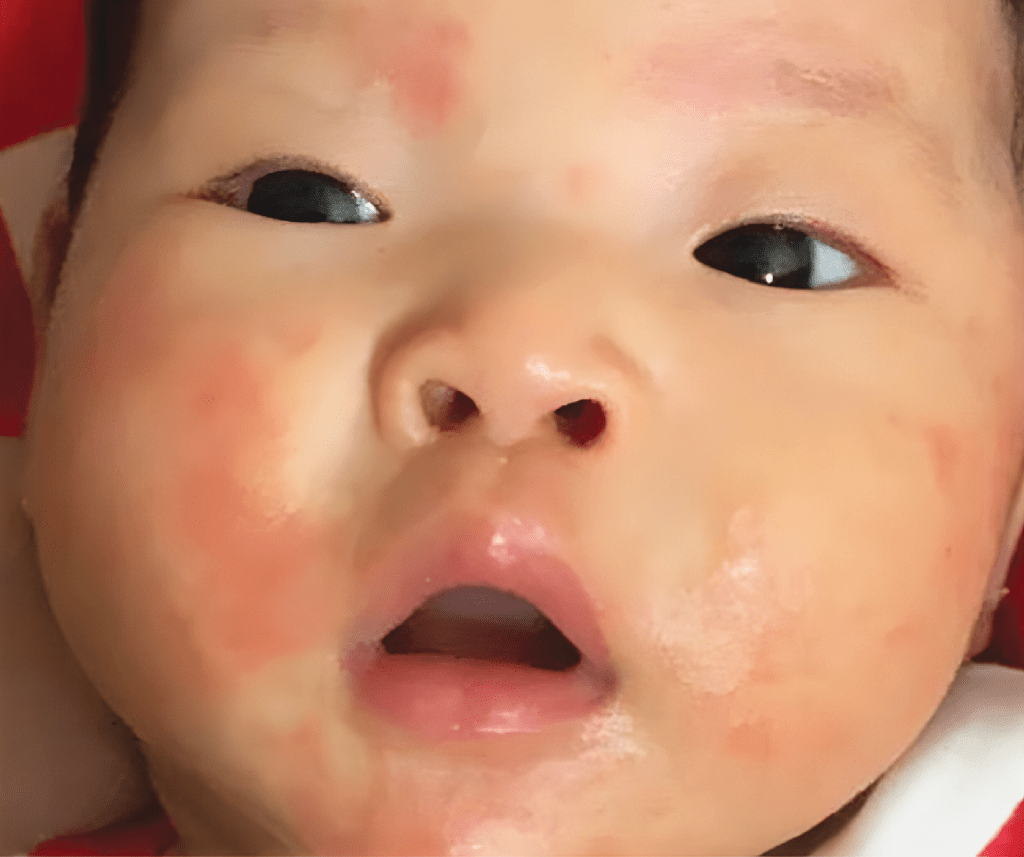
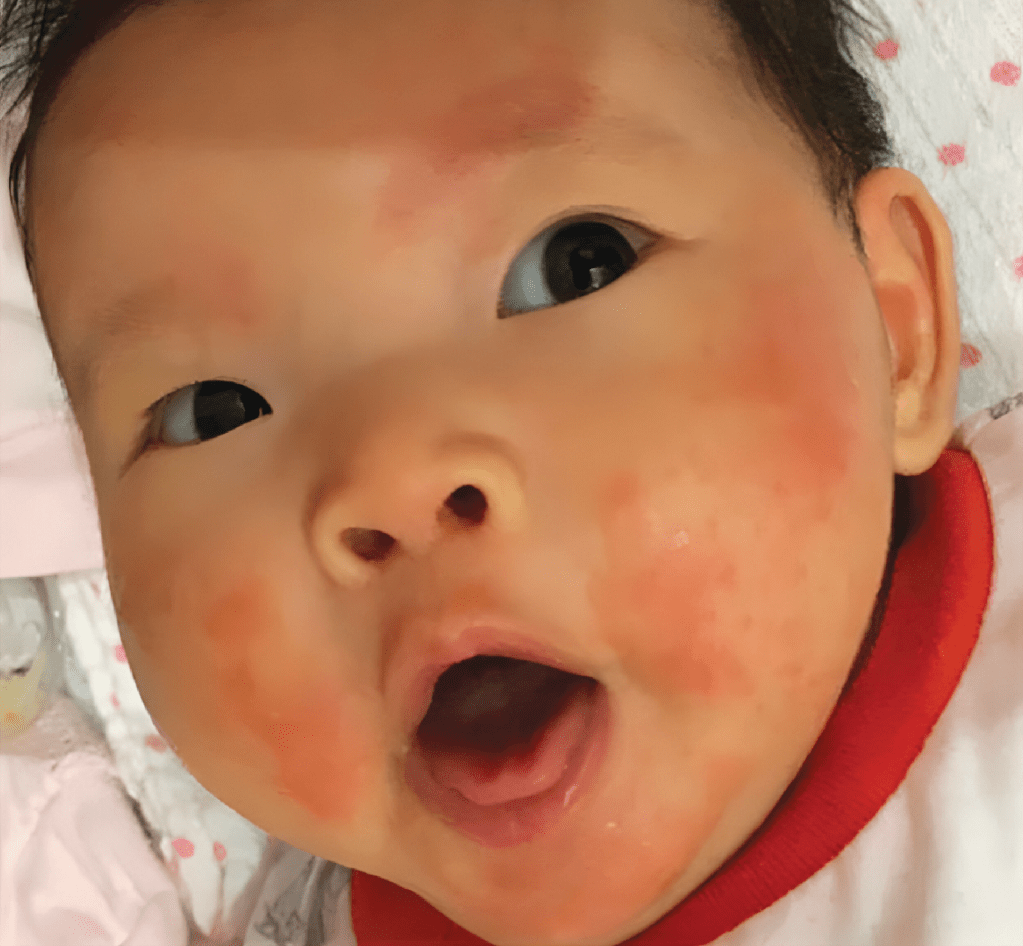
Initially, itchy rashes and skin dryness are first noticed. Depending on the patient’s skin colour, the rash can be red, pink or brownish in colour. Rubbing or scratching worsens the rash so it is often called “the itch that rashes.” The itch is usually worse in the evening triggered by sweating or rough clothing. It tends to involve the face, neck, elbow, elbow folds, knee and at the back of knees. Close family members with similar skin problems make the diagnosis more likely.

Who is prone to eczema?
Almost anyone of any race or gender can have eczema at any age. However, it tends to begin in the first 2 years of life but some may develop it even after puberty or during adulthood. Those with a family background of atopy (i.e eczema, bronchial asthma and allergic rhinitis) are more likely to get it.
What makes eczema worse?
     •   Climate: extremes of temperature, low humidity
     •   Irritants: wool/ rough fabrics, perspiration, detergents
     •   Infections: skin infections or other infections
     •   Environmental allergies: dust mites, pollen
     •   Food allergies: common allergens- eggs, milk, peanuts, shell fish, soy, wheat

(Note: detection of allergen specific Ig E via blood does not necessarily mean that allergy triggers the eczema)
The impact?
Eczema can have a significant impact on a person’s daily life. When scratching results in a wound with itchiness and inflammation, a child may not want to bathe as he will suffer an unpleasant stinging sensation. Sleep will be disturbed leaving the child irritable. In school, they may be stigmatized and other children may be hesitant to interact with the child with eczema. As they grow older, they may become self-conscious of the way their skin looks. Fortunately, early diagnosis and effective treatment can help patients and family members deal with this skin condition.

When to consult a dermatologist?
When sensitive skin care regimes and avoidance of irritants fail to completely clear up the itchy rash, it is time to consult a dermatologist. You or your child may need more potent treatment. Alternatively, it is possible that the rash is not due to eczema.

How do we treat eczema?
Upon diagnosing eczema, the dermatologist will prescribe topical products, such as topical steroids or calcineurin inhibitors as well as oral antihistamines. Other treatment options include phototherapy, wet wrap, systemic medications that target the immune system. Recently, newer oral and injectable monoclonal antibody have been proven effective.

Although eczema cannot be cured, it can be managed. Fortunately, some children’s symptoms lessen or disappear as they grow up. Hence, eczema should be diagnosed and managed early so that your child can thrive!

All photos credit: Dr. Janet Lee Hoong May

Consultant Dermatologist & Physician

MD (RSMU), MRCP (UK), Adv. Master in Dermatology (UKM)

Dr. Janet specialises in a variety of skin, scalp, hair and nail disorders for both adults and children i.e. acne, psoriasis, eczema, skin allergy and allergic testing, skin pigmentations, skin cancers, skin infections as well as hair loss. She has vast experience in dermatological procedures such as skin biopsy, electrocautery and excision, intralesional injections, cryotherapy, lasers and chemical peeling.

Diabetic Mellitus (DM), are the kidneys in trouble?

by Dr. Yeo Geok Ping,
Consultant Nephrologist & Physician

In National Health and Morbidity Survey 2019, the prevalence of Diabetes Mellitus (DM) amongst adults age >18 years old had increased from 11.2% (2011) to 18.3%.(2019). Over time, DM may lead to serious complications like heart attacks, strokes, kidney disease, vision loss, and nerve damage. DM remains the most common cause of End Stage Kidney Disease (ESKD), accounting for 53% of all new ESKD patients in 2021, followed by hypertension (33.9%).

How diabetes cause kidney disease?
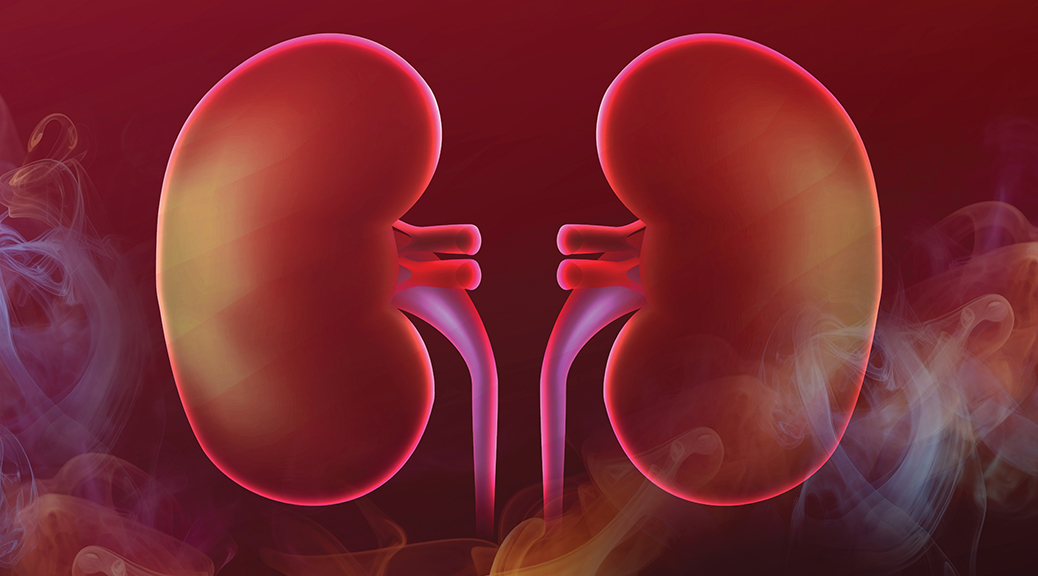
Kidneys are two bean-shaped organs, each about the size of a fist located in the middle of your back, just below your ribcage. Each kidney is made up of millions of tiny filters called nephrons. These filters help to remove waste and excess water from the blood into the urine while leaving protein and other substances in blood. Kidneys also help to control blood pressure, produce red blood cells and activate Vitamin D. Over time, high blood sugar from diabetes can damage blood vessels in the kidneys as well as nephrons so they don’t work as well as they should.  Around 20-30% of people with diabetes develop Diabetic Kidney Disease.

How to detect Diabetic Kidney Disease (DKD)?
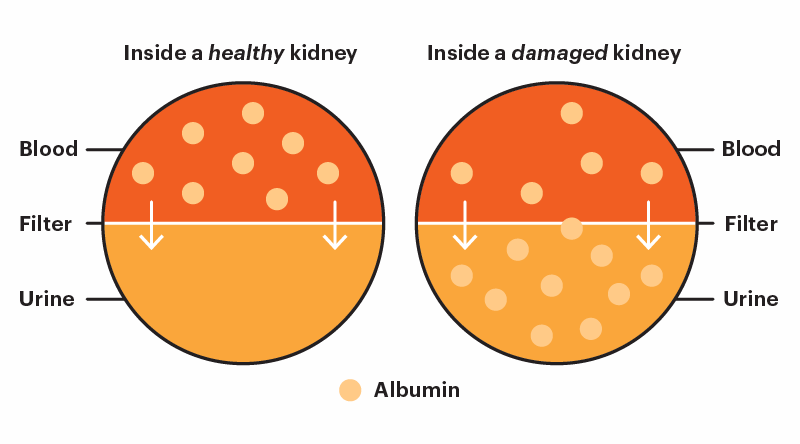
Diabetic Kidney Disease (DKD) is kidney damage caused by DM. When the kidneys are working normally, they prevent albumin from leaking into the urine. Hence, the earliest sign of DKD is increased excretion of albumin in the urine. The kidney doctor (nephrologist) will perform assessment and screen for kidney damage by doing blood and urine tests.


Photo credit: Diabetes and Digestive and Kidney Diseases (NIDDK)/kidney.org

Screening tests may include:

1.  Urine test to measure excretion of albumin in urine.
2. Blood test to measure level of creatinine. It can estimate how well the kidneys filter blood. High creatinine indicates a low eGFR (estimated Glomerular Filtration Rate), indicating poor kidney function.
3. Ultrasonography of kidneys to assess the size of kidneys. The kidneys are usually normal or increased in size in the initial stages but later may shrink as the disease progresses.

What happens if there is kidney failure?
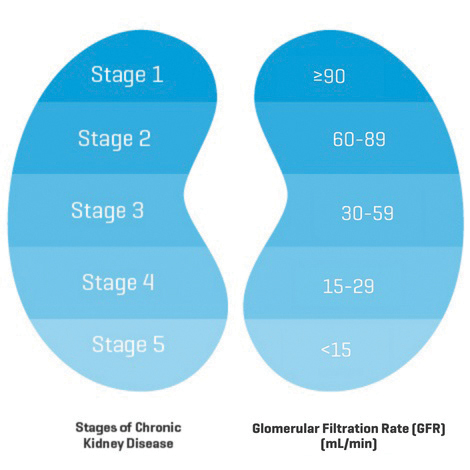
There are five stages of Chronic Kidney Disease (CKD). It is a silent killer as it may progress insidiously over time without any clinical manifestation. Eventually, DKD may cause the kidneys to shut down, leading to the last stage (stage 5) of CKD, known as End Stage Kidney Disease (ESKD).


Photo credit: Baxter/mykidneyjourney.com

Symptoms and signs of kidney failure include:
     •   Nausea and vomiting
     •   Fatigue
     •   Swelling in the face, ankles and feet
     •   Breathlessness
     •   High blood pressure
     •   Confusion
     •   Dry skin and itchiness
     •   Anemia

ESKD occurs when the kidneys can barely function to meet day-to-day requirements. In this final stage, dialysis or kidney transplant is a must in order to survive. Kidney transplant involves the transfer of a healthy kidney from one person into the body of a person who has little or no kidney function. Kidney transplantation is the optimal treatment for improving survival and quality of life for patients with ESKD.

There are two types of dialysis treatments available to remove toxin and extra fluids from the body. Haemodialysis will require a machine that removes blood from the body, filters it through a dialyzer (artificial kidney) and returns the cleaned blood to body via vascular access either arteriovenous fistula (AVF) or dialysis catheter. Every Haemodialysis will be individualized but generally it takes an average of 4 hours per session and 3 treatments per week. Peritoneal Dialysis is dialysis using the peritoneal membrane, which is the natural lining of abdomen, via a tenckhoff catheter that is  surgically placed in the abdomen. Continuous Ambulatory Peritoneal Dialysis (CAPD) is carried out manually every day. There are usually 4 exchanges during the day. Automated Peritoneal Dialysis (APD) requires a machine to perform three to five exchanges during the night while sleeping.

How do we treat Diabetic Kidney Disease (DKD)?
There is no medication or therapy that can reverse the kidney damage done. However, with the correct treatment, we can slow down the progression of DKD:
• Lifestyle modification : Stop smoking, regular exercise (At least 150 minutes per week)
• Healthy diet: Low salt and sugar.
• Good sugar control : The treatment will be individualized to prevent development of hypoglycaemia (low blood sugar)
• Good blood pressure control: Recommended goal below 130/80 mmHg, however target should be individualized.
• Avoid over-the-counter pain medication including non-steroidal anti-inflammatory drugs (NSAIDS) or non-FDA approved supplement.
• Compliance to medications and follow up are of paramount importance to retard the disease progression of DKD.

Time is critical in the treatment of kidney disease. The key point here is to have early diagnosis and treatment without delay, in order to minimize loss of kidney tissue from the injury. 

Therefore, it is imperative to consult a nephrologist early, in order for a prompt diagnosis and initiation of treatment.

Sidenote: 
Having foamy urine?
This could be your kidneys ‘leaking’ protein, the earliest sign of kidney disease.

“Time is kidney”
A key point here is to have early diagnosis and treatment as soon as possible without losing time, in order to minimize loss of kidney tissue from the injury.