Category Archives: Medicines & Sciences

The Hidden Dangers of Belly Fat — And How to Take Control

Understanding Metabolic Syndrome
Metabolic syndrome is a serious health condition that affects people from all walks of life, especially in countries where obesity and sedentary lifestyles are increasing at an alarming rate. It refers to a cluster of interconnected risk factors that, when present together, substantially increase the likelihood of developing chronic diseases such as type 2 diabetes, cardiovascular disease, stroke, and non-alcoholic fatty liver disease.

The five key risk factors that define metabolic syndrome are1:

  • Abdominal obesity (waist circumference ≥90cm in Asian men or ≥80 cm in Asian women; waist measurement not needed if BMI >30 kg/m2)
  • High triglycerides (≥1.7 mmol/L or currently taking medication for elevated triglycerides)
  • Low HDL cholesterol (<1.03 mmol/L in men, <1.29 mmol/L in women or currently on treatment)
  • Elevated blood pressure (≥130/85 mmHg or on antihypertensive treatment)
  • Elevated fasting blood glucose (includes insulin resistance, impaired fasting glucose, impaired glucose tolerance, or on treatment)

A person is diagnosed with metabolic syndrome if they meet three or more of these criteria.

Why You Should Care
Metabolic syndrome significantly increases the risk of long-term health problems. What makes it especially dangerous is its silent progression. Many individuals have no symptoms and remain unaware of the dangers until they experience a major health event, such as a heart attack or stroke. You might feel fine and look fine, but your body could be struggling internally.

Targeting the Core: Why Abdominal Fat Deserves Attention
Central obesity plays a pivotal role in metabolic syndrome. Visceral fat — the fat stored deep inside the abdomen around vital organs — is metabolically active and harmful1. It releases cytokines and pro-inflammatory hormones that disrupt insulin regulation, blood pressure, and lipid metabolism1. As a result, a normal weight does not always mean a healthy body — people with hidden visceral fat can still face serious health risks.

Abdominal fat is more than a cosmetic issue — it’s a key contributor to metabolic problems, particularly insulin resistance. Insulin resistance impairs the ability of cells to absorb glucose, leading to high blood sugar levels and forcing the pancreas to produce more insulin to compensate1. Over time, this overwork can exhaust the pancreas’ beta cells, eventually leading to type 2 diabetes.

Are You Unknowingly at Risk?
Anyone can develop metabolic syndrome. While the risk increases with age, it’s no longer just a problem for older adults. Alarmingly, more cases are now being seen in young adults and even teenagers — largely due to poor lifestyle habits2.

You’re more likely to develop metabolic syndrome if you have:

  • A family history of type 2 diabetes, high blood pressure, or heart disease
  • A sedentary lifestyle (not enough physical activity)
  • An unhealthy diet high in calories, sugar, saturated fat, or processed food
  • Excess abdominal fat (visceral obesity)

Spotting the Red Flags
Early detection is crucial. Raising awareness about regular health check-ups is essential. These check-ups should include waist circumference, blood pressure, and fasting blood tests to measure glucose and cholesterol levels.

Many people with metabolic syndrome don’t show symptoms, which makes regular screening even more important. Everyone should be encouraged to monitor key health indicators: waist size, blood pressure, blood sugar, and cholesterol. Don’t wait for symptoms — prevention starts with action.

From Risk to Recovery: A Practical Approach
Metabolic syndrome can often be reversed in its early stages through sustained lifestyle changes, especially when it hasn’t yet led to severe complications.

Here are simple, non-medication-based steps to manage and possibly reverse metabolic syndrome:

  1. Maintain a Healthy Weight
    Even a modest weight loss of 5–10% of your body weight can improve blood pressure, cholesterol, and insulin sensitivity.
  2. Adopt a Balanced Diet
    Eat more fruits, vegetables, whole grains, and lean proteins to support overall health; reduce sugary drinks, refined carbs, processed snacks, and fried foods to improve metabolic balance; and choose natural, unprocessed foods whenever possible to minimise hidden sugars and unhealthy fats.
  3. Exercise Regularly
    Aim for at least 150 minutes of exercise per week. Walking, cycling, swimming, and strength training are all helpful. Physical activity burns visceral fat and improves insulin function.
  4. Sleep Well
    Lack of quality sleep disrupts hormone balance, raises cortisol levels, and worsens insulin resistance — all of which are linked to weight gain. Individuals should aim for 7–9 hours of restful sleep each night.
  5. Manage Stress
    Chronic stress raises cortisol, which increases fat storage and disrupts blood sugar levels. Relaxation techniques like deep breathing and yoga can help restore balance.

In some cases, medication may be needed to better control blood pressure, blood sugar, or cholesterol. However, it’s important to remember that medication supports — but does not replace — lifestyle changes. A combined approach is key to reducing long-term health risks.

It’s also important to work closely with a healthcare provider to create a personalised health plan that suits your lifestyle and needs.

Final Thoughts
Metabolic syndrome may be common and serious, but it is also largely preventable — and often reversible with timely changes in your lifestyle. Raising awareness is just the start. Taking consistent action is what truly protects your health.

Make your health a priority — now and always.


1 International Diabetes Federation. The IDF consensus worldwide definition of the metabolic syndrome [internet]. Brussels: IDF; 2006 [cited 2025 Jun 27]. Available from: https://IDF.org/media/uploads/2023/05/attachments-30.pdf

2 Al-Hamad D, Raman V. Metabolic syndrome in children and adolescents. Transl Pediatr. 2017 Oct;6(4):397–407. Available from: https://www.ncbi.nlm.nih.gov/pmc/articles/PMC5682379/


Consultant Physician


MD (UNIMAS), MRCP (UK)

Dr. Fang possesses a strong passion for internal medicines and demonstrates comprehensive expertise in a broad spectrum of medical and surgical pathologies. Her keen clinical acumen has consistently contributed to accurate diagnoses and effective patient management. Beyond clinical care, Dr. Fang is deeply committed to advancing patient well-being. She actively empowers individuals to take ownership of their health through evidence-based lifestyle interventions, stress management strategies and appropriate pharmacological treatments.


Recover Smarter, Not Slower: How Active Recovery Beats Rest for Sports Injuries

Running as a hobby
Running and cycling have become popular hobbies in the modern post-COVID era, with enthusiasts of all ages taking to the streets, trails, and treadmills. These sports, accessible to almost everyone, offer numerous physical and mental benefits, such as cardiovascular health, weight management, and stress relief. However, like any physical activity, running comes with the risk of injury. Traditionally, rest has been the go-to remedy for sports-related injuries. Modern-day medicine is now promoting active recovery as an alternative to rest for sports injuries.

Since the COVID-19 pandemic, the implementation of social distancing and movement control orders has further popularised running and cycling as hobbies as well as fitness modalities. The factors contributing to the rise of running include:

  • Accessibility: Running requires minimal equipment and can be done almost anywhere, making it an appealing option for people with busy schedules.
  • Community and Social Aspects: Running clubs, events, and social media groups have fostered a sense of community, providing motivation and support.
  • Health and Wellness: With growing awareness of the importance of physical health, many individuals have turned to running as an effective way to stay fit and manage stress.

Common running injuries
Despite its simplicity and health benefits, running can lead to various injuries. Amateur runners often get injured when they neglect the following fundamentals of running:

  • Neglecting Proper Warm-Up and Cool-Down: Skipping warm-up exercises can lead to muscle strains and injuries. Similarly, not cooling down can cause muscle stiffness and delayed recovery.
  • Inadequate Footwear: Wearing shoes that do not provide adequate support or do not fit properly can lead to a range of injuries, ranging from blisters to stress fractures.
  • Ignoring Proper Technique: Poor running form, such as overstriding or improper foot strikes, can cause undue stress on joints and muscles, leading to chronic injuries.
  • Underestimating the Importance of Rest: Without adequate rest and recovery, the body does not get a chance to repair itself, increasing the risk of overuse injuries such as tendinitis and shin splints.
  • Overtraining: Ignoring pain and training through fatigue can lead to serious injuries.
  • Inadequate Strength and Flexibility Training: A lack of strength training, especially for core and leg muscles, can lead to imbalances and injuries. Flexibility exercises are crucial for maintaining a full range of motion and preventing strains.

Traditional approach: Rest
When injuries occur, the conventional advice often involves rest to prevent further damage and allow the body to heal. Rest can reduce inflammation and pain. However, extended periods of inactivity may lead to muscle atrophy, stiffness, and reduced blood circulation, which can ultimately prolong recovery.

Benefits of active recovery
Active recovery, on the other hand, involves gentle movements and exercises that promote healing without placing undue stress on the injured area. Here are the benefits of this approach:

  • Maintains Strength and Flexibility: Engaging in controlled, low-impact activities helps maintain muscle strength and flexibility, preventing atrophy and stiffness.
  • Improves Circulation: Movement increases blood flow to the affected area, delivering essential nutrients and oxygen for tissue repair.
  • Promotes Healing: Gradual, controlled stress on the injured area stimulates the body’s healing processes, encouraging the production of collagen and other vital tissues.
  • Prevents Further Injury: Keeping the body active and balanced helps avoid compensatory injuries that can arise from favouring one side of the body.
  • Mental Health Benefits: Staying active can improve mood and reduce feelings of frustration.

Implementing active recovery safely
To ensure safe and effective active recovery, consider the following guidelines:

  • Consult a Professional: Seek advice from your healthcare professional to rule out serious injuries and to develop a personalised recovery plan.
  • Start Slowly: Begin with gentle exercises that do not cause pain, gradually increasing the intensity as healing progresses.
  • Listen to Your Body: Pay attention to your body’s responses and discuss them with your healthcare professional.
  • Integrate Other Treatments: Combine active recovery with other treatments such as physical therapy, massage, and appropriate medications for optimal results.
Images by LohGuanLye Specialists Centre

While rest has been the traditional approach to recovery, active recovery is gaining recognition for its ability to promote healing while maintaining strength and flexibility. By incorporating controlled, gentle activities and consulting with professionals, runners can effectively manage their injuries and return to their beloved sport more swiftly and safely. Embracing active recovery not only supports physical rehabilitation but also fosters mental resilience, ensuring a holistic approach to managing running injuries. Movement is intrinsic to life, embodying vitality, growth, and progress. After an injury, the instinct might be to halt all activity, yet this can lead to further physical decline and emotional distress. Instead, adapting to active recovery can sustain muscle strength, maintains flexibility, and boosts circulation, accelerating the healing process. Furthermore, continuing to participate in sports, albeit at a modified pace, helps preserve the athlete’s sense of identity and purpose, fostering a positive mindset. Embracing movement, even post-injury, ensures that life’s dynamism is never lost, turning setbacks into comebacks and challenges into opportunities for growth.


Consultant Orthopaedic & Trauma Surgeon


MBBS (UM), MS Ortho. (UM), CMIA (NIOSH), Fellowship in Adult Reconstruction and Sports Medicine (S. Korea) 

Dr. Edwin Ong Kean Siong is a sports enthusiast and a keen proponent of active living. As an avid badminton player himself, he is passionate in treating sports injuries. He emphasises early treatment for all his patients to achieve the best clinical outcomes. With extensive experience in various treatment modalities, ranging from non-operative methods to minimally invasive arthroscopic surgeries, he believes that individualised treatment and utmost care can help any injured sports player, regardless of age or level of play, return to an active lifestyle.

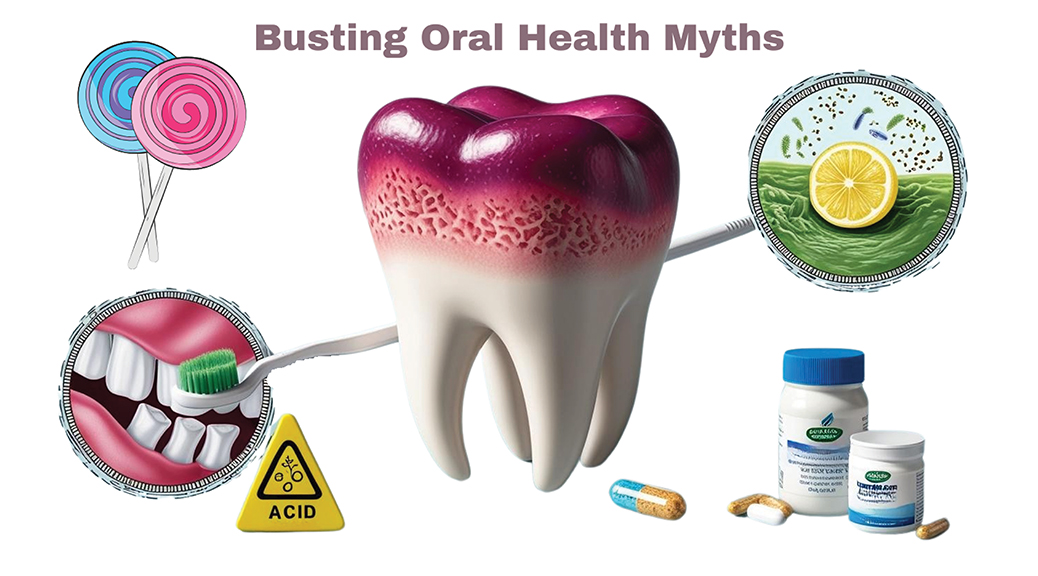
Busting Oral Health Myths: What You Need to Know

by Dr. Evylne Chin Oi Lian
General Dental Practitioner

Myth #1 Sugar Is the Sole Culprit of Cavities
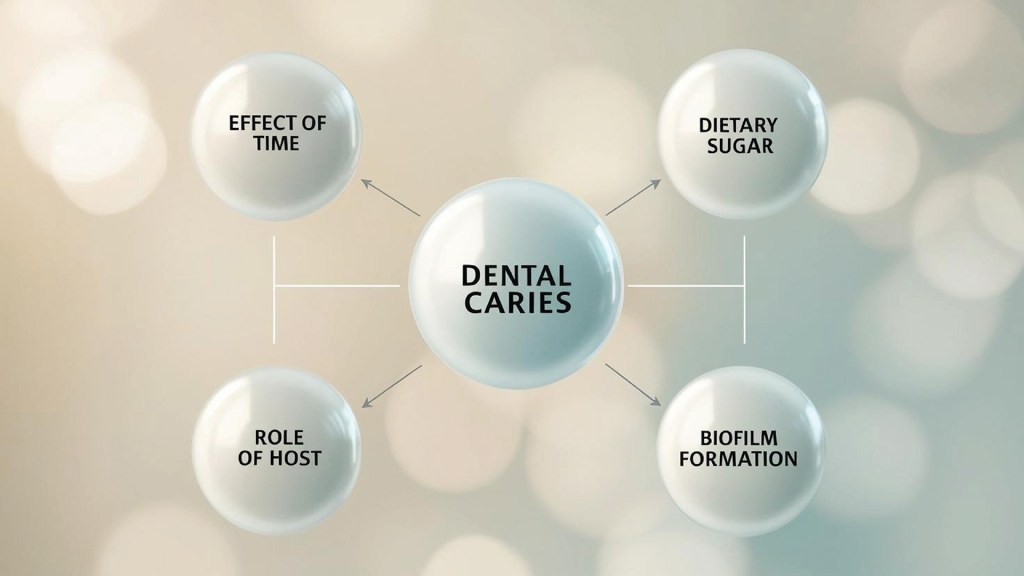
While sugar plays a significant role in cavity formation, it is not the sole culprit. Cavities develop due to a combination of factors, including oral bacteria, time, susceptible tooth surfaces, and fermentable carbohydrates.

Figure 1: Aetiology of Dental Caries

When we consume foods or drinks containing sugar, the bacteria in our mouths—especially Streptococcus mutans—use that sugar as an energy source, producing acid as a byproduct. This acid weakens and demineralises enamel over time, leading to cavities. However, cavities can also be influenced by other factors, such as:

A. Bacterial Presence and Plaque Build-Up:
Plaque, a sticky biofilm of bacteria, adheres to teeth and feeds on more than just sugar. Simple carbohydrates found in bread, pasta, and fruit can also be broken down into sugars, which bacteria consume and convert into acids. A study published in the Journal of Dental Research found that starchy foods increase cavity risk, especially when oral hygiene is poor.

B. Oral pH Levels and Acidic Foods:
Acidic foods and drinks, such as citrus fruits, soda, and vinegar, lower the pH in your mouth, softening enamel and making teeth more vulnerable to decay. Saliva helps neutralise acid, but consistently high acid levels accelerate enamel erosion regardless of sugar intake. A study in the Journal of Clinical Periodontology highlights the importance of pH levels in maintaining healthy enamel, showing how acidic diets amplify the impact of sugar on tooth decay.

C. Oral Hygiene Habits:
Neglecting regular brushing and flossing allows plaque to build up, creating an environment where acids can attack the enamel. Proper oral hygiene is crucial to minimising cavity risk—avoiding sugar alone isn’t enough.

D. Genetic Factors and Enamel Quality:
Some people are more prone to cavities due to inherited factors, such as weaker enamel or differences in saliva composition, which affect how well it neutralises acids.

While limiting sugar intake is important, a holistic approach to oral care—including a balanced diet, regular brushing and flossing, and routine dental checkups—provides the best defence against cavities.

Myth #2 You Should Brush Your Teeth Right After Eating
Brushing your teeth immediately after eating is not always recommended, especially after consuming acidic foods and drinks like coffee, citrus fruits, or soda.

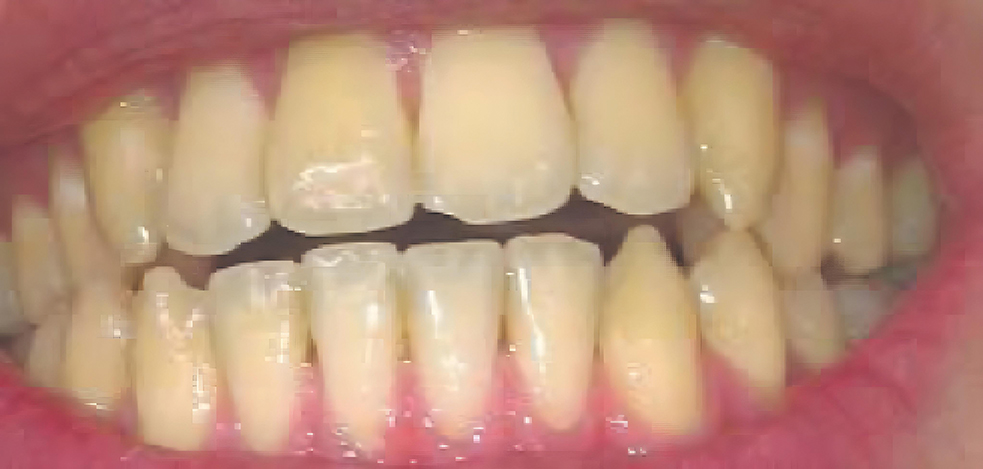
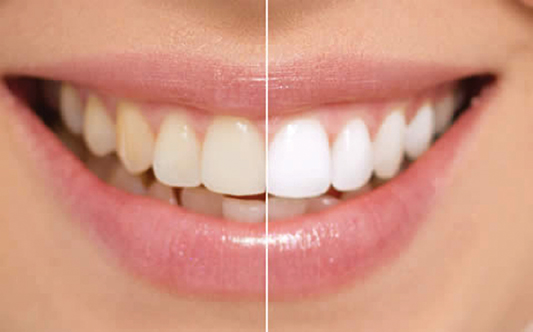
Research from the American Dental Association highlights that brushing your teeth right after consuming acidic items can harm enamel due to acid exposure. Acidic substances temporarily soften enamel, making it more susceptible to wear when brushed. Over time, enamel thinning exposes the yellowish dentin layer underneath, leading to the appearance of yellow teeth and heightened sensitivity.

Waiting at least 30 minutes to an hour after consuming acidic foods or drinks allows saliva to neutralise acids and remineralise enamel, reducing the risk of abrasion caused by brushing. Rinsing your mouth with water or drinking milk after acidic intake can also help. Using a soft-bristled toothbrush with fluoride toothpaste provides additional protection. Chewing sugar-free gum stimulates saliva production, aiding in pH restoration. These approaches minimise enamel erosion and help maintain the natural whiteness of your teeth.

Myth #3: Probiotics for Oral Health – Are They Really Helpful?
Probiotics are live bacteria that are good for your health, especially your gut. Recently, they’ve also been considered for oral health, as they might help with things like tooth decay, gum disease, and bad breath.

For probiotics to work in your mouth, they need to stick to your teeth and gums. Some types of probiotics, like those found in yogurt, have shown promise in helping with oral health. However, the effects are usually temporary, meaning they won’t stay in your mouth long unless you keep using them regularly. Certain probiotics can help fight harmful bacteria that cause dental problems, but you’ll need to keep taking them to maintain any benefits.

While probiotics may help support oral health in the short term, they shouldn’t replace regular brushing, flossing, and dental checkups. They can be a helpful addition, but a healthy mouth still depends on good daily care and routine dental visits.

Potential Benefits of Probiotics in Oral Health:

  • Dental Caries: Certain probiotics inhibit cariogenic bacteria like Streptococcus mutans, reducing cavity formation.
  • Periodontal Disease: Probiotics may help reduce inflammation and pathogenic bacteria, promoting a healthier balance in the oral microbiota.
  • Halitosis: Some strains reduce volatile sulphur compounds responsible for bad breath.

Current Challenges and Evidence:
While laboratory and preliminary clinical studies highlight potential benefits, challenges remain:

  • Limited high-quality, long-term clinical trials.
  • Variability in probiotic strains and their effectiveness.
  • Difficulty ensuring probiotics survive and colonise the oral environment.

Conclusion:
Probiotics hold promise for oral health, particularly as an adjunct to traditional therapies. However, robust research is needed to establish clear guidelines. For now, probiotics should be viewed as complementary to, rather than a replacement for, established oral care practices like brushing, flossing, and professional dental care.

Summary Box:

  • Probiotics are living microorganisms that are safe for human consumption and have health benefits.
  • Probiotic therapy is being explored for oral health applications, particularly against antibiotic-resistant bacteria.
  • Probiotics in dairy products neutralise acidic conditions in the mouth and interfere with cariogenic bacteria.
  • Patients with periodontal disease who used probiotic-containing chewing gum or lozenges saw improvements in periodontal status.
  • Probiotics in gargling solutions or gum inhibit the production of volatile sulphur compounds that contribute to bad breath. 

Myth #4: Whitening toothpaste works just like professional whitening

Understanding Whitening Toothpaste vs. Professional Whitening

Many people believe that whitening toothpaste works just as well as professional whitening treatments, but is that really true? Let’s break it down:

A. Mechanism of Action:
Whitening toothpaste typically contains mild abrasives and certain chemical agents (such as) hydrogen peroxide or carbamide peroxide that help remove surface stains caused by food, beverages, or smoking. However, these products primarily act on the enamel surface rather than penetrating deeper into the tooth structure to address intrinsic stains.

B. Effectiveness:
Research published in the Journal of the American Dental Association found that whitening toothpaste can result in a slight increase in tooth brightness but often falls short of achieving the more significant, long-lasting results provided by professional whitening treatments. In contrast, professional whitening products often contain higher concentrations of bleaching agents that penetrate the enamel and dentin, yielding more dramatic results.

C. Duration of Results:
Studies indicate that the effects of professional whitening treatments tend to last significantly longer than those achieved with whitening toothpaste. For example, a clinical trial in the Journal of Dentistry demonstrated that professionally applied whitening treatments maintained brightness for several months, whereas over-the-counter whitening toothpaste had minimal effects.

D. Potential for Sensitivity:
Some patients experience tooth sensitivity when using professional whitening products, especially those with a high concentration of bleaching agents. Whitening toothpaste typically has a lower risk of causing sensitivity, but results may be less noticeable. A study in Operative Dentistry emphasised the need for patients to consider sensitivity when choosing whitening treatments.

A systematic review in the British Dental Journal compared the efficacy of whitening toothpaste with professional treatments. The review concluded that while whitening toothpaste can remove some surface stains and provide minor whitening effects, it is not a substitute for professional whitening, which offers more substantial and longer-lasting results. Patients should be aware that while whitening toothpaste may improve the appearance of their teeth by removing surface stains, it cannot achieve the same level of whitening as professional treatments. For significant whitening results, individuals should consider consulting a dentist for personalised professional whitening options. 
All images by LohGuanLye Specialists Centre

Haematopoietic Stem Cell Transplantation: A Lifesaving Approach for Blood Disorders

Introduction
Haematopoietic stem cell transplantation (HSCT) has emerged as an increasingly safe and effective therapeutic procedure, with origins tracing back to the early 1960s.

Today, HSCT is a crucial curative strategy for patients with haematological malignancies, such as leukaemia, lymphoma, multiple myeloma, myelodysplastic syndrome, myeloproliferative neoplasm, and for some non-malignant blood disorders such as acquired bone marrow failure syndrome.

Summary of Indications for Haematopoietic Stem Cell Transplantation

  • Acute myeloid leukaemia
  • Acute lymphoblastic leukaemia
  • Chronic myeloid leukaemia in blast crisis
  • Primary myelofibrosis with intermediate or high DIPSS score
  • Myelodysplastic syndrome with excess blasts, high-risk multilineage dysplasia
  • Chronic lymphocytic leukaemia with high-risk disease, Richter’s transformation
  • Hodgkin’s lymphoma
  • Non-Hodgkin’s lymphoma
  • Multiple myeloma & primary amyloidosis
  • Very severe aplastic anaemia

Types of HSCT

  • Autologous HSCT (patient’s own stem cells)
  • Allogeneic HSCT (stem cells from a donor)

         –   HLA-matched related donor (sibling)

         –   HLA-matched unrelated donor (local or overseas)

         –   HLA-mismatched related donor

         –   HLA-mismatched unrelated donor

         –   Syngeneic transplant (identical twin, non-identical twin)

         –   Haplo-identical donor (half HLA-matched, parents or children)

         –   Umbilical cord blood

Peripheral Blood Stem Cell (PBSC) Apheresis
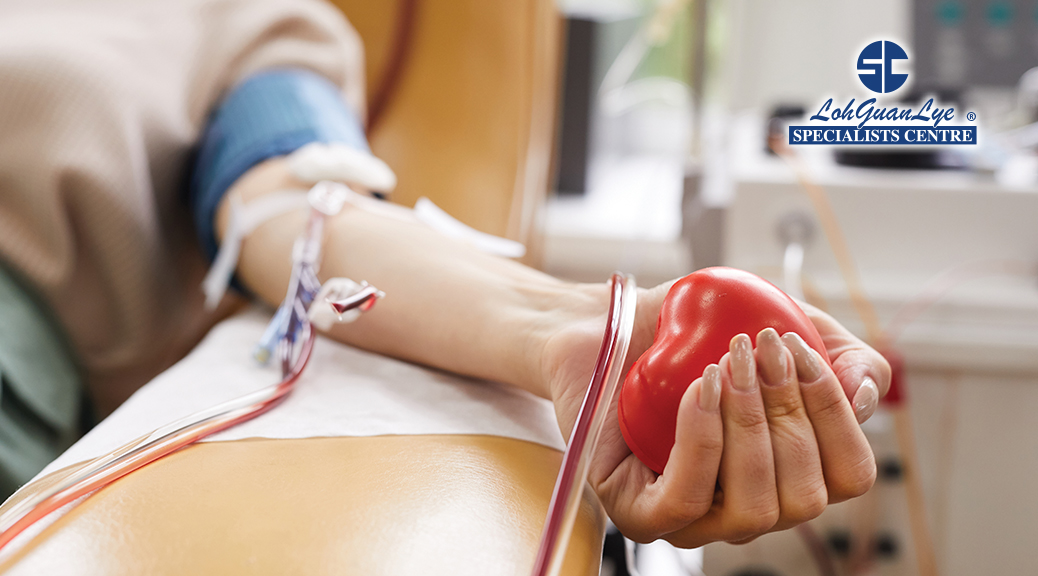
Stem cell apheresis is a unique procedure that collects stem cells from peripheral blood using a cell separator called an apheresis machine. The process begins with mobilising haematopoietic stem cells (HSCs) from the bone marrow into the bloodstream, typically through a growth factor called granulocyte colony-stimulating factor (G-CSF). Once enough stem cells circulate in the blood, they are collected through the apheresis machine.

Stem cells are transferred to a collection bag, while the remaining blood components are returned to the body through a catheter. Each session typically lasts 4 to 8 hours, and the procedure may be performed over one to two days, depending on the amount of stem cells required. This non-surgical procedure is generally well-tolerated by both patients and donors.

Basic Principles of Haematopoietic Stem Cell Transplantation
Before the infusion of HSCs, patients receive a combination of drugs with or without total body irradiation (TBI) as a conditioning regimen. Conditioning eradicates residual disease, creates “empty space” within the bone marrow cavity, and suppresses the immune system. Following the conditioning, HSCs are infused into the patient, migrating to the bone marrow to produce new blood cells. HSCs can regenerate blood components and reconstitute the immune system of patients whose bone marrow has been compromised due to disease or high-dose chemotherapy. Successful integration of transplanted cells is monitored, leading to the recovery of haematopoiesis and healthy bone marrow function.

Advantages and Risks of PBSC HSCT
Compared to traditional bone marrow transplantation (BMT), PBSC HSCT offers faster blood cell count recovery and a lower incidence of complications. Studies indicate that patients undergoing PBSC HSCT experience quicker haematopoietic recovery, resulting in shorter hospital stays. Additionally, PBSC use has become more common due to its availability and the relative ease of collection compared to bone marrow.

Despite its benefits, PBSC HSCT carries risks. Patients may encounter complications such as infections and organ dysfunction, particularly in the early post-transplant period. One significant complication of allogeneic HSCT is graft-versus-host disease (GVHD), where the donor’s immune cells (the graft) attack the recipient’s tissues, recognising them as foreign. Infections are another primary cause of morbidity and mortality, as the conditioning regimen and procedure significantly weaken the patient’s immune system, increasing susceptibility to bacterial, fungal, and viral infections. Managing these risks requires vigilance, effective prophylaxis, and timely treatment.

Conclusion
While HSCT can be a life-saving treatment, it also entails substantial risks, particularly with infection and graft-versus-host disease in allogeneic transplants. Careful patient selection, optimised conditioning protocols, effective anti-GVHD strategies, and robust anti-infective measures are critical for improving outcomes. Through these advancements, HSCT continues to offer hope for patients with otherwise incurable blood disorders, providing the potential for long-term remission and enhanced quality of life.

All images courtesy of LohGuanLye Specialists Centre


Consultant Clinical Haematologist & Physician


MD (UPM), MRCP (UK), Fellowship in Clinical Haematology (Malaysia), Fellowship in Bone Marrow & Stem Cell Transplantation (Taiwan)

Dr. Teoh Ching Soon is the Clinical Haematologist & Physician in LohGuanLye Specialists Centre. He has a keen interest in the management of malignant haematological disorders such as leukaemia, lymphoma, multiple myeloma, myelodysplastic syndrome and myeloproliferative neoplasm. His clinical work also focuses on benign haematological diseases, red cell and platelet disorders, coagulation and haemostasis, consultative haematology and haematopoeitic stem cell transplantation.

Injuries During Childbirth: What Every Mom Should Know

by Dr. Tan Hoo Seong
Consultant Obstetrician & Gynaecologist

Perineal Lacerations
Each year, between 130 to 150 million babies are born worldwide. Many new mothers experience a tear in the area between their vagina and anus (called the perineum) during delivery. This can affect their physical, emotional, and mental well-being. It can also impact healthcare systems, as treating these injuries can be costly.

In Malaysia, these types of injuries are often not well-reported or managed, mainly due to a lack of awareness and guidelines among healthcare providers and mothers. This article aims to shed light on the issue and encourage better care for new mothers.

Overview
What is a vaginal tear?
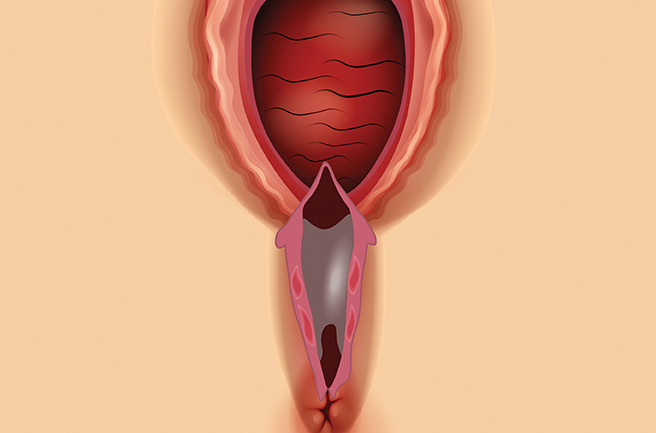
A vaginal tear occurs during childbirth. Also called a perineal laceration, it is a tear in the tissue (skin and muscle) around the vagina and perineum. The perineum is the area between the vaginal opening and the anus.

During vaginal delivery, the skin of the vagina prepares for childbirth by allowing the skin around your vagina to stretch. While the vagina is designed to stretch to allow the baby’s head and body to pass through, it is very common for it to tear. Up to 90% of people who give birth experience some degree of tearing. Treatment for vaginal tears depends on their severity.

What are the four types of perineal lacerations?
There are four levels (or degrees) of vaginal tears, based on how deep the tear is:
Normal Anatomy


First-degree tear
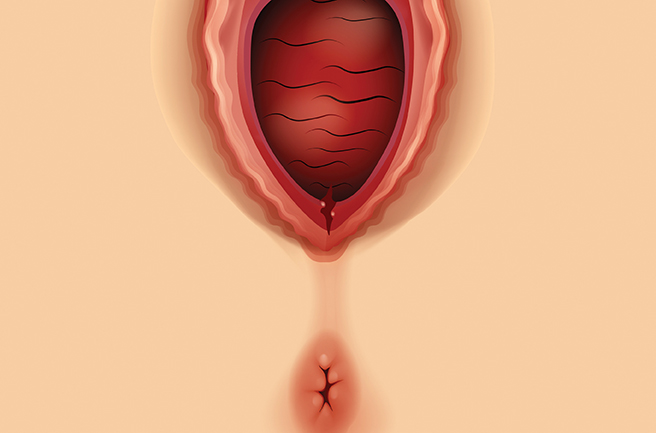
The least severe type of tear, this small injury affects only the first layer of skin around the vagina and perineal area. It usually doesn’t require stitches, or only a few simple ones.
First-degree tear


Second-degree tear
This is the most common type of tear. It extends deeper through the skin into the underlying muscles of the vagina and perineum. This type of tear requires stitches.
Second-degree tear


Third-degree tear
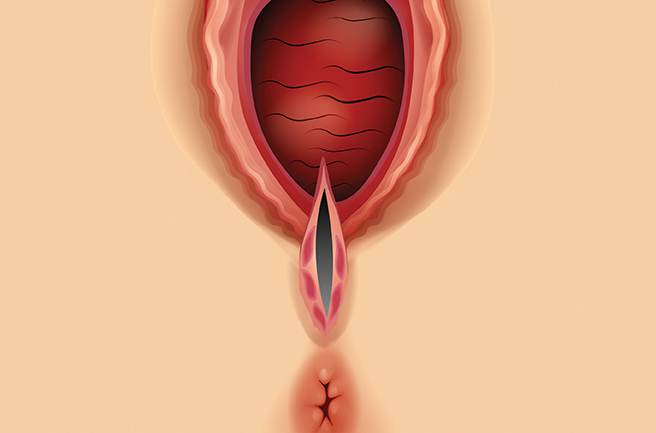
A third-degree tear extends from the vagina to the anus. It affects the skin and muscles of the perineal area and causes damage to the anal sphincter muscles, which control bowel movements. Stitches are required for this type of tear.

Third-degree tear


Fourth-degree tear
This is the most severe and least common type of tear. It extends from the vagina, through the perineal area, the anal sphincter muscles, and into the rectum. Repairing a fourth-degree tear may require a procedure in the operating room rather than in the delivery room.
Fourth-degree tear

Second-degree tears are the most common type. They affect both the first layer of skin and some of the underlying muscles in the perineal area. In contrast, third- and fourth-degree tears are much less common, occurring in only about 5% of deliveries.

Who is more likely to tear during childbirth?
Certain factors can increase the risk of tearing during childbirth, including:

  • First-time delivery
  • Having a large baby (more than 3.5 kg)
  • Use of forceps or vacuum during delivery
  • Prolonged second stage of labor (pushing stage)
  • Baby’s face-up position (malposition) during delivery
  • Use of an epidural

It’s advisable to discuss potential risk factors for vaginal tearing with your healthcare provider.

What are the potential complications of vaginal tears?
While vaginal tears can be uncomfortable and painful, most small tears heal within two weeks. Discomfort may last a month or two for larger tears. Third- and fourth-degree tears are more severe and come with additional complications, such as:

  • Infection
  • Bleeding
  • Painful intercourse
  • Faecal incontinence
  • Persistent pain and soreness

Can you feel yourself tear during birth?
Every birth experience is different, so there is no definitive answer. If you had an epidural or other pain relief during delivery, you likely won’t feel the tear or know how severe it is until your provider informs you. Even without pain medication, you may not feel a vaginal tear.

Management and Treatment
How are vaginal tears treated or repaired?

  • First-degree tear: You may not need stitches, or only a few simple ones.
  • Second-, third-, and fourth-degree tears: Stitches will be required to repair the tear. These stitches dissolve on their own within six weeks. 

All images courtesy of LohGuanLye Specialists Centre

Snoring and Obstructive Sleep Apnea

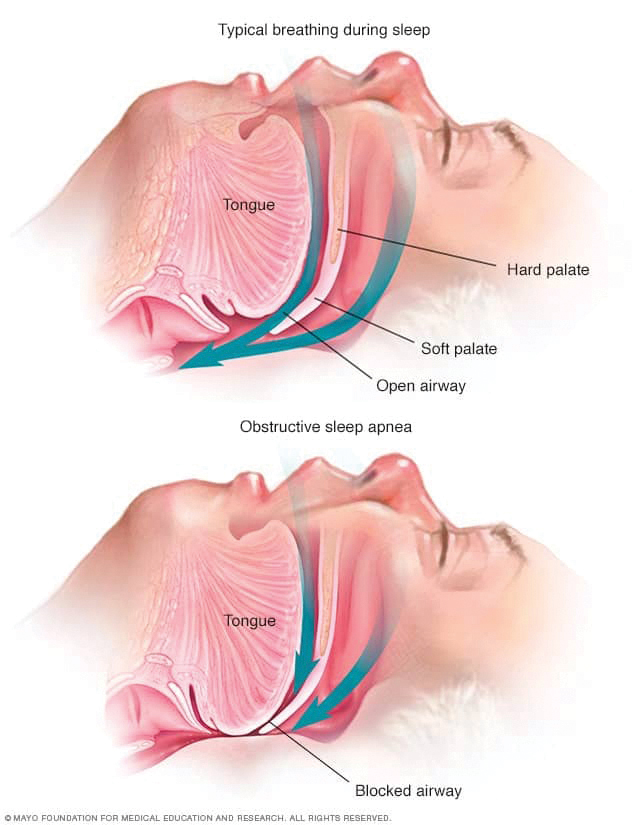
Why do people snore? Snoring is caused by the vibration of respiratory structures due to obstructed air movement during breathing while sleeping. Many people snore occasionally, especially when suffering from a cold or allergies, or after consuming alcohol. This type of snoring is usually not a major health concern.

However, snoring can be more than just a nuisance; it can indicate underlying health issues such as obstructive sleep apnea (OSA), a serious condition where breathing repeatedly stops and starts during sleep. If snoring is loud, chronic, accompanied by choking or gasping, or causes daytime sleepiness, it’s important to seek medical advice to rule out OSA.

The word “apnea” comes from Greek and means “not breathing.” Obstructive sleep apnea (OSA) is a sleep-related breathing disorder that involves cessation or decrease in airflow in the presence of breathing effort. OSA occurs when the muscles relax during sleep, causing soft tissue in the throat to collapse and block the upper airway. Think of this as trying to drink via a narrow, poor-quality paper straw; the sucking negative pressure you put on the straw collapses it, making it hard to pull liquid through to drink. Similarly, when air cannot pass through your windpipe, you are not breathing enough to maintain oxygen levels in your blood. This can lead to a reduction in blood oxygen saturation. As the body detects the lack of oxygen, episodes of brief arousal from sleep will occur to restore normal breathing, resulting in poor quality of sleep and excessive daytime sleepiness.

Many OSA patients remain undiagnosed as the symptoms begin insidiously and are often present for years before the patients are referred for evaluation. The symptoms include a spouse’s report of disruptive snoring, witnessed apnea, gasping and choking sensations that arouse the patient from sleep, excessive daytime sleepiness, nonrestorative sleep, poor memory, and concentration. In adults, obesity is the most common risk factor for OSA. Other risk factors include large neck size, middle-aged and older men, post-menopausal women, enlarged tonsils/adenoids, Down Syndrome, and head and neck bony or soft tissue structural abnormalities.

OSA can be dangerous if left untreated. It is associated with an increased risk of cardiovascular mortality and stroke. It can cause daytime drowsiness, which can be dangerous if you are driving or doing something that needs your full attention. Falling asleep while using power tools, operating machinery, or driving can lead to deadly consequences for you or others. The effects of OSA can also contribute to or worsen high blood pressure or Type 2 diabetes.

Obstructive sleep apnea is diagnosed with overnight polysomnography (PSG). A PSG detects the frequency of apnea and hypopnea during sleep. Evaluation of the upper airway is needed for all patients with OSA. The treatment of OSA partly depends on the severity of the pathology. Positive airway pressure (PAP) therapy is the standard treatment option. While surgery has a certain role in treating OSA, there is a wide range of possible surgical procedures for OSA. The procedure of choice depends on the level of obstruction during sleep apnea. When there is an anatomical deformity that can be corrected to alleviate mechanical obstruction, surgery can be very effective. Oral appliances (OA) are another treatment option but are only useful in certain conditions. Other than these treatment options, lifestyle modifications such as weight loss, avoidance of alcohol prior to bedtime, and sleeping in a lateral position are also very important, especially in obese patients.

It’s important for individuals who suspect they have OSA to seek medical evaluation and treatment. Proper management of OSA can significantly reduce the risks and improve quality of life.

Consultant Ear, Nose, Throat, Head & Neck Surgeon

MBBS (UM), M. Med. (ORL-H&N) (UM), AM (Mal.)


Dr. Sow Yih Liang is a Consultant Ear, Nose and Throat (Otorhinolaryngology) Head and Neck Surgeon in Loh Guan Lye Specialists Centre. He enjoys sharing his medical knowledge with his fellow medical practitioners through organising or contributing as a speaker at workshops, symposiums or conference. Apart from engaging himself in numerous research and publication works, Dr. Sow is also actively involved in delivering oral and poster presentations. He was an adjunct lecturer for University Malaysia Sarawak (UNIMAS) from year 2016 to 2018. He also helped to train open system postgraduate students in Otorhinolaryngology, postgraduate students in Family Medicine Programme and medical student for elective attachment.

Safeguarding Your Sight: A Guide to Understanding Diabetic Eye Health

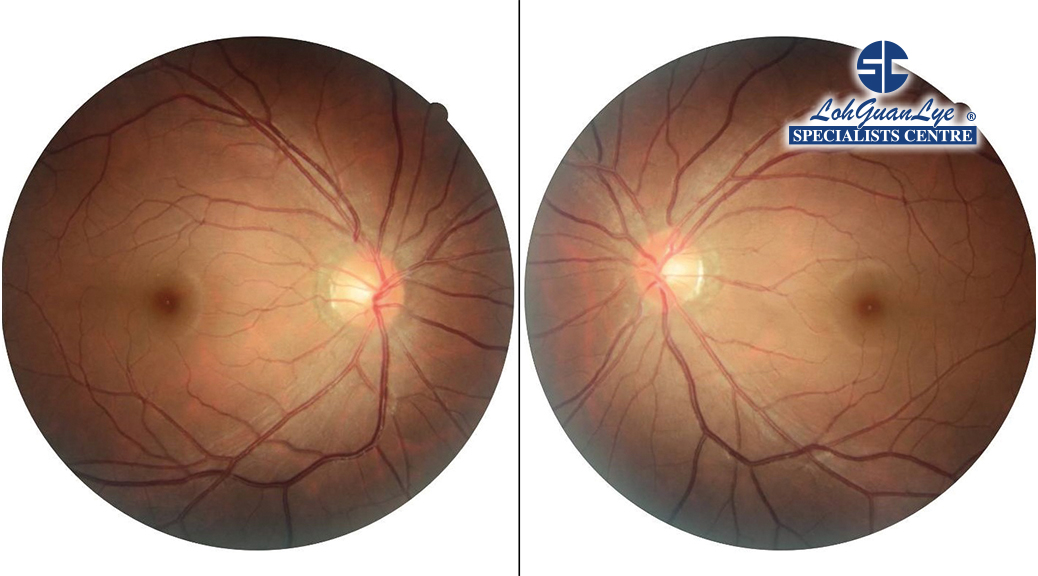
Diabetic retinopathy, a complication arising from diabetes, affects the eyes by causing damage to the blood vessels in the retina, the light-sensitive nerve at the back of the eye. Despite often exhibiting no symptoms in its early stages, diabetic retinopathy can lead to severe vision issues and, if left untreated, even blindness. Both type 1 and type 2 diabetes can predispose individuals to diabetic retinopathy, with the risk increasing based on the duration of diabetes and inadequate blood sugar control.

This article aims to provide an overview of diabetic retinopathy, its causes, symptoms, stages, risk factors, complications, and the importance of timely eye examinations for effective management.

The primary cause of diabetic retinopathy is elevated blood sugar levels, leading to the gradual blockage of capillaries that supply blood to the retina. This process triggers the growth of abnormal blood vessels prone to leakage.

Diabetic retinopathy may initially be asymptomatic, but as the condition progresses, the following symptoms may emerge:

– Floaters or dark lines in your vision.

– Blurred vision.

– Vision fluctuations.

– Dark or blank areas in your field of vision.

– Vision loss.

Diabetic retinopathy has two stages:

1. Early diabetic retinopathy, also known as nonproliferative diabetic retinopathy (NPDR), where abnormal new blood vessels have not yet formed.

2. Advanced diabetic retinopathy, or proliferative diabetic retinopathy, characterised by the growth of abnormal blood vessels in the retina.

Several factors can increase the risk of diabetic retinopathy, including the duration of diabetes, poorly controlled blood sugar levels, hypertension, high cholesterol, pregnancy, and tobacco use.

Diabetic retinopathy can lead to serious eye problems, such as:

   •   Bleeding inside the eye’s gel-like substance (vitreous), known as vitreous hemorrhage which can cause floating spots.

   •   Retinal detachment leads to visual field loss.

   •   Glaucoma, a condition when eye pressure is increased.

   •   Blindness, especially if the condition is not well-managed or is accompanied by macular edema or glaucoma.

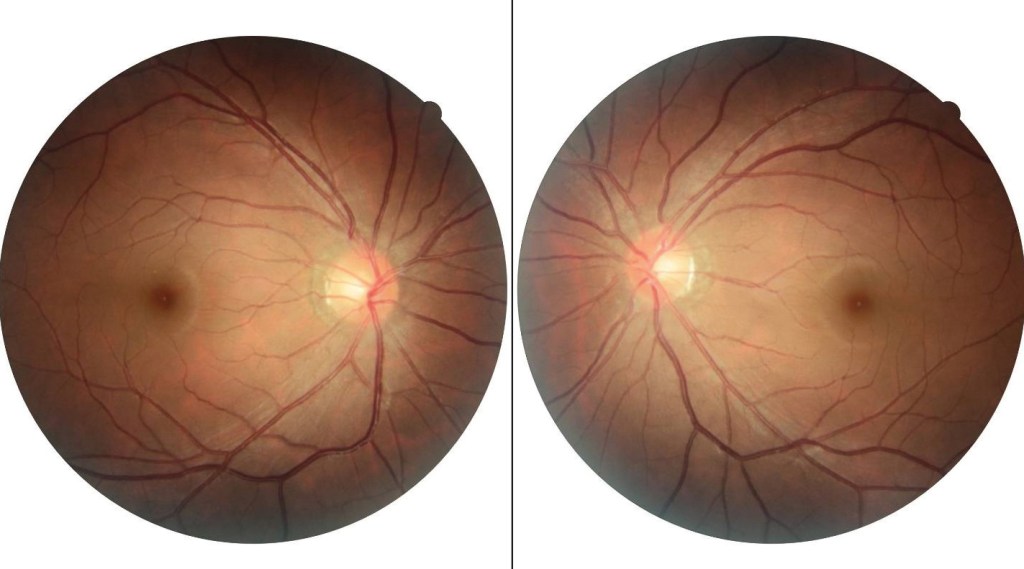
Normal Fundus
Retinopathy


Images by Dr. Lim Chang Zhen

For Type 1 Diabetes, initial eye screening should occur within 3-5 years of diabetes onset. Type 2 Diabetes individuals should undergo eye screening at the time of diabetes diagnosis.  Pregnant women with pre-existing diabetes should have an eye examination before pregnancy, in the first trimester, and then close follow-up throughout pregnancy and the postpartum period.

After the initial screening, individuals with diabetes should have annual eye examinations, even if there are no signs of diabetic retinopathy. More severe cases of diabetic retinopathy may require more frequent eye examinations. Regular and thorough eye exams are essential for preventing vision loss in individuals with diabetes. If you experience sudden changes in your vision, such as blurriness, spots in your visual field, floaters, or haziness, it’s crucial to promptly visit your eye doctor.

Treatment options include:

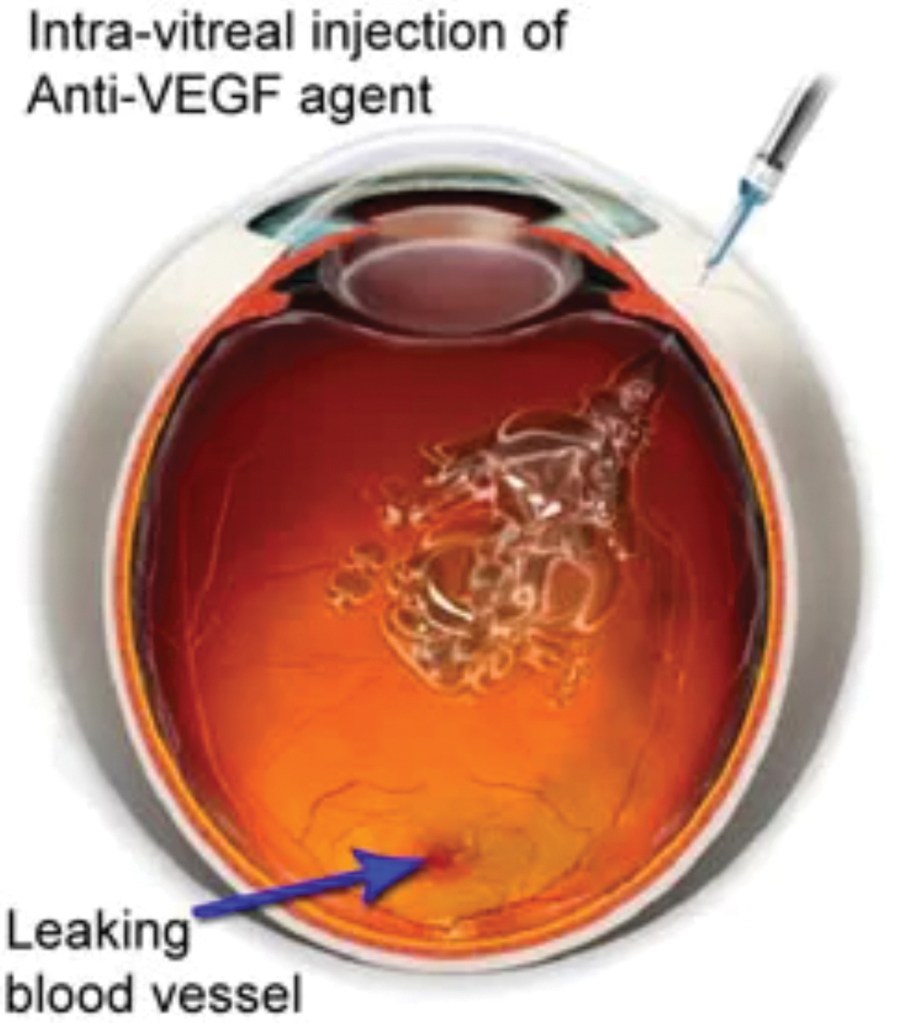
– Injections: Anti-VEGF drugs injected into the eye can slow down or reverse swelling in the retina.

– Laser Therapy: Used to shrink abnormal blood vessels, stop leakage, and reduce swelling in the retina.

– Eye surgery: In cases of excessive bleeding, scars, or retina detachment, vitreo-retina surgery may be required.

Anti-VEGF injection

Image by Shroff Eye Centre

While diabetic retinopathy cannot be entirely prevented, several steps can reduce its risk, including:

– Controlling diabetes through a healthy lifestyle, including diet, exercise, and compliance with prescribed medications.

– Regularly monitoring blood sugar levels as advised by healthcare providers.

– Managing blood pressure and cholesterol through lifestyle changes or medications.

– Quitting smoking or using tobacco products, as smoking elevates the risk of diabetic complications.

– Remaining vigilant for any vision changes and promptly consulting an eye doctor.

Optimal control of diabetes is crucial to avoid its complications, especially diabetic retinopathy. By closely monitoring blood sugar levels, following prescribed treatment regimes, living a healthy lifestyle, and undergoing regular eye check-ups, individuals can significantly lower their risk. Early detection and timely intervention are essential for effective treatment and preserving vision.

Consultant Eye Physician
& Surgeon

MD (VSMU), M. Med. (Ophthalmology) (USM)

Dr. Lim Chang Zhen has developed expertise in various procedures and surgeries. His areas of specialisation encompass cataract surgery with premium lenses, diabetic retinopathy, eye infections, glaucoma, laser treatment, and pterygium surgery. Dr. Lim ensures that his patients receive the highest standard of care, incorporating the latest advancements in the field of ophthalmology.

Chest Pain in Children and Adolescent. Is It Cardiac Illness?

by Dr. Koay Han Siang
Consultant Paediatrician & Paediatric Cardiologist

Chest pain in children and adolescents is a common reason for visits to both general practitioners and paediatric specialists. This experience can be particularly distressing for both the child and their parents, fueled by concerns about its association with heart attacks in adults.

The causes of chest pain in this age group can be categorised as either non-cardiac or cardiac in origin. The reassuring news is that non-cardiac causes are the primary culprits, accounting for the majority of cases. Only a small percentage, ranging from 1% to 4%, is attributed to cardiac issues.

Parents typically seek help by bringing their child to a clinic or casualty. The doctor’s initial approach involves obtaining a detailed medical history. Questions will cover the nature, location, timing, and factors influencing the pain, along with a review of the child’s previous medical and family history. This is followed by a thorough physical examination, which includes assessing the child’s general condition, blood pressure, saturation levels, breathing, heart rate, chest wall palpation, and listening to the lungs and heart. Often, the cause of chest pain can be identified through these evaluations alone.

The most frequently identified non-cardiac cause is of musculoskeletal origin, involving muscles, bones, and related structures of the chest wall. A history of injury, excessive or new physical activity, vigorous coughing, aggravation by certain maneuvers, and/or localised tenderness during examination may point to this category.

Reflux esophagitis (inflammation of the food passage) is another common non-cardiac cause. This is suggested by the timing of pain in relation to meals, intake of spicy foods, and/or a burning sensation resembling heartburn.

Asthma, chest infections, or inflammation of the lung covering layers are also common culprits, often accompanied by difficulty in breathing, audible wheezing, fever, and/or cough. Additionally, psychogenic chest pain in adolescents should not be overlooked, and certain stressors may require professional counselling or psychological intervention. A significant proportion of cases fall into the idiopathic group, where no identifiable cause for chest pain is found.

When the origin of chest pain remains uncertain or there is suspicion of cardiac involvement, your GP or Paediatric Specialist may refer your child to a Paediatric Cardiologist. Certain findings during history-taking or physical examination, such as episodes of near fainting or fainting, racing heartbeats, sweatiness, pain on exertion, known cardiac disease or connective tissue disorders, and positive family history, may warrant this referral.

Different heart-related issues can manifest as chest pain. These may encompass a range of conditions such as myocarditis (inflammation of the heart muscle), arrhythmias (disruptions in heart rhythm), abnormal coronary artery origin, pulmonary hypertension, cardiomyopathy (a dysfunction in the heart muscle’s performance), aortic or pulmonary valve stenosis, pericarditis (inflammation affecting the layers enveloping the heart), and Marfan syndrome, among others.

Fortunately, Paediatric Cardiologists can often diagnose these conditions through non-invasive evaluations such as electrocardiogram (ECG) and echocardiogram (heart ultrasound scan). In rare cases, additional tests like blood tests, exercise stress tests, 24-hour electrocardiogram recordings, cardiac MRI, or diagnostic cardiac catheterisation may be needed.

The treatment of chest pain depends on its underlying cause. Simple analgesia and rest are often sufficient for musculoskeletal pain, while diet and lifestyle modifications may be recommended for reflux esophagitis. Cases with psychogenic origins may require referral to a counsellor or psychologist. Reassurance through detailed explanations to both parents and the child is crucial in alleviating anxiety, enabling the child to resume normal activities, including school and sports. For cardiac chest pain, specific management by a Paediatric Cardiologist will depend on the identified causes.

Chest pain is a common occurrence in children and adolescents, with the majority of cases being non-cardiac, self-limited, and benign. Seeking early medical evaluation from a doctor is recommended to rule out serious medical conditions and provide peace of mind to both the child and their parents. 

DO YOU OR YOUR CHILD SUFFER FROM ECZEMA?

If you or your child ever had these skin problems, the answer may well be a yes! It is estimated that about 20% of children and 10% of adults suffer from a condition called ECZEMA.

What is eczema?
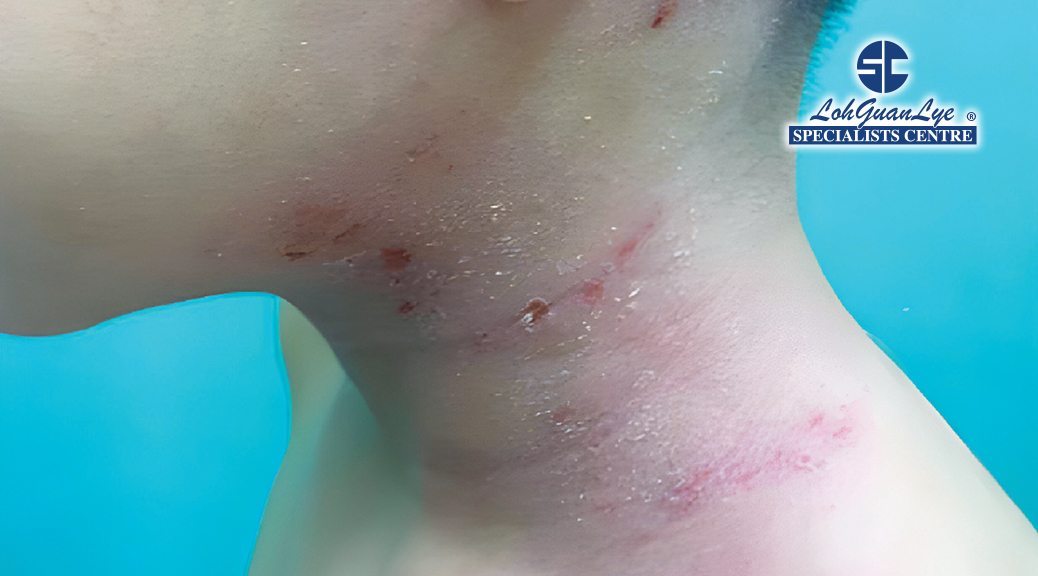
Eczema is the medical term for a skin condition that causes dry, itchy and inflamed rashes on the skin. It is a common condition in young children but it can occur in almost any age group. It is not contagious. The skin barrier helps your skin to retain moisture and protects your body from outside elements. When eczema happens, the skin barrier is weakened. This will allow bacteria, viruses, irritants and allergens to enter the body easily.

What are the Symptoms?
Initially, itchy rashes and skin dryness are first noticed. Depending on the patient’s skin colour, the rash can be red, pink or brownish in colour. Rubbing or scratching worsens the rash so it is often called “the itch that rashes.” The itch is usually worse in the evening triggered by sweating or rough clothing. It tends to involve the face, neck, elbow, elbow folds, knee and at the back of knees. Close family members with similar skin problems make the diagnosis more likely.
Who is prone to eczema?
Almost anyone of any race or gender can have eczema at any age. However, it tends to begin in the first 2 years of life but some may develop it even after puberty or during adulthood. Those with a family background of atopy (i.e eczema, bronchial asthma and allergic rhinitis) are more likely to get it.

What makes eczema worse?
     •   Climate: extremes of temperature, low humidity
     •   Irritants: wool/ rough fabrics, perspiration, detergents
     •   Infections: skin infections or other infections
     •   Environmental allergies: dust mites, pollen
     •   Food allergies: common allergens- eggs, milk, peanuts, shell fish, soy, wheat

(Note: detection of allergen specific Ig E via blood does not necessarily mean that allergy triggers the eczema)

The impact?
Eczema can have a significant impact on a person’s daily life. When scratching results in a wound with itchiness and inflammation, a child may not want to bathe as he will suffer an unpleasant stinging sensation. Sleep will be disturbed leaving the child irritable. In school, they may be stigmatized and other children may be hesitant to interact with the child with eczema. As they grow older, they may become self-conscious of the way their skin looks. Fortunately, early diagnosis and effective treatment can help patients and family members deal with this skin condition.

When to consult a dermatologist?
When sensitive skin care regimes and avoidance of irritants fail to completely clear up the itchy rash, it is time to consult a dermatologist. You or your child may need more potent treatment. Alternatively, it is possible that the rash is not due to eczema.

How do we treat eczema?
Upon diagnosing eczema, the dermatologist will prescribe topical products, such as topical steroids or calcineurin inhibitors as well as oral antihistamines. Other treatment options include phototherapy, wet wrap, systemic medications that target the immune system. Recently, newer oral and injectable monoclonal antibody have been proven effective.

Although eczema cannot be cured, it can be managed. Fortunately, some children’s symptoms lessen or disappear as they grow up. Hence, eczema should be diagnosed and managed early so that your child can thrive!

All photos credit: Dr. Janet Lee Hoong May

Consultant Dermatologist & Physician

MD (RSMU), MRCP (UK), Adv. Master in Dermatology (UKM)

Dr. Janet specialises in a variety of skin, scalp, hair and nail disorders for both adults and children i.e. acne, psoriasis, eczema, skin allergy and allergic testing, skin pigmentations, skin cancers, skin infections as well as hair loss. She has vast experience in dermatological procedures such as skin biopsy, electrocautery and excision, intralesional injections, cryotherapy, lasers and chemical peeling.

Diabetic Mellitus (DM), are the kidneys in trouble?

by Dr. Yeo Geok Ping,
Consultant Nephrologist & Physician

In National Health and Morbidity Survey 2019, the prevalence of Diabetes Mellitus (DM) amongst adults age >18 years old had increased from 11.2% (2011) to 18.3%.(2019). Over time, DM may lead to serious complications like heart attacks, strokes, kidney disease, vision loss, and nerve damage. DM remains the most common cause of End Stage Kidney Disease (ESKD), accounting for 53% of all new ESKD patients in 2021, followed by hypertension (33.9%).

How diabetes cause kidney disease?
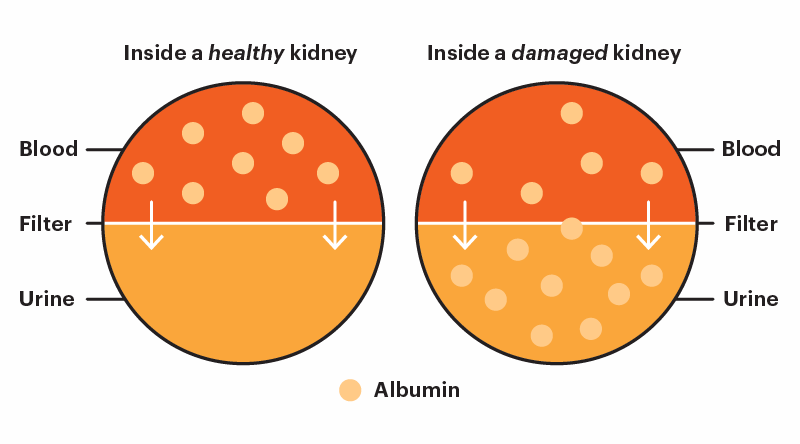
Kidneys are two bean-shaped organs, each about the size of a fist located in the middle of your back, just below your ribcage. Each kidney is made up of millions of tiny filters called nephrons. These filters help to remove waste and excess water from the blood into the urine while leaving protein and other substances in blood. Kidneys also help to control blood pressure, produce red blood cells and activate Vitamin D. Over time, high blood sugar from diabetes can damage blood vessels in the kidneys as well as nephrons so they don’t work as well as they should.  Around 20-30% of people with diabetes develop Diabetic Kidney Disease.

How to detect Diabetic Kidney Disease (DKD)?
Diabetic Kidney Disease (DKD) is kidney damage caused by DM. When the kidneys are working normally, they prevent albumin from leaking into the urine. Hence, the earliest sign of DKD is increased excretion of albumin in the urine. The kidney doctor (nephrologist) will perform assessment and screen for kidney damage by doing blood and urine tests.


Photo credit: Diabetes and Digestive and Kidney Diseases (NIDDK)/kidney.org

Screening tests may include:

1.  Urine test to measure excretion of albumin in urine.
2. Blood test to measure level of creatinine. It can estimate how well the kidneys filter blood. High creatinine indicates a low eGFR (estimated Glomerular Filtration Rate), indicating poor kidney function.
3. Ultrasonography of kidneys to assess the size of kidneys. The kidneys are usually normal or increased in size in the initial stages but later may shrink as the disease progresses.

What happens if there is kidney failure?
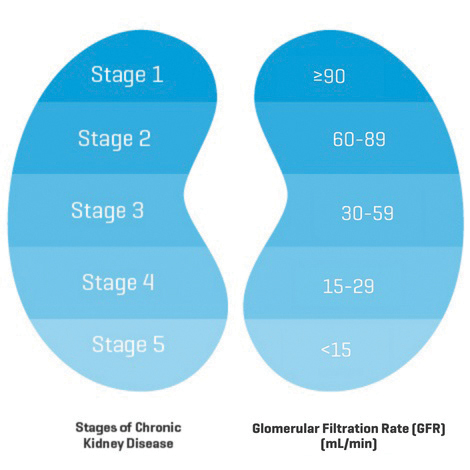
There are five stages of Chronic Kidney Disease (CKD). It is a silent killer as it may progress insidiously over time without any clinical manifestation. Eventually, DKD may cause the kidneys to shut down, leading to the last stage (stage 5) of CKD, known as End Stage Kidney Disease (ESKD).


Photo credit: Baxter/mykidneyjourney.com

Symptoms and signs of kidney failure include:
     •   Nausea and vomiting
     •   Fatigue
     •   Swelling in the face, ankles and feet
     •   Breathlessness
     •   High blood pressure
     •   Confusion
     •   Dry skin and itchiness
     •   Anemia

ESKD occurs when the kidneys can barely function to meet day-to-day requirements. In this final stage, dialysis or kidney transplant is a must in order to survive. Kidney transplant involves the transfer of a healthy kidney from one person into the body of a person who has little or no kidney function. Kidney transplantation is the optimal treatment for improving survival and quality of life for patients with ESKD.

There are two types of dialysis treatments available to remove toxin and extra fluids from the body. Haemodialysis will require a machine that removes blood from the body, filters it through a dialyzer (artificial kidney) and returns the cleaned blood to body via vascular access either arteriovenous fistula (AVF) or dialysis catheter. Every Haemodialysis will be individualized but generally it takes an average of 4 hours per session and 3 treatments per week. Peritoneal Dialysis is dialysis using the peritoneal membrane, which is the natural lining of abdomen, via a tenckhoff catheter that is  surgically placed in the abdomen. Continuous Ambulatory Peritoneal Dialysis (CAPD) is carried out manually every day. There are usually 4 exchanges during the day. Automated Peritoneal Dialysis (APD) requires a machine to perform three to five exchanges during the night while sleeping.

How do we treat Diabetic Kidney Disease (DKD)?
There is no medication or therapy that can reverse the kidney damage done. However, with the correct treatment, we can slow down the progression of DKD:
• Lifestyle modification : Stop smoking, regular exercise (At least 150 minutes per week)
• Healthy diet: Low salt and sugar.
• Good sugar control : The treatment will be individualized to prevent development of hypoglycaemia (low blood sugar)
• Good blood pressure control: Recommended goal below 130/80 mmHg, however target should be individualized.
• Avoid over-the-counter pain medication including non-steroidal anti-inflammatory drugs (NSAIDS) or non-FDA approved supplement.
• Compliance to medications and follow up are of paramount importance to retard the disease progression of DKD.

Time is critical in the treatment of kidney disease. The key point here is to have early diagnosis and treatment without delay, in order to minimize loss of kidney tissue from the injury. 

Therefore, it is imperative to consult a nephrologist early, in order for a prompt diagnosis and initiation of treatment.

Sidenote: 
Having foamy urine?
This could be your kidneys ‘leaking’ protein, the earliest sign of kidney disease.

“Time is kidney”
A key point here is to have early diagnosis and treatment as soon as possible without losing time, in order to minimize loss of kidney tissue from the injury.