
by Dr. Evylne Chin Oi Lian
General Dental Practitioner
Myth #1 Sugar Is the Sole Culprit of Cavities
While sugar plays a significant role in cavity formation, it is not the sole culprit. Cavities develop due to a combination of factors, including oral bacteria, time, susceptible tooth surfaces, and fermentable carbohydrates.
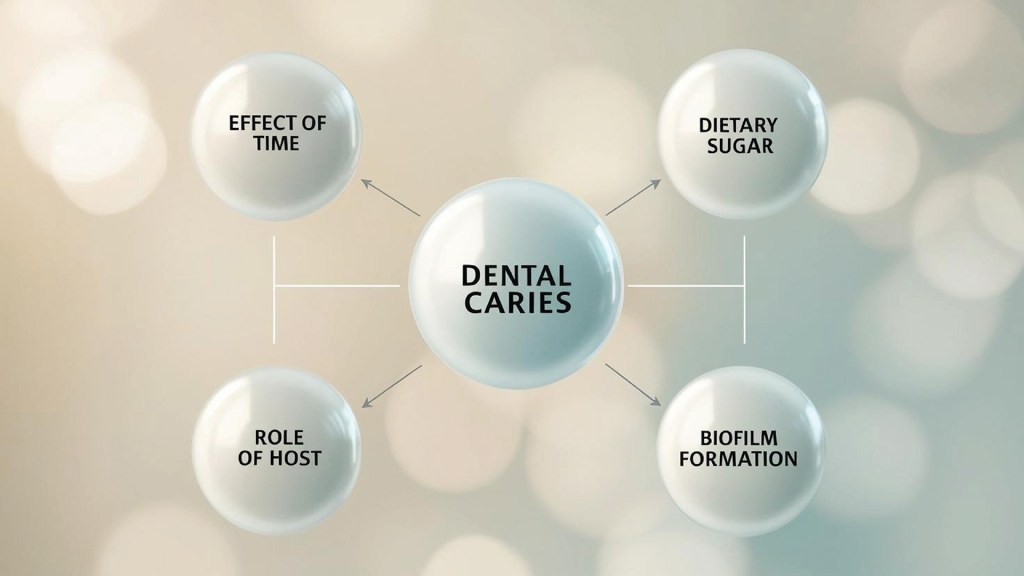
When we consume foods or drinks containing sugar, the bacteria in our mouths—especially Streptococcus mutans—use that sugar as an energy source, producing acid as a byproduct. This acid weakens and demineralises enamel over time, leading to cavities. However, cavities can also be influenced by other factors, such as:
A. Bacterial Presence and Plaque Build-Up:
Plaque, a sticky biofilm of bacteria, adheres to teeth and feeds on more than just sugar. Simple carbohydrates found in bread, pasta, and fruit can also be broken down into sugars, which bacteria consume and convert into acids. A study published in the Journal of Dental Research found that starchy foods increase cavity risk, especially when oral hygiene is poor.
B. Oral pH Levels and Acidic Foods:
Acidic foods and drinks, such as citrus fruits, soda, and vinegar, lower the pH in your mouth, softening enamel and making teeth more vulnerable to decay. Saliva helps neutralise acid, but consistently high acid levels accelerate enamel erosion regardless of sugar intake. A study in the Journal of Clinical Periodontology highlights the importance of pH levels in maintaining healthy enamel, showing how acidic diets amplify the impact of sugar on tooth decay.
C. Oral Hygiene Habits:
Neglecting regular brushing and flossing allows plaque to build up, creating an environment where acids can attack the enamel. Proper oral hygiene is crucial to minimising cavity risk—avoiding sugar alone isn’t enough.
D. Genetic Factors and Enamel Quality:
Some people are more prone to cavities due to inherited factors, such as weaker enamel or differences in saliva composition, which affect how well it neutralises acids.
While limiting sugar intake is important, a holistic approach to oral care—including a balanced diet, regular brushing and flossing, and routine dental checkups—provides the best defence against cavities.
Myth #2 You Should Brush Your Teeth Right After Eating
Brushing your teeth immediately after eating is not always recommended, especially after consuming acidic foods and drinks like coffee, citrus fruits, or soda.
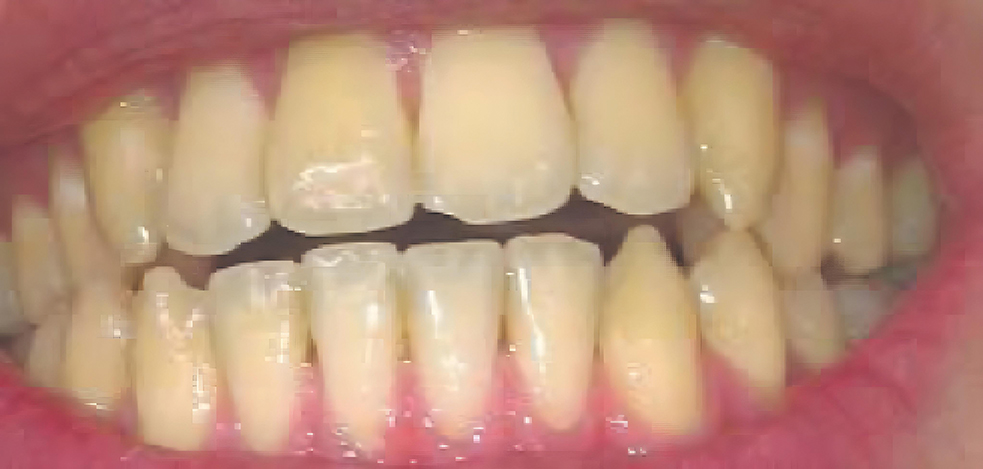
Research from the American Dental Association highlights that brushing your teeth right after consuming acidic items can harm enamel due to acid exposure. Acidic substances temporarily soften enamel, making it more susceptible to wear when brushed. Over time, enamel thinning exposes the yellowish dentin layer underneath, leading to the appearance of yellow teeth and heightened sensitivity.
Waiting at least 30 minutes to an hour after consuming acidic foods or drinks allows saliva to neutralise acids and remineralise enamel, reducing the risk of abrasion caused by brushing. Rinsing your mouth with water or drinking milk after acidic intake can also help. Using a soft-bristled toothbrush with fluoride toothpaste provides additional protection. Chewing sugar-free gum stimulates saliva production, aiding in pH restoration. These approaches minimise enamel erosion and help maintain the natural whiteness of your teeth.
Myth #3: Probiotics for Oral Health – Are They Really Helpful?
Probiotics are live bacteria that are good for your health, especially your gut. Recently, they’ve also been considered for oral health, as they might help with things like tooth decay, gum disease, and bad breath.
For probiotics to work in your mouth, they need to stick to your teeth and gums. Some types of probiotics, like those found in yogurt, have shown promise in helping with oral health. However, the effects are usually temporary, meaning they won’t stay in your mouth long unless you keep using them regularly. Certain probiotics can help fight harmful bacteria that cause dental problems, but you’ll need to keep taking them to maintain any benefits.
While probiotics may help support oral health in the short term, they shouldn’t replace regular brushing, flossing, and dental checkups. They can be a helpful addition, but a healthy mouth still depends on good daily care and routine dental visits.
Potential Benefits of Probiotics in Oral Health:
- Dental Caries: Certain probiotics inhibit cariogenic bacteria like Streptococcus mutans, reducing cavity formation.
- Periodontal Disease: Probiotics may help reduce inflammation and pathogenic bacteria, promoting a healthier balance in the oral microbiota.
- Halitosis: Some strains reduce volatile sulphur compounds responsible for bad breath.
Current Challenges and Evidence:
While laboratory and preliminary clinical studies highlight potential benefits, challenges remain:
- Limited high-quality, long-term clinical trials.
- Variability in probiotic strains and their effectiveness.
- Difficulty ensuring probiotics survive and colonise the oral environment.
Conclusion:
Probiotics hold promise for oral health, particularly as an adjunct to traditional therapies. However, robust research is needed to establish clear guidelines. For now, probiotics should be viewed as complementary to, rather than a replacement for, established oral care practices like brushing, flossing, and professional dental care.
Summary Box:
- Probiotics are living microorganisms that are safe for human consumption and have health benefits.
- Probiotic therapy is being explored for oral health applications, particularly against antibiotic-resistant bacteria.
- Probiotics in dairy products neutralise acidic conditions in the mouth and interfere with cariogenic bacteria.
- Patients with periodontal disease who used probiotic-containing chewing gum or lozenges saw improvements in periodontal status.
- Probiotics in gargling solutions or gum inhibit the production of volatile sulphur compounds that contribute to bad breath.
Myth #4: Whitening toothpaste works just like professional whitening
Understanding Whitening Toothpaste vs. Professional Whitening
Many people believe that whitening toothpaste works just as well as professional whitening treatments, but is that really true? Let’s break it down:
A. Mechanism of Action:
Whitening toothpaste typically contains mild abrasives and certain chemical agents (such as) hydrogen peroxide or carbamide peroxide that help remove surface stains caused by food, beverages, or smoking. However, these products primarily act on the enamel surface rather than penetrating deeper into the tooth structure to address intrinsic stains.
B. Effectiveness:
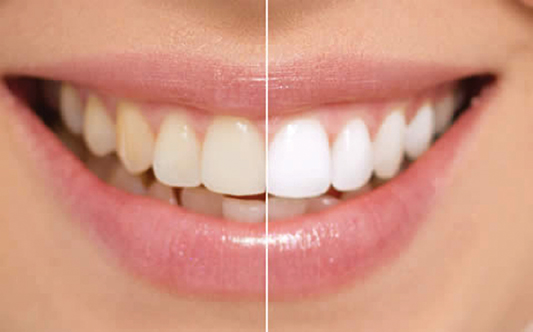
Research published in the Journal of the American Dental Association found that whitening toothpaste can result in a slight increase in tooth brightness but often falls short of achieving the more significant, long-lasting results provided by professional whitening treatments. In contrast, professional whitening products often contain higher concentrations of bleaching agents that penetrate the enamel and dentin, yielding more dramatic results.
C. Duration of Results:
Studies indicate that the effects of professional whitening treatments tend to last significantly longer than those achieved with whitening toothpaste. For example, a clinical trial in the Journal of Dentistry demonstrated that professionally applied whitening treatments maintained brightness for several months, whereas over-the-counter whitening toothpaste had minimal effects.
D. Potential for Sensitivity:
Some patients experience tooth sensitivity when using professional whitening products, especially those with a high concentration of bleaching agents. Whitening toothpaste typically has a lower risk of causing sensitivity, but results may be less noticeable. A study in Operative Dentistry emphasised the need for patients to consider sensitivity when choosing whitening treatments.
A systematic review in the British Dental Journal compared the efficacy of whitening toothpaste with professional treatments. The review concluded that while whitening toothpaste can remove some surface stains and provide minor whitening effects, it is not a substitute for professional whitening, which offers more substantial and longer-lasting results. Patients should be aware that while whitening toothpaste may improve the appearance of their teeth by removing surface stains, it cannot achieve the same level of whitening as professional treatments. For significant whitening results, individuals should consider consulting a dentist for personalised professional whitening options.
All images by LohGuanLye Specialists Centre
 EZ MALAYSIA.NEWS