

by Dr. Tan Hoo Seong
Consultant Obstetrician & Gynaecologist
Perineal Lacerations
Each year, between 130 to 150 million babies are born worldwide. Many new mothers experience a tear in the area between their vagina and anus (called the perineum) during delivery. This can affect their physical, emotional, and mental well-being. It can also impact healthcare systems, as treating these injuries can be costly.
In Malaysia, these types of injuries are often not well-reported or managed, mainly due to a lack of awareness and guidelines among healthcare providers and mothers. This article aims to shed light on the issue and encourage better care for new mothers.
Overview
What is a vaginal tear?
A vaginal tear occurs during childbirth. Also called a perineal laceration, it is a tear in the tissue (skin and muscle) around the vagina and perineum. The perineum is the area between the vaginal opening and the anus.
During vaginal delivery, the skin of the vagina prepares for childbirth by allowing the skin around your vagina to stretch. While the vagina is designed to stretch to allow the baby’s head and body to pass through, it is very common for it to tear. Up to 90% of people who give birth experience some degree of tearing. Treatment for vaginal tears depends on their severity.
What are the four types of perineal lacerations?
There are four levels (or degrees) of vaginal tears, based on how deep the tear is:
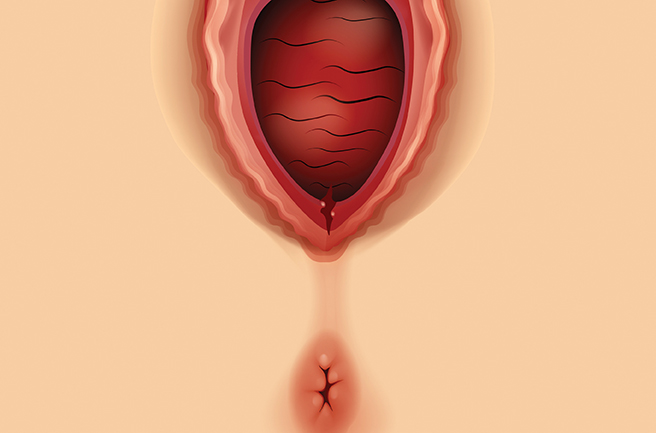
Normal Anatomy

First-degree tear
The least severe type of tear, this small injury affects only the first layer of skin around the vagina and perineal area. It usually doesn’t require stitches, or only a few simple ones.
First-degree tear
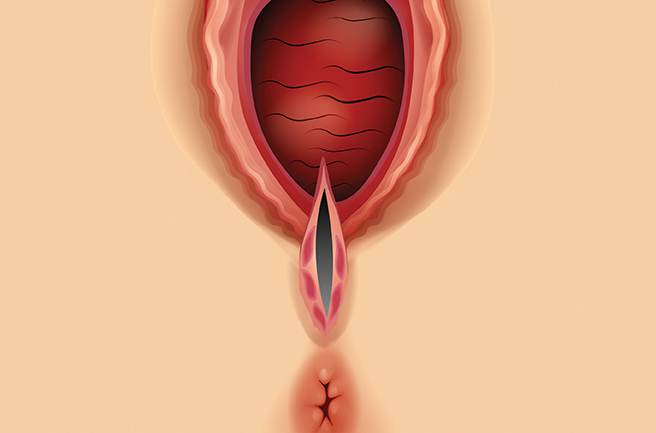
Second-degree tear
This is the most common type of tear. It extends deeper through the skin into the underlying muscles of the vagina and perineum. This type of tear requires stitches.
Second-degree tear

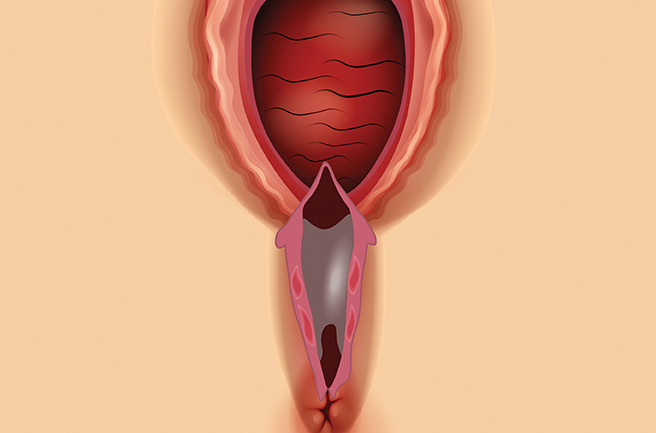
Third-degree tear
A third-degree tear extends from the vagina to the anus. It affects the skin and muscles of the perineal area and causes damage to the anal sphincter muscles, which control bowel movements. Stitches are required for this type of tear.
Third-degree tear
Fourth-degree tear
This is the most severe and least common type of tear. It extends from the vagina, through the perineal area, the anal sphincter muscles, and into the rectum. Repairing a fourth-degree tear may require a procedure in the operating room rather than in the delivery room.
Fourth-degree tear
Second-degree tears are the most common type. They affect both the first layer of skin and some of the underlying muscles in the perineal area. In contrast, third- and fourth-degree tears are much less common, occurring in only about 5% of deliveries.
Who is more likely to tear during childbirth?
Certain factors can increase the risk of tearing during childbirth, including:
- First-time delivery
- Having a large baby (more than 3.5 kg)
- Use of forceps or vacuum during delivery
- Prolonged second stage of labor (pushing stage)
- Baby’s face-up position (malposition) during delivery
- Use of an epidural
It’s advisable to discuss potential risk factors for vaginal tearing with your healthcare provider.
What are the potential complications of vaginal tears?
While vaginal tears can be uncomfortable and painful, most small tears heal within two weeks. Discomfort may last a month or two for larger tears. Third- and fourth-degree tears are more severe and come with additional complications, such as:
- Infection
- Bleeding
- Painful intercourse
- Faecal incontinence
- Persistent pain and soreness
Can you feel yourself tear during birth?
Every birth experience is different, so there is no definitive answer. If you had an epidural or other pain relief during delivery, you likely won’t feel the tear or know how severe it is until your provider informs you. Even without pain medication, you may not feel a vaginal tear.
Management and Treatment
How are vaginal tears treated or repaired?
- First-degree tear: You may not need stitches, or only a few simple ones.
- Second-, third-, and fourth-degree tears: Stitches will be required to repair the tear. These stitches dissolve on their own within six weeks.
All images courtesy of LohGuanLye Specialists Centre
 EZ MALAYSIA.NEWS